The 500 Sqft Threshold: Why It's the Most Popular ADU Size in California
Data from 139 real Realm projects on 500 sq ft ADUs, garage conversions, primary suites, and more, with median costs and honest perspective from the field.
|
March 4, 2026
In this article:
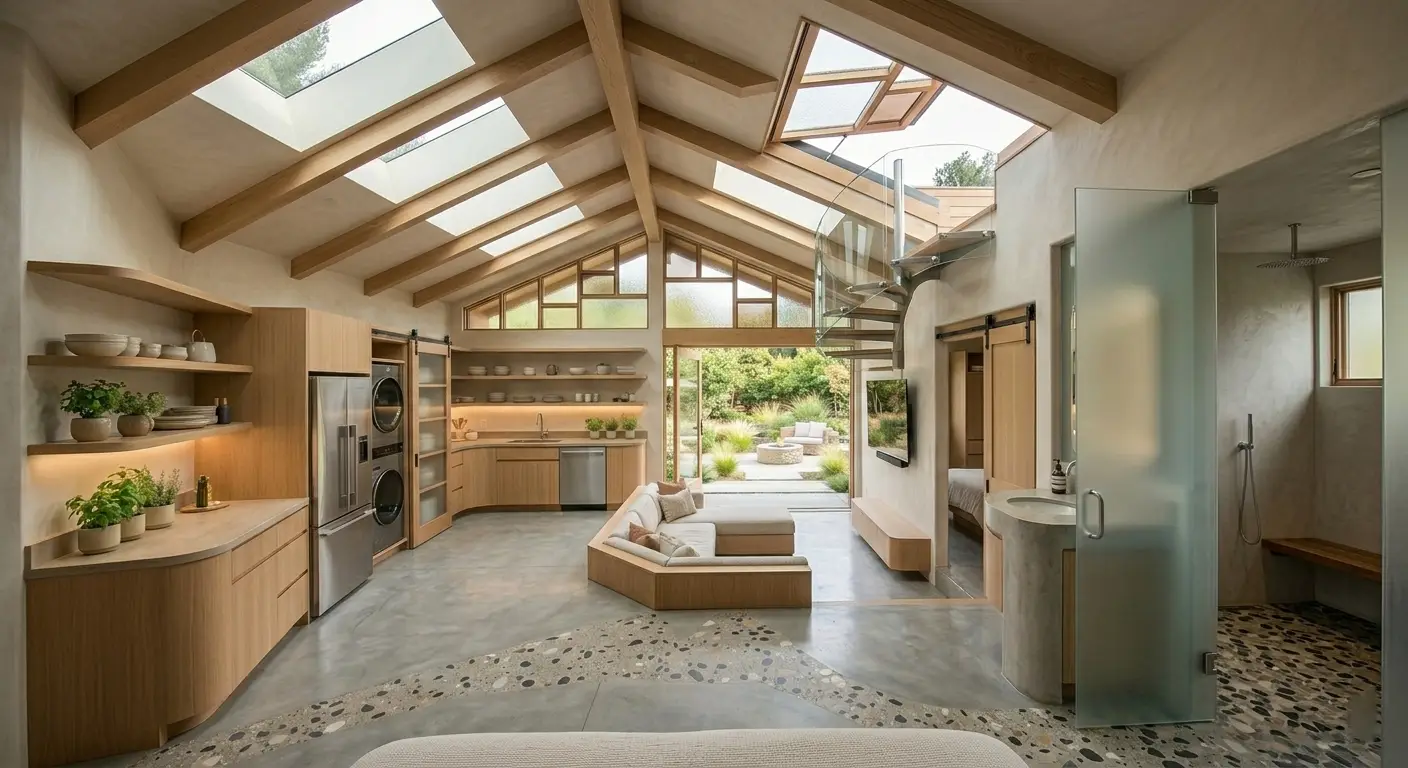
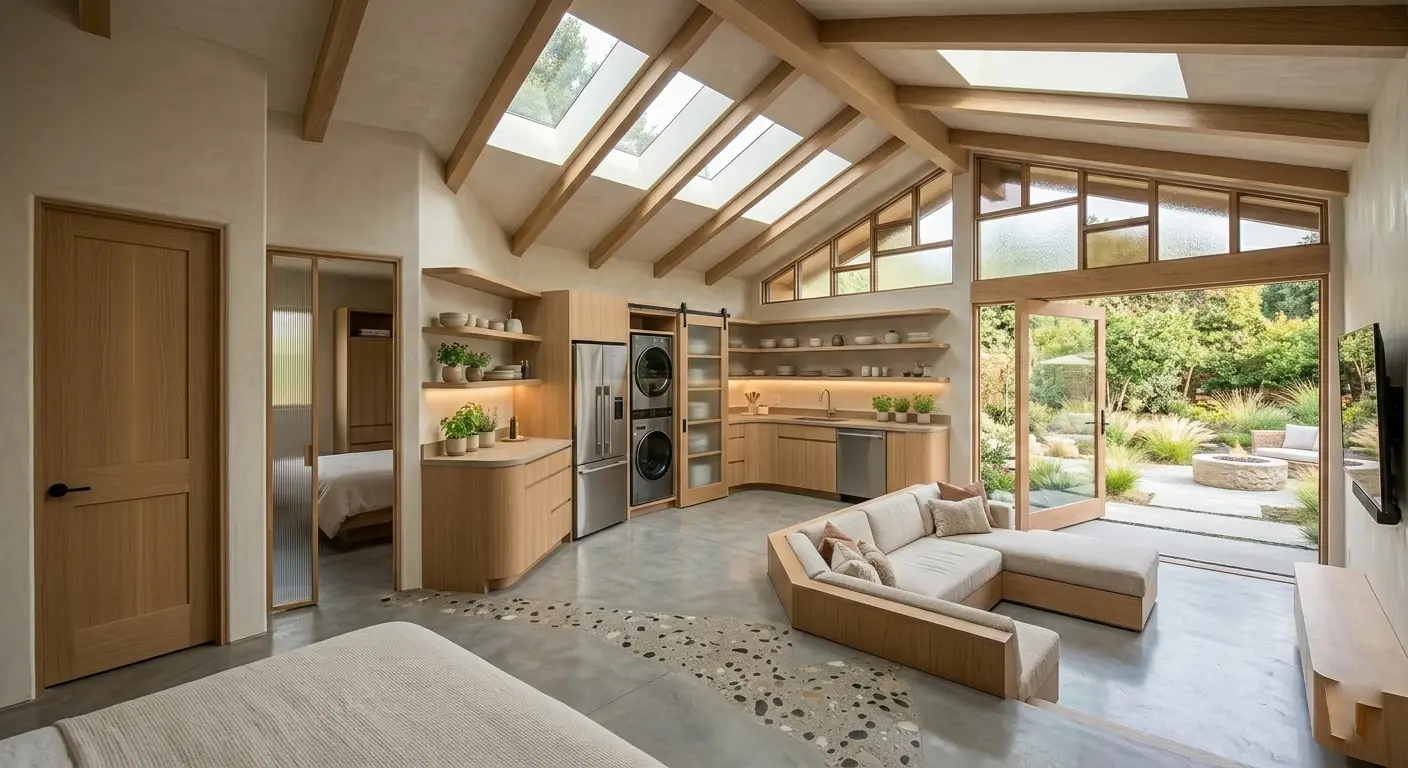
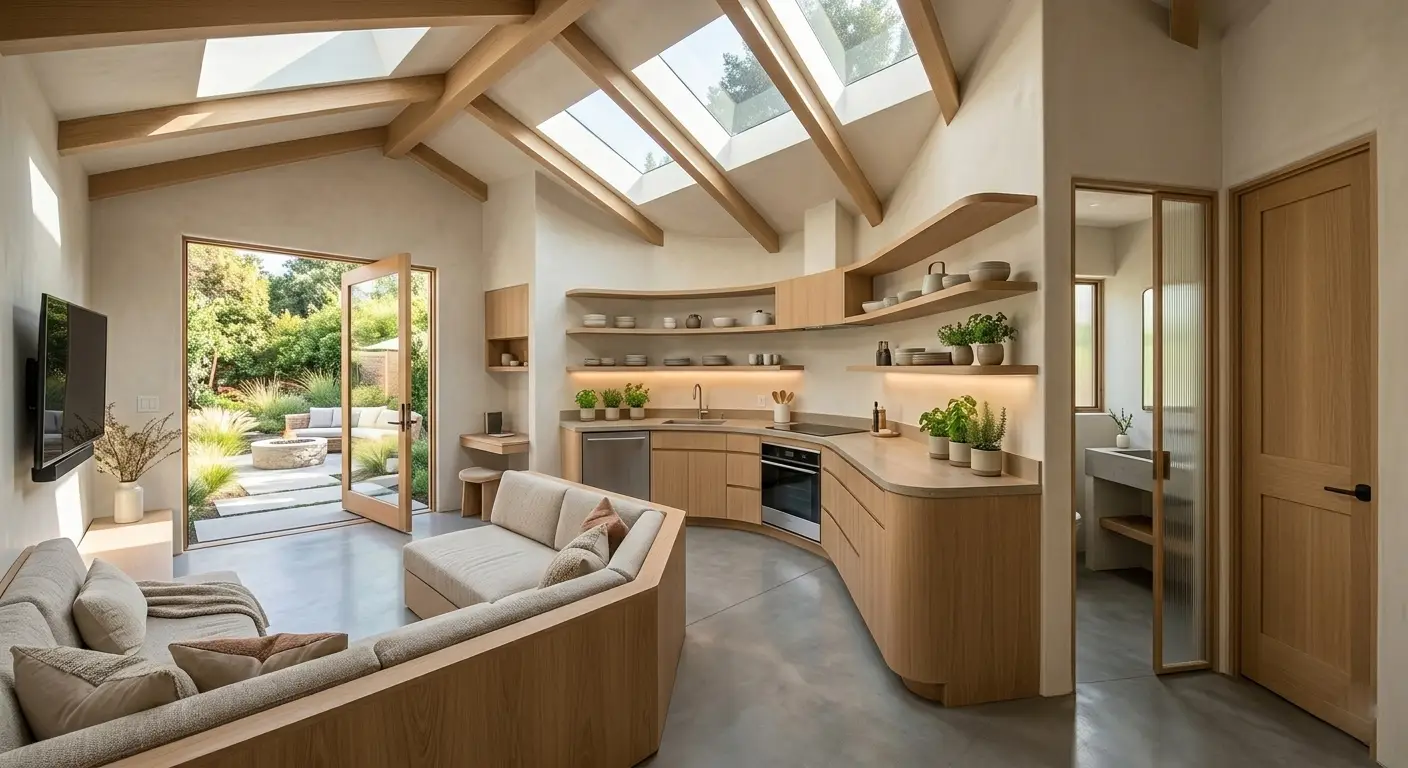
Five hundred square feet is not just a popular ADU size. It is the size at which everything aligns: unit capability, tenant appeal, permitting accessibility, and construction cost efficiency all converge at a point that the California residential renovation market has collectively recognized as the right target. A two-bedroom, one-bath ADU at 500 square feet has a full kitchen with real counter space, a laundry hookup, a living area that doesn't borrow from the dining space, and two bedrooms that each have genuine clearance for normal furniture. Nothing in that description requires optimization. It just works.
The 139 closed Realm projects at this size make it the largest dataset in the series by a significant margin. The median cost is $225,000 and the average is $322,205. The spread between those numbers is wider than at smaller size brackets, driven by complexity at the high end: luxury primary suites, second-story builds, and premium detached ADUs on challenging sites push the average well above the median. For most homeowners, the median is the more grounded starting point before adjusting for project type and local conditions.
Key Takeaways
- 500 square feet is California's most popular ADU size, sitting at the intersection of the maximum JADU footprint, the optimal garage conversion target, and the standard detached ADU configuration across the state's markets.
- The median project cost is $225,000, with an average of $322,205. The wider spread reflects significant complexity at the high end, particularly from second-story additions, luxury primary suites, and premium detached builds.
- 139 projects make this the largest and most statistically reliable dataset in the series, giving the cost figures here more weight than any other bracket in the analysis.
- Detached ADUs overtake garage conversions as the most common project type for the first time at this size, which reflects how naturally 500 square feet maps to a complete standalone unit.
- A two-bedroom, one-bath layout is fully comfortable at this size, with room for a proper kitchen, laundry, and a living area that all function without any element competing for the same space.
- 500 square feet is the maximum JADU size under California law in most jurisdictions, making this the last bracket where a JADU is a viable standalone project type for homeowners adding rental income within the existing footprint.
Why 500 Square Feet Became California's Default ADU Target
The answer is not arbitrary. Five hundred square feet is 20 by 25, or a slightly wider 22 by 23. It's the size at which a two-bedroom ADU stops being a floor plan challenge and becomes a floor plan. Both bedrooms fit a queen or king bed with nightstand clearance on both sides. The kitchen has an island or counter space on multiple sides without those features fighting for the same wall. The living area holds a real couch without one end of it touching the dining table.
This combination of livability across all the key functions of a home, without requiring any of them to make concessions, is exactly what tenants and homeowners have gravitated toward. It's also what permitting departments across California have come to expect as the standard ADU configuration, which keeps the process more predictable at this size than at larger or more unusual footprints.
Stand in the Space Before You Spend on the Design
Mark out a 20 by 25 rectangle somewhere you can walk through it, a driveway, a rear yard, a large interior room, and spend time inside it before any floor plan conversations begin. The point is not to verify measurements. It's to develop a physical intuition for what the space can hold that no drawing ever fully communicates. Most people who do this at 500 square feet come away understanding why this particular footprint has become the default: it feels complete in a way that smaller sizes don't, and manageable in a way that larger sizes complicate.
What 139 Projects Tell Us About This Size
The breadth and volume of the 500 sq ft dataset is itself informative. Twelve distinct project types appear across 139 projects, which means the data has enough examples in each category to produce cost benchmarks with real statistical weight. It also means the variety of goals homeowners bring to this size is wide: ADU builds, kitchen transformations, primary suite additions, second-story expansions, and basement conversions all appear with enough frequency to reflect genuine demand rather than isolated projects. Learn how Realm helps homeowners identify which of those twelve options makes the most sense for their specific situation.
The Broadest Dataset in the Series: What 139 Projects Reveal
Twelve project types appear in the data at this size. The most frequently built are detached ADUs, garage conversion ADUs, and kitchen expansions, followed by JADUs, above-garage ADUs, and primary suite additions. After those come bedroom additions, living space additions, basement ADUs, sunrooms and enclosed patios, second-story additions, and a catch-all for specialty builds.
The most significant shift compared to every smaller size bracket is that detached ADUs overtake garage conversions as the most common project type. That reversal makes intuitive sense at 500 square feet: this is the configuration that most clearly justifies the cost of a ground-up detached build, because the resulting unit is complete, private, and capable enough to produce the rents and tenant quality that make the long-term investment work.
A Full Look at Every Project Type and What It Actually Costs
Detached ADU: The Unit That Performs Like a Market-Rate Apartment
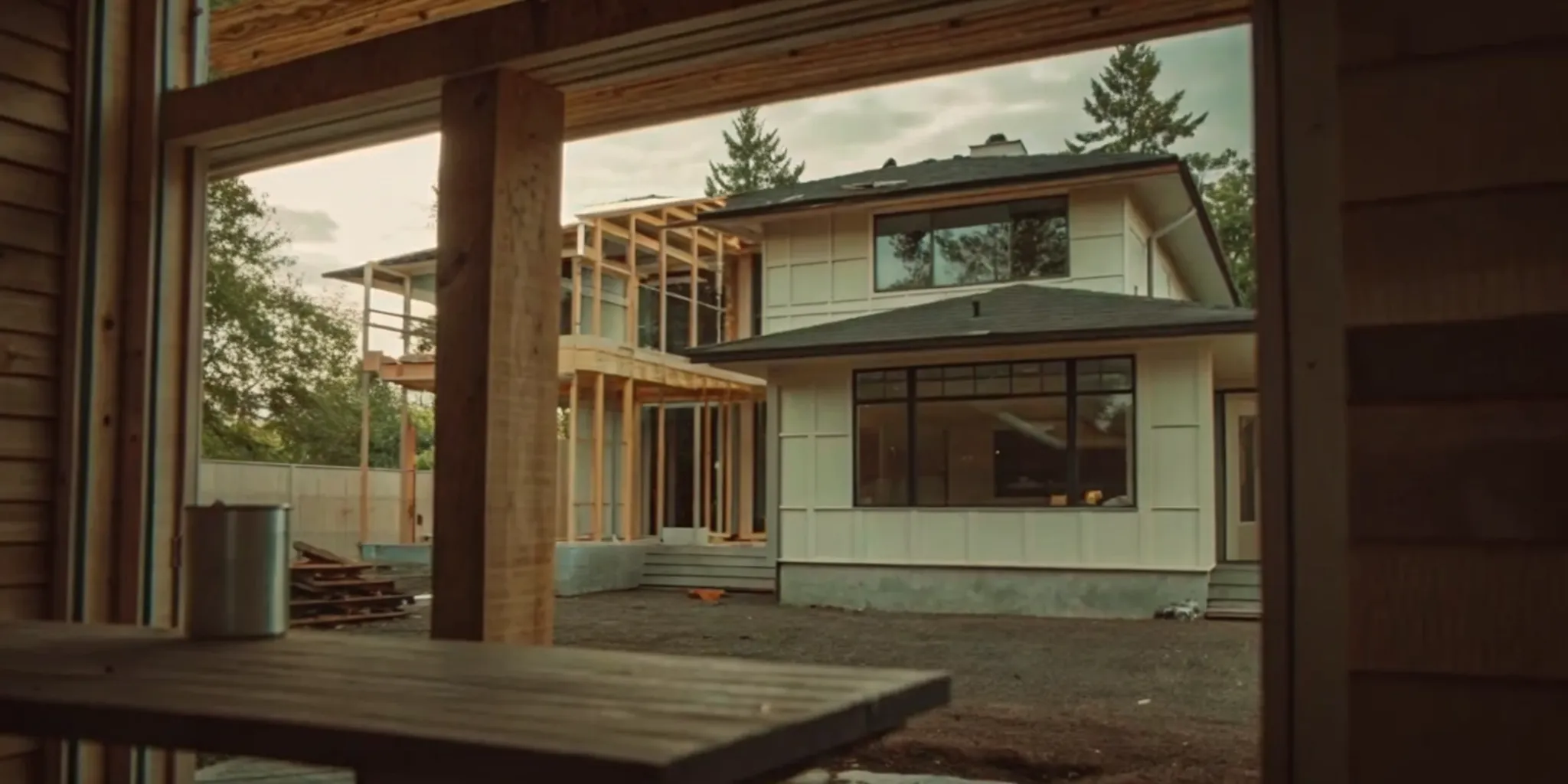
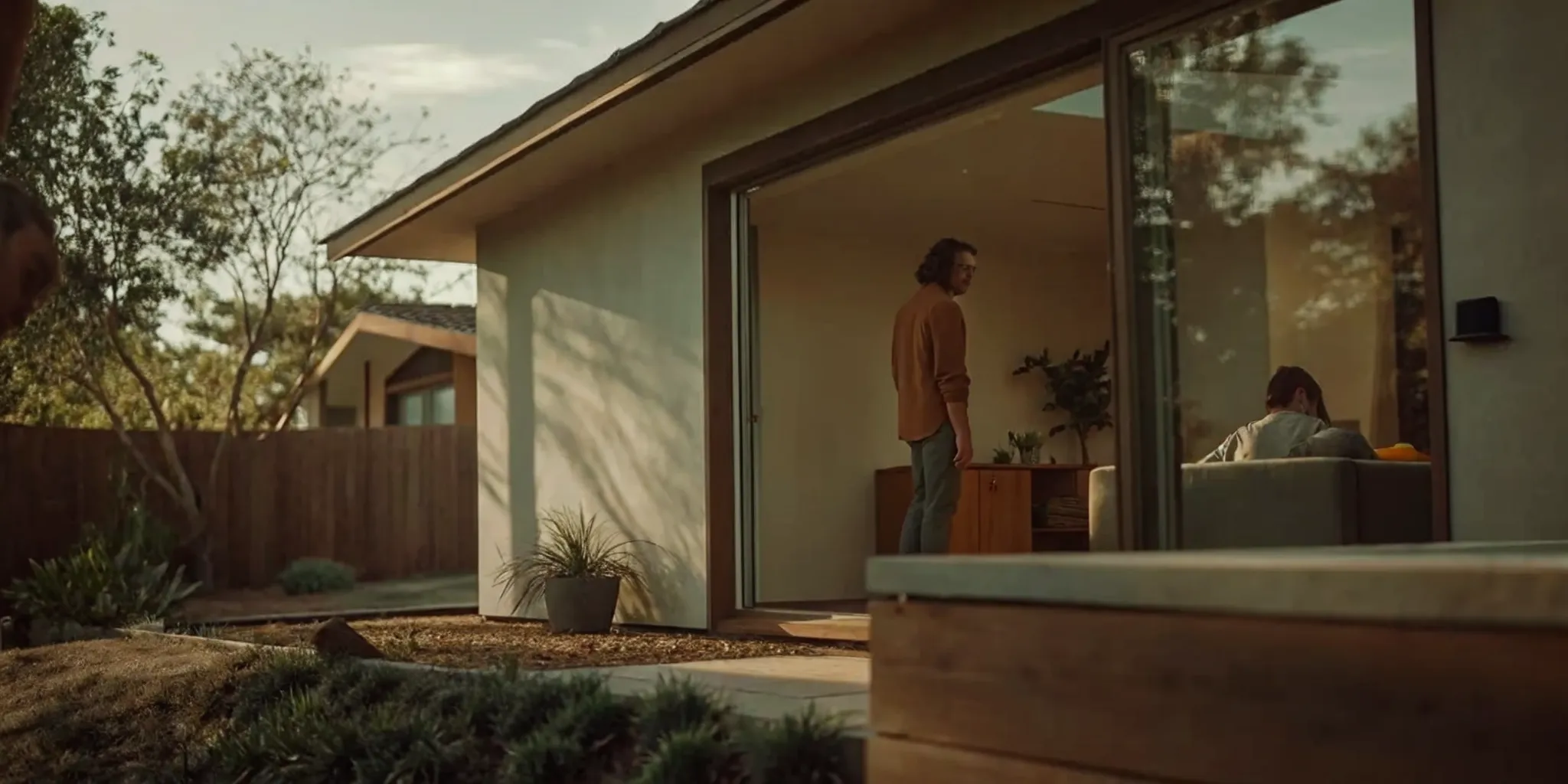
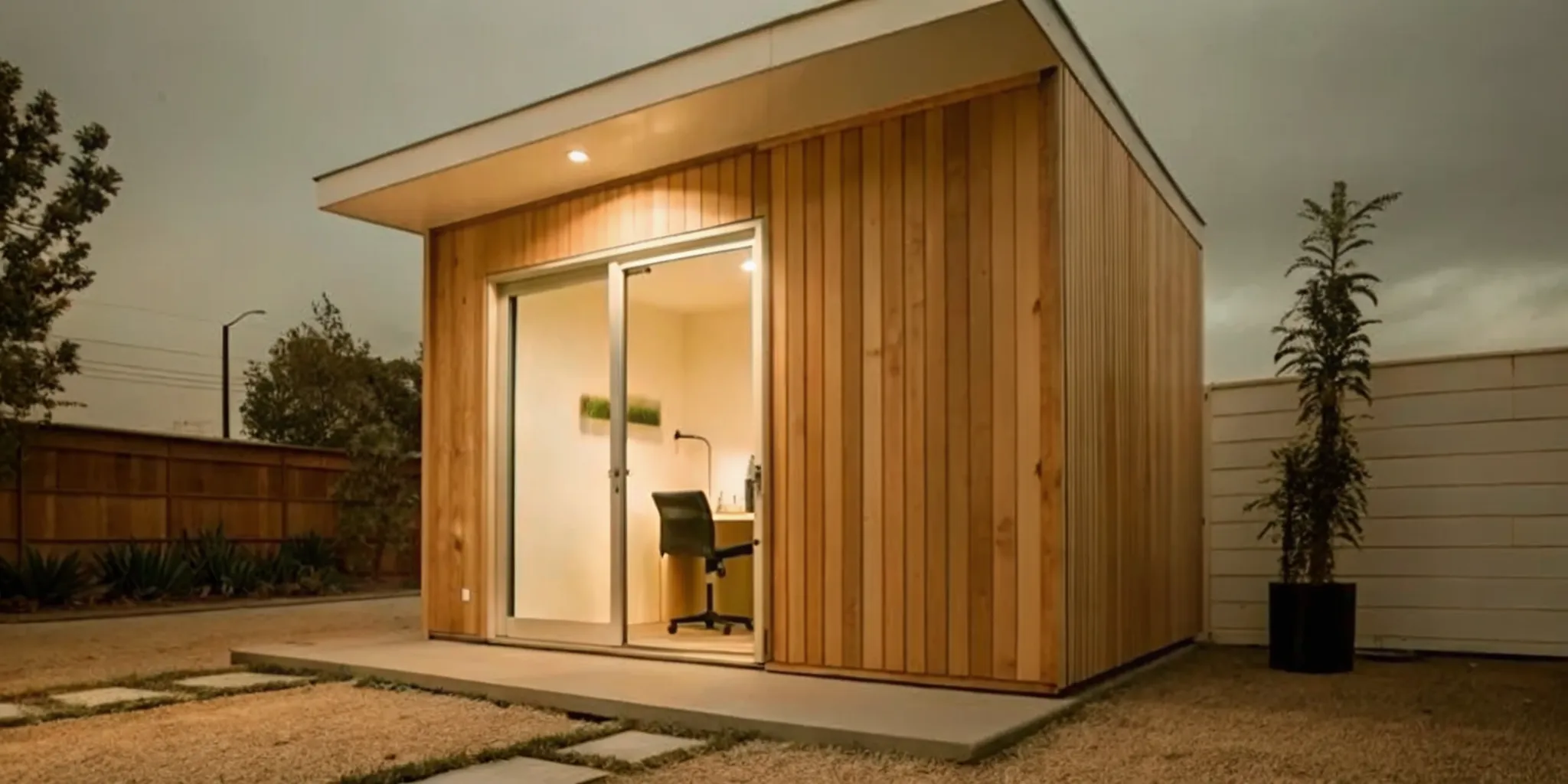
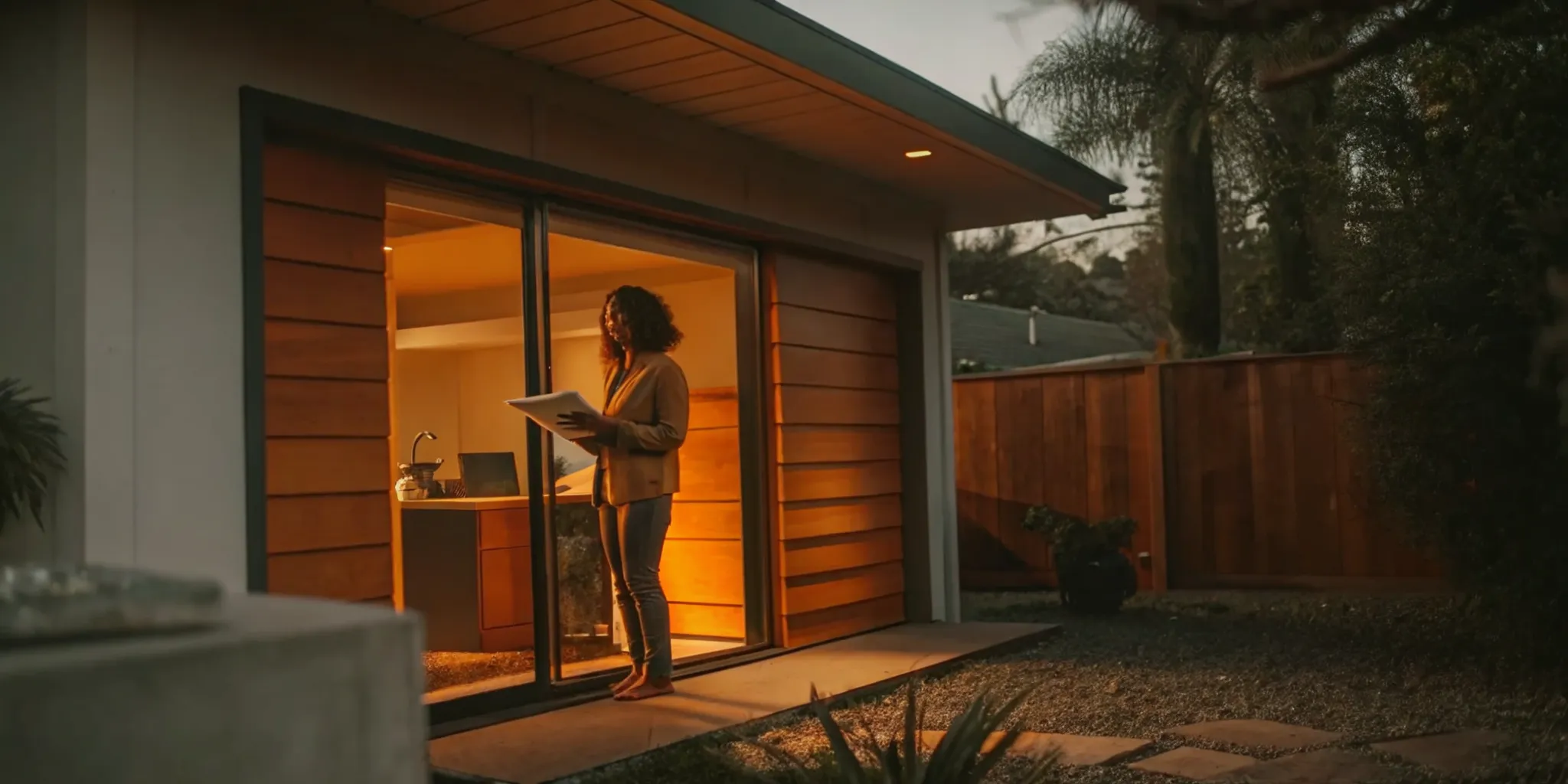
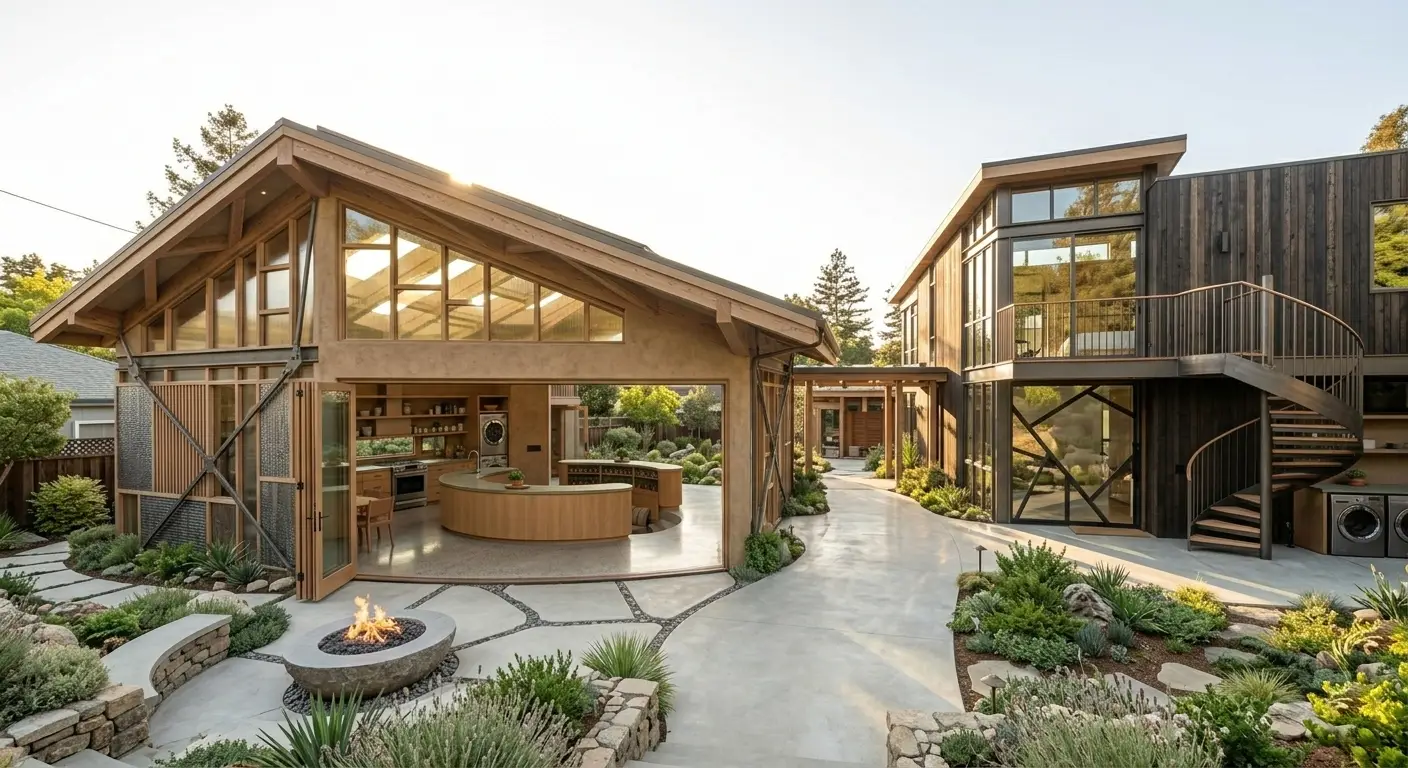
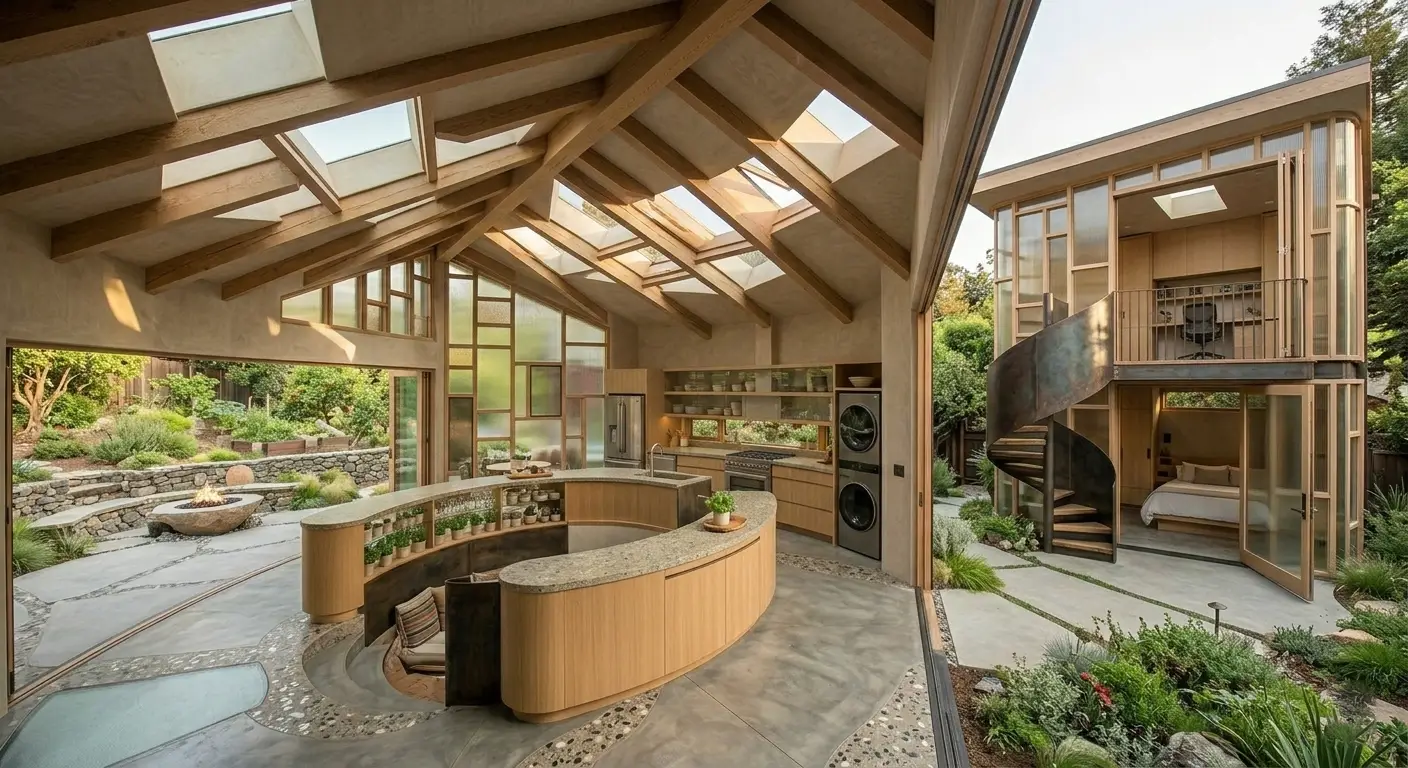
A detached ADU at 500 square feet is the configuration that most people picture when they think about adding an ADU: a complete, self-contained unit at the back of the lot with a proper one-bedroom or two-bedroom layout, a full kitchen, laundry, and a private entrance. At this size, the unit doesn't ask its occupant to make any significant daily concessions. It functions as an apartment because it is one, and it competes directly with market-rate rental inventory in every market Realm serves.
The rental income potential of a two-bedroom detached ADU at this size, across Los Angeles, San Diego, the Bay Area, Sacramento, and Seattle, is consistent enough to produce meaningful long-term returns even at the cost premium a ground-up build carries over a conversion. Homeowners who choose this project type at 500 square feet are almost always thinking in decades rather than lease cycles.
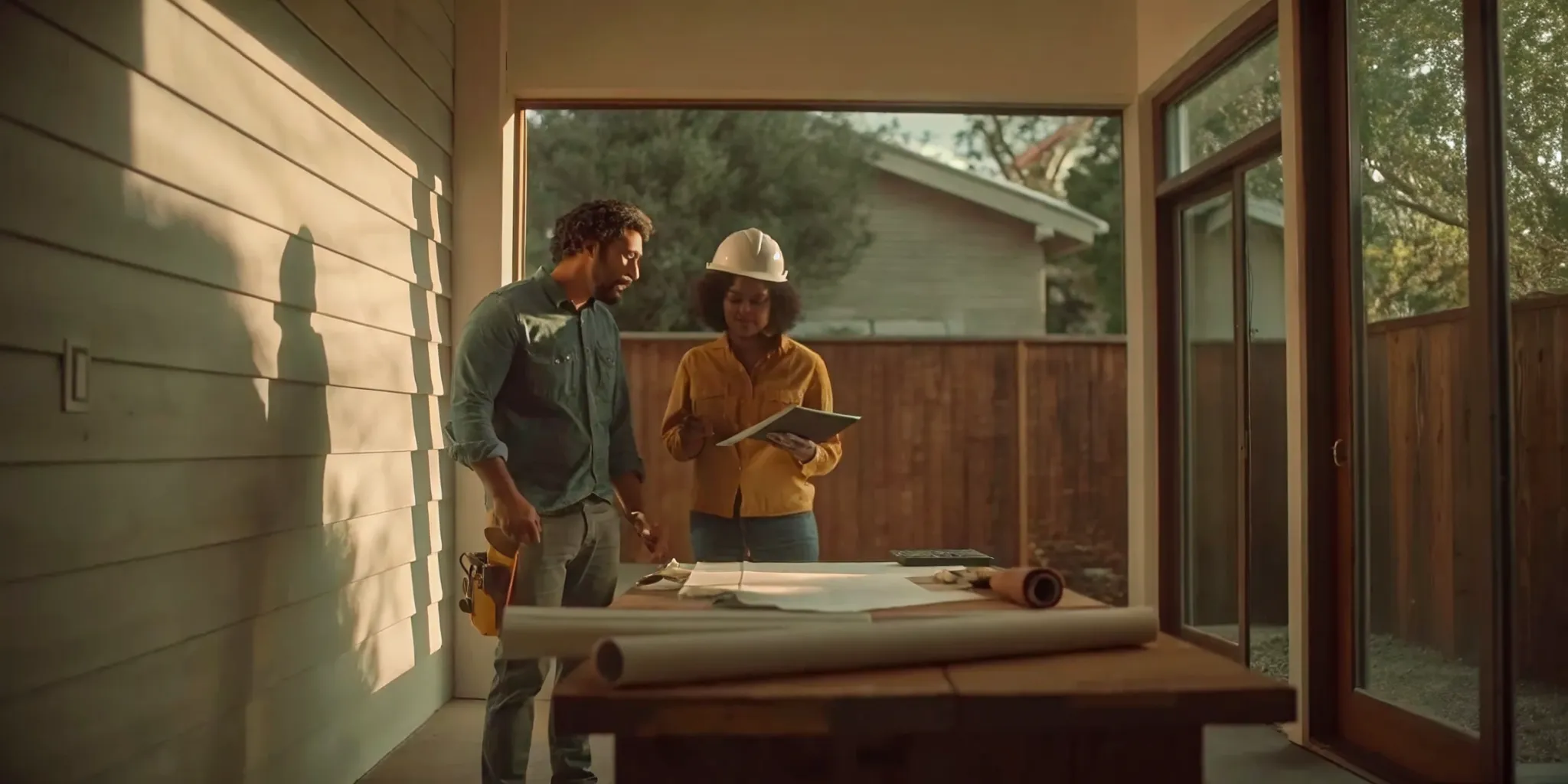
The scope variable that drives budget variance most: Full MEP runs from the main home, a new foundation, and site work. A detailed scope before contractor conversations begin is essential for getting bids that are genuinely comparable rather than describing different versions of the same project. Realm's advisors help homeowners build that scope before any contractor conversations begin.
Garage Conversion ADU: Maximum Apartment Quality Within an Existing Shell
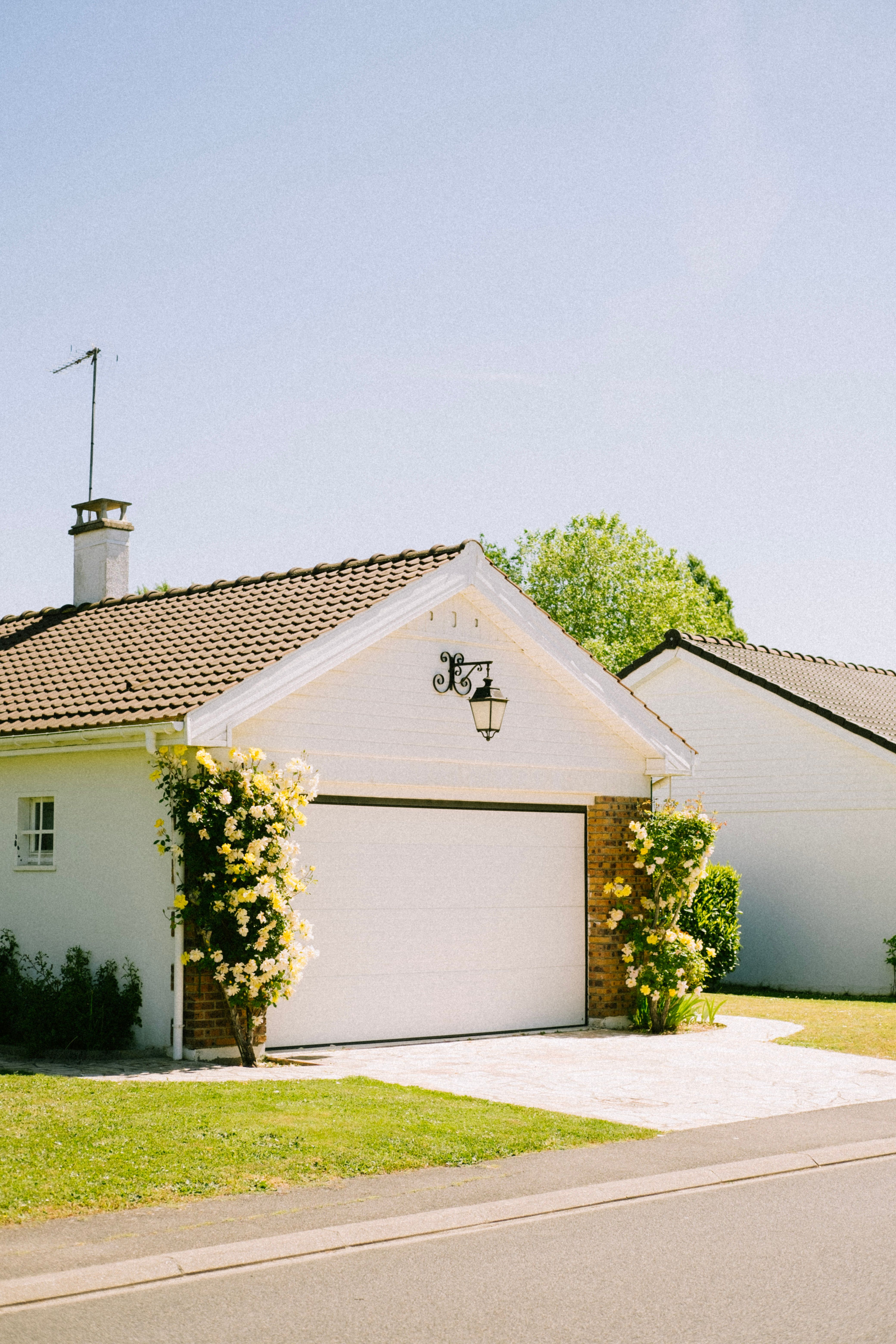
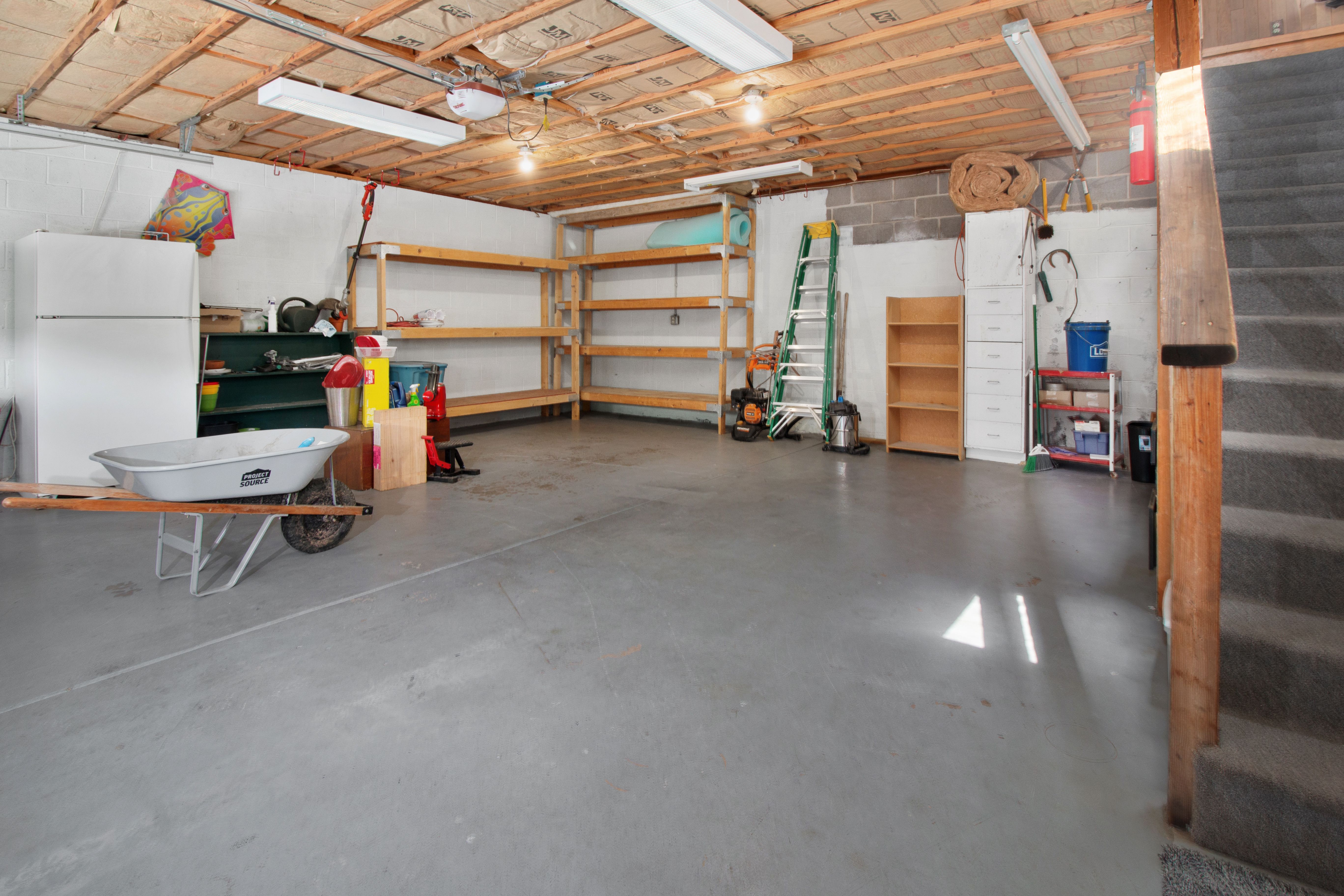
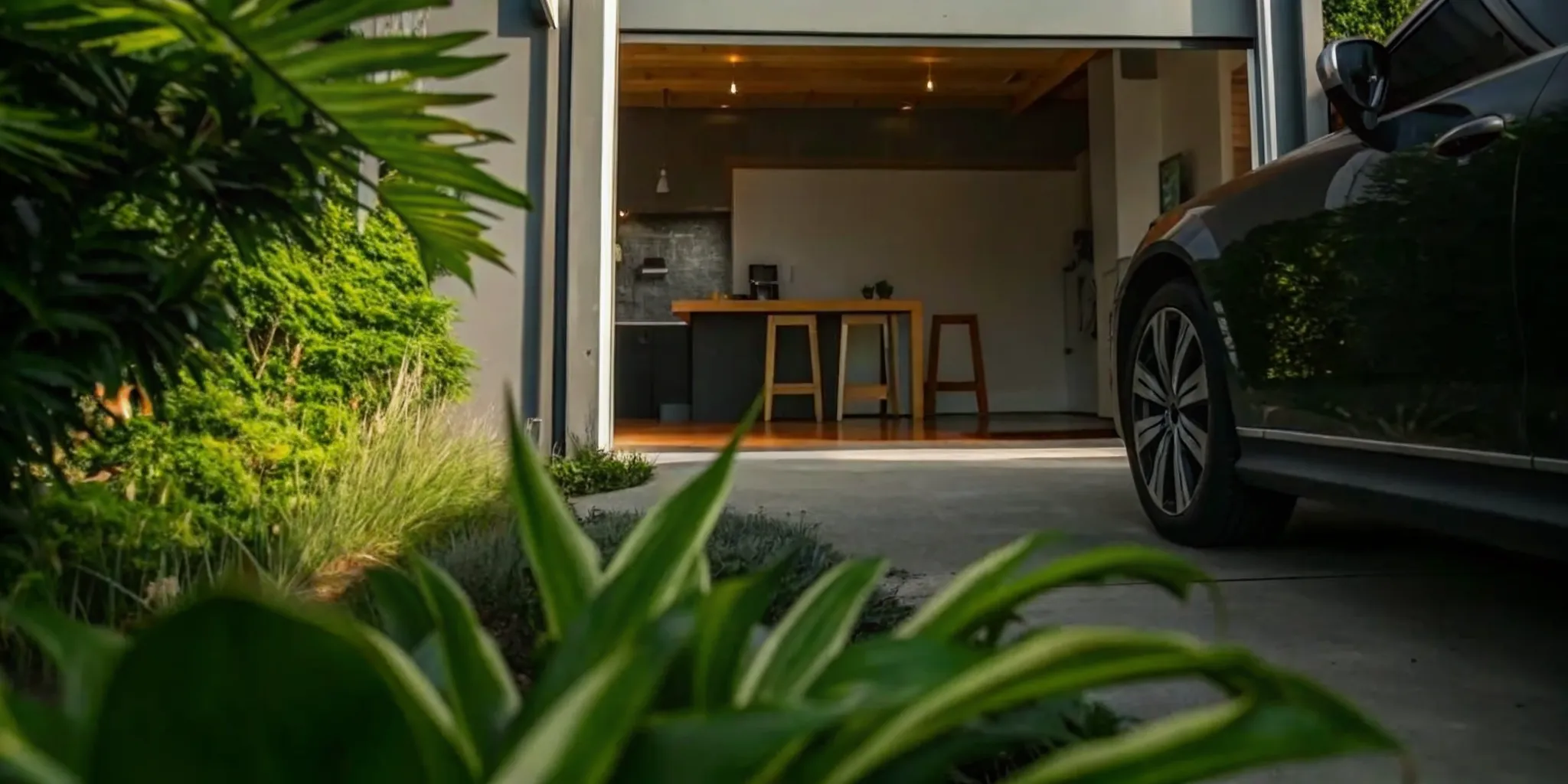
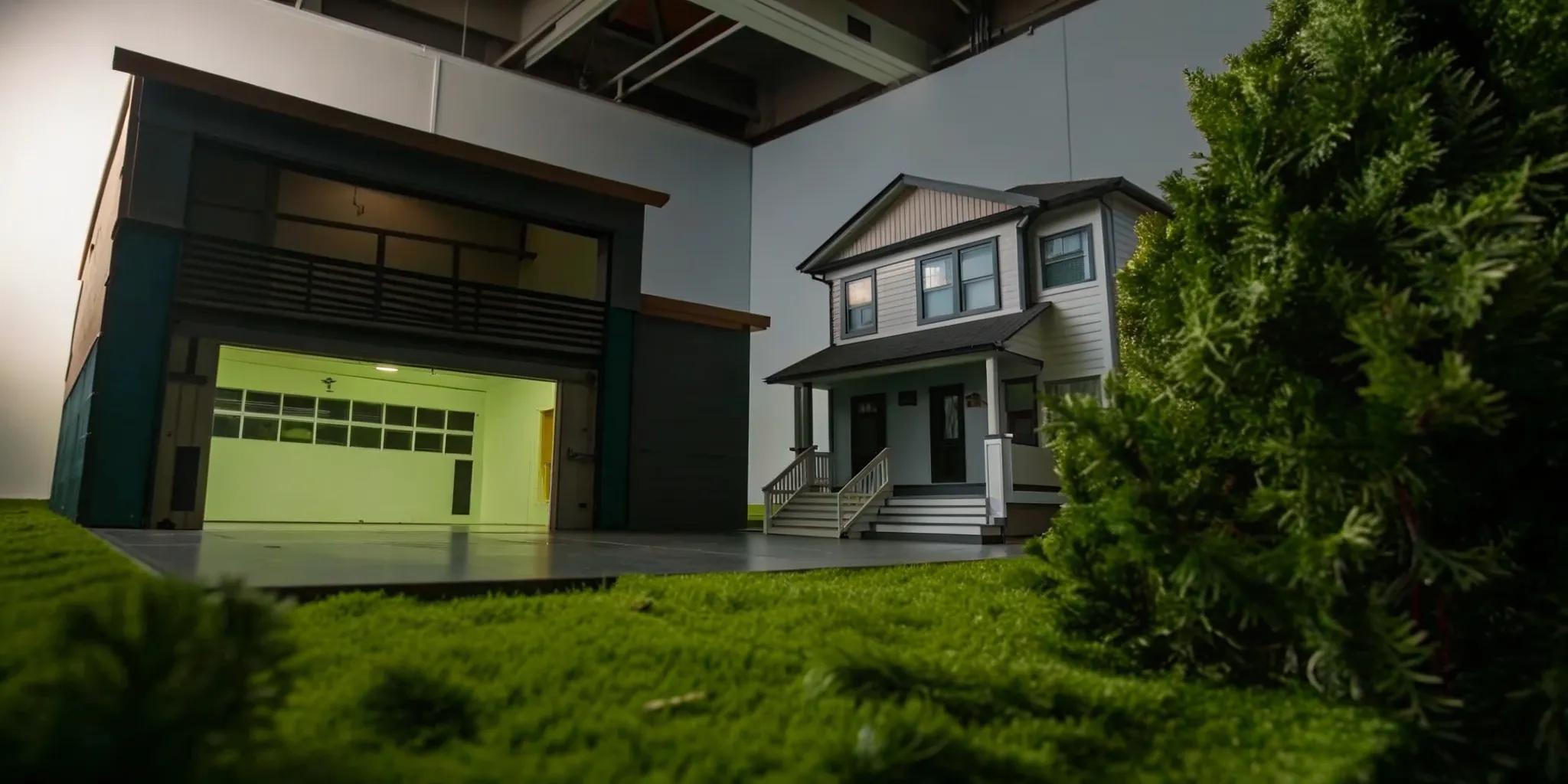
A garage conversion at 500 square feet is the most complete version of this project type in the dataset. Two bedrooms and one bath are achievable alongside a full kitchen, a laundry hookup, and a living area that doesn't require any element to serve double duty. The data describes this accurately: at this size, a garage conversion produces a unit that is as close to true apartment living as a converted structure can get.
The jump from a 400 sq ft garage conversion to a 500 sq ft one is felt in every part of the unit. Both bedrooms have real clearance. The kitchen has genuine counter space. The living area has room for actual furniture rather than furniture that technically fits. That qualitative step up is what makes 500 square feet a common target for homeowners who want the cost efficiency of a conversion with the livability of a proper apartment.
The ceiling that matters at this size: Above 800 square feet, garage conversions almost always require extending beyond the original footprint. At 500 square feet, you're well within the range where the conversion retains its core cost advantage: reusing an existing foundation, existing exterior walls, and an existing electrical panel.
The parking question that needs a real answer: Converting a two-car garage at this size means losing covered parking for two vehicles. In some neighborhoods in Realm's markets, that trade carries significant daily and resale implications. In others it barely registers. Evaluate your specific situation honestly before the permits are filed. A Realm advisor can help you assess the rental income potential against the full trade-off picture for your location.
Kitchen Expansions: The Open-Plan Transformation at Full Scale
A 500-square-foot kitchen expansion is a whole-floor renovation in effect, if not in name. At this size, the project doesn't add square footage to a kitchen; it redesigns the entire cooking, dining, and living connection at the back of the home. A full open-plan kitchen and dining room that flows into the existing living room transforms a home designed for a previous era of residential life into one that functions the way residents and buyers expect today.
The scale of transformation at 500 square feet is significant enough that homeowners who undertake this project rarely describe it in renovation terms. They describe it as the point when the house finally became theirs. For more on planning a project of this scale, visit the Realm resource library.
The scope components that belong in the plan from day one: Structural engineering, load-bearing wall removal, and utility rerouting are standard at this scale. These are not variables to discover after construction begins. They are predictable and plannable components of a well-scoped project.
JADUs at Their Legal Ceiling: The Most Complete Version of This Project Type
Five hundred square feet is the maximum JADU size under California ADU law in most jurisdictions, which means this size bracket is the last one where a JADU functions as a standalone project type. At this ceiling, the JADU delivers its most complete configuration: a one-bedroom, one-bath unit with a full kitchenette, a living area with real room to move, and sleeping and living zones that feel genuinely distinct rather than overlapping.
The permitting advantages of a JADU are at their most fully realized at the maximum allowable footprint. California's streamlined ADU approval process applies, no new foundation is required, site-work costs are minimal, and the timeline from application to construction start is faster than any ground-up or garage conversion alternative in most jurisdictions.
The local verification worth making before you design to this footprint: Because 500 square feet sits at or near the JADU cap in most California jurisdictions, confirming the specific limit that applies to your property before designing to this square footage is worth doing early. Local interpretations of state ADU law vary, and a handful of jurisdictions have lower caps. Realm's advisors can confirm what applies to your specific address.
Above-Garage ADU: The Most Complete Version of a Vertical Unit
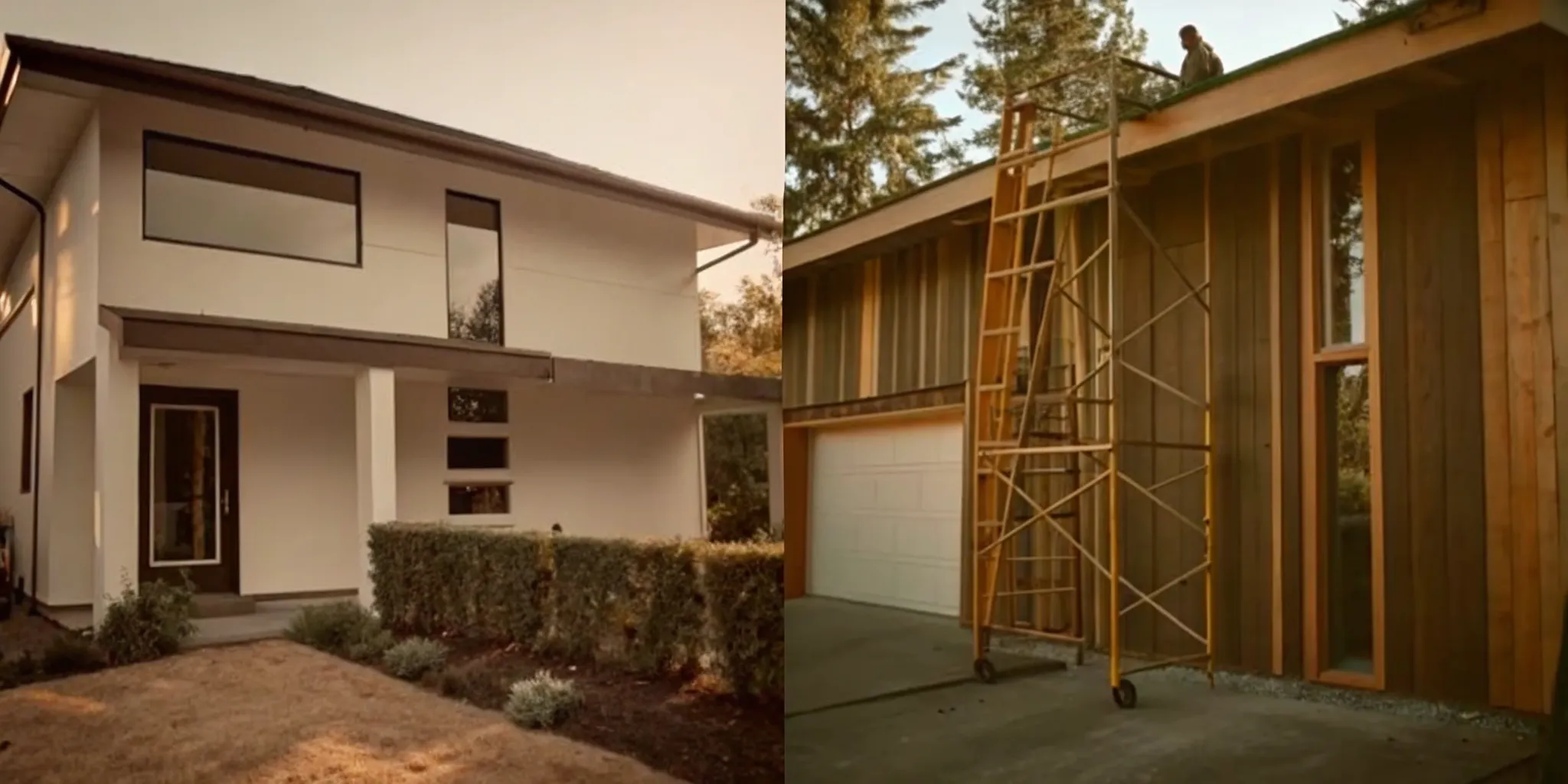
An above-garage ADU at 500 square feet is the premium configuration of this project type: a full one-bedroom or two-bedroom apartment above a two-car garage with a separate exterior staircase entry. At this size, accounting for the square footage the staircase takes, there is genuine room for two bedrooms and a living area that doesn't feel compressed. The unit competes directly with a detached ADU in terms of tenant appeal and rental income while preserving the entire rear yard.
The structural determination that defines this project type, whether the existing garage is built to support a habitable space above or needs to be rebuilt, is the most consequential early-stage variable in the project. Get that answer before design work advances.
The cost comparison worth running early: At 500 square feet, the gap between an above-garage ADU and a detached ADU on the same lot is worth understanding clearly before committing to either. The structural engineering premium sometimes narrows that gap more than homeowners expect. A Realm advisor can help you run that comparison for your specific garage and property.
Primary Suite Addition: A Suite Plus a Room You Actually Use
A primary suite addition at 500 square feet delivers something beyond what any smaller size bracket can produce: a full primary bedroom with high-end finishes, a luxury ensuite bath, a walk-in closet, and a second room that functions as an office, a nursery, or a private reading room adjacent to the suite. The addition creates a private wing of the home rather than just an upgraded bedroom, and the high-end finishes typical at this size reflect that the homeowners building it are treating it as a long-term investment in daily quality of life.
The value a primary suite addition at this scale produces in Realm's California and Washington markets is well-established. The absence of a true primary suite is a known competitive disadvantage in mid-size homes, and a well-executed 500 sq ft addition eliminates that disadvantage while adding a feature that most buyers in these markets consider essential rather than optional.
The design relationship that determines the outcome: At 500 square feet, the layout decisions between the bedroom, the bathroom, the closet, and the adjacent room have more good configurations than at smaller sizes, and a meaningful quality gap between the best ones and the rest. Talk to a Realm advisor about designing your primary suite at this scale.
Bedroom Addition: Repositioning the Home in the Market
A bedroom addition at 500 square feet delivers either a two-bedroom, one-bath addition that fundamentally repositions the home's competitive standing, or a large single primary suite that brings the master bedroom up to modern standards in a home that never had one. In California and Washington, moving a property into the next bedroom tier is one of the most reliably documented high-ROI renovation investments, because it directly expands the pool of qualified buyers who will consider the property.
At 500 square feet, the two-bedroom version has enough room for both bedrooms to feel genuinely private and properly furnished, with a shared bath that serves both rooms without a configuration that requires explaining to a buyer.
The integration detail that determines long-term value: New bedrooms that feel disconnected from the existing home, with awkward access or no logical hallway relationship to the rest of the floor plan, don't deliver the full value the bedroom count increase is supposed to create. Plan the connection to the existing home as carefully as the new rooms themselves.
Living Space Addition: A Great Room That Changes the Ground Floor
A living space addition at 500 square feet is the complete version of the open-concept transformation: a full great room that creates a connected cooking, dining, and living environment at the back of the home that changes how every day in the house feels. At this size, a full sectional, a dining table for eight, and a kitchen that serves both can all coexist without any of them crowding the others.
This project type is consistently the most requested renovation in Realm's service areas, and at 500 square feet the scope is large enough that the result is unambiguous. Homeowners who undertake this project alongside a kitchen expansion redesign the entire back half of the ground floor in a single cohesive project.
Basement ADU / Conversion: A Two-Bedroom Unit Below Grade
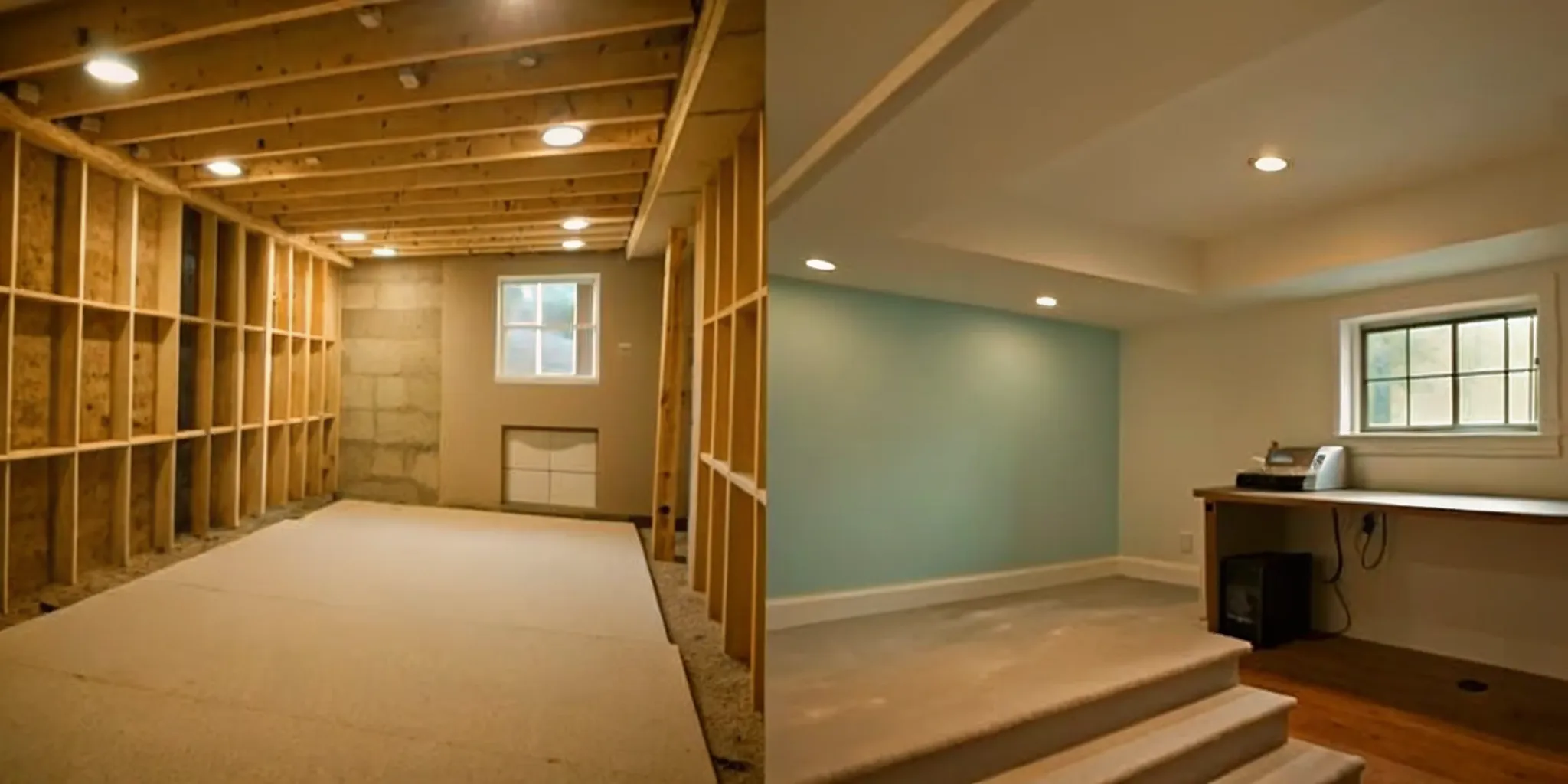
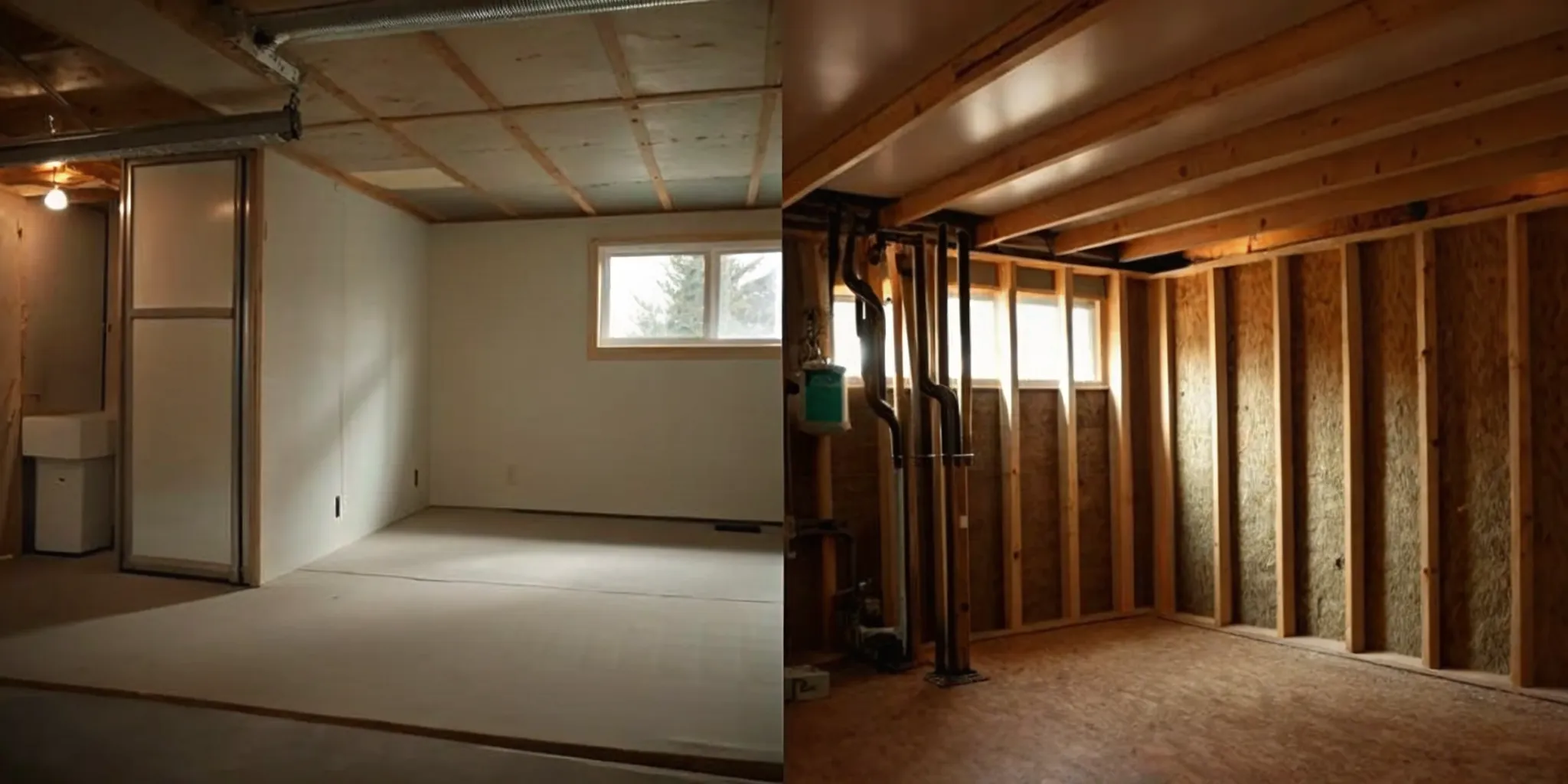
Basement ADUs at 500 square feet show up primarily in Seattle in Realm's data. At this size, a two-bedroom, one-bath configuration is feasible in basements with favorable layouts, making this the most capable basement ADU in the dataset. The cost efficiency of reusing existing walls, foundation, and partial utilities remains the primary argument for this project type.
The egress requirements, waterproofing, and exterior access configuration that determine whether the cost efficiency holds up need to be assessed site-specifically before design decisions are made. At 500 square feet, there is enough room to plan natural light and egress thoughtfully across both bedrooms, which directly determines tenant satisfaction and long-term rental viability.
Sunroom / Enclosed Patio: Substantial Space at a Lower Build Cost
A sunroom or enclosed patio at 500 square feet begins to blur the line with a full room addition in terms of what it can hold and how it functions. At this scale, the enclosed space is large enough to serve as a dedicated gym with full equipment clearance, a year-round family room with genuine furniture capacity, or an entertaining space with an indoor-outdoor character that a fully conditioned addition at the same cost could not replicate.
The lower per-square-foot cost compared to a fully conditioned addition remains the primary case for this project type, and at 500 square feet the absolute dollar savings are meaningful. The thermal performance trade-offs in extreme weather are the same as at smaller sizes, and the decision about whether a sunroom serves the intended use comes down to the specific use case and the climate patterns that matter most to the homeowner.
Second-Story Addition: A Full Two-Bedroom Floor Above the Existing Home
A second-story addition at 500 square feet is the most substantial project type in the dataset, delivering two bedrooms and effectively doubling the home's total usable square footage without consuming any additional lot coverage. For homeowners on tight urban lots who have no other path to a meaningful bedroom addition, this is the project that solves the problem completely.
The cost premium that defines this project type, structural engineering, roofing integration, and significant construction disruption to the occupied home, is at its highest at 500 square feet because the scope is most substantial. But the outcome is proportionally significant: a 500 sq ft second-story addition transforms the home's capacity and market position in a way that no other project type at this size can match from a square footage standpoint.
The absolute requirement before any contractor engagement: A thorough structural assessment and a locked, detailed scope. At this complexity and cost level, mid-project structural discoveries are the most expensive and most preventable surprises in residential renovation. Realm's advisors can help you understand exactly what your project involves before you commit to a path.
Other Specialty Additions
A small portion of projects at this size involve major additions or multi-purpose builds that span more than one project type: a bedroom wing that incorporates a home office, a kitchen expansion combined with a full living room addition, a wellness studio attached to a bedroom suite. If your project falls into this category, the discipline of a precise scope definition before soliciting bids is the most important planning step you can take. Without a shared scope, contractor bids describe different projects and comparison produces false confidence rather than useful information.
Turning Your Goal Into the Right Project Decision
Five hundred square feet, twelve project types, and 139 projects worth of data give you the most complete picture of any bracket in this series. The right project within that picture depends entirely on what you're trying to accomplish and what you're starting with.
Rental income points toward a detached ADU, garage conversion ADU, above-garage ADU, JADU, or basement conversion. At 500 square feet, the JADU is at its maximum allowable size, which means confirming the local cap before designing to this footprint is a step worth taking early.
Personal comfort and daily livability points toward a primary suite addition or a kitchen and living space expansion. These are long-term investments in daily quality of life, not financial instruments with a clear payback period.
Resale value in California and Washington points toward a primary suite in homes that lack one, or a bedroom count increase that moves the property into a higher-demand tier. At 500 square feet, a bedroom addition can deliver two new bedrooms, which is the most complete version of that value move.
Lot maximization on a constrained urban lot points toward a second-story addition, which at 500 square feet delivers a full two-bedroom upper floor.
Getting clear on which of these goals is yours, and working through the project type decision with someone who knows your market and can translate that clarity into an accurate scope, is what Realm's advisors are there for.
Five Things Worth Knowing Before You Start Planning
The JADU local cap needs to be confirmed before you design. Five hundred square feet is at or near the maximum JADU size in most California jurisdictions, but not all. Some jurisdictions have lower caps. Confirming what applies to your specific address before designing to this footprint protects the design investment and the permitting timeline.
Detached ADUs at this size overtake garage conversions in frequency for the first time. That shift is a signal about the economics: at 500 square feet, the cost of a ground-up detached build is most clearly justified by the resulting unit's capability and rental income potential. The comparison between conversion and detached build is worth doing carefully at this size rather than assuming one is always better.
The median of $225,000 is a more reliable anchor here than at any smaller bracket because the 139-project dataset has the most statistical weight in the series. That said, the average of $322,205 reflects real high-end variance. Know your project type before you anchor to either number.
A second-story addition at 500 square feet is a full two-bedroom upper floor, not a single room addition. The scope, the cost, and the disruption to the existing home during construction are all proportionally larger than smaller second-story additions in the series. Realm's advisors can help you understand what the full scope involves for your specific home.
The gap between a 450 and 500 sq ft ADU is meaningful in rental markets. The additional 50 square feet at 500 typically allows both the kitchen and the living area to function at a level that tenants experience as a complete apartment rather than an efficiently managed one. In most of Realm's markets, that qualitative step up produces a rental premium that more than offsets the marginal construction cost.
Frequently Asked Questions
How much does a 500 sq ft ADU cost to build? Based on 139 closed Realm projects at this size, the median cost across all project types is $225,000 and the average is $322,205. Garage conversion ADUs, JADUs, and basement conversions typically come in below the median because they reuse existing structure. Detached ADUs, above-garage units, and second-story additions typically land at or above it depending on site conditions, finish level, and local permitting fees. With 139 projects, this is the most statistically reliable cost benchmark in the series. Talk to a Realm advisor to get an estimate calibrated to your specific project type and location.
Is 500 square feet genuinely enough for a two-bedroom ADU? Yes, without compromise. A two-bedroom, one-bath ADU at 500 square feet has both bedrooms with genuine clearance for a king or queen bed and nightstands, a kitchen with real counter space on multiple sides, a living area that fits a proper couch and coffee table, and a laundry hookup. In all of Realm's markets, a two-bedroom ADU at this size is a competitive rental product that attracts long-term tenants and commands rents that produce meaningful returns on the investment.
Why is 500 square feet the most commonly built ADU size in California? Because it hits every threshold simultaneously: it's the maximum JADU size in most jurisdictions, the most natural garage conversion target, and the standard configuration for detached ADU builds across the state. It's also the size at which a two-bedroom ADU stops requiring optimization to work and simply works, which is what both tenants and homeowners have consistently gravitated toward. The 139 projects in Realm's dataset at this size, the most of any bracket in the analysis, reflect that gravitational pull directly.
How much value does a 500 sq ft addition add to a home? The answer depends on project type, local market conditions, and finish quality. A two-bedroom detached ADU adds an income-generating asset that appraisers and buyers in California and Washington increasingly recognize as a distinct value driver. A primary suite addition eliminates a known market disadvantage in homes that lack one. A kitchen and living space expansion at this scale repositions the home's competitive standing in its local market. Across all project types, well-executed additions at 500 square feet in Realm's service areas consistently produce returns that outperform most alternative uses of the same capital. Browse more on how Realm approaches project planning and value creation in the Realm resource library.
How long does building a 500 sq ft detached ADU typically take? The full timeline from initial planning to occupancy spans several phases: design, permitting, contractor selection, and construction. In California jurisdictions with streamlined ADU permitting, the permitting phase for a detached ADU can move efficiently, though timelines vary by county and city. Construction for a 500 sq ft detached ADU typically runs several months once permits are in hand. Total timeline from first planning conversation to a livable unit commonly runs one to two years across all phases, depending on jurisdiction, site conditions, and contractor availability. Setting realistic expectations before committing to a target occupancy date is one of the highest-value early steps in the planning process. Realm's advisors can help you set accurate timeline expectations for your specific project and location.