Average Cost of an Accessory Dwelling Unit: A Breakdown
Get the facts on the average cost of accessory dwelling unit projects, including key factors, hidden expenses, and tips to help you plan your ADU budget.
|
February 10, 2026
In this article:
That extra space in your backyard holds so much potential. It could be a private home for your parents, a dedicated office away from the main house, or a rental unit that helps pay your mortgage. But before that dream can become a reality, you need a solid plan, and that starts with the budget. Understanding the average cost of accessory dwelling unit is the first critical step in figuring out what’s possible for your property. In this guide, we’ll walk you through every financial aspect, from baseline construction costs to the often-overlooked fees for permits, utilities, and design plans, ensuring you’re fully prepared for the investment ahead.
Key Takeaways
- Budget Beyond the Build: Your total cost includes more than just the structure. Create a realistic financial plan by factoring in key variables like the ADU type, local permit fees, site preparation, and utility hookups from the very beginning.
- Control Your Costs with Smart Planning: You can significantly lower your final bill without sacrificing quality. Save money by choosing cost-effective finishes, using pre-approved city plans to cut design fees, and considering a prefab unit to reduce labor expenses.
- View Your ADU as a Financial Investment: An ADU is a powerful tool that can generate rental income and add substantial resale value to your home. Fund the project by exploring options like home equity or construction loans to turn your property into a greater long-term asset.
What Exactly Is an ADU?
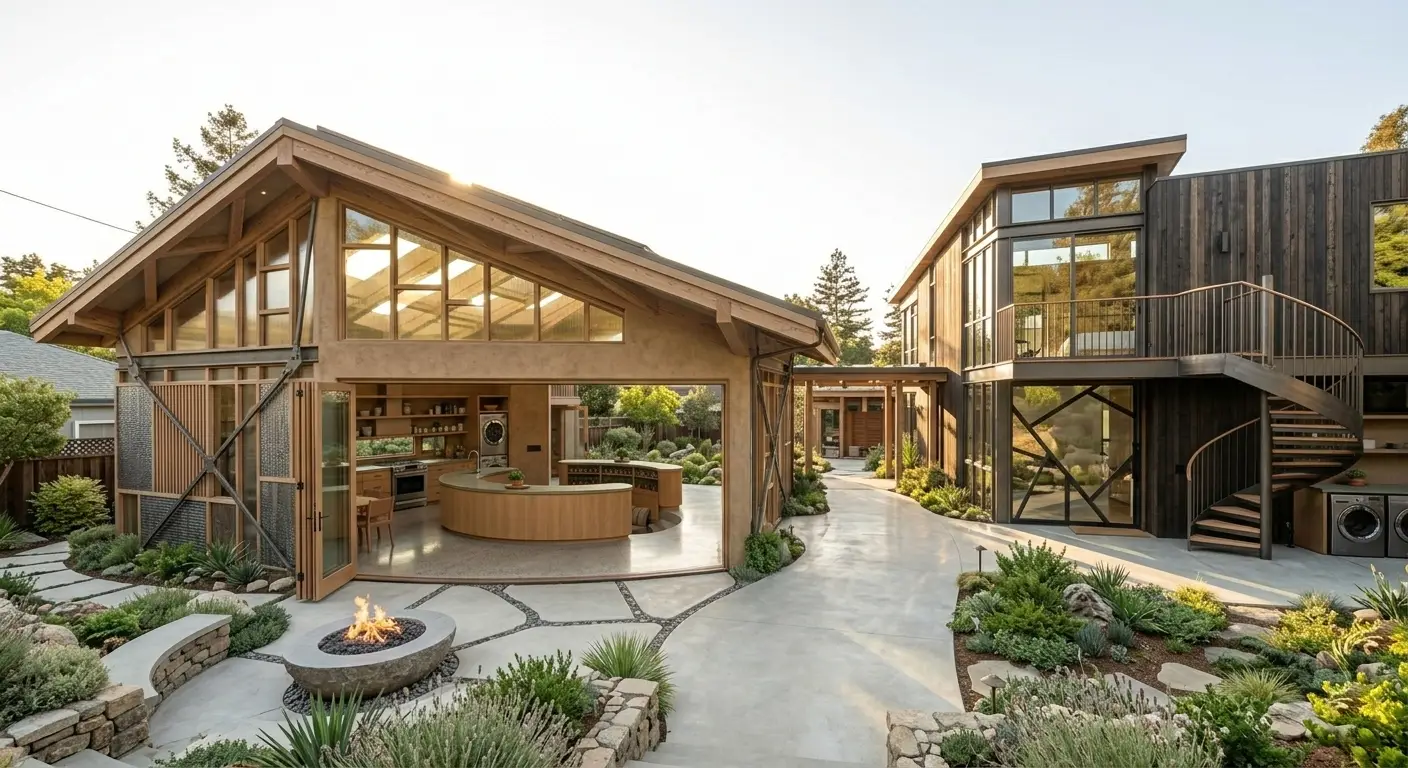
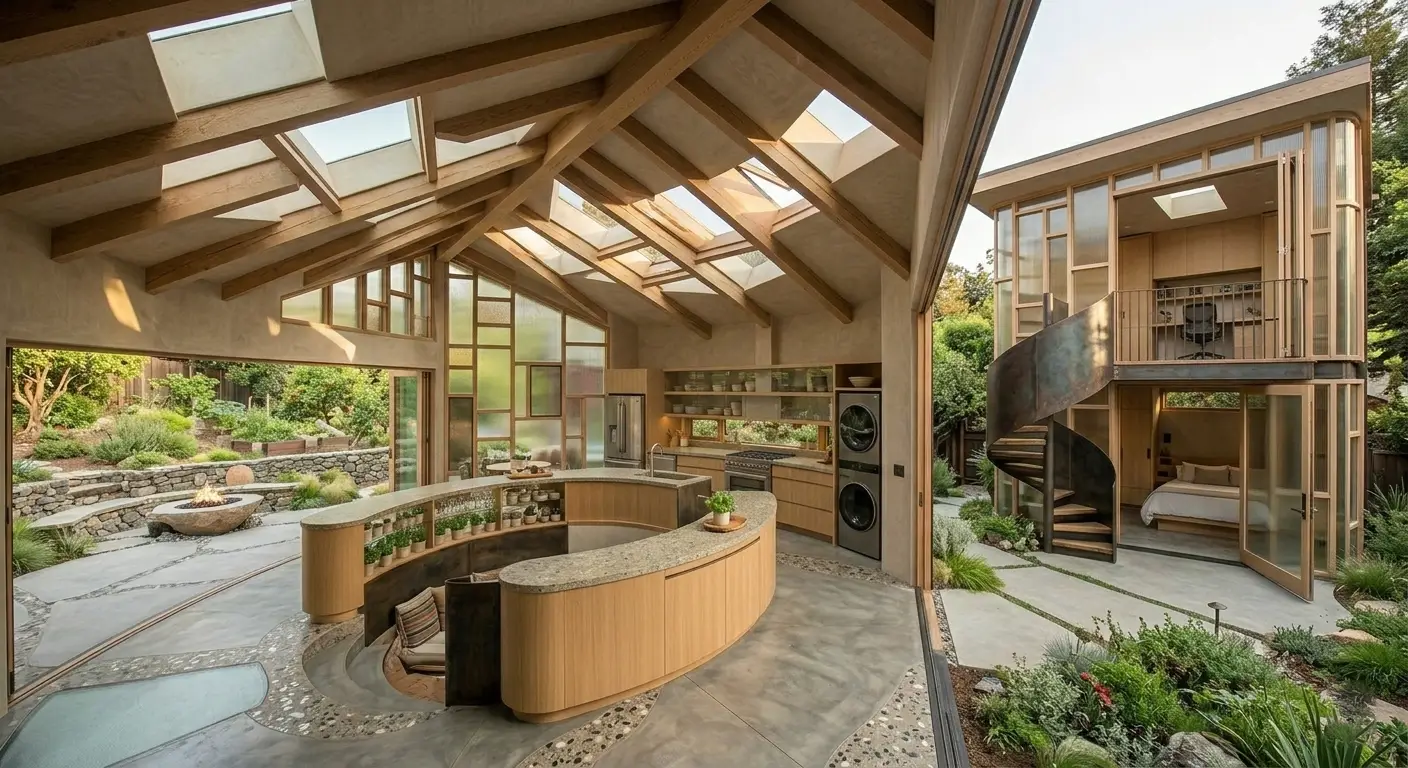
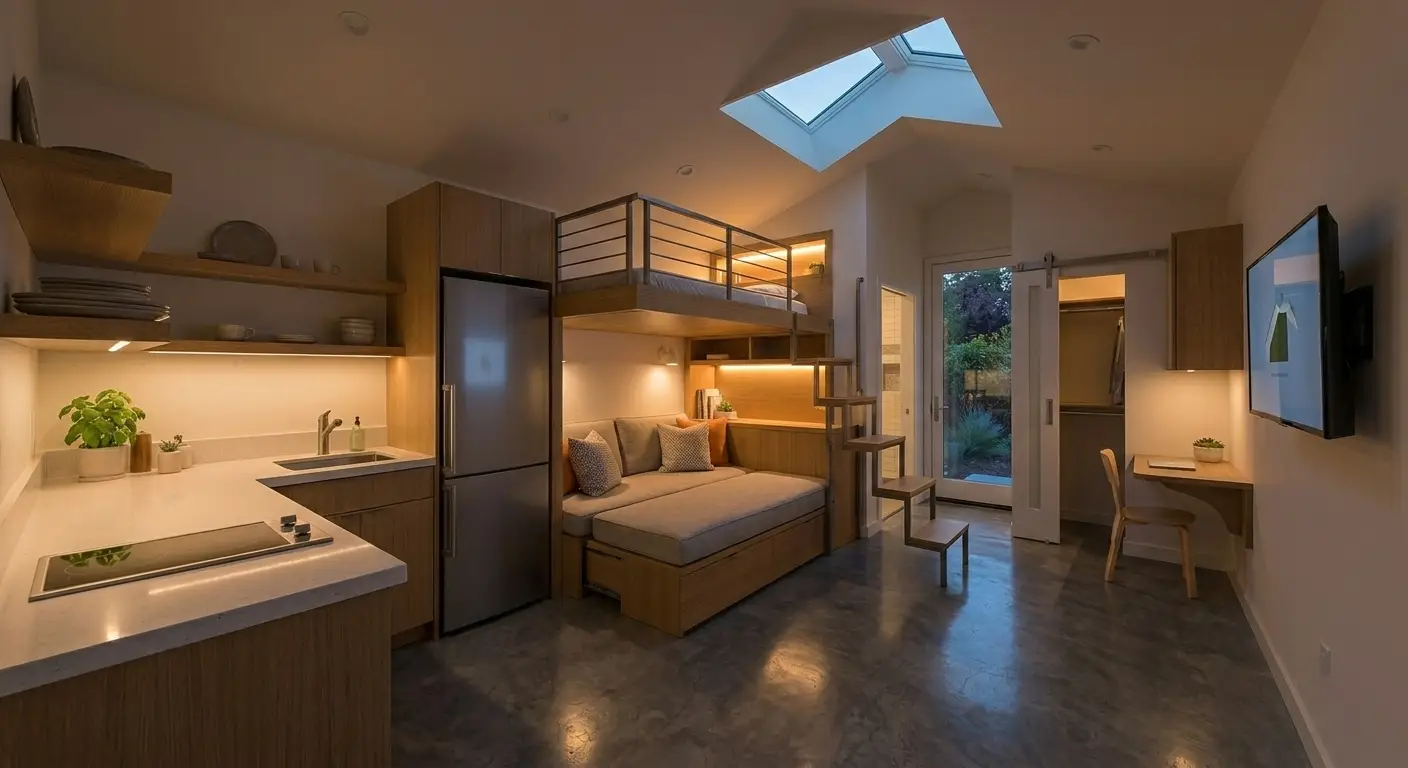
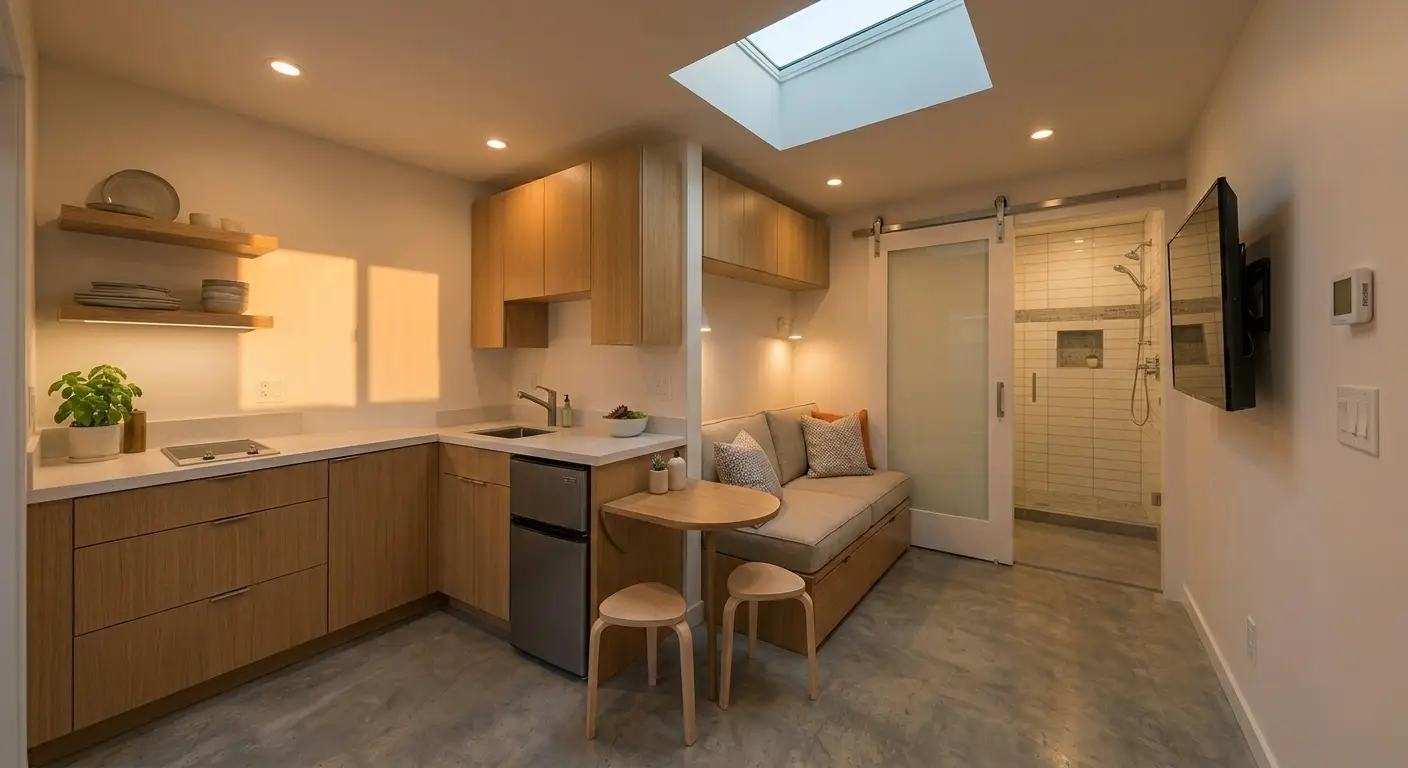
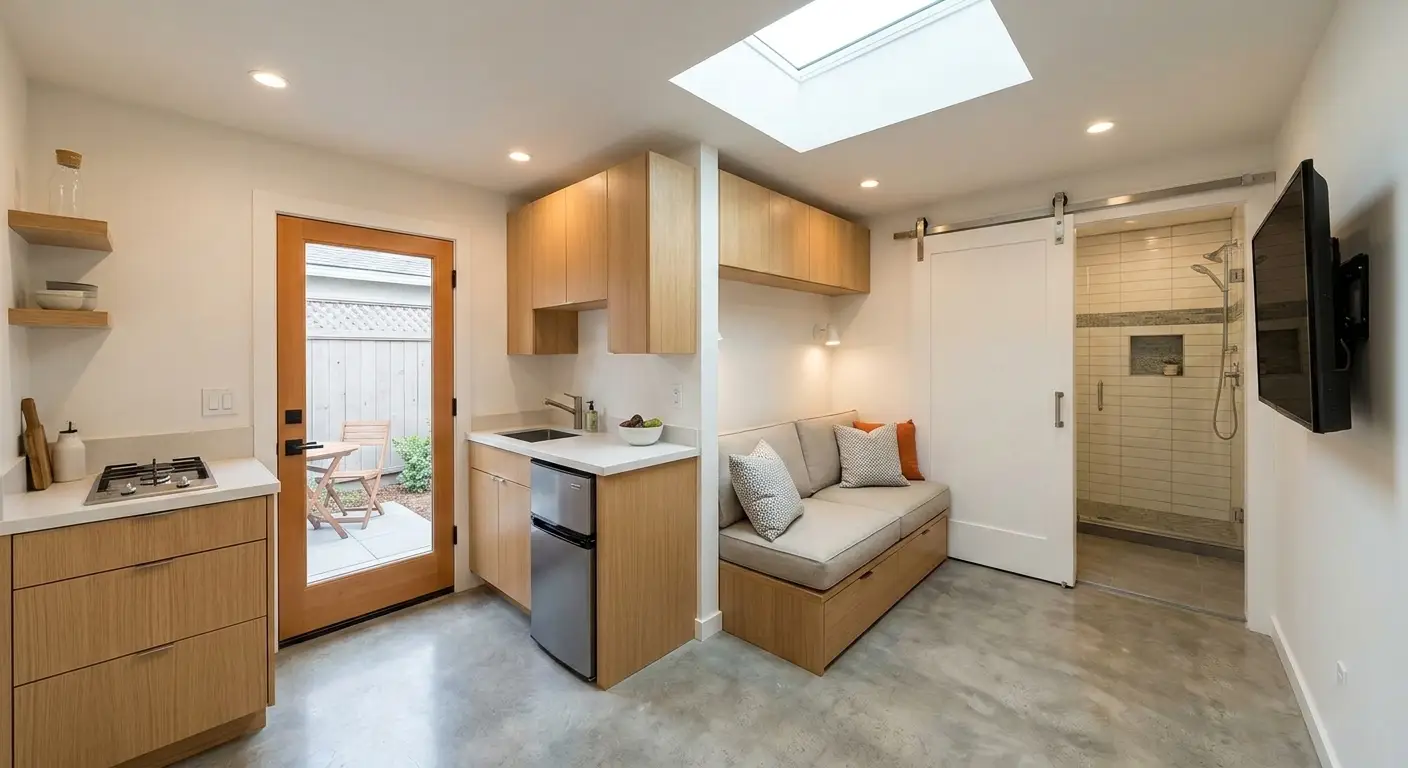
If you’ve been hearing the term “ADU” pop up more often, you’re not alone. An ADU, or Accessory Dwelling Unit, is simply a second, smaller home located on the same lot as your primary house. Think of it as a self-contained living space, complete with its own kitchen, bathroom, and sleeping area. You might know them by other names, like granny flats, in-law units, or backyard cottages. Whatever you call them, ADUs offer a creative solution for adding more living space right where you are.
These aren't just sheds or pool houses; they are fully functional homes designed for year-round living. Building an ADU has become a popular way for homeowners to adapt their properties to fit changing needs, whether that’s creating a private space for family or generating rental income. The process involves design, permitting, and construction, which is why it’s helpful to have a clear plan from the start. Understanding how it works can make the entire project feel much more manageable. With housing costs on the rise and families looking for more flexible living arrangements, ADUs provide a practical answer without the hassle of moving. They allow you to maximize your property's potential by adding a new, independent home in your own backyard.
Explore the Different Types of ADUs
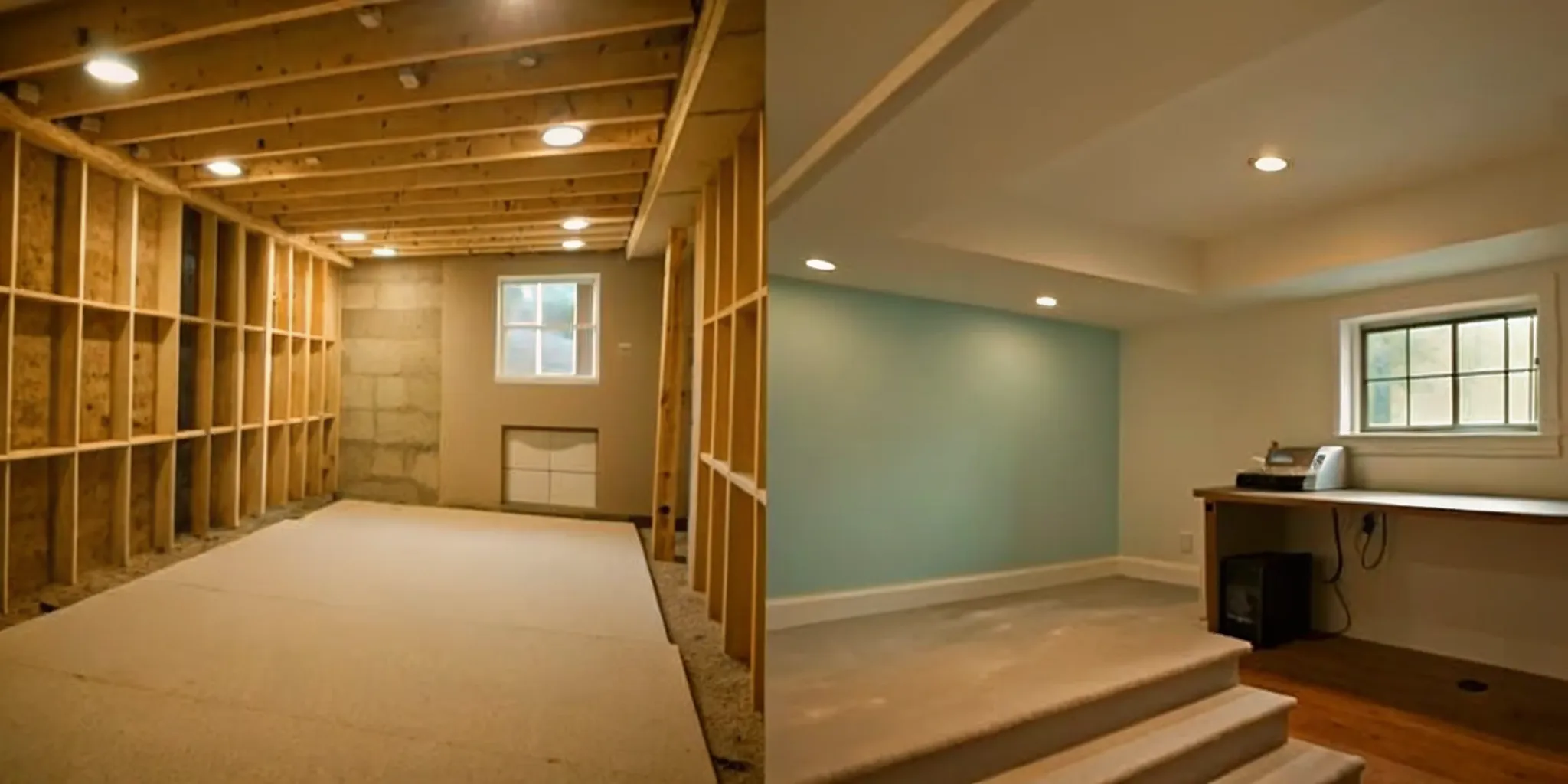
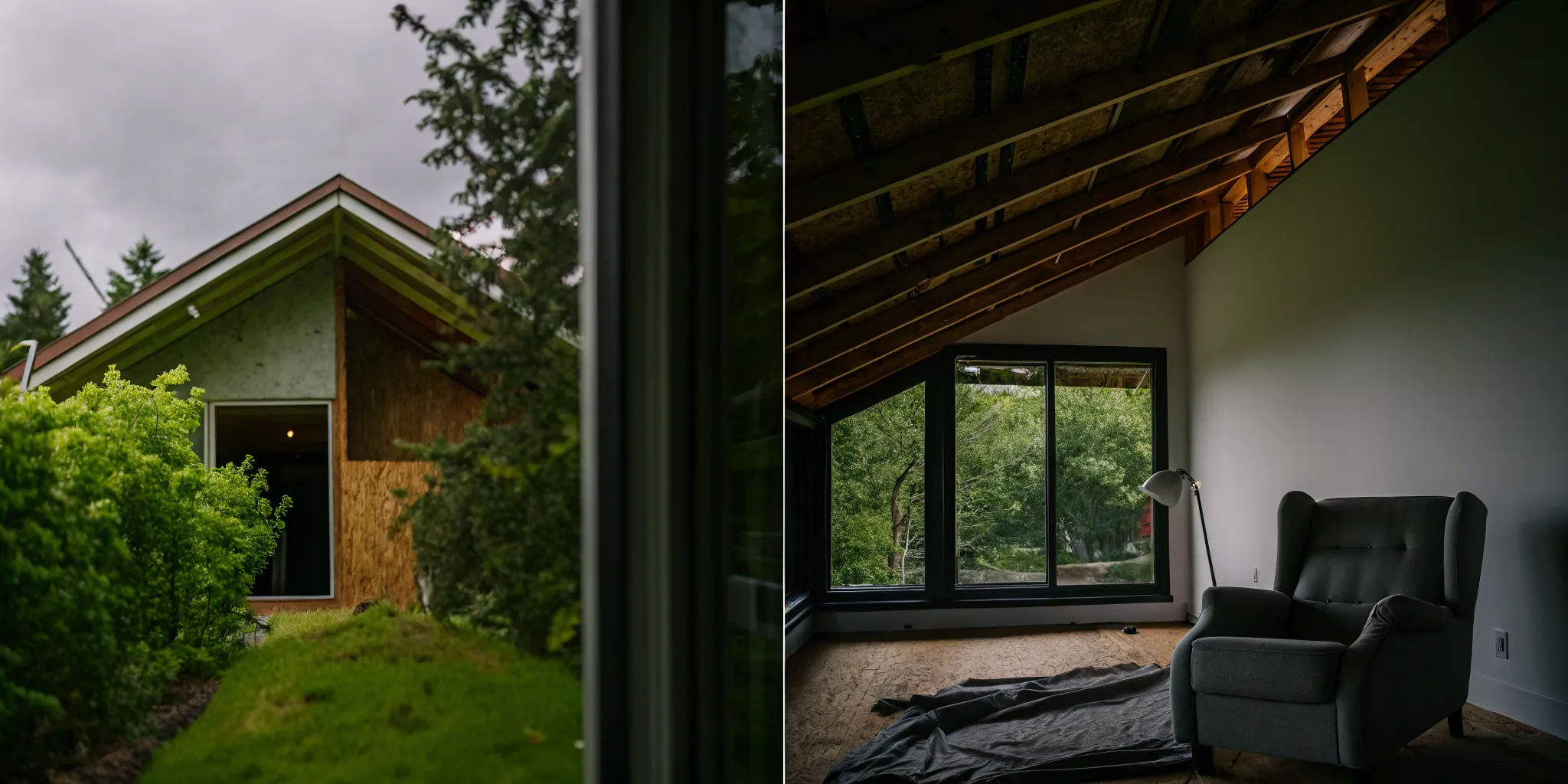
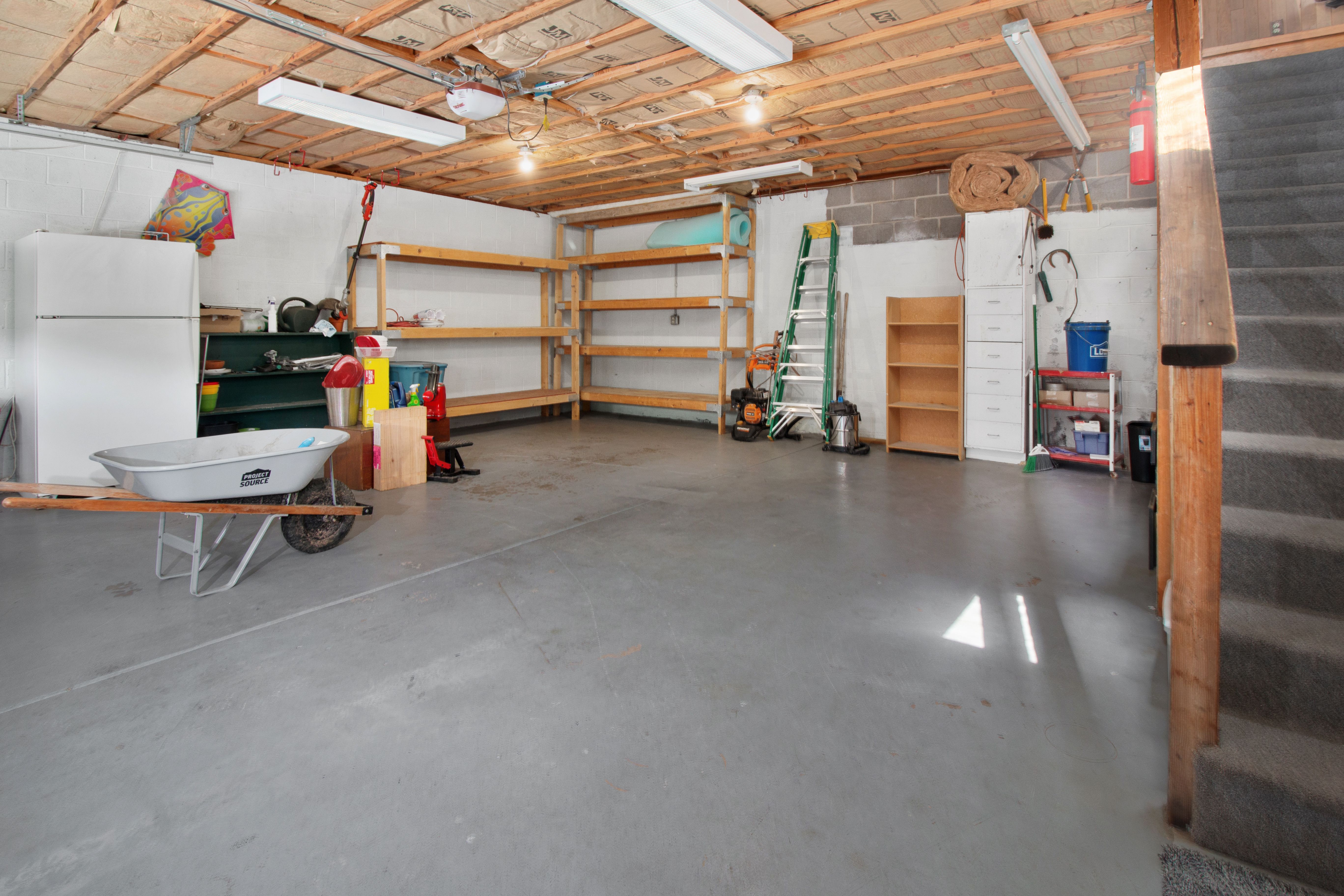
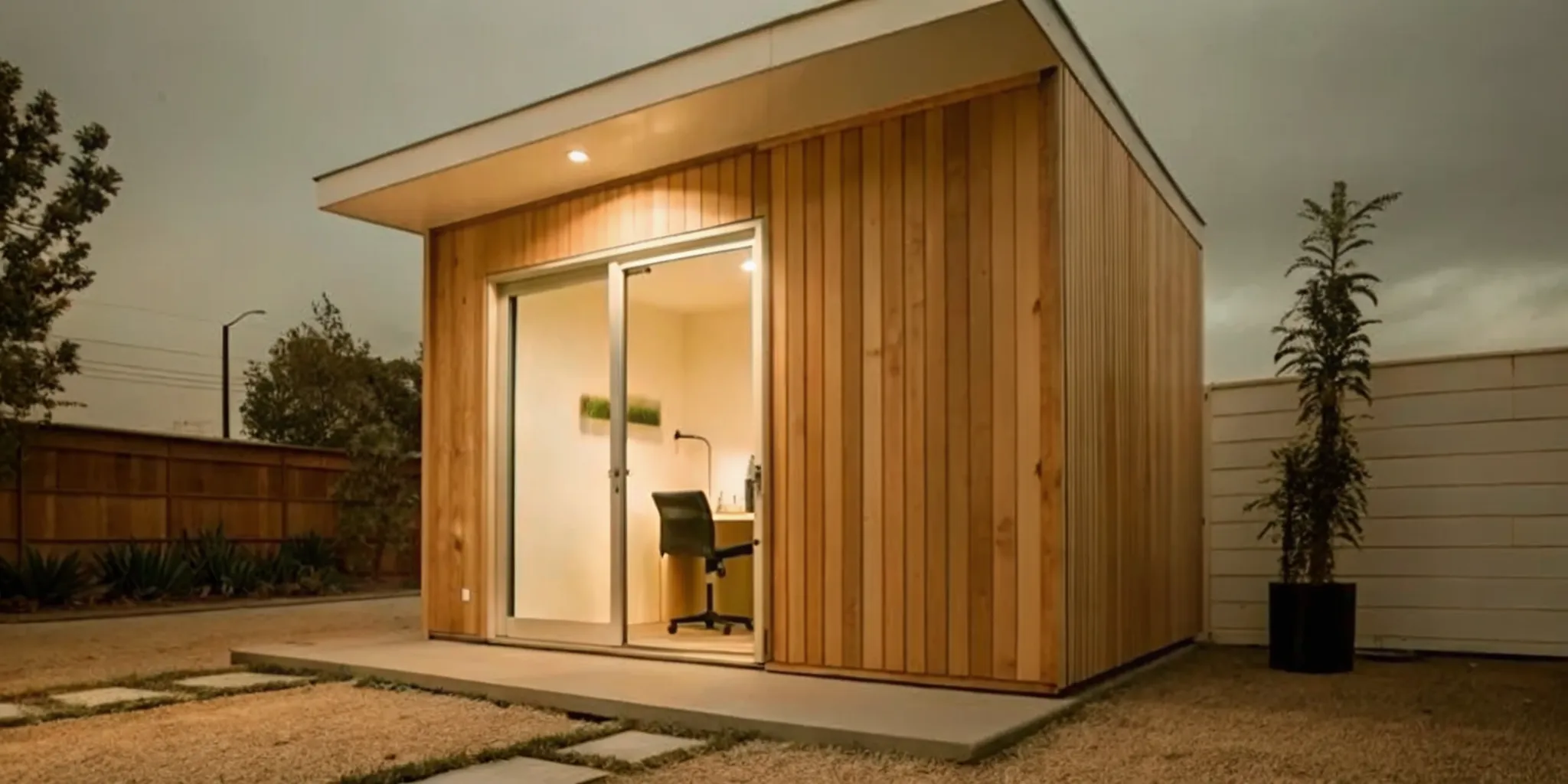
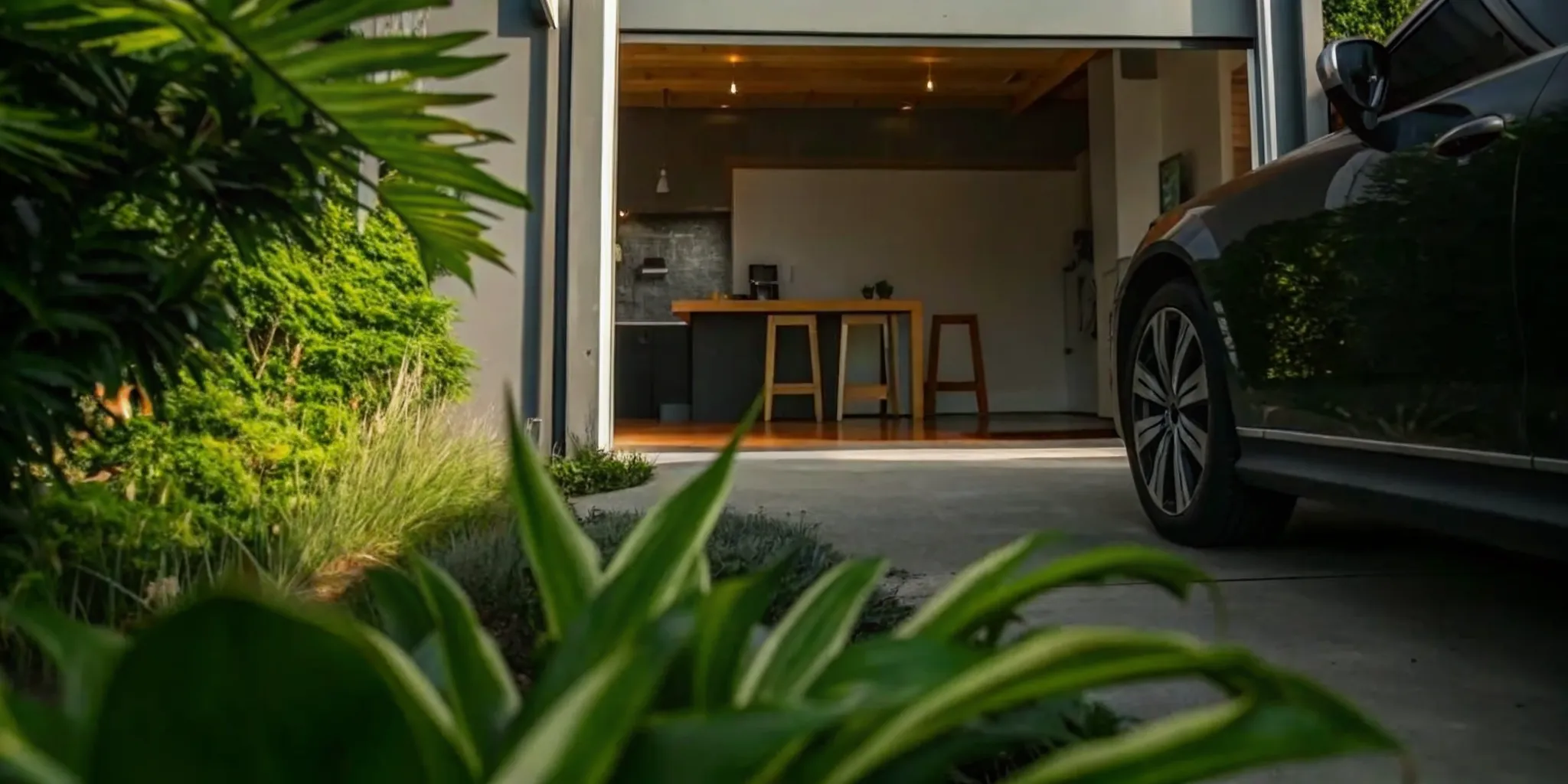
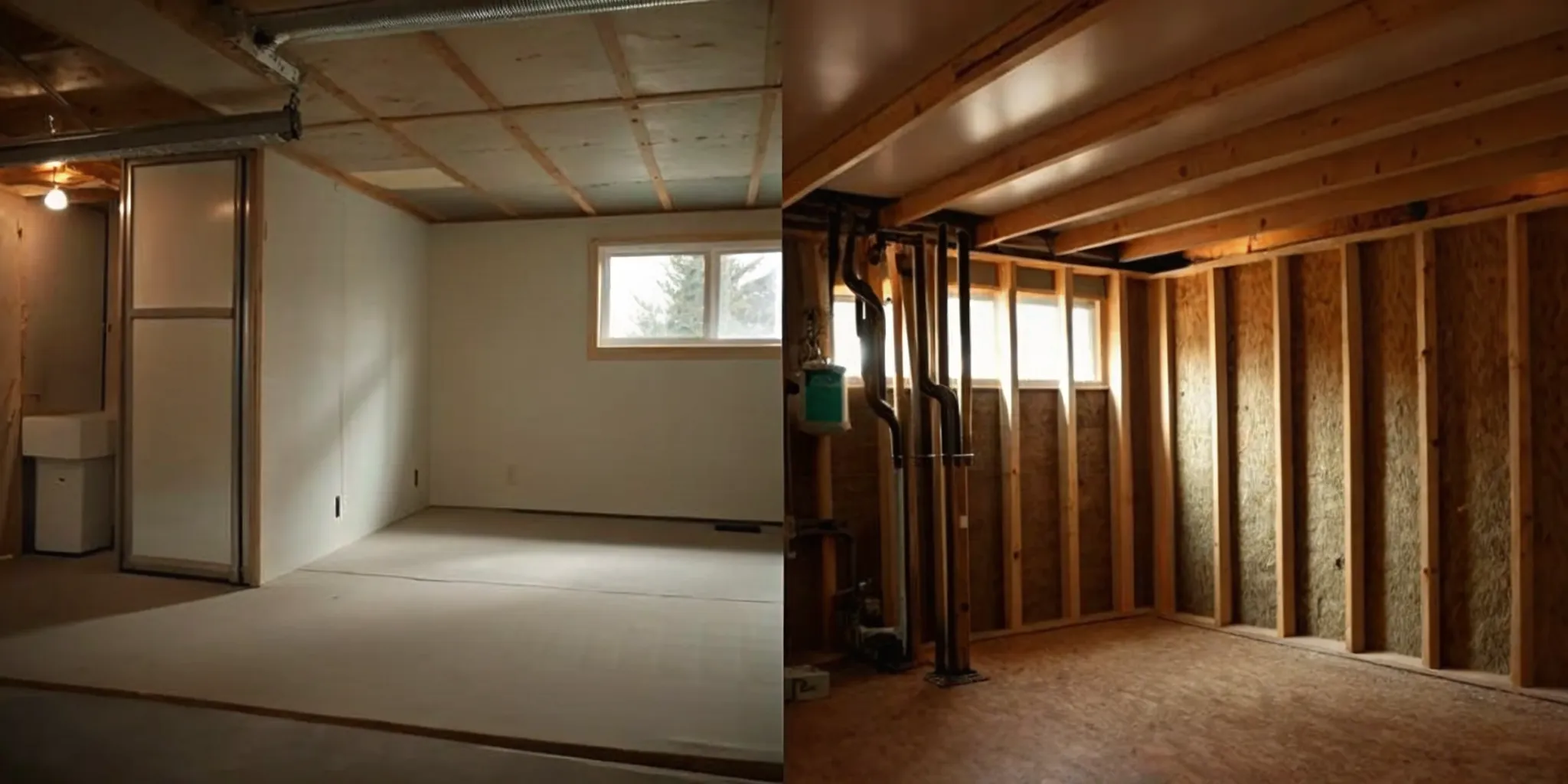
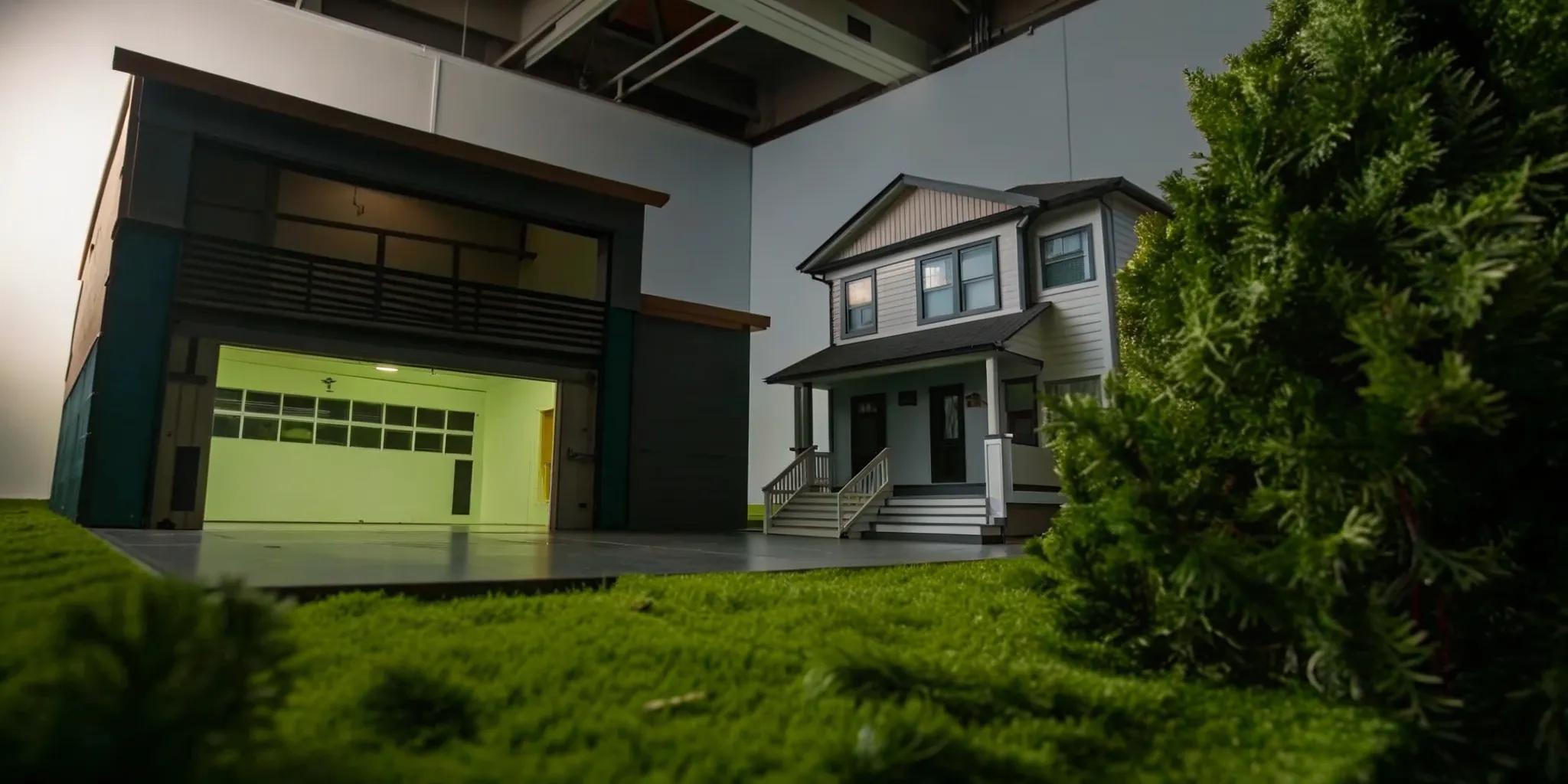
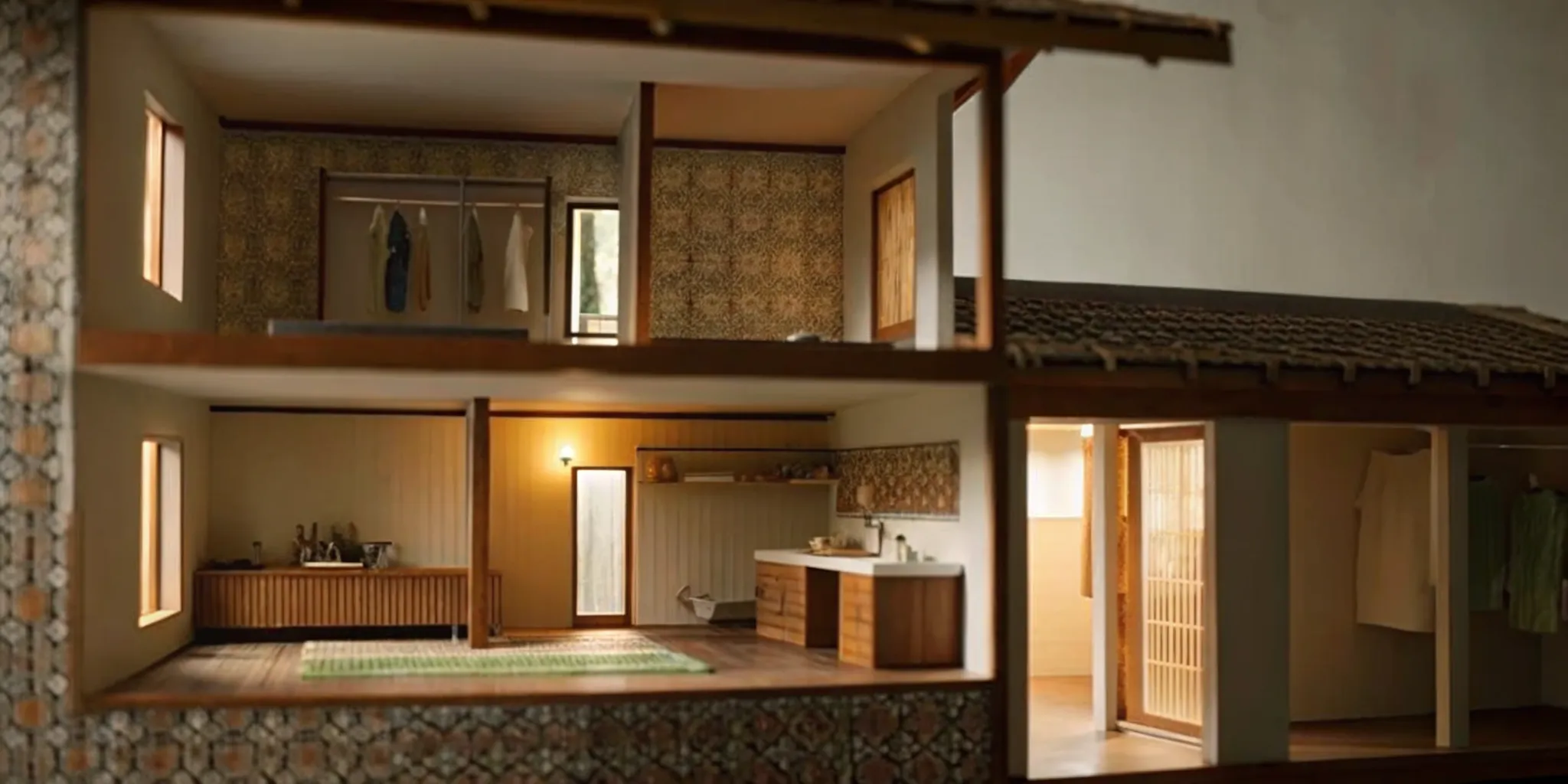
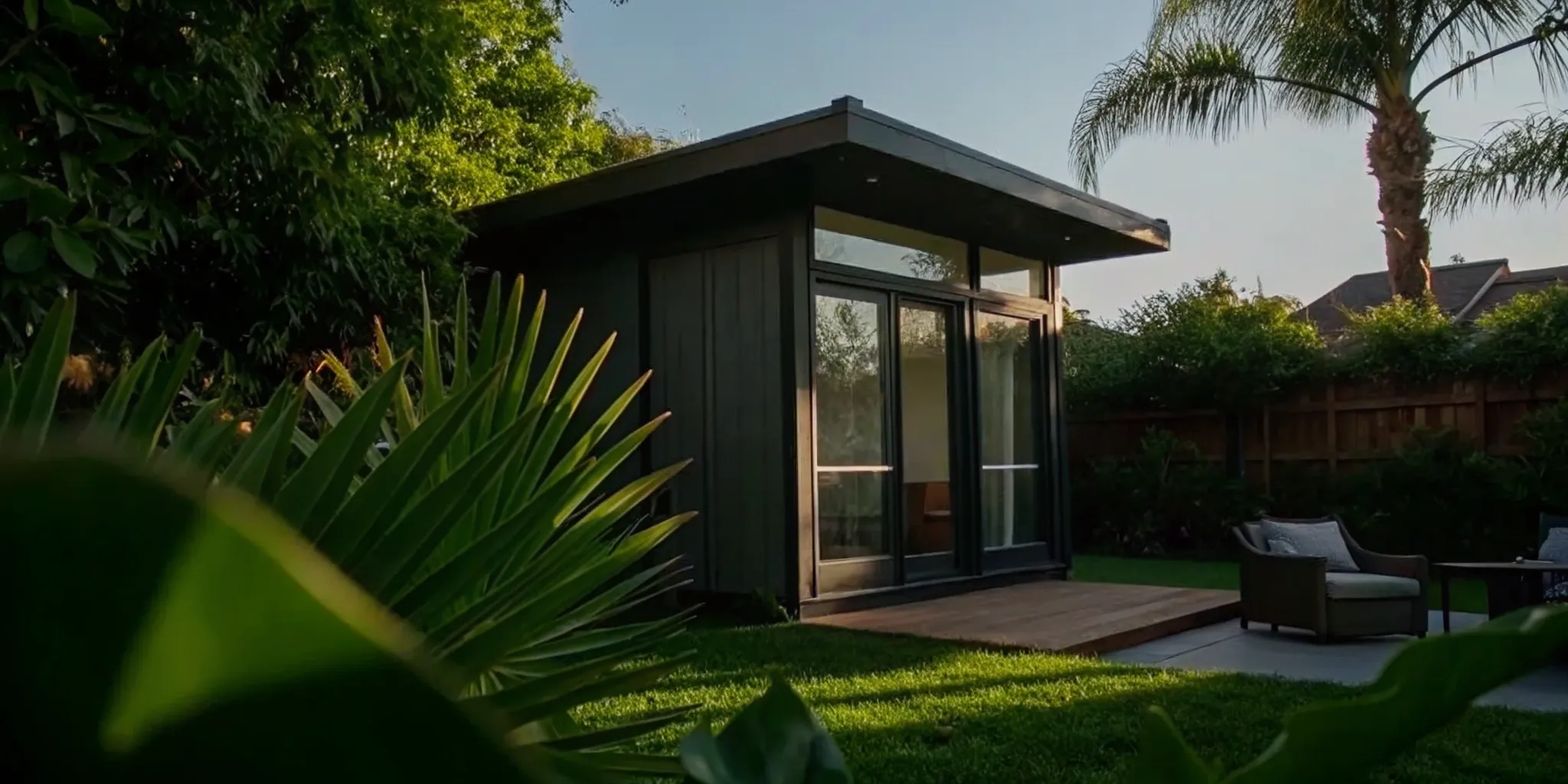
ADUs are not a one-size-fits-all project. They come in several forms, giving you the flexibility to choose what works best for your property and budget. The most common types of ADUs fall into three main categories. A detached ADU is a standalone structure, like a small backyard house or cottage. An attached ADU is built as an addition to your main home, sharing at least one wall. Finally, a conversion ADU repurposes existing space within your home’s footprint, such as turning a garage, basement, or attic into a livable apartment.
Why Add an ADU to Your Property?
Homeowners build ADUs for all sorts of reasons, but it usually comes down to needing more flexible space. An ADU can be a perfect home for aging parents, allowing them to live independently while staying close. It can also give adult children a place of their own or serve as a guest house for visitors. Beyond family, many people use their ADUs as dedicated home offices, art studios, or personal gyms. From a financial perspective, an ADU can generate consistent rental income and significantly increase your property value, making it a smart long-term investment. That’s a big part of why Realm helps homeowners see the full potential in their properties.
How Much Does It Cost to Build an ADU?
Asking about the cost of an ADU is a lot like asking about the cost of a car—the final price depends entirely on the model, features, and where you buy it. While there’s no single magic number, understanding the typical price ranges is the first step toward creating a realistic budget. Your project's final price tag will ultimately come down to two main things: the type of unit you decide to build and your property’s location.
See Average Costs by ADU Type
The structure you choose is the biggest initial factor in your budget. A comprehensive analysis of building costs shows that garage conversions are often the most affordable starting point, while brand-new detached units require a larger investment. Here’s a look at the average costs:
- Garage conversion: around $142,000
- Attached ADU: about $154,400
- Detached new construction: approximately $180,833
- Basement ADU: around $185,833
- Detached new construction (above a garage): about $217,714
These figures give you a solid baseline for what to expect. Converting an existing space like a garage is typically less expensive because the foundation and core structure are already in place, saving you significant construction costs right from the start.
How Location Affects Your Budget
Where you live has a huge impact on your total ADU cost. As many homeowners share in online discussions, the price to build can be dramatically different from one city to the next, even within the same state. This is especially true in places like California and Washington, where local labor rates, material costs, and permit fees vary widely. For homeowners in high-cost-of-living areas like the SF Bay Area or Los Angeles, it’s wise to anticipate that your project costs will likely fall on the higher end of the average estimates. Getting a localized estimate from a trusted professional is the best way to understand the true cost for your specific property.
What Drives Up ADU Construction Costs?
While it’s helpful to know the average cost of an ADU, your final price tag will depend on a handful of key factors. Think of it like building a custom car versus buying one off the lot—every choice you make, from the engine to the paint color, influences the total cost. The same is true for your ADU. Understanding these variables will help you create a realistic budget and decide where you want to save and where you’re willing to splurge.
The main cost drivers are the size and type of your unit, the complexity of your design, the quality of materials you select, local labor rates, and how much work your property needs before construction can even begin. Let’s break down how each of these elements can impact your project’s bottom line.
How Size Impacts the Price Tag
It’s no surprise that the bigger the ADU, the higher the cost. But the relationship isn’t always linear. The price to build an ADU can range from $20,000 for a simple basement conversion to over $400,000 for a brand-new, two-story unit built above a garage. A larger footprint requires more building materials, a bigger foundation, and more labor hours to complete. However, certain fixed costs, like design plans and permits, don’t scale with size, so the price per square foot can sometimes decrease as the unit gets larger. The type of ADU also plays a huge role; converting an existing space is almost always more affordable than building a detached unit from the ground up.
Custom Designs and Complex Plans
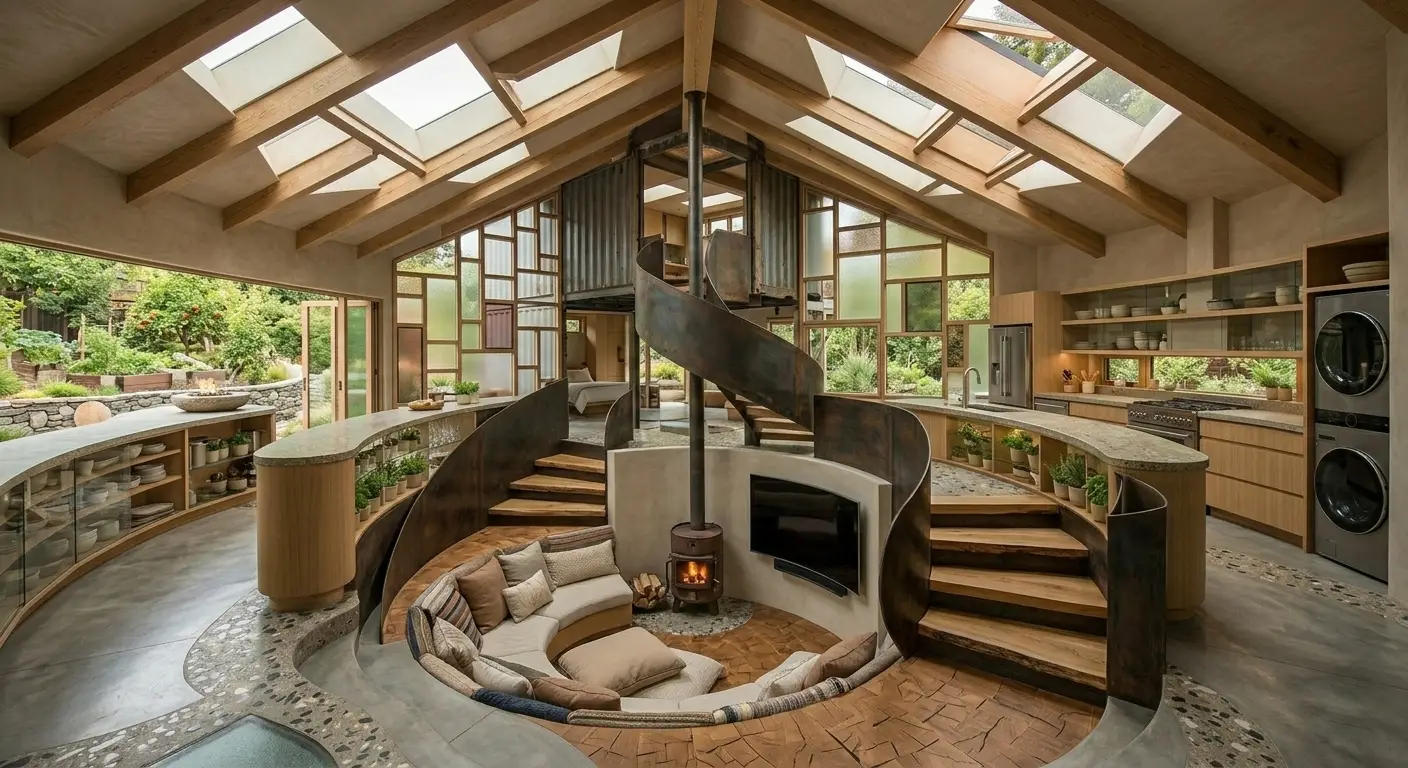
Opting for a one-of-a-kind ADU with a custom design is a surefire way to increase your budget. While pre-approved or stock plans can save you time and money, hiring an architect or designer for a bespoke layout can cost anywhere from $8,000 to $13,000 for the plans alone. The complexity of the design itself also adds to the construction bill. Features like vaulted ceilings, numerous corners, large custom windows, or a complicated roofline require more skilled labor and specialized materials to execute correctly. A simpler, more rectangular design will almost always be more cost-effective to build than an intricate one with unique architectural details.
Your Choice of Materials and Finishes
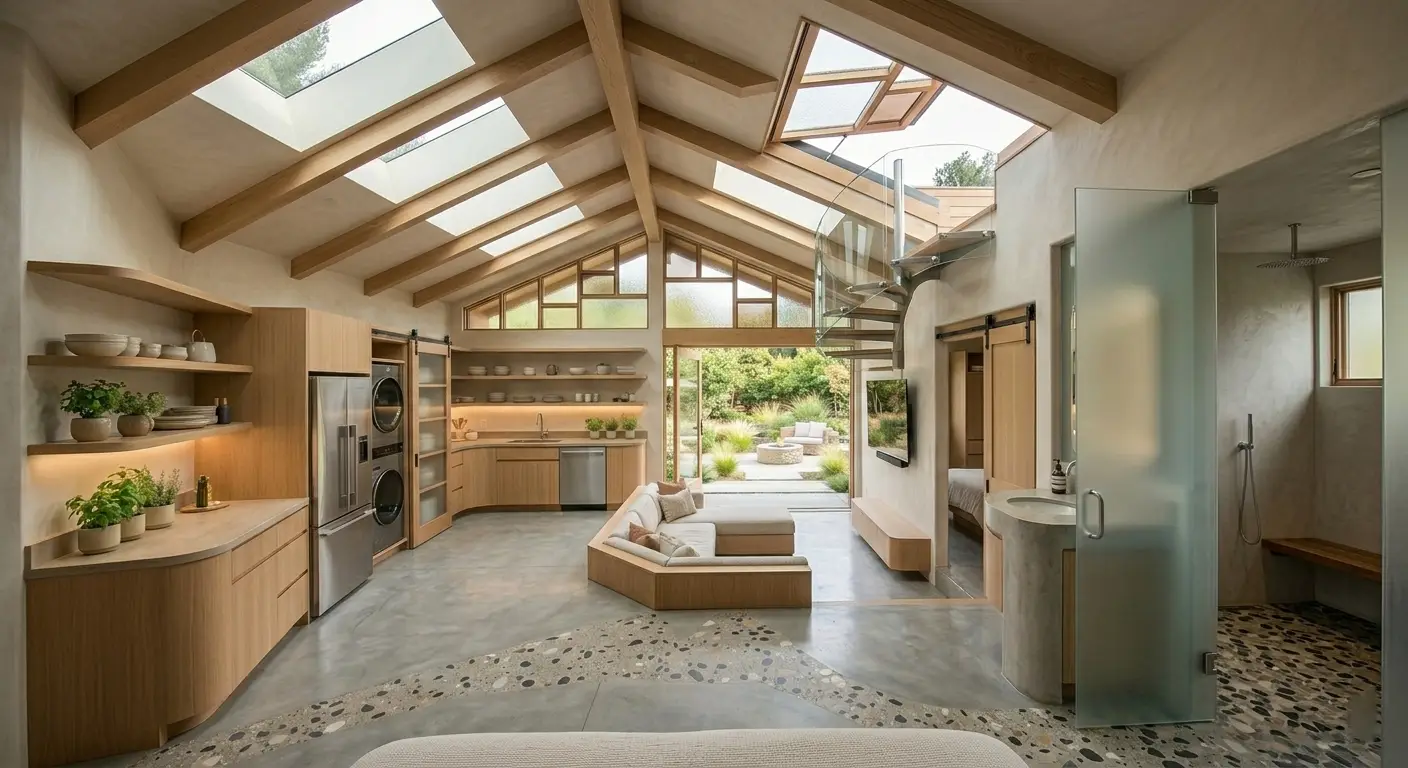
This is where you have the most control over your budget. The materials and finishes you choose can cause the total cost of your ADU to swing dramatically. High-end selections like stone countertops, hardwood flooring, custom cabinetry, and premium appliances will add thousands to your final bill compared to more standard options like laminate counters, vinyl plank flooring, and stock cabinets. Think about every single detail, from the light fixtures and faucets to the door handles and tile. Making smart, budget-conscious material selections is one of the best ways to keep your project on track financially without sacrificing style.
Local Labor and Contractor Rates
Where you live has a major impact on construction costs, primarily due to local labor rates. In high-cost-of-living areas like Los Angeles and the San Francisco Bay Area, you can expect to pay more for skilled tradespeople. Many general contractors might quote a starting price around $250 per square foot, but this figure can easily climb based on the project's complexity and the quality of the finishes. It’s essential to get detailed bids from several vetted professionals to understand the going rate in your specific city. Remember that a lower bid isn’t always better—quality workmanship is crucial for a lasting investment.
Preparing Your Site and Foundation
Before any walls go up, your property needs to be ready for construction. Site preparation costs are often overlooked but can add a significant amount to your budget. These "soft costs" include tasks like clearing and grading the land, excavating for the foundation, and trenching for utility lines. The condition of your property plays a big role here; a flat, easily accessible lot will be much cheaper to prepare than a sloped or tree-filled one. The foundation itself is a major expense, with the basic cost of digging and pouring a concrete slab running between $10,000 and $15,000 alone.
Don't Forget These Hidden Costs
When you’re focused on the big picture, like framing and flooring, it’s easy to overlook the smaller costs that can quickly add up. The final price tag for your ADU goes beyond just the structure itself. To create a truly realistic budget, you need to account for the essential services and finishing touches that turn a building into a home. These "hidden" costs aren't meant to be a surprise—they're a standard part of any construction project. Knowing what to expect will help you plan accurately and avoid sticker shock down the road. Let's walk through the key expenses you’ll want to factor in from the very beginning.
Budgeting for Permits and Fees
Before you can break ground, you need permission from your local government. The process of getting permits can be complex, and the costs vary dramatically depending on where you live. You could spend anywhere from a few hundred dollars to over $14,000 just on permits and fees. This huge range is why it’s so important to research your city’s specific requirements early in the planning stage. These fees cover the cost of city officials reviewing your plans to ensure they meet safety, zoning, and building codes. A dedicated project advisor can help you understand the local regulations and paperwork, ensuring everything is submitted correctly the first time.
Connecting Utilities and Upgrading Systems
Your new ADU will need water, power, and sewer service, just like your main house. Connecting these utilities is a major expense that often gets underestimated. The cost depends on how far your ADU is from the main utility lines and the complexity of the hookup. In some cases, you may even need to upgrade your main home’s electrical panel or sewer line to handle the increased load, which adds another layer of cost. Some of the biggest expenses can come from trenching for plumbing and connecting to city services, so be sure to get detailed quotes from contractors for this essential work.
Paying for Architectural and Design Plans
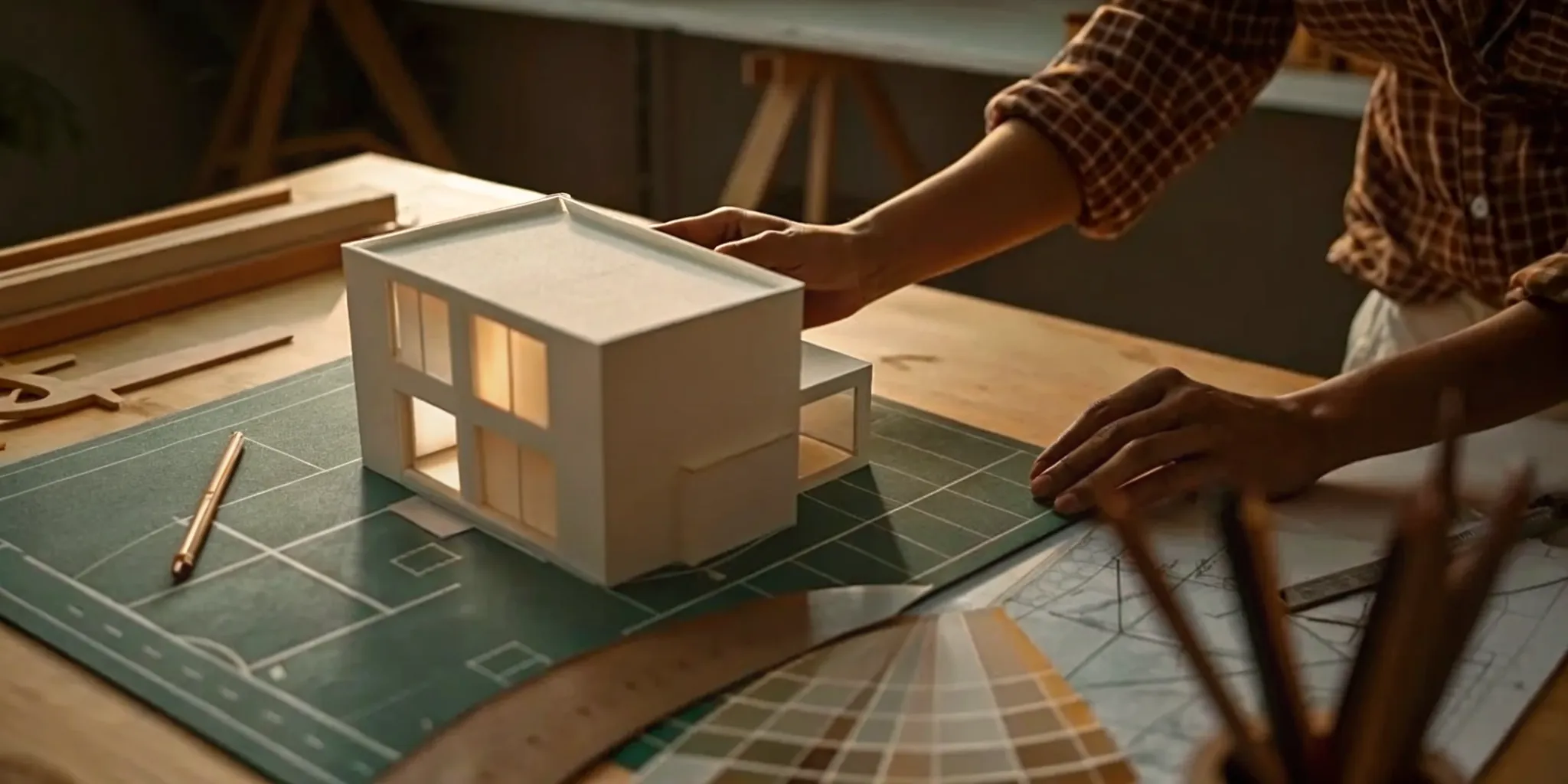
While you can find stock ADU plans, many homeowners opt for a custom design to perfectly suit their property and needs. Hiring an architect or a designer to create these plans is a critical investment in your project's success. Professional plans ensure your ADU is well-designed, structurally sound, and compliant with all local building codes. This service can cost between $8,000 and $13,000, but it saves you from costly mistakes and headaches later on. Think of it as the foundational blueprint that guides your entire build, making it a non-negotiable for a high-quality outcome.
Finishing with Landscaping and Site Work
The work isn’t over once the ADU is built. To make the space truly livable and integrated with your property, you’ll need to budget for site work and landscaping. This includes things like pouring a driveway or walkway, installing outdoor lighting, planting grass or gardens, and building a fence for privacy. These finishing touches are what complete the project, but they can add a significant amount to your total bill. When you’re planning your budget, make sure to include a line item for the outdoor space so your new ADU looks just as good on the outside as it does on the inside.
How to Save Money on Your ADU Build
Building an ADU is a significant investment, but it doesn’t have to break the bank. With some strategic planning and smart decision-making, you can keep costs in check without compromising on the quality of your new space. It’s all about knowing where to spend and where you can save.
Focusing on a few key areas—like your materials, construction method, and design plans—can make a huge difference in your final budget. Think of it as being resourceful, not cheap. A well-planned, budget-conscious ADU can still be a beautiful, functional, and valuable addition to your property. Let’s walk through some of the most effective ways to build an ADU without overspending.
Choose Smart Materials and Finishes
Your choice of materials and finishes has a major impact on your budget. While it’s tempting to go for high-end everything, opting for smart, cost-effective alternatives can save you thousands. For example, luxury vinyl tile can give you the look of hardwood floors for a fraction of the price and with better durability. Similarly, quartz countertops can offer a sleek, modern aesthetic similar to marble but with less cost and maintenance. Choosing affordable and durable construction materials helps you stay on budget while ensuring your ADU is built to last. It’s about finding that sweet spot between style, function, and price.
Consider Prefab and Modular Options
How your ADU is built can also lead to big savings. While traditional "stick-built" construction is common, prefabricated or modular ADUs are fantastic budget-friendly alternatives. These units are built in a factory and then transported to your property for assembly. This controlled environment reduces material waste, prevents weather-related delays, and often shortens the construction timeline, all of which cuts down on labor costs. If you’re looking for a more predictable budget and a faster path to completion, a prefab ADU is definitely an option worth exploring. They come in a wide range of styles and can be customized to fit your needs.
Use Pre-Approved Plans to Your Advantage
One of the simplest ways to save both time and money is to use a pre-approved ADU plan. Many cities, including Los Angeles, now offer a gallery of pre-approved designs that have already been vetted by the local planning department. Choosing one of these plans can dramatically speed up the permitting process, which is often a source of delays and unexpected costs. It also helps you avoid the hefty fees associated with hiring an architect to create a custom design from scratch. You still get a professionally designed unit, but without the high price tag and long wait times.
Partner with the Right Professionals
The team you hire can make or break your budget. While custom plans from an architect can cost anywhere from $8,000 to $13,000, working with professionals who specialize in ADUs can offer a more streamlined and affordable path. An experienced team knows the local building codes inside and out and can guide you toward cost-effective design choices and construction methods. This expertise is invaluable for preventing expensive mistakes and delays. At Realm, we connect you with a network of vetted local professionals who have a proven track record with ADU projects, ensuring your build is efficient, compliant, and on budget.
How to Finance Your ADU Project
Once you have a handle on the potential costs, the next step is figuring out how to pay for your ADU. Securing funding for a project of this scale can feel like a huge hurdle, but you have several great options. It’s not quite as straightforward as getting a standard mortgage, so homeowners often find success by exploring financing routes tied to their property or the construction project itself. Thinking through your financial strategy early on will set you up for a much smoother process from groundbreaking to final inspection.
Using Home Equity Loans and HELOCs
One of the most common ways to fund an ADU is by tapping into your home's equity. A home equity loan gives you a lump sum of cash upfront with a fixed interest rate, which is great for predictable monthly payments. Alternatively, a Home Equity Line of Credit (HELOC) works more like a credit card, giving you a revolving line of credit you can draw from as needed. This flexibility is perfect for paying contractors in phases. Both options often come with lower interest rates than personal loans because your home serves as collateral. A financial advisor can help you understand the pros and cons of home equity financing and decide which path is right for you.
Exploring Construction and ADU Loans
If you don’t have enough equity built up, a construction loan is another excellent route. These short-term loans are designed specifically for building projects and release funds in stages as work is completed. Even better, some lenders now offer specialized renovation or ADU loans that consider the future value of your property with the completed ADU. This allows you to borrow based on what your home will be worth, not just what it’s worth now. This can be a game-changer, giving you access to the capital you need to see the project through without having to compromise on your vision due to funding limitations.
Create a Realistic Budget (with a Cushion)
No matter which financing option you choose, a detailed and realistic budget is non-negotiable. Start by mapping out every anticipated expense, from architectural plans and permits to foundation work and final finishes. Be honest with yourself about costs—it’s nearly impossible to build a new detached ADU from the ground up for less than $80,000. The most important part of your budget is a contingency fund. Set aside an extra 10% to 20% of your total estimated cost to cover unexpected surprises. Having this cushion ensures that a minor issue doesn’t derail your entire project. A dedicated project advisor can help you build a comprehensive budget that leaves no stone unturned.
Is an ADU a Good Investment?
Deciding to build an ADU is a major financial step, so it’s natural to wonder if it will pay off. The short answer is: it often does, but the "how" depends on your goals. For some homeowners, an ADU is a straightforward path to generating rental income that can offset a mortgage or cover the building costs over time. For others, the primary return is the significant increase in their property’s overall value and the added flexibility of having a separate living space for family, guests, or a home office.
The key is to look at an ADU as a long-term asset. While the upfront costs are considerable, the benefits can compound over the years. You’re not just adding a small structure; you’re adding a legal, functional dwelling unit to your property. This adds valuable square footage and opens up new possibilities for how you use your land. Whether you’re looking for immediate cash flow or a future bump in your home’s sale price, an ADU can be one of the smartest improvements you make. At Realm, we can help you create a customized plan that aligns with your financial goals and property’s potential.
Calculate Your Potential Rental Income
One of the most direct ways an ADU provides a return is through rental income. Depending on your location and the quality of your unit, you could generate a steady stream of cash flow. For example, some homeowners report renting their ADUs for anywhere from $140 to $225 per night on short-term rental sites. To get a clear picture of your potential earnings, research the current rental rates for similar-sized units in your neighborhood. Check listings on sites like Zillow or Airbnb to understand the local market demand. This income can make a real difference, helping you build wealth and financial stability right from your own backyard.
Weighing the Long-Term ROI
Beyond monthly rent checks, an ADU is a powerful tool for increasing your property's resale value. While ADUs have high fixed costs similar to any new home construction, the long-term financial gain can be impressive. For instance, one analysis found that an ADU costing between $250,000 and $300,000 in Southern California could add as much as $600,000 to a property's value. Adding a legal dwelling unit is a significant upgrade that makes your property more attractive to a wider range of future buyers. It’s generally considered a solid long-term investment because it fundamentally increases your property’s value and utility.
Related Articles
- ADU Zoning 101: What Homeowners Need to Know
- Top Questions to Ask When Hiring an ADU Contractor
- Everything You Need To Know About ADUs
Frequently Asked Questions
How long does the entire ADU process take from start to finish? Building an ADU is a marathon, not a sprint. While the actual construction might take a few months, the entire process from initial design to final inspection often lasts anywhere from 9 to 18 months. A significant portion of that time is dedicated to the pre-construction phase, which includes finalizing your design, getting architectural plans drawn up, and navigating the city’s permitting process. This permitting stage alone can take several months, so it’s important to go in with a patient and realistic mindset.
What's the very first step I should take if I'm seriously considering an ADU? Before you start looking at floor plans or picking out finishes, your first step should be to define your goals and your budget. Ask yourself why you want an ADU—is it for rental income, for family, or for a home office? Your answer will shape the entire project. At the same time, get a clear picture of your finances and explore your funding options. Once you know your "why" and your "how much," you can begin to see if your vision is feasible for your property.
Are pre-approved plans a good idea for everyone? Pre-approved plans can be a fantastic way to save a significant amount of time and money on architectural fees and the permitting process. They are an excellent choice if you find a design you love and have a straightforward, flat lot. However, they may not be the best fit if your property has unique challenges, like a steep slope, or if you have a very specific vision that the stock plans can't accommodate. It’s a trade-off between customization and cost-efficiency.
How do I know if my property is even eligible for an ADU? Eligibility depends entirely on your local city or county regulations, which can be quite specific. Generally, the rules are based on your property’s zoning, its size, and how much of the lot is already covered by existing structures. Most single-family homes are eligible for at least one type of ADU, but the best way to get a definitive answer is to check the website for your local planning department or work with a professional who is an expert in your area’s codes.
Besides rental income, what are the other financial benefits of an ADU? While rental income is a major draw, an ADU offers other powerful financial advantages. The most significant is the direct increase in your property's resale value; you are adding legal, livable square footage, which is a huge asset. An ADU also provides incredible flexibility that can save you money down the road. It can eliminate the need to pay for an off-site office, provide a home for aging parents who might otherwise need costly assisted living, or give adult children a place to live, saving them from a competitive rental market.