One Year After the California Wildfires: Support, Remembrance, and the Road Ahead
One year after the California wildfires, we reflect on loss, share rebuild progress, resources, and offer support to families still navigating recovery.
|
January 7, 2026
In this article:
One Year After the California Wildfires: Support, Remembrance, and the Road Ahead
This week marks one year since the devastating wildfires that tore through Altadena and Pacific Palisades. For many families, the anniversary brings a wave of memories, emotions, and unanswered questions. Grief does not move on a schedule, and neither does recovery—especially when the loss includes a home, a neighborhood, and a sense of safety.
At Realm, we wanted to pause and acknowledge this moment. Not to rush past it with optimism alone, but to hold space for remembrance, reflect honestly on where recovery stands today, and share resources and insights that may help as families continue forward—at whatever pace feels right.
You Are Not Alone
A year later, many wildfire survivors are still displaced, navigating temporary housing, insurance disputes, and rebuilding decisions that no one ever expects to make. Progress can feel painfully slow, and setbacks—whether financial, emotional, or logistical—are common. If you’re feeling frustrated, exhausted, or stuck, it’s important to know that these feelings are shared by many others in the community.
Recovery after a disaster is rarely linear. Even as visible rebuilding begins in some areas, many families remain in limbo, waiting on permits, funding, or clarity from insurers. This anniversary is not a deadline—it’s simply a marker in a much longer journey.
Where Rebuilding Stands Today
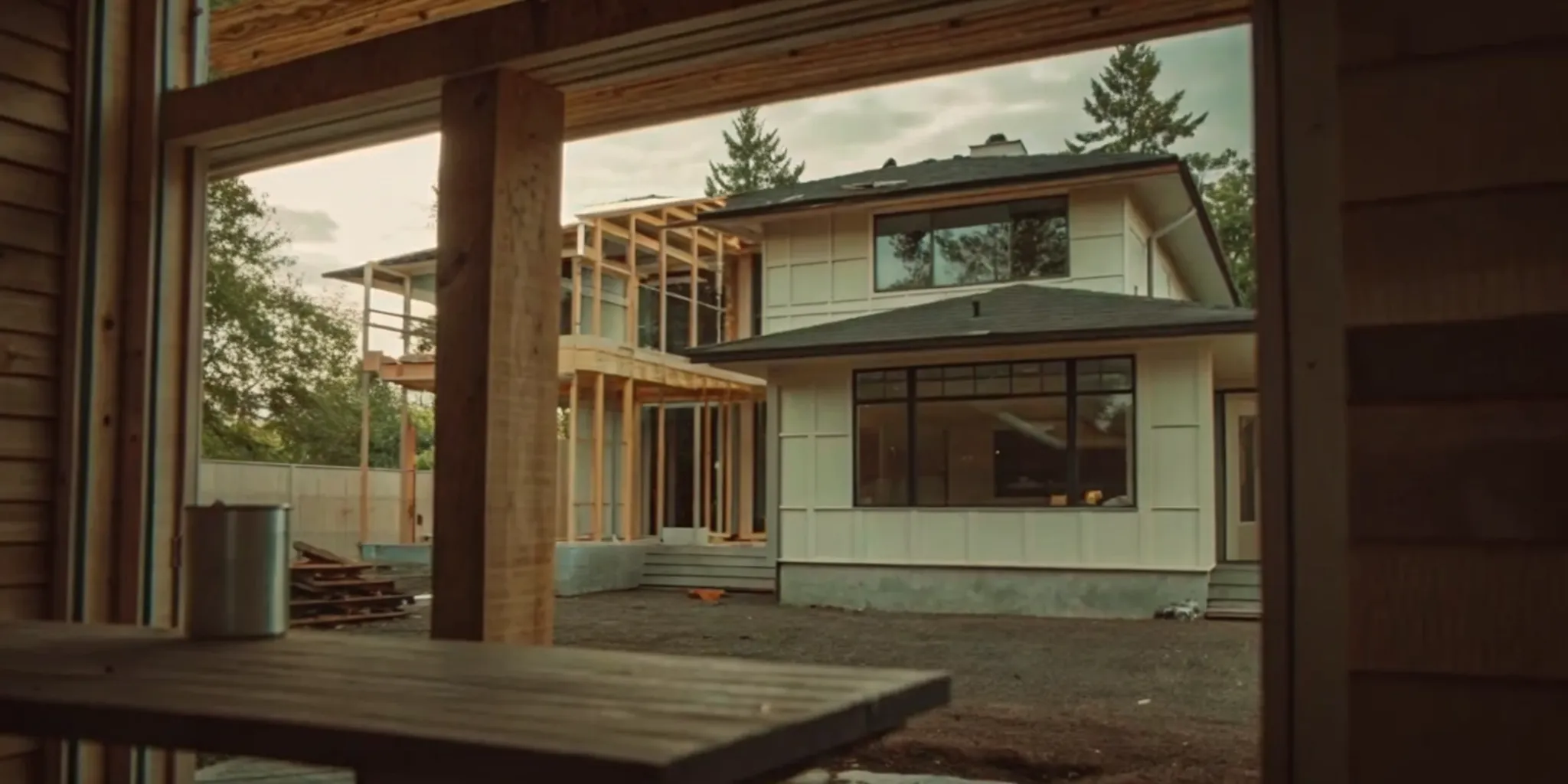
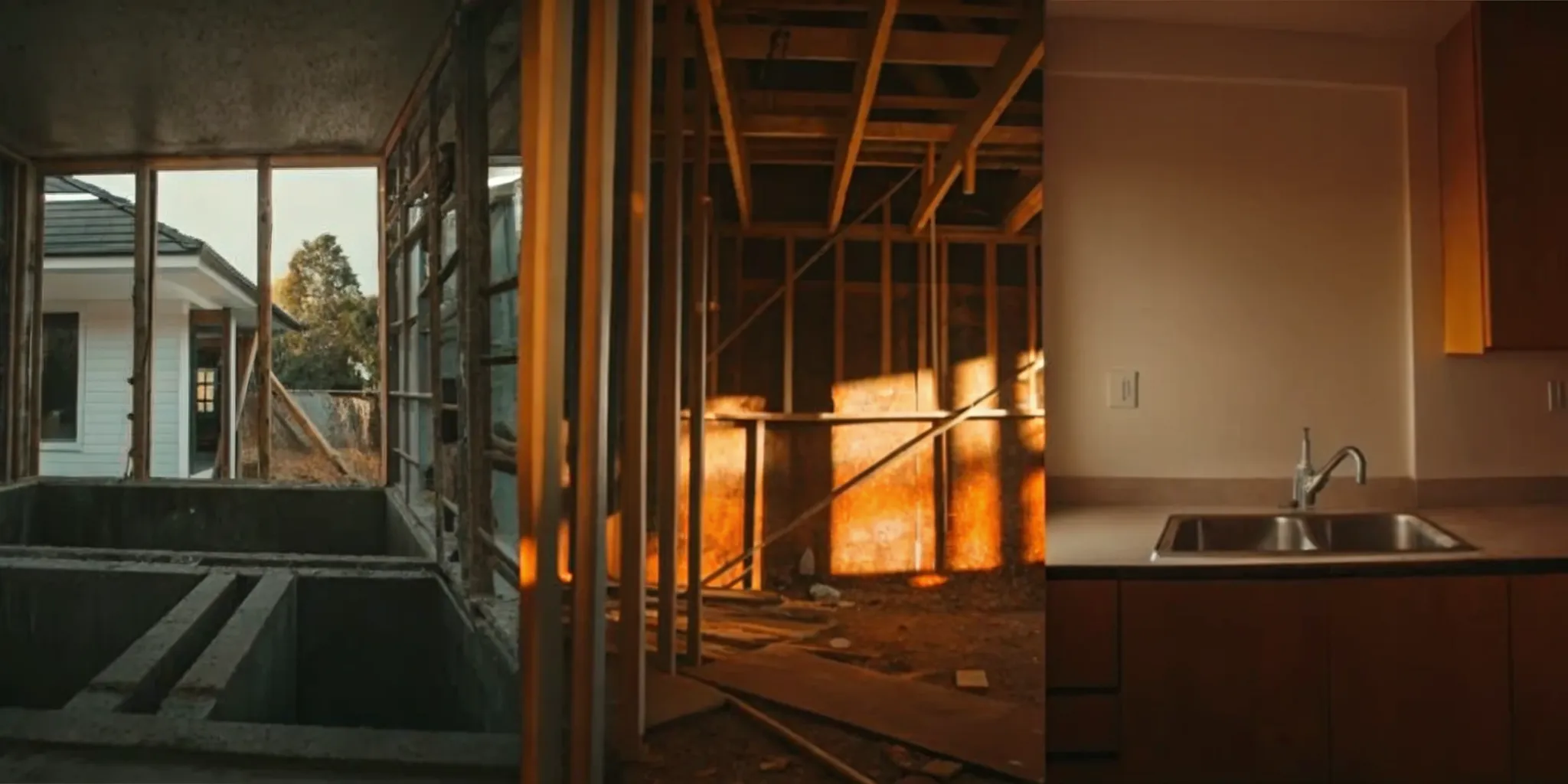
Over the past year, Realm has had the privilege of supporting homeowners across Altadena and Pacific Palisades as they work toward rebuilding.
- Realm is currently managing 37 wildfire rebuild projects, representing approximately $36 million in construction value.
- Five homes are actively under construction, with three more breaking ground within weeks.
- An additional ten homes are expected to begin construction by March.
- Beyond active builds, we are working with 106 households impacted by the fires, helping them navigate planning, design, budgeting, and next steps.
While these numbers show momentum, they also highlight how early the overall recovery still is. Many properties remain vacant, and for many families, the process has not yet reached the construction phase.
Permitting, Regulations, and Why Progress Has Been Slow
One of the most significant bottlenecks has been permitting. In Altadena (unincorporated Los Angeles County), permits are taking an average of 4.5 months, longer than the roughly three months initially anticipated. In Pacific Palisades, homeowners have faced their own regulatory complexities within the City of Los Angeles.
Regulations have also evolved over time, adding confusion and limiting flexibility:
- In unincorporated LA County (Altadena), like-for-like rebuilds may expand up to 10% or 200 square feet, whichever is greater.
- In the City of LA (Pacific Palisades), rebuilds are limited to 10% expansion.
These differences matter. For homeowners on narrow or constrained lots, zoning and setback rules have limited options for reconfiguring layouts, relocating garages, or making accessibility improvements. While these hurdles have slowed timelines, solutions are possible—and many projects are moving forward despite them.
Fire-Resilient Construction: What Families Are Choosing
Early in the recovery, much of the conversation centered on building “fireproof” homes. Some homeowners explored prefab or modular systems marketed as highly fire-resistant. In practice, many of these options came with high costs—often $600+ per square foot—and were not always fully covered by insurance.
Over time, most builders and homeowners have gravitated toward construction aligned with IBHS wildfire-resistant standards (often called “IBHS Plus”). These measures focus on reducing ignition risk rather than promising total fire immunity:
- Non-combustible exterior materials (fire-treated wood alone is not sufficient)
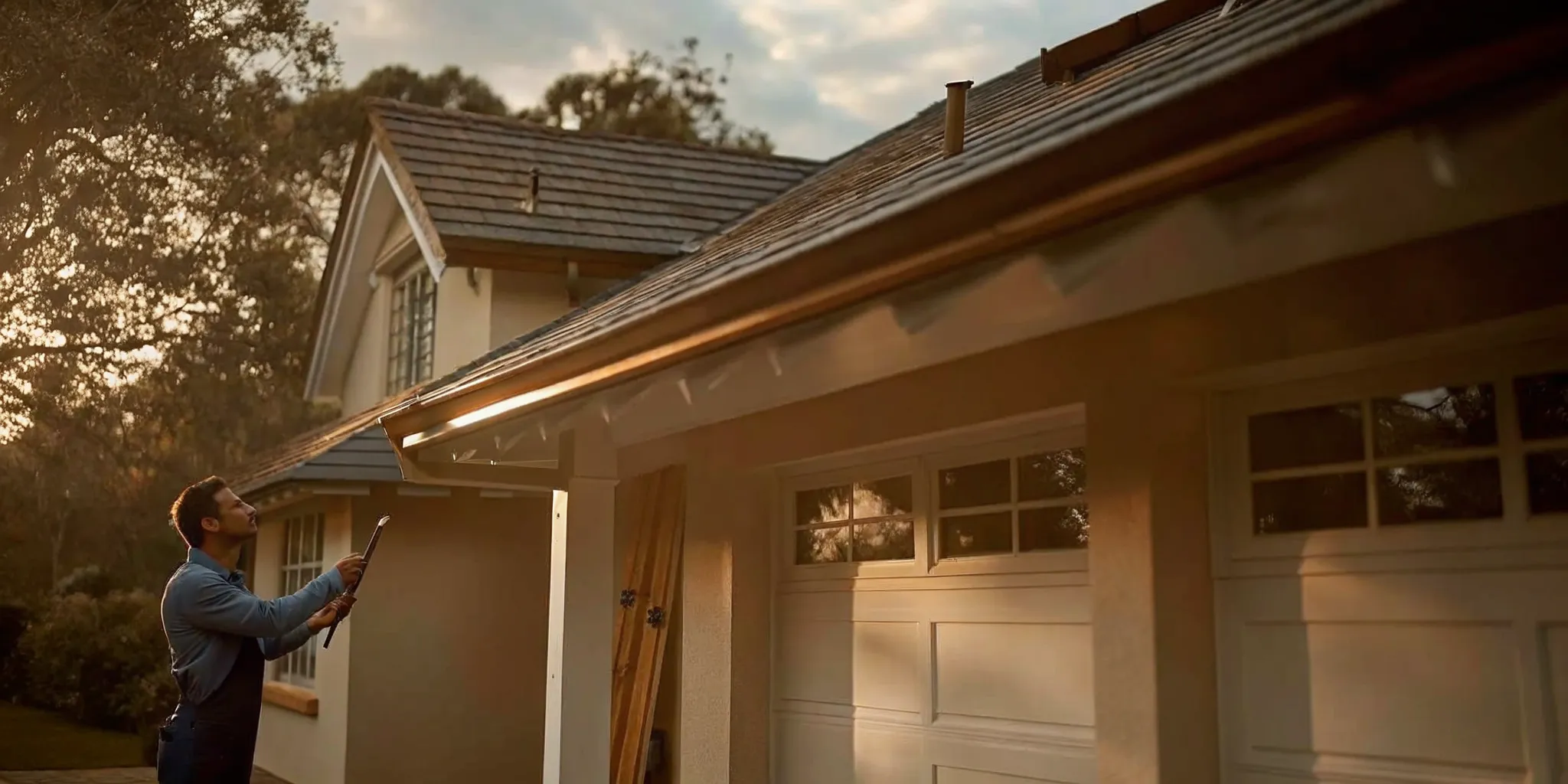
- Fully enclosed eaves
- Ember-resistant vents
- Thoughtful defensible space planning around the home
These strategies significantly improve a home’s survivability and are increasingly important for long-term insurability. Many families have chosen a balanced approach—traditional construction paired with targeted fire-resilient upgrades—recognizing that no home is invulnerable, but smart design can meaningfully reduce risk.
Insurance: Still One of the Hardest Parts
For many homeowners, insurance has been the most difficult and emotionally draining part of the process. Even a year later, many claims remain unresolved, delayed, or under dispute.
As the one-year mark passes, policy deadlines become especially important. Some insurance policies require claims, documentation, or proof-of-loss submissions within 12 months of the disaster. Missing these deadlines—often unintentionally—can jeopardize coverage.
If you are still navigating insurance challenges, you are not alone. Advocacy groups, legal resources, and experienced rebuild professionals can sometimes help clarify options or next steps.
Rising Construction Costs: A New Pressure Point
Another challenge emerging one year out is cost escalation. Construction pricing rose throughout 2025, and many suppliers implemented additional increases in early 2026.
Across categories such as plumbing fixtures, flooring, tile, and appliances, homeowners are seeing 5–15% increases, with some appliance brands rising by as much as 20%. These changes can meaningfully affect rebuild budgets.
When possible, locking in material selections and pricing earlier—before increases take effect—can help reduce financial strain. Some vendors will honor prior-year pricing if orders are placed ahead of scheduled hikes, potentially saving thousands of dollars on a full rebuild.
Community, Remembrance, and One-Year Anniversary Events
January 7 marks not only a milestone in recovery, but also a day of remembrance and collective reflection. Across the region, communities are gathering to honor what was lost, acknowledge what remains unresolved, and find strength in being together.
Events include memorial ceremonies, survivor gatherings, rallies, concerts, and moments of quiet reflection—many of which are open to the public and livestreamed for those who prefer to participate from home. Whether attending in person or observing privately, these gatherings serve as reminders that healing is not meant to happen in isolation.
Looking Ahead—with Compassion
As 2026 unfolds, rebuild activity is expected to accelerate as permits are issued and construction ramps up, particularly in Altadena where many homeowners have chosen to rebuild rather than sell. At the same time, challenges remain—from rising costs to policy uncertainty, including the continued delay of proposed permit fee waivers in Los Angeles County.
Wherever you are in this process—just starting, midstream, or still waiting—it’s okay. Recovery is deeply personal, and there is no right pace.
At Realm, our commitment extends beyond construction timelines. We’re here to listen, to help navigate decisions, to share resources, and to support homeowners for the long haul. This anniversary is not just about looking back—it’s about acknowledging resilience, honoring loss, and moving forward with care.
If you need guidance, information, or simply someone to talk things through, our team is always here.
You are not alone.
Frequently asked questions
How do I begin the rebuilding process after a fire?
Start by contacting your insurance provider to report the damage and begin the claims process, documenting everything with photos and an inventory of losses. For tips on navigating the insurance process, click here. Check for local resources and disaster recovery programs, such as FEMA or nonprofit assistance, to support your recovery. Consult reputable contractors to assist with rebuilding, and if you need help finding vetted professionals, Realm is here to support you.
Should I work with a public adjuster?
Public adjusters can help negotiate higher insurance settlements, but their value depends on the situation. They may be helpful for partial rebuilds or smoke-damaged homes but are often less effective for total losses, as most homeowners in these cases already receive their policy limits. While they can assist with cataloging personal property, total losses often require homeowners to reconstruct inventories themselves. If your home was completely destroyed, proceed cautiously with public adjusters. Learn more here about how to avoid scams.
How do I choose a reliable contractor for rebuilding?
Unlicensed, uninsured, and low-quality contractors often flood the market after natural disasters. To protect yourself from scams, choose a reputable local contractor. Verify their license and insurance, ask for references, and get multiple quotes to avoid price gouging. Structure payments around project milestones rather than making large upfront payments. Finally, sign a detailed contract that clearly outlines the scope of work, timeline, and payment terms to ensure accountability. If you need help finding a trustworthy contractor, Realm is here to assist.
What permits are required for rebuilding after a wildfire?
Rebuilding usually requires permits for construction, electrical, plumbing, and other aspects of the work. Contact your local building department to determine the specific permits needed for your project. Many local authorities offer expedited permitting processes to help streamline rebuilding efforts. Learn more in our permitting guide, and for additional information visit Los Angeles City Planning or Los Angeles County Public Works.
How long does it take to rebuild after a wildfire?
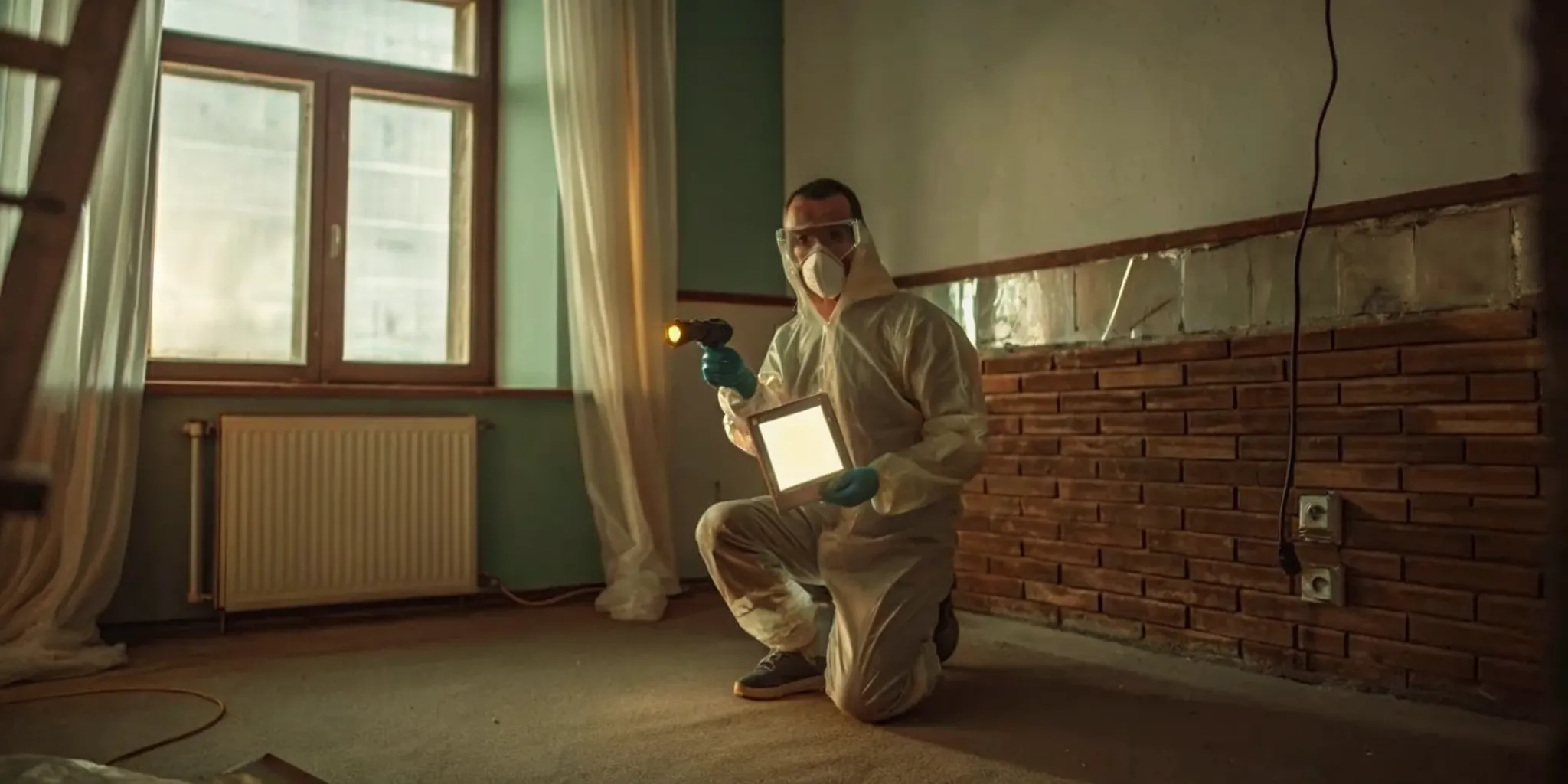
Rebuilding timelines can vary widely, depending on factors such as the extent of the damage, local permitting processes, and the rebuilding of essential infrastructure like electricity, gas, and water. Neighborhoods with underground utilities may experience shorter delays. Before construction can begin, critical steps such as completing insurance assessments, clearing rubble, removing toxic waste, and treating soil in coastal areas must be addressed. These processes contribute to the overall timeline for recovery and rebuilding.

Rebuild your home with Realm
Rebuilding comes with a lot of moving parts, but we make it simple. We’re your one-stop shop for expert guidance, dedicated support, and trustworthy pricing.


Resources for your fire recovery
From insurance to rebuilding, get expert guidance to support your recovery process.
Realm has helped thousands of homeowners transform their homes


4.7 STARS (695)

4.4 STARS (487)