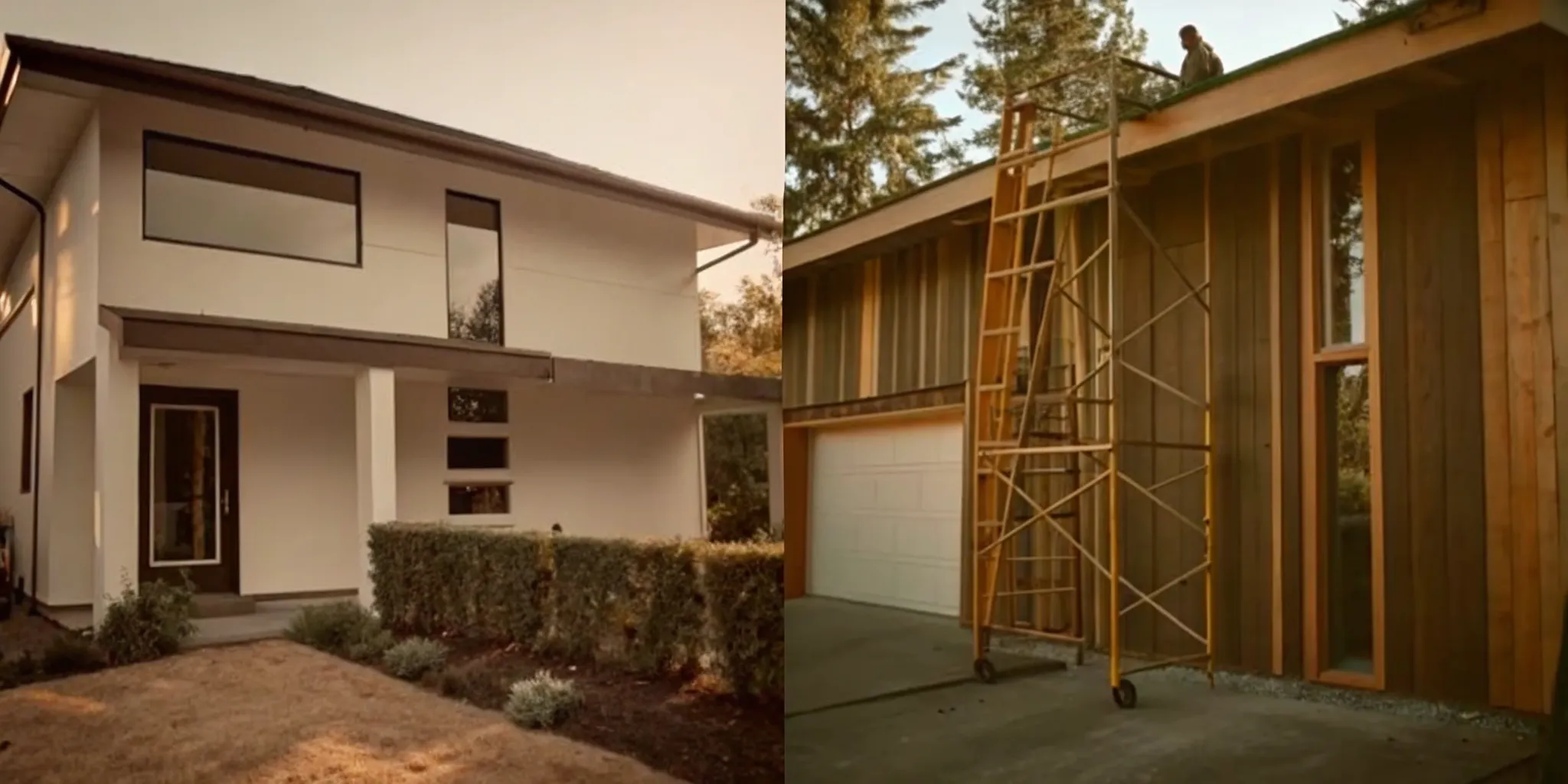
250 Square Foot ADU: Layouts, Costs, and Lessons From Real Builds
Real project data on 250 sq ft garage conversions, ADUs, bedroom additions, and more, with median costs and honest lessons from the field.
|
March 4, 2026
In this article:
At 250 square feet, you're working with something genuinely useful. It's not a closet; it's not a full apartment, but it hits a sweet spot where smart planning can produce a space that earns rent, adds a bedroom, or transforms how your family lives. In California and Washington markets, this footprint shows up again and again in real project data: garage conversions, detached ADUs, bedroom additions, backyard offices. Each has its own cost range, its own logic, and its own audience.
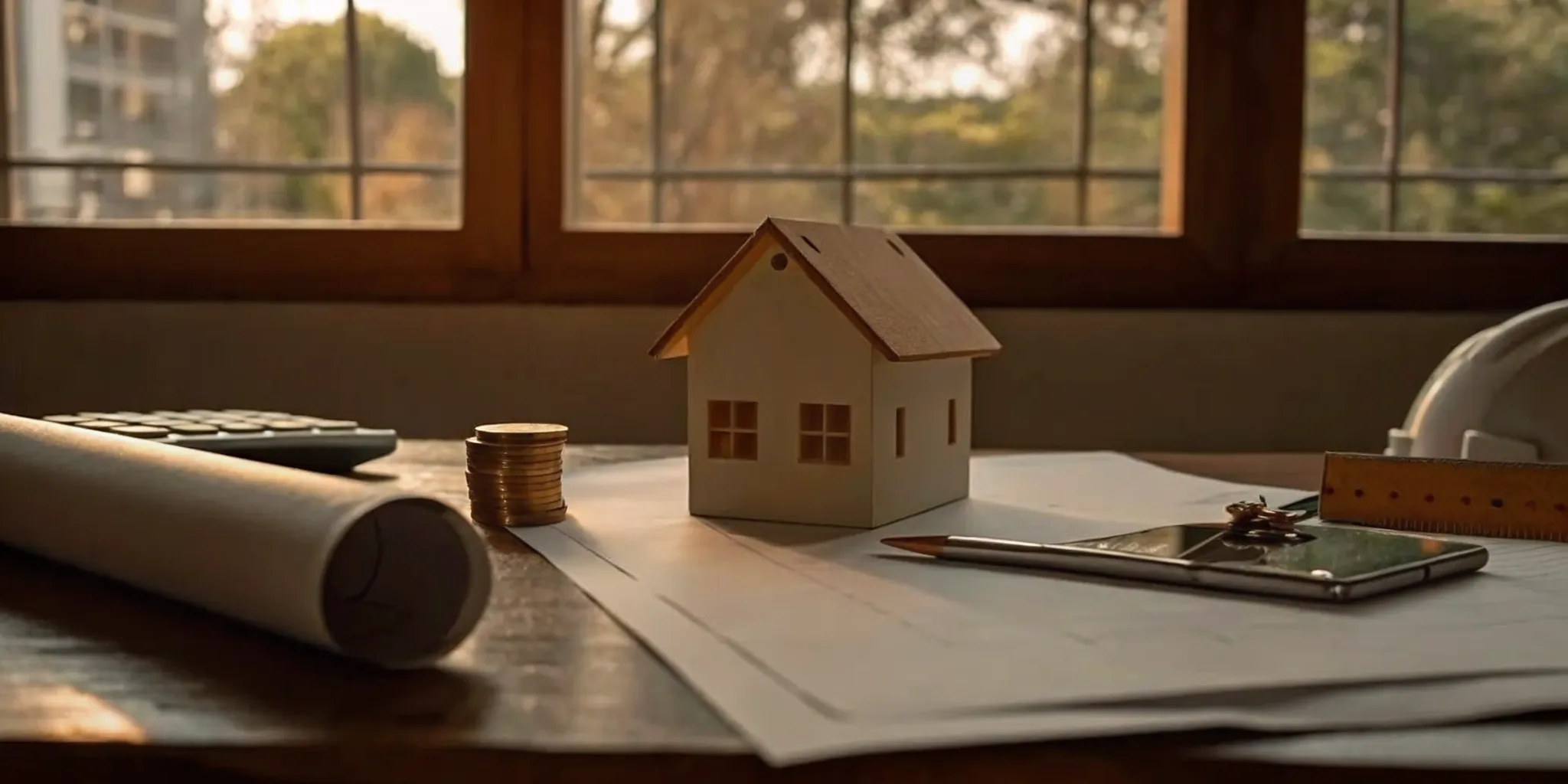
The median cost for a 250 sq ft project is $122,500, with an average of $196,041. That gap tells you a lot. A few high-complexity builds like second-story additions and custom detached ADUs pull the average up significantly. Most homeowners land somewhere in the middle, depending on what they're building and where they're starting from. Let's walk through what the data shows.
Key Takeaways
- Garage conversion ADUs are the most cost-efficient entry point for adding a rentable or livable unit at 250 square feet. They reuse an existing foundation and structure, which keeps costs down relative to ground-up builds.
- A bedroom addition at this size is one of the highest-ROI moves available to homeowners in California and Washington, particularly when it takes a property from two bedrooms to three.
- The median project cost is $122,500, but your actual number will depend heavily on project type, existing conditions, and your local permitting environment.
- Don't anchor to the average. At $196,041, the average is pulled up by complex builds. Knowing your project type gives you a much more useful benchmark.
- Define your primary goal first — rental income, family space, resale value, or remote work — because that decision shapes everything else, from layout to budget to permitting path.
What Does 250 Square Feet Actually Look Like?
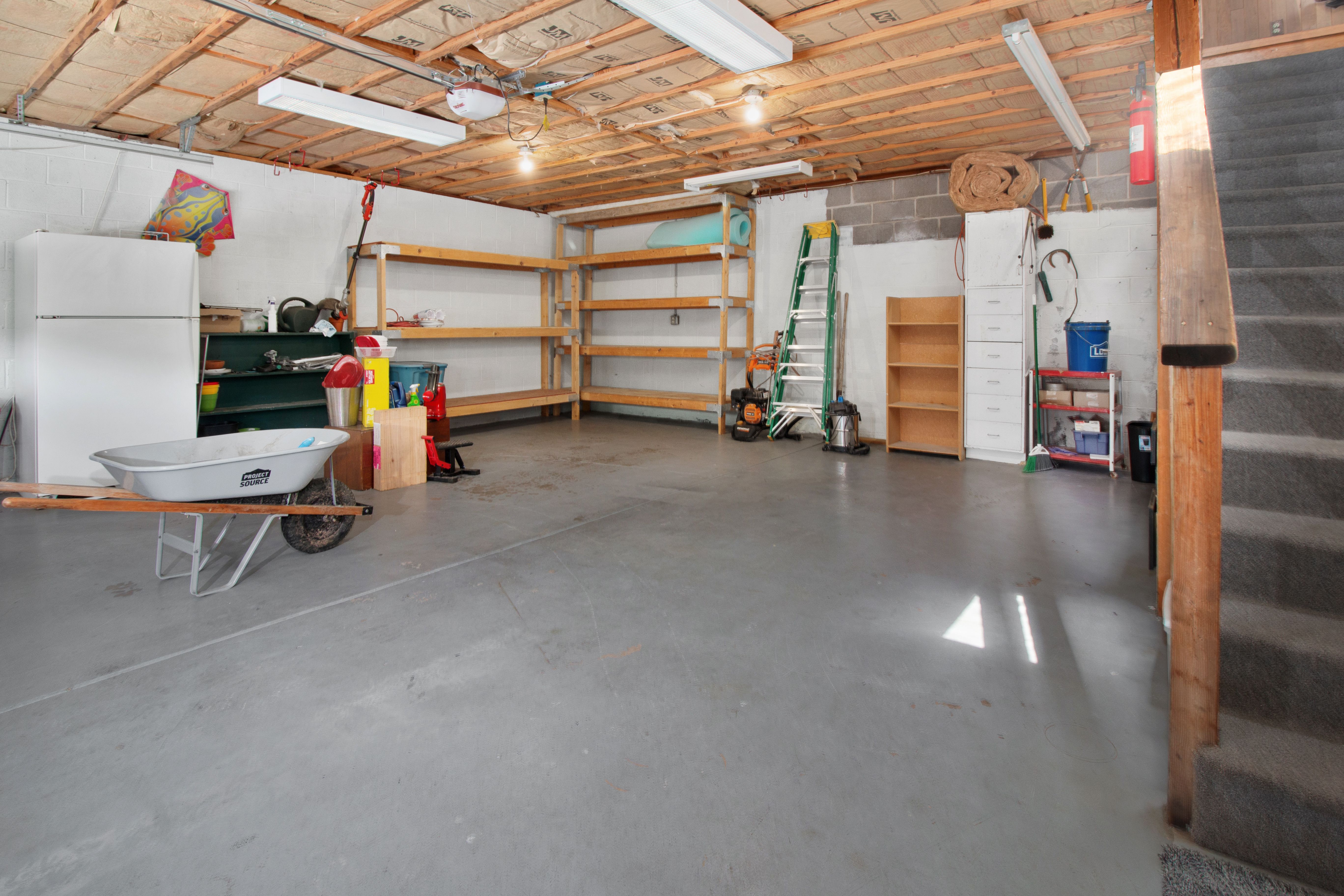
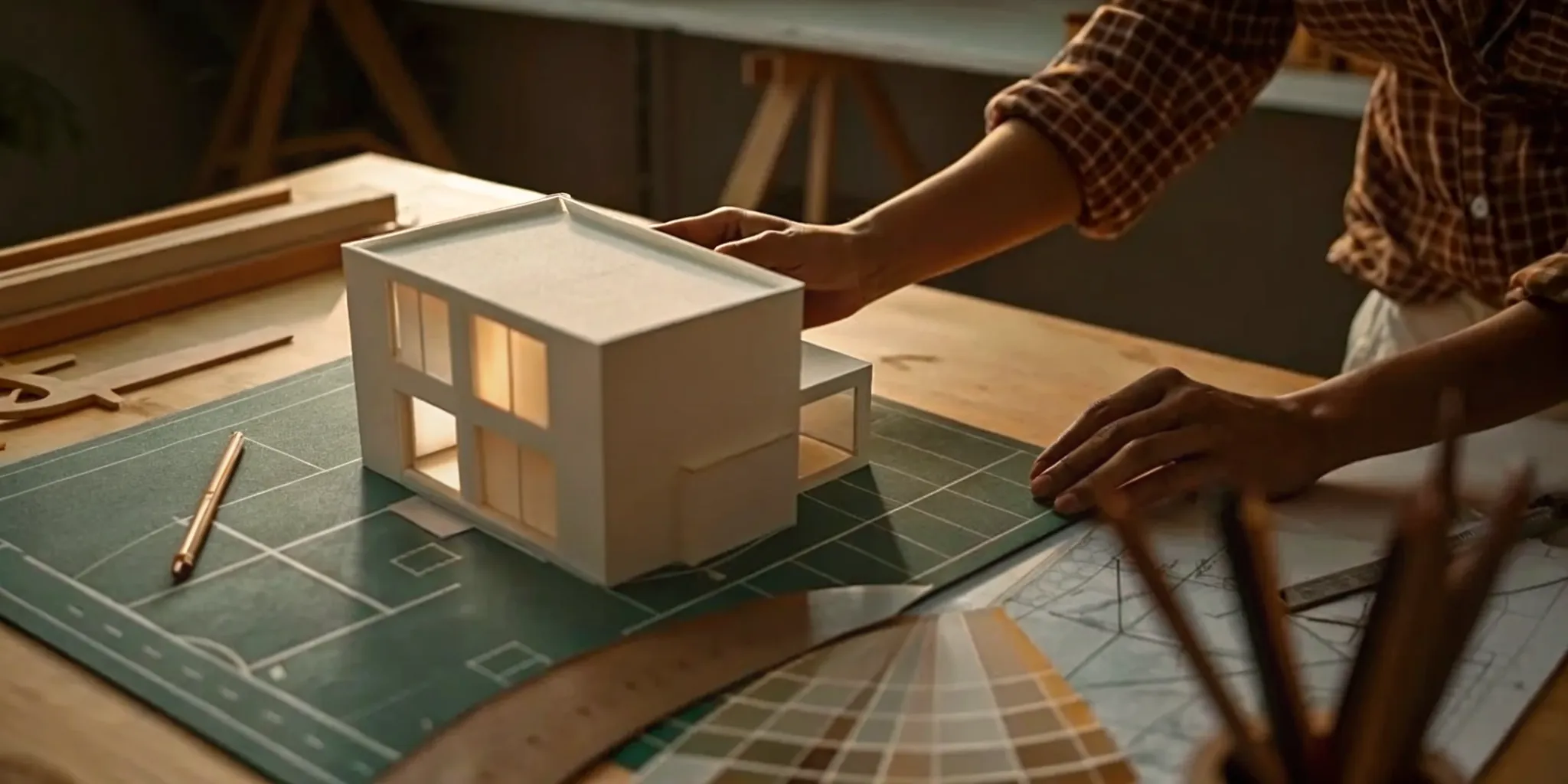
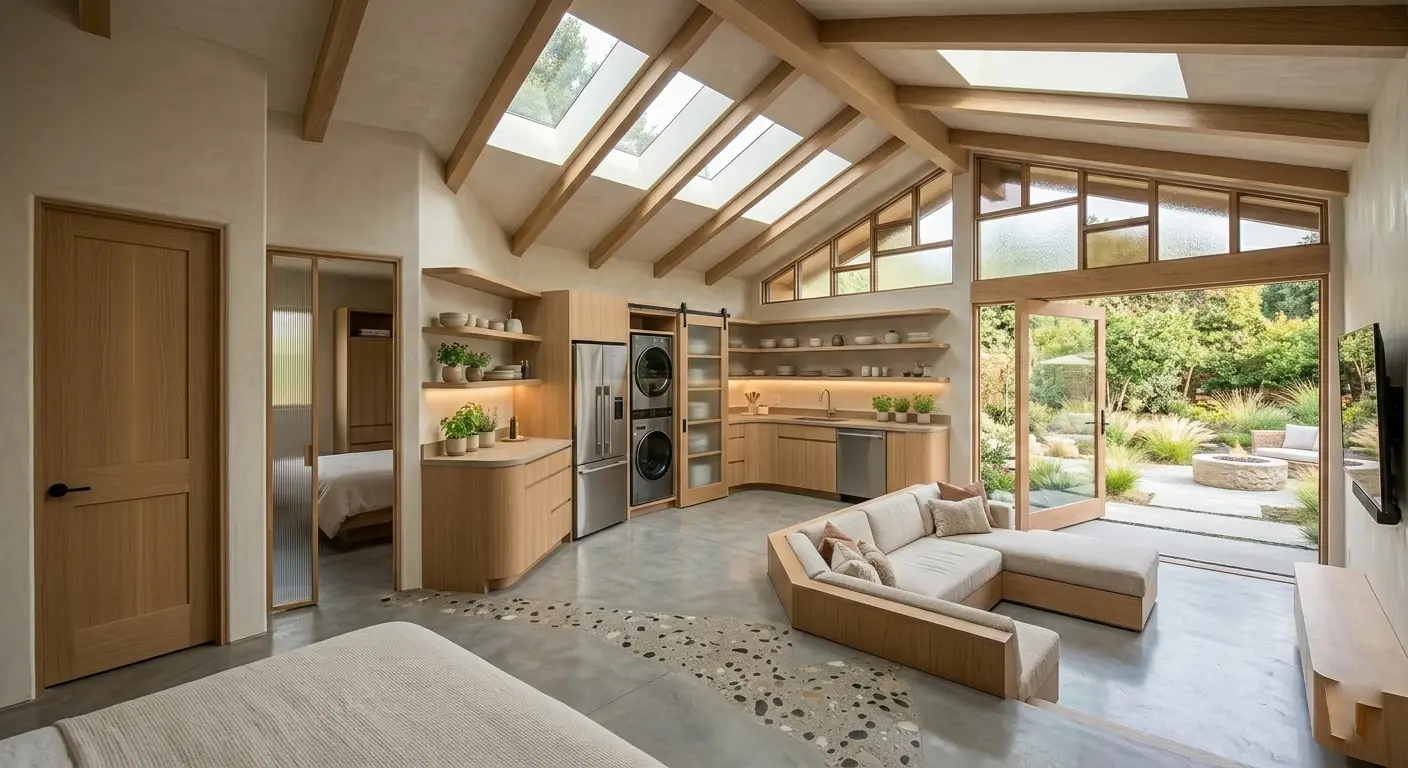
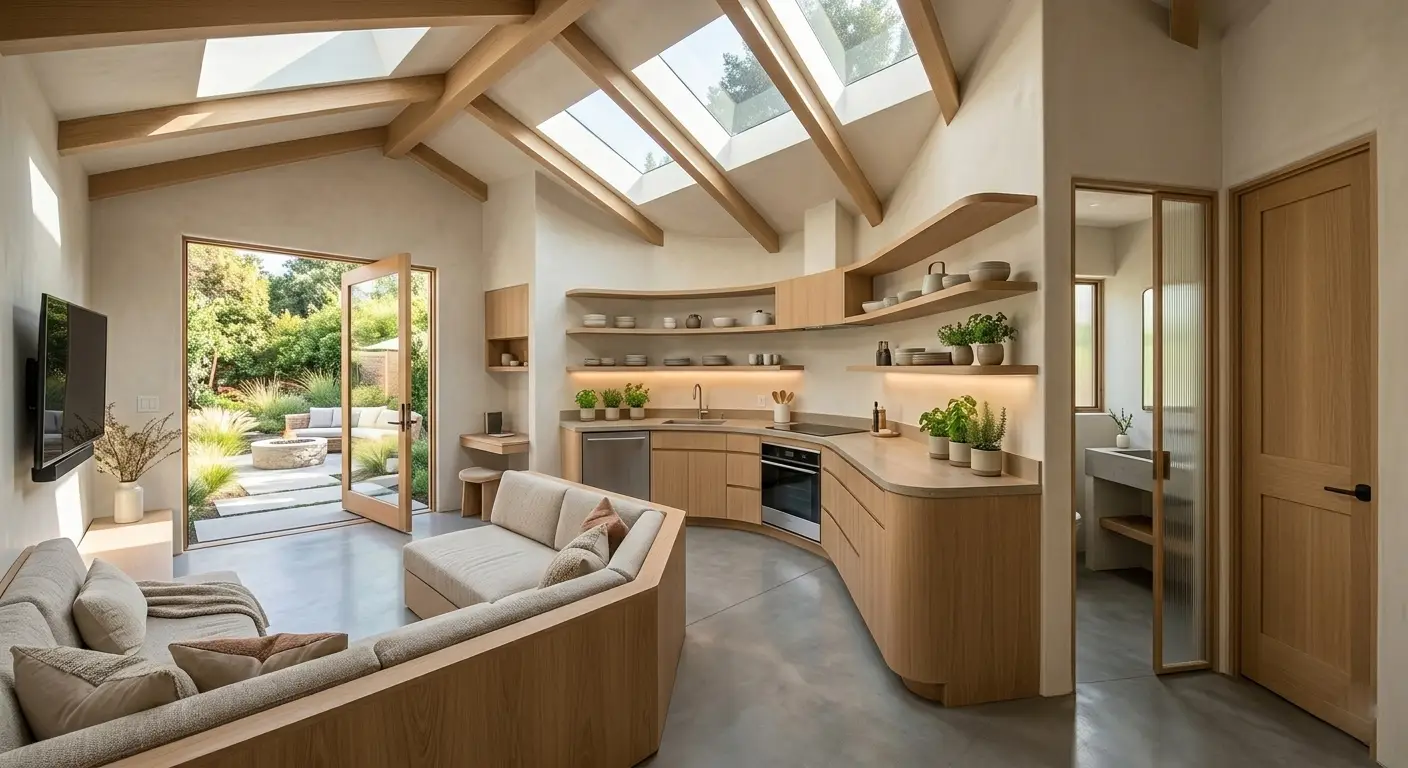
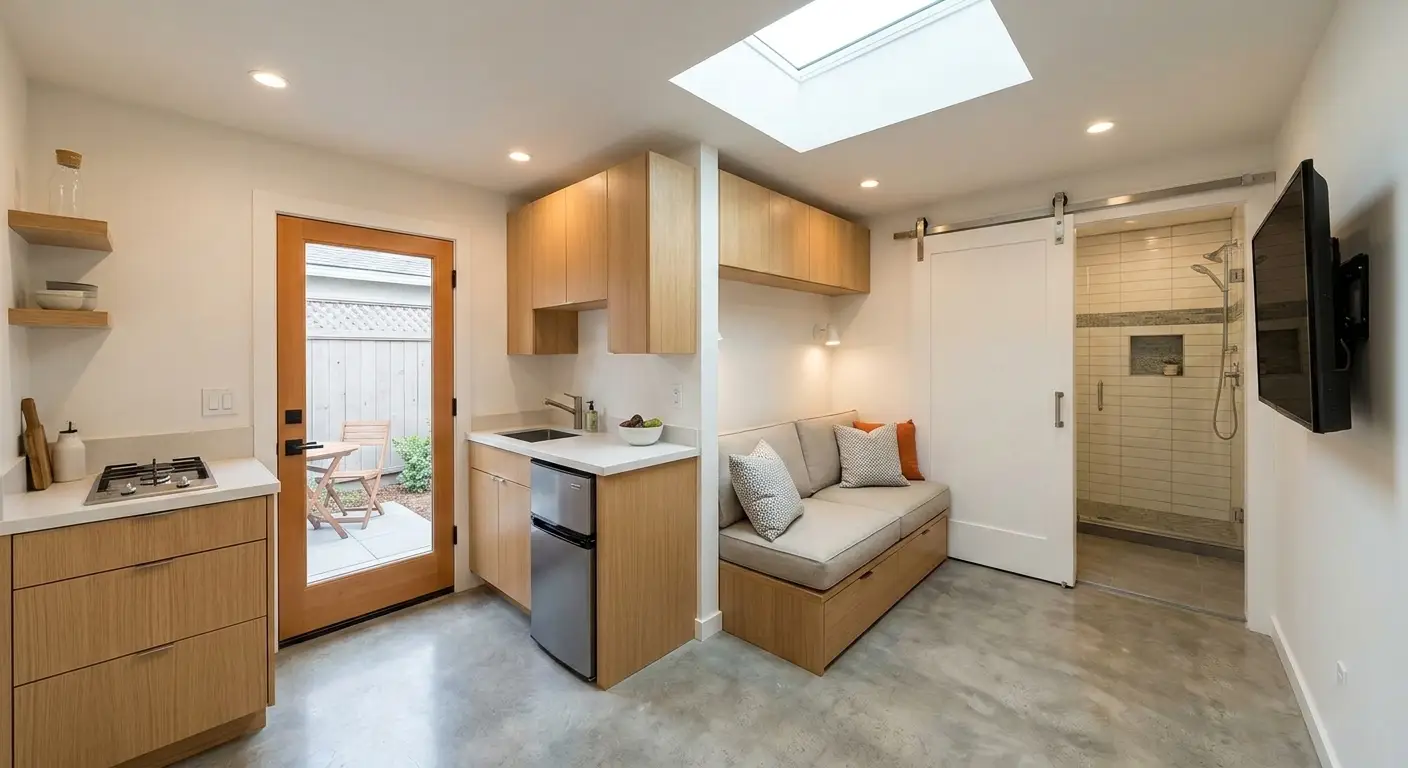
Before you start pulling permits or calling contractors, it helps to have a clear mental picture of what 250 square feet actually is. Numbers on a scope sheet can feel abstract. In real life, this footprint is roughly the size of a standard one-car garage, maybe 12.5 feet by 20 feet, or closer to 15 by 17. It's compact, but it's not a compromise. At this size, you can comfortably fit a sleeping area, a small bathroom, and a functional kitchen nook. Or a productive home office with storage and a seating area. Or a generous bedroom with a closet and room to move.
Visualize It Before You Plan It
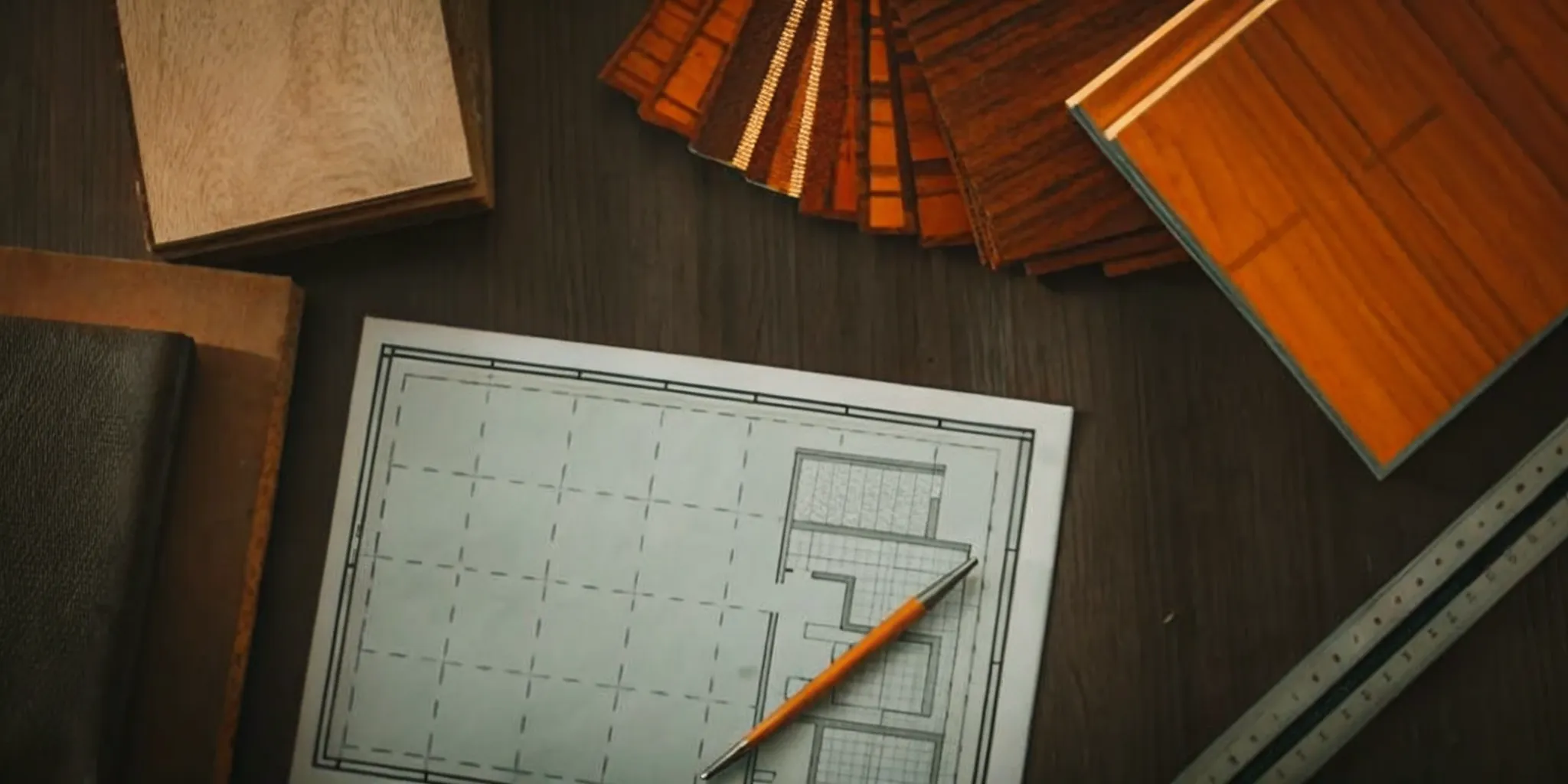
The most useful thing you can do before talking to a contractor or an advisor is to walk the space you're working with. If you have a one-car garage, stand in it and imagine it finished: insulated walls, drywall, flooring, a window or two. If you're thinking about a rear yard addition, tape out a 12 by 20 rectangle on your lawn. Walk around inside it. You'll quickly get a sense for what fits and what doesn't, and that intuition will make every subsequent conversation more grounded.
How 250 Square Feet Shows Up in Real Projects
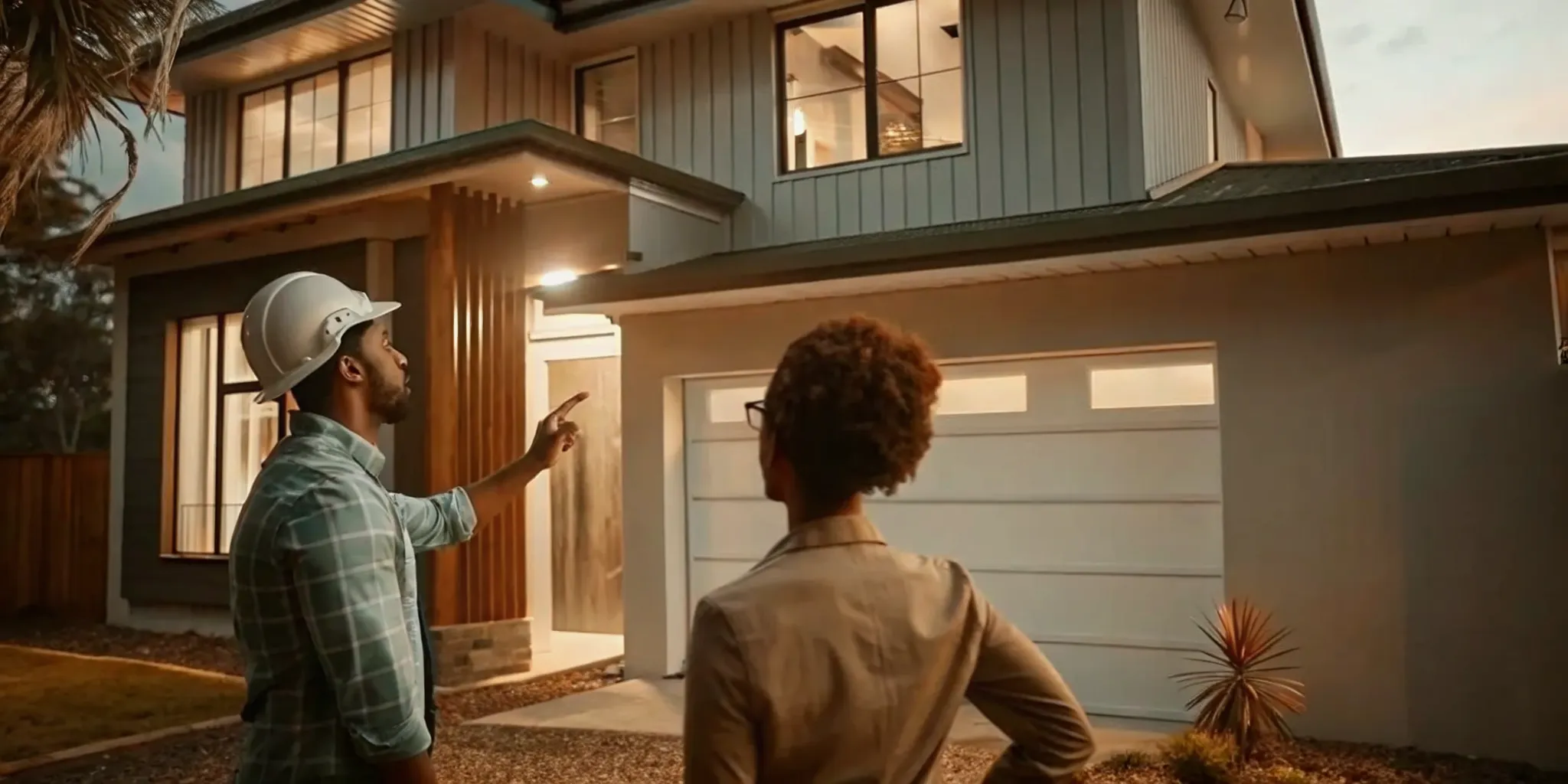
In Realm's closed project data, 250 sq ft projects cluster into a handful of clear categories. Garage conversions and bedroom additions are the most common. Detached ADUs and JADUs follow. Then you get living space additions, backyard offices, kitchen expansions, and the occasional second-story addition or specialty build. Each of these uses the 250 sq ft footprint differently and each has a different cost profile, permitting path, and set of trade-offs. Understanding which category your project falls into is the most important first step. Learn how Realm helps you figure that out.
What Homeowners Are Building at 250 Square Feet
Nine distinct project types show up in the data at this size. Some are far more common than others. Here's an honest overview of the landscape before we go deeper on the top categories.
The most frequently built projects are garage conversion ADUs, bedroom additions, and detached ADUs, in that order. After those, you have JADUs (junior accessory dwelling units built within the existing home envelope), living space additions, detached offices and studios, kitchen expansions, second-story additions, and a catch-all category for specialty builds. The mix reflects what California and Washington homeowners are actually trying to solve: more livable space, rental income, and better return on their biggest asset.
The Most Popular Projects and What They Cost
Garage Conversion ADU: The Cheapest Path to a Rentable Unit
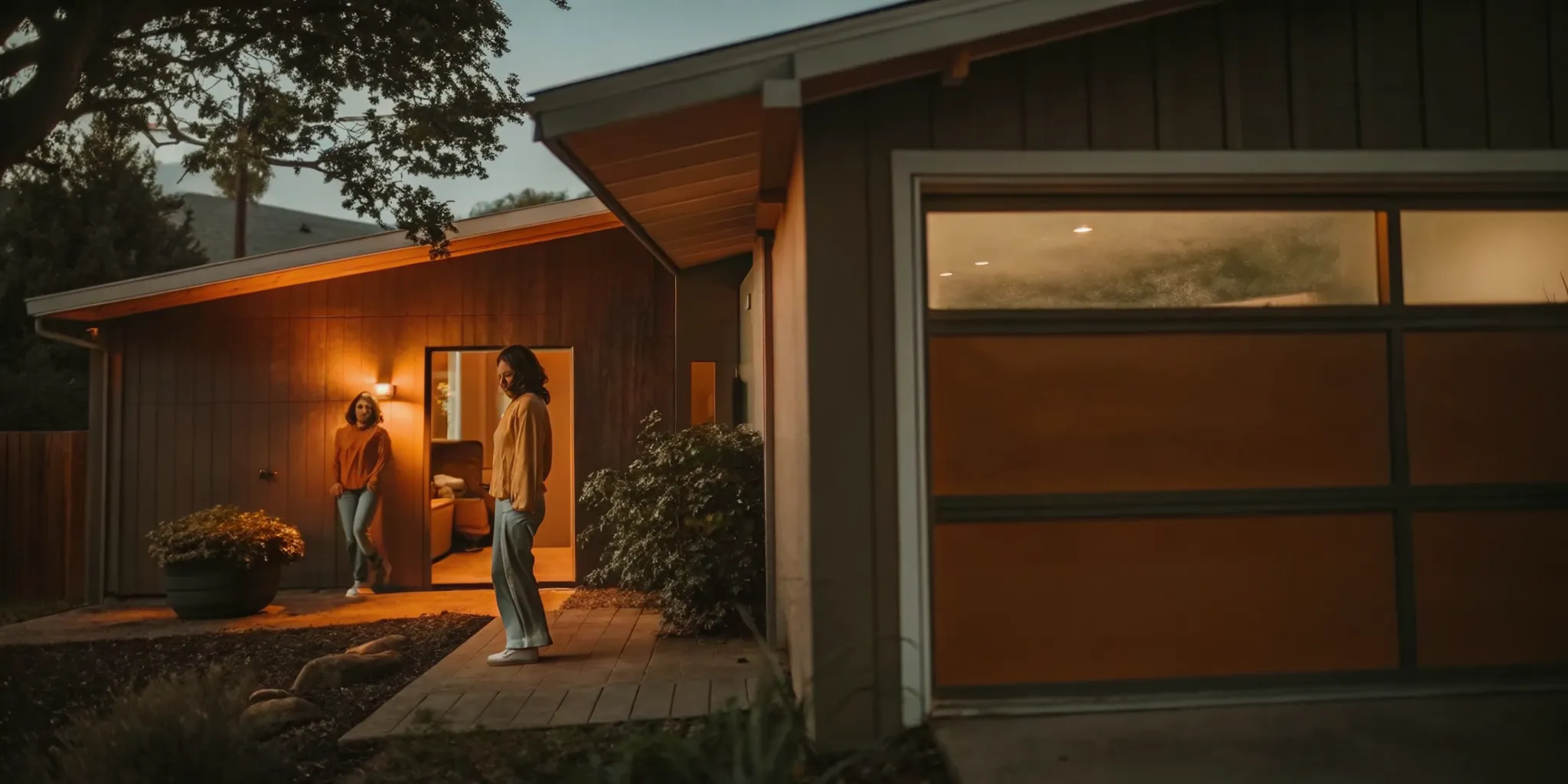
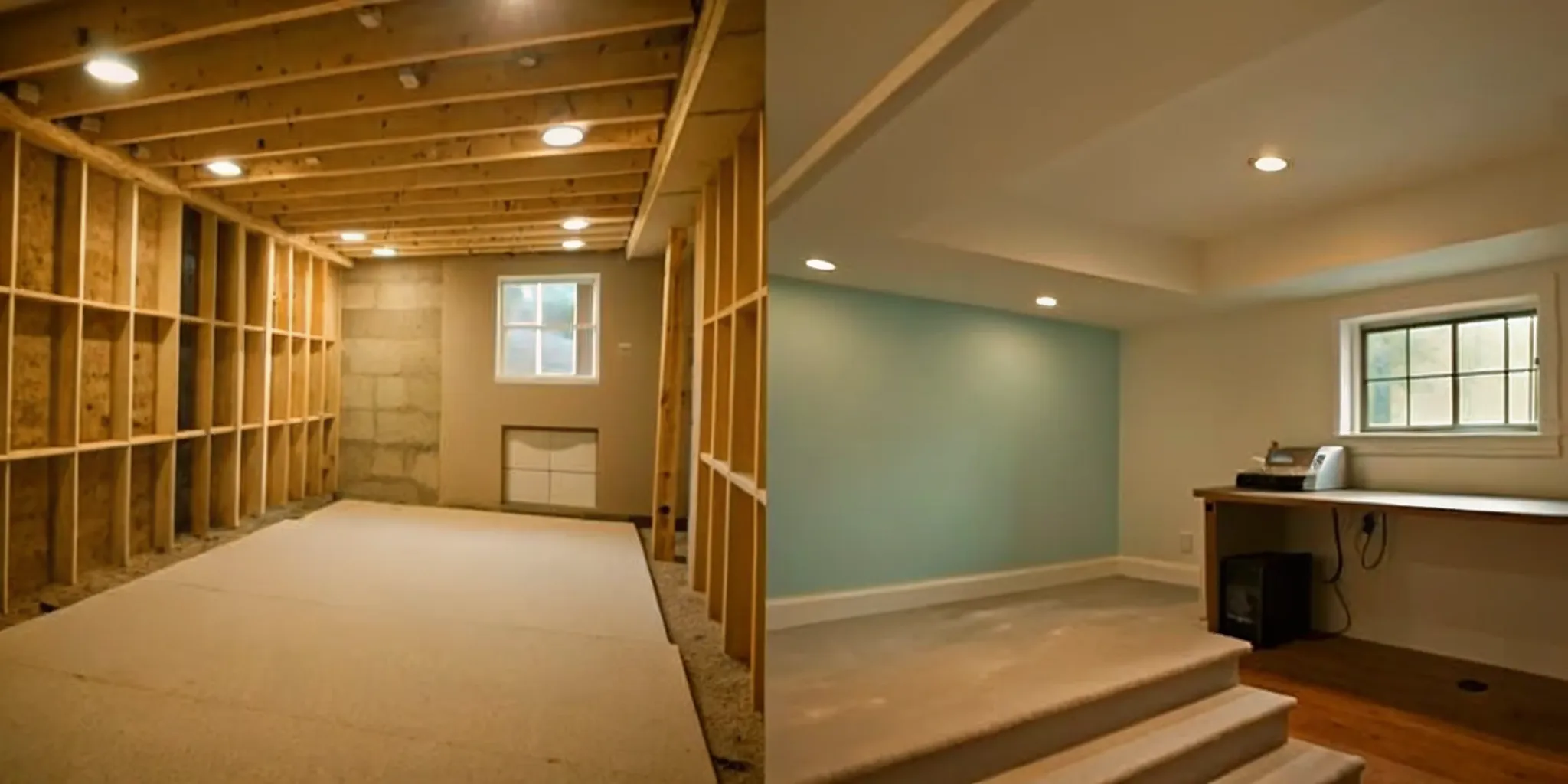
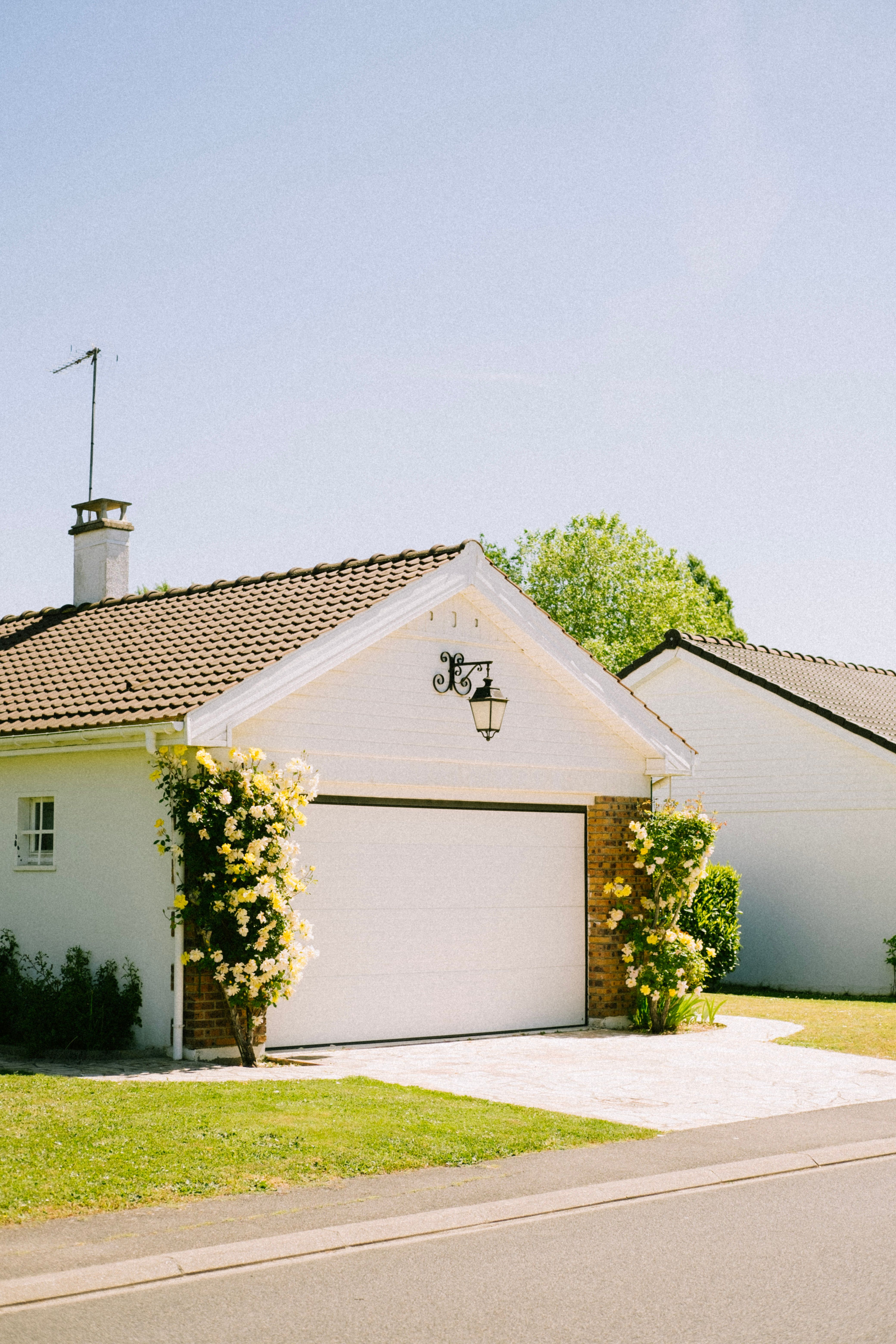
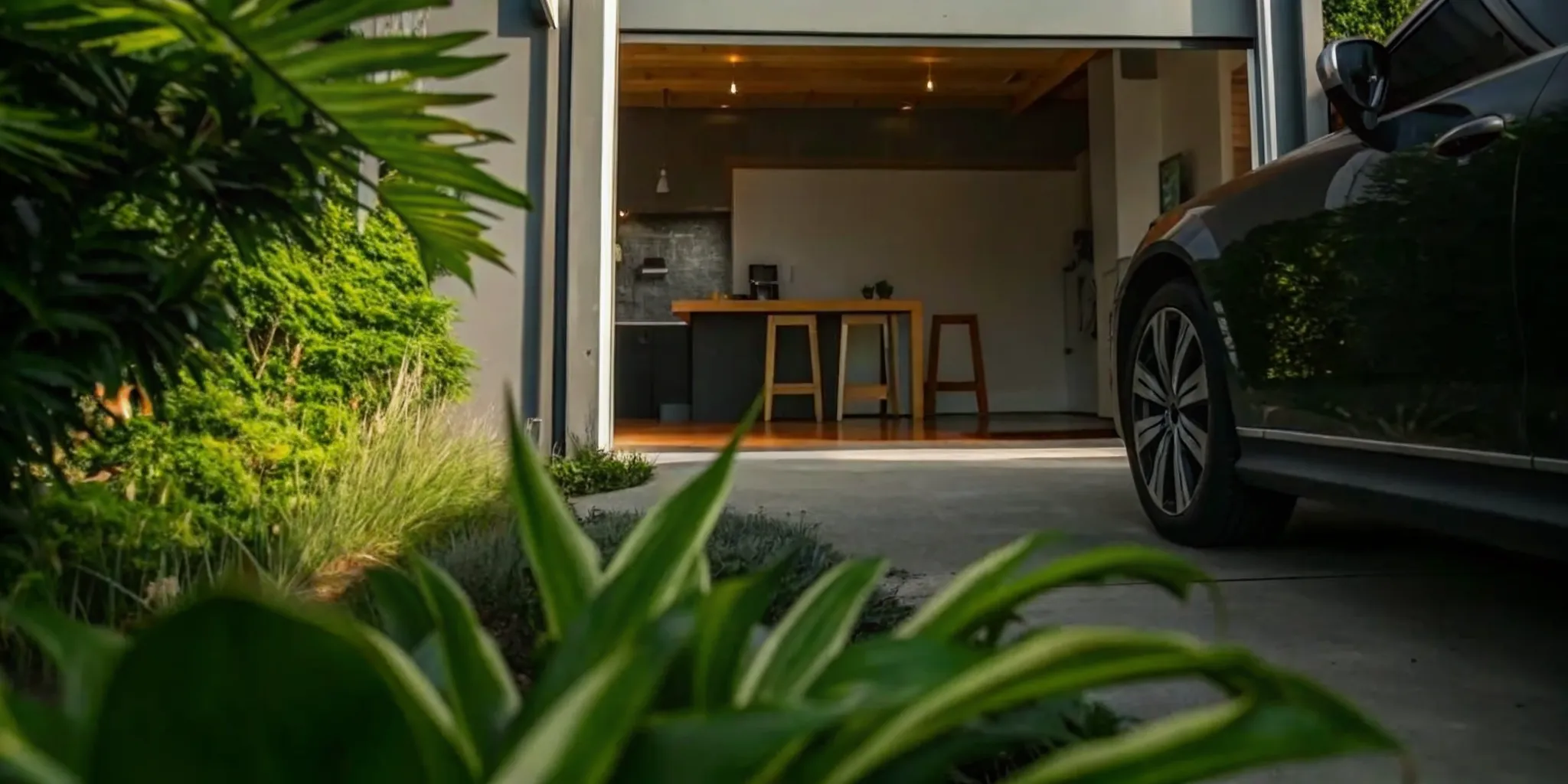
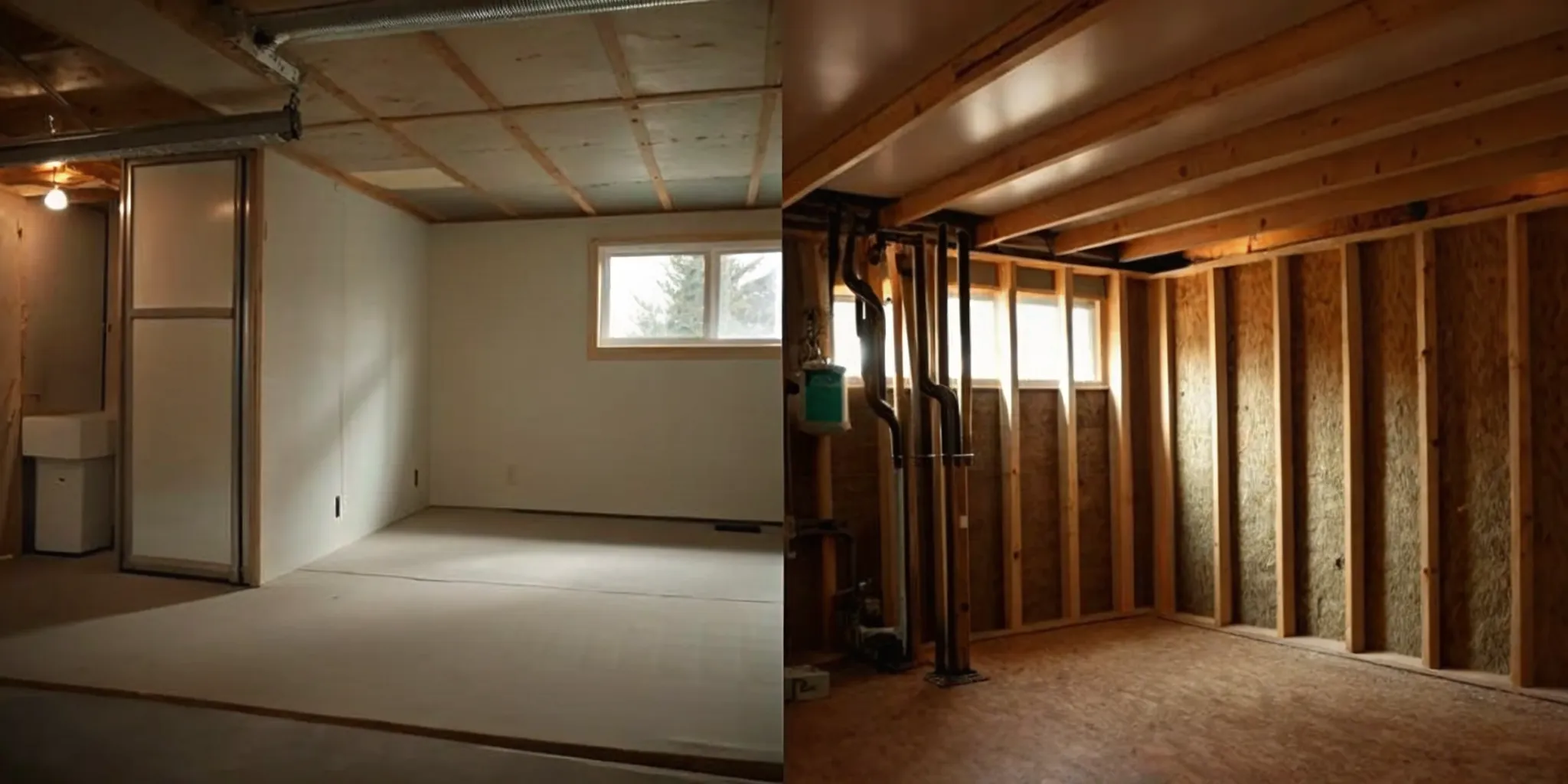
If you're trying to add a rentable or livable unit without adding to your home's footprint, a garage conversion is the most cost-efficient route at 250 square feet. You're reusing an existing foundation, existing exterior walls, and often partial utilities. The major work involves insulation, framing interior walls, adding HVAC, and running plumbing for a bathroom and kitchenette. In most California markets, a garage conversion also has a relatively favorable permitting path under state ADU law.
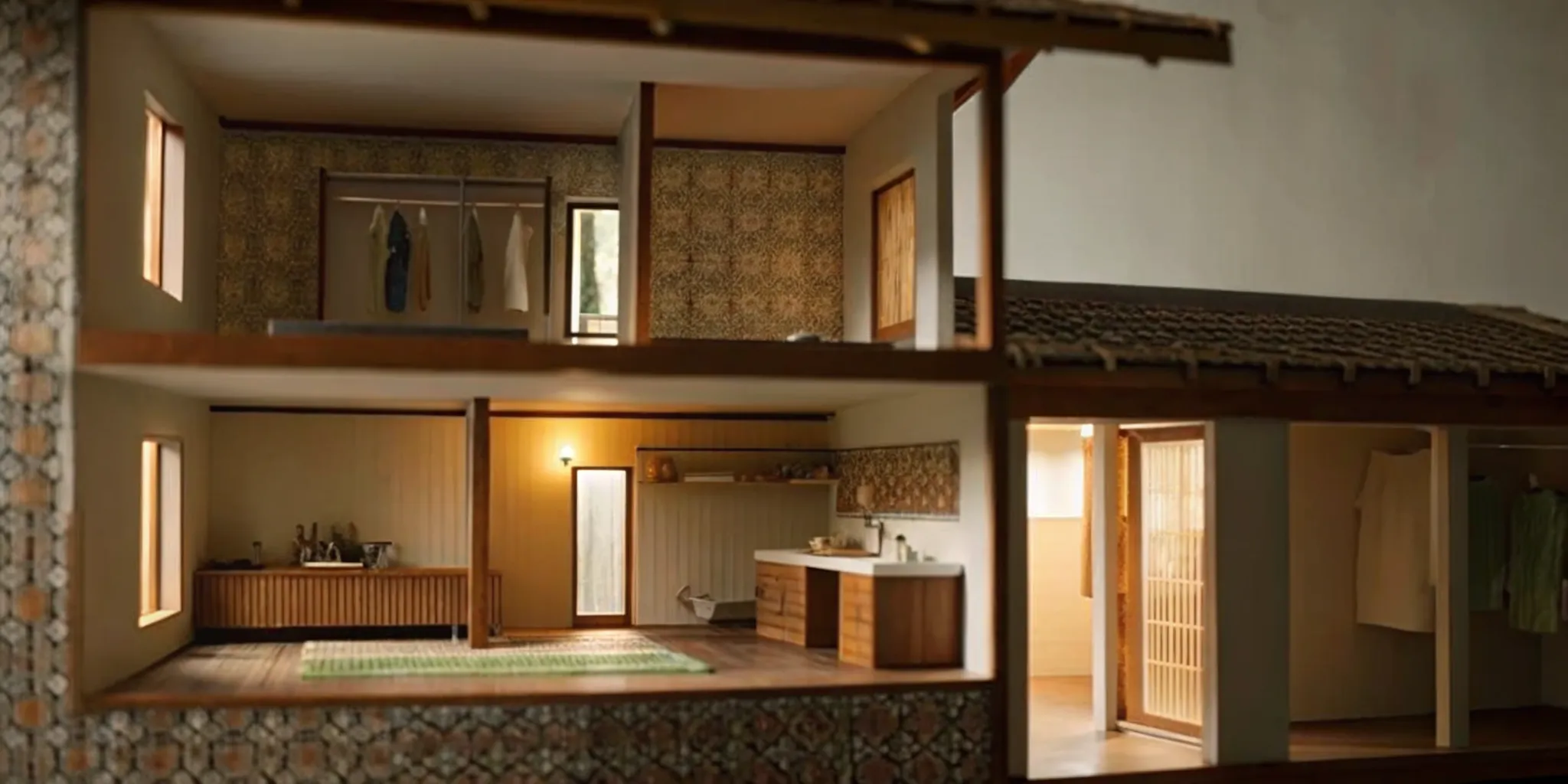
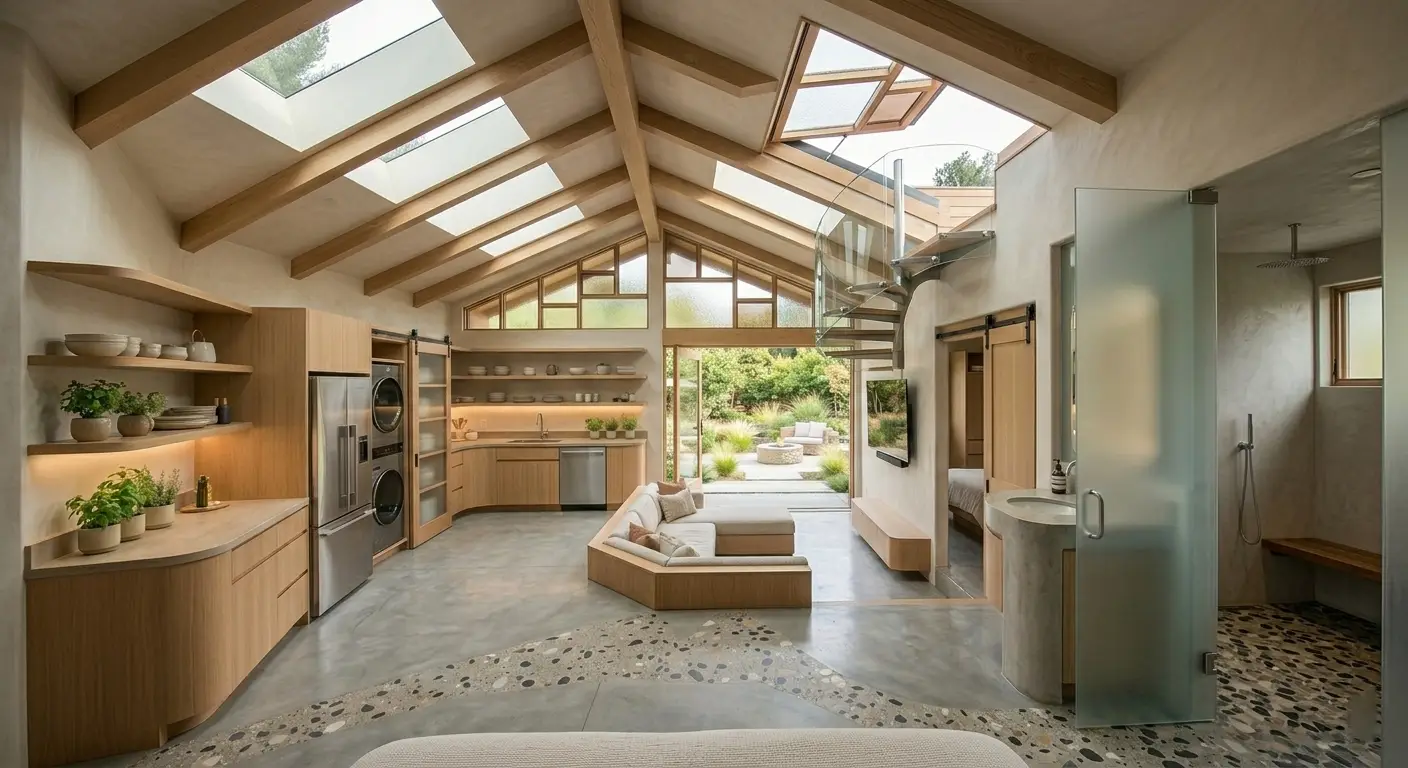
At 250 square feet, a converted garage typically yields a studio or junior one-bedroom: a functional sleeping area, a compact kitchen setup, and a full bath. That's enough space to generate meaningful monthly rental income, house an aging parent, or create a self-contained unit for a young adult who needs proximity without living under the same roof. See how Realm's advisors help homeowners scope this type of project.
Bedroom Addition: A High-ROI Move in California and Washington
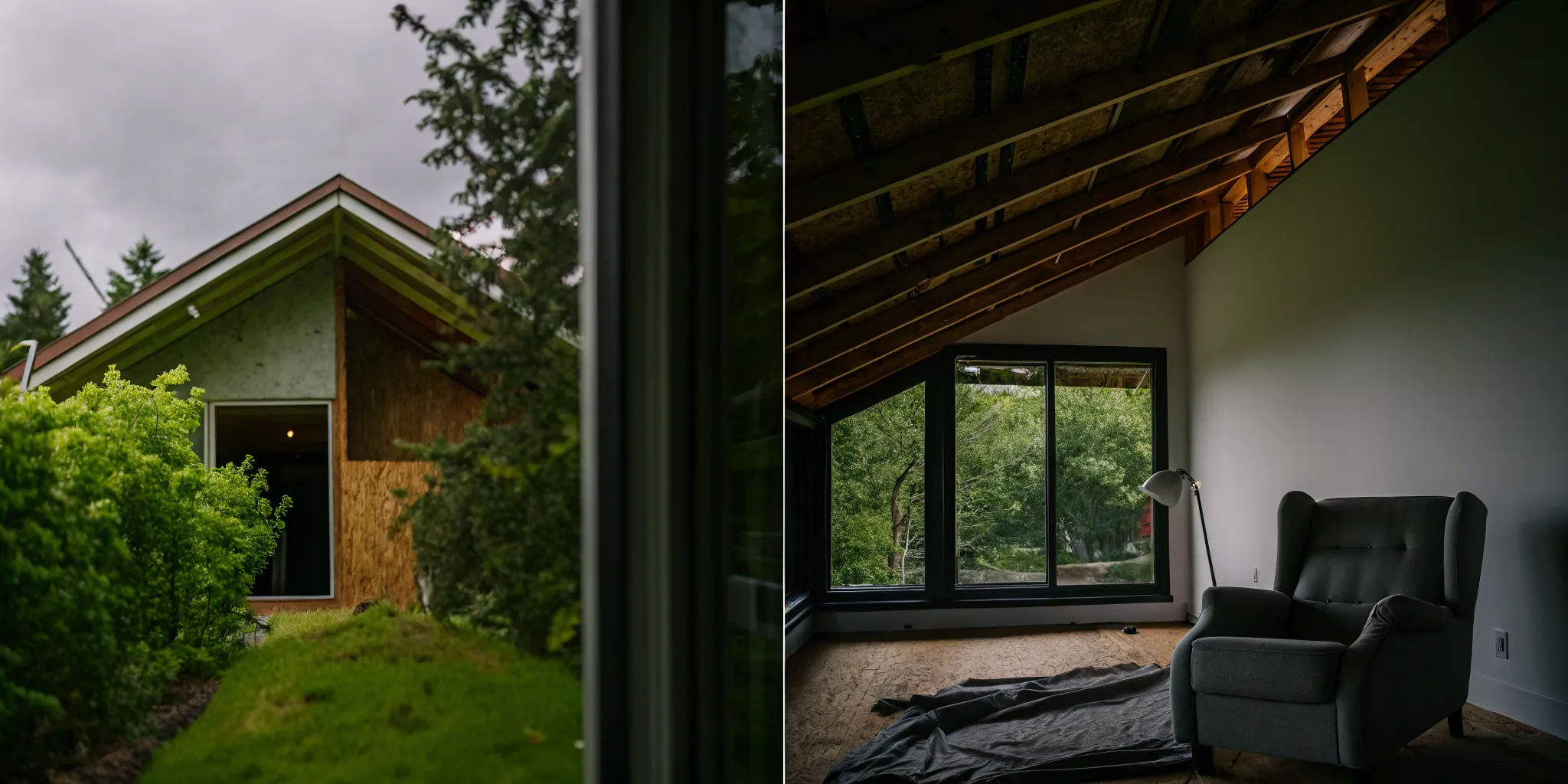
Adding a bedroom at 250 square feet gives you a genuinely good-sized room, large enough for a king bed, a dresser, a closet, and potentially a bathroom connection. At this square footage, you're not squeezing; you're building something comfortable and functional.
The reason this project type consistently shows strong ROI in California and Washington markets comes down to a simple dynamic: moving from a two-bedroom to a three-bedroom home typically jumps a property into a significantly higher price bracket. Buyers with families, which represents the largest pool of move-up buyers in most of Realm's markets, will often pay a meaningful premium for that extra bedroom. Investors prepping a home for sale know this well.
Detached ADU: Higher Upfront Cost, Higher Long-Term Reward
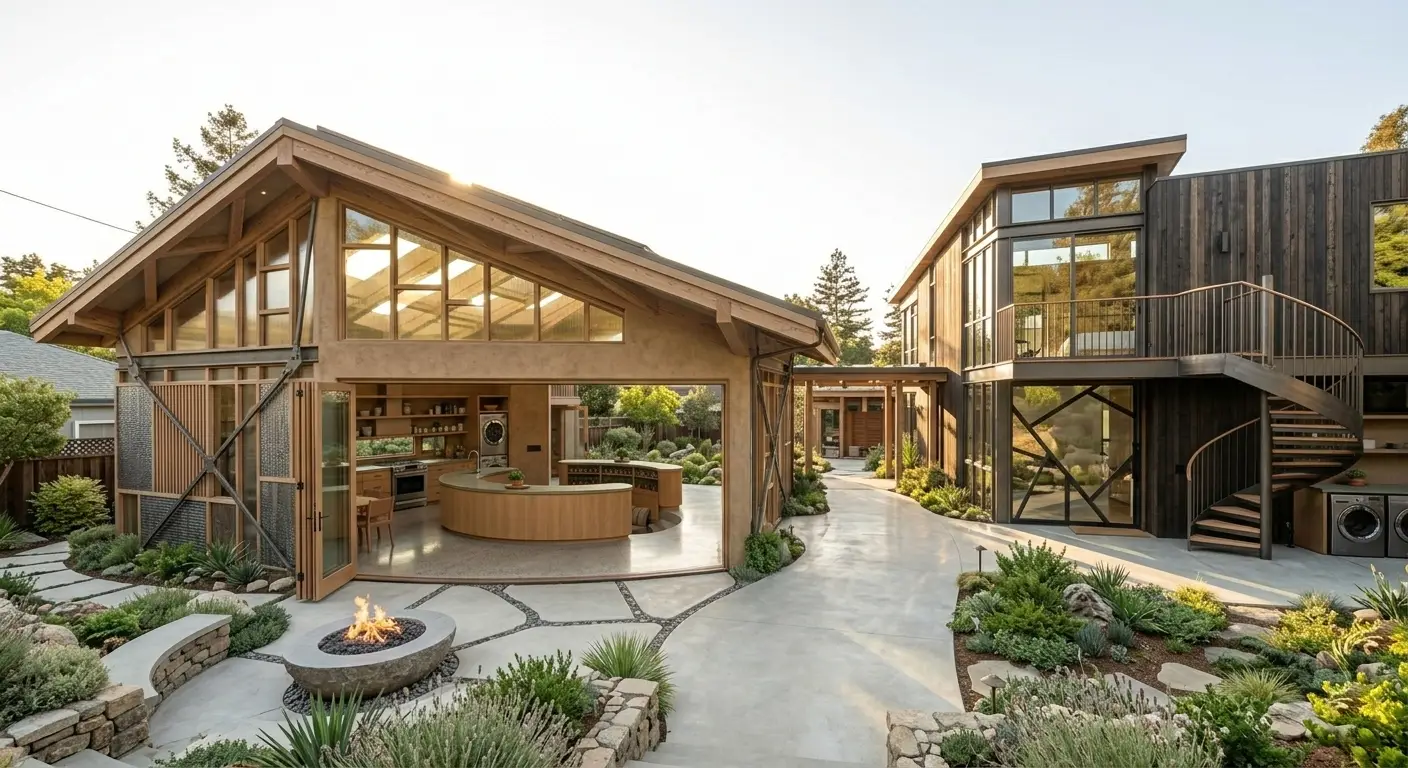
A detached ADU at 250 square feet is a ground-up build on your lot, a small standalone structure, typically in the rear yard, completely separate from the main house. This is the most privacy-respecting configuration for both the homeowner and the tenant. No shared walls. No shared entry. It functions like a small separate home.
The trade-off for that privacy is cost. Detached builds require their own foundation, their own utility connections, and significantly more site work than a conversion. The result, however, is a unit that commands higher rents, attracts longer-term tenants, and adds the most durable long-term value to the property.
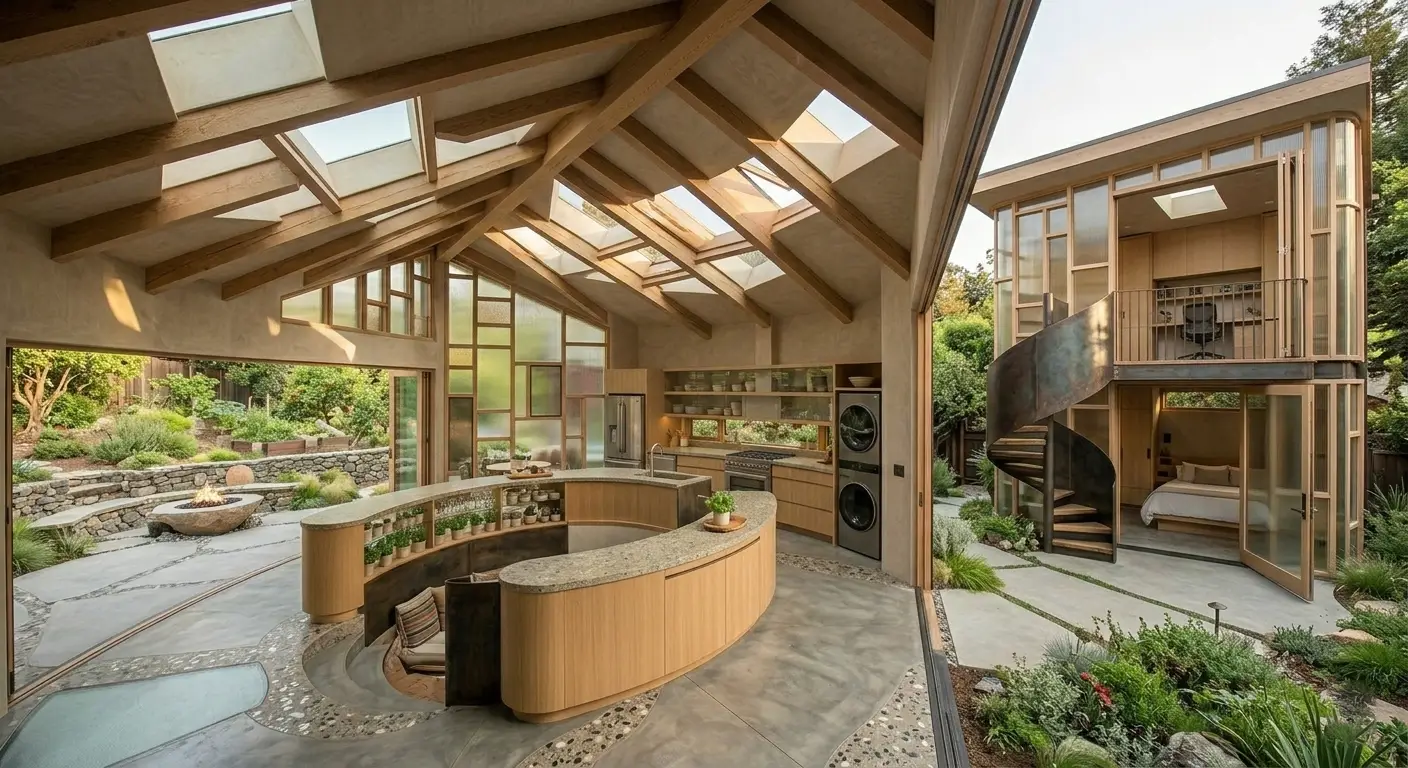
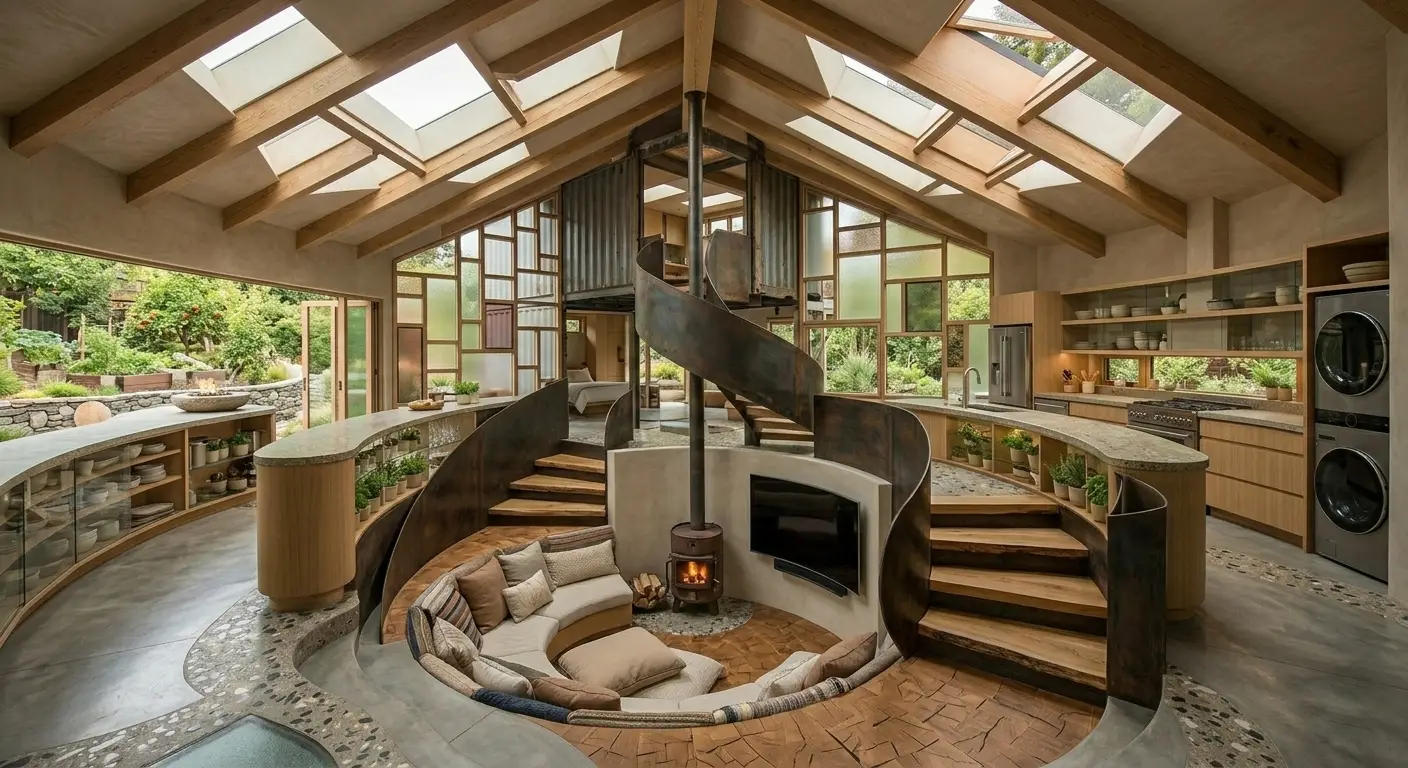
At 250 square feet, you're working with a studio or tight one-bedroom footprint. Smart design makes all the difference here. Murphy beds, efficient kitchen layouts, and generous storage can make a 250 sq ft detached ADU feel genuinely comfortable to live in full-time. A Realm advisor can help you build a realistic plan before you break ground.
JADU: Fast to Permit, Lowest Site-Work Cost
A junior ADU (JADU) is built within the existing footprint of your home, converting an attached garage, a large bedroom, or an unused bonus space into a self-contained unit. California's SB-9 and state ADU law have made JADUs significantly easier to permit in most jurisdictions, and because you're working within existing walls, site-work costs are minimal.
The trade-off is size and configuration constraints. JADUs typically cap out at 500 square feet by law, and at 250 square feet, you're fitting in a compact studio with an efficiency kitchen. The kitchen setup is often limited to a wet bar-style configuration: no full-size range, no separate ventilation. And unlike a detached ADU or even a garage conversion, a JADU shares an entry with the main house, though it can have a separate exterior door.
Living Space Addition: The Open-Concept Expansion
A 250-square-foot living space addition is typically a family room extension or an enclosed dining room expansion. This is the project for homeowners who love their neighborhood, have no desire to move, but feel like the house just doesn't breathe the way they want it to. The kids are getting bigger. Entertaining feels cramped. The dining area can't fit everyone at the table.
At this footprint, a living addition can meaningfully transform the daily feel of a home. It's often paired with a kitchen remodel. The two projects work together, removing walls and opening up the main living area into something that functions and feels the way newer homes do by default. Opening up a floor plan is consistently one of the most-requested renovations in Realm's service areas, and a well-executed living space addition is the backbone of that transformation.
Detached Office / Studio: The Post-2020 Build
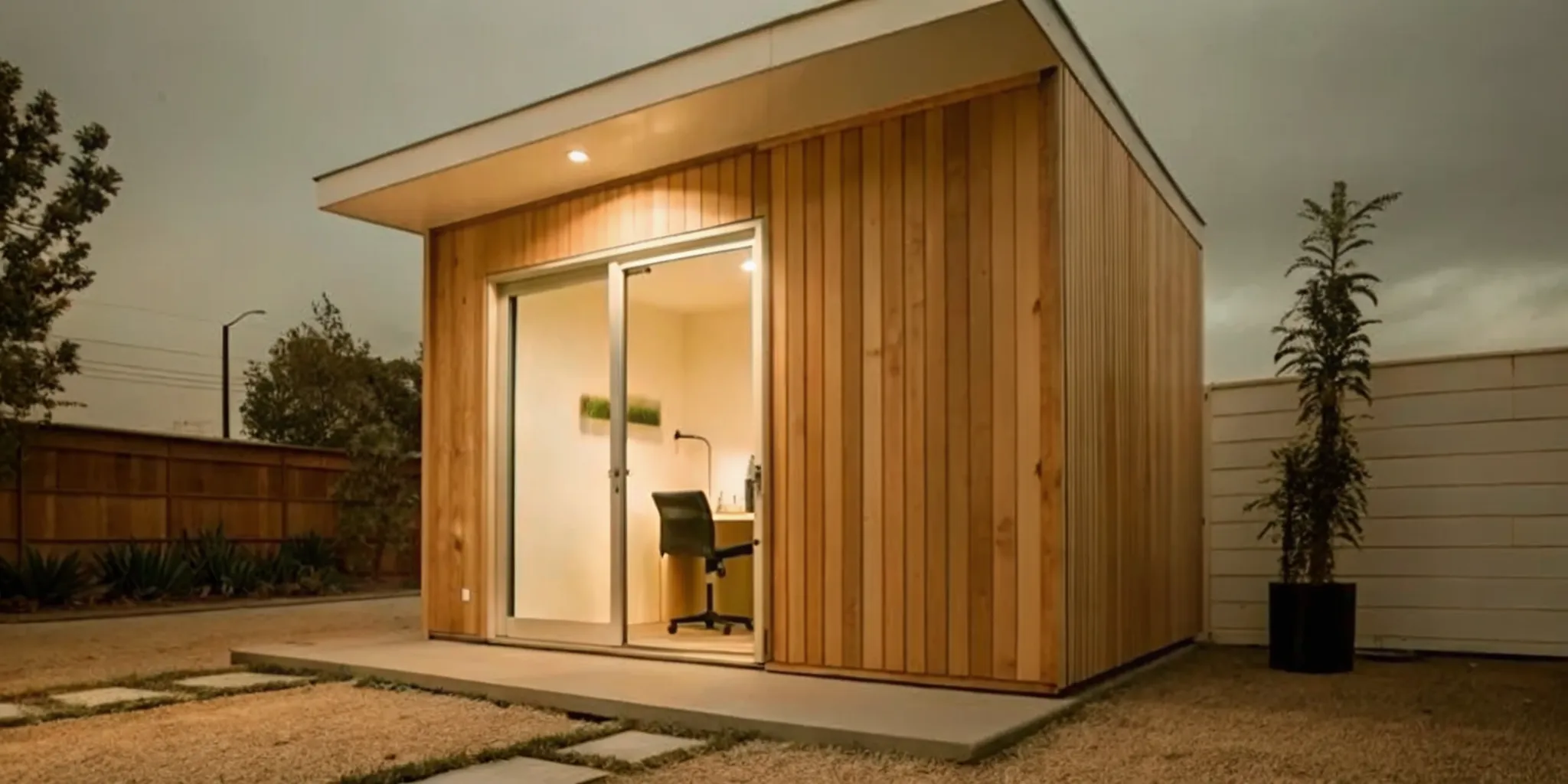
If there's one project category that the last several years created almost from scratch, it's the backyard office. At 250 square feet, a detached office has room for a proper desk setup, video call background, storage, and a small seating area. It's a real workspace, not a corner of a bedroom, not a kitchen table. A place where you can close a door and actually work.
This is now the fastest-growing non-ADU build category in Realm's data, and it's not hard to see why. The alternative, retrofitting a bedroom or living room, rarely works well for anyone sharing the home. A dedicated structure in the rear yard solves the problem cleanly. You can read more about planning projects like this in the Realm resource library.
Kitchen Expansion: Remove a Wall, Change Everything
A 250-square-foot kitchen expansion, usually a bump-out that adds an island, a proper dining area, or both, can be one of the most impactful changes you make to a home's daily functionality. Kitchen remodel ROI is well-documented. Adding square footage amplifies it.
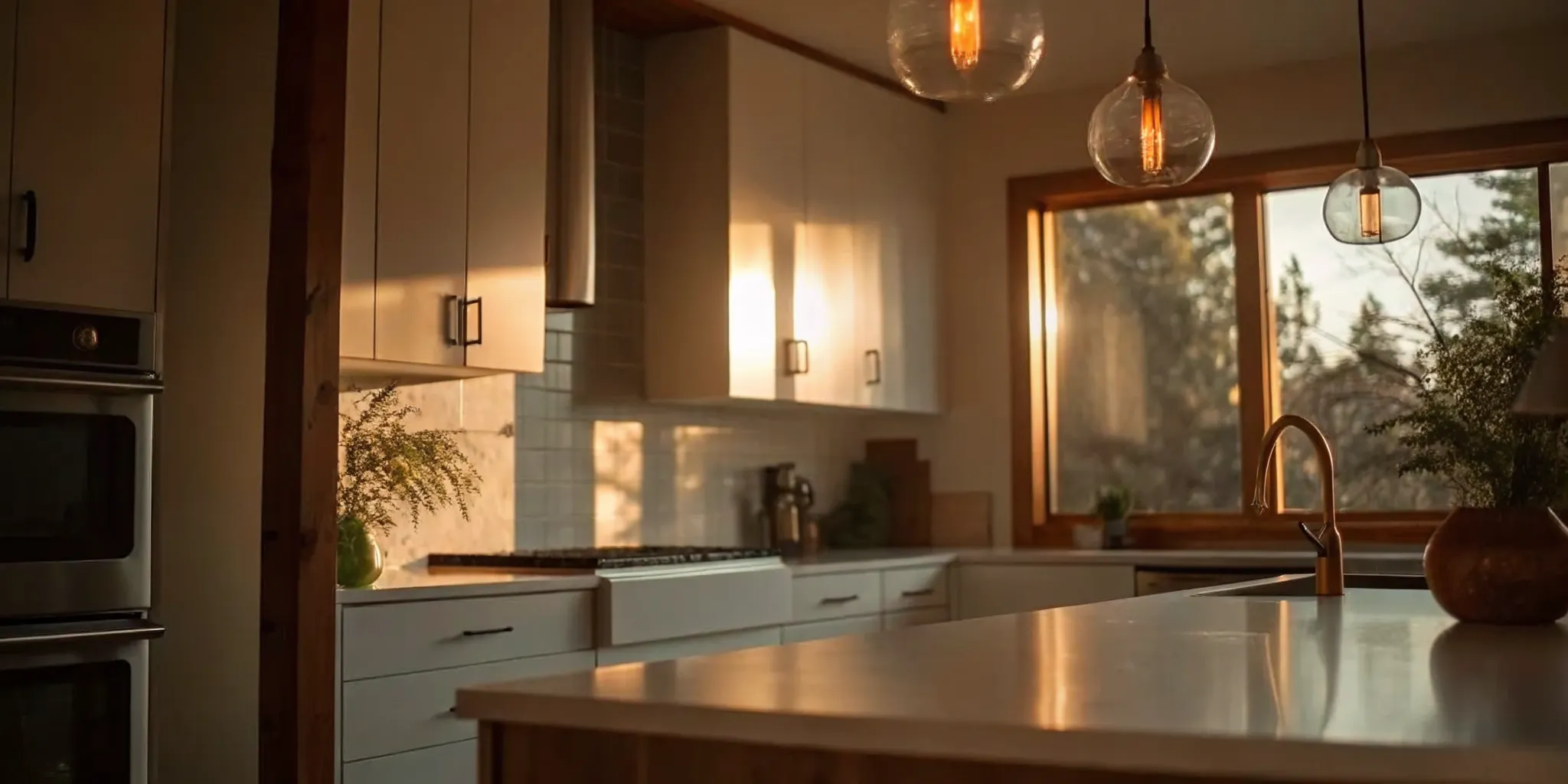
The most common trigger is a layout that simply doesn't work: a galley kitchen that forces one person to cook while everyone else stands awkwardly nearby, or a dining area that can't fit a table for the family you actually have. A well-designed expansion removes that friction permanently.
Who builds this: Families with dysfunctional kitchen layouts, often triggered by a new purchase or a growing household. Frequently paired with an adjacent living space renovation.
Second-Story Addition: When You Can't Build Out
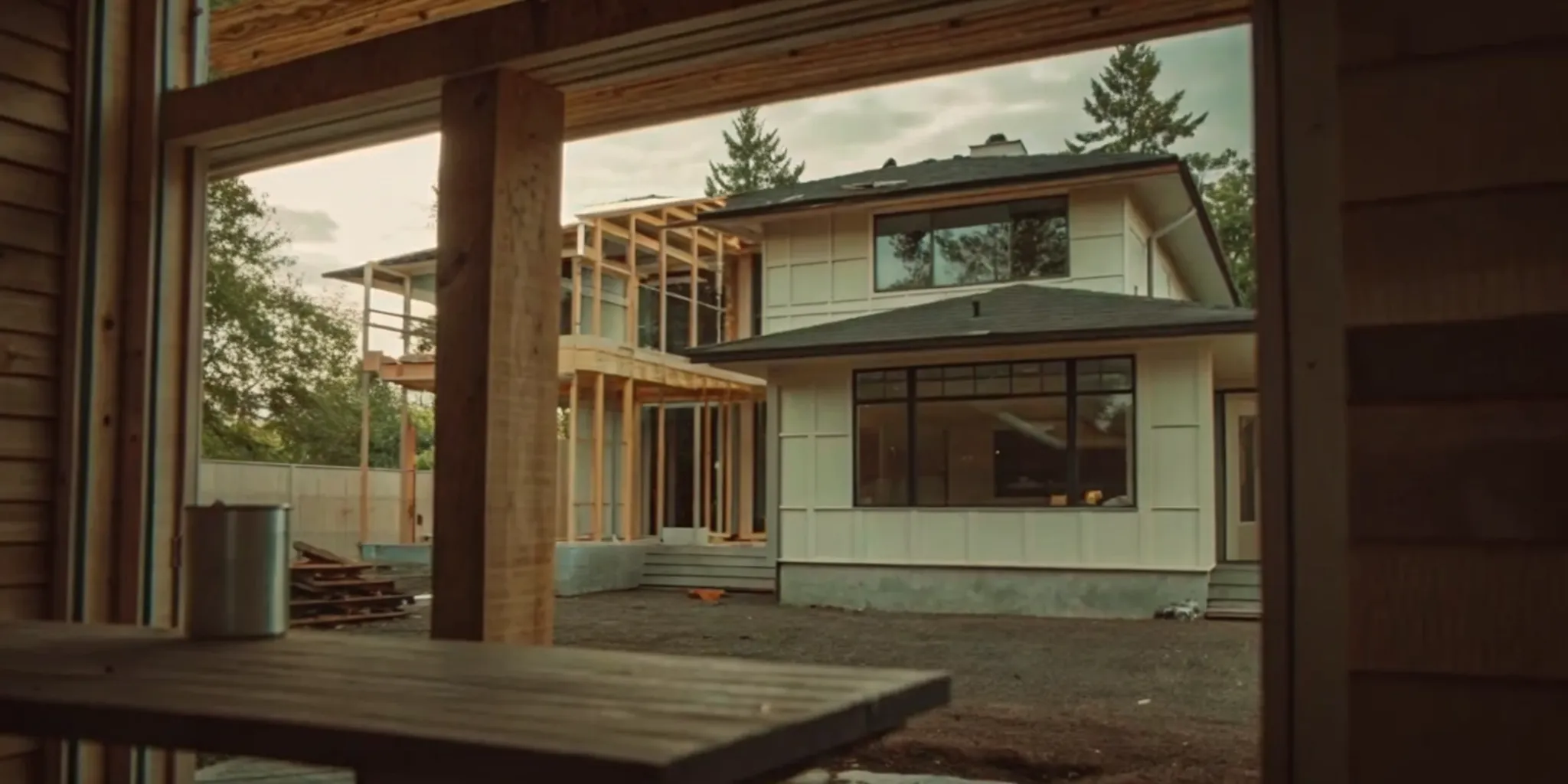
On a tight urban lot, a second-story addition is sometimes the only way to add meaningful square footage. At 250 square feet, you're typically adding an office, a bonus room, or an additional bedroom above a garage or rear addition. It's the most expensive per-square-foot option in the dataset. Foundation-to-roof structural engineering, roofing tie-ins, and staircase integration all add up quickly.
Other Specialty Additions
A small percentage of 250 sq ft projects don't fit neatly into any of the above categories: niche utility rooms, custom fitness studios, specialty accessory structures, and other builds driven by specific homeowner needs. If your project falls into this bucket, the most important thing is to define your scope tightly before soliciting bids. Vague scopes produce wildly varying contractor quotes, which makes comparison nearly impossible.
Frequently Asked Questions
Is 250 square feet enough for a one-bedroom ADU? It can be, but it depends on how you define "one-bedroom." At 250 sq ft, a true one-bedroom with a separate sleeping room, a full kitchen, and a bathroom is very tight. Most builds at this size work better as studios or junior one-bedrooms, where the sleeping area is defined by a partition or a Murphy bed rather than a full separate room. That said, smart layout and multi-functional furniture can make a 250 sq ft studio feel genuinely comfortable as a long-term living space. Talk to a Realm advisor about what's realistic for your lot.
How much does a 250 sq ft garage conversion cost in California? Based on Realm's closed project data, the median cost across all 250 sq ft projects is $122,500, and garage conversions, which reuse existing structure and foundation, typically come in more favorably than ground-up builds. Your actual cost will depend on existing conditions (plumbing location, electrical panel capacity, insulation state), local permitting fees, and the level of finish you're targeting. Getting a detailed scope before you solicit bids is the best way to protect yourself from surprises. Learn how Realm helps homeowners scope accurately.
Can a 250 sq ft addition add a bedroom? Absolutely. In fact, a bedroom addition is one of the most common project types at this size, and in California and Washington markets, moving from a two-bedroom to a three-bedroom property is one of the highest-ROI moves available to homeowners. At 250 square feet, you have enough room for a comfortable bedroom with a closet, not a squeeze.
What's the difference between a JADU and a detached ADU at this size? A JADU is built within your existing home's footprint, converting existing interior space into a separate unit. A detached ADU is a brand-new standalone structure on your lot. JADUs are faster to permit and cheaper to build because they don't require new foundations or full utility connections. Detached ADUs cost more but offer more privacy and typically command higher rents. The right choice depends on your lot, your budget, and your goals. Realm's advisors can walk you through both options.
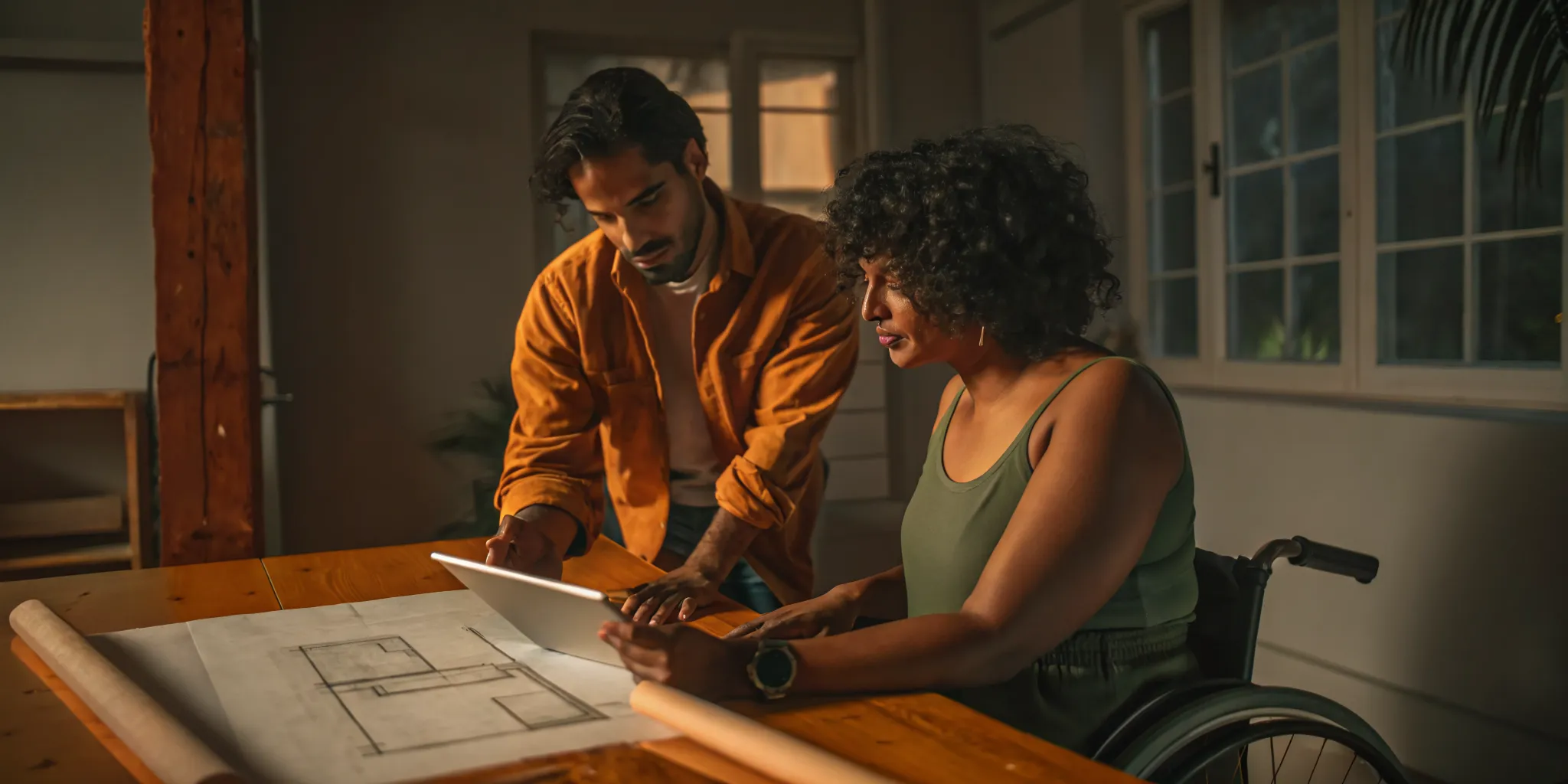
What's the first thing I should do before starting a 250 sq ft project? Define your primary goal clearly before you do anything else. Are you trying to generate rental income? Add a bedroom for resale? Create a workspace? That decision shapes your project type, your layout, your permitting path, and your budget target. Once you know what you're building and why, working with an advisor to scope the project accurately is the next most valuable step. It's what separates homeowners who come in on budget from those who don't. Get started with Realm.