1,000 Sqft Home Addition: The Most Ambitious Addition Size and Its Costs
Data from 82 real Realm projects on 1,000 sq ft home additions, detached ADUs, second-story builds, and more, with median costs and honest perspective from the field.
|
March 4, 2026
In this article:
One thousand square feet is the most ambitious addition size that consistently shows up in Realm's project data, and it's a different kind of conversation than any size bracket before it. At this scale, you're not adding a room or even a suite; you're effectively building a second structure of meaningful size alongside the home you already have. A full home addition at 1,000 square feet can combine a second story with a rear addition, creating multiple new rooms across the entire home. A detached ADU at this size competes directly with market-rate apartments. A bedroom addition can deliver three new bedrooms. A second-story addition essentially doubles the home's total square footage.
Based on 82 closed Realm projects, the median cost is $343,760 and the average is $373,079. The relatively tight spread between those numbers, the tightest in the series since the 600 sq ft bracket, reflects that at 1,000 square feet the projects are consistently substantial and the cost floor is accordingly high across all categories. What's notable is that the median here is only modestly above the 800 sq ft median of $338,044, which suggests meaningful efficiency gains at larger scales and a more homogeneous project profile at this size.
Key Takeaways
- 1,000 square feet is the scale at which an addition becomes effectively a second home being built. Full home additions at this size combine multiple rooms across an entire floor plan expansion, and design-build firms are the appropriate partner for this scope.
- The median project cost is $343,760, with an average of $373,079. The tight spread reflects consistent project substance across types and a high cost floor that applies across nearly all categories at this scale.
- Full home additions and detached ADUs are tied as the most common project type, each representing 26% of the dataset, with a catch-all "other complex additions" category representing the largest single share at 29%.
- A detached ADU at 1,000 square feet can deliver three bedrooms, making it a unit that competes directly with market-rate apartments and commands rents at the top of the ADU category in California and Washington.
- A second-story addition at this size essentially doubles the home's total square footage, and at 1,000 square feet it is often cheaper per square foot than a detached ADU while adding more direct resale value to the primary home.
- The "other complex additions" category at 29% is the largest single group in the data, reflecting that homeowners building at 1,000 square feet often have highly specific or multi-purpose goals that don't fit neatly into a single standard project type.
- New home builds appear in the data for the first time at this size bracket, primarily in the context of fire rebuilds in Los Angeles communities including Altadena and Pacific Palisades.
What Does 1,000 Square Feet Actually Look Like?
One thousand square feet is approximately 25 by 40, or a squarer 32 by 31. To put it in terms most people can picture: it's larger than most two-bedroom apartments, roughly the size of a comfortable three-bedroom starter home, and meaningfully larger than anything in the ADU dataset below this size bracket. At 1,000 square feet, the spatial question stops being about how to configure the space efficiently and becomes about how to design it with architectural coherence, because at this scale the choices about how rooms relate to each other, how light moves through the space, and how the addition connects to the existing home become the defining quality factors.
This is also the size at which the project feels different to the homeowners who build it. Below 800 square feet, most projects are additions or conversions. At 1,000 square feet, they're transformations, both of the home and, often, of how the household experiences daily life.
Visualize It Before You Plan It
Tape out a 25 by 40 rectangle on your driveway or rear yard. Walk through it and picture a full floor of a home: a primary bedroom with an ensuite at one end, two additional bedrooms sharing a bathroom at the other, a kitchen and dining area in the center, and a living room at the front. At 1,000 square feet, that's a complete floor of a home, not a large room or even a suite. It's a meaningful proportion of what most California single-family homes contain in total. Seeing it laid out physically recalibrates the scale of the decision in a way that looking at numbers on a page never fully does.
How 1,000 Square Feet Shows Up in Real Projects
Realm's 82 projects at this size span ten categories, from full home additions and detached ADUs to bedroom additions, second-story builds, primary suites, new home builds, basement conversions, sunrooms, living space additions, and a large catch-all category for complex multi-purpose builds. The breadth of the dataset at this size reflects something important: homeowners who are building at 1,000 square feet are solving for a wide range of goals, and the complexity of those goals is reflected in the 29% of projects that don't fit neatly into any standard category. Learn how Realm helps homeowners clarify their goals and build an accurate scope before any contractor conversations begin.
What Homeowners Are Building at 1,000 Square Feet
Ten project types appear in the data at this size. The largest single category is other complex additions at 29%, followed by full home additions and detached ADUs tied at 26% each, then bedroom additions at 11%, second-story additions at 5%, primary suite additions at 4%, and smaller shares for new home builds, basement ADUs, sunrooms, and living space additions.
The dominance of the "other complex additions" category at this size is itself meaningful. At 1,000 square feet, the project scope is large enough and complex enough that many builds span multiple use types, combining a bedroom wing with a living space expansion, or a detached ADU with interior renovation work, or a kitchen addition with a second-story flex room. These multi-scope projects don't classify neatly into a single category because they weren't designed to solve a single problem. They were designed to transform a home.
The Most Popular Projects and What They Cost
Full Home Addition: Building a Second Home Alongside the First
A full home addition at 1,000 square feet is the most ambitious project type in the dataset. At this scale, the addition typically combines a second story with a rear addition, or delivers a full rear addition that creates multiple new rooms across an expanded floor plan. Two new bedrooms, a new bathroom, a family room, a mudroom, an expanded kitchen: these are the components that show up in different combinations at this size, and the result is not an improvement to the existing home but a fundamental expansion of what it is and what it can do.
The data is direct about the right partner for a project at this scale: design-build firms. The reason is integration. At 1,000 square feet, the design decisions about how new rooms connect to existing spaces, how the roofline changes, how the facade reads from the street, and how structural systems tie together across old and new construction require a level of design-construction coordination that most general contractors don't provide by default. A design-build firm manages that coordination as a core part of its model, which reduces the risk of the structural and aesthetic disconnects that can make a major addition look and feel like it was tacked onto a house rather than built with it.
Detached ADU: A Three-Bedroom Apartment on Your Lot
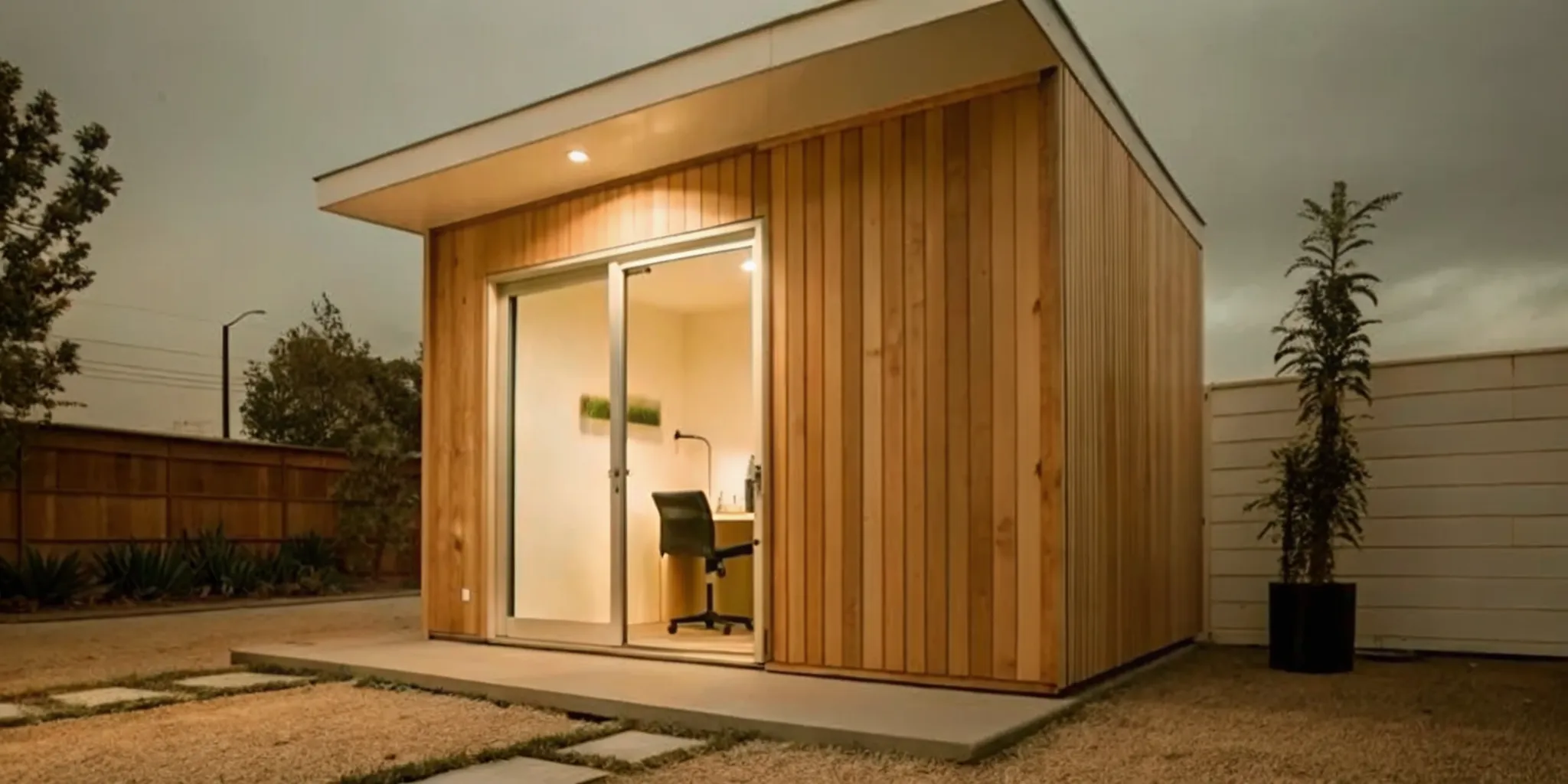
A detached ADU at 1,000 square feet is a complete, high-quality apartment that competes directly with the market-rate rental inventory in California and Washington. At this size, a two-bedroom, two-bath layout has room for both bedrooms and both bathrooms to be genuinely generous, not just functional. A three-bedroom, one-bath configuration is feasible for households where bedroom count matters more than multiple bathrooms. The kitchen, living area, and laundry all fit at a quality level that reflects the investment, and the unit as a whole operates at a standard that long-term tenants expect from market-rate housing.
The median cost for detached ADUs at this size in Realm's dataset is $373,967, with a range of $296,422 to $449,035. That cost range reflects real variation in site conditions, finish level, and configuration, but the consistency of the range relative to the median suggests that detached ADU builds at 1,000 square feet are well-understood projects that experienced contractors can scope and price with reasonable predictability, provided the site conditions are assessed accurately upfront.
Bedroom Addition: Transforming a Small Home Into a Family Home
A bedroom addition at 1,000 square feet can deliver three new bedrooms, or two bedrooms and a large bonus room, which is the scope that most completely transforms an underbuilt California home into a fully capable family property. The median cost for bedroom additions at this size in the dataset is $400,000, with a range of $347,520 to $500,000, reflecting that these are substantial construction projects with correspondingly consistent cost profiles.
In California residential real estate, the value of moving a property from two bedrooms to five, or from three bedrooms to five with a bonus room, is well-documented and significant. The addressable buyer market for a five-bedroom home in California is different in both size and purchasing power from the market for a two or three-bedroom home, and in markets where inventory is constrained, that difference translates directly into appraised value and sale price. The data notes that the jump from two bedrooms to four-plus can effectively double the addressable buyer market, and bedroom additions at 1,000 square feet are the version of that project that most completely captures that opportunity.
Second-Story Addition: Doubling Square Footage on a Constrained Lot
A second-story addition at 1,000 square feet delivers the most complete version of this project type in the dataset: a full second floor with three bedrooms and two baths that essentially doubles the home's total usable square footage without consuming any additional lot coverage. For homeowners on small urban lots in the Bay Area and urban Los Angeles, and increasingly in Seattle, where lateral expansion has reached its limits, this is the project that most completely solves the space constraint.
The data surfaces an important comparison at this size: a second-story addition at 1,000 square feet is often cheaper per square foot than a detached ADU at the same size, and it adds more direct resale value to the primary home. The median cost for second-story additions in the dataset is $300,000, against a detached ADU median of $373,967, a difference of approximately $74,000 for a project of similar footprint. The trade-off is that a second-story addition doesn't create a separate income-generating asset, which a detached ADU does. The right choice depends on whether your primary goal is maximizing the home's value and livability, or building a standalone rental unit.
Who builds this: Bay Area and urban Los Angeles homeowners on small lots who have no realistic path to lateral expansion. The vertical addition is the only option that delivers meaningful square footage and bedroom count gains when the footprint is already at or near its coverage limit.
Non-negotiable: Structural assessment before design begins, and a locked, detailed scope before any contractor is engaged. At 1,000 square feet above an existing structure, mid-project structural discoveries are the most expensive and most avoidable surprises in residential renovation. Realm's advisors can help you sequence the structural assessment correctly at the start of the planning process.
Primary Suite Addition: A Full Private Wing at the Highest Level
A primary suite addition at 1,000 square feet is the most expansive version of this project type, and the data reflects its rarity: only three projects at this size appear in the dataset, with a median cost of $500,000 and a range of $200,000 to $800,000. The wide cost range reflects that these projects are rarely standalone primary suites at 1,000 square feet; they almost always include a secondary room, whether that's an office, a nursery, or a private lounge connected to the suite.
At 1,000 square feet, a primary suite addition is effectively a private floor of the home, a bedroom with resort-level finishes, a spa bath that rivals anything in a five-star hotel, a dressing room with custom built-ins, a private sitting room or study, and outdoor access to a dedicated terrace or deck. These are bespoke projects built by homeowners for whom the quality of the result matters more than the cost of achieving it. They require the same design-build coordination as a full home addition, and the design phase is proportionally more important than at any other project type.
New Home Build: Fire Rebuilds and Vacant Lot Development
New home builds appear in Realm's dataset at the 1,000 sq ft size bracket with two projects, both at a notably lower median cost of $180,000 than the other project types at this size. The data notes this directly: at 1,200 to 1,400 square feet, new home builds in Realm's data overlap significantly with fire rebuilds, particularly in Altadena and Pacific Palisades in Los Angeles.
The lower cost reflects specific circumstances: fire loss homeowners rebuilding on an existing foundation with existing utility connections, or vacant lot owners developing entry-level new construction, rather than full custom ground-up builds from scratch. These are not representative of the cost to build a new home at 1,000 square feet under standard conditions; they reflect specific situations where existing infrastructure significantly reduces the scope of new work required.
Basement ADU / Conversion: Full-Scale Basement Apartment
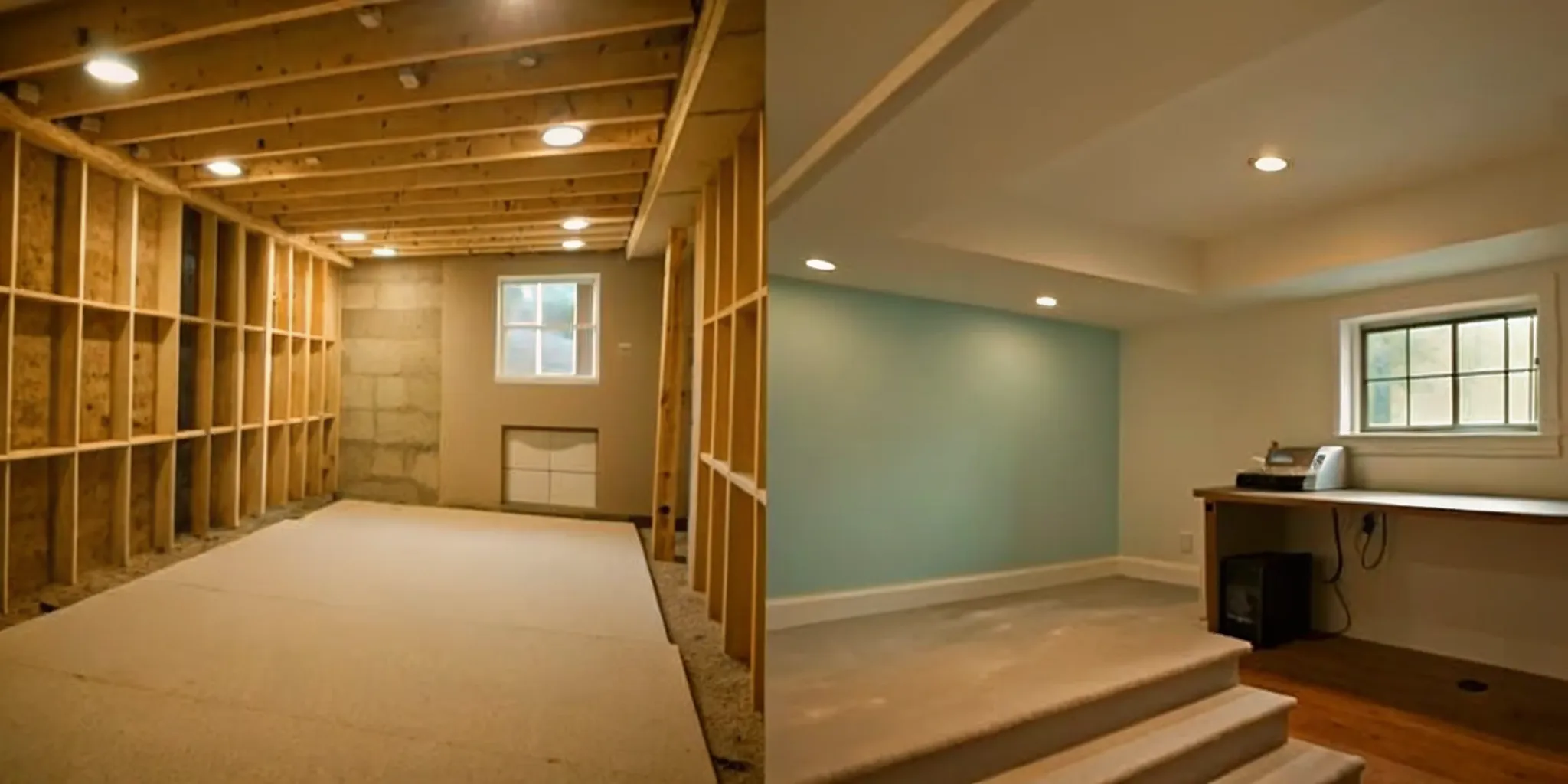
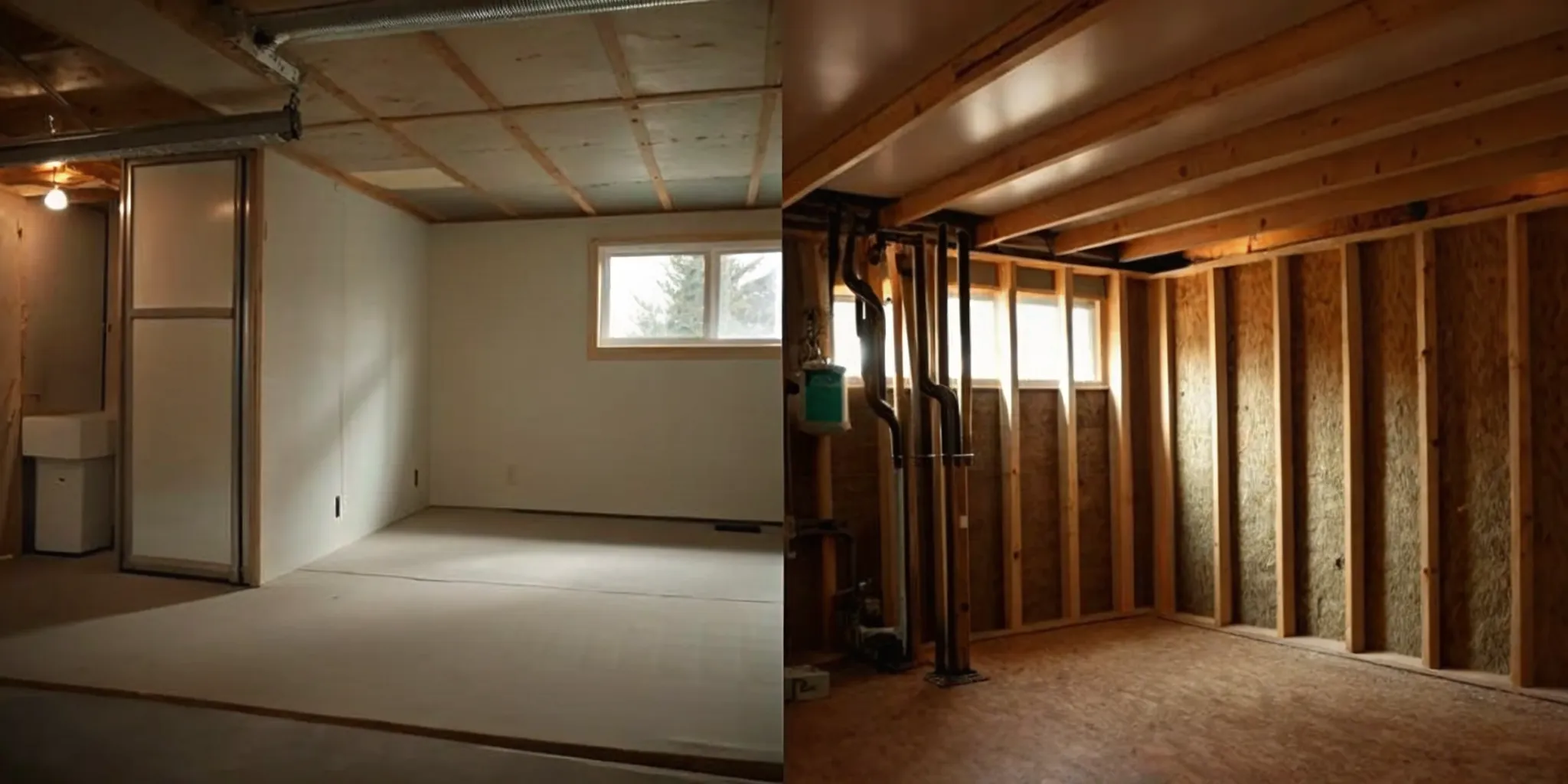
Basement ADUs at 1,000 square feet appear in two projects in the dataset, both primarily Seattle-based, with a median cost of $409,000 and a range of $300,000 to $518,000. At this size, a basement ADU delivers a full two-bedroom, two-bath apartment with a complete kitchen and laundry, making it a competitive market-rate rental unit in Seattle's rental market.
The structural requirements at this scale are significant. Full MEP, egress windows in multiple bedrooms, ceiling height verification throughout the entire layout, and waterproofing appropriate for a fully finished and inhabited below-grade space at this footprint all contribute to a cost profile that is higher than basement conversions at smaller sizes. The cost efficiency relative to a ground-up detached ADU remains, but the gap narrows as the footprint grows, because the structural and MEP work required approaches the complexity of a full above-grade build.
Living Space Addition and Sunroom: Large-Scale Single Projects
The dataset includes one living space addition project and one sunroom project at this size, each representing approximately 1% of the 1,000 sq ft bracket. The living space addition carries a median cost of $800,000 and the sunroom $500,000, both as single data points rather than statistical samples, so these figures should be treated as illustrative rather than as reliable benchmarks.
What they reflect is a real phenomenon at this size: a 1,000 square foot living space addition is a full ground floor renovation, incorporating a great room, a dining area, a mudroom, and a powder room in a single cohesive scope. At this scale, the project rarely appears as a standalone living space addition in the data; it almost always gets combined with kitchen work or other renovation scope, which is why it appears in only one project as a distinct category here.
Other Complex Additions: The Most Common Category at This Size
The single largest category in the 1,000 sq ft dataset, at 29% of all projects, is the catch-all for complex additions and multi-purpose builds that don't classify neatly into any standard project type. The median cost for this category is $280,000, with a range of $175,000 to $410,265, which is notably lower than the full home addition and detached ADU medians. This reflects the diversity of what falls into this category: some projects are simpler large-scope additions that don't fit a single label, while others are genuinely complex multi-scope builds.
If your project falls into this category, the most important single action you can take before engaging contractors is defining a precise, comprehensive scope. At 1,000 square feet of complex or multi-purpose work, the difference between a tight scope and a vague one is the difference between bids that are comparable and bids that describe different projects. Without a clear scope, you cannot meaningfully evaluate contractors or protect your budget. Realm's advisors specialize in helping homeowners build that scope before any contractor conversations begin.
Frequently Asked Questions
How much does a 1,000 sq ft ADU cost in California? Based on 21 detached ADU projects in Realm's dataset at this size, the median cost is $373,967 with a range of $296,422 to $449,035. The relatively tight range reflects that detached ADU builds at 1,000 square feet are well-understood projects that experienced contractors can scope with reasonable predictability, provided site conditions are assessed accurately upfront. Your actual cost will be shaped by site conditions, finish level, local permitting fees, and whether a 2BR/2BA or 3BR/1BA configuration is targeted. Talk to a Realm advisor to get a cost estimate calibrated to your specific project and location.
Is a 1,000 sq ft home addition worth it? For the homeowners in Realm's dataset who build at this size, the answer is consistently yes, but the logic varies by project type. Full home additions and large bedroom additions are built by homeowners who have decided that transforming their existing home is a better long-term investment than selling and moving, accounting for transaction costs, relocation disruption, and the difficulty of finding a home in their preferred location at a meaningful value. Detached ADUs at this size produce rental income that, at California and Washington market rates, can provide a meaningful return on the investment over a multi-decade horizon. Primary suite additions are personal investments in daily quality of life, not financial calculations. In every case, the answer to "is it worth it" starts with clarity about what the investment is meant to accomplish. A Realm advisor can help you build the financial model for your specific project type and market.
What's the most cost-efficient way to add 1,000 square feet to a home? Based on the data, a second-story addition at $300,000 median cost is the most cost-efficient way to add 1,000 square feet when the goal is to maximize usable square footage within the primary home on a constrained lot. A basement ADU conversion in Seattle is the most cost-efficient path to adding 1,000 square feet of livable space when an existing unfinished basement is available. A detached ADU at $373,967 median is more expensive upfront but creates a separate income-generating asset. A full home addition at $400,000 median is the most complex and most transformative but adds the most architectural integration and long-term home value. The most cost-efficient option depends entirely on what you're trying to accomplish and what you're starting with. Realm's advisors can help you evaluate the options for your specific situation.
How much does a 1,000 sq ft second-story addition cost? Based on four second-story addition projects in Realm's dataset at this size, the median cost is $300,000 with a range of $200,000 to $593,000. The wide range reflects real variation in structural complexity, finish level, and whether the existing home requires significant structural reinforcement to support the addition. A project at the lower end of the range typically involves a home structure that is already well-suited to support a second story with minimal reinforcement. A project at the upper end involves more complex structural work, premium finishes, or a combination of second-story and other renovation scope. Talk to a Realm advisor to understand what the cost range looks like for your specific home and lot.