How to Compare Contractor Bids for Renovation
Learn how to compare contractor bids for renovation with clear steps, tips for spotting red flags, and advice on choosing the right contractor for your project.
|
April 17, 2026
In this article:
Think of yourself as a detective. You’ve gathered the evidence—a handful of bids from different contractors—and now it’s time to analyze the clues. Every line item, from demolition costs to material allowances, tells a story about the contractor’s process, their attention to detail, and their pricing strategy. Is one bid significantly lower because they missed something important, or is another unusually high for a specific reason? This guide is your field manual for the investigation. We’ll show you exactly what to look for so you can effectively compare contractor bids for renovation, spot the red flags, and uncover the truth behind the numbers.
Key Takeaways
- A quality bid is your project's blueprint: Don't just look at the final number. A solid bid details the scope of work, itemizes labor and material costs, and provides a clear timeline, which helps prevent expensive surprises later.
- Get at least three bids and organize them: Create a simple spreadsheet to compare costs line by line. This method makes it easy to spot what's included, what's missing, and where prices differ, so you can ask the right follow-up questions.
- Look beyond the price tag to find the right partner: The cheapest bid isn't always the best. Verify every contractor's license and insurance, check their references, and pay attention to their communication style. You're choosing a partner for your home, not just a price.
What to Look For in a Contractor's Bid
Think of a contractor’s bid as the blueprint for your renovation. It’s much more than just a price tag; it’s a detailed plan that outlines exactly what work will be done, the materials that will be used, how long it will take, and how payments will be handled. A thorough, professional bid is a sign of a thorough, professional contractor. When you’re reviewing bids, you’re not just looking for the lowest number. You’re looking for clarity, transparency, and a partner you can trust. Here are the four essential components every solid bid should have.
A Clear Scope of Work
A great bid leaves no room for doubt. The "scope of work" section should be a comprehensive list of every single task involved in your project, from demolition and framing to plumbing, electrical, and the final touches. Vague descriptions like "install new kitchen" are a major red flag. Instead, you want to see specific line items like "demolish existing cabinetry and countertops" and "install 150 square feet of ceramic tile backsplash." This level of detail ensures you and your contractor are on the same page, which helps prevent misunderstandings and unexpected costs later on. Having a detailed project plan from the start is the key to a smooth renovation.
Itemized Materials and Labor Costs
Don’t accept a bid with just one lump-sum price. A professional contractor will provide a detailed breakdown that separates the costs of labor from the costs of materials. This transparency is crucial for comparing bids accurately and understanding exactly where your money is going. The materials list should be specific, too. Instead of just "new windows," it should specify the brand, model, and size. This prevents a contractor from substituting lower-quality materials to cut costs. An itemized bid empowers you to make informed decisions and control your budget effectively.
A Realistic Timeline and Payment Plan
Your contractor’s bid should include a clear project timeline with a proposed start date, key milestones, and an estimated completion date. While delays can happen, a well-defined schedule shows that the contractor has thought through the project logistics. The bid must also outline a payment schedule. Be wary of any contractor who asks for a large upfront deposit. A standard payment plan ties payments to the completion of specific project phases, like finishing the foundation or passing a framing inspection. This structure protects you by ensuring you only pay for work that has been completed to your satisfaction.
Proof of Permits and Insurance
A legitimate bid will always include the contractor's state license number and proof of insurance, including both general liability and workers' compensation. It’s your job to verify that this information is current and valid. The bid should also specify who is responsible for securing all necessary building permits. Handling permits is a critical step, and a professional contractor will manage this process for you. Working with properly licensed and insured professionals is non-negotiable; it protects you from liability in case of accidents or property damage. It's why working with vetted professionals provides such essential peace of mind.
How to Get and Compare Contractor Bids
Once you have a short list of potential contractors, it’s time to ask for bids. This is where you’ll get a real sense of project costs and how each professional plans to approach the work. Managing this process effectively is key to finding the right partner for your renovation and staying on budget. It’s all about asking the right questions and organizing the information so you can make a confident decision.
Why You Need at Least Three Bids
You’ve probably heard this before, but it’s worth repeating: always get at least three bids. This isn’t just about finding the lowest price. Getting multiple bids helps you establish a baseline for what your project should realistically cost. You’ll see a range of prices and, more importantly, a variety of approaches to the work. One contractor might suggest different materials while another might have a more efficient timeline. Seeing these variations gives you a much clearer picture of your options. This process is the best way to compare home renovation bids and ensure you’re getting a fair price for quality work, rather than just accepting the first number you see.
Create a Detailed Project Plan
Before you even contact a contractor for a bid, you need a clear and detailed project plan. This is your single most important tool for getting accurate and comparable estimates. Your plan should outline your goals, preferred materials, desired style, and any specific features you want. The more detail you provide, the better. When every contractor has the same detailed information, they are all bidding on the exact same project. This is how you ensure you’re comparing “apples to apples” instead of trying to make sense of three completely different proposals. A solid plan minimizes misunderstandings and helps you get a true sense of what each contractor is offering. At Realm, we help you build this plan so you can start your project with confidence.
Use a Spreadsheet to Stay Organized
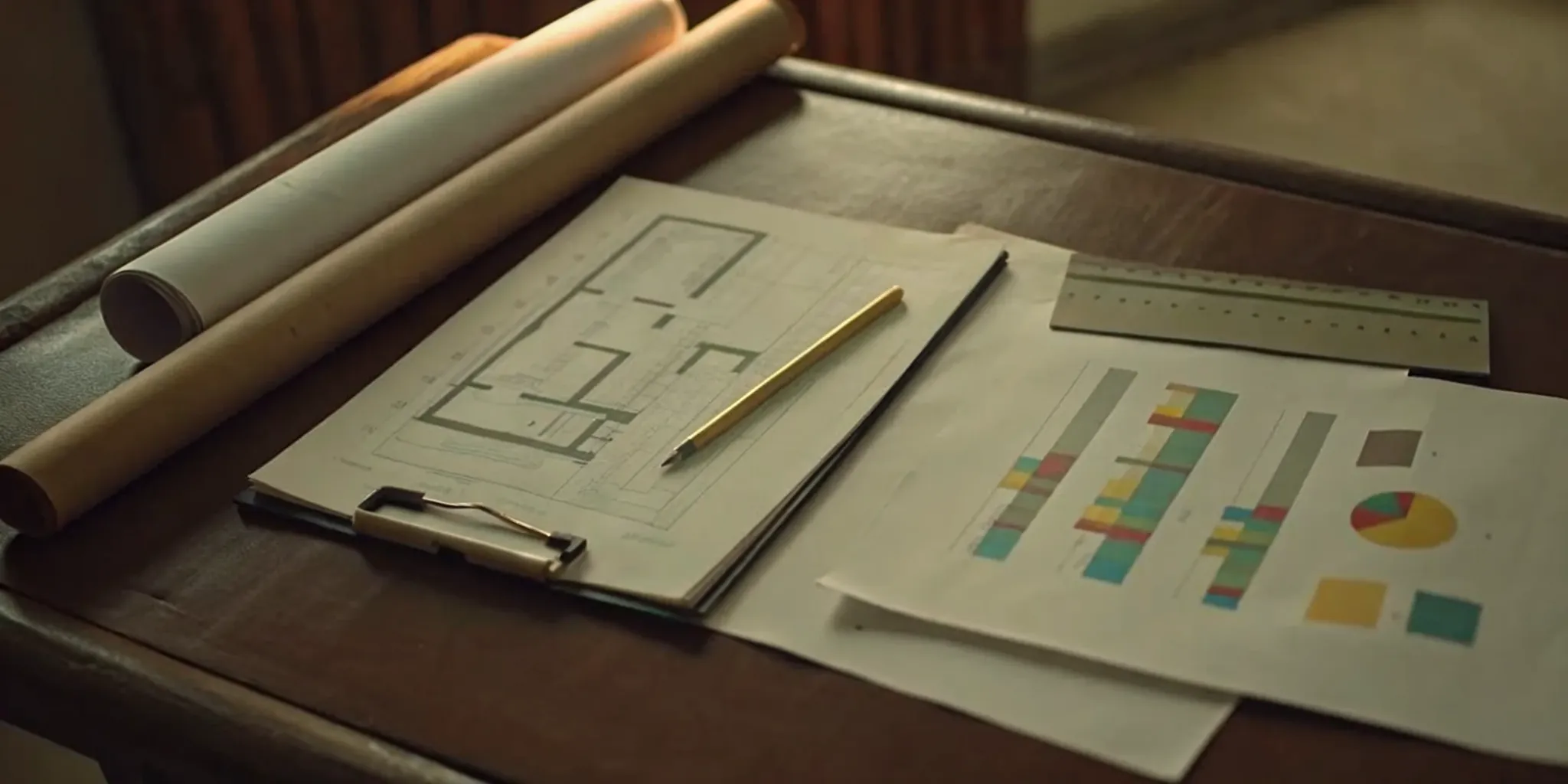
When the bids start rolling in, they can be overwhelming. The best way to make sense of them is to create a simple spreadsheet. Make a list of every component of your project in the first column, like demolition, plumbing, electrical, cabinets, and flooring. Then, create a column for each contractor and fill in their price for each line item. This method immediately highlights any major differences. If one contractor’s price for plumbing is significantly lower than the others, that’s a red flag. It could mean they’re using cheaper materials or may have missed something in the scope of work. An organized spreadsheet makes it easy to spot these discrepancies and ask follow-up questions.
Red Flags to Watch For in a Contractor Bid
When you're sifting through contractor bids, it’s about more than just the price. Every proposal tells a story about the contractor's professionalism, attention to detail, and how they run their business. Some bids contain clear red flags that signal potential problems down the road, from surprise costs to poor workmanship. Knowing these warning signs is key to protecting your investment and ensuring your project runs smoothly. Here are the major red flags to watch for.
Pricing That's Too Good (or Bad) to Be True
It’s tempting to jump on the lowest bid, but an estimate that's significantly cheaper than the others is a major warning sign. This could mean the contractor is cutting corners on materials, using inexperienced labor, or planning to hit you with unexpected charges later. On the flip side, an unusually high bid is also a concern, as it might indicate overcharging. A trustworthy bid should be competitive and reflect a realistic understanding of the project. If a price seems off, it’s a signal to compare the details more closely before moving forward.
Vague Details and Lump-Sum Costs
A professional bid should be transparent. Be wary of proposals that offer a single lump-sum cost with no breakdown of expenses for labor, materials, and permits. This transparency is crucial for comparing bids accurately. Also, watch out for vague descriptions like "standard fixtures" or "premium cabinets." What does that even mean? The bid should specify brands and model numbers so you know exactly what you’re paying for. A lack of detail makes it impossible to know if you're truly comparing apples to apples and can lead to disappointment with the final result.
Requests for a Large Upfront Payment
One of the biggest red flags is a demand for a large payment before work begins. In California, it's illegal for a contractor to ask for more than 10% of the project cost or $1,000, whichever is less, as a down payment. A reputable contractor will propose a payment schedule tied to project milestones, like completing demolition or installing plumbing. This approach protects you by ensuring you only pay for completed work. If a contractor pressures you for a large sum upfront, it could be a sign of financial instability or a scam.
No Mention of a License or Insurance
A professional contractor operates with the proper credentials and should be upfront about it. If a bid doesn't include a license number or proof of insurance, that's a serious problem. Working with an unlicensed contractor leaves you with little recourse if the work is subpar. More importantly, if they lack liability and workers' compensation insurance, you could be held financially responsible for any accidents on your property. Always ask for their license number and insurance certificates, and take the extra step to verify their credentials with your state's licensing board.
How to Compare Bids Apples-to-Apples
Once you have a few contractor bids in hand, you might notice they’re formatted completely differently. One might be a single page with a lump sum, while another is a ten-page document detailing every nail and screw. Your goal is to translate them into a single format so you can make a true side-by-side comparison. This isn’t just about finding the cheapest option; it’s about understanding what you’re getting for your money and identifying the best value.
Putting in the effort to properly compare bids is one of the most important steps in the entire renovation process. It helps you spot potential red flags, clarify ambiguities, and prevent costly surprises down the road. When you work with a Realm advisor, they handle this entire process for you, creating a standardized spreadsheet to make the comparison clear and simple. But if you’re managing it on your own, the key is to get organized and dig into the details. Think of yourself as a detective looking for clues. Every line item tells a story about the contractor’s process, pricing, and attention to detail.
Break Down the Costs
A trustworthy bid should be highly detailed. It needs to clearly outline the scope of work, breaking down the costs for both labor and materials. If a bid feels vague or groups everything into one large number, that’s a sign it might not be accurate. To make a fair comparison, create a simple spreadsheet with columns for each contractor. List every phase of the project as a separate row: demolition, framing, plumbing, electrical, drywall, flooring, and painting. Then, plug in the numbers from each bid. This will immediately highlight any major price differences and help you ask targeted questions.
Clarify What's Included (and What's Not)
A common pitfall is assuming something is included when it’s not. Go through each bid with a fine-tooth comb and make a note of anything that’s missing or unclear. For example, does the bid specify the brand and model for your windows, or does it just say “windows”? Does the price include daily site cleanup and debris removal? What about the cost of securing permits? A good rule of thumb is that if a task or material isn’t explicitly listed, it probably isn’t included in the price. Don’t be afraid to go back to the contractor and ask for a more detailed project plan to ensure everything you discussed is in writing.
Align Material Specs Across Bids
Material allowances are one of the trickiest parts of a bid to compare. An "allowance" is a placeholder budget for items you haven't selected yet, like tile, countertops, or light fixtures. Some contractors may intentionally use low allowances to make their overall bid seem more competitive. To avoid this, ask each contractor what quality of materials their allowance is based on. For example, if one bid includes a $3,000 appliance allowance and another includes $7,000, you’re not comparing the same project. Ask for specifics to ensure you’re evaluating bids based on materials of a similar style and quality.
Key Questions to Ask Before You Sign
You’ve gathered your bids and organized them. Now it’s time for the final round of vetting before you make a decision. Asking a few specific questions can save you from major headaches down the road. This is your chance to clarify any gray areas and make sure you and your potential contractor are completely on the same page. Getting clear, confident answers to these questions will help you sign that contract with peace of mind, knowing you’ve found a true partner for your project.
Essential Questions for Every Contractor
To make a fair comparison, you need to ask each contractor the same set of questions. This consistency is key to understanding the differences between their proposals. Start with the basics: What exactly is included in this bid, and more importantly, what isn't? Ask for their estimated timeline from start to finish. A good contractor should also be proud to show you their work, so don't hesitate to ask for a portfolio or references from recent clients. Getting these details will give you a much clearer picture of what each contractor brings to the table.
Ask About Material Allowances
As you review your bids, you’ll likely see line items for “allowances.” An allowance is just a placeholder budget for materials you haven’t selected yet, like tile or countertops. While this is standard practice, be careful. Some contractors might use unrealistically low numbers here to make their overall bid seem more competitive. Ask them directly how they came up with their allowance figures and if they reflect the quality of finishes you’ve discussed. This simple question helps ensure you won’t be hit with unexpected costs when it’s time to go shopping.
Understand Their Change Order Process
Even the best-laid plans can change. Maybe you decide you want different flooring, or an unexpected issue pops up behind a wall. This is where a “change order” comes in. It’s a formal document that outlines any new work, its costs, and how it affects the schedule. Before you sign anything, ask the contractor to walk you through their change order process. A clear system is a sign of a professional who values communication. Knowing this upfront protects both you and your contractor from misunderstandings down the line.
How to Vet Your Contractor
Once you’ve narrowed down your bids, it’s time to dig a little deeper into the people behind the numbers. A great bid is important, but a great contractor is what will make or break your renovation experience. Think of this step as a job interview. You’re not just hiring someone to do a task; you’re inviting a professional into your home for weeks or even months. Taking the time to properly vet your top contenders ensures you find a reliable partner you can trust to bring your vision to life.
Verify Their License and Insurance
Before you get swept away by a beautiful portfolio, start with the basics. Is the contractor properly licensed and insured? This isn't just a formality; it's your primary protection. A valid license proves they meet state requirements, while insurance (like liability and workers' compensation) covers you if accidents happen on your property. Don't just take their word for it. Ask for their license number and verify it with your state's licensing board. This simple check confirms you're working with a legitimate professional who follows the rules and is serious about their business.
Check References and See Their Work
A license tells you they're qualified, but past projects and client feedback tell you what it's actually like to work with them. Ask every potential contractor for a list of recent references, and make sure you call them. Ask direct questions: Did they stick to the budget and timeline? How did they handle unexpected issues? Were you happy with the final result? Beyond phone calls, ask to see a portfolio of their completed work. Seeing photos or even visiting a past project can give you a real feel for their quality and craftsmanship. This is a key part of how Realm vets professionals for our network.
Breaking Down Contractor Pricing Models
When you start getting bids from different contractors, you’ll quickly notice that the prices can be structured in completely different ways. One might give you a single, all-in number, while another breaks down every hour of labor and every box of nails. This isn't just a matter of preference; it reflects how a contractor manages their projects, handles costs, and views risk. Understanding the two main pricing models, fixed-price and time and materials, is the first step to making a true apples-to-apples comparison and finding the right partner for your renovation.
A contractor’s bid is more than just a final price tag; it’s a detailed plan that outlines the work, the cost, and the timeline. Knowing how that plan is built helps you see what you’re really paying for and protects you from surprises down the road. Some homeowners prefer the certainty of a fixed price, while others value the flexibility of paying as they go. Neither is inherently better, but one will likely be a better fit for your specific project, your budget, and your peace of mind. Let's break down what each model means for you.
Fixed-Price vs. Time and Materials
A fixed-price contract, also called a lump-sum bid, is exactly what it sounds like: one set price for the entire project described in the scope of work. This model offers predictability, which is great for sticking to a strict budget. The risk is that if the scope isn't perfectly detailed, you could face expensive change orders for anything not explicitly listed. On the other hand, a time and materials (T&M) contract means you pay an hourly rate for labor plus the actual cost of materials. This approach offers more flexibility if you anticipate making changes along the way, but it can make the final cost harder to predict. Regardless of the model, a quality renovation bid will always be highly detailed, clearly itemizing the work and materials involved.
How Payments Affect Your Budget
The pricing model directly impacts your payment schedule and overall budget management. A good contract ties payments to project milestones, meaning you pay for stages of work as they’re completed. Be wary of any contractor who asks for a large upfront deposit before any work begins. A reasonable down payment is standard, but it shouldn't cover the majority of the project cost. It’s also smart to build a contingency fund into your budget, setting aside an extra 10% to 20% for unexpected issues that can pop up during demolition or construction. If your preferred contractor’s bid comes in too high, don’t be afraid to ask if there are ways to adjust the project to meet your renovation budget. They might suggest alternative materials or a phased approach to the work.
What to Do About Major Price Differences
It’s common to see a wide range of prices when you start getting bids from contractors. While your first instinct might be to toss out the highest and lowest bids, these outliers can actually tell you a lot. A huge price difference is your cue to dig a little deeper and ask more questions. The goal isn't just to find the cheapest option, but to find the best value and the right partner for your project. Understanding why the numbers vary so much will help you make a confident decision and avoid surprises later on.
Figure Out Why Prices Vary So Much
When one bid is significantly lower than the others, it might mean the contractor has missed a key part of the project or is planning to use lower-quality materials. It could also be a sign of inexperience. On the flip side, a very high bid might indicate that the contractor isn't specialized in your type of project or doesn't really want the job. The best way to find out is to simply ask. If you notice one contractor included something another didn't, like skim coating the walls, follow up with them. A direct conversation can help you compare bids like a pro and understand each contractor’s approach.
Know When to Ask for More Details
A quality bid should be detailed and transparent. If you receive a proposal that’s vague or only lists a single lump-sum cost, it’s a major red flag. This lack of detail can easily lead to unexpected costs once the project is underway. Don’t hesitate to ask for a quote that breaks down the costs for labor, materials, permits, and other line items. A professional contractor should be able to explain their pricing clearly. If they are unwilling to provide a detailed breakdown, it’s best to walk away. This is a key step in learning how to compare home renovation bids effectively and protecting your budget.
How to Choose the Right Contractor
After you’ve gathered the bids and organized your spreadsheet, the final decision comes down to more than just the bottom line. You’re not just hiring someone to do a job; you’re choosing a partner who will be in your home for weeks or even months. The right contractor is someone who has the skills to execute your vision, the professionalism to manage the project smoothly, and the communication style that makes you feel confident and heard. Trust your gut. If a contractor’s bid looks great on paper but something feels off during your conversations, it’s worth paying attention to that feeling.
Look Beyond the Price Tag
It’s tempting to immediately go for the lowest bid, but this can be a classic case of “you get what you pay for.” An unusually low price might mean the contractor has missed something in the scope of work, is using lower-quality materials, or plans to make up the difference with expensive change orders later. A good, detailed bid protects you from these surprises. Look for a proposal that breaks down the costs for demolition, plumbing, electrical, materials, and labor. A transparent, itemized bid shows that the contractor is thorough and professional, giving you a clear understanding of where your money is going.
Consider Their Communication Style
Think of the bidding process as an interview. You’ll be communicating with your contractor constantly, so you need someone you can easily talk to. When you meet with them, do they listen to your ideas and answer your questions clearly? Are they responsive to your calls and emails? A successful renovation depends on a strong partnership, and that requires open communication. Since no contract can cover every possible scenario, it’s essential to choose someone you can solve problems with productively. This is why we focus on connecting homeowners with vetted professionals who have a proven track record of great work and client communication.
Related Articles
- How to Compare Home Renovation Bids Like a Pro
- How to Hire a General Contractor for House Renovation
- How To Assess Contractor Bids (& What To Look Out For)
Frequently Asked Questions
Is it always a mistake to choose the lowest bid? Not always, but it does require a lot of extra diligence on your part. An unusually low bid can be a red flag that the contractor missed something in the scope of work, plans to use lower-quality materials, or will try to make up the cost with expensive change orders later. Before you accept a low bid, make sure it includes the exact same scope of work and comparable materials as the others. If it still seems too good to be true, it probably is.
What should I do if all the bids are higher than my budget? This is a common situation, so don't panic. Instead of just defaulting to the cheapest option, go back to the contractor you felt the best connection with. Have an honest conversation about your budget and ask if there are ways to bring the cost down. They might suggest using different materials, simplifying a design element, or completing the project in phases. A good contractor will be willing to work with you to find a solution.
Why is a vague, lump-sum bid a problem if the final price is good? A vague bid is a recipe for misunderstandings and surprise costs. Without a detailed breakdown of labor and materials, you have no way of knowing what is actually included in that final price. It makes it impossible to compare bids fairly and leaves you vulnerable if a contractor decides to substitute cheaper materials to save money. A detailed, itemized bid is a sign of a transparent professional and protects you by putting everything in writing.
How detailed does my project plan need to be before I ask for bids? The more detailed your plan is, the more accurate and comparable your bids will be. Your goal is to have every contractor bid on the exact same project. You should include a clear scope of work, room dimensions, and a list of specific materials and finishes you want. If you haven't picked out the exact tile or faucet, specify the quality level you expect. This prevents contractors from guessing, which is what leads to wildly different bid prices.
Besides the price, what's the most important thing to consider? Communication style and your gut feeling are incredibly important. You will be working with this person in your home for an extended period, so you need to feel comfortable with them. Pay attention to how they answer your questions during the bidding process. Are they responsive, clear, and respectful? A successful renovation is a partnership, and you want a partner you can trust to communicate openly and solve problems with you.