How to Get Los Angeles Home Addition Permits
Get clear, step-by-step advice on Los Angeles home addition permits, including costs, paperwork, timelines, and tips for a smooth approval process.
|
March 2, 2026

In this article:
When you’re facing the costs and timelines of a major renovation, it can be tempting to look for shortcuts. You might even wonder if you can get away with skipping the permit process altogether. But building without the proper approvals is a risky gamble that can lead to serious consequences, including massive fines, stop-work orders, and even being forced to tear down the new construction. The system for Los Angeles home addition permits exists to prevent these exact problems and protect your home’s value. This guide will show you how to do things the right way, ensuring your project is a valuable investment, not a future liability.
Key Takeaways
- Treat permits as a non-negotiable first step: Building a home addition in Los Angeles without the proper permits is a costly mistake that can lead to fines, demolition orders, and problems with your home's future sale.
- Prepare your paperwork meticulously to prevent delays: Your application's success depends on complete and accurate documents, like architectural and site plans, that meet all city codes for zoning, safety, and energy efficiency.
- Understand the full scope of costs and timelines: Permit fees are based on your project's total value and include extra charges for plan checks and inspections, while the approval timeline can range from a few hours to several months depending on your project's complexity.
Does Your Home Addition Need a Permit in LA?
Planning a home addition is exciting, but before you get too far into picking out paint colors, it’s important to understand the permitting process. In Los Angeles, the short answer is yes, you almost certainly need a permit for a home addition. Think of a permit as your project’s official green light from the city. It’s a system of checks and balances that ensures your new space is safe, structurally sound, and meets all local regulations.
The permit process can feel like a big task, but it’s a non-negotiable step for any significant home project. Skipping it can lead to fines, stop-work orders, and major headaches when you eventually sell your home. The good news is that understanding what requires a permit is the first step to a smooth and successful renovation. Whether you’re adding a new bedroom, expanding your kitchen, or building a separate unit in your backyard, getting the right permits is key.
Room Additions and Expansions
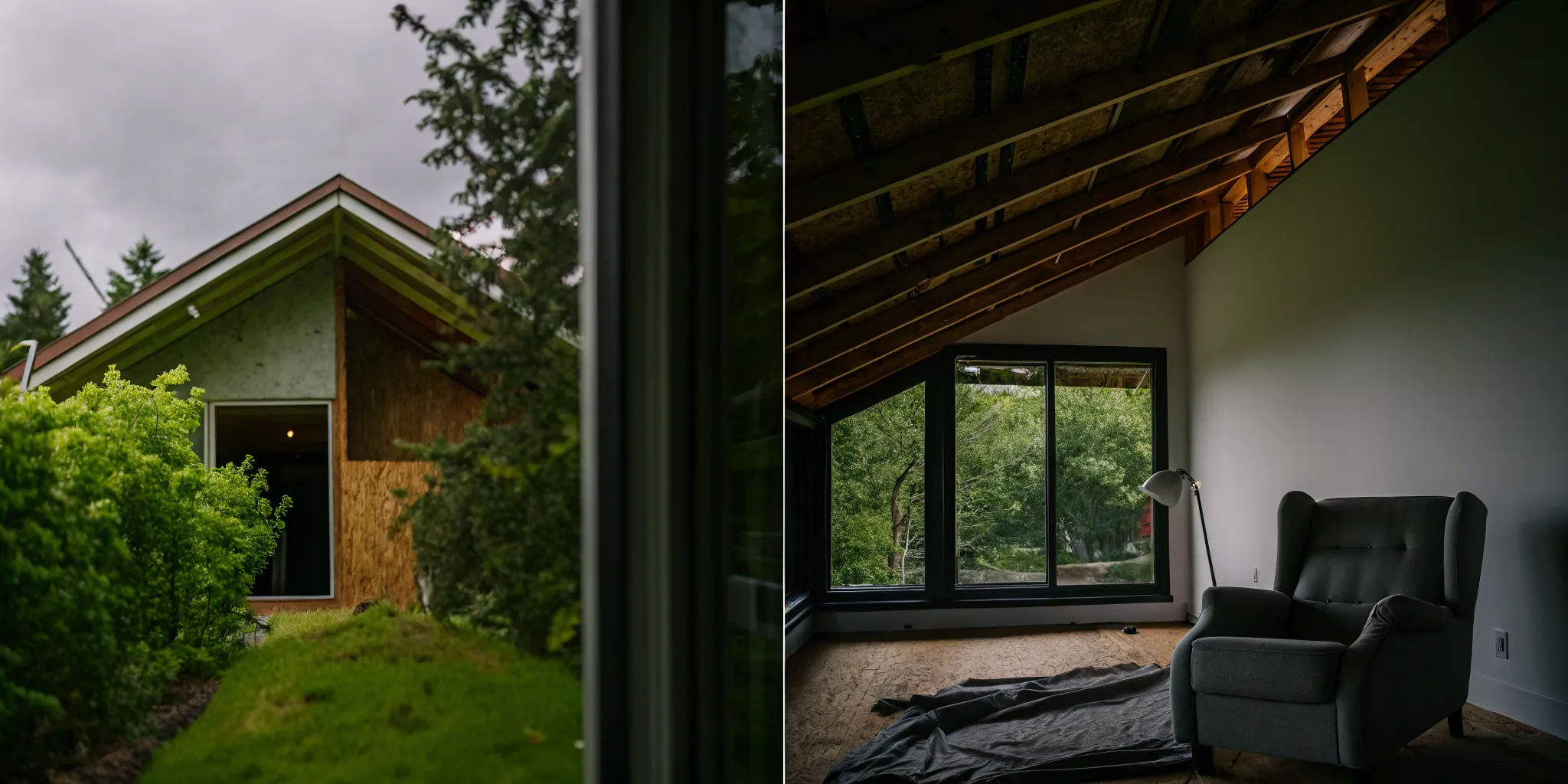
If your project involves adding new square footage to your home, you will need a building permit. This applies to everything from a small bump-out for a breakfast nook to a full second-story addition. The city requires a permit for these projects because they want to ensure the new construction meets all current safety regulations and building codes. This includes any work that alters your home’s existing plumbing or electrical systems. For example, if you’re expanding your kitchen and need to move a sink or add new outlets, those changes fall under the permit requirement. It’s all about making sure your beautiful new space is also safe and up to code.
Structural Changes
Any renovation that involves altering your home’s structure requires a permit, no exceptions. This includes projects like removing a load-bearing wall to create an open-concept living area, changing your roofline, or modifying your home's foundation. These types of changes can impact the stability and safety of your entire house, so the city needs to review and approve the plans. Failing to get the right permits for structural work can cause costly delays if an inspector flags the unpermitted work. Proper planning and permitting from the start will save you from potential complications and ensure your project moves forward without a hitch.
ADUs and JADUs
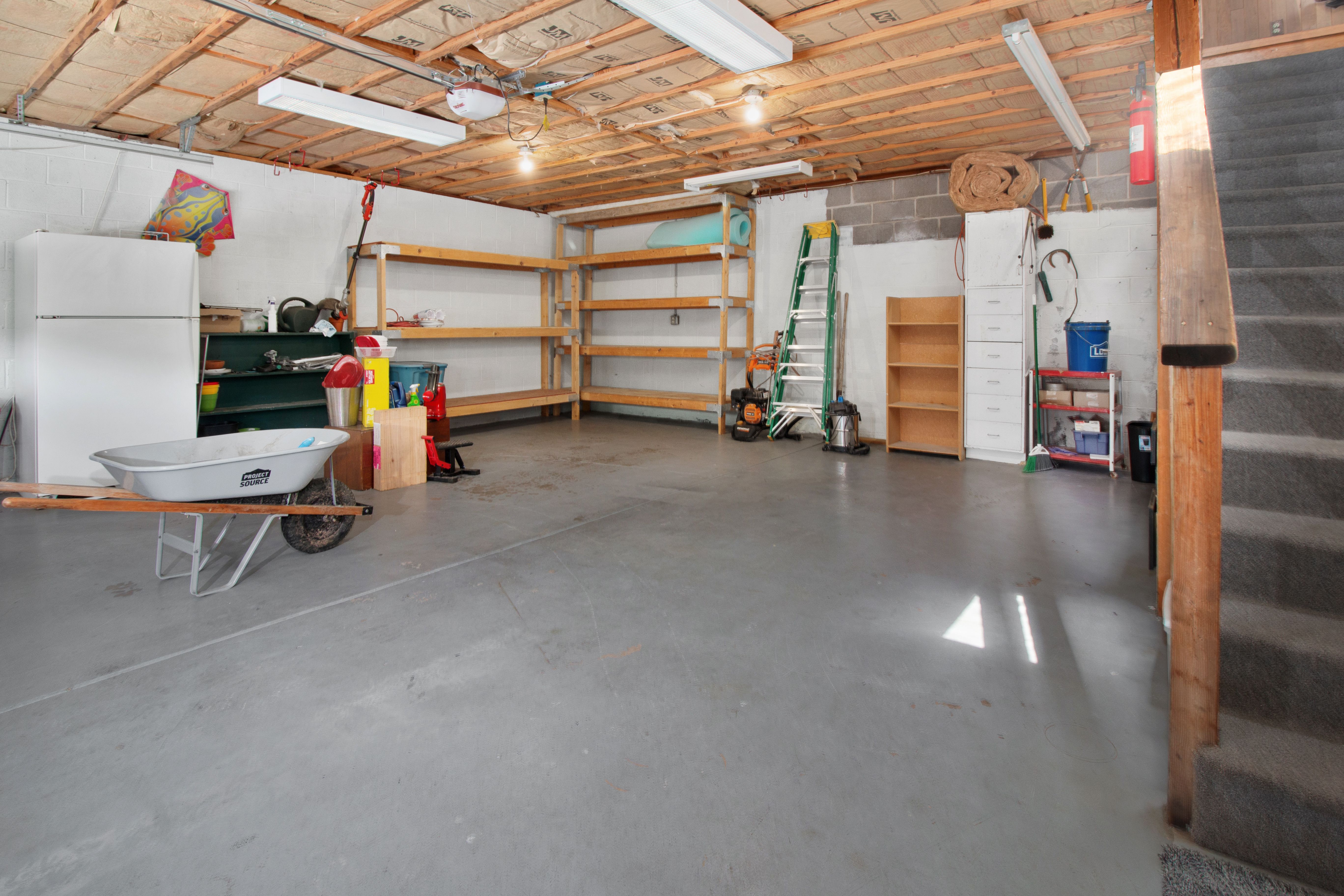
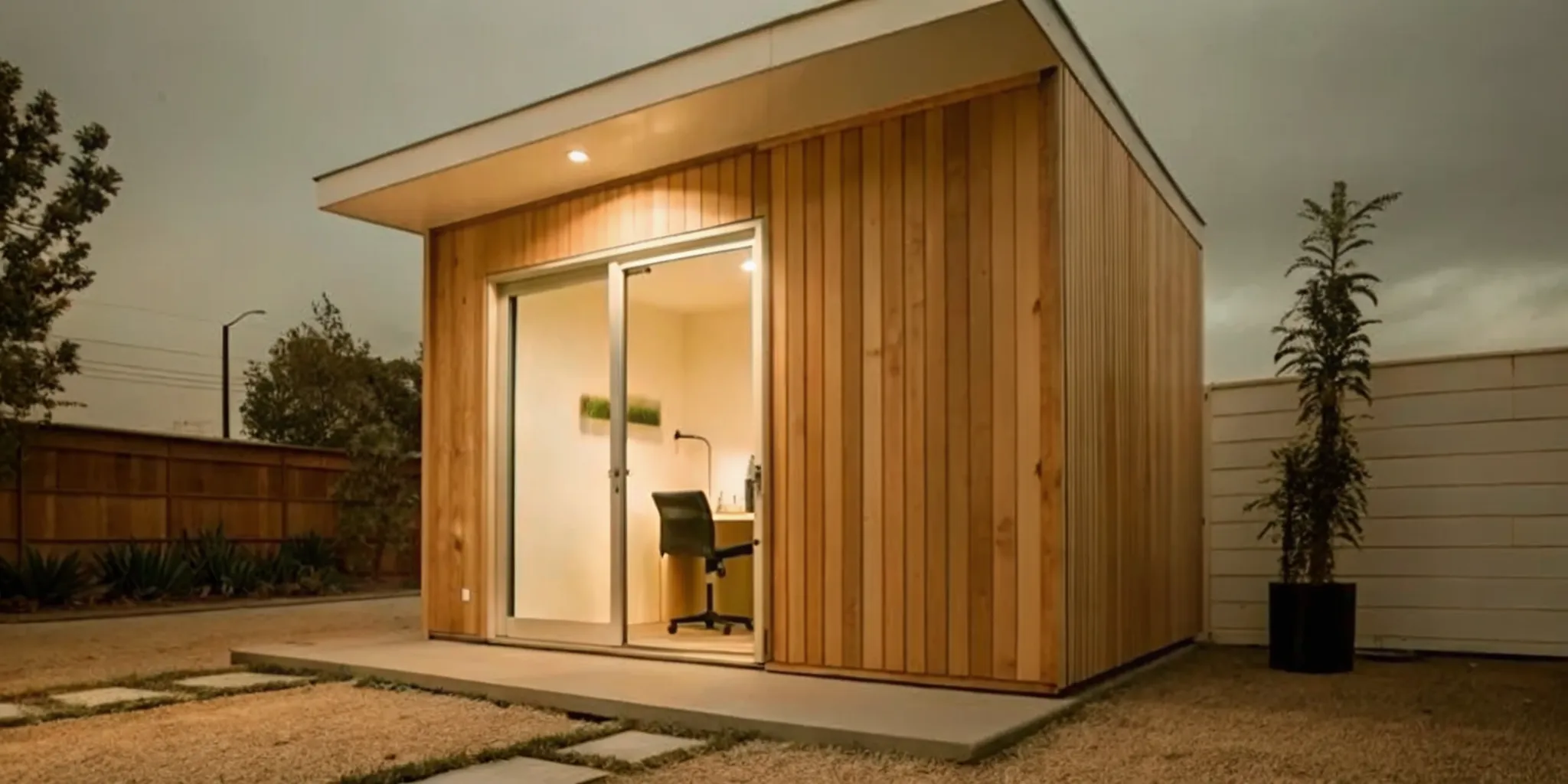
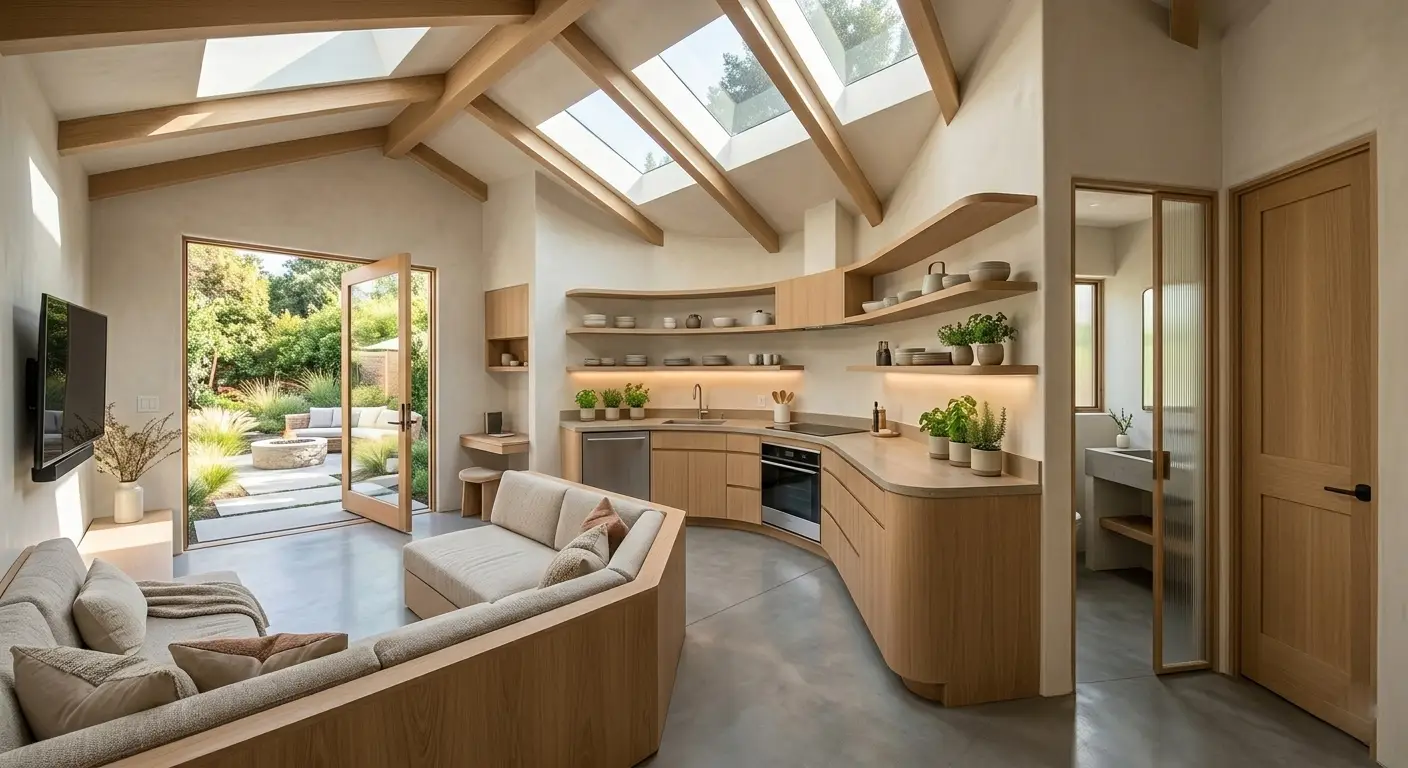
Accessory Dwelling Units (ADUs) and Junior Accessory Dwelling Units (JADUs) have become incredibly popular in Los Angeles for creating extra living space or generating rental income. Whether you’re converting a garage or building a new backyard cottage, you will need to go through the city’s permitting process. The requirements for ADUs are specific, and it’s essential to work with your local planning department to ensure your project complies with all zoning and building regulations. The total cost of your ADU can be significantly influenced by permit fees and land preparation, so getting a clear picture of these requirements early on is a crucial part of budgeting for your project.
Meeting LA's Permit Requirements
Before you can break ground, your project plans need to prove they meet Los Angeles's specific requirements for safety, land use, and energy efficiency. Think of it less as a bureaucratic hurdle and more as a quality check that ensures your new addition is safe, legal, and built to last. This part of the process can feel a bit technical, but it’s where a solid plan and the right team make all the difference.
Getting these details right from the start saves you from costly revisions and delays down the line. The city needs to see that your project respects property boundaries, follows structural safety rules, and complies with state energy codes. Each of these areas has its own set of rules and required documentation. Working with an experienced advisor can help you put together a complete and compliant application package, making the review process much smoother. Understanding these key requirements is the first step toward getting that approved permit in your hand.
Zoning and Setback Rules
First up are zoning and setback rules. Zoning laws dictate how your property can be used, while setbacks define how far your addition must be from property lines, other structures, and the street. The County of Los Angeles Zoning Code covers these land-use issues, including limitations on height and overall size. Before you get too attached to a design, you need to confirm it fits within these local constraints. Checking these regulations early prevents you from designing an addition that you aren’t legally allowed to build.
Building Code Standards
Next, your project must adhere to strict building code standards. These codes are all about structural safety, covering everything from the foundation and framing to plumbing and electrical systems. You’ll need to submit a complete set of construction plans to your local Building and Safety office for review. An official will check your plans to ensure every detail complies with the current County Building Code. If they find any issues, they will identify the corrections needed before your permit can be approved. This step is essential for ensuring your new space is safe for you and your family.
Title 24 Energy Compliance
Finally, every new construction project in California, including home additions, must meet Title 24 energy standards. This code is designed to make homes more energy-efficient, which is great for both the environment and your utility bills. To prove compliance, you will need to submit "Title 24 Energy Calculations" prepared for your specific project. These calculations show that your addition’s design, including its insulation, windows, and heating and cooling systems, meets the state’s energy efficiency requirements.
What Paperwork Do You Need for Your Permit?
Getting your paperwork in order is one of the most important steps in the permit process. Think of it as creating a complete instruction manual for your project that the city can review and approve. While the exact requirements can vary depending on the scope of your addition, the Los Angeles Department of Building and Safety (LADBS) will always need a core set of documents to understand what you’re planning to build. Having these prepared correctly from the start can save you a lot of time and prevent frustrating delays. Let’s walk through the main documents you’ll need to gather.
Architectural Plans
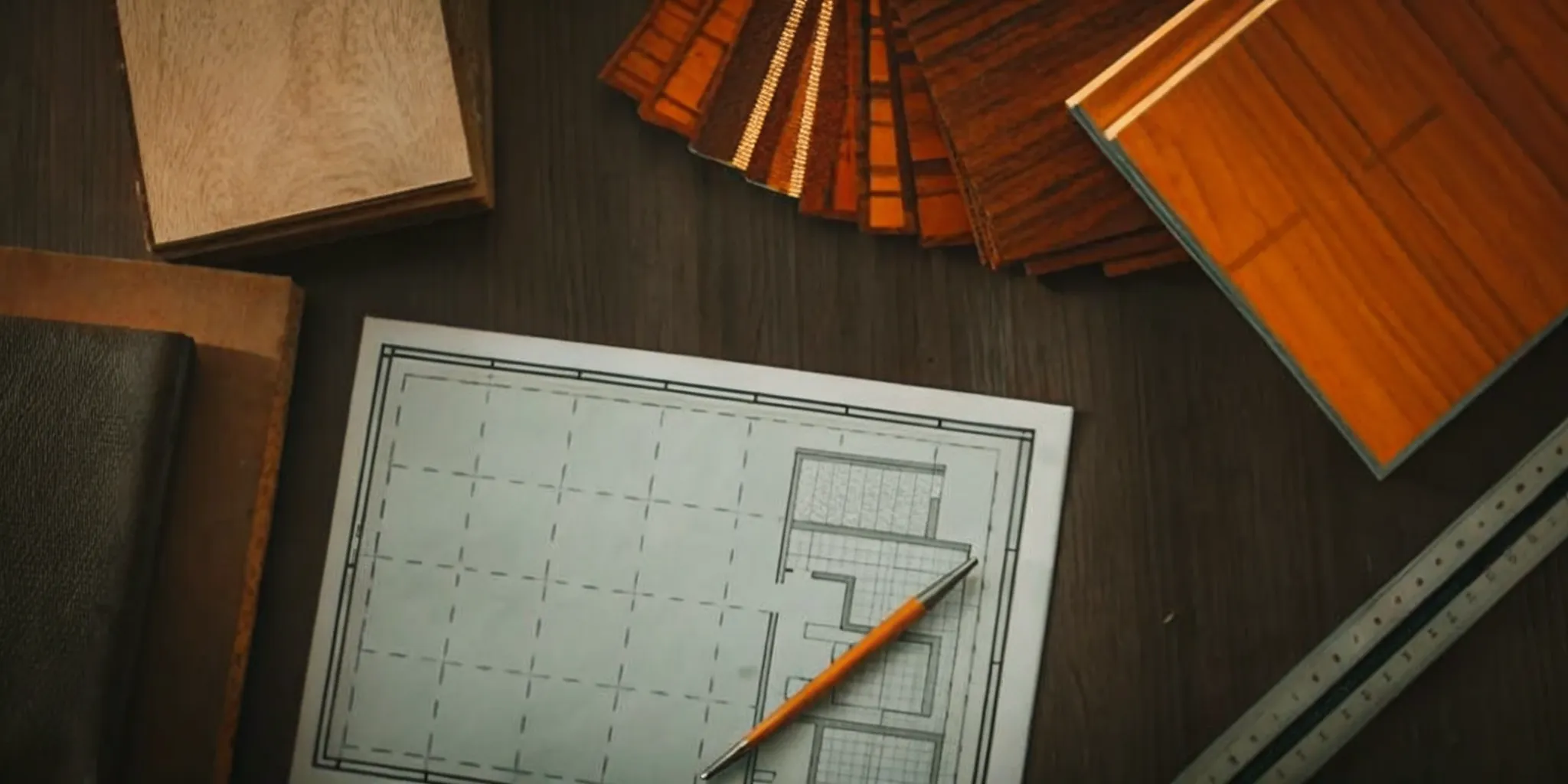
These are the detailed blueprints for your home addition, created by a licensed architect or designer. They go far beyond a simple sketch, showing everything from floor plans and elevations to structural details and the types of materials you’ll use. According to the Los Angeles County Building and Safety office, you’ll need "complete construction plans" before you can even submit your application. These plans are the city’s primary tool for verifying that your project is safe and complies with all building codes. Working with an experienced professional is key here, as they’ll know exactly what details the city plan checkers are looking for, ensuring your submission is thorough and accurate.
Site and Plot Plans
A site plan, sometimes called a plot plan, is a bird's-eye view of your entire property. Its main job is to show how your new addition fits into your existing lot. This drawing needs to be precise, showing property lines, the location of all existing structures (like your house, garage, or a shed), and a clear outline of what you plan to build. The plan must also include dimensions showing how far the new structure will be from your property lines. This is how the city confirms your project meets local zoning and setback rules. It’s a critical piece of the puzzle that helps officials visualize the project's impact on your property and the surrounding area.
Engineering Reports and Contractor Info
If your addition involves significant structural work, you'll likely need to include engineering reports with your application. This could mean structural calculations to prove the new construction is stable or a soils report to assess the ground conditions. Beyond the technical specs, the city also wants to know who is building your project. The LADBS requires you to submit information about the licensed professionals involved, including your general contractor. This ensures everyone working on your home is qualified and accountable. Having a team of vetted professionals from the start not only gives you peace of mind but also makes this part of the permit application straightforward.
Your Step-by-Step Guide to Applying for a Permit
Getting a permit can feel like a huge undertaking, but breaking it down into manageable steps makes the whole process much clearer. Think of it as a roadmap for your project. Following these steps in order will help you stay organized and keep your project on track from start to finish. With the right preparation, you can handle the application process with confidence.
Step 1: Plan and Research Before You Apply
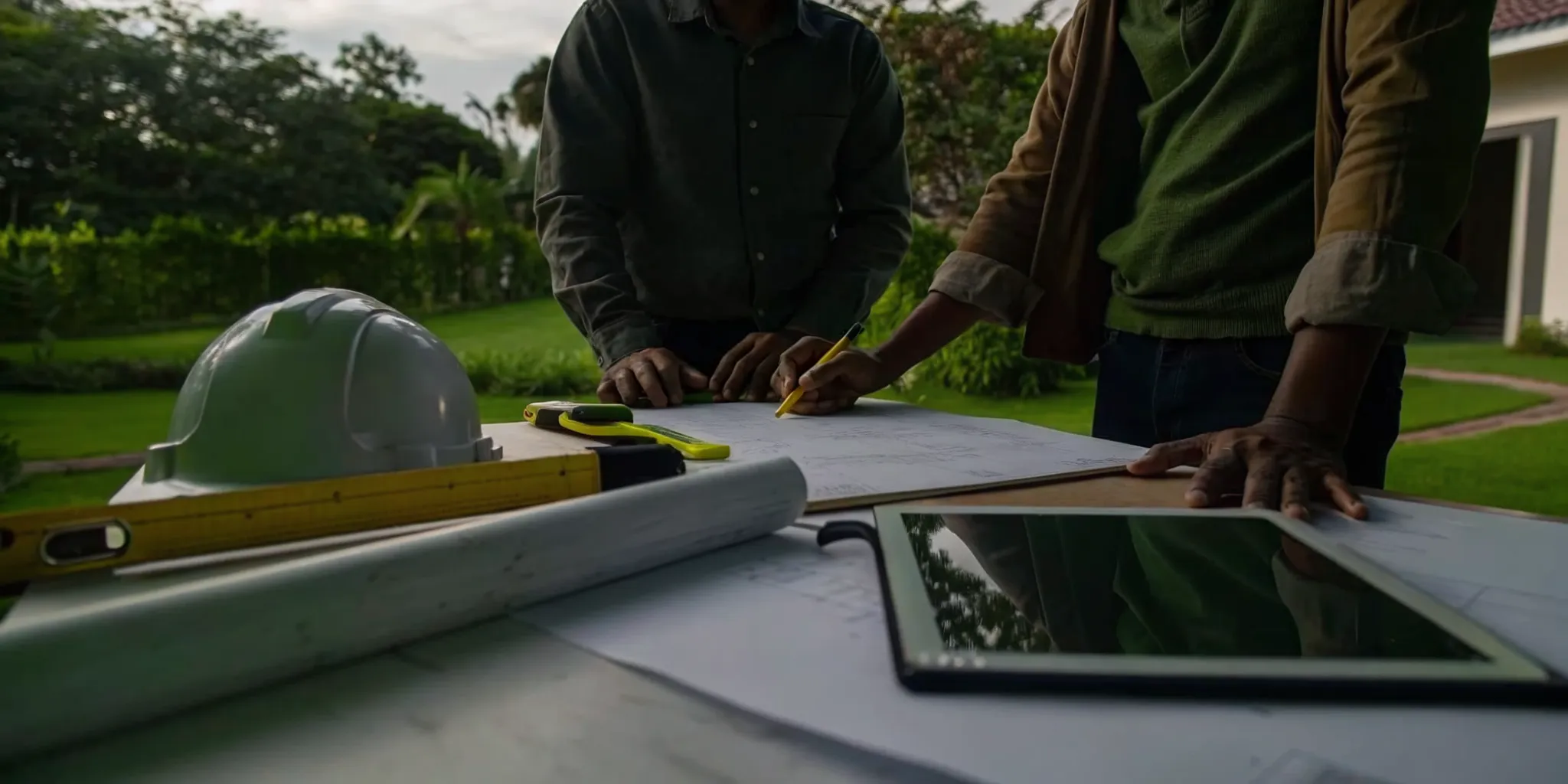
Before you fill out a single form, you need a solid plan. This initial research phase is critical because it prevents costly mistakes and delays down the road. Start by confirming your project meets local zoning requirements for your area. It’s also incredibly helpful to create a "dimensioned plot plan," which is a simple overhead drawing of your property. This plan should show all existing buildings, their distance from your property lines, and a clear outline of what you plan to build. This visual guide is essential for the city to understand your project’s scope and ensure it fits within the neighborhood's rules.
Step 2: Submit Your Application to LADBS
Once your plans are finalized, it’s time to submit them to the Los Angeles Department of Building and Safety (LADBS). Along with the main application, you’ll need to provide your detailed building plans and information about the professionals involved, like your contractor or architect. For smaller, simpler projects, you might qualify for an Express Permit, which offers a much faster turnaround. More complex additions that involve structural changes will require a full Plan Check, where the department takes a deeper look at your documents to ensure every detail is safe and up to code.
Step 3: Navigate the Plan Check and Review Process
This is where city officials carefully review your plans to make sure they follow all building codes. If your project is straightforward, you might get an "over-the-counter" review that takes less than 15 minutes. However, most home additions require a more detailed review, and these are handled in the order they’re received. Delays often happen at this stage due to incomplete or inaccurate plans. To avoid getting sent to the back of the line, it’s smart to have your plans thoroughly checked beforehand. Working with an experienced professional can make this stage much smoother, as they know exactly what reviewers are looking for.
Step 4: Get Your Permit and Plan Your Next Steps
After your plans are approved and all fees are paid, you’ll receive your building permit. This official document gives you the legal green light to start construction. Your permit will also include a list of required inspections that must happen at specific phases of the project, such as foundation, framing, and electrical work. Your contractor is typically responsible for scheduling these inspections at least 24 hours in advance. It's crucial not to miss any of these checkpoints, as each passed inspection is a step toward getting the final sign-off on your beautiful new addition.
How Much Will a Home Addition Permit Cost in LA?
Let's talk about one of the biggest questions on every homeowner's mind: the cost. Budgeting for a home addition is a big deal, and permit fees are a significant piece of that puzzle. In Los Angeles, the costs aren't a simple flat rate; they depend on the size and value of your project. It can feel a little complicated, but breaking it down makes it much more manageable. Think of it less as one giant fee and more as a series of costs tied to specific steps in the approval process. Understanding these different charges will help you create a more accurate budget and avoid any surprises along the way.
Calculating Base Permit Fees
The main cost you'll encounter is the base permit fee. The city calculates this fee based on the total value of your construction project. Generally, you can expect this to be between 1% and 1.5% of your project's valuation. For a smaller addition, this might mean a fee starting around $1,200. For a larger, more complex project, that number could climb to $15,000 or even higher. When you factor in all the related costs, the total for permits can range anywhere from $4,000 to over $25,000. Having a clear project plan from the start helps you get a more precise estimate.
Understanding Additional Charges and Special Fees
On top of the base permit, there are a few other fees to factor into your budget. First is the plan check fee, which covers the cost of having the city review your architectural plans. This usually runs about 65% to 70% of your base permit fee, so it can add anywhere from $780 to over $10,000 to your total. You’ll also have inspection fees, which typically cost between $150 and $500. Finally, depending on your project's location and impact, you might have to pay impact fees, which can range from $2,000 to $9,000 or more. Working with an expert advisor can help you anticipate these costs.
How Long Does It Take to Get a Permit in LA?
Once your plans are submitted, the waiting game begins. This is often the most nerve-wracking part of the process for homeowners. The truth is, there’s no single answer for how long it takes to get a permit in Los Angeles. The timeline can range from a few hours to several months, depending entirely on the complexity of your home addition and how well-prepared your application is.
For a simple project, you might be able to get an over-the-counter approval. For a major addition, your plans will go through a detailed review process with multiple city departments. Understanding the path your project will likely take can help you set realistic expectations for your renovation schedule.
What's the Average Wait Time?
If your project is straightforward, you may qualify for an Express Permit. This service is designed for smaller-scale work and allows for a same-day review, often taking two hours or less. It’s the fastest route, but it’s not available for every type of addition.
For most substantial home additions, your application will enter the Plan Check process. This is where city plan checkers review your architectural and structural drawings to ensure they meet all building codes and zoning regulations. A first-time review can take several weeks. If the city requests corrections, you’ll need to revise your plans and resubmit them, which adds more time. For complex projects, it’s wise to budget a few months for the entire permit approval process.
What Can Slow Down Your Permit Approval?
Several factors can delay your permit approval, turning weeks into months. The most common culprit is an incomplete or inaccurate application. Missing documents, plans that don’t meet code, or unclear drawings will almost always result in corrections from the city, sending you back to the drawing board. Navigating these revisions can be a frustrating cycle of feedback and resubmission.
Delays also happen when a project requires sign-offs from multiple city departments, like the Bureau of Engineering or the Department of City Planning. Coordinating between these different groups can be complicated. This is where working with an experienced professional makes a huge difference. A seasoned contractor or a dedicated project advisor understands how to prepare a complete application and can anticipate potential issues before they cause major delays.
What to Expect During the Inspection Process
Once your permit is in hand, the next phase involves a series of city inspections. These are standard check-ins to ensure your project is built safely and up to code. Think of them as quality-control steps that protect your investment. Your contractor handles most of the logistics, but understanding the key milestones helps you stay informed and keep your project moving smoothly. The process is straightforward when you know what to expect at each stage.
Know Which Inspections to Expect
You won’t have to guess which inspections your project needs. When you receive your building permit, it will include a list of all required check-ins. For a home addition, this typically includes inspections for the foundation, framing, plumbing, electrical, and insulation before the walls are closed up. An inspector will visit at each of these key stages to sign off on the work. Each inspection must be passed before your contractor can move on to the next phase, ensuring every part of your addition is built correctly from the ground up. You can find more details on the Los Angeles County Building and Safety site.
How to Schedule and Prepare for Inspections
Your contractor is responsible for scheduling each inspection with the city, usually giving at least 24 hours' notice as each phase of construction is finished. To help things go smoothly, you can make sure the inspector has clear and safe access to the work area on the scheduled day. It’s also essential to have your permit card and the city-stamped approved plans available on-site for the inspector to review. Working with an experienced team ensures these details are managed correctly, preventing unnecessary delays and keeping your project on track.
Getting Final Approval and Your Certificate of Occupancy
The final inspection is the last major step. An inspector will do a comprehensive walkthrough to confirm all work matches the approved plans and meets code. Once you pass this final check and all other city agencies have signed off, your project is officially complete. For a new addition or ADU, the city will then issue a Certificate of Occupancy. This document is your official proof that the space is safe and legal to live in. It’s a crucial piece of paperwork for your records, especially for insurance purposes or if you ever decide to sell your home.
What Happens If You Build Without a Permit?
The permit process can feel like a maze of paperwork and fees, so it’s tempting to think about skipping it altogether. You might wonder, “What’s the worst that could happen?” Unfortunately, the answer is: a lot. Building without a permit might seem like a shortcut to a faster, cheaper renovation, but it often leads to significant headaches, expenses, and safety risks down the road. It's a gamble that rarely pays off, and the stakes are incredibly high when it comes to your home.
Think of a permit as more than just red tape; it’s a form of quality control for your home. The review and inspection process ensures that your project meets critical safety standards for structural integrity, fire resistance, and electrical systems. When you bypass this system, you’re not just breaking the rules, you’re potentially putting your family and your biggest investment at risk. The consequences can range from hefty fines and legal action to major problems when you eventually decide to sell your home. Getting the right Los Angeles building permits isn’t just a legal requirement; it’s a crucial step in protecting your project’s value and your peace of mind.
Facing Fines and Legal Trouble
If the city discovers your unpermitted project, the first thing you can expect is a financial penalty. Los Angeles officials can issue fines that are often double or even triple the amount of the original permit fee you were trying to avoid. This alone can erase any savings you thought you were making.
In more serious cases, the consequences go beyond fines. The city has the authority to issue an order to halt all work and may even require you to tear out the unpermitted construction entirely. Imagine spending thousands of dollars on a beautiful new room addition, only to be forced to demolish it at your own expense. As the homeowner, you are ultimately responsible for ensuring all work is properly permitted, even if your contractor advised you otherwise. This is why working with a vetted and experienced professional from the start is so important.
Dealing with Stop-Work Orders
A stop-work order is exactly what it sounds like: an official notice from the city demanding that all construction on your property cease immediately. This order is typically posted in a visible spot, like your front door, and it brings your project to a grinding halt. All work must stop until you’ve gone through the proper channels to get the required permits.
This doesn’t just cause a minor inconvenience; it can create costly delays that throw your entire project off schedule. Your contractors may have to move on to other jobs, leaving you to find a new team once the permits are finally approved. Meanwhile, your home could be left exposed to the elements or in a state of disarray for weeks or even months. Resolving a stop-work order involves submitting plans and paying fees, all while your project sits idle.
How It Affects Your Home's Value and Future Sale
The consequences of unpermitted work can follow you for years, especially when it’s time to sell or refinance. Unpermitted additions cannot be legally included in your home’s official square footage, which can negatively impact its appraised value. When you put your house on the market, you’re legally required to disclose any work done without permits.
This disclosure can scare away potential buyers or lead to lowball offers. Even if you find an interested buyer, their lender may refuse to approve a loan for a property with unpermitted structures, killing the deal. Furthermore, your homeowner's insurance policy may not cover damages that occur in an unpermitted part of your house, such as a fire caused by faulty wiring, leaving you to cover the repair costs yourself.
How to Avoid Common Permit Application Mistakes
The permit process can feel like a maze of paperwork and regulations, but you don't have to learn everything the hard way. Many of the most common setbacks are entirely preventable with a bit of foresight and the right approach. Getting your application right the first time saves you from frustrating delays, unexpected costs, and the stress of resubmissions. It all comes down to having a solid team, clear communication, and an eye for detail.
By focusing on these key areas, you can move through the approval process much more smoothly. Think of it as setting your project up for success from the very beginning. A little extra preparation now pays off big time down the road, getting you that much closer to breaking ground on your dream home addition.
Partner with an Experienced Professional
One of the smartest moves you can make is to bring an experienced professional onto your team early on. Working with architects, designers, and contractors who are familiar with LA's specific codes and permitting system is a game-changer. They've been through this process countless times and know exactly what LADBS officials are looking for. An expert can spot potential red flags in your plans before you even submit them, saving you from a rejection. This transforms the permit process from a stressful hurdle into a managed part of your project. At Realm, we connect homeowners with a network of vetted local professionals who handle these details, so you can focus on the exciting parts of your renovation.
Communicate Clearly with City Officials
Don't be intimidated by the idea of talking to the city. The staff at the LADBS are a valuable resource, and opening a clear line of communication can make a world of difference. If you or your contractor have questions about a specific requirement, it's always better to ask upfront rather than guess and get it wrong. A quick phone call or a visit to a LADBS office can clarify confusion and ensure you're on the right track. Approaching these interactions with clear, organized questions shows that you're serious about doing the project correctly and can help build a positive relationship with the plan checkers reviewing your application.
Double-Check Your Plans and Paperwork
Accuracy is everything when it comes to your permit application. Even a small mistake or omission on your forms or architectural plans can send your application back to the end of the line. Before you submit anything, review every single document with a fine-tooth comb. Make sure all measurements are correct, all required reports are included, and every form is filled out completely. A great strategy is to take your building plans to the city for a preliminary review before your official submission. This gives you a chance to get feedback directly from a plan checker and make any necessary corrections, which can significantly speed up your final approval.
Related Articles
- How to Apply for a Building Permit for a Home Addition
- What Renovations Require a Permit? A Simple Guide
- Essential permitting information for LA homeowners recovering from wildfires
Frequently Asked Questions
Can I handle the permit application myself, or do I need to hire someone? While it's technically possible for a homeowner to manage their own permit application, it's a complex process that requires detailed technical drawings and a deep understanding of local codes. Most homeowners find it much easier and faster to have their architect, designer, or contractor handle the submission. These professionals create the necessary plans and know exactly what city officials need to see, which helps prevent the common mistakes that cause delays.
What happens if the city requests corrections to my plans? Receiving a correction notice from the city is a very common part of the process, so there's no need to panic. It simply means an official found an element in your plans that needs to be adjusted to meet a specific code. The city will provide a list of the required changes, and your architect or designer will update the plans accordingly. Once the revisions are made, the plans are resubmitted for another review.
How long is my building permit valid for once it's issued? Once you receive your permit, it isn’t valid forever. Typically, you must begin construction within a specific timeframe, often within 180 days, to keep the permit active. As long as work continues and you are passing your required inspections on schedule, the permit usually remains valid for up to two years. If your project experiences significant delays, you may need to apply for an extension to avoid having the permit expire.
My contractor says we can skip the permit for a small project. Should I listen? This is a significant red flag. In Los Angeles, nearly any project that adds space or alters your home's structure, plumbing, or electrical systems requires a permit, regardless of its size. A contractor who suggests otherwise may be cutting corners, which puts all the financial and legal risk directly on you as the homeowner. It's always best to confirm requirements with the city or work with a team that prioritizes safety and legality.
Is the cost of the permit included in my contractor's estimate? This depends entirely on the contractor and their proposal. Some contractors will include the cost of pulling the permit and all associated city fees in their total project bid. Others may list these as separate line items or expect you to pay the city directly. To avoid any budget surprises, make sure you clarify this upfront and get it in writing in your contract.