How to Get a Building Permit in Chula Vista Easily
Learn how to get a building permit in Chula Vista with clear steps, tips, and requirements for a smooth application process on your next home project.
|
March 4, 2026

In this article:
Planning your dream kitchen or backyard ADU is the fun part. Then comes the paperwork. The topic of building permits can feel like a huge roadblock, filled with confusing forms and unclear timelines. But it doesn’t have to stop your project in its tracks. Think of a permit less as a hurdle and more as a blueprint for a safe, legal, and successful renovation. This guide breaks down exactly how to get a building permit in Chula Vista, turning a complicated process into a series of clear, manageable steps. We’ll cover everything from which forms you need to common mistakes to avoid.
Key Takeaways
- Think of permits as protection, not a problem: Getting the right permit in Chula Vista is essential for ensuring your renovation is safe, legal, and up to code. This step protects your financial investment and helps you avoid costly fines or issues down the road.
- A complete application is a fast application: The most common cause for permit delays is incomplete or incorrect paperwork. Avoid this by gathering all your professional plans, engineering reports, and required forms before using the city’s online portal to submit your application.
- Plan for the full cost and timeline: Permit approval can take several months, so build this waiting period into your schedule from the start. Your budget should also include more than just the application fee; remember to account for plan reviews, inspections, and potential school district impact fees.
What Is a Building Permit and Why Do You Need One in Chula Vista?
Thinking about a home renovation is exciting, but the topic of permits can feel a bit overwhelming. You might even wonder if you can skip this step to save time and money. Before you do, it’s important to understand what a building permit is and why it’s a non-negotiable part of your project. Think of it less as a roadblock and more as a roadmap for a safe, successful, and legally sound renovation.
Meeting Legal and Safety Standards
So, what exactly is a building permit? At its core, a building permit is a formal approval from the local government that allows you to start your construction or renovation. The City of Chula Vista issues these permits to ensure your project follows all local building codes, zoning laws, and safety regulations. This process isn't just about paperwork. It's a crucial safety check that confirms your plans are structurally sound and meet fire safety standards. It’s the city’s way of protecting you, your family, and your investment by making sure any work done on your home is up to code and completed correctly.
The Risks of Building Without a Permit
Skipping the permit process might seem tempting, but it can lead to some serious headaches down the road. Building without a permit can result in some significant consequences, including hefty fines and orders to remove or redo the unpermitted work at your own expense. Beyond the immediate financial hit, unpermitted work creates potential safety hazards that could put your family at risk. It can also cause major problems when you decide to sell your home or if you need to file an insurance claim for damage related to the renovation. Taking the time to get the right permit from the start protects your project and your peace of mind.
Which Building Permit Does Your Chula Vista Project Need?
Before you can get your permit, you need to know which one to apply for. The City of Chula Vista categorizes permits based on the type and scale of your project. Figuring out which category your renovation falls into is the first step to a successful application. It ensures your plans are reviewed by the right city officials and that you’re meeting the correct safety and zoning standards from the very beginning.
Think of it like this: the requirements for building a backyard shed are very different from those for constructing a new two-story home. The permit process reflects that. Most home projects will fall under the residential category, but if you’re planning to build a granny flat or do a small-scale update, you might need a more specific type of permit. Taking a moment to identify the right permit now will save you from submitting the wrong paperwork and facing unnecessary delays down the road. If you’re ever unsure, the city’s Development Services Department is the best place to get a definitive answer.
Residential Building Permits
If you’re planning a classic home renovation, you’ll likely need a residential building permit. This is the most common type for homeowners and covers a wide range of projects. Think major kitchen and bathroom remodels, room additions, or even building a new home from the ground up. It also includes structural work like roofing, foundational repairs, and significant electrical or plumbing updates. Even outdoor projects like installing a new swimming pool, building a fence over a certain height, or pouring a new driveway typically require a permit. These permits ensure your project meets all local building codes for safety and stability.
Commercial Building Permits
While most of our clients are focused on their homes, it’s helpful to know what a commercial permit entails. These are required for construction or renovation on properties used for business, like retail stores or offices. They also apply to multi-family residential buildings, such as apartment complexes. The review process for commercial permits is generally more intensive because it involves additional standards for things like fire safety, accessibility for people with disabilities, and public health. If your project involves a property that isn't a single-family home, you may need to go through the commercial permit process.
Accessory Dwelling Unit (ADU) Permits
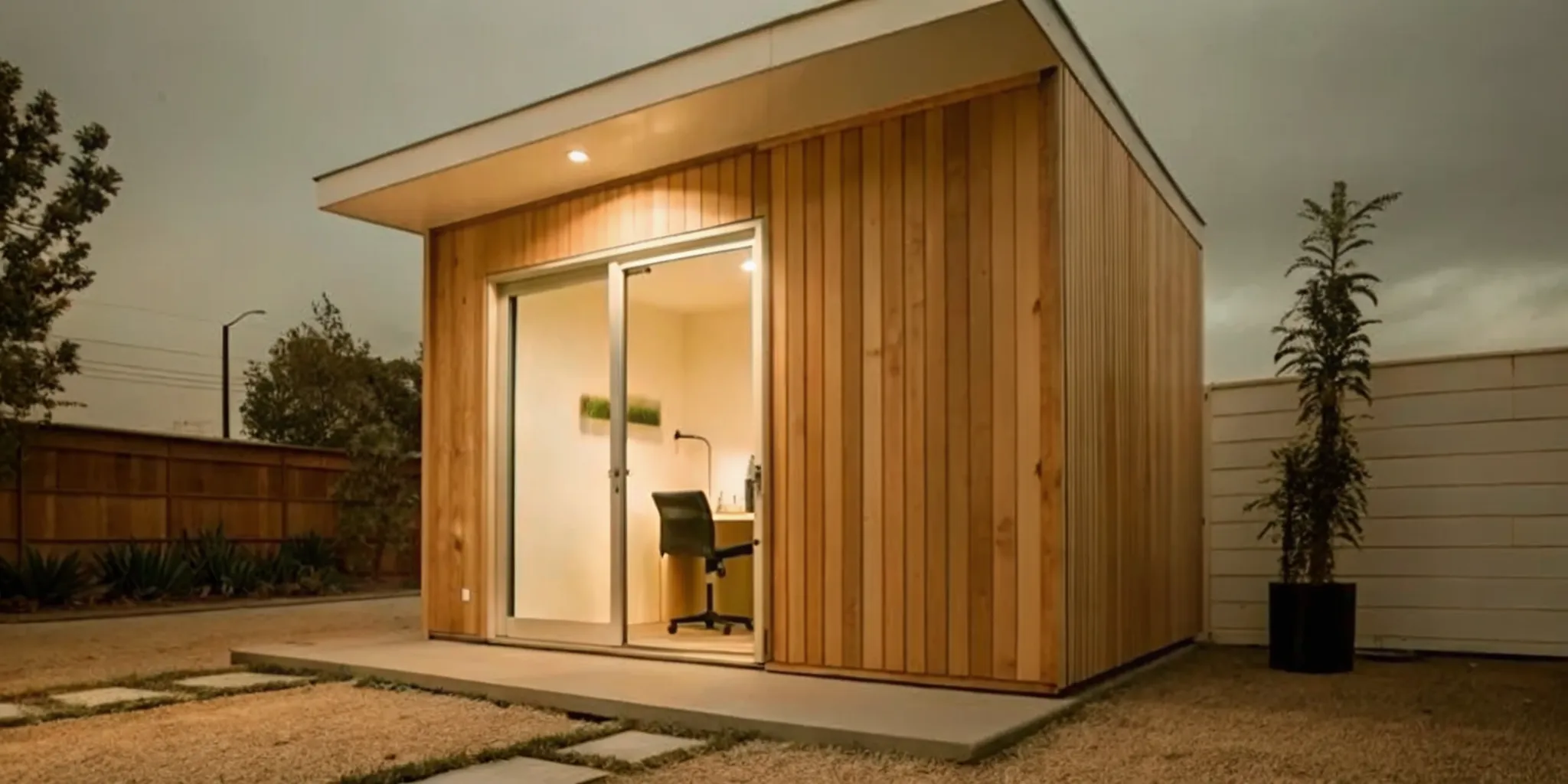
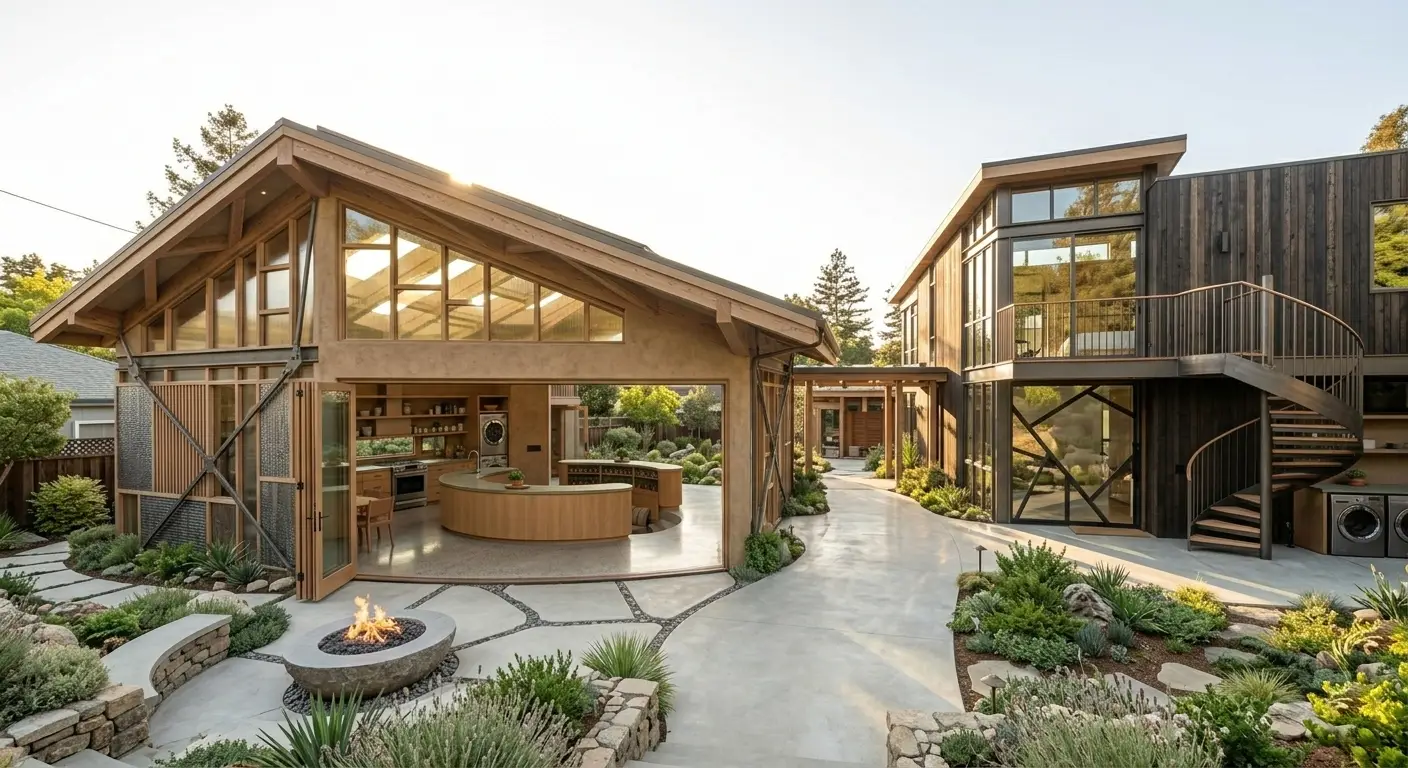
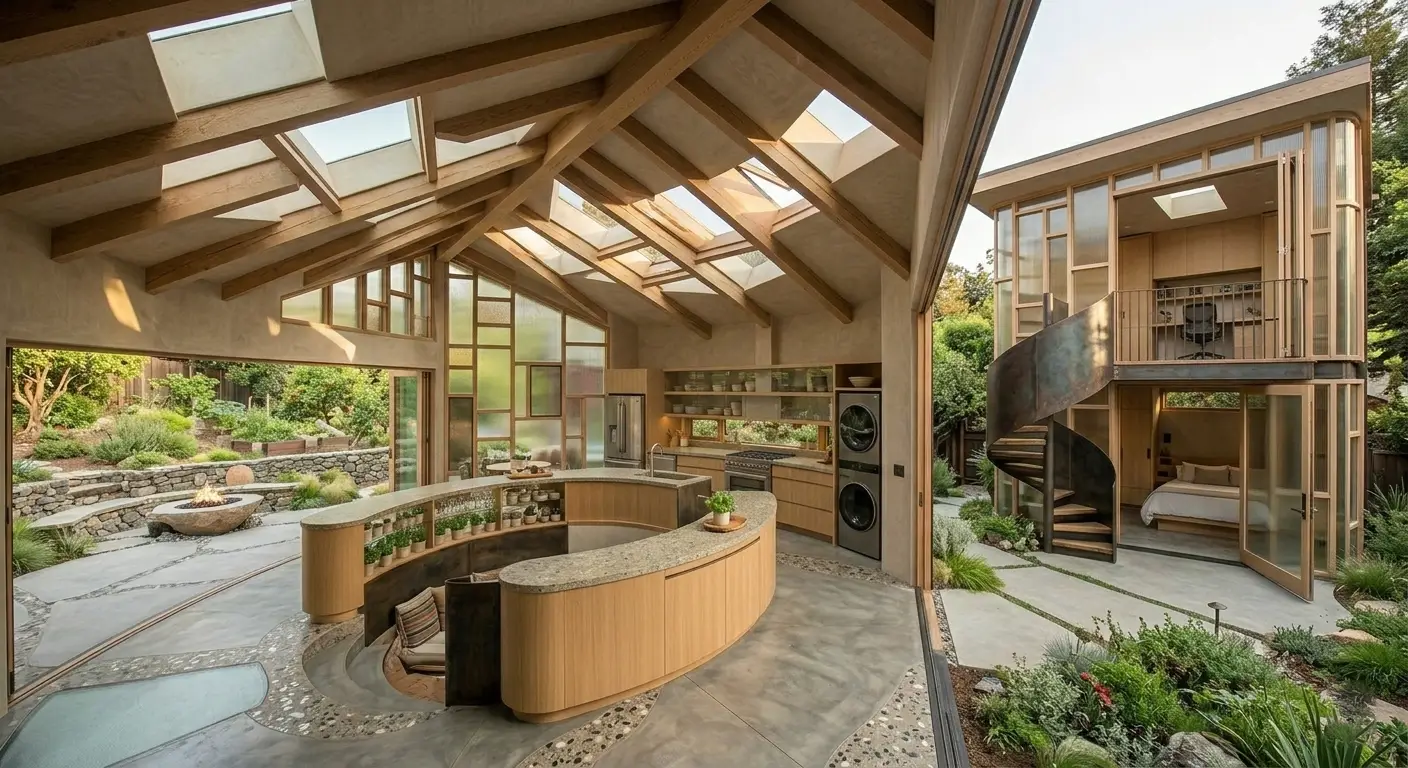
Accessory Dwelling Units, or ADUs, have become incredibly popular in California, and Chula Vista is no exception. While state laws have made it easier to build these backyard homes, you still need a specific ADU permit. The city has its own set of rules governing the size, height, and placement of ADUs on your property. Even with clearer regulations, many homeowners run into unexpected hurdles during the process. Understanding the local Chula Vista ADU requirements upfront is key to keeping your project on track and avoiding costly revisions to your plans.
Minor Renovation Permits
Not every project is a full-scale remodel, but that doesn’t always mean you can skip the permit. Many smaller jobs still require what’s often called a minor permit. This can include things like replacing a water heater, upgrading your electrical panel, or replacing all the windows in your home. These permits are typically simpler and faster to obtain than a full residential permit, but they are just as important for ensuring the work is done safely and correctly. Before you start any work, it’s always a good idea to review the city’s application materials to see if your project requires one.
Your Chula Vista Permit Application Checklist
Getting your documents in order is one of the most important steps for a smooth permit application process. Think of this as your game plan for gathering everything the city needs to see before they can give your project the green light. When you have all your paperwork ready from the start, you save yourself from the back-and-forth that can cause major delays.
While every renovation is a little different, most projects in Chula Vista require a core set of documents. We’ve broken down the essentials you’ll likely need to prepare. Having these items organized and complete will show the city reviewers that you’re serious and prepared, which can make the entire experience much easier. If you’re ever unsure what your specific project requires, a Realm advisor can help you create a personalized plan and ensure you have everything you need before you submit.
Site Plans and Construction Drawings
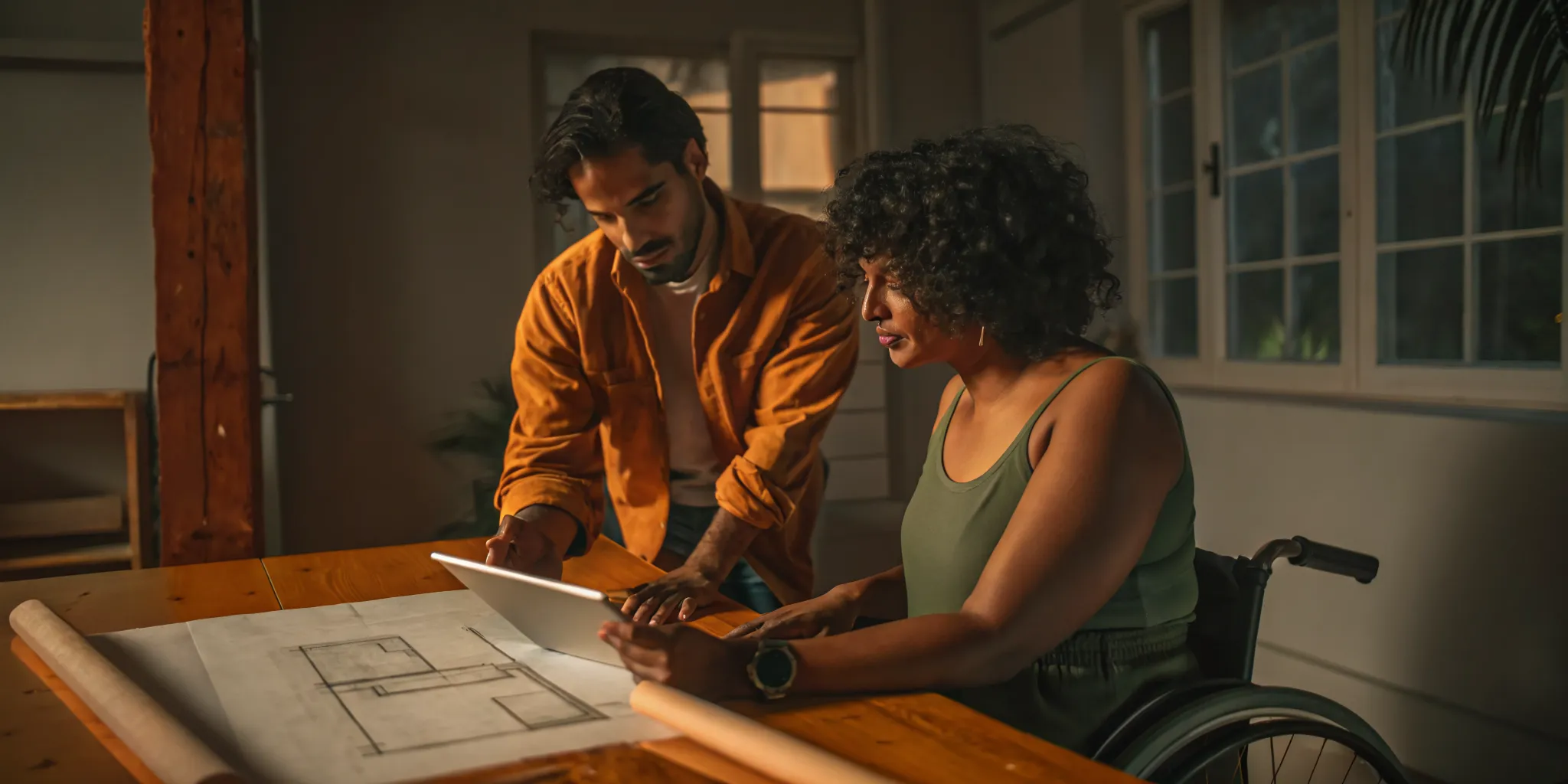
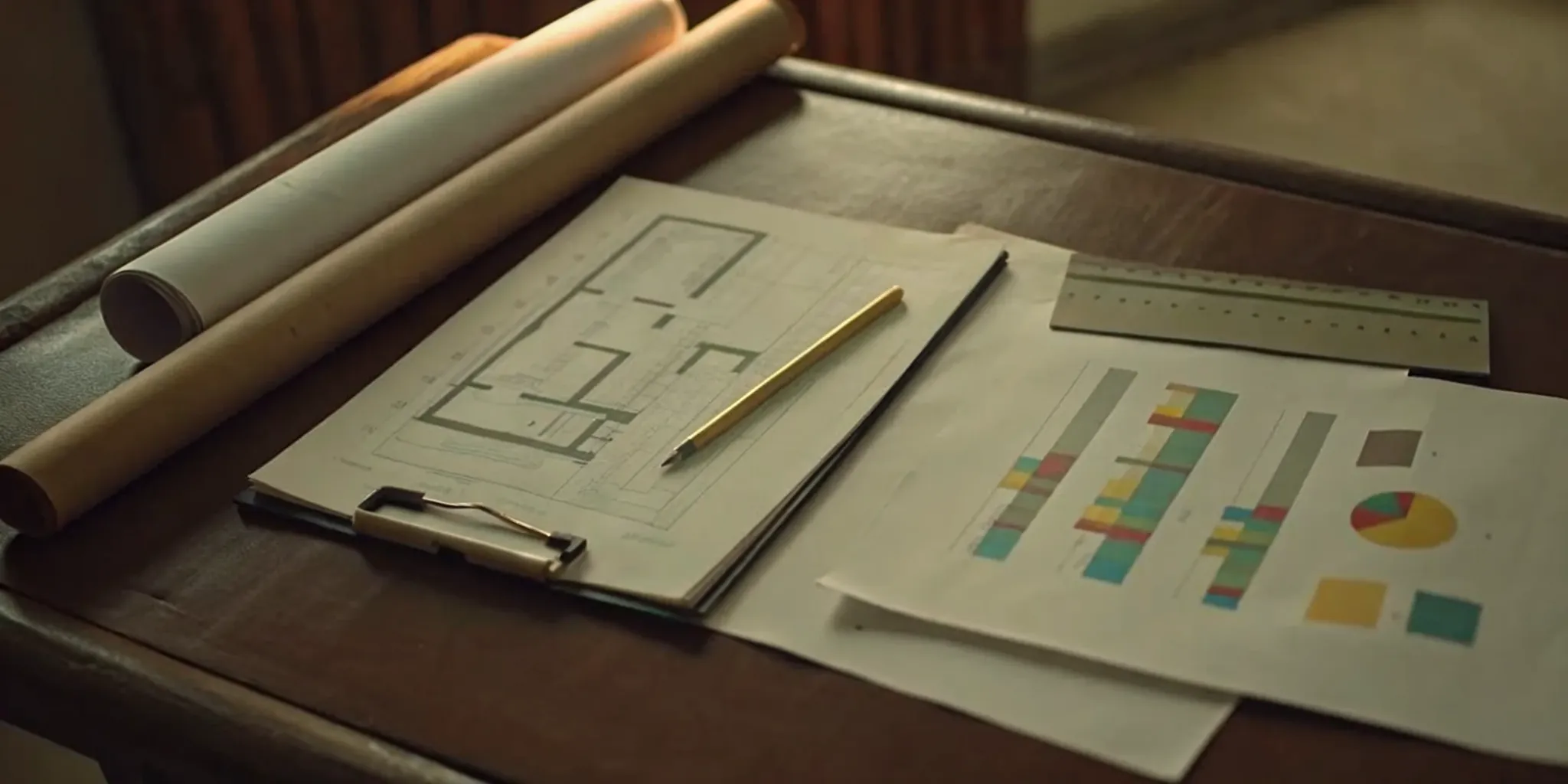
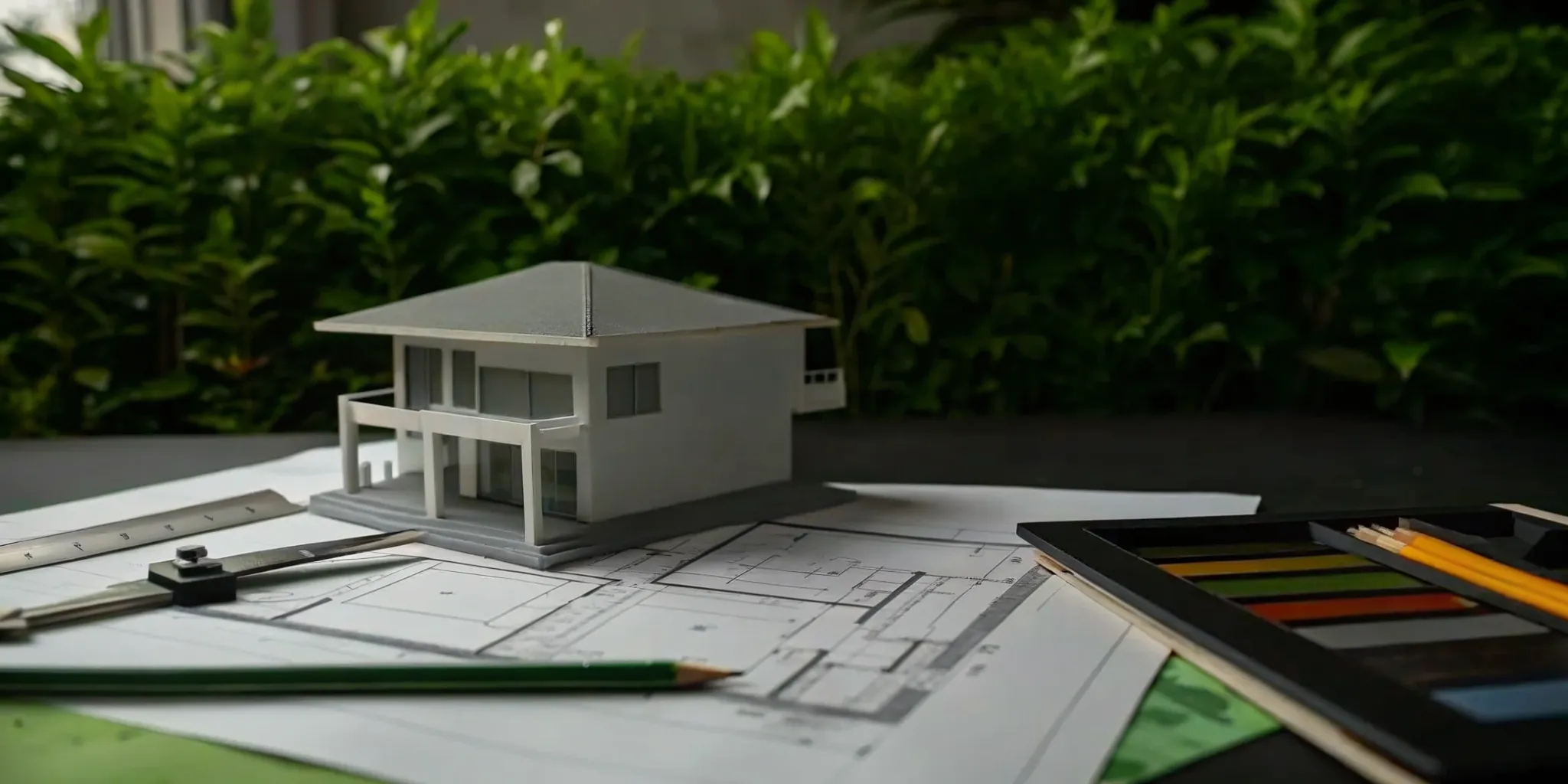
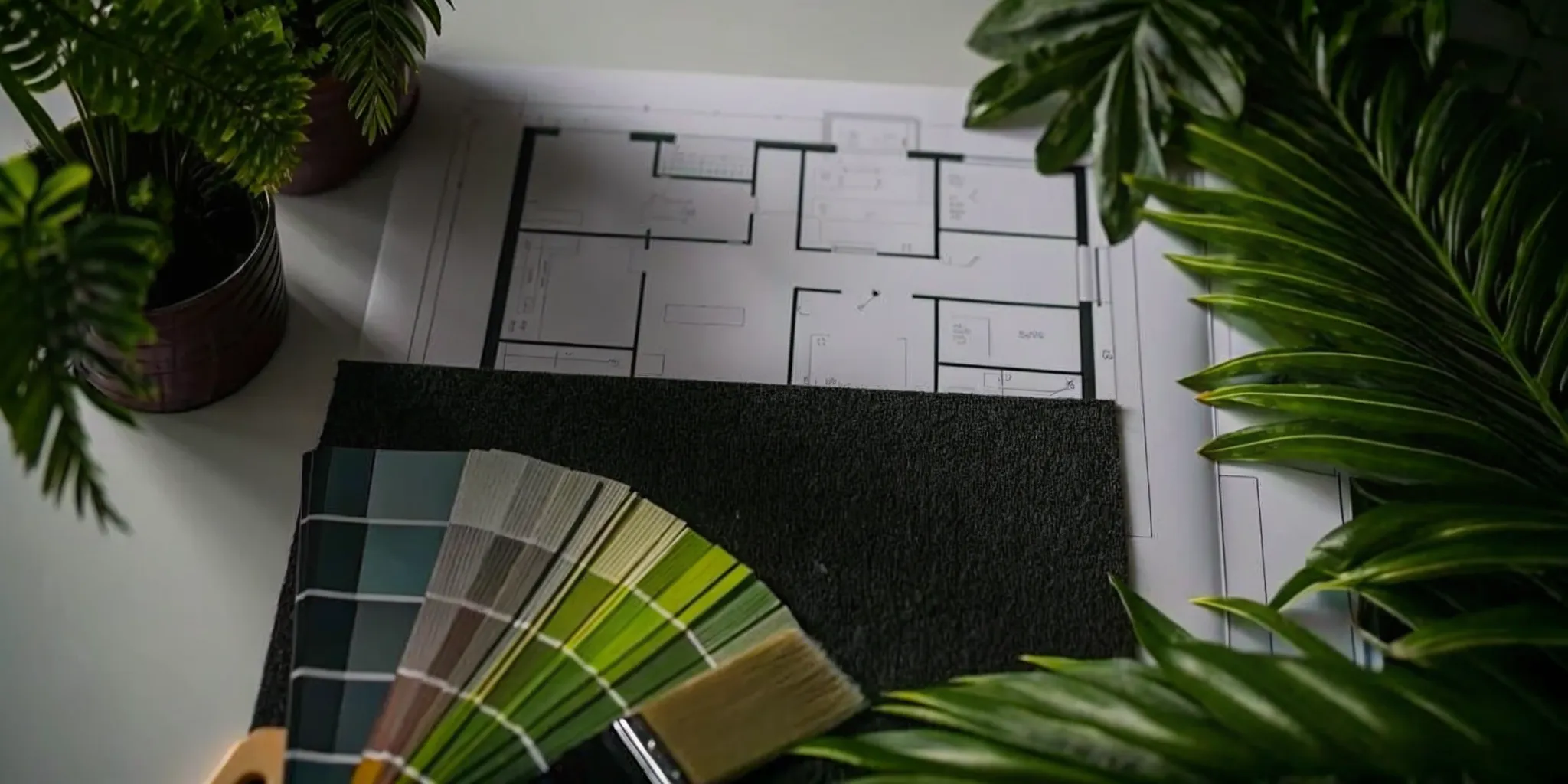
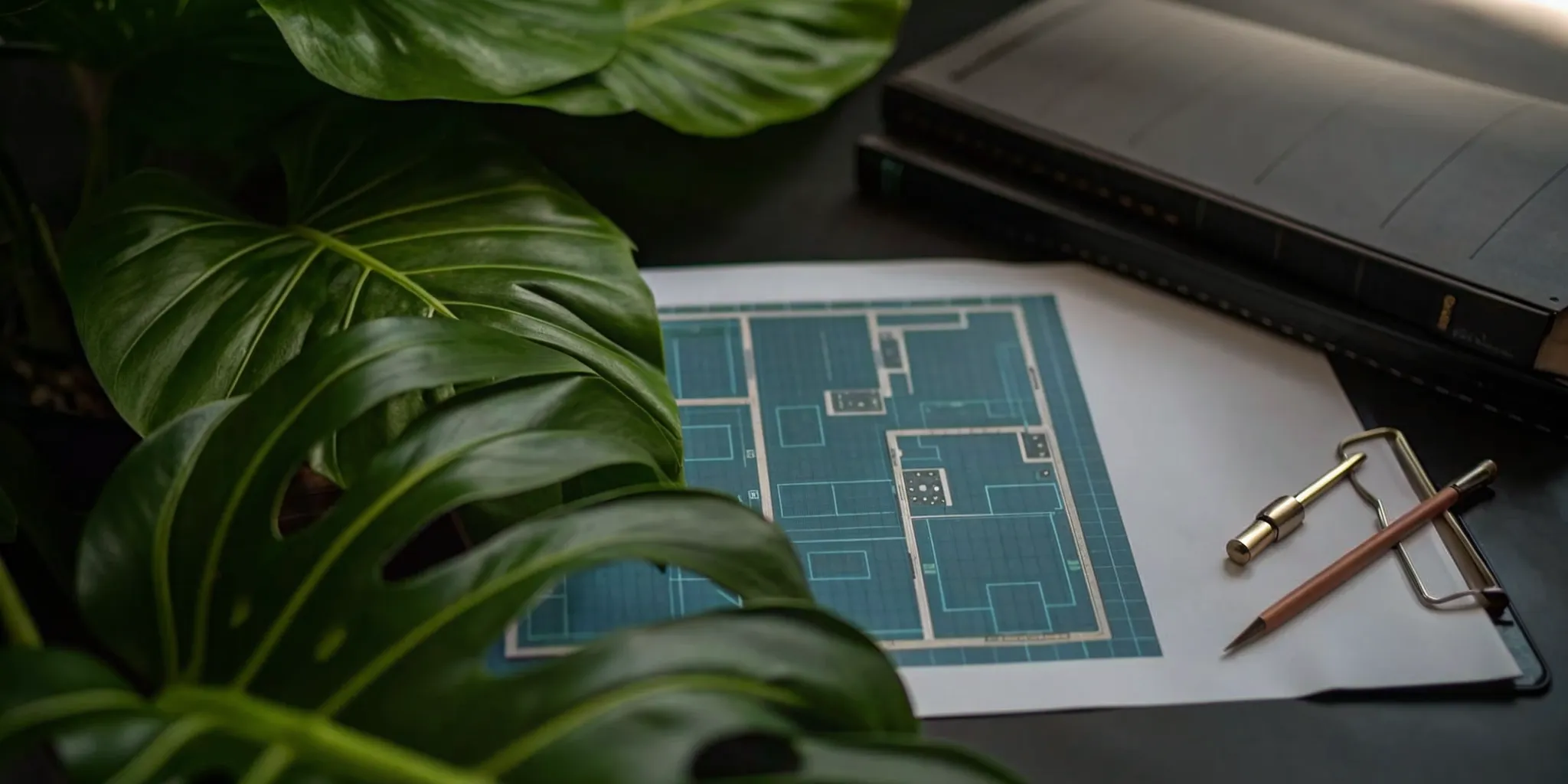
This is the blueprint for your project. Your application will need a full set of construction drawings and site plans that clearly show what you intend to build. These aren't just simple sketches; they must be detailed, professional plans created by a licensed architect or engineer. The city needs to see exactly what the finished project will look like, from floor plans and elevations to electrical layouts. One of the most common mistakes homeowners make is submitting incomplete or outdated drawings, which is a primary reason for permit rejection. Make sure your plans are sealed, signed, and ready to go.
Owner-Builder Forms and Contractor Information
The city needs to know who is responsible for the work. If you’ve hired a licensed contractor, you’ll need to provide their information as part of the application. If you plan to manage the project and do the work yourself, you can apply as an owner-builder. According to the City of Chula Vista, property owners can get their own permits as long as the home is not intended for sale. You’ll have to sign an Owner-Builder Declaration form, which confirms you understand the responsibilities and risks involved. This is a great option if you have construction experience, but be sure you’re ready to take on the liability.
Structural Calculations and Engineering Reports
For many projects, basic drawings aren't enough. If your renovation involves changing the structure of your home, like removing a load-bearing wall or adding a second story, you’ll need to submit structural calculations prepared by an engineer. These documents prove that your proposed changes are safe and sound. Depending on your project and property, you may also need other specialized reports. This could include geotechnical reports for foundation work, energy calculations to meet efficiency standards, or drainage plans. Forgetting these additional documents can cause significant delays, so it’s best to identify everything you need upfront.
How to Apply for a Building Permit in Chula Vista: A Step-by-Step Guide
Navigating the permit process can feel like a big hurdle, but it doesn’t have to be. By breaking it down into clear, manageable steps, you can approach your application with confidence. Think of this as your roadmap to getting that official green light for your project. Following these steps will help you save time, avoid common pitfalls, and get your renovation started on the right foot. Let’s walk through the process together.
Meet With City Staff Before You Apply
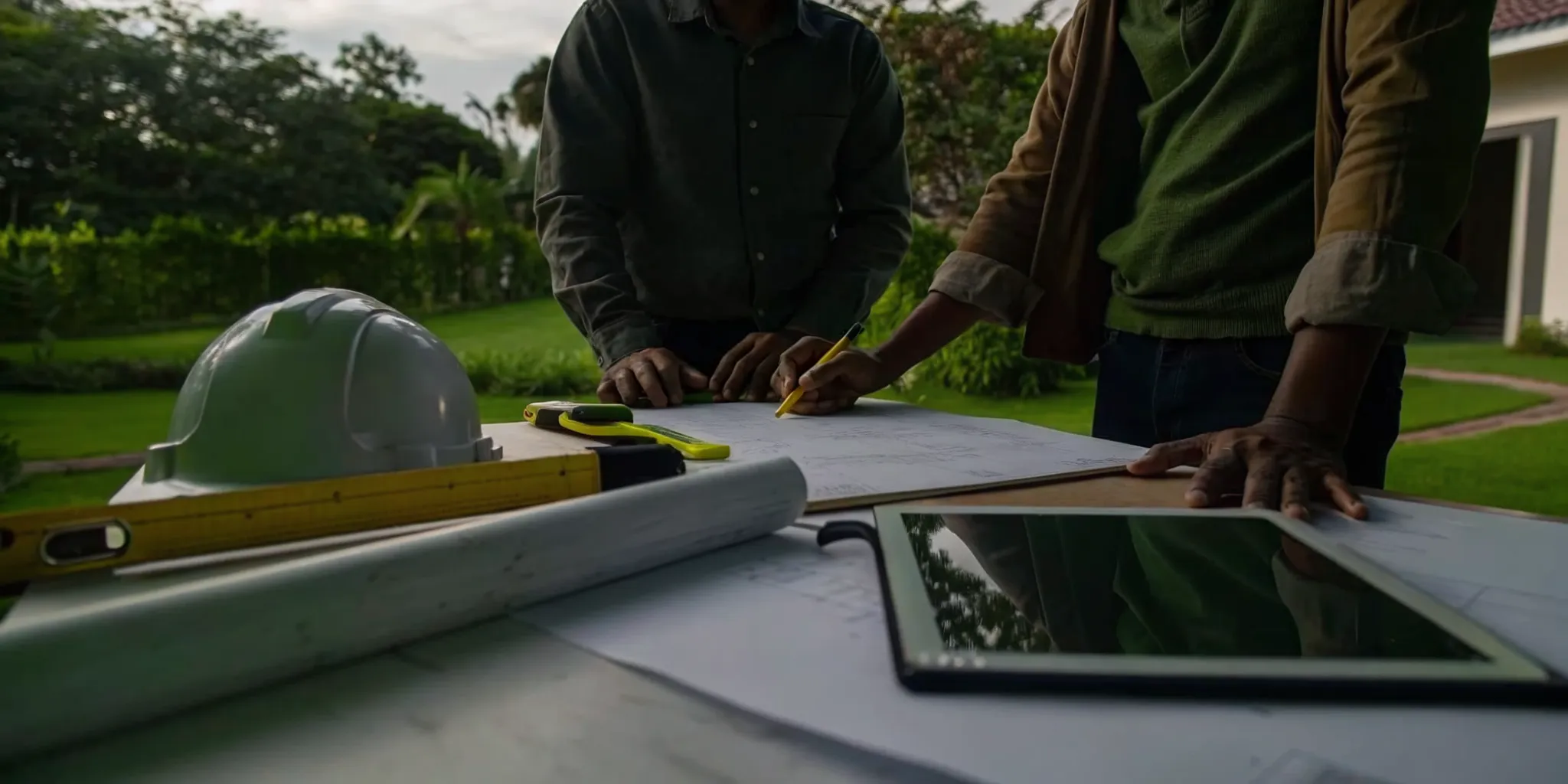
Before you even think about filling out a form, consider scheduling a pre-application meeting with the Chula Vista Development Services Department. This is your chance to get personalized feedback on your project directly from the source. Taking this step helps you understand all the requirements upfront, which can prevent major headaches and delays later on. Come prepared with your initial plans and a list of questions. A dedicated advisor can help you organize your thoughts and materials for this meeting, ensuring you ask the right questions to get the clarity you need to move forward smoothly.
Use the Accela Citizen Access Online Portal
The City of Chula Vista has streamlined its permitting process with a 24/7 online service called the Accela Citizen Access portal. This will be your main hub for managing your application from start to finish. You can use the portal to submit your initial application, upload all your required documents, track the status of your plan review, and even pay your fees. Getting familiar with this system early on is a smart move. It gives you direct access to your application’s progress, so you’re always in the loop without having to make a phone call or a trip to the city office.
Submit Your Application and Documents
Your application is only as good as the documents you submit with it. The city requires complete, sealed, and up-to-date plans from licensed architects and engineers. This is where attention to detail is critical, as missing information or outdated drawings are common reasons for rejection. Make sure you have everything from your checklist, including site plans, structural calculations, and any required forms. Working with vetted professionals ensures your documents meet the city’s high standards, which greatly improves your chances of a first-time approval. Double-check every page before you hit submit; it’s worth the extra time.
Pay Your Permit Fees
The final step in submitting your application is paying the necessary fees. It’s important to remember that these costs are a real part of your project budget, so don’t let them be an afterthought. Not budgeting for plan review, permit, or investigation fees can lead to unexpected costs and hold up your project. You’ll typically pay an initial plan review fee when you submit your application, with the remainder of the permit fees due once your plans are approved. You can usually handle these payments directly through the Accela portal, keeping the process convenient and centralized. Plan for these expenses from the beginning for a stress-free financial experience.
How Long Does Permit Approval Take in Chula Vista?
Once you’ve submitted your application, the waiting game begins. This is often the most nerve-wracking part of the process, but knowing what to expect can make it much more manageable. Permit approval times in Chula Vista can vary quite a bit depending on the complexity of your project, the city’s current workload, and how complete your application is. A simple project with flawless paperwork will move much faster than a complex new build with missing details.
While Chula Vista manages its own permits, it’s helpful to look at trends across the greater San Diego area to get a realistic picture. The key is to plan for this waiting period in your project timeline from the very beginning. A well-prepared application is your best tool for avoiding unnecessary delays, as it reduces the back-and-forth with city plan checkers. Working with an expert who knows the local requirements can ensure your submission is complete and accurate right from the start, which is a core part of how we support homeowners at Realm. This proactive approach helps minimize correction cycles and keeps your project moving forward.
Standard Review Timelines
Patience is a virtue when it comes to permits. While we all hope for a quick turnaround, recent data shows the average approval time in the San Diego area was 176 days. In fact, only about 15% of residential permits are approved in less than a week, so it’s wise to set your expectations accordingly.
The timeline really depends on what you’re building. For an Accessory Dwelling Unit (ADU), you can generally expect a 3 to 5-month review period. A major home remodel might take anywhere from 2 to 8 months, while a brand new custom home could take 6 to 12 months or even longer. These timeframes account for the detailed reviews needed to ensure every aspect of your project is safe and up to code.
Expedited Review Options
If you’re on a tighter schedule, you might be wondering if there’s a faster way. The good news is that for certain projects, there is. The City of Chula Vista offers expedited permit processing to help move things along. This option is typically available for specific development types, such as affordable housing projects, that are a priority for the city.
While not every project qualifies for an official expedited review, you can still take steps to streamline your own timeline. The most effective strategy is to submit a flawless application. Any missing information, incorrect forms, or drawings that don’t meet city standards will trigger delays. This is where having a dedicated advisor can make a huge difference, helping you catch potential issues before you even submit.
Common Permit Application Mistakes (and How to Avoid Them)
Applying for a building permit can feel like a final exam you didn’t study for. It’s easy to make a small mistake that can cause big delays for your renovation. The good news is that most of these slip-ups are completely avoidable. Knowing the common pitfalls ahead of time is the best way to keep your project on track and on schedule. Let’s walk through the three most frequent mistakes homeowners make and how you can steer clear of them.
Incomplete or Incorrect Paperwork
One of the quickest ways to get your application sent to the bottom of the pile is by submitting incomplete paperwork. It’s an easy mistake to make, with so many forms and documents to keep track of. Submitting an incomplete permit application is a common mistake that can lead to delays or rejections. Before you submit anything, create a personal checklist based on the city’s requirements. Go through it line by line, double-checking that every form is filled out completely and every required signature is in place. You can find all the necessary application forms and submittal requirements on the city’s website.
Overlooking Local Building Codes
Building codes can feel complicated, but they exist to ensure your home is safe and structurally sound. Many homeowners face unexpected rejections or long delays due to avoidable mistakes, including failing to follow local codes. Remember that Chula Vista has its own specific set of rules that might be different from neighboring cities or even the general California state code. The best way to handle this is to work with a contractor or architect who is an expert on local regulations. If you’re managing the project yourself, take the time to research the Chula Vista Municipal Code so you know exactly what’s expected.
Starting Work Before Your Permit Is Approved
After weeks or months of planning, it’s tempting to get a head start on your project while you wait for the final permit approval. You might think a little demolition can’t hurt, but jumping the gun is a serious risk. Starting work without a permit can lead to significant delays, extra expenses, or even project suspension. If an inspector discovers unpermitted work, they can issue a stop-work order, which halts all activity immediately. You could also face hefty fines and be required to tear out the work you’ve already done. It’s tough to be patient, but always wait until you have the approved permit in hand.
How Much Does a Building Permit Cost in Chula Vista?
Budgeting for your renovation means accounting for every expense, and building permits are a critical line item. The final cost isn't a single flat rate; it’s a combination of several fees that depend on the specifics of your project. The total price tag is influenced by factors like the overall value of the work, the project's size, and its complexity. A simple bathroom update will have a very different permit cost than a full home addition.
Understanding these potential costs ahead of time helps you create a more accurate budget and avoids surprises down the road. Think of it less as one fee and more as a series of payments for different services the city provides, from reviewing your plans to inspecting the finished work. Let's break down what you can expect to pay.
Breaking Down Permit and Plan Review Fees
The two main costs you'll encounter are the building permit fee and the plan review fee. These are typically calculated based on your project's valuation, which is the total cost of all labor and materials. The higher the value of your renovation, the higher these initial fees will be. Because every project is unique, there isn't a one-size-fits-all answer for how much this will be. The best way to get an accurate estimate is to consult the city’s official resources. The City of Chula Vista provides a detailed breakdown of permit fee costs to help you calculate the expected charges for your specific project.
Accounting for Inspection and Impact Fees
Beyond the initial application, you should also budget for inspection fees and potential development impact fees. Inspections are required at various stages of construction to ensure the work meets safety codes, and these carry their own costs, which can be as high as $2,940 depending on your project's scope. Additionally, some projects are subject to impact fees, which help fund the public services and infrastructure that support new developments. For example, the Chula Vista Elementary School District’s developer fees for residential construction are set at $2.27 per square foot of habitable area, effective July 22, 2024. Factoring these costs into your budget early on will give you a clearer financial picture.
Your Chula Vista Permit Is Approved! What's Next?
Getting that permit approval is a huge milestone! With the official green light, you’re ready to move into the construction phase. But the paperwork isn’t quite finished. A few key steps remain to keep your project on track and compliant with city rules. These next steps are checkpoints that ensure your project is built safely and correctly from start to finish. Here’s what you need to do now that your permit is in hand.
Schedule Your Required Inspections
Your permit is your ticket to build, but city inspections are how you prove the work is being done right. These are required at various stages, like after laying the foundation or completing electrical wiring, but before anything is covered up. You’ll need to schedule each one as you reach these milestones. The easiest way to do this is through the Accela Citizen Access website, the same online portal you used for your application. Staying on top of your inspection schedule prevents delays and ensures every part of your renovation meets Chula Vista’s safety codes.
Display Your Permit on Site
Once construction begins, your approved permit needs to be on display. Find a visible spot at the front of your property where contractors and city inspectors can easily see it. Many people place the permit card inside a plastic sleeve to protect it from the weather and post it on a window or a temporary stake. This simple step is a legal requirement and shows everyone that your project is authorized. Failing to display your permit can lead to work stoppages or fines, creating unnecessary headaches and delays that are easy to avoid. It’s a small task that makes a big difference.
Get Final Approval and Your Certificate of Occupancy
After your project is complete and you’ve passed the final inspection, you’re on the home stretch. The city will issue a final approval, officially signing off on all the work. For certain projects, like a new ADU or a major addition, you will also receive a Certificate of Occupancy (CO). This document is incredibly important because it certifies that your new space is safe, compliant with all building codes, and legal to live in. The CO is the ultimate proof that your renovation was completed correctly and the final piece of the puzzle that lets you enjoy your new space.
Helpful Resources for Your Chula Vista Permit Application
Getting your permit application right often comes down to knowing where to find the correct information. Luckily, the City of Chula Vista offers some excellent online tools and departmental resources to guide you. Tapping into these official sources early can save you a lot of time and help you avoid common mistakes. Here are the two key resources you should get familiar with as you prepare your project.
Accela Citizen Access Online Portal
Think of the Accela Citizen Access portal as your 24/7 digital permit office. This is the city’s convenient online platform where you can handle most of your permit needs without leaving home. Through the portal, you can apply for permits, upload necessary documents, pay fees, and track the status of your application from start to finish. It’s an incredibly useful tool that gives you direct access to your project’s progress anytime you need it. Getting comfortable with this interface is one of the best first steps you can take to streamline your application process and keep everything organized in one central place.
City of Chula Vista Development Services
While the online portal is great for transactions, the City of Chula Vista's Development Services department is your go-to for comprehensive guidance. Their website provides detailed information on requirements, processes, and what you need for a successful project submittal. One of the most important things to know is that property owners can obtain building permits and complete projects without hiring a contractor, as long as the property isn't intended for immediate sale. This owner-builder option can offer significant flexibility and savings. For the full details, check out the city’s page on application general information.
Related Articles
- Garage Conversion Permits: Your Complete Guide
- How to Apply for a Building Permit for a Home Addition
- 4 Factors That Affect Deck Building Permit Cost
- How Long Does It Take to Get a Building Permit?
Frequently Asked Questions
Do I really need a permit for a small project like replacing my windows? It’s a great question, and the answer is often yes. While it might seem minor, projects that affect your home's structure, energy efficiency, or safety systems (like plumbing and electrical) typically require a permit. This includes things like replacing all your windows or upgrading a water heater. The best approach is to always check with the Chula Vista Development Services Department before you begin any work. A quick check can save you from potential fines and headaches later on.
What's the difference between applying as an owner-builder versus hiring a contractor? When you hire a licensed contractor, they usually manage the permit application process and are legally responsible for ensuring the work meets code. If you apply as an owner-builder, you are taking on that responsibility yourself. This means you are liable for the project's safety and compliance. It can be a good option if you have construction experience and the time to manage the project closely, but it's important to understand the risks you're accepting before you sign the declaration form.
What happens if the city requests changes to my plans after I submit them? First, don't panic, this is a very normal part of the process. It's rare for complex plans to be approved without any comments or requests for clarification. The city's plan checkers will provide specific feedback on what needs to be adjusted to meet local codes. You will then work with your architect or engineer to make the necessary revisions and resubmit the updated plans. Think of it not as a rejection, but as a collaborative step to ensure your project is safe and sound.
Is there a way to estimate my permit fees before I start the application? You can get a solid idea of the costs before you officially apply. The City of Chula Vista provides a fee schedule on its website, which is the most reliable source for calculations. Your total fees are primarily based on your project's valuation (the total cost of labor and materials), so having a detailed project budget is the first step. This will help you calculate the plan review and permit fees, but remember to also account for potential inspection and impact fees.
What is the most common reason a permit application gets delayed in Chula Vista? By far, the most frequent cause for delays is submitting incomplete or inaccurate documents. This could mean anything from missing signatures on a form to construction drawings that are not detailed enough or don't comply with local building codes. Your application packet needs to be perfect. Taking the time to double-check every single document with your design professionals before you submit is the single most effective thing you can do to keep your project moving forward smoothly.