300 Sqft Home Addition Ideas: From Primary Suites to Rental Units
Data from 53 real Realm projects on 300 sq ft ADUs, primary suites, garage conversions, and more — with median costs and honest perspective from the field.
|
March 4, 2026
In this article:
Three hundred square feet is where the conversation about small spaces starts to shift. Below this size, you're making trade-offs in almost every project type. At 300 square feet, those trade-offs start to disappear. A one-bedroom ADU at this footprint has a bathroom that fits properly, a kitchen with real counter space, and a sleeping area that doesn't double as the living room. A primary suite has room for a soaking tub alongside a separate shower. A kitchen expansion can absorb a dining area and still leave room for an island.
Fifty-three closed Realm projects at this size tell a consistent story. The median cost is $160,000 and the average is $218,978. The gap between those two numbers is meaningful: a handful of complex builds at the high end pull the average up significantly. For most homeowners, the median is the right starting anchor before you adjust for project type and local conditions.
Key Takeaways
- At 300 square feet, the small-space compromise largely disappears. A one-bedroom ADU, a full primary suite, and a proper kitchen expansion can each be built at this footprint without the layout sacrifices that smaller sizes require.
- The median cost is $160,000 across all 53 projects. That figure moves significantly depending on project type: garage conversions and JADUs come in below it, detached ADUs and second-story additions tend to land above it.
- Twelve distinct project types appear in the data, the widest variety of any size bracket below 450 square feet. That breadth reflects how capable this footprint is across different homeowner goals.
- Garage conversion ADUs remain the most cost-efficient path to a rentable unit at this size, reusing an existing structure to produce a genuine one-bedroom unit rather than a studio.
- Primary suite additions at 300 square feet deliver a soaking tub, a separate shower, and a walk-in closet alongside the bedroom, making this the size at which the project type truly delivers on what most homeowners picture when they imagine it.
- The average of $218,978 is driven by complexity at the high end. Know your project type before you anchor to any number.
What Can You Actually Do With 300 Square Feet?
The most common reaction homeowners have when they first hear "300 square feet" is that it sounds tight. Then they see it laid out. Three hundred square feet is roughly the size of a standard one-car garage with room to spare, or a 15 by 20 rectangle that, once you walk through it with tape on the floor, consistently surprises people with how much it holds.
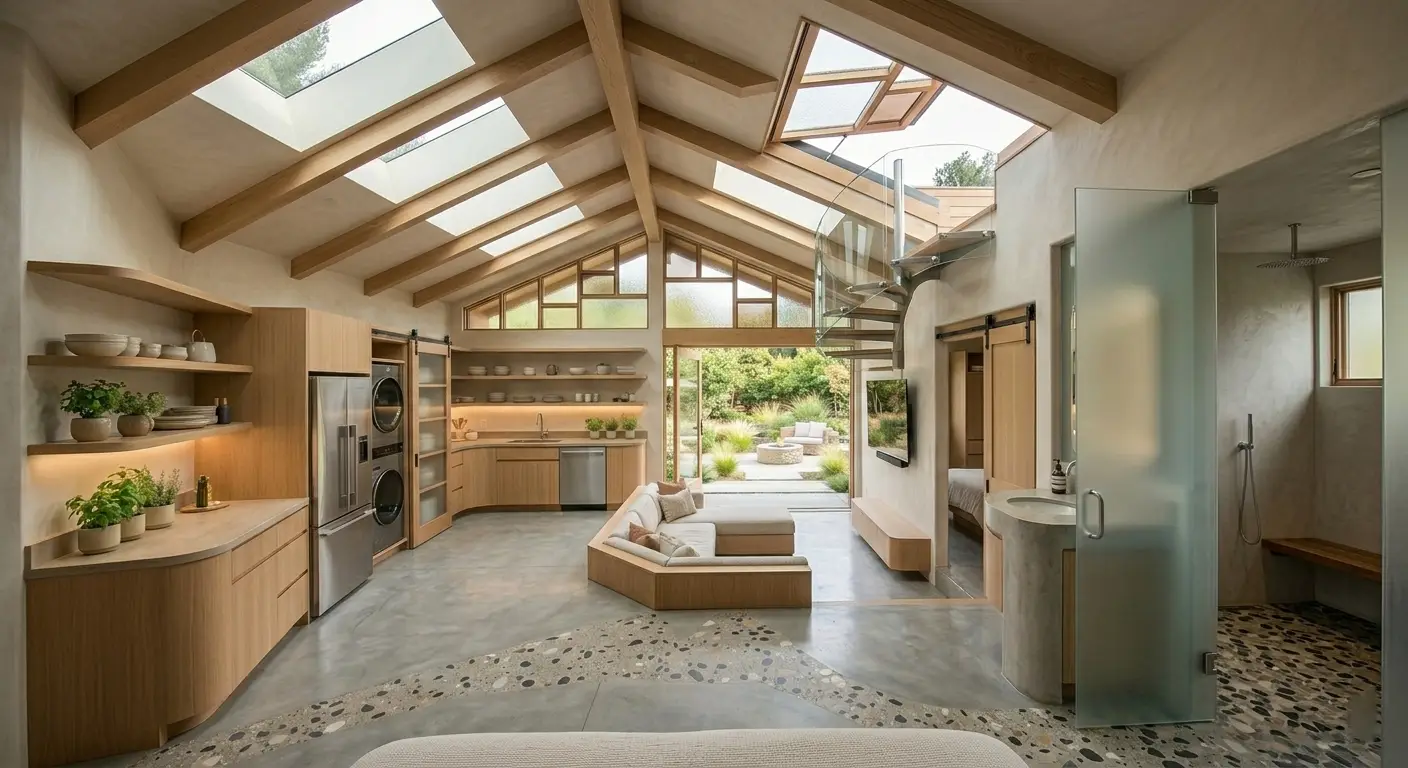
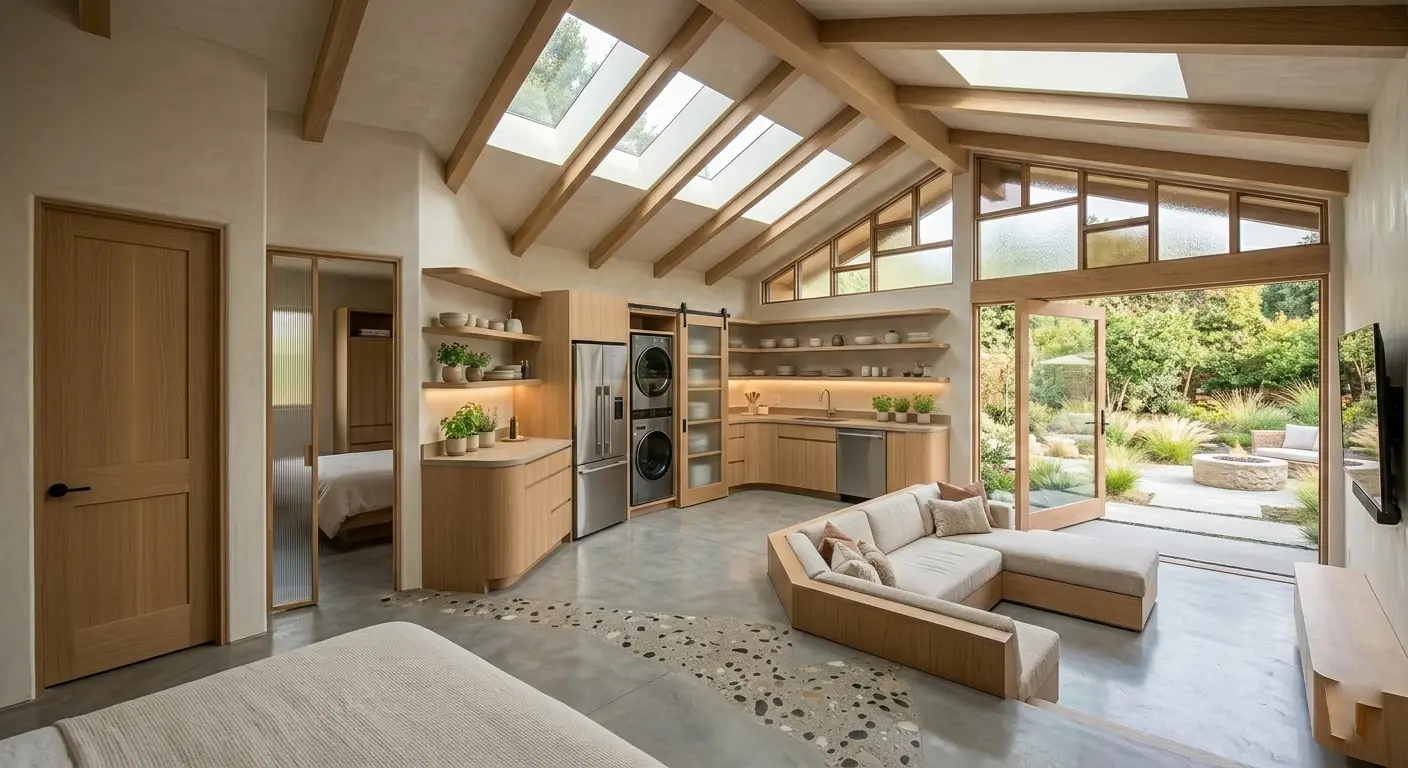
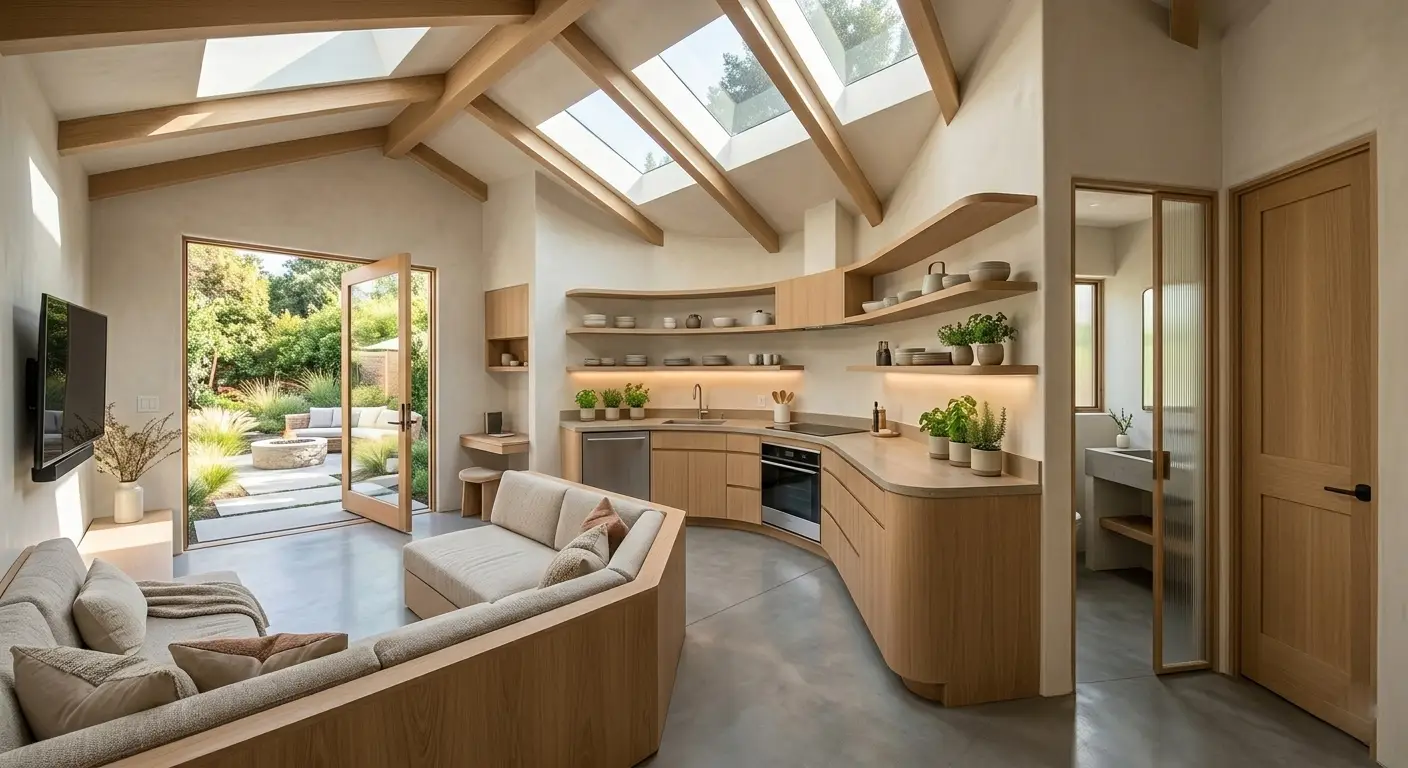
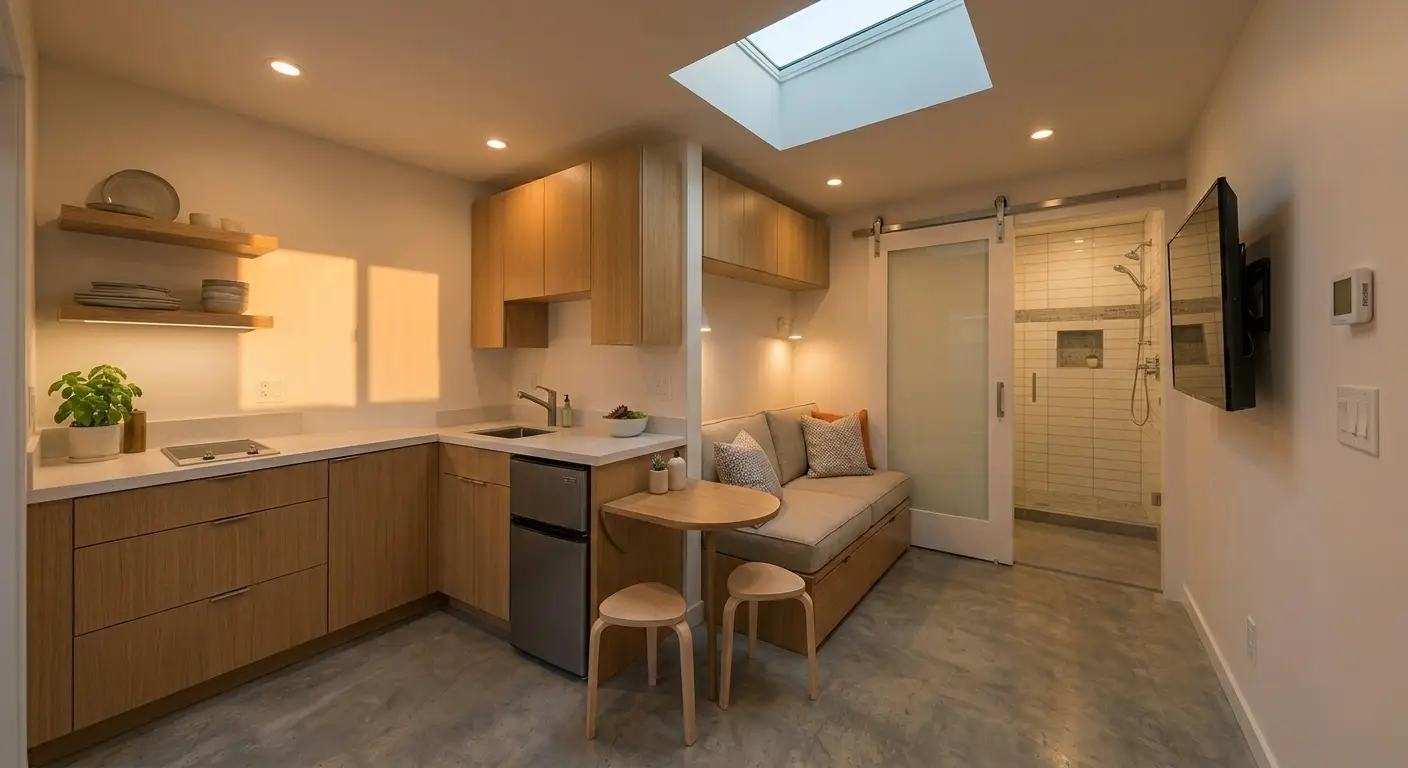
A sleeping area, a bathroom with a real vanity, a kitchen with counter space on both sides of the sink, and a living area with a couch and a coffee table: all of that fits at 300 square feet without any element feeling like it was compromised to accommodate another. That's the shift that happens at this size. You stop fitting things in and start designing the space.
Walk the Space Before You Design It
The most useful thing you can do before any planning conversation is tape out a 15 by 20 rectangle somewhere you can walk through it. A driveway works. A large room works. The goal is not to verify that things fit on paper but to develop a physical intuition for the space that no floor plan ever fully communicates.
Stand in the corners. Walk from one end to the other. Picture a bed against the far wall and a couch near the entrance. Picture a kitchen along one side and a bathroom tucked into the corner. Most people who do this exercise come away with a clearer, more grounded sense of what they want to build than they had after hours of looking at floor plans.
Why 300 Square Feet Attracts So Many Different Projects
The twelve project types in Realm's dataset at this size are not there by accident. They reflect something real about what 300 square feet can do: it's large enough to serve almost any residential purpose well, which means homeowners with very different goals all arrive at this footprint as a natural target. Someone who wants rental income, someone who wants a primary suite, someone who wants a home office, and someone who wants an open-concept kitchen can all build something genuinely useful at 300 square feet. The challenge is being clear about which of those goals is yours before you start. Learn how Realm helps homeowners make that decision before any contractor conversations begin.
Twelve Project Types, One Footprint
The 53 projects in this dataset span twelve categories. The most frequently built are garage conversion ADUs, kitchen expansions, and detached ADUs, followed closely by primary suite additions and JADUs. After those come bedroom additions, above-garage ADUs, detached offices and studios, second-story additions, pool houses and casitas, basement ADUs, and a catch-all for specialty builds.
The range from the simplest category (JADU, lowest permitting burden, no new foundation) to the most complex (second-story addition, highest cost per square foot, longest timeline) is wider at 300 square feet than at any smaller size bracket. Understanding where your project sits on that spectrum is the first genuinely useful piece of planning information you can have.
What Each Project Costs and Who Builds It
Garage Conversion ADU: Reuse What You Already Have
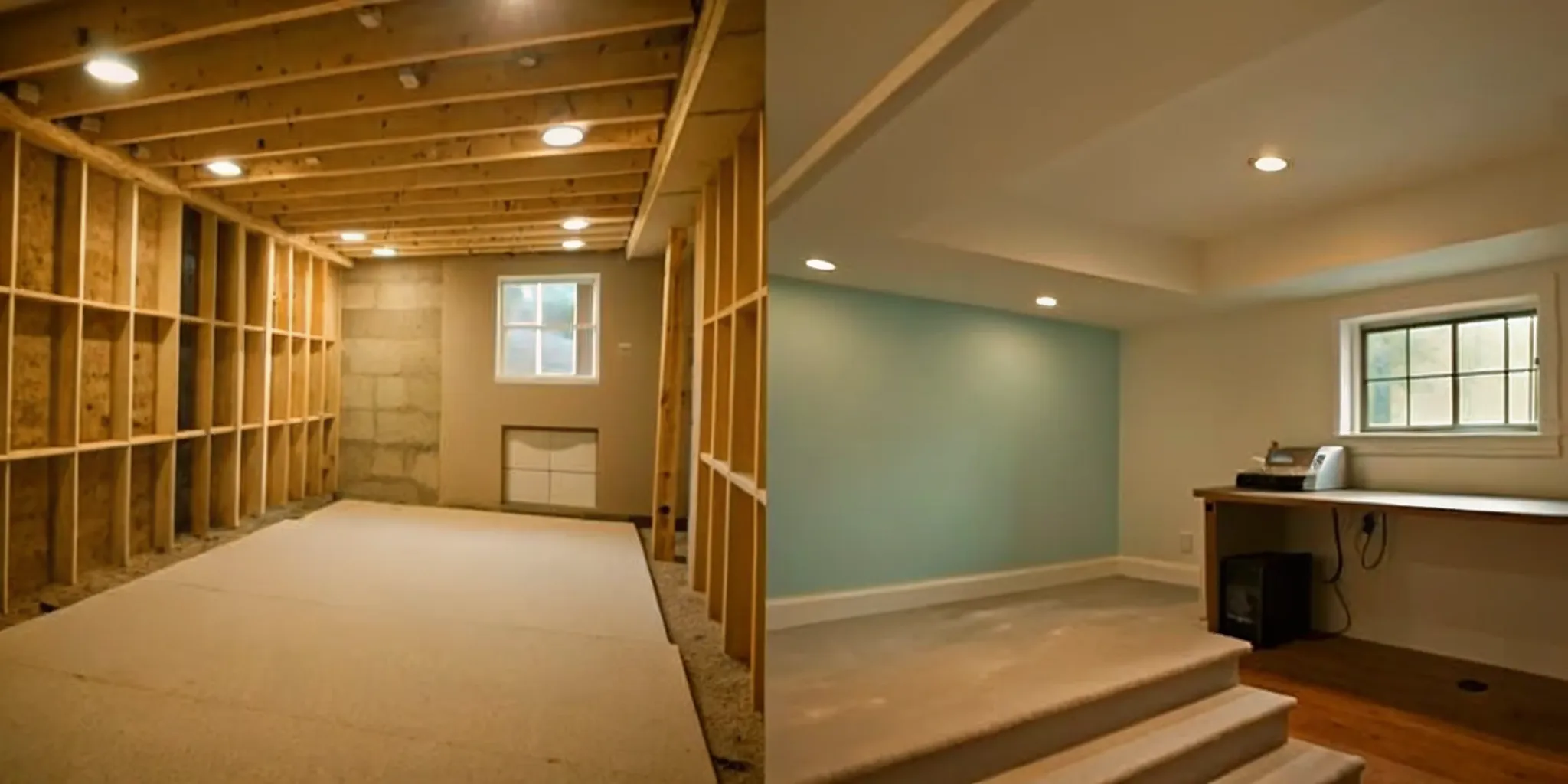
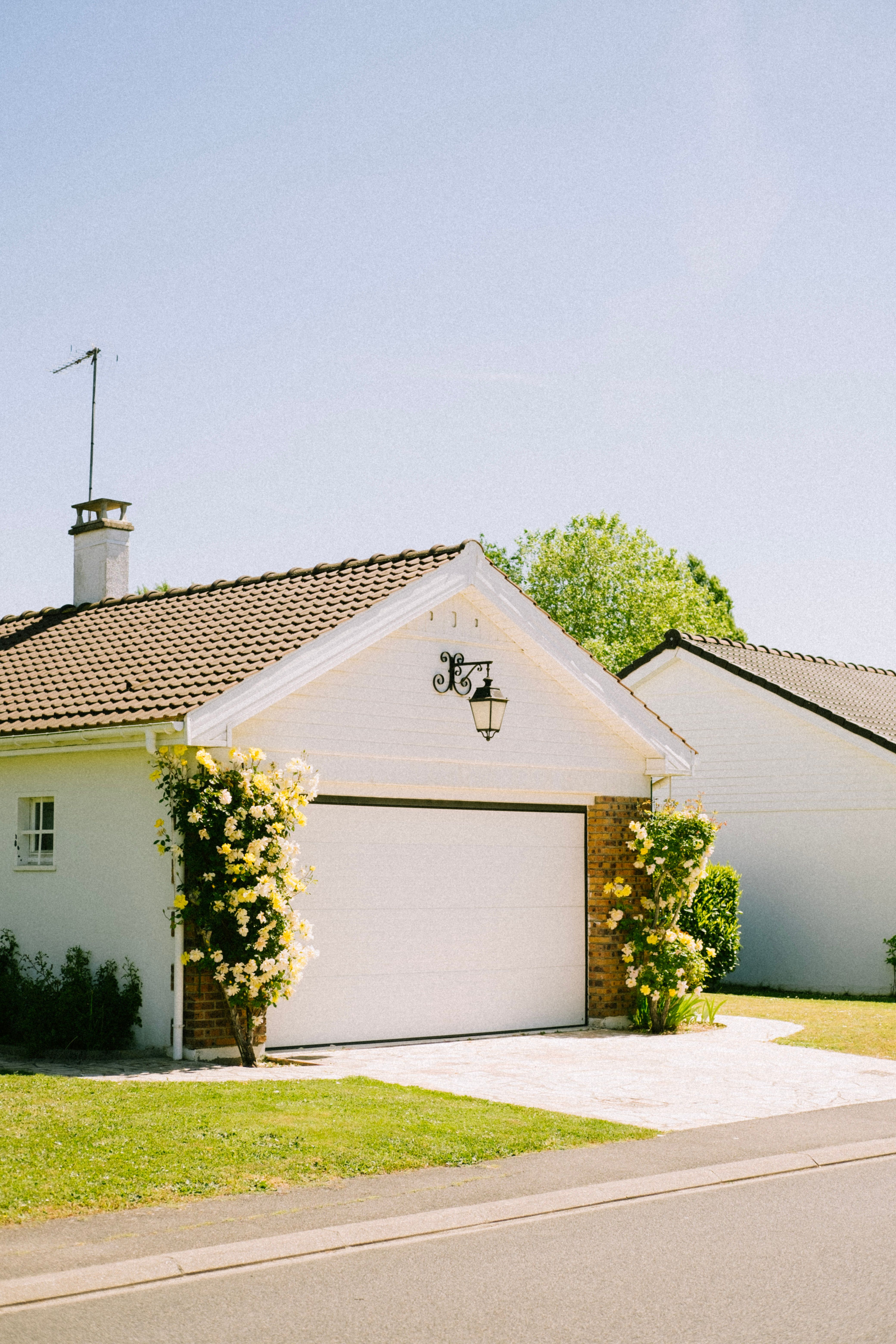
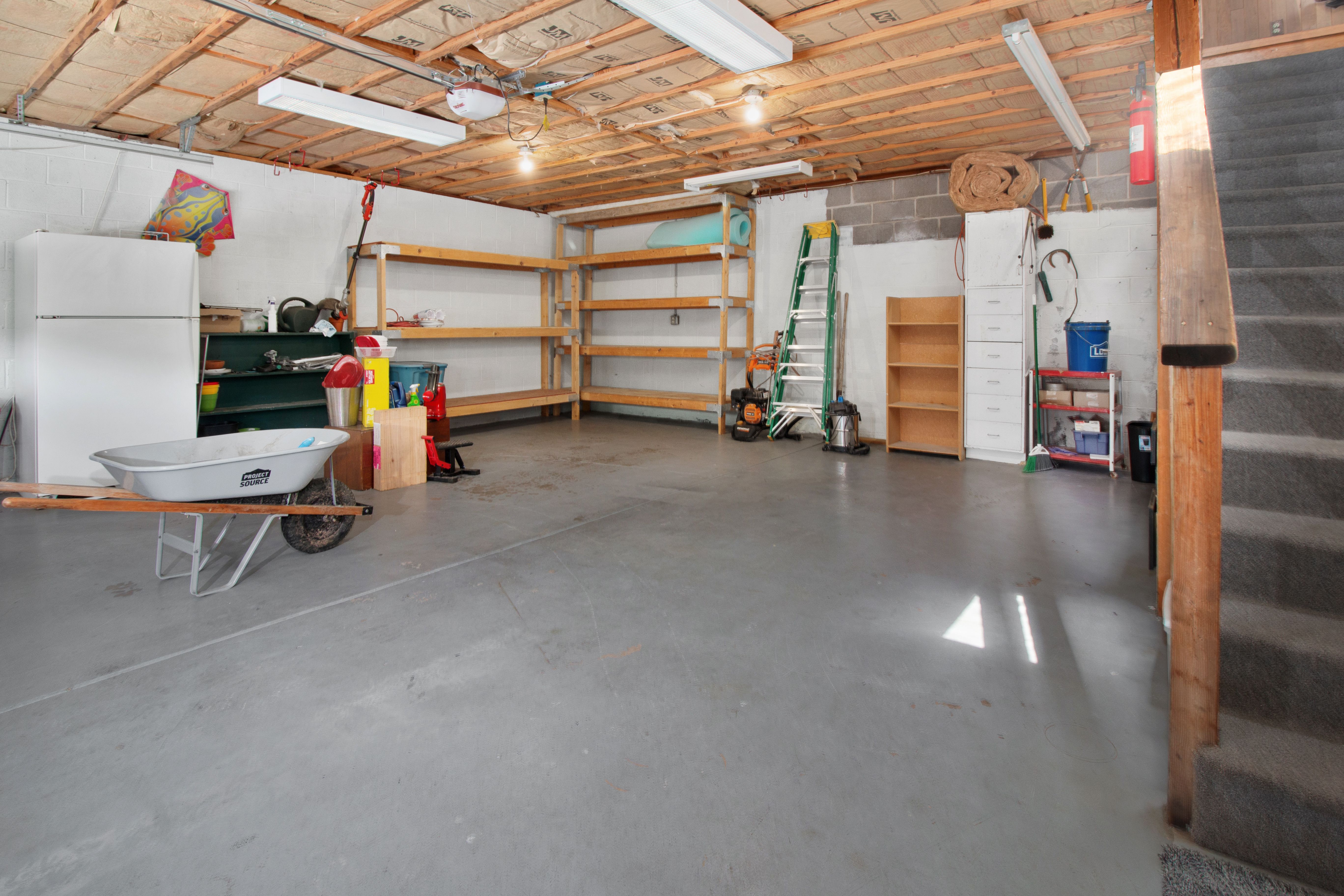
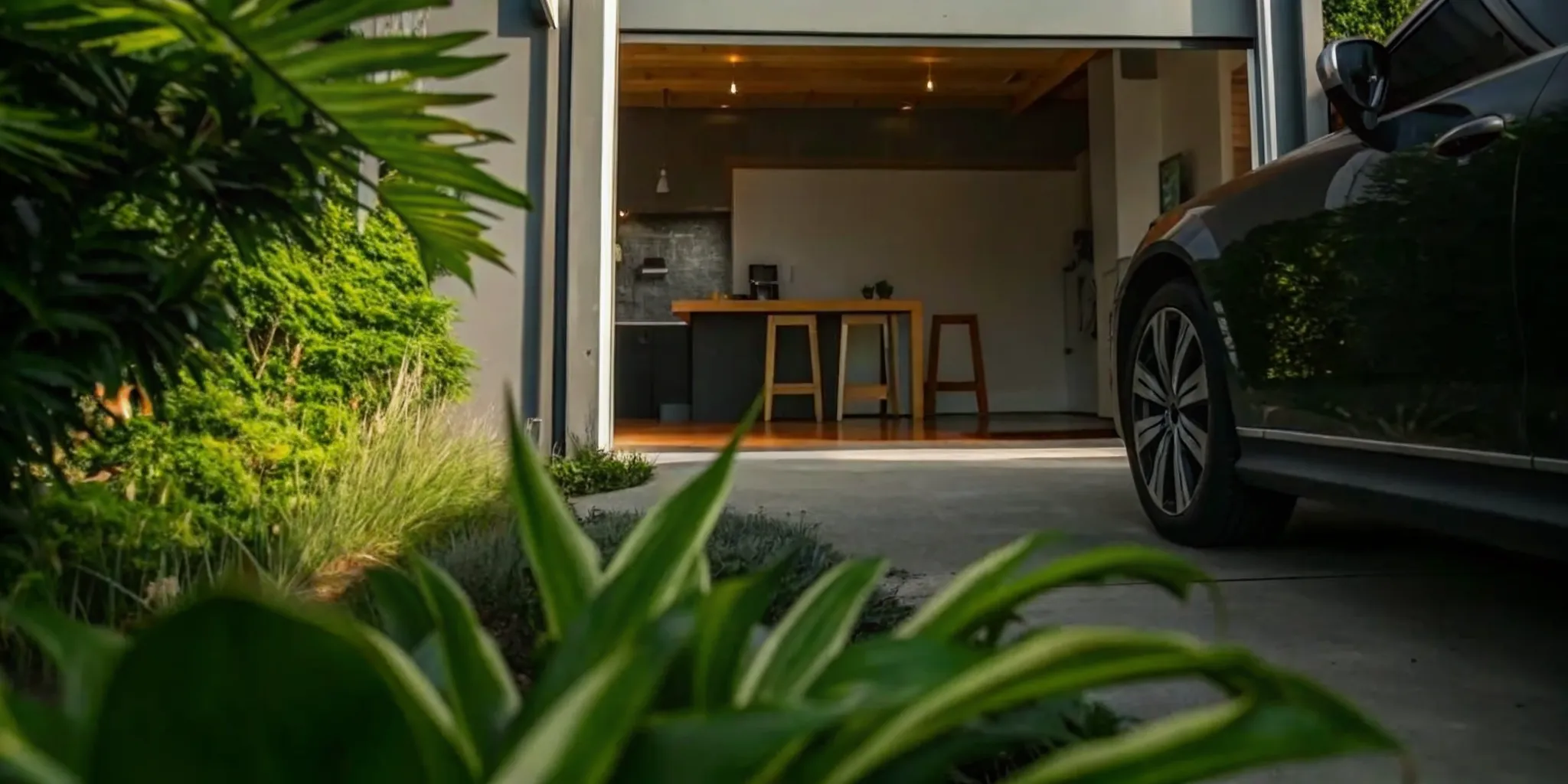
A garage conversion at 300 square feet is the point where this project type stops producing a studio and starts producing a genuine one-bedroom unit. The sleeping area is separate enough from the living area to function as a real bedroom. The kitchen has counter space on more than one side. The bathroom fits a proper vanity alongside the shower. That step up in livability relative to a smaller conversion is what makes 300 square feet a common target for homeowners who want a rental unit that commands real rents in the markets Realm serves.
The cost advantage that defines garage conversions comes from the existing structure. You're not building a foundation. You're not framing exterior walls from scratch. In many cases, an electrical subpanel is already within reach. The major work is insulation, interior framing, HVAC, and plumbing. In California, the ADU permitting pathway for garage conversions is more streamlined than for almost any other project type, which keeps timelines predictable. You're giving up garage parking. In some neighborhoods that's a minor inconvenience. In others it has real daily and resale implications. Think it through before the permits are filed, not after. A Realm advisor can help you weigh the full trade-off for your specific location.
Kitchen Expansion: Tear Out a Wall, Transform a Home
A 300-square-foot kitchen expansion is a significant project and a significant transformation. At this size, you're not adding counter space or rearranging appliances. You're removing the rear wall of the home, extending the footprint outward, and redesigning the relationship between the kitchen, the dining area, and the living space into something that flows.
The ROI on kitchen expansions is among the most consistently documented in residential renovation, and the reason is straightforward: a wall between the kitchen and the rest of the living space is a daily frustration that no cosmetic remodel fixes. Once it comes down and the space opens up, homeowners consistently describe the result as the renovation they wish they'd done sooner. At 300 square feet, the expansion is large enough to incorporate a proper dining area alongside the kitchen without either element feeling like it was squeezed in. Load-bearing walls, structural engineering, and utility rerouting are standard components of this scope. They are not surprises to discover mid-project. Build them into the budget and timeline from the first planning conversation. Browse more on planning a kitchen expansion in the Realm resource library.
Detached ADU: The Private, Standalone Option
A detached ADU at 300 square feet is a complete, freestanding unit with its own foundation, its own utilities, and its own front door. The tenant lives with full independence. No shared walls, no shared entry, no awareness of what's happening in the main house. That independence has a market value in every rental market Realm operates in, and it's consistent: tenants who want a detached unit pay more for it, and they tend to stay longer.
The cost premium over a garage conversion reflects what it takes to build from scratch. A new foundation, full MEP runs from the main home, and more extensive site work are all part of the scope. The long-term return, in rental yield and property value, tends to justify the investment for homeowners who are building something they intend to hold for decades rather than flip. Getting a detailed scope before contractor conversations begin. Without one, bids describe different projects, which makes comparison nearly impossible and puts you at a disadvantage in every subsequent negotiation. Realm's advisors help homeowners build that scope before any contractor conversations start.
Primary Suite Addition: When the Bedroom You Have Stops Working
A primary suite addition at 300 square feet is the version of this project that most homeowners have been picturing when they imagined building one. There's room for a soaking tub alongside a separate walk-in shower. The vanity has double sinks and real counter space. The walk-in closet functions as an actual dressing room rather than a large hallway. And depending on the layout, a sitting area adjacent to the sleeping zone gives the suite a sense of having distinct areas within it rather than being one undifferentiated room.
The homeowners who build this project are almost universally staying put. They love their neighborhood, they have no intention of selling soon, and they've been making do with a primary bathroom shared with the rest of the household or a suite that was designed for a different era's expectations. At 300 square feet, that problem gets solved at a quality level that holds up for decades. At 300 square feet, the relationship between the bedroom, the bathroom, the closet, and the sitting area is the most consequential design choice in the project. Getting those relationships right before construction begins is where an experienced advisor adds the most value. Talk to a Realm advisor about planning your primary suite addition.
JADU: The Fastest Path With the Most Constraints
A JADU at 300 square feet is the most comfortable studio configuration this project type can produce within California's regulatory framework. There's enough room for a distinct sleeping area, a proper bathroom, and a living zone that feels intentional rather than improvised. The efficiency kitchen required by California law, and the shared-entry configuration that defines JADUs, are the trade-offs that make this project type most appropriate for in-law arrangements and short-term rentals rather than privacy-sensitive long-term tenancies.
The advantages are real: streamlined permitting, no new foundation, minimal site-work cost, and the fastest path from planning to occupancy of any ADU type. For homeowners who need a rental unit quickly and have suitable interior space to convert, a JADU at 300 square feet delivers.Bedroom Addition: Adding a Room That Changes the Home's Market Position
A bedroom addition at 300 square feet delivers a proper bedroom with a closet and a bathroom connection, which is the version that most reliably shifts a home's competitive position in California and Washington resale markets. Moving from two bedrooms to three expands the buyer pool into the family segment, which represents the largest group of move-up purchasers in most of Realm's markets. That expanded pool translates directly into appraisal value and sale price in markets where three-bedroom homes are in shorter supply than two-bedroom homes.
Above-Garage ADU, Detached Office, Second-Story Addition, Pool House, Basement ADU, and Specialty Builds
Above-garage ADU: A studio or junior one-bedroom built above an existing two-car garage with exterior stair access. The right option for homeowners with no viable rear yard. Structural assessment early in the planning process is essential.
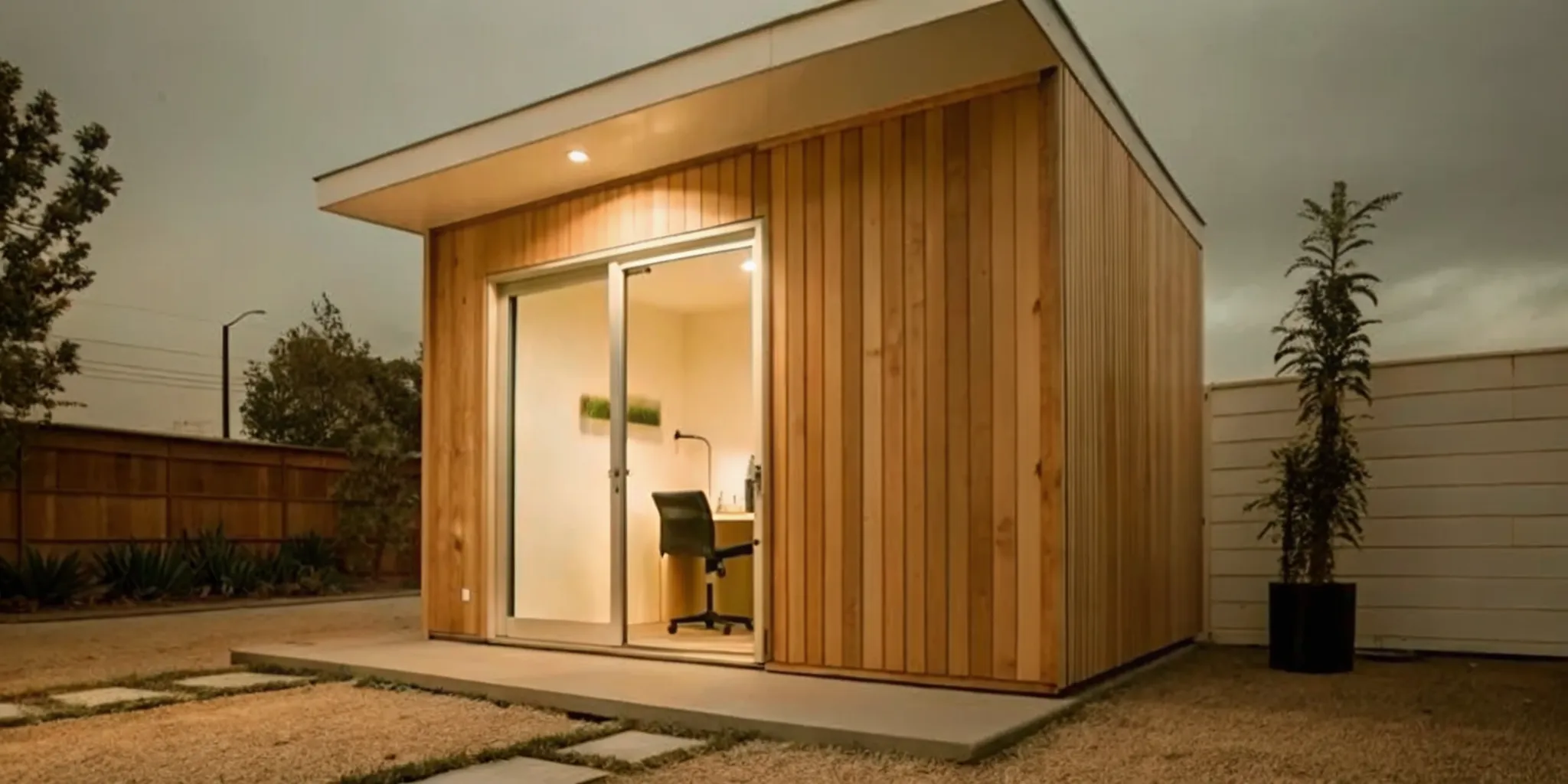
Detached office or studio: At 300 square feet, a backyard workspace has room for a proper desk setup, dedicated storage, and a small seating area. The fastest-growing non-ADU build category in Realm's data since 2020.
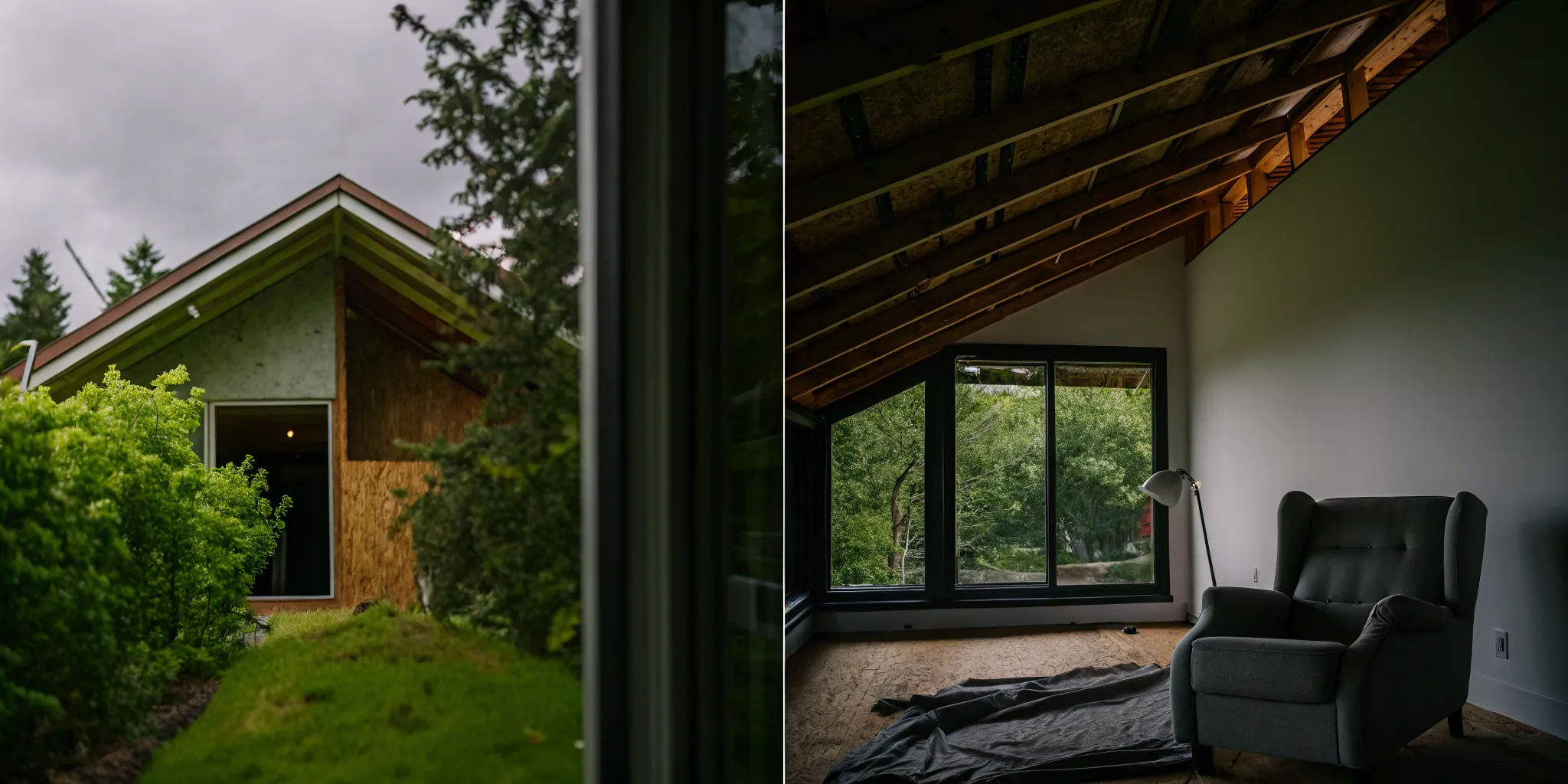
Second-story addition: The most expensive option per square foot. The only realistic path to more bedrooms on a tight urban lot where lateral expansion has been exhausted.
Pool house or casita: A full bath, a kitchenette, and a lounging area that completes the backyard lifestyle. Often priced and planned alongside a pool resurfacing project.
Basement ADU: Primarily a Seattle and Bay Area project type. Cost-efficient when site conditions are favorable. Egress, waterproofing, and ceiling height are the variables that determine whether the cost advantage holds.
Specialty additions: Hobby rooms, utility spaces, and multi-purpose builds. Tight scope definition before soliciting bids is the single most important planning step for this category.
Matching the Right Project to Your Situation
Twelve project types at one size means the right project is determined by your goals, your lot, and your starting conditions, not by what 300 square feet can technically accommodate. It can accommodate almost anything at this size. The question is which of those things is right for you.
Rental income points toward a garage conversion ADU, detached ADU, or JADU. The choice between them comes down to your existing structure, your lot, how much privacy matters to your tenant situation, and how quickly you need to reach occupancy.
Personal comfort and daily livability points toward a primary suite addition or a kitchen expansion. These are investments in how you experience your home every day, not financial calculations with a clear payback period.
Resale value in California and Washington points toward a bedroom count increase or a primary suite that eliminates a known market disadvantage. Both have well-documented ROI in Realm's markets.
Remote work points toward a detached office. The question is whether your rear yard supports a small standalone structure and whether the cost justifies the daily benefit.
The most useful thing you can do before any other planning step is to write down, in one sentence, what you want this 300 square feet to make possible that isn't possible right now. That sentence is your project brief. Everything else flows from it. Realm's advisors can help you translate that brief into an accurate scope before you talk to a single contractor.
Three Things Worth Sorting Out Before You Call Anyone
Your lot's actual constraints. Setbacks, lot coverage limits, and utility access determine what's physically and legally buildable on your specific property before any design preference enters the conversation. This is the most commonly skipped step in early project planning and one of the most expensive to discover late.
Your permitting path. JADUs and garage conversions have the most streamlined paths in California. Detached ADUs involve more process. Second-story additions and above-garage builds require structural review and longer timelines. If your target completion date is fixed, your permitting path needs to be understood before you set that date, not after. See why homeowners across Realm's markets rely on Realm to get this right from the start.
Your contractor type. A detached ADU at 300 square feet and a second-story addition at 300 square feet are different kinds of projects that require different kinds of builders. Knowing which type of contractor you need before you start soliciting bids protects you from the mismatched-scope problem that produces widely varying, incomparable quotes.
Frequently Asked Questions
How much does a 300 sq ft ADU cost to build? Based on 53 closed Realm projects at this size, the median cost across all project types is $160,000 and the average is $218,978. Garage conversion ADUs and JADUs typically come in below the median because they reuse existing structure. Detached ADUs, above-garage units, and second-story additions typically land at or above the median depending on site conditions, finish level, and local permitting costs. The median is the more useful planning anchor for most homeowners; the average is pulled up by complexity at the high end. Talk to a Realm advisor to get an estimate calibrated to your specific project type and location.
Is a 300 sq ft garage conversion better than a detached ADU for rental income? Better is the wrong frame. Cheaper upfront and more private are the more useful comparison points. A garage conversion is less expensive to build because it reuses an existing foundation and structure. A detached ADU provides more privacy for the tenant and typically commands higher rents. In most of Realm's markets, the rent premium for a detached unit over a comparable converted unit is real but modest, so whether the higher upfront cost of a detached build pays off depends on your specific market, your timeline, and how long you plan to hold the property. Getting a side-by-side cost and income projection before you decide is worth the time.
Can a 300 sq ft primary suite addition include a soaking tub and a separate shower? Yes. Three hundred square feet is precisely the size at which a primary suite addition can include both a soaking tub and a separate walk-in shower alongside a double vanity, a walk-in closet, and a bedroom with proper furniture clearance. At smaller sizes, one of those elements typically gets compromised to accommodate the others. At 300 square feet, the layout works without forcing that trade-off, which is why this size is the threshold at which homeowners most consistently describe a primary suite addition as delivering what they actually pictured.
What's the difference between a JADU and a detached ADU at this size? A JADU is carved from your existing home's interior space and shares a nominal entry with the main house. A detached ADU is a brand-new standalone structure on your lot with completely independent access. JADUs are faster to permit and cost less because they don't require a new foundation or full utility connections. Detached ADUs cost more but deliver full tenant independence and typically higher rents. At 300 square feet, both produce a comfortable studio or junior one-bedroom, but the tenant experience and the permitting path are meaningfully different. The right choice depends on your lot, your timeline, and the kind of tenant arrangement you're planning for. A Realm advisor can walk you through both options for your specific situation.
What should I do first if I'm serious about a 300 sq ft project? Write down, in one sentence, what you want this space to make possible that isn't possible right now. That sentence determines your project type. Your project type determines your permitting path, your cost baseline, and the kind of contractor you need. Everything else follows from it. Once you have that sentence, the most valuable next step is a conversation with an advisor who can translate it into an accurate scope before you spend any money on design or contractor outreach. Get started with Realm to have that conversation.