What Homeowners Actually Build at 1,200 Square Feet — 83 Projects Analyzed
Data from 83 real Realm projects on 1,200 sq ft home additions, fire rebuilds, second-story builds, and more, with median costs and honest perspective from the field.
|
March 4, 2026
In this article:
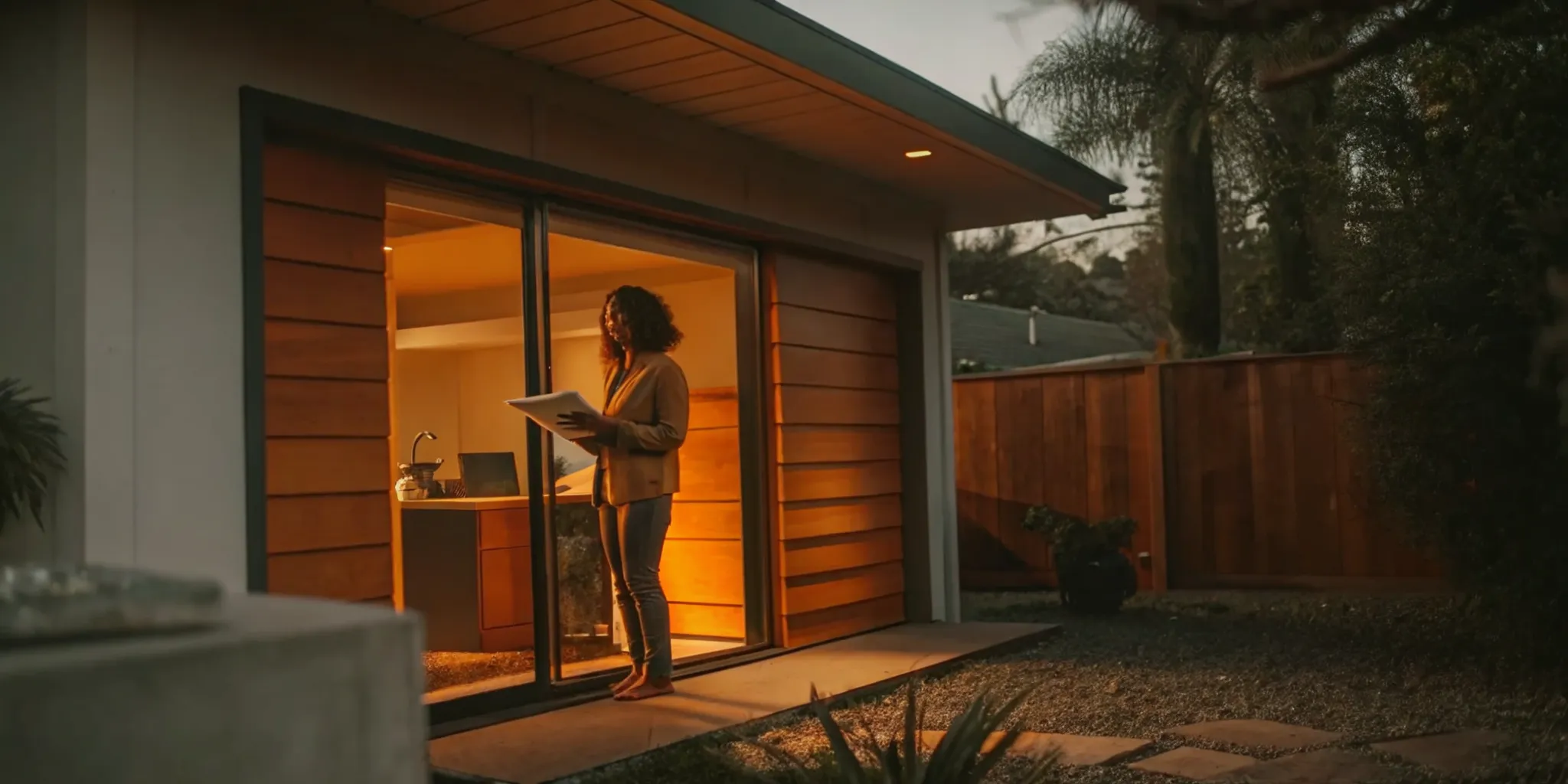
One thousand two hundred square feet is where residential renovation crosses a meaningful threshold. At this scale, you are not adding to a home; you are substantially remaking it. A full home addition at 1,200 square feet typically involves three to four new rooms across one or two floors, requiring a design-build firm and a level of architectural planning that most general contractor relationships don't support. A second-story addition at this size delivers a complete upper floor with a primary suite and two additional bedrooms. A new home build at 1,200 square feet is a three-bedroom, two-bath home, and in Realm's dataset, projects at this size overlap significantly with fire loss rebuilds in Altadena and Pacific Palisades.
Based on 83 closed Realm projects, the median cost is $376,626 and the average is $421,416. The spread between those numbers is moderate and consistent with recent size brackets in the series, reflecting that at 1,200 square feet the projects are uniformly substantial and the cost floor is high across all categories. The median is a reliable planning anchor for most project types before adjusting for project type, site conditions, and local permitting and labor costs.
Key Takeaways
- 1,200 square feet is where renovation becomes transformation. At this scale, the addition or rebuild is large enough to fundamentally change the character of the home, not just expand it incrementally.
- The median project cost is $376,626, with an average of $421,416. Both numbers reflect the consistently high cost floor that applies to all project types at this scale.
- New home builds appear with meaningful frequency at this size, and in Realm's dataset they overlap significantly with fire loss rebuilds in Altadena and Pacific Palisades, making this size bracket particularly relevant for Los Angeles homeowners navigating post-fire rebuilding.
- A second-story addition at 1,200 square feet delivers a complete upper floor, typically a primary suite plus two bedrooms, which is the most common second-story scope in Realm's data and often a more cost-efficient path to this square footage than a ground-up detached build.
- Full home additions at this size require design-build firms, not general contractors, because the scope spans multiple room types across multiple floors and requires design and construction coordination at a level that most standard contractor relationships don't provide.
- Bedroom additions at 1,200 square feet can deliver three to four new bedrooms, often combined with a living space expansion, which is the version of this project that most completely transforms an underbuilt home's market position and daily livability.
What Does 1,200 Square Feet Actually Look Like?
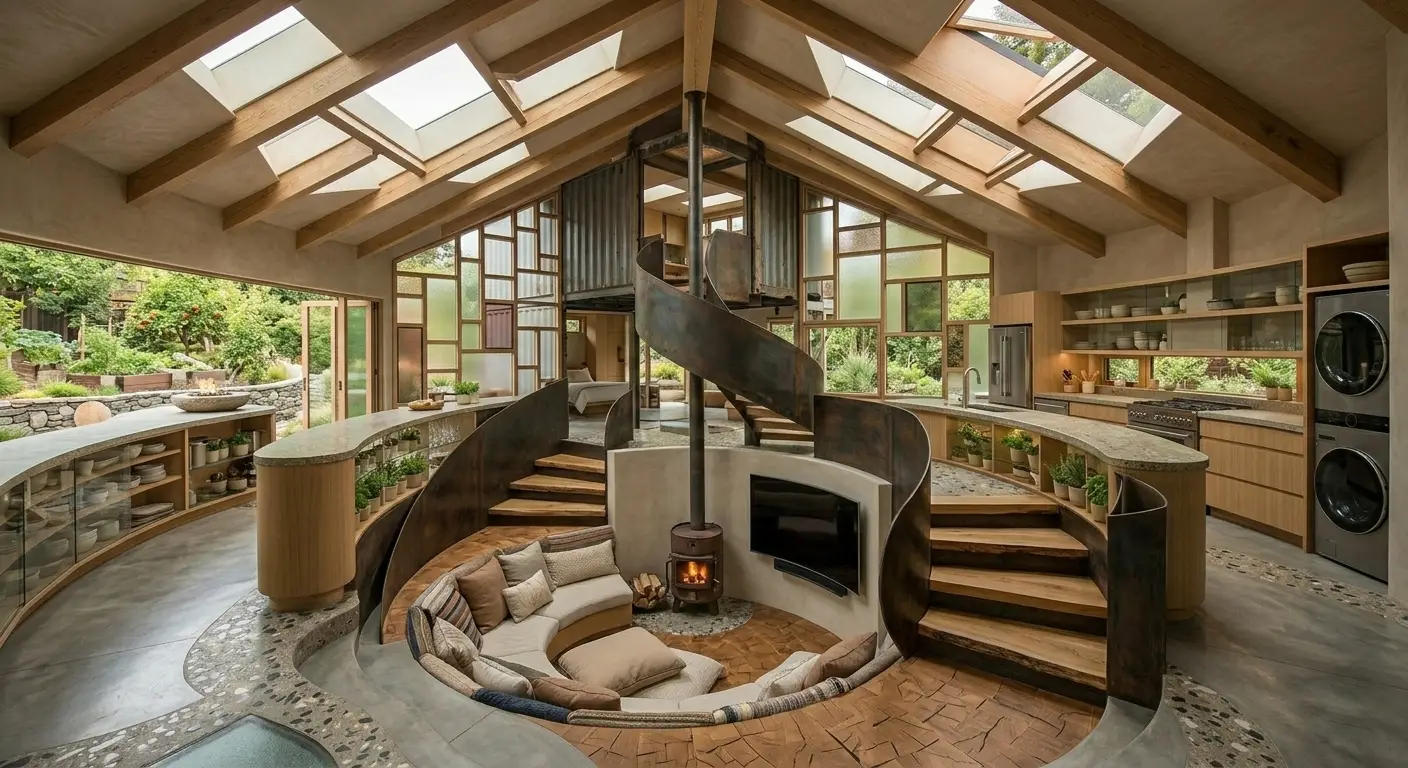
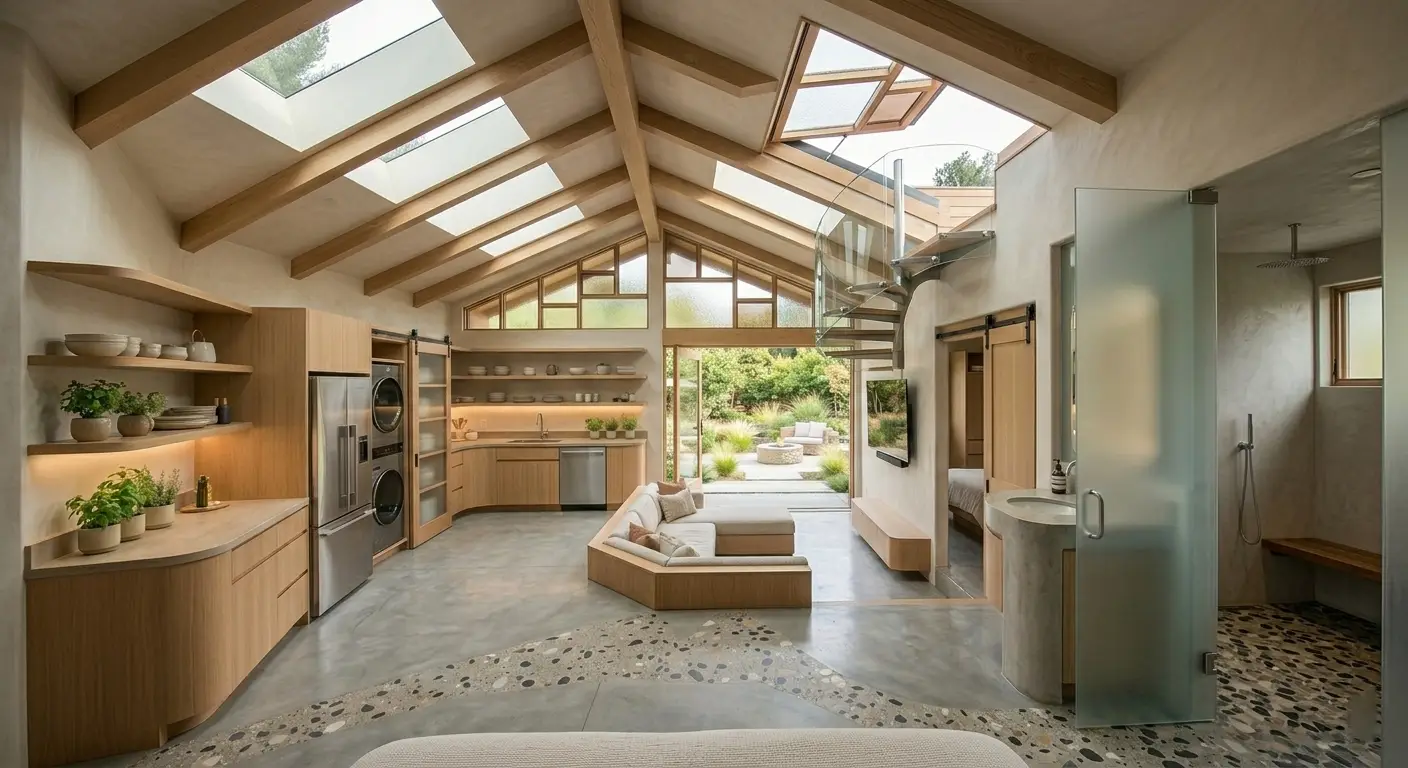
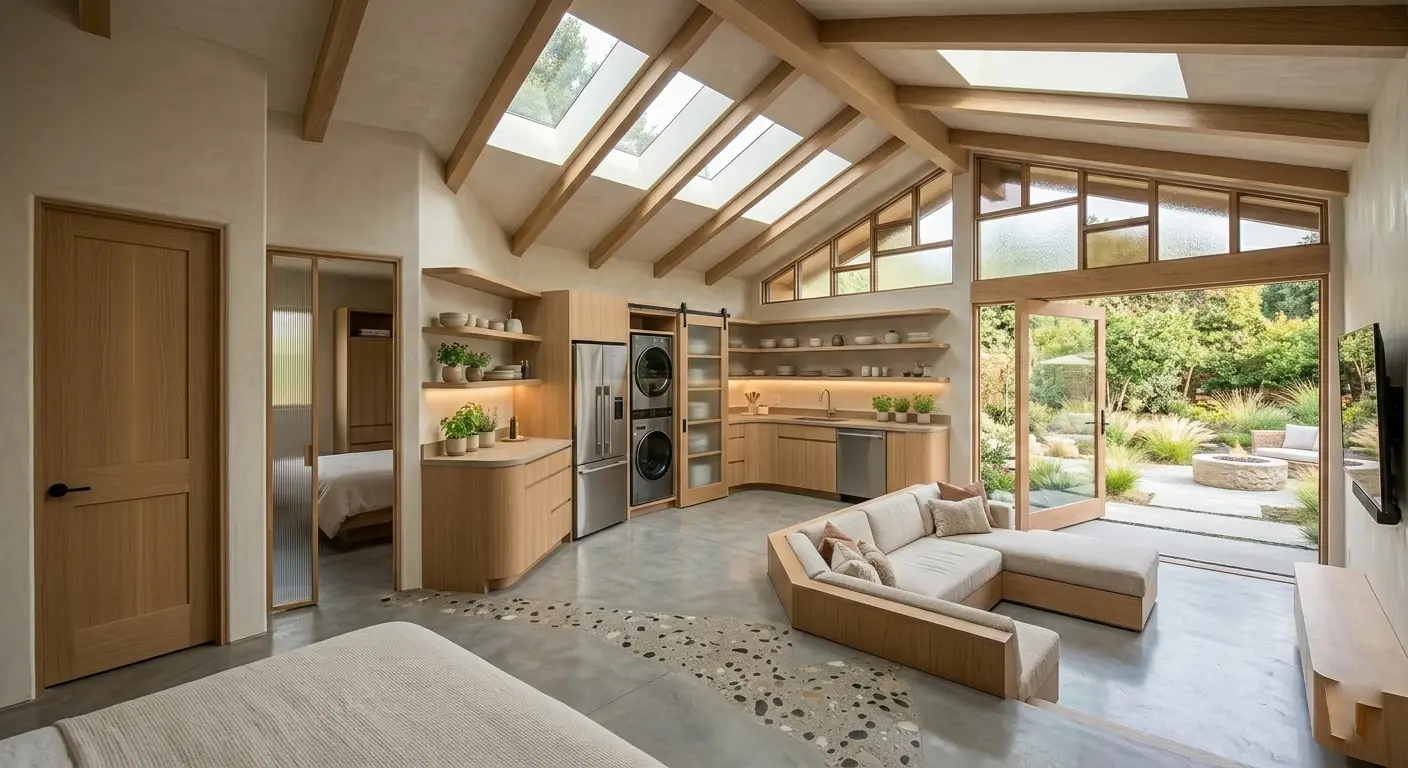
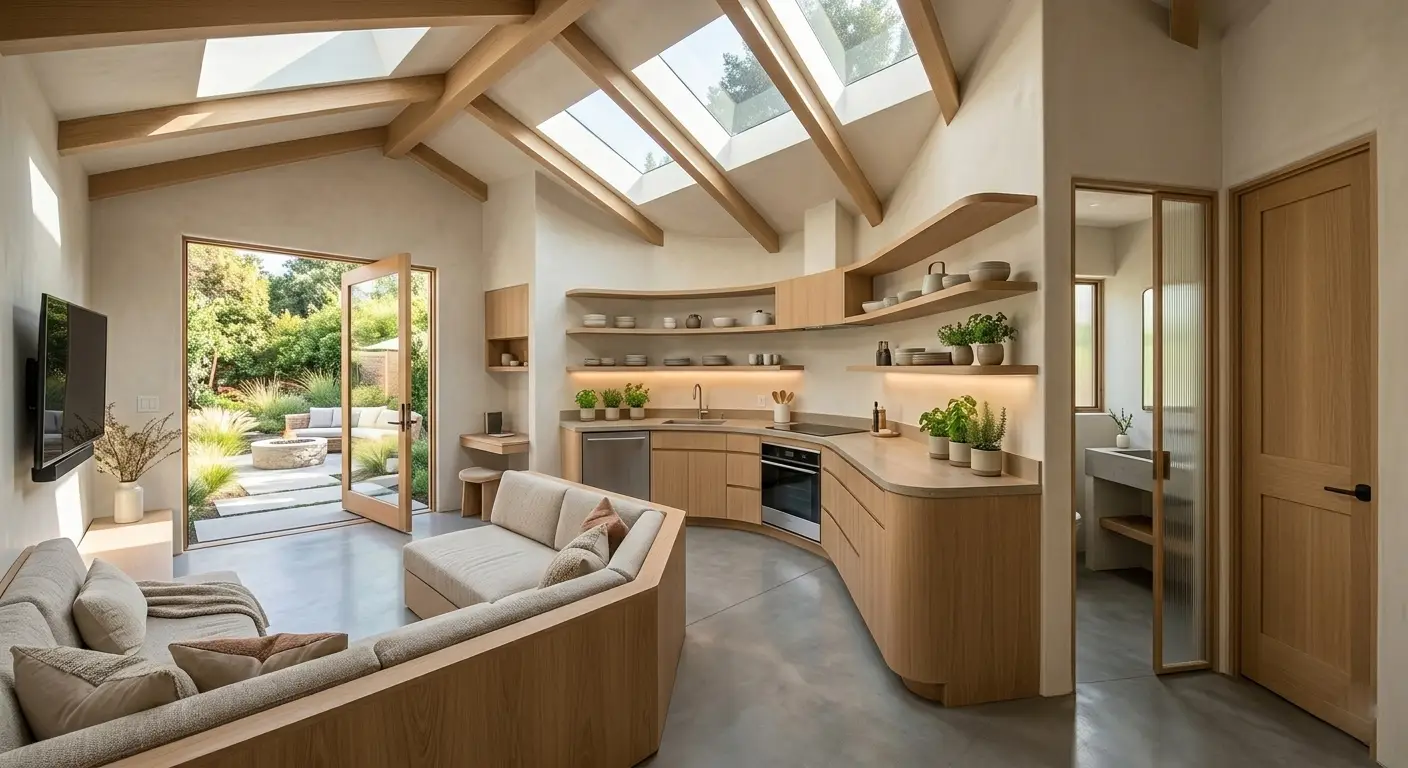
One thousand two hundred square feet is approximately 30 by 40, or a more proportional 34 by 35. To put it in terms that most people can immediately picture: it's the footprint of a complete three-bedroom, two-bath home in many California markets, or the entire upper floor of a well-designed two-story house. At this size, the spatial experience is not about efficiency or optimization. It's about how a space flows, how rooms connect, how natural light moves through the plan, and how the addition reads as part of the whole from every angle inside and outside the home.
This is also the size at which the visual relationship between the addition and the existing home becomes as important a design challenge as the floor plan itself. At 400 or 600 square feet, an addition can be largely self-contained. At 1,200 square feet, the addition is large enough that it defines the home as much as the original structure does, which is why architectural integration is a primary concern at this scale rather than a secondary consideration.
Visualize It Before You Plan It
Tape out a 30 by 40 rectangle in your driveway or rear yard and walk through it. Picture a primary bedroom with an ensuite and a walk-in closet in one corner, two additional bedrooms sharing a bathroom at the other end of a hallway, a living room near the entrance, and a study or flex room between them. At 1,200 square feet, that is a complete floor of a home with room to spare. The exercise is worth doing before any other planning conversation, because it calibrates the scale of the commitment in a way that looking at numbers on a page never fully does.
How 1,200 Square Feet Shows Up in Real Projects
Realm's 83 projects at this size span six distinct project types: full home additions, second-story additions, new home builds, bedroom additions, basement ADUs, and living space additions. The narrower range of categories compared to smaller size brackets reflects the premium and complex character of construction at this scale. Homeowners building at 1,200 square feet have typically already worked through the question of what they want to accomplish and are focused on how to accomplish it well. Learn how Realm helps homeowners at this stage clarify scope, select the right builder type, and protect their budget before any contractor conversations begin.
What Homeowners Are Building at 1,200 Square Feet
Six project types appear in the data at this size. The dataset includes full home additions, second-story additions, new home builds, bedroom additions, basement ADUs, and living space additions. As at the 1,000 sq ft bracket, the absence of standalone ADU categories at this size is notable. At 1,200 square feet, the project scope is large enough that most builds are oriented toward transforming the primary home rather than adding a separate income-generating unit, though the detached ADU pathway remains available and is addressed in the planning section below.
The Most Popular Projects and What They Cost
Full Home Addition: A Complete Multi-Room Transformation
A full home addition at 1,200 square feet is one of the most ambitious construction projects a homeowner can undertake without building an entirely new home. At this scale, the addition typically involves three to four new rooms across one or two floors: a new primary suite, two additional bedrooms, a living area expansion, a mudroom, or some combination that reflects the household's specific needs. The result is not an enlarged home; it's a remade one, with a floor plan and a daily experience that reflects what the homeowner actually needs rather than what the original builder provided.
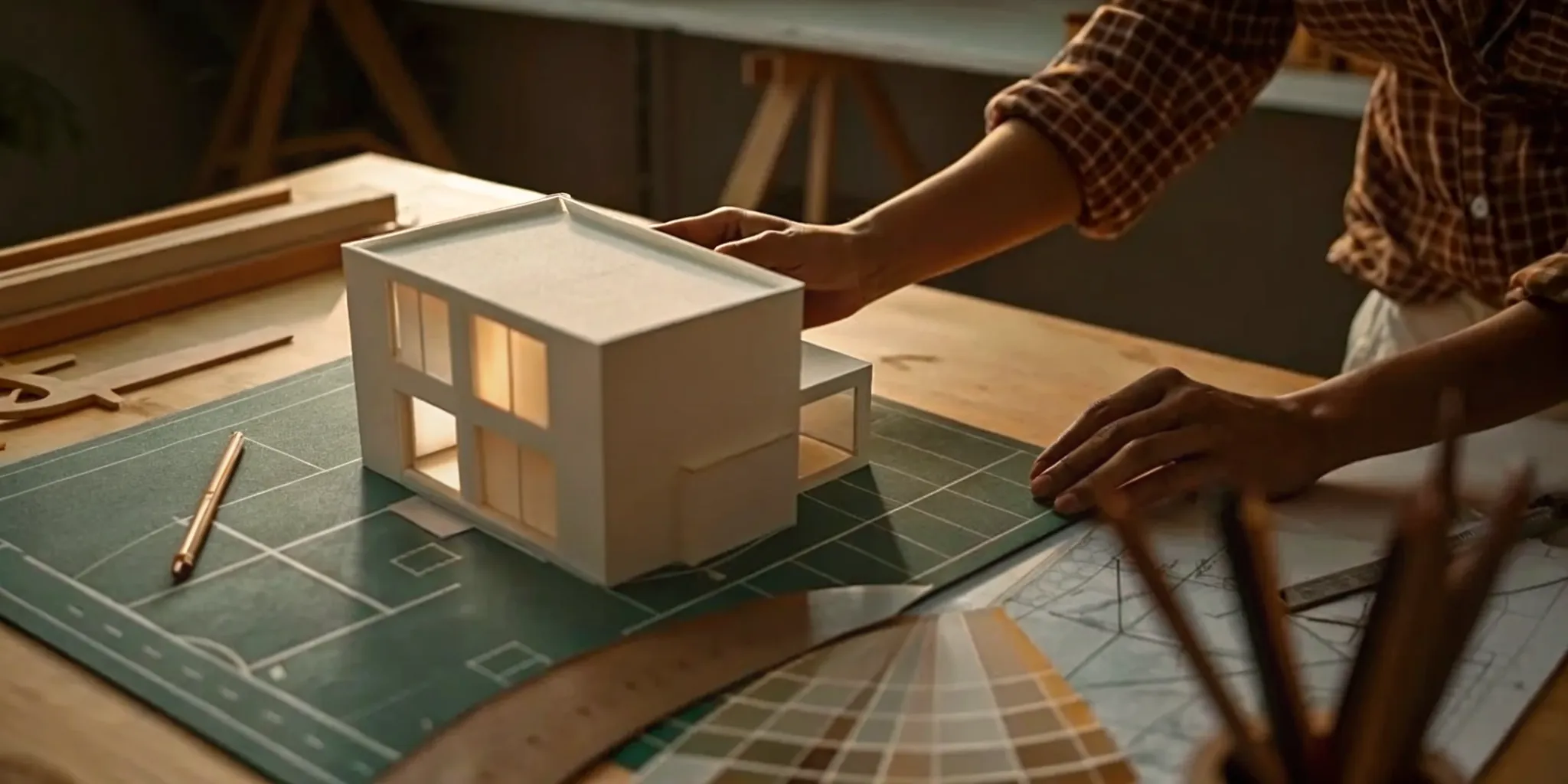
The data is direct about the right partner at this scale: a design-build firm. The reason is the same as at 1,000 square feet but more pressing at 1,200: the structural decisions, the roofline integration, the facade changes, the mechanical and electrical redesign, and the architectural coherence between old and new construction all require design and construction teams that work together from the first drawing rather than handing off responsibility at a permitting milestone. A general contractor managing a design that someone else produced is not the right model for a project at this complexity and cost level.
Second-Story Addition: A Full Upper Floor on a Constrained Lot
A second-story addition at 1,200 square feet is the complete version of this project type: a full upper floor that typically includes a primary suite with an ensuite bath and walk-in closet, plus two additional bedrooms sharing a bathroom. At this size, the addition doesn't just add rooms; it transforms the home from a single-story structure into a proper two-story house, doubling its usable square footage without consuming any additional lot coverage.
The cost efficiency comparison that appeared at smaller size brackets becomes more concrete at 1,200 square feet. A second-story addition at this size is often more cost-efficient per square foot than a detached ADU or a full home addition at the same footprint, and it adds more direct resale value to the primary home than a detached ADU because the square footage is incorporated into the home's total square footage for appraisal purposes. For homeowners on small urban lots in the Bay Area and urban Los Angeles who need meaningful additional square footage and bedroom count, this is frequently the most financially efficient path available.
New Home Build: Fire Rebuilds and Vacant Lot Development
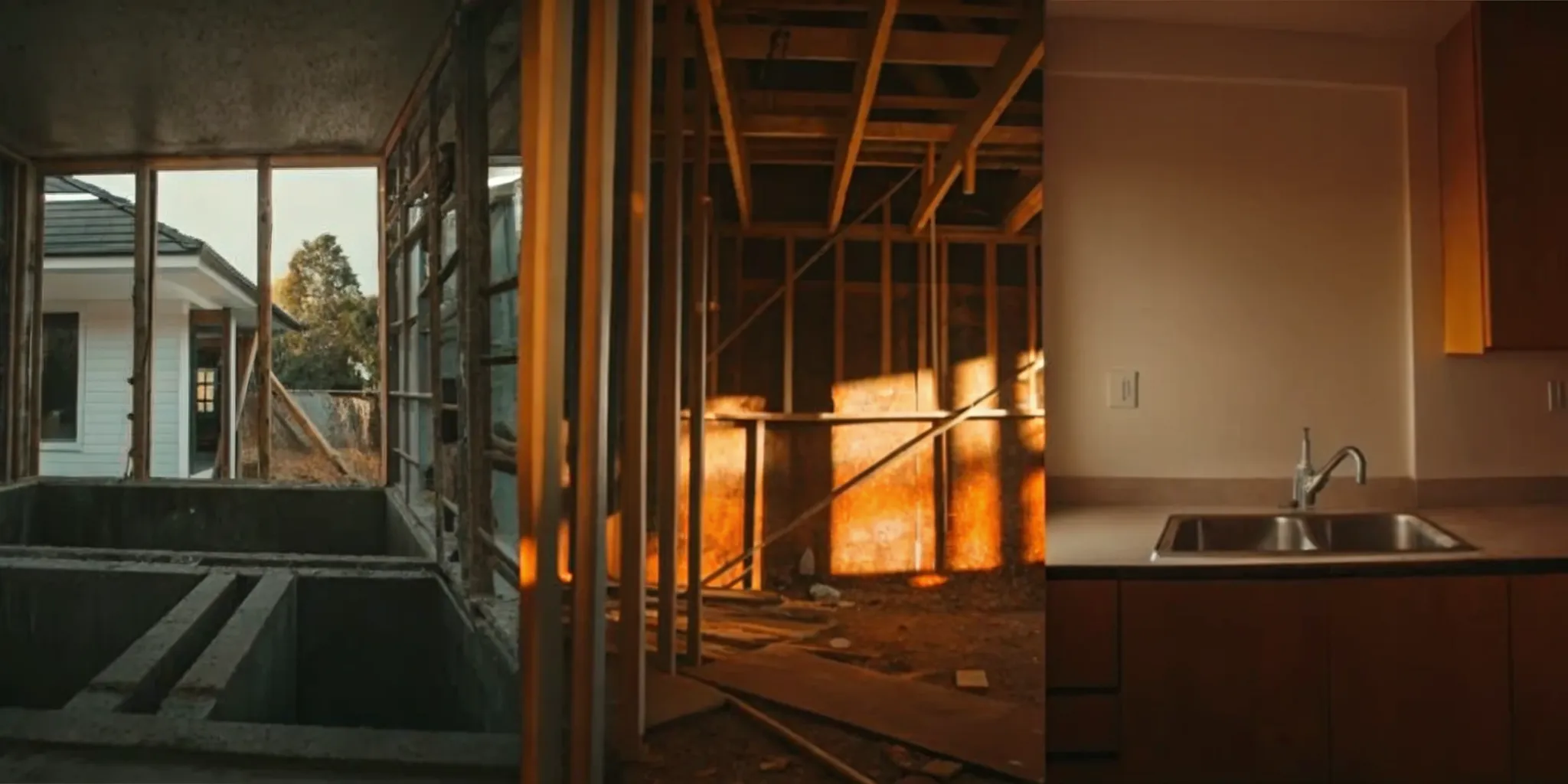
New home builds at 1,200 square feet carry a specific and important context in Realm's dataset: at this size, projects overlap significantly with fire loss rebuilds, particularly in Altadena and Pacific Palisades in Los Angeles. A 1,200 sq ft new home build in this context is typically a three-bedroom, two-bath replacement structure built on an existing foundation or cleared lot, designed to restore the household's primary residence after a total loss.
The cost profile for new builds at this size in the dataset reflects the specific circumstances of fire rebuild and vacant lot development rather than standard custom new construction. Fire loss homeowners rebuilding on existing foundations with pre-existing utility connections, and vacant lot owners developing entry-level residential structures, typically face a different cost structure than homeowners building full custom homes from scratch on sites without existing infrastructure.
For homeowners navigating fire loss rebuilds in Los Angeles, this size bracket is particularly relevant because 1,200 square feet is a common target for like-for-like replacement builds: large enough to restore the household's full bedroom and bathroom count, small enough to permit efficiently under California's increasingly streamlined rebuild pathways for fire-affected properties.
Bedroom Addition: Three to Four New Bedrooms at Once
A bedroom addition at 1,200 square feet is the most expansive version of this project type in the dataset. At this size, three to four new bedrooms are achievable in a single addition, which is the scope that most completely transforms an underbuilt California or Washington home into a fully capable family property. The data notes that projects at this size are often combined with a living space expansion, which reflects that a home adding three or four bedrooms almost always needs corresponding expansion of its common areas to remain functionally balanced.
The market repositioning potential of a bedroom addition at this scale in California is substantial. A two-bedroom home that adds three or four bedrooms through a 1,200 sq ft addition becomes a four or five-bedroom property, which in California's residential markets serves a buyer segment with meaningfully higher purchasing power and a significantly larger pool of qualified buyers. The jump in addressable buyer market is the largest of any renovation investment type in Realm's dataset, and at 1,200 square feet it's delivered at its most complete.
Basement ADU / Conversion: A Full Floor Below Grade
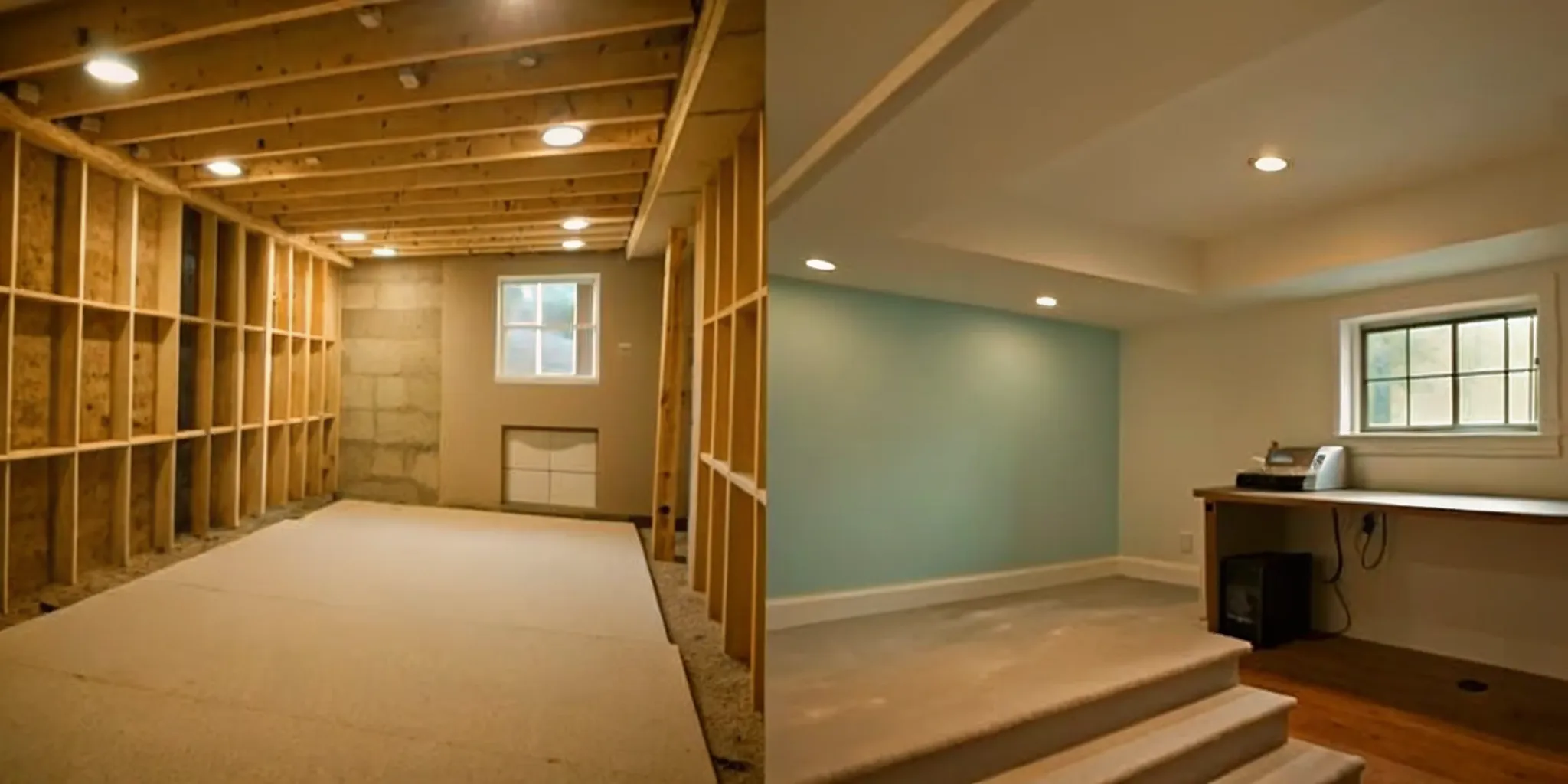
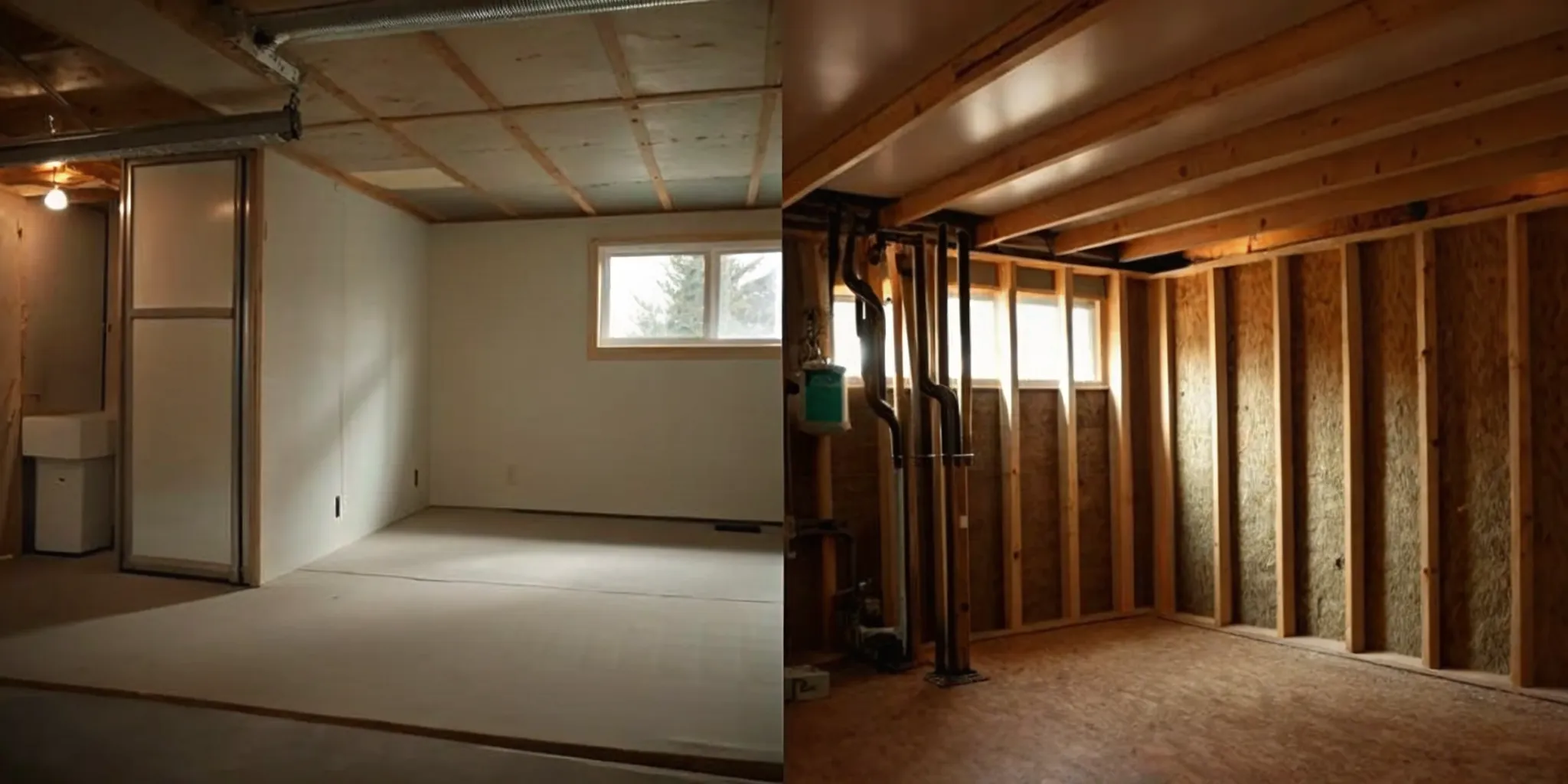
A basement ADU at 1,200 square feet is the most ambitious version of this project type, and at this scale it begins to function less like a discrete ADU conversion and more like a full home expansion below grade. A complete basement floor at this size can accommodate a two-bedroom, two-bath apartment with a full kitchen, a living area, laundry, and storage, which is a genuinely market-rate-competitive unit in Seattle's rental market.
The structural and MEP requirements at this scale are significant and need to be assessed early. Ceiling height verification throughout the entire proposed layout is essential: discovering mid-design that a portion of a 1,200 sq ft basement is too low for habitable use is a scope disruption that proper upfront assessment prevents. Egress window requirements, waterproofing appropriate for a fully inhabited below-grade space of this footprint, and the exterior stairwell configuration for independent access are all components that belong in the planning phase, not the construction phase.
The cost efficiency advantage that defines basement conversions relative to ground-up detached builds is meaningful at this size in absolute dollar terms, even as the per-square-foot gap narrows as the project's MEP and structural complexity grows. In Seattle specifically, a 1,200 sq ft basement apartment with proper finishes and a separate entrance is a highly competitive long-term rental product in a market where rental demand consistently outpaces supply.
Living Space Addition: A Full Layout Reconfiguration
A living space addition at 1,200 square feet is, at this scale, effectively a full reconfiguration of a home's ground floor layout. The project involves removing multiple interior walls, extending the footprint significantly, and redesigning the relationship between the kitchen, dining area, living room, and ancillary spaces into a modern open-concept arrangement that functions in a way the original floor plan never could. The data describes it accurately: at this size, a living space addition reconfigures the entire layout rather than adding to it.
The open-concept transformation is the most-requested renovation type in Realm's dataset across all project types and markets, and at 1,200 square feet the scope is large enough to address every aspect of that goal simultaneously rather than in phases. Homeowners who undertake this project at this scale are not making an incremental improvement; they are rebuilding the functional core of their home around how they actually live.
Frequently Asked Questions
How much does a 1,200 sq ft ADU cost to build? The 1,200 sq ft size bracket in Realm's dataset is dominated by home additions, second-story builds, new home builds, and bedroom additions rather than standalone ADUs. For detached ADUs specifically, the 1,000 sq ft bracket provides the most relevant benchmark data, with a detached ADU median of $373,967. At 1,200 square feet, a detached ADU would be a premium unit competing directly with market-rate apartment inventory, and the cost would reflect the premium finish level and full MEP complexity that unit type requires. For a project-specific estimate calibrated to your location and site conditions, a Realm advisor can help you build an accurate cost model.
What does a 1,200 sq ft fire rebuild cost in Altadena or Pacific Palisades? Based on Realm's project data, new home builds at the 1,200 sq ft size bracket carry a different cost profile than standard custom construction, reflecting the specific circumstances of fire rebuild projects where existing foundations, utility connections, and permitted plans may significantly reduce the scope of new work required. The overall project median across all types at this size is $376,626. Fire rebuild costs specifically will vary based on what existing infrastructure can be preserved or reused, local permitting fees for post-fire rebuilds, current labor and material costs in the Los Angeles market, and the finish level of the replacement structure. Realm provides dedicated resources and advisor support for homeowners navigating wildfire rebuilds in Los Angeles, and an advisor can help you understand the realistic cost range for your specific lot and situation.
Is a 1,200 sq ft detached ADU worth building for rental income? At 1,200 square feet, a detached ADU is a market-rate-competitive apartment that functions and rents like a full residential unit rather than an accessory structure. In California and Washington markets where rental housing supply is constrained and rents are high, a three-bedroom detached ADU at 1,200 square feet can generate rental income substantial enough to produce meaningful long-term returns on an investment at this cost level. The question of whether it's "worth it" for your specific situation depends on the rental income projections for your specific market, the cost of the build on your specific lot, your financing approach, and your time horizon. A long-term financial model built before the project begins is the most useful tool for answering that question honestly. A Realm advisor can help you build that model for your specific situation and market.
How long does it take to build a 1,200 sq ft ADU or major addition? At this scale, the full timeline from initial planning to a completed, livable project spans multiple phases that together commonly total well over a year. Design for a complex project at this size can take several months. Permitting timelines in California and Washington vary by jurisdiction and by project type, and at 1,200 square feet the permitting complexity is greater than for smaller builds. Construction for a 1,200 sq ft detached ADU or major home addition typically runs six months or more once permits are in hand, depending on site conditions, contractor capacity, and finish level. For fire rebuild projects, California has implemented specific permitting pathways designed to accelerate rebuilds in fire-affected communities, which can reduce the permitting phase for qualifying projects. Setting a realistic timeline before committing to a completion date protects both your planning and your relationships with contractors. Realm's advisors can help you set accurate timeline expectations for your specific project type and location.