Do I Need an Architect for My Home Renovation? A Project-by-Project Guide
Wondering, "Do I Need an Architect for My Home Renovation? A Project-by-Project Guide"? Get clear answers and practical tips for every type of remodel.
|
April 9, 2026
In this article:
Choosing the right professionals for your renovation is like stocking a toolbox; you need the right tool for the right job. You wouldn't hire an electrician to fix your plumbing, and the same logic applies to design and construction experts. An architect is a highly specialized professional, essential for projects that involve changing your home’s structure, layout, or footprint. For other jobs, like cosmetic updates or interior decorating, a different pro might be a better fit. This comprehensive breakdown, Do I Need an Architect for My Home Renovation? A Project-by-Project Guide, will help you identify the specific demands of your project so you can confidently choose the right expert for the job.
Key Takeaways
- Define Your Scope to Find Your Pro: An architect is your go-to for structural changes like moving walls, building additions, or any work requiring stamped permits. For cosmetic updates that keep the same layout, a skilled contractor or interior designer is often the perfect fit.
- Look Beyond the Blueprints: An architect's fee is an investment in your project's success. They provide smart layouts that maximize your space, manage the complex permit process, and oversee construction to prevent costly errors and add lasting value to your home.
- Build the Right Team for Your Project: If an architect isn't needed, you have other great options. Design-build firms offer an all-in-one solution, interior designers specialize in functional and beautiful spaces without structural work, and structural engineers are essential for safely altering load-bearing walls.
Do I Need an Architect for My Renovation?
Figuring out who to hire for your renovation can feel like a puzzle, and one of the biggest questions is often: "Do I really need an architect?" The answer isn't a simple yes or no, because it really depends on the scale and complexity of what you're planning. An architect is a licensed professional trained to design spaces that are safe, functional, and beautiful. They see the big picture, focusing on your home's structure, the flow between rooms, and how to make the most of natural light.
More than just drawing up plans, they are experts in navigating complex building codes and the permitting process, which can save you major headaches down the line. Their involvement can be the difference between a good result and a truly great one. However, their full services aren't necessary for every project. For many cosmetic updates or smaller jobs, a skilled contractor or designer might be all you need. The key is to match the professional to your project's specific demands. Let's break down which renovations call for an architect and which ones you can tackle without one.
Projects That Call for an Architect
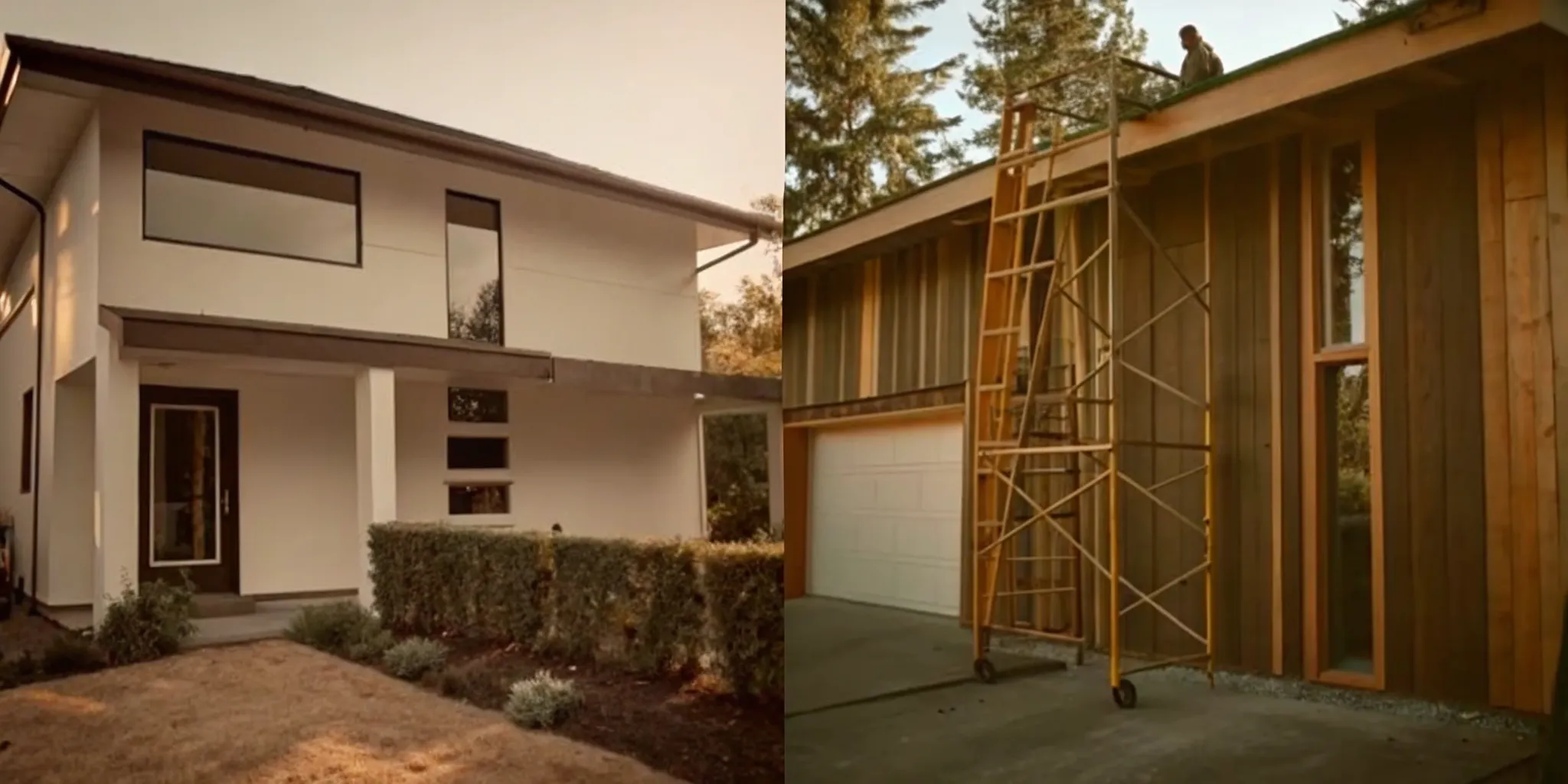
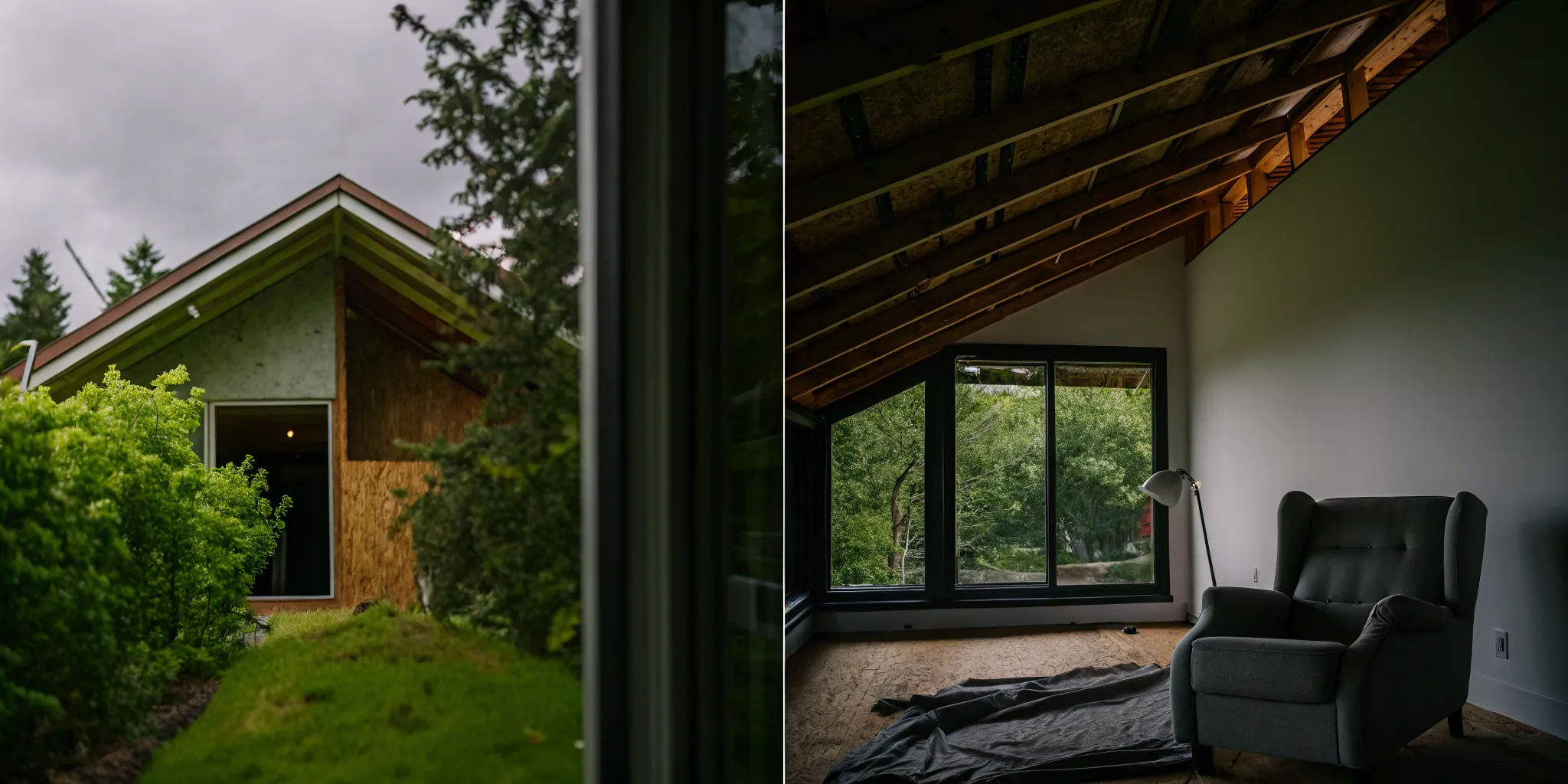
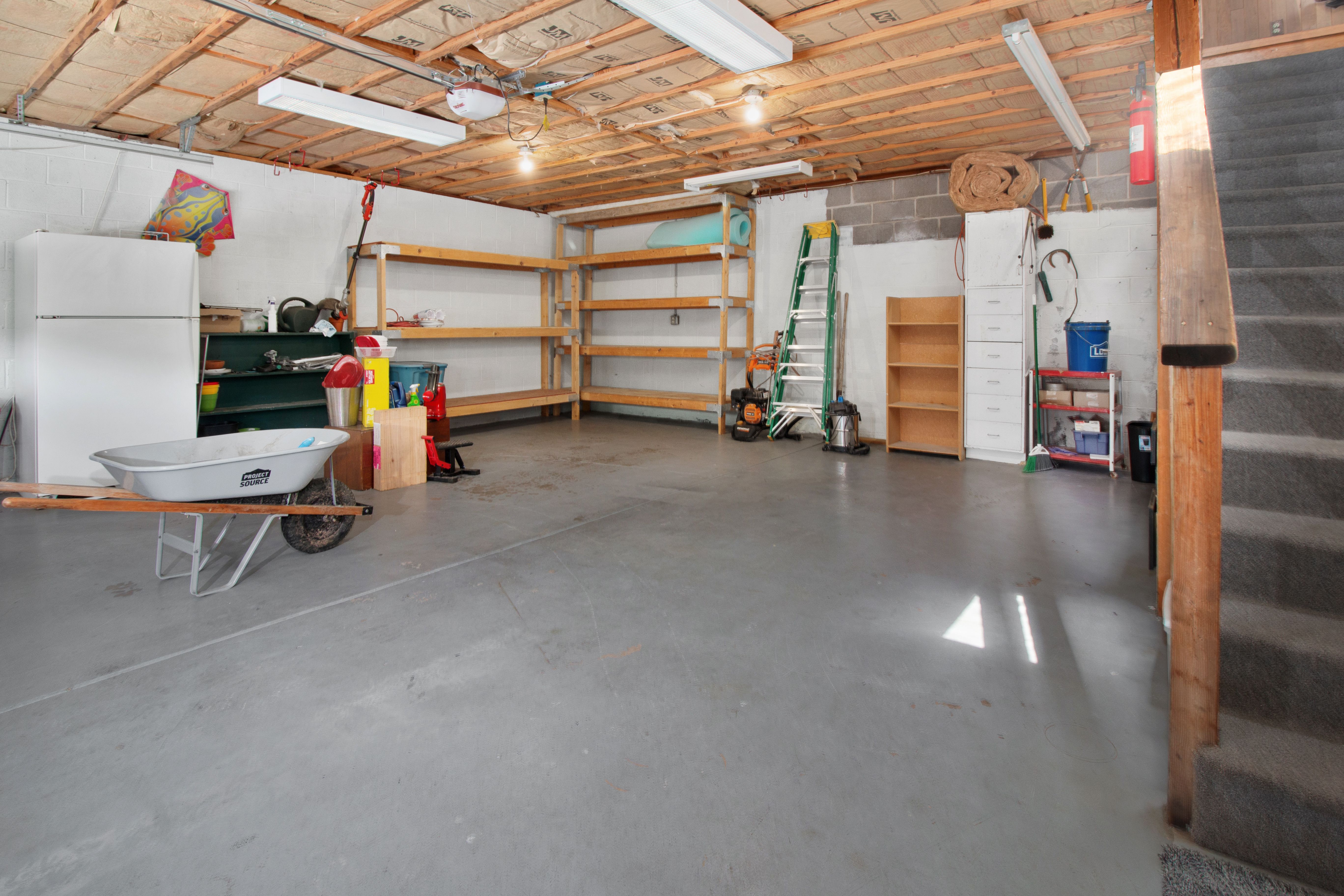
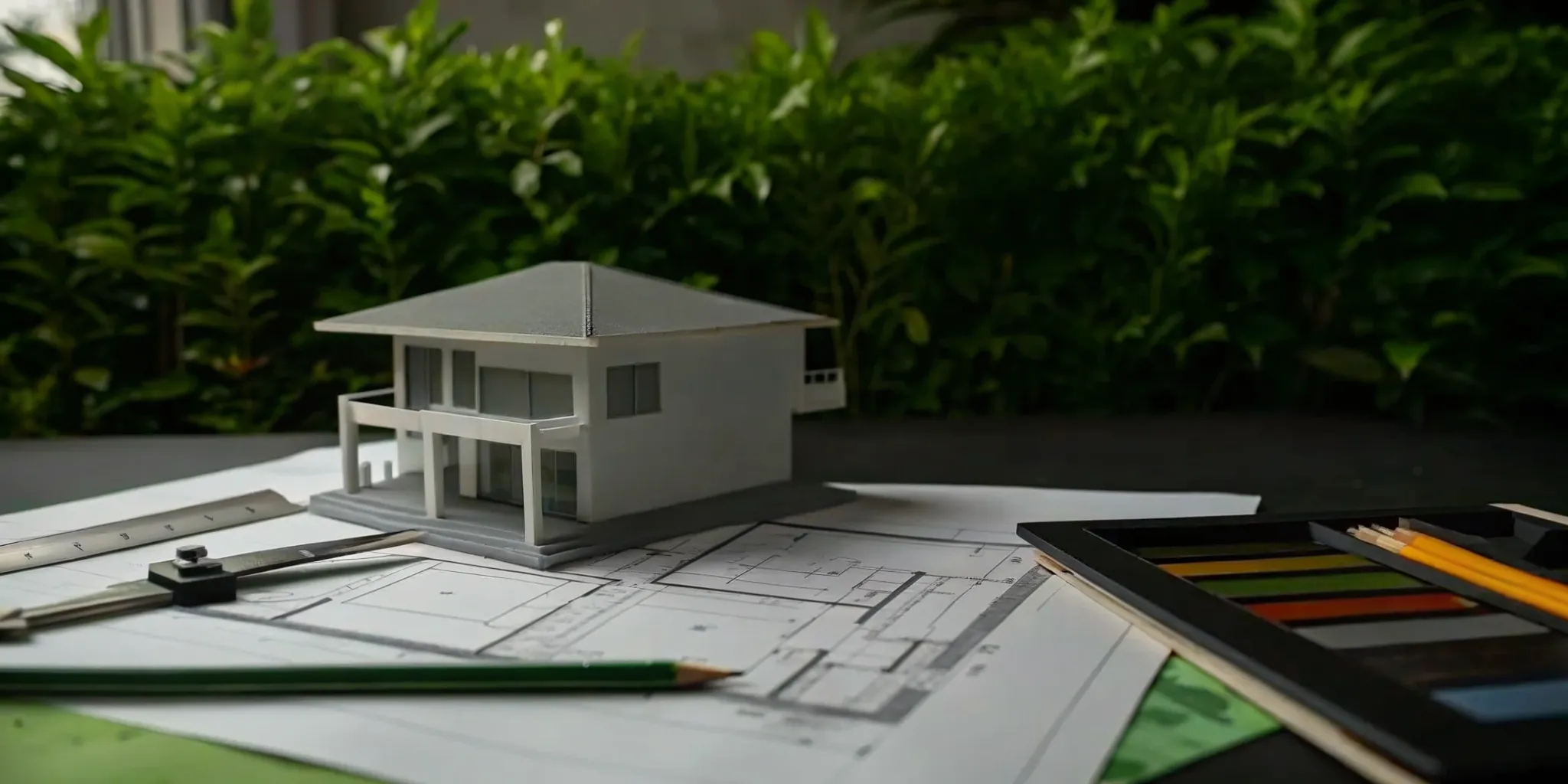
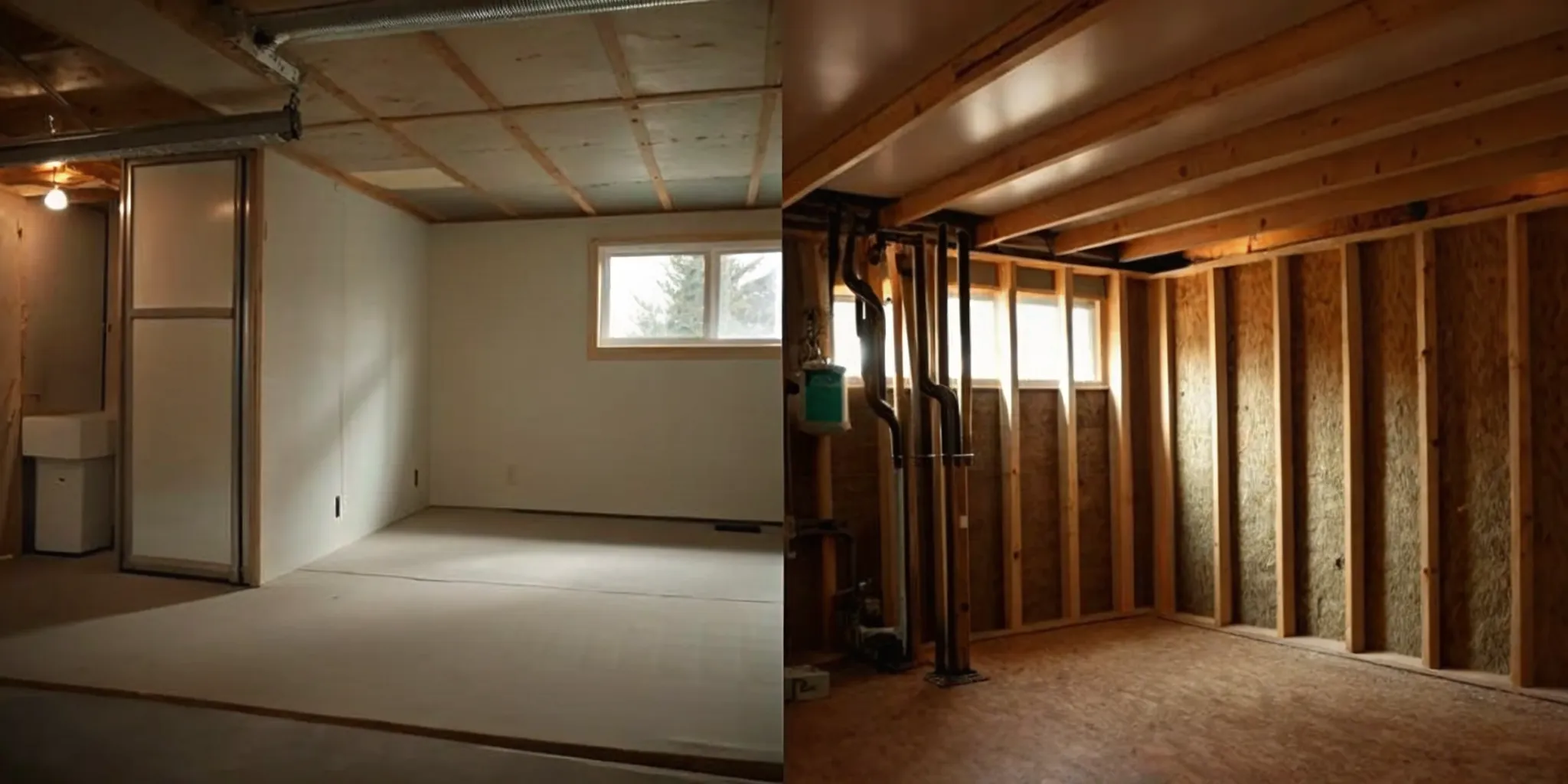
You'll want to bring an architect on board for any project that changes the structural bones of your home. Think big. This includes building an addition, moving or removing walls to create an open-concept living area, or changing the roofline. They are also essential for projects that alter your home's layout, like reconfiguring a kitchen, adding a bathroom, or converting a garage into living space. If your project involves complex changes to plumbing or electrical systems, or if you're looking to improve the overall flow between rooms, an architect's vision is key. Essentially, if your city requires stamped plans to issue a building permit, an architect is your go-to professional.
When You Can Skip the Architect
For many interior renovations, you can often proceed without hiring an architect. If your project is primarily cosmetic and doesn't involve moving walls or changing the home's structure, you're likely in the clear. This includes projects like replacing kitchen cabinets and countertops in the same layout, updating a bathroom without moving the toilet or shower, painting, or installing new flooring. For these types of jobs, a great general contractor or an interior designer can provide the design guidance and project management you need. A dedicated renovation advisor can also help you determine the right professionals for your specific project, ensuring you don't pay for services you don't need.
Why Hire an Architect?
Hiring an architect might feel like a big step, but for many renovations, it’s the smartest decision you can make. They do much more than just draw blueprints. A good architect acts as your creative partner and trusted advocate, ensuring your project not only looks great but is also well-built, functional, and compliant with all the local rules. Think of them as the expert guide who helps turn your vision into a detailed, actionable plan, setting your project up for success from the very beginning.
Get Expert Design and a Smarter Layout
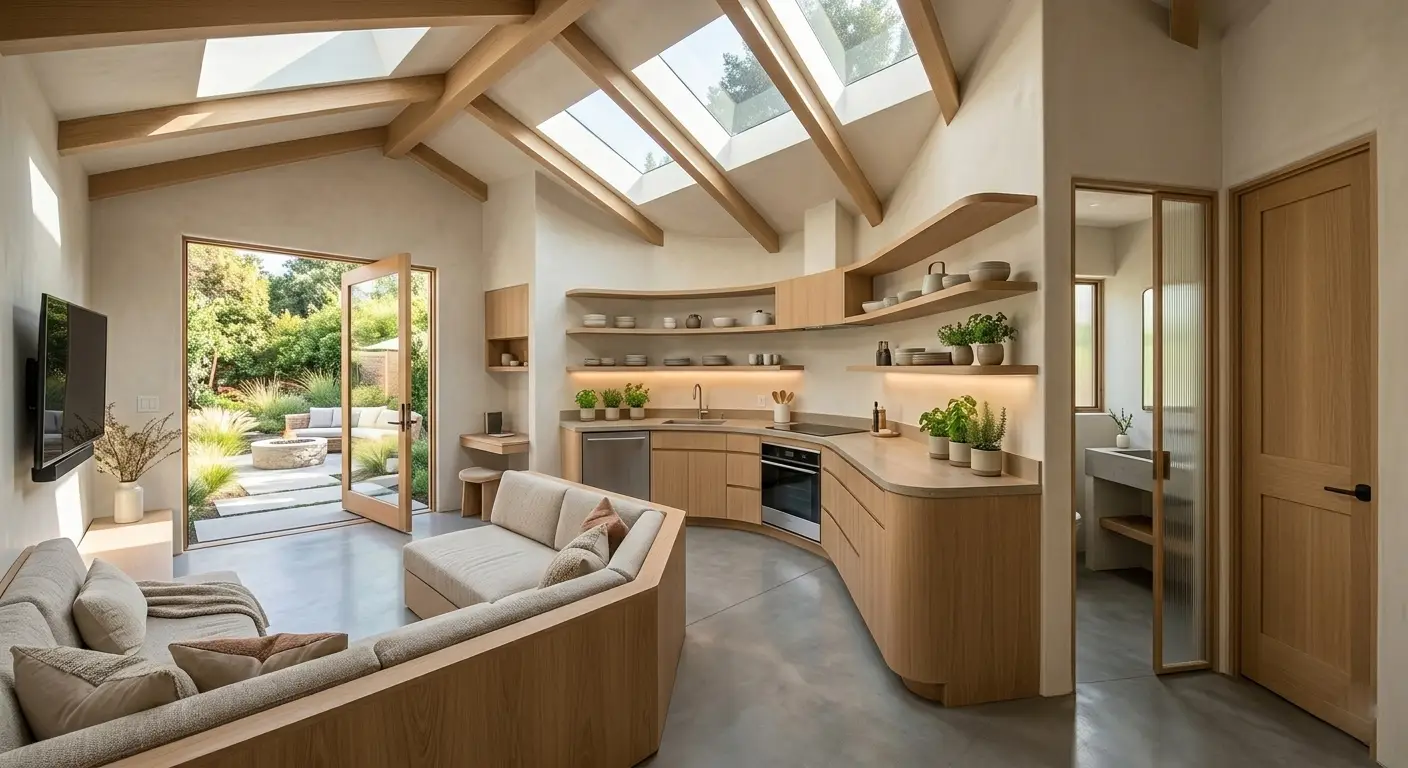
An architect sees the big picture of your home. Instead of just focusing on a single room, they consider how every space connects and flows together. Their expertise lies in creating smart, efficient layouts that can completely change how you live in your home, often without adding a single square foot. They can find clever ways to bring in more natural light, improve storage, and create a floor plan that truly serves your family’s needs for years to come. This holistic approach ensures the final design is cohesive, beautiful, and perfectly suited to your lifestyle.
Navigate Building Codes and Permits
If your project involves changing your home's structure or exterior, like with an addition or a major kitchen overhaul, you'll likely need permits. This process can be confusing and time-consuming. Architects are experts in local building codes and zoning laws. They know exactly what paperwork is needed and can prepare and submit the technical drawings required for approval. Having an architect handle this part of the process ensures your project is designed safely and legally from the start, saving you from potential fines, construction delays, and major headaches down the road.
Keep Your Project on Track
Once construction begins, an architect can serve as your representative on the job site. They help you find and vet contractors, review their work to ensure it matches the plans, and solve problems that pop up during the build. This oversight is invaluable. It means you have a professional making sure the quality meets the standards set in the design, keeping the project moving forward on schedule and within budget. They act as a crucial link between you and your build team, making sure your vision is executed correctly.
Add Long-Term Value to Your Home
While hiring an architect is an upfront cost, it’s an investment that can pay for itself over time. A well-designed home not only functions better for you and your family but also has a higher market value. Architects can help you make smart choices with materials and design features that add lasting appeal and won't feel dated in a few years. By preventing costly design mistakes and ensuring high-quality construction, they protect your investment. A thoughtful renovation planned by an architect can significantly increase your home’s resale value, delivering a strong return when it’s time to sell.
How to Decide if Your Project Needs an Architect
Figuring out if you need an architect can feel like a big question mark. The answer really comes down to what you’re trying to accomplish, not just the size of your budget. By looking closely at your project's scope, local permit requirements, and your finances, you can make a confident decision. Let’s break down these three key areas to help you determine the right path for your renovation.
Consider Your Project's Scope
Start by looking at the scale of your project. If your renovation involves more than simple cosmetic updates, you will likely need an architect. Think about whether you plan to move or remove walls, build an addition, or change the layout of a room. An architect is essential for projects that alter your home’s structure or footprint. They also help with complex goals like improving traffic flow, bringing in more natural light, or creating a seamless connection between your indoor and outdoor spaces. For any remodel that goes beyond paint and new fixtures, an architect’s expertise is key.
Check Local Permit Requirements
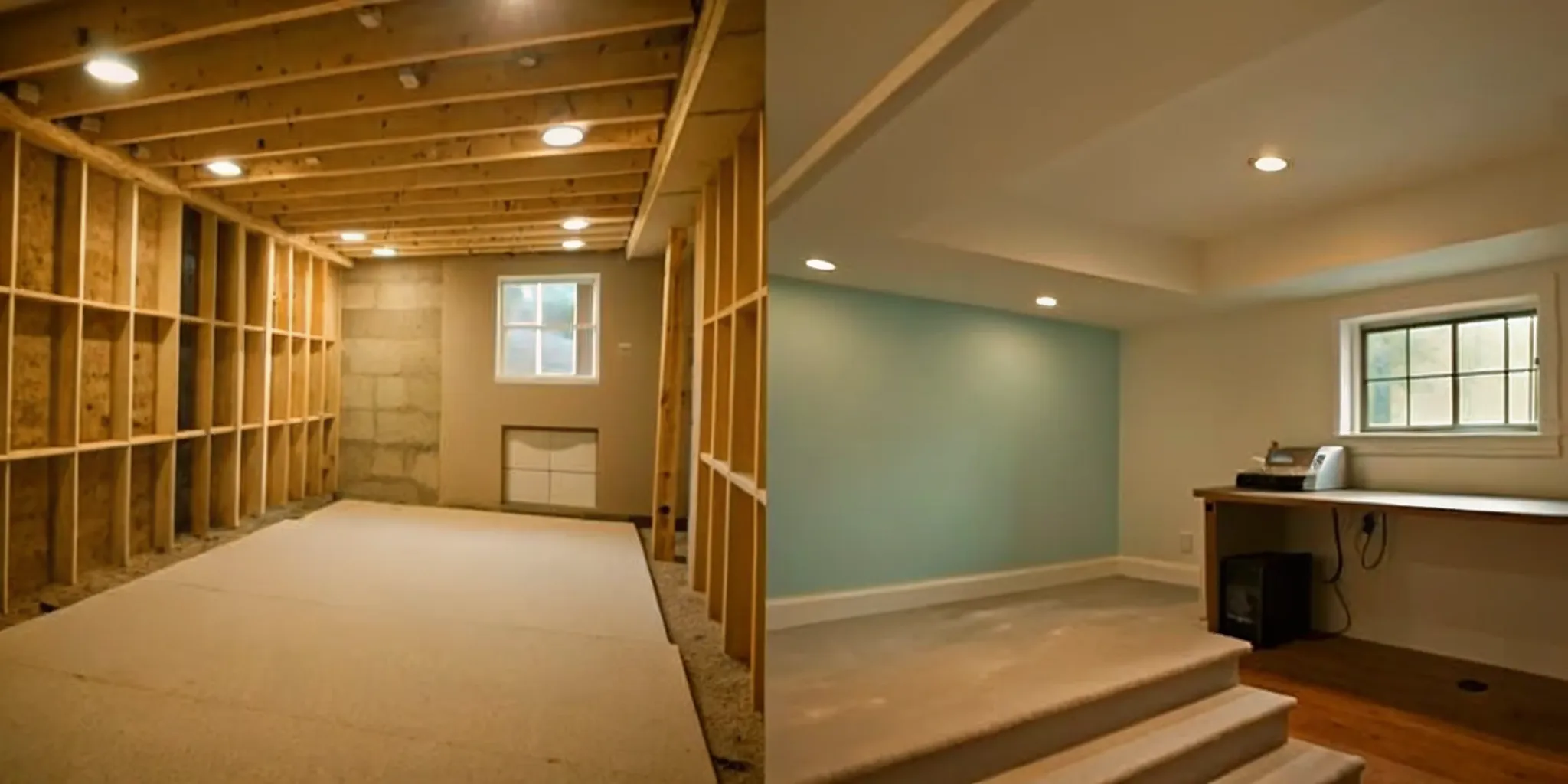
Before you get too far into planning, it’s smart to contact your local building department. They can tell you exactly what permits are required and whether you need an architect to sign off on the plans. While you might handle smaller projects on your own, you’ll almost certainly need an architect for larger-scale work. This includes building an extension or converting a garage, basement, or loft into living space. These projects involve significant structural changes, and an architect ensures everything is designed safely and up to code.
Look at Your Budget and Timeline
Of course, your budget is a major factor. Architect fees typically range from 8% to 12% of the total project cost. While that might seem like a big slice of your budget, it’s helpful to think of it as an investment. A good architect can prevent expensive mistakes during construction that could derail your timeline and finances. They are experts at optimizing your existing space, which can save you money in the long run. Plus, a well-designed home can significantly increase its value, which is a huge benefit if you ever decide to sell.
How Much Does an Architect Cost?
Let's talk numbers. Hiring an architect is a significant investment, so it’s smart to understand how they charge before you commit. The cost isn't one-size-fits-all; it depends on your project's scope, your location, and the architect's experience. While the fee might seem high upfront, remember that a great architect can prevent costly mistakes, maximize your space, and add real value to your home. They structure their fees in a few common ways, which helps you find an arrangement that fits your project and budget.
Common Fee Structures
The most common way architects charge is a percentage of the total construction cost. This typically ranges from 8% to 20%. For smaller or more complex projects, you might see a higher percentage (think 15-20%) because the design work is still intensive relative to the construction budget. For larger projects, like a full home addition, that percentage often drops to the 8-15% range. Some architects also offer hourly rates, which can be great for smaller consultations or initial design ideas. Others may propose a fixed fee for the entire project, giving you a clear, predictable cost from the start.
What Influences the Price?
Several key factors will shape your architect's final bill. The biggest one is your project's complexity. A straightforward interior update will cost less than a custom home addition with unique structural challenges. The architect's experience and reputation also play a role; a well-established firm will naturally command higher fees. Another major factor is the level of service you need. If you only want design drawings, you'll pay less than if you need full project management from concept through construction. And remember, making changes after the plans are finalized will almost always add to the cost, so it pays to be decisive early on.
Architect Alternatives: Who Else Can You Hire?
If your project doesn’t quite demand an architect, don’t worry, you’re not on your own. A whole team of other professionals can bring your renovation vision to life. The key is to match the pro to the project. For some renovations, a skilled general contractor is all you need to manage the process. For others, you might want a specialist who can focus on a specific aspect of the job, like the interior layout or the structural safety of a change you want to make.
Think of it like building your own expert team. You might hire an interior designer to perfect the flow and finishes of your new kitchen, and then bring in a structural engineer for the single task of confirming you can safely remove a wall. Or, you could opt for a design-build firm that bundles all the services you need under one roof. Understanding your options is the first step toward building the right team for your home and budget. At Realm, we help you find vetted professionals so you can move forward with confidence, no matter who you need to hire.
Design-Build Firms
A design-build firm offers a one-stop-shop approach to renovating. Instead of you hiring a designer and a contractor separately, a design-build company handles everything from the initial sketches to the final construction. This integrated model means the design and construction teams work together from the start, which can lead to a smoother process, better communication, and fewer surprises along the way. You have a single point of contact, which simplifies everything. Many homeowners find that choosing the right general contractor is the most important decision they make. A great contractor, who is often the leader of a design-build team, can advise you on design choices and let you know if a project even requires an architect.
Interior Designers
For renovations focused on your home’s interior spaces, an interior designer can be a fantastic alternative to an architect. If you’re not planning major structural changes but want to completely rethink your kitchen layout, reconfigure a primary bathroom, or improve the flow of your living area, an interior designer has the skills you need. They can provide many of the same design services as an architect, often at a lower cost. A good designer will create detailed floor plans, help you select materials and finishes, and produce the necessary documents your contractor needs to execute the vision perfectly. They are experts in making a space both beautiful and highly functional for the way you live.
Structural Engineers
If your project involves altering the structure of your home, a structural engineer is a non-negotiable member of your team. Think of them as the protectors of your home’s integrity. You’ll need to hire one if you plan to remove or move any walls, especially if there’s a chance they are load-bearing. A structural engineer is the only professional who can definitively tell you if a wall is supporting the structure above and provide the official drawings and calculations required to do the work safely. They don’t typically focus on aesthetics, but their work is essential for getting the right permits and ensuring your home remains safe and sound for years to come.
How to Choose the Right Architect
Finding the right architect is a lot like hiring any key team member. You’re not just looking for technical skills; you’re looking for a partner who understands your vision, communicates clearly, and works well under pressure. This person will be your guide through a complex and personal process, so it’s essential to find a great fit.
Before you sign a contract, take the time to thoroughly vet your top candidates. Focus on three main areas: their portfolio of work, their communication style, and their professional credentials. A little due diligence upfront can save you from major headaches down the road. Think of it as building a foundation for a successful partnership, which is just as important as the foundation of your home. At Realm, we connect homeowners with a network of vetted professionals, but if you’re running your own search, these steps will help you find a qualified and reliable architect for your project.
Review Their Past Projects
An architect’s portfolio is the best indicator of their style and expertise. As you look through their past work, don’t just look for pretty pictures. Pay close attention to projects that are similar in scope and style to what you have in mind. If you’re planning a modern kitchen remodel, an architect who specializes in historic Tudor restorations might not be the best fit.
Look for consistency in quality and attention to detail. Do their designs seem thoughtful and well-executed? If possible, ask for the addresses of a few completed projects so you can do a quick drive-by to see the work in person. You can also ask a trusted contractor for their opinion. A good contractor can often tell you if an architect’s plans are practical and well-conceived from a builder’s perspective.
Find a Good Communicator
Your architect is your primary advocate throughout the renovation. They are responsible for listening to your needs, managing contractors, keeping the project on track and on budget, and making sure the final result matches your vision. This requires excellent communication skills. During your initial conversations, pay attention to how they listen and respond to your ideas. Do they ask thoughtful questions? Do they explain complex concepts in a way you can understand?
This relationship is a long-term commitment, so personal chemistry matters. You should feel comfortable asking questions and raising concerns. Ask them how they handle disagreements or unexpected problems during construction. Their answer will give you valuable insight into their problem-solving and communication style. Choose someone you trust to be your partner through every step of the process.
Check Credentials and References
Once you’ve found an architect whose work and personality seem like a good fit, it’s time to verify their credentials. A licensed architect must meet rigorous standards for education, experience, and examination. You can verify an architect’s license through the National Council of Architectural Registration Boards (NCARB) or your state’s licensing board. This is a critical step to ensure you’re hiring a qualified professional.
Don’t skip the reference check. Ask for contact information for two or three recent clients, preferably those with projects similar to yours. When you call, ask specific questions about their experience. Were they happy with the final design? Did the architect stick to the budget and timeline? How did they handle challenges? Hearing directly from past clients is one of the best ways to confirm you’ve found the right person for the job.
What to Expect When Working With an Architect
Hiring an architect is like bringing on a creative partner and a project manager all in one. Their job isn’t just to draw up a few plans; they guide you through the entire renovation journey, from the first sketch to the final walkthrough. Understanding their role at each stage helps you make the most of their expertise and ensures your project runs smoothly. The process generally breaks down into three main phases: dreaming and designing, getting ready for construction, and finally, building your new space.
The Design and Planning Phase
This is where your vision begins to take shape on paper. An architect’s first job is to listen to your needs, ideas, and goals. They think about the whole picture, considering how your family will use the space for years to come and how every room flows together. You’ll work with them to explore different layouts and concepts. They also help you choose materials, finishes, and appliances that fit your budget and aesthetic. It’s best to bring an architect into your project as early as possible. Their initial guidance can help you set a realistic budget and timeline, preventing costly changes down the road as part of your customized project plan.
Getting Construction-Ready
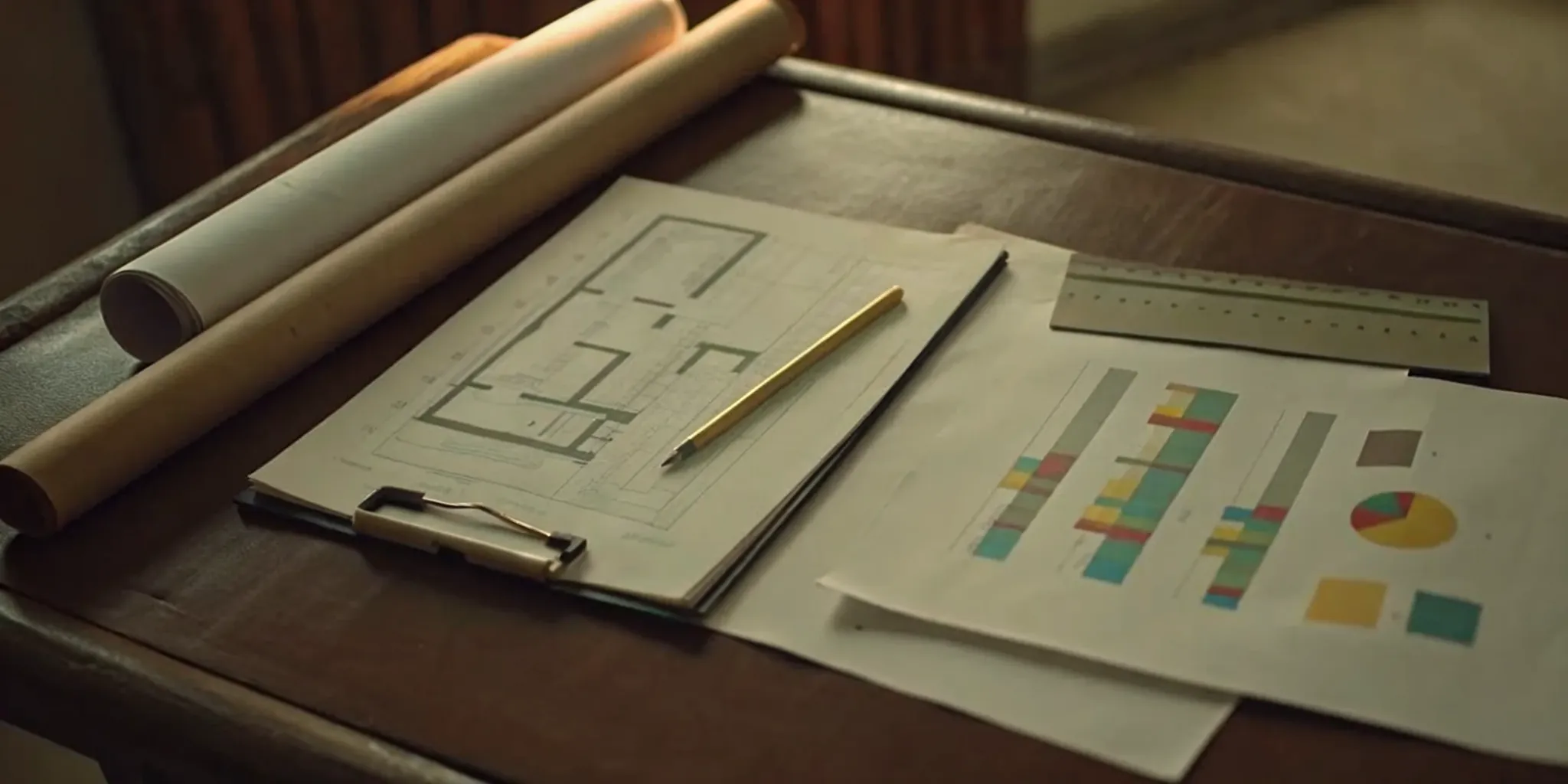
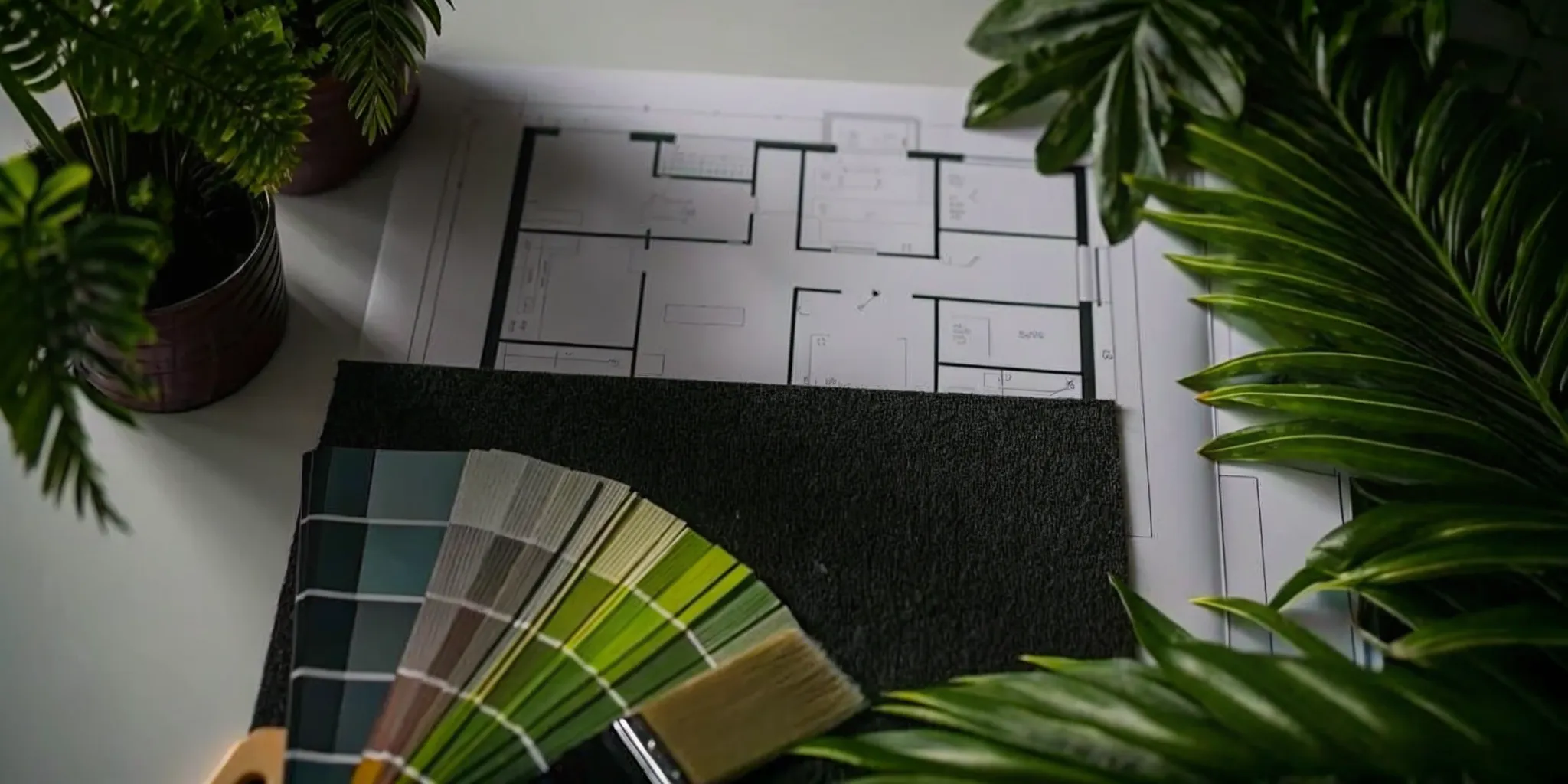
Once you’ve landed on a design you love, the architect translates that vision into a detailed set of technical drawings. These aren’t just simple floor plans; they are comprehensive documents that contractors will use to build your project accurately. This phase is essential for any remodel that involves more than cosmetic updates. If you’re moving walls, adding a room, changing the layout, or altering the home’s structure, you’ll need these official plans. They contain all the specifications needed to get building permits and provide clear instructions for your construction team, leaving no room for guesswork.
Support During the Build
During construction, your architect acts as your advocate and representative on-site. They are your eyes and ears, making sure the contractor is following the plans and that the quality of work meets the expected standard. They will periodically visit the site, answer questions from the build team, and help solve any unexpected problems that arise. This oversight is incredibly valuable, as it keeps the project on track and aligned with your original vision. Having an expert manage the complexities of construction gives you peace of mind and ensures the final result is exactly what you dreamed of, which is a core part of the supported experience we believe in.
Common Myths About Hiring an Architect
The idea of hiring an architect can feel intimidating, often because of a few persistent myths that just don’t hold up. Many homeowners assume an architect is an unnecessary luxury reserved for grand, elaborate projects. But in reality, a good architect can be one of the most valuable partners in your renovation, regardless of its size. Let's clear up some of the biggest misconceptions so you can make the right choice for your home.
Myth: They’re Only for Huge, Expensive Projects
Many people picture architects designing sprawling custom homes, but their expertise is just as crucial for smaller, more complex renovations. If your project involves more than simple cosmetic updates like painting or swapping out a faucet, an architect is often a key player. Think about projects that change your home’s footprint or structure: moving walls, adding a second story, or reconfiguring a kitchen layout. An architect ensures these changes are safe, functional, and well-designed. They are trained to see possibilities you might miss and solve tricky spatial puzzles, making them essential for any significant remodel.
Myth: They Always Drive Up the Total Cost
While an architect’s fee is an upfront cost, their involvement can actually save you a significant amount of money in the long run. They are experts in creating efficient designs that make the most of your existing space, potentially helping you avoid a costly addition. A well-designed plan also prevents expensive mistakes and change orders during construction. Your architect acts as your advocate, ensuring contractors deliver quality work that meets building codes. This oversight, combined with a design that adds long-term value to your home, often makes their fee a smart financial investment.
Myth: You’ll Lose Creative Control
Hiring an architect doesn’t mean signing away your vision. Their job is to be your partner and translate your ideas, needs, and style into a functional, buildable plan. A great architect listens carefully and collaborates with you to find the best solutions. They bring a holistic perspective, considering how every element works together, from the flow between rooms to the choice of materials. They guide you through countless decisions, helping you select finishes and fixtures that fit your budget and aesthetic. The final design is a product of teamwork, combining your vision with their professional expertise to create a space you’ll love.
Related Articles
- 8 Steps to a House Renovation Design and Plan
- Residential Construction Renovation: A Simple Guide
- Mansard Loft Conversion Guide: Everything You Need to Know
- Breaking Down Your Full Interior Renovation Cost
Frequently Asked Questions
What's the real difference between an architect and an interior designer? Think of it this way: an architect builds the box, and an interior designer makes it beautiful and functional inside. Architects are licensed professionals who focus on the structure, layout, and safety of your home, including things like moving walls or building additions. Interior designers specialize in space planning within the existing structure, selecting finishes, and creating a cohesive look. If your project involves changing the bones of your house, start with an architect. If it's focused on aesthetics and layout within the current footprint, a designer is a great choice.
Can an architect really save me money in the long run? It might seem counterintuitive, but yes, absolutely. While their fee is an upfront cost, a good architect prevents expensive mistakes and change orders during construction by creating a detailed, buildable plan. They are experts at maximizing your existing space, which could help you achieve your goals without the higher cost of an addition. Their professional oversight ensures quality construction, and a thoughtfully designed home almost always has a higher resale value, making it a smart financial investment.
I'm just redoing my kitchen. Do I still need an architect? This completely depends on what your kitchen redo involves. If you are keeping the existing layout and simply replacing cabinets, countertops, and appliances, you can likely work with a great general contractor or interior designer. However, if you plan to move walls, change the location of sinks or appliances, or alter the room's structure in any way, you will need an architect to create the necessary plans and ensure everything is up to code.
How early in my renovation planning should I contact an architect? You should bring an architect into the conversation as early as possible, ideally when your project is still just an idea. Their expertise is most valuable at the very beginning. They can help you explore what's possible with your space, set a realistic budget, and create a clear roadmap for the project. Involving them early helps prevent costly redesigns and ensures your project starts on a solid foundation.
What if I hire an architect and don't like their design ideas? This is a common concern, but remember that the design process is a collaboration, not a dictatorship. A good architect's primary job is to listen to your needs and translate your vision into a workable plan. The initial design phase involves a lot of conversation and feedback to ensure the final result is something you love. This is why it's so important to review their portfolio and have honest conversations upfront to make sure your communication styles and aesthetic tastes are a good match.