Breaking Down Labor Cost to Remodel Bathroom
Get a clear look at the labor cost to remodel bathroom spaces, including what impacts pricing, how to estimate costs, and tips for staying on budget.
|
February 10, 2026

In this article:
Behind every stunning bathroom transformation is a coordinated team of skilled professionals. From the plumber who ensures your pipes are perfect to the tiler who meticulously lays each piece, their expertise is what brings your vision to life. That’s what you’re investing in when you pay for labor. It’s more than just an hourly rate; the labor cost to remodel bathroom projects reflects the skill, experience, and project management required for a high-quality, lasting result. In this guide, we’ll pull back the curtain on these costs, explaining the different trades you’ll need, why contractor experience matters, and how to accurately estimate what you’ll pay for the hands-on work.
Key Takeaways
- Your Plan Is Your Best Budgeting Tool: The most effective way to control labor costs is to finalize every design choice and material selection before demolition begins. This prevents expensive mid-project changes and keeps your renovation on track.
- Labor Costs Reflect Skill and Scope: Expect 40% to 65% of your budget to go toward labor, which covers the coordinated team of licensed professionals needed for the job. This percentage fluctuates based on your location and whether you're doing a simple cosmetic update or a complex layout change.
- Build a Financial Safety Net: Always set aside a contingency fund of 15% to 20% of your total project cost. This fund is strictly for handling true surprises, like hidden water damage or outdated wiring, not for last-minute upgrades.
What Are the Average Labor Costs for a Bathroom Remodel?
When you start planning a bathroom remodel, it’s easy to get excited about picking out new tile, a stylish vanity, or the perfect soaking tub. But one of the biggest line items in your budget won’t be a fixture or finish—it will be the cost of labor. Understanding what drives these costs is the first step to creating a realistic budget and avoiding surprises down the road.
Labor costs aren’t just a single number; they represent the skill, time, and expertise of the professionals who bring your vision to life. From plumbers and electricians to tilers and painters, each trade plays a crucial role. The total cost can vary widely based on your project's size, the complexity of the work, and even your zip code. Let’s break down what you can generally expect to pay for the hands-on work.
How Much of Your Budget Goes to Labor?
As a rule of thumb, you can expect labor to make up a significant portion of your total project cost. For most bathroom remodels, labor accounts for anywhere from 40% to 65% of the final bill. This percentage covers the coordinated effort of all the skilled tradespeople needed to get the job done right. It’s not just about installing a new sink; it’s about ensuring the plumbing is perfect, the electrical is safe, and the tile is laid to last. Because so many experts are involved, having a partner to manage your project can make the entire process feel much smoother.
How Project Size Affects Labor Costs
It makes sense that the bigger the bathroom, the more it will cost to renovate. More square footage means more flooring to lay, more wall space to paint or tile, and potentially more complex plumbing and electrical runs. On average, homeowners can expect to pay between $70 and $250 per square foot for a bathroom remodel. For a standard full bathroom, this often puts the total cost in the range of $6,600 to $18,000. Of course, a high-end remodel with luxury materials and custom features can cost much more. Getting a customized plan for your space is the best way to understand how your bathroom's size will impact your specific labor costs.
Why Location and Complexity Change Your Labor Costs
When you start budgeting for a bathroom remodel, it’s easy to focus on the fun stuff, like tile and fixtures. But labor will be one of your biggest line items, and its cost isn't fixed. Two of the most significant factors that influence what you'll pay for labor are your home's location and the scope of your project. Understanding how these elements affect your budget from the start will help you plan a renovation with no surprises. A simple fixture swap in one city could have a completely different labor price than a full gut job in another, and knowing why helps you set a realistic budget from day one.
How Labor Costs Differ by City
It’s no secret that the cost of living varies dramatically from one place to another, and the same goes for construction. Labor costs in a major metropolitan area like Los Angeles or the SF Bay Area will be significantly higher than in a smaller town. This is due to higher local wages, greater demand for skilled tradespeople, and the increased operational costs for contractors, like insurance and transportation. When you get a project estimate, a contractor has to factor in all these local market conditions. So, while online cost calculators can give you a ballpark idea, remember that your specific zip code plays a huge role in the final price tag.
What Makes a Project More Complex (and Expensive)?
The more intricate your renovation, the more you can expect to pay for labor. A straightforward cosmetic update—like painting, replacing a faucet, or installing a new vanity in the same spot—requires less time and skill. However, if you plan to change the bathroom's layout, your costs will climb. Moving plumbing for a toilet or shower can add $5,000 or more to your budget, and demolition alone can cost between $1,000 and $2,300. If contractors uncover hidden problems like old water damage, repairs could run $3.75 to $7 per square foot. All these tasks require specialized skills and more hours on the job, which is why labor can easily account for 40% to 65% of your total project cost.
What Factors Influence Bathroom Remodel Labor Costs?
When you get a quote for your bathroom remodel, you’re looking at more than just an hourly rate. Several key factors come together to determine the final labor cost, from the specific skills required to the experience of the pros you hire. Understanding these elements helps you see exactly where your money is going and why investing in the right team is so important for a successful project. It’s about balancing your budget with the quality and peace of mind you deserve.
The Different Trades You'll Need to Hire
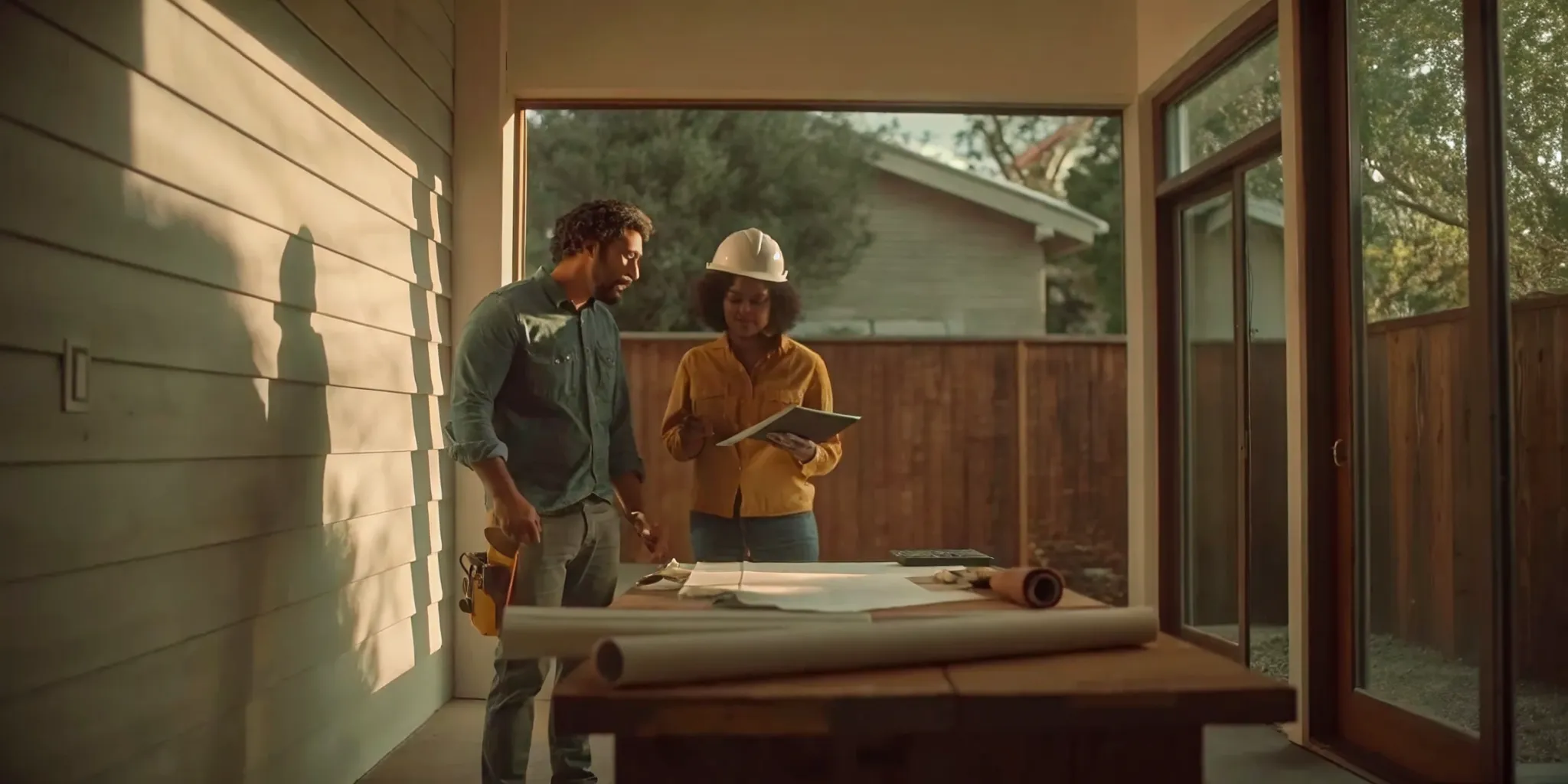
A bathroom remodel is a team sport, and each player has a specialized role. You’ll likely need a general contractor to manage the project, a plumber for the pipes and fixtures, an electrician for wiring and lighting, a tile setter, and a painter. Each of these trades has its own rate. Since the cost of labor can be 40% to 65% of the total project price, knowing who you need on your team is essential. A good general contractor coordinates all these moving parts, ensuring everyone shows up on time and does the job right, which is a huge part of what you’re paying for.
Why Contractor Experience and Licensing Matters
It can be tempting to choose the contractor with the lowest bid, but experience and proper licensing are worth paying for. A seasoned, licensed professional has the expertise to handle unexpected issues, ensure everything is up to code, and deliver high-quality work that lasts. Their pricing needs to cover not just labor and materials but also overhead like insurance, tools, and the cost of running a legitimate business. When you hire a vetted professional, you're investing in a smoother process and protecting yourself from costly mistakes and future repairs that often come with cutting corners.
How Your Project Timeline Impacts the Price
Time really is money in a renovation. A well-defined project plan helps keep your labor costs on track, while unexpected delays and changes can cause them to climb. Indecision or changing your mind after work has started leads to change orders, which are "perhaps the single biggest threat to residential project budgets." A change order—like deciding on a different vanity after the plumbing rough-in is complete—disrupts the schedule, often requiring pros to redo work. Finalizing all your design choices and material selections before demolition begins is one of the best ways to keep your timeline and budget in check.
How to Accurately Estimate Your Labor Costs
Figuring out labor costs can feel like trying to hit a moving target, but it’s the most critical step for keeping your bathroom remodel on budget. An accurate estimate isn’t just a single number—it’s a detailed plan that outlines every task and its associated cost. This transparency is what separates a smooth project from a stressful one. When you understand exactly where your money is going, you can make smarter decisions and avoid those dreaded surprise expenses down the line. The goal is to move forward with confidence, knowing you have a realistic financial roadmap for the beautiful new bathroom you envision.
This process is all about gathering the right information so you can compare apples to apples when looking at contractor bids. A vague proposal leaves too much room for interpretation, which can lead to misunderstandings and budget overruns. A detailed, itemized estimate, on the other hand, serves as a clear agreement between you and your contractor. It ensures you’re both aligned on the scope of work and the costs involved before a single tile is laid. This is where having a trusted partner can make all the difference, helping you decipher bids and connect with vetted professionals who provide the clarity you need.
Getting Detailed, Itemized Quotes
When you start collecting bids, don't settle for a single, lump-sum price. A professional and trustworthy contractor will always provide a detailed, itemized quote that breaks down the project into specific line items. You should see separate costs for demolition, plumbing, electrical work, tiling, painting, and installation of fixtures. This level of detail is non-negotiable. It allows you to accurately compare bids from different contractors and understand exactly what is—and isn’t—included. A vague estimate leaves room for ambiguity and unexpected charges later. Insist on getting detailed quotes before you sign any contracts to ensure everyone is on the same page from day one.
Separating Labor vs. Material Costs
Understanding the split between labor and materials is essential for managing your budget. Labor often accounts for a significant chunk of the total project price—typically between 40% and 65% of the total cost. Ask every potential contractor to separate these two figures in their quote. This allows you to see precisely how much you’re paying for the physical work versus the products being installed. This separation gives you more control. For instance, if you see that the labor for a complex tile pattern is high, you might decide to choose a simpler design to save money, or you could splurge on a high-end vanity because you’re saving on installation.
Planning Ahead and Communicating Clearly
The best way to keep labor costs in check is through meticulous planning and crystal-clear communication with your contractor. Finalize all your design choices, from tile and paint colors to faucets and lighting, before the work begins. Changing your mind mid-project is one of the fastest ways to inflate your labor bill. Establish a clear communication plan with your contractor from the start. You can even create a simple project guide that outlines the scope of work, the payment schedule, and how you’ll handle any potential changes. Effective communication and thorough documentation are your best tools for ensuring the project stays on track and on budget.
Common Mistakes That Inflate Labor Costs
Knowing what to expect is half the battle when it comes to budgeting for your bathroom remodel. The other half is knowing what pitfalls to avoid. Even with a solid plan, a few common missteps can quickly drive up your labor costs, turning your dream project into a financial headache. By understanding these potential issues ahead of time, you can make smarter decisions that keep your budget on track and ensure a smoother renovation from start to finish.
The High Cost of Mid-Project Changes
One of the fastest ways to inflate your labor costs is by making changes after the work has already begun. It might seem simple to move an outlet or swap a tile choice, but these mid-stream adjustments create what’s known in the industry as a “change order.” This isn’t just a note on the plan; it’s a formal, and often expensive, process. A change order can cause a domino effect, requiring your contractor to halt progress, reschedule subcontractors, order new materials, and redo work that’s already been completed. Each of these steps adds significant labor hours—and costs—to your bill. Finalizing every detail, from layout to finishes, before demolition begins is the best way to protect your budget.
Ignoring Permits and Structural Issues
It can be tempting to skip the permitting process to save time and a bit of money upfront, but this is a costly mistake. Building permits ensure your remodel is safe and up to code, which is crucial for your family’s well-being and your home’s future resale value. Failing to get the right permits can result in fines and force you to tear out finished work to pass inspection. Similarly, ignoring potential structural issues or deciding to move plumbing and electrical lines without proper planning can add thousands to your labor bill. A qualified contractor will assess these needs early on, preventing expensive surprises later.
Choosing the Wrong Materials or Contractor
The old saying "you get what you pay for" is especially true in home renovations. Opting for the absolute cheapest contractor can backfire if they are unlicensed, uninsured, or cut corners to make their low bid work. This can lead to poor-quality work that needs to be fixed, costing you more in the long run. Likewise, some budget-friendly materials can be more difficult and time-consuming to install, driving up labor hours. When you work with a trusted partner, you get access to vetted professionals who price their work fairly to cover their expertise, overhead, and quality craftsmanship, ensuring the job is done right the first time.
How to Budget for Unexpected Expenses
Even with the most detailed plan, renovations can throw you a curveball. The idea of unexpected costs is stressful, but it doesn’t have to derail your project. The key is to plan for the unknown from the very beginning. Building a buffer into your budget isn't a sign of a poorly planned project; it's the mark of a smart and prepared homeowner. By anticipating potential issues and setting aside funds to deal with them, you can handle surprises with confidence, ensuring your bathroom remodel stays on track and within your financial comfort zone.
Preparing for Hidden Surprises
When you open up walls and floors, you might find things you weren't expecting. Common surprises in bathrooms include hidden water damage from old pipes, mold behind drywall, or outdated electrical wiring that isn’t up to code. In fact, most contractors report significant budget changes during projects. This isn't about poor planning; it's the reality of working on an existing home. A good contractor will help you anticipate these possibilities during the initial inspection, but it's always smart to be prepared.
Setting Aside a Contingency Fund
Your best tool for managing unexpected costs is a contingency fund. This is a portion of your total budget—typically 15% to 20%—that you reserve strictly for unforeseen problems, not for last-minute upgrades. This fund is your financial safety net for dealing with things like mold remediation or re-routing plumbing. Having this money set aside provides incredible peace of mind. If you don’t end up needing it, great! You’ll have extra cash at the end. But if you do, you’ll be glad it’s there.
Understanding Why Costs Can Escalate
Beyond hidden issues, costs can increase for other reasons. The most common culprit is a "change order"—any alteration you request after the project scope is finalized. Deciding to move a wall or switch a vanity after work has started will add material and labor costs. It’s also wise to remember that your contractor’s quote covers their business overhead and insurance, not just materials and labor. A trusted partner like Realm can help you create a detailed plan upfront to minimize changes and keep your budget in check.
How to Find a Qualified Contractor
Finding the right contractor is one of the most critical steps in your bathroom remodel. This is the person you’ll be trusting with your home, your budget, and your vision, so it’s essential to do your homework. The right professional will not only deliver high-quality work but also make the entire process feel smoother and more collaborative. While the search can feel like a big task, breaking it down into clear steps makes it much more manageable. Think of it as building a project team—you want someone with the right skills, a great track record, and a communication style that works for you. Taking the time to find a qualified pro now will save you from headaches and unexpected costs down the road.
Vetting Pros and Checking Credentials
Before you even start talking about design, you need to confirm that any potential contractor is qualified and legitimate. Start with the basics: ask for their state license number and proof of insurance, which should include general liability and worker's compensation. This isn't just a formality; it protects you from liability if an accident happens on your property.
Next, dig into their reputation. Look for contractors who have positive reviews from previous clients and a solid portfolio of work, especially for bathroom remodels. You can also ask for a list of references and actually call them. Ask past clients about their experience with the contractor's communication, timeliness, and how they handled any issues that came up. A great contractor will have a history of happy clients who are willing to vouch for their work.
Essential Questions to Ask Before You Hire
Once you have a shortlist of vetted pros, it’s time to interview them. This is your chance to understand their process and see if they’re a good fit for your project. Be sure to ask about their specific experience with bathroom remodels similar to yours. Inquire about their project management style and who your main point of contact will be throughout the renovation.
Most importantly, ask for a detailed, itemized estimate that clearly separates labor and material costs. A vague quote is a red flag. A transparent bid helps you understand exactly where your money is going and allows you to accurately compare offers from different contractors. This is also the time to ask how they manage change orders and what their payment schedule looks like. Clear answers to these questions are a sign of a professional who values transparency.
Working with a Trusted Renovation Partner
A successful remodel depends on a strong working relationship between you and your contractor. You’re looking for a partner, not just a hired hand. Look for someone who communicates clearly, listens to your ideas, and is responsive to your questions. This partnership is what turns a stressful process into an exciting one. A trusted contractor will provide valuable insights based on their experience, helping you make smart decisions that align with your budget and goals.
This is where having an expert on your side can make all the difference. At Realm, we connect homeowners with our network of vetted general contractors who have a proven track record of success. We handle the initial vetting for you, so you can focus on finding the right personality and expertise for your specific project, ensuring you have a true partner from start to finish.
Related Articles
- How to Estimate a Bathroom Remodel: A Full Breakdown
- Bathroom Remodel Estimate Sample: A Cost Breakdown
- The Real 5x7 Bathroom Remodel Cost Labor California
- How to Estimate Bathroom Remodel Cost Accurately
Frequently Asked Questions
Why does labor make up such a large part of my remodel budget? It’s easy to think of labor as just the hourly rate for one person, but it’s much more than that. A bathroom remodel requires a team of skilled professionals—plumbers, electricians, tile setters, and painters—all managed by a general contractor. Your labor cost covers the coordinated expertise of this entire team, plus the contractor's business overhead, like insurance and licensing. You're paying for a smoothly run project where every detail is handled correctly and safely.
What's the single biggest thing I can do to keep my labor costs from spiraling? Finalize every single decision before the first hammer swings. The most common reason labor costs go up is due to "change orders," which happen when you alter the plan after work has started. Deciding to move a light fixture or use a different tile mid-project causes delays, requires rescheduling, and often means redoing completed work. A solid plan is your best defense against unexpected expenses.
Is a contingency fund really necessary if I have a detailed quote? Yes, absolutely. A contractor’s quote is based on what they can see. A contingency fund, typically 15-20% of your total budget, is for the things no one can see until the walls are opened up. This could be hidden water damage, old wiring that needs updating, or unexpected mold. Think of it as a financial safety net that turns a potential crisis into a manageable problem.
How can I tell if a contractor's quote is fair and complete? A trustworthy contractor will provide a detailed, itemized quote, not just a single lump-sum price. Look for a clear breakdown that separates the cost of labor from materials and lists out specific tasks like demolition, plumbing, and installation. This transparency allows you to see exactly where your money is going and accurately compare bids from different professionals.
Will changing the layout of my bathroom dramatically increase the cost? Yes, changing the layout is one of the most significant drivers of higher labor costs. Keeping your toilet, sink, and shower in their current locations is far more affordable than moving them. Relocating fixtures requires extensive work from plumbers and electricians to reroute pipes and wiring within your walls and floors, which adds considerable time and complexity to the job.