Getting Multiple Bids for Home Renovation: A Guide
Getting multiple bids for home renovation helps you compare costs, spot red flags, and choose the right contractor for your project with confidence.
|
April 16, 2026

In this article:
You wouldn’t hire a key employee after just one interview, and the same logic applies to your home. Your contractor will be a central part of your life for weeks or months, so finding the right one is critical. Think of getting multiple bids for home renovation as your official interview process. Each proposal is a resume, a project plan, and a reflection of a contractor’s professionalism all in one. Comparing them allows you to assess not only cost but also attention to detail, transparency, and how well they understand your vision. It’s the most reliable way to ensure you’re hiring the best candidate for the job.
Key Takeaways
- Get three to five bids for the best perspective: This range is the sweet spot for understanding fair market pricing and comparing different contractor styles without causing decision fatigue.
- Give every contractor the same detailed brief: To get quotes you can actually compare, provide each contractor with a clear scope of work, your preferred materials, and your ideal timeline. This ensures everyone is bidding on the exact same project.
- Choose the best value, not the lowest price: A cheap bid can signal red flags. Instead, look for a licensed and insured contractor who provides a detailed proposal, offers a solid warranty, and has excellent references.
Why Get Multiple Bids for Your Renovation?
Getting multiple bids is one of the most important first steps in any renovation. It’s not just about finding the cheapest price; it’s about finding the right partner for your project. Comparing proposals helps you understand the market, protect your budget, and ensure you get the quality you’re paying for. Think of it as doing your homework before a big exam. A little effort upfront can save you from major headaches and unexpected costs down the road.
Compare Costs and Protect Your Budget
The most straightforward reason to get multiple bids is to get a clear picture of what your project should realistically cost. When you see proposals from several different contractors, you can establish a baseline price range. This helps you immediately spot any bids that are unusually high or suspiciously low.
Getting multiple quotes is your first line of defense for your budget. It helps you avoid overpaying and ensures you’re getting a fair price for the work involved. This process gives you the confidence that you’re making a sound financial decision. At Realm, we help you gather and compare bids from our network of vetted contractors, so you can feel secure in your choice.
Ensure High-Quality Work
While it’s tempting to jump on the lowest bid, price isn’t the only factor. A bid that’s significantly lower than the others can be a red flag, potentially signaling cheaper materials, less experienced labor, or cut corners. You want a contractor who will do the job right the first time.
A slightly higher bid might reflect better materials, a more skilled team, or a solid warranty that could save you money on future repairs. Comparing bids allows you to weigh cost against value. It helps you understand what’s included in each price so you can choose a contractor who delivers high-quality results that will last.
See How Different Contractors Scope Your Project
A bid is more than just a final number; it’s a window into how a contractor plans to approach your project. Different companies might outline the "same" job in very different ways. By comparing detailed proposals, you can see exactly what each contractor intends to do, the specific materials they plan to use, and what is or isn’t included, like permits or daily cleanup.
Always ask for an itemized bid in writing. It should clearly break down the costs for labor and materials, provide a project timeline, and outline the payment schedule. This level of detail helps you compare apples to apples and ensures there are no surprises. A Realm advisor can help you review these documents to make sure every detail is accounted for before you sign a contract.
How Many Renovation Bids Should You Get?
Finding the right contractor is a bit like dating. You need to meet a few candidates to find the right fit, but meeting too many can get overwhelming. The same principle applies to collecting renovation bids. You want enough options to make a smart decision without getting buried in paperwork and endless walkthroughs. Let's break down how to find that perfect balance.
The Sweet Spot: Aim for 3 to 5 Contractors
For most home renovation projects, the magic number is between three and five. This range gives you a solid understanding of the market rate for your project and a feel for different working styles. Getting fewer than three bids, especially for a large project like a kitchen remodel, won't give you enough data to compare. You might end up overpaying or missing out on a contractor who truly gets your vision. Aiming for this sweet spot ensures you have enough information to choose confidently. At Realm, we help homeowners connect with vetted professionals to make this process smooth and straightforward.
When to Get More (or Fewer) Bids
While three to five is a great guideline, it’s not a strict rule. If you’re tackling a massive project, like a full home addition, you might consider getting a sixth bid for extra peace of mind. On the other hand, collecting too many quotes can lead to analysis paralysis. On the flip side, for very small or specialized jobs, you can often get fewer bids. If you’re just replacing a faucet or hiring a specific artisan for custom shelving, one or two quotes from trusted pros is usually enough. The key is to match your effort to the project's complexity and budget.
Balancing Your Time with the Best Decision
Remember that collecting bids takes time, both for you and for the contractors. Each walkthrough can take an hour, and you can expect to wait one to three weeks for all the proposals to come in. This process is an investment. The goal isn't just to find the lowest price, but to understand the fair value for the work you want done. By comparing a few detailed bids, you can see how different contractors approach the same problem. Having an expert help you review these proposals can save you time and stress, which is a core part of the Realm experience.
What to Include in Your Bid Request
To get bids you can actually compare, every contractor needs to quote the same project. A detailed bid request is your best tool for this. Think of it as a project brief that gives contractors the information they need for an accurate price. When you give each potential partner the same clear instructions, you get back proposals that are easier to evaluate. This clarity is a key part of how Realm works to streamline your renovation.
A Detailed Project Scope (with Visuals)
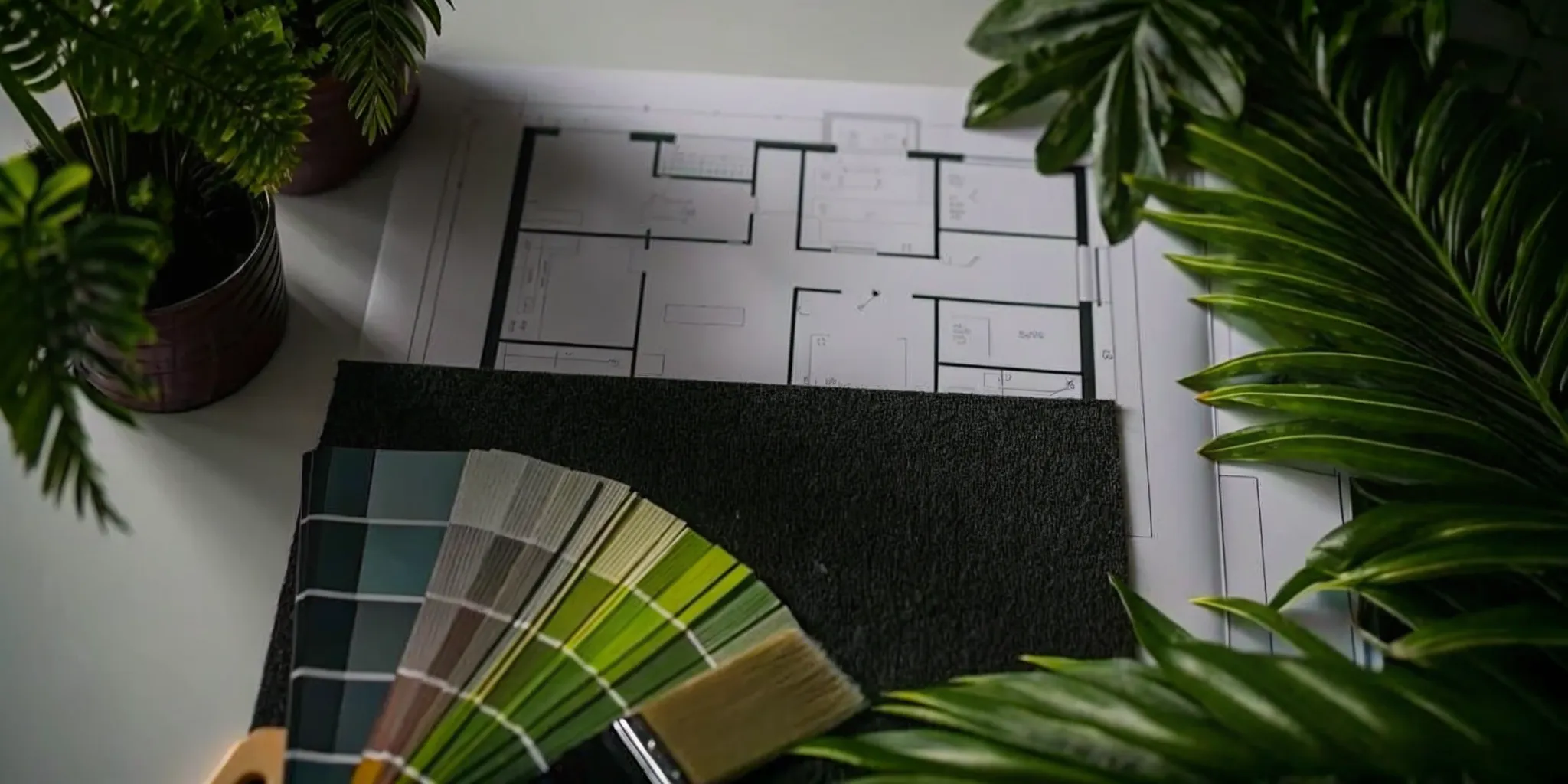
Create a single "scope of work" document that outlines everything you want done. Be specific about dimensions, layouts, and any structural changes, like "remove non-load-bearing wall and install a 10-foot island." Including inspiration photos or sketches is a huge help. Giving every contractor the same detailed document is the only way to ensure their bids are based on the same assumptions, making your comparison process much more straightforward.
Your Preferred Materials, Finishes, and Budget
Your taste in materials greatly affects the final cost, so be upfront. List any specific products you want, like a certain brand of appliances or type of tile. If you're undecided, provide a general direction, like "light-colored quartz countertops." It’s also smart to share your budget range. This helps contractors propose realistic solutions and prevents you from receiving bids that are way off base. A clear plan helps everyone work toward a common goal.
Timeline Expectations and Communication Style
Time is a critical factor in any renovation. In your request, include your ideal start date and any hard deadlines. Ask contractors to provide an estimated timeline for completion and to explain their process for handling potential delays. This is also a good time to set expectations for communication. Ask how they provide updates (email, phone, app) and how often you can expect to hear from them. A clear communication plan prevents misunderstandings.
Who's Responsible for Permits and Cleanup
Don’t overlook the logistics. Your bid request should explicitly ask who is responsible for securing all necessary building permits. This process can be complex, and it’s important to know if the contractor will handle it. You should also clarify what’s included for cleanup. Does the bid cover daily tidying of the work site and the final removal of all construction debris? Getting this in writing prevents surprise costs and ensures your home is left clean and ready to enjoy.
How to Compare Contractor Bids
Once the proposals start rolling in, it’s time to put on your detective hat. Comparing contractor bids is about much more than just scanning for the lowest price. You’re looking for the best value and the right partner for your home. A thorough, well-detailed bid is a great sign that a contractor is professional, transparent, and organized. On the other hand, a vague or confusing proposal can be a red flag.
Think of this step as a job interview where you’re the hiring manager. Each bid tells a story about the contractor’s process, attention to detail, and understanding of your vision. Taking the time to carefully review each line item will help you make a confident decision and set your project up for success. If this feels like a lot, remember that a Realm advisor can help you sort through the details and compare your options side-by-side.
Verify Licenses, Insurance, and Credentials
Before you get into the numbers, handle this crucial first step: confirm every contractor is properly licensed and insured. This is non-negotiable. A valid license proves they meet state and local requirements to perform the work, while insurance protects you from liability if an accident happens on your property. Ask for a copy of their license and proof of both general liability insurance and workers' compensation. You can usually verify a contractor's license online through your state’s licensing board. Don’t just take their word for it; doing this quick check gives you essential peace of mind.
Look Beyond the Price Tag
It’s tempting to jump straight to the lowest number, but the cheapest bid is rarely the best one. An unusually low price can signal a few things: the contractor might be using lower-quality materials, cutting corners with inexperienced labor, or planning to add unexpected costs later on. Instead of focusing on price alone, look for overall value. A slightly higher bid might include superior materials, a more experienced crew, or a better warranty, all of which can save you money and stress in the long run. A great contractor knows their worth and prices their work to reflect the quality you’ll receive.
Evaluate Warranties, Materials, and Timelines
A quality bid should be incredibly detailed. Look for a clear, itemized breakdown of all costs, including labor, materials, permits, and any other expenses. The proposal should specify the exact brands and types of materials being used, from the flooring to the paint finishes. It should also include a projected timeline with key milestones and a clear payment schedule. Finally, check what kind of warranties they offer for their workmanship and the materials they provide. A contractor who puts all of this in writing is showing you they are transparent and accountable.
Check References and Online Reviews
A contractor’s past work is the best predictor of your future experience. Start by reading online reviews on sites like Yelp, Google, and Houzz to get a general sense of their reputation. Then, take it a step further by asking each contractor for at least three recent references, and make sure you call them. Ask past clients about their experience. Were they happy with the quality of the work? Did the project stay on budget and on schedule? How did the contractor handle communication and any issues that came up? This is your chance to get an honest, firsthand account of what it’s like to work with them.
Spot Common Red Flags in a Proposal
As you review each bid, keep an eye out for warning signs. A major red flag is a proposal that’s vague, short, or missing important details like a payment schedule or material specifications. Be cautious if a contractor pressures you to make a quick decision or asks for a large upfront deposit in cash. An unusually low bid that drastically undercuts all the others is also a cause for concern. Trust your intuition. If a proposal feels unprofessional or something seems off, it’s better to move on and work with a contractor who provides clear, comprehensive, and transparent information from the start.
Common Mistakes to Avoid When Getting Bids
Getting bids is an exciting step, but it’s also where some common missteps can happen. A little preparation can help you avoid confusion and ensure you’re comparing your options fairly. By sidestepping these frequent mistakes, you’ll be in a much better position to choose the right contractor and set your project up for success from day one. Let’s walk through what to watch out for so you can feel confident in your decision.
Providing Vague Details or Asking for Too Many Bids
If you send out a vague project description, you’ll get vague estimates back. To get accurate and comparable bids, you need to be specific about what you want. A clear scope of work, including materials and finishes, ensures every contractor is bidding on the same project. On the other hand, contacting too many contractors can be just as problematic. While it might seem like a good idea to cast a wide net, managing eight or ten bids is overwhelming. Stick to a curated list of three to five professionals. This gives you enough options to compare without causing decision fatigue.
Focusing Only on the Lowest Price
It’s tempting to jump on the lowest bid, but the cheapest option is rarely the best value. A significantly lower price can be a red flag for several issues: lower quality materials, less experienced labor, or an incomplete scope that will lead to expensive change orders later. Instead of focusing on the bottom line, consider the overall value. A slightly more expensive bid might include a better warranty, higher-grade materials, or a more detailed plan that prevents costly surprises down the road. Think of it as an investment in a smoother process and a better final result.
Forgetting to Vet Your Contractor
Before you even think about signing a contract, you need to do your homework. Always take the time to research each contractor thoroughly. This means checking for proper licensing and insurance, reading online reviews, and asking for references from past clients. A reputable contractor will have no problem providing this information. At Realm, we simplify this process by connecting you with a network of vetted professionals who have already met our high standards for quality and reliability. This crucial step protects you from potential scams, poor workmanship, and legal issues.
Rushing Your Final Decision
Finding the right contractor takes time, so don’t rush it. The process of collecting and reviewing bids can take anywhere from one to three weeks, depending on how busy contractors are. Give yourself the space to carefully review each proposal. When you compare quotes, look beyond the price. Analyze the proposed timeline, the quality of materials listed, the payment schedule, and the warranty offered. A thoughtful, unhurried decision is one you’ll feel good about for the entire duration of your project and long after it’s complete.
Not Communicating Your Expectations Clearly
Clear communication is the foundation of a successful renovation. Before you request a single bid, write down exactly what you want done, from the big picture down to the smaller details. This document will become the guidepost for every contractor you speak with. It ensures everyone is on the same page and helps you receive bids that you can accurately compare. Clearly outlining your expectations for communication, worksite cleanliness, and project timelines from the start helps prevent misunderstandings and ensures a more collaborative relationship with your chosen contractor.
Related Articles
- How to Compare Home Renovation Bids Like a Pro
- Bathroom Remodel Estimate Sample: A Cost Breakdown
- How to Hire a General Contractor for House Renovation
- How to Find a General Contractor for Remodel: 9 Steps
Frequently Asked Questions
How long should I expect the entire bidding process to take? Patience is your best friend here. From your first call to a contractor to getting a proposal in hand can take one to three weeks, sometimes longer if they're in high demand. If you're meeting with three to five contractors, you'll want to set aside at least a month for scheduling walkthroughs, waiting for the bids, and giving yourself enough time to review everything without feeling rushed.
What if I haven't picked out all my specific materials and finishes yet? That's completely fine and very common. You don't need every single detail decided. Instead, give contractors a clear direction on the style and quality you want. For example, you can specify "mid-grade porcelain tile for the bathroom floor" or "high-end stainless steel kitchen appliances." This allows them to include a realistic budget placeholder, often called an allowance, in their proposal.
Is it ever okay to choose the lowest bid? While a super low bid is often a red flag, it isn't automatically a bad choice. If you've thoroughly vetted all the contractors and their detailed proposals are very similar in scope, materials, and timelines, the lowest bid might simply come from a more efficient company. The key is to ask questions to understand why their price is lower before you make a decision.
All the bids I received look so different. How do I compare them fairly? The best way to make sense of different proposals is to organize the information. Create a simple chart or spreadsheet to compare key details side-by-side. Make columns for each contractor and rows for important items like labor costs, material specifics, payment schedules, projected timelines, and warranty details. This turns a confusing stack of papers into a clear, at-a-glance comparison.
How does Realm help with getting and comparing bids? We streamline this entire process for you. First, we connect you with professionals from our vetted network, so you don't have to spend hours searching for reliable contractors. Then, your Realm advisor helps you create a detailed project scope to ensure every contractor is bidding on the exact same work. Once the proposals arrive, we'll help you review them, ask the right questions, and understand the fine print so you can choose the best partner for your project with total confidence.