What's the Real Average Cost for a Small Bathroom Remodel?
Get the facts on the average cost for small bathroom remodel projects, plus tips on budgeting, saving money, and choosing the right materials for your space.
|
April 2, 2026

In this article:
You’ve probably seen a figure for the average cost for a small bathroom remodel and wondered if it applies to you. The short answer is: probably not. A renovation in the Bay Area will have a very different price tag than one in a smaller town, and luxury materials can double a budget overnight. National averages are just a starting point. To create a budget you can actually stick to, you need to understand the specific factors that will impact your project. We’ll break down how location, materials, and project scope all influence your final cost, giving you the tools to plan accurately.
Key Takeaways
- Control your budget by keeping the layout and planning for surprises: The most effective way to keep costs down is to avoid moving your toilet, sink, or shower. Always set aside a 10-20% contingency fund to handle unexpected issues like hidden water damage or old wiring without stress.
- Make smart material choices to get the most from your money: Achieve a high-end look without the high-end price by refinishing fixtures like your tub instead of replacing them. Focus your spending on one or two focal points, like a beautiful vanity, and pair them with classic, affordable options elsewhere.
- Know when to DIY and when to call a professional: Save on labor by handling cosmetic tasks like painting and swapping hardware yourself. Always hire a licensed pro for any work involving plumbing, electrical systems, or major tile installation to ensure the job is safe, up to code, and built to last.
What's the Average Cost of a Small Bathroom Remodel?
Figuring out the budget for a small bathroom remodel can feel like a moving target. While national averages give you a starting point, your final cost will depend on where you live, the materials you choose, and the scope of your project. Let's break down what you can expect.
National Averages vs. Your Area
On a national level, the average small bathroom remodel costs about $6,500. Of course, that's just an average, with the full range spanning anywhere from a simple $1,500 refresh to a more involved $15,000 renovation. It all depends on the scope of work, the materials you select, and whether you hire professionals. The good news is that homeowners are generally very happy with their new bathrooms. Plus, a smart remodel can increase your home's value, with an average return on investment of about 74%. Think of these national numbers as a helpful starting point, not a final quote.
How Costs Vary by Region
Your zip code is one of the biggest factors influencing your final bill. In fact, remodel costs can swing by as much as 25% between major metropolitan areas and more rural towns. Why the big difference? It mostly comes down to labor. In places with a higher cost of living, like the San Francisco Bay Area or San Diego, contractors and skilled tradespeople charge more for their time. Labor alone can easily make up 40% to 60% of your total project budget. So, while national averages are a good guide, it's essential to ground your budget in the reality of your local market.
What Factors Drive Up Remodel Costs?
When you’re dreaming up your new bathroom, it’s easy to focus on the fun stuff, like picking out tile and fixtures. But a few key factors can quickly inflate your budget if you aren't prepared. Understanding these potential costs ahead of time is the best way to keep your project on track and avoid sticker shock later. From labor to layout changes, here’s a look at what really drives the price of a small bathroom remodel. Knowing where your money is going helps you make smarter decisions about where to save and where to splurge.
Labor and Contractor Fees
It might surprise you, but labor is often the biggest line item on a remodel invoice. Expect skilled labor to make up 40% to 60% of your total project cost. This covers the expertise of everyone from plumbers and electricians to tilers and painters. In high-demand areas like the Bay Area or Los Angeles, these costs can be even higher. While it can be tempting to cut corners here, hiring experienced and vetted professionals is crucial for a high-quality, safe, and long-lasting renovation. Good craftsmanship prevents costly mistakes and ensures your new bathroom functions perfectly.
Your Choice of Materials
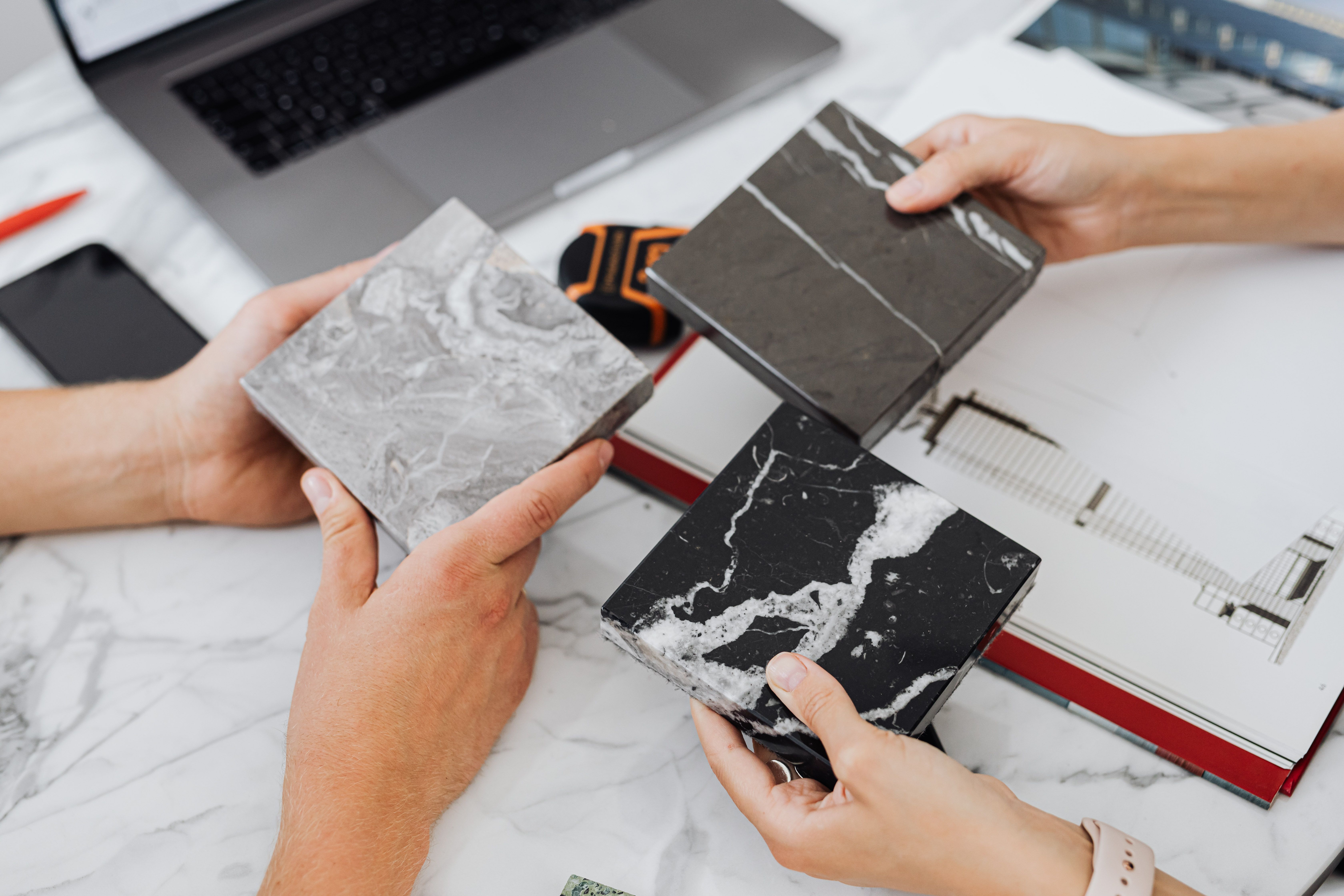
Your taste in materials will have a major impact on the final bill. The cost of essentials like tiles, fixtures, countertops, and vanities can vary dramatically. For example, basic ceramic tile is very affordable, while custom mosaic or natural stone tile can cost a small fortune. A simple, off-the-shelf vanity will be much less expensive than a custom-built piece. These choices add up quickly, with materials for a small bathroom easily ranging from a couple thousand dollars to over $5,000. Planning your material selections carefully is a key part of managing your budget.
Plumbing and Electrical Updates
If your remodel involves more than simple cosmetic changes, you’ll likely run into plumbing and electrical costs. This is especially true if you decide to move fixtures. Relocating a toilet, sink, or shower requires a plumber to reroute pipes behind walls and under floors, which is a complex and expensive job. The same goes for adding new lighting, outlets, or a ventilation fan, which requires a licensed electrician. These updates are often necessary for safety and modern convenience, but they are significant investments that need to be factored into your initial project plan.
Changing the Layout
The single most effective way to keep your small bathroom remodel affordable is to keep the existing layout. As soon as you decide to move the toilet to the opposite wall or swap the shower and vanity locations, your project's complexity and cost increase substantially. Changing the footprint involves significant plumbing, electrical, and demolition work, which extends your timeline and inflates your labor costs. If you’re trying to stick to a tight budget, work with the layout you have. A fresh look can still be achieved with new surfaces, fixtures, and finishes.
What to Expect at Different Price Points
Your budget is the roadmap for your remodel, helping you decide what’s possible and where to focus your efforts. While costs can shift based on your location, the materials you choose, and the contractor you hire, understanding these general price tiers can help you set realistic expectations. Whether you’re planning a simple refresh or a complete overhaul, there’s a project scope that can fit your financial comfort zone.
Think of these price points as starting conversations for what your small bathroom could become. Each level unlocks a new set of possibilities, from cosmetic touch-ups that breathe new life into the space to full-scale transformations that create a personal oasis. Having a clear budget from the start is the first step in any successful renovation, and expert guidance can help you make the most of every dollar.
The Budget-Friendly Makeover ($3,000-$5,000)
You can make a surprisingly big impact on a smaller budget. In this range, the focus is on cosmetic updates that refresh the space without major construction. Think of it as a facelift for your bathroom. This typically includes a fresh coat of paint, a new off-the-shelf vanity, updated light fixtures, and new faucets. The key to staying within this budget is working with your bathroom’s existing layout. By avoiding the high cost of moving plumbing or electrical lines, you can direct your funds toward stylish finishes that make the room feel brand new.
The Mid-Range Renovation ($6,000-$12,000)
A mid-range budget gives you more flexibility to upgrade core elements of your bathroom. This is where you can move beyond simple cosmetic fixes and start investing in more substantial improvements. You could retile the floor or shower, install a more modern vanity with a stone countertop, and upgrade your lighting scheme. This budget allows for higher-quality materials and the ability to hire vetted professionals for trickier installations. While you’ll likely keep the main layout intact, the finished result will feel like a significantly more polished and functional space.
The High-End Transformation ($15,000+)
If you’re dreaming of a spa-like retreat, a high-end budget can make it happen. This price point opens the door to luxury materials and custom features. Imagine custom tile work, a frameless glass shower door, premium fixtures from high-end brands, and custom-built cabinetry tailored to your exact needs. This is also the budget where you can consider changing the bathroom’s layout to improve flow and function. With a larger investment, you can create a truly personalized space that combines beautiful design with top-of-the-line comfort and quality.
Where Does the Money Go? A Cost Breakdown
When you get a quote for a bathroom remodel, it can feel like one big, intimidating number. But breaking it down helps you see exactly where your investment is going and where you have opportunities to save. Think of your budget in terms of a few major categories: the big-ticket items that form the foundation of the room, the functional pieces you use every day, and the finishing touches that pull it all together. This approach transforms a single price tag into a manageable plan.
Understanding this breakdown is the key to smart planning. It allows you to decide where to splurge (maybe on that statement tile you love) and where to be more frugal (perhaps with a standard, high-quality toilet). Most of the cost in a small bathroom remodel comes from just a few key areas. According to home improvement research, the most expensive parts to update are usually the shower or tub, plumbing, and tiling. Knowing this ahead of time helps you allocate your funds effectively and avoid surprises down the road. Let’s look at how a typical budget is divided so you can build a realistic financial plan for your project.
Fixtures and Hardware
This category includes all the functional pieces of your bathroom: the toilet, sink, shower, and tub, plus the faucets and showerheads that make them work. It also covers the smaller hardware like towel bars, cabinet pulls, and light fixtures. The costs here can swing dramatically based on your choices. For example, a simple, efficient toilet costs a fraction of a high-tech smart toilet. Similarly, a standard faucet is much more affordable than a designer wall-mounted model. These choices are major drivers of your total budget, so it’s a great area to balance style with practicality.
Flooring and Tile
Flooring and tile are fundamental to your bathroom’s look and feel, and they represent a significant part of your budget. This cost covers not just the materials themselves but also the skilled labor for installation, which is crucial for a waterproof and long-lasting finish. According to home improvement experts, the cost for tile and installation can easily run between $1,200 and $1,900 for a small space. The price varies widely depending on the material you choose. Classic ceramic or porcelain tiles are generally more affordable, while natural stone or intricate mosaic patterns will be on the higher end.
Vanity and Storage
The vanity is often the focal point of a small bathroom, serving as a key design element and providing essential storage. The cost includes the cabinet itself, the countertop, and the sink. You can find budget-friendly stock vanities at big-box stores, or you can opt for a semi-custom or fully custom piece for a more personalized fit and finish. The price for a new vanity and countertop can range anywhere from around $700 to over $2,100. The material of the countertop, whether it's laminate, quartz, or marble, will also play a big role in the final price.
Paint and Finishes
Finally, the finishing touches are what tie the whole room together. This includes paint, trim, mirrors, and ventilation. While these items might seem small individually, their costs add up. It’s important to choose a high-quality, moisture-resistant paint designed for bathrooms to prevent mold and mildew. The total small bathroom remodel cost can range from $1,500 on the very low end to $15,000 or more, and these finishing details are a part of every project. A quality ventilation fan, for instance, is a non-negotiable for protecting your investment from moisture damage.
Which Design Choices Impact Your Budget Most?
When you’re planning a remodel, it’s easy to get swept up in beautiful design ideas. But your final selections for materials, fixtures, and custom features are where your budget can either hold steady or spiral. While some costs like labor are less flexible, your design choices give you the most control over the final price tag. Understanding where you can save and where a splurge might be worth it is key to creating a bathroom you love without overspending. Let’s break down the three main areas where your decisions will make the biggest financial impact.
Splurge vs. Save: Materials
The materials you choose are a major driver of your total remodel cost. High-end natural stone tile will always cost more than standard ceramic, and a solid wood vanity will be pricier than one made from MDF. The most expensive components to update are typically the shower or tub, plumbing, and tiling. The quality of materials you select for these big-ticket items can swing your budget by thousands. A great strategy is to pick one or two "splurge" items that will serve as a focal point, like a beautiful vanity or unique floor tile, and then choose more budget-friendly options for everything else.
The Cost of Custom Work
Anything custom-made for your space will come with a higher price tag. This includes things like a custom vanity built to specific dimensions, intricate tile patterns, or a frameless glass shower door. While these elements can make your bathroom feel truly unique, they require more skilled labor, which significantly adds to the cost. In fact, labor costs can make up 40% to 60% of your total budget, and that percentage often climbs with custom work. If you’re trying to keep costs down, sticking with standard-sized fixtures and simpler designs is one of the most effective ways to do it.
Upgrading Fixtures and Finishes
It’s amazing how quickly new fixtures and finishes can add up. Swapping out your faucet, showerhead, lighting, and vanity hardware can transform the look of a bathroom, but these costs are easy to underestimate. Depending on the brands and finishes you select, you could spend anywhere from a few hundred to several thousand dollars. To get a high-end look for less, consider shopping for high-quality, non-designer fixtures. You can often find beautiful and durable options that deliver the same style and functionality without the premium brand name price.
Planning for the Unexpected: Common Surprise Costs
Even with a perfect plan, a bathroom remodel can reveal a few surprises. The real unknowns are often hidden behind your walls, and they can add unexpected costs to your project. This is why building a contingency fund, typically 10% to 20% of your total budget, is one of the smartest moves you can make. It’s not about expecting the worst; it’s about being prepared for the reality of renovation. Having that cushion means a surprise issue becomes a manageable task instead of a budget-breaking crisis. A dedicated advisor can help you anticipate these potential hurdles from the start, ensuring your project stays on track.
Surprises Behind the Walls
Once the demolition starts, you might find more than just old pipes. It’s very common, especially in older homes, to uncover issues like hidden water damage, mold, or outdated wiring that isn’t up to code. These problems have to be fixed before your remodel can continue, which adds both time and cost to the project. While you can’t see through walls before you start, a good contractor will often know what to look for based on your home’s age and location. This is why working with vetted professionals is so important; they have the experience to handle these discoveries efficiently.
Permits and Inspection Fees
Depending on the scale of your remodel and where you live, you may need to get permits from your local city or county. These official approvals ensure your project meets safety and building codes, but they come with fees that can catch homeowners by surprise. The cost and type of permits required can vary widely. For example, moving plumbing or electrical wiring almost always requires a permit. Forgetting to budget for these can be a costly oversight, so it’s wise to research your local requirements or work with a team that handles the permitting process for you.
Dealing with Water Damage
Water is a bathroom’s biggest enemy, and signs of past leaks are one of the most common discoveries during a remodel. You might find soft spots in the subfloor, crumbling drywall behind the shower tile, or even mold growing in damp, dark spaces. Addressing water damage isn't optional. It’s crucial for the structural integrity of your home and the health of your family. The cost to repair it will depend on the extent of the problem, from replacing a small section of drywall to remediating a serious mold issue, so it’s a key reason to have that contingency fund ready.
Demolition and Disposal
Taking out the old to make way for the new also comes with a price tag. Your contractor’s estimate might not automatically include the cost of demolition or hauling away the debris. This can include everything from tearing out the old tub and vanity to disposing of tile and drywall. If your project involves moving plumbing or electrical lines, that adds another layer of complexity and cost to the demolition phase. Be sure to ask if demolition and disposal fees are included in your contractor’s quote so you have a clear picture of the total expense from the very beginning.
How to Save Money on Your Small Bathroom Remodel
A small bathroom remodel doesn't have to drain your savings. With a bit of planning and some savvy choices, you can create a beautiful, functional space that feels brand new without the sky-high price tag. The key is to focus your budget on what matters most to you and find clever ways to save on the rest. It’s all about getting a high-end look without the high-end cost. From choosing the right materials to knowing when a little elbow grease can replace a big expense, here are some practical ways to keep your project on budget.
Choose Smart, Budget-Friendly Materials
You can achieve a stylish, modern look without splurging on custom or designer items. Opting for standard, off-the-shelf materials is one of the most effective ways to reduce costs. Big-box home improvement stores offer a huge variety of attractive and durable tiles, vanities, and hardware that are far more affordable than custom pieces. Think classic subway tile, a simple and clean pre-fab vanity, or stylish faucets from a trusted brand. These budget-friendly materials allow you to get a fresh, updated look while saving a significant portion of your budget for other priorities, like a skilled contractor.
Refinish, Don't Replace
Before you start tearing everything out, take a good look at what you already have. Can any of it be saved? Instead of replacing fixtures that are still in good shape, consider giving them a facelift. For example, you can have a dated but durable bathtub professionally reglazed for a fraction of the cost of a new one. A tired wooden vanity can be completely transformed with a fresh coat of paint and new hardware. This approach not only saves you a ton of money on new materials but also reduces demolition and installation labor costs, making it a win-win for your wallet.
Shop for Deals and Discounts
A little patience and strategic shopping can lead to big savings. Keep an eye out for seasonal sales at home improvement stores, especially around major holidays. Don’t be afraid to browse the clearance section, where you can often find high-quality materials that are deeply discounted because they’re from a previous season or have been returned. You can also ask about floor models when shopping for vanities or fixtures. By planning your purchases around sales and being open to great deals, you can stretch your budget much further.
Should You DIY or Hire a Pro?
Deciding whether to tackle a bathroom remodel yourself or bring in a professional is one of the biggest choices you’ll make. The DIY route can seem like a great way to save money, and for some tasks, it absolutely is. But it’s important to be realistic about your skills, the time you can commit, and the quality you’re aiming for. A botched plumbing job can cost far more to fix than hiring a pro from the start.
Often, the best approach is a hybrid one. You can handle the straightforward cosmetic updates while leaving the complex, technical work to an expert. This allows you to put your personal touch on the space and save on labor costs where it makes sense, without risking costly mistakes on jobs that require a licensed professional. The key is knowing where to draw the line. Before you pick up a sledgehammer, take an honest look at the project scope and your own abilities. A well-planned project, whether DIY or pro-led, starts with understanding what you can realistically accomplish.
What You Can DIY
If you’re comfortable with basic tools and have a free weekend, there are plenty of tasks you can handle yourself to keep costs down. Cosmetic changes can completely transform a small bathroom without touching the plumbing or electrical systems. Think about painting the walls, swapping out the vanity mirror, or installing a new light fixture. You could also replace cabinet hardware, towel bars, and the toilet paper holder for a quick, modern update.
Doing these simpler jobs yourself is a great way to stay on budget. In fact, focusing on cosmetic updates and handling the labor yourself can help you remodel a small bathroom for $5,000 or less. Just be sure to leave the more complex tasks to the experts.
When to Hire a Pro
It’s time to call a professional when your project involves plumbing, electrical wiring, or major tile work. These jobs require specialized skills and licenses for a reason. They often involve permits and inspections, and mistakes can lead to serious issues like leaks, water damage, or safety hazards. You should also hire a pro if you plan to change the bathroom’s layout, as that involves moving plumbing and electrical lines.
While labor can account for 40% to 60% of your total budget, it’s an investment in a safe, long-lasting result. A professional ensures the work is done to code and built to last. Plus, working with an expert gives you peace of mind, which is why Realm helps homeowners connect with trusted, vetted contractors for their projects.
How to Find a Reliable Contractor
Finding the right contractor can feel overwhelming, but a little due diligence goes a long way. Start by getting at least three detailed quotes from different professionals to compare pricing and scope. Don’t just go with the lowest bid; consider their experience, communication style, and references. Ask to see a portfolio of their recent work and speak with a few of their past clients.
Always verify that they are licensed and insured in your area. Before any work begins, make sure you have a detailed written contract that outlines the project scope, timeline, payment schedule, and specific materials. This protects both you and the contractor. This process is a big reason homeowners work with Realm, as we connect you with a network of vetted professionals who are ready for your project.
How to Prevent Surprise Costs Before You Start
A successful remodel is one that finishes on time and on budget. While it’s impossible to predict every little thing that might pop up, a solid plan is your best defense against unexpected expenses. By thinking ahead and making a few strategic decisions before the first tile comes off the wall, you can protect your budget and keep your project running smoothly. Here are the three most effective ways to prevent surprise costs from derailing your bathroom renovation.
Build a Contingency Fund
Think of a contingency fund as your project’s financial safety net. It’s a portion of your budget, typically 10% to 20%, set aside specifically for unforeseen issues. During demolition, your contractor might uncover problems hiding behind the walls, like old plumbing, water damage, or outdated electrical wiring that needs to be brought up to code. Without a contingency fund, these discoveries can bring your project to a halt. By planning for this extra cushion from the start, you can handle surprises with confidence instead of stress. It’s the smartest money you’ll (hopefully never) spend.
Keep Your Current Layout
One of the fastest ways to inflate a bathroom remodel budget is by changing the existing layout. Moving fixtures like the toilet, sink, or shower requires extensive and costly plumbing and electrical work. If you want to keep costs down, work with the footprint you already have. You can still create a dramatic transformation with new tile, a modern vanity, updated lighting, and beautiful hardware. A cosmetic overhaul can make the space feel entirely new without the five-figure price tag that comes with reconfiguring the plumbing. Focus your budget on the finishes you can see and touch every day.
Get Detailed Quotes from Contractors
When you’re ready to hire a professional, don’t just collect estimates; get detailed, itemized quotes from at least three different contractors. A one-page quote with a single number isn’t enough. You need a clear breakdown of costs for labor, materials, permits, and demolition so you can make a true apples-to-apples comparison. Being specific about your project scope and material choices is key to getting an accurate bid. This is where working with a platform like Realm can be a huge advantage, as we help you get clear, competitive bids from our network of vetted professionals, ensuring there are no hidden fees.
Related Articles
- How to Estimate a Bathroom Remodel: A Full Breakdown
- Small Bathroom Remodel Cost: A Full Breakdown
- How to Estimate Bathroom Remodel Cost Accurately
Frequently Asked Questions
Why is there such a big difference between the national average cost and what I might pay in my city? The biggest reason for the price difference is the cost of labor. In areas with a higher cost of living, like San Francisco or Los Angeles, skilled professionals like plumbers, electricians, and tilers charge more for their expertise. Since labor can make up more than half of your total project cost, your zip code has a huge impact on the final bill. It’s best to use national averages as a starting point, but get local quotes for a realistic budget.
What's the most effective way to keep my remodel affordable? If you want to make one choice that has the biggest impact on your budget, keep your bathroom's current layout. Moving the toilet, shower, or sink requires expensive and complex plumbing and electrical work that can quickly add thousands to your bill. You can still create a stunning transformation with new tile, a modern vanity, and updated fixtures while leaving the major components right where they are.
I'm pretty handy, but what parts of the remodel should I absolutely not do myself? While you can save a lot of money by painting or swapping out hardware, you should always hire a licensed professional for any work involving plumbing or electrical systems. These jobs require specific skills to ensure they are done safely and up to code. A small mistake can lead to major problems like leaks, water damage, or even electrical hazards. It’s an investment in your home’s safety and your own peace of mind.
What is a contingency fund, and do I really need one for a small project? A contingency fund is a financial cushion, typically 10% to 20% of your total budget, set aside for unexpected problems. Even in a small bathroom, you might discover issues like hidden water damage, mold, or outdated wiring once the walls are opened up. Having this fund ready means a surprise can be handled without derailing your entire project or forcing you to compromise on your design.
Can I get a high-end look without a high-end budget? Absolutely. The key is to be strategic with your spending. You can create a luxurious feel by choosing one "splurge" item to be the focal point, like a beautiful vanity or unique floor tile, and then selecting more affordable options for everything else. Also, consider refinishing your existing bathtub instead of replacing it, and shop for sales on fixtures and hardware. A smart plan allows you to get a polished look without paying a premium for every single item.