Building a 10,000 Sq Ft Home in 2026: Complete Cost Breakdown for California & Washington
Curious about the cost of a 10,000 sq ft house? Get a clear breakdown of expenses, features, and what to expect when planning a home of this size.
|
April 21, 2026

In this article:
A 10,000 sq ft house is more than just a home; it’s a statement. It’s a space large enough to be completely tailored to your lifestyle, whether that means including a professional-grade kitchen for entertaining, a quiet library for work, or an indoor gym for your wellness routine. The possibilities for customization are nearly endless. But with so much freedom comes a lot of decisions. Which features add the most value? How do you choose an architectural style that feels timeless? And how do you manage the budget when every upgrade adds up? Here, we’ll walk through the process of personalizing your home, from selecting high-end finishes to finding the right design partners to bring your vision to life.
Key Takeaways
- Design for Your Lifestyle, Not Just for Size: With 10,000 square feet, you can create dedicated spaces for hobbies, entertainment, and family life. The key is to plan a functional layout that truly reflects how you want to live, ensuring every room serves a purpose beyond just filling the space.
- Understand the True Cost Drivers: The final price tag goes far beyond square footage. Your location, architectural complexity, and choice of finishes are the biggest factors, so it's essential to create a detailed budget that accounts for these variables from the very beginning.
- Partner with Experts and Plan for the Long Haul: A project of this scale is not a DIY endeavor; it requires a team of experienced professionals to manage the build. Equally important is planning for the significant ongoing costs of maintenance, utilities, and taxes to ensure your dream home is sustainable for years to come.
What Does 10,000 Square Feet Look Like?
Trying to picture 10,000 square feet can feel a bit abstract, so let's put it in perspective. Imagine a perfect square that’s 100 feet long on each side. If you’re a sports fan, think of it as about 17% of a football field—definitely enough room to stretch out. This isn't just a large house; it's a space that offers incredible flexibility for both living and entertaining. Whether you're dreaming of a sprawling family estate or a unique multi-use property, this amount of square footage gives you a massive canvas to work with.
Breaking Down the Space
Visualizing the sheer scale is the first step. A 10,000-square-foot footprint provides the foundation for a truly custom home where you don’t have to compromise on space. It allows for grand entryways, wide hallways, and generously sized rooms that flow seamlessly into one another. Because you have so much area to work with, planning your project carefully is essential to ensure the layout is both functional and beautiful. You can create distinct zones for family life, work, and entertainment, all under one roof, without anything feeling cramped.
Common Layouts and Room Counts
So, what can you actually fit into a 10,000-square-foot home? A lot. These homes typically feature five to eight bedrooms and just as many bathrooms, ensuring everyone has their own private retreat. But the real fun comes with the specialty rooms. Imagine having a dedicated home theater for movie nights, a personal gym, a climate-controlled wine cellar, or even a spa for ultimate relaxation. The layout is all about maximizing comfort and luxury. You can design open-concept living areas for entertaining large groups or create cozy, intimate nooks for quiet moments. With this much space, you have the freedom to build a home that truly reflects your lifestyle.
What Features Can You Expect in a 10,000 Sq. Ft. Home?
When you have 10,000 square feet to work with, a house transforms from a simple dwelling into a personal resort. This amount of space opens up a world of possibilities for custom features that cater to your specific lifestyle, whether you love to entertain large groups or prefer a quiet, private sanctuary. These homes, often called mansions, are designed for luxury living and include special amenities you won't find in a standard floor plan. From dedicated entertainment wings to sprawling outdoor escapes, every corner can be tailored to your needs. If you’re considering a project of this scale, a dedicated advisor can help you sort through the options to create a home that’s both impressive and perfectly suited to you.
Luxury Amenities and Entertainment
With this much square footage, you can design spaces purely for fun and relaxation. Imagine a dedicated home theater with tiered seating and a professional sound system, a game room complete with a wet bar, or a sophisticated wine cellar with a tasting area. For fitness enthusiasts, an in-home gym, yoga studio, or even an indoor basketball court becomes a real possibility. These homes are built for hosting, featuring expansive living areas with high-end finishes and integrated tech that make gatherings seamless. The goal is to create an environment where you and your guests have everything you need for an incredible experience right at home.
2026 Luxury Home Trends
Based on custom home projects across our network, here's what high-end buyers are requesting in 2026:
Wellness Suites
- Dedicated spa, sauna, and cold plunge rooms ($75,000-250,000)
EV-Ready Garages
- Multi-car garages with Level 2+ charging infrastructure ($15,000-50,000)
Whole-Home Air Filtration
- HEPA systems with wildfire smoke protection ($25,000-75,000)
Resilient Power
- Solar + battery backup for grid independence ($80,000-200,000)
Indoor-Outdoor Living
- Disappearing glass walls and full outdoor kitchens ($100,000-400,000)
Smart Home Integration
- Full automation from a single control platform ($50,000-200,000)
Expansive Kitchens and Primary Suites
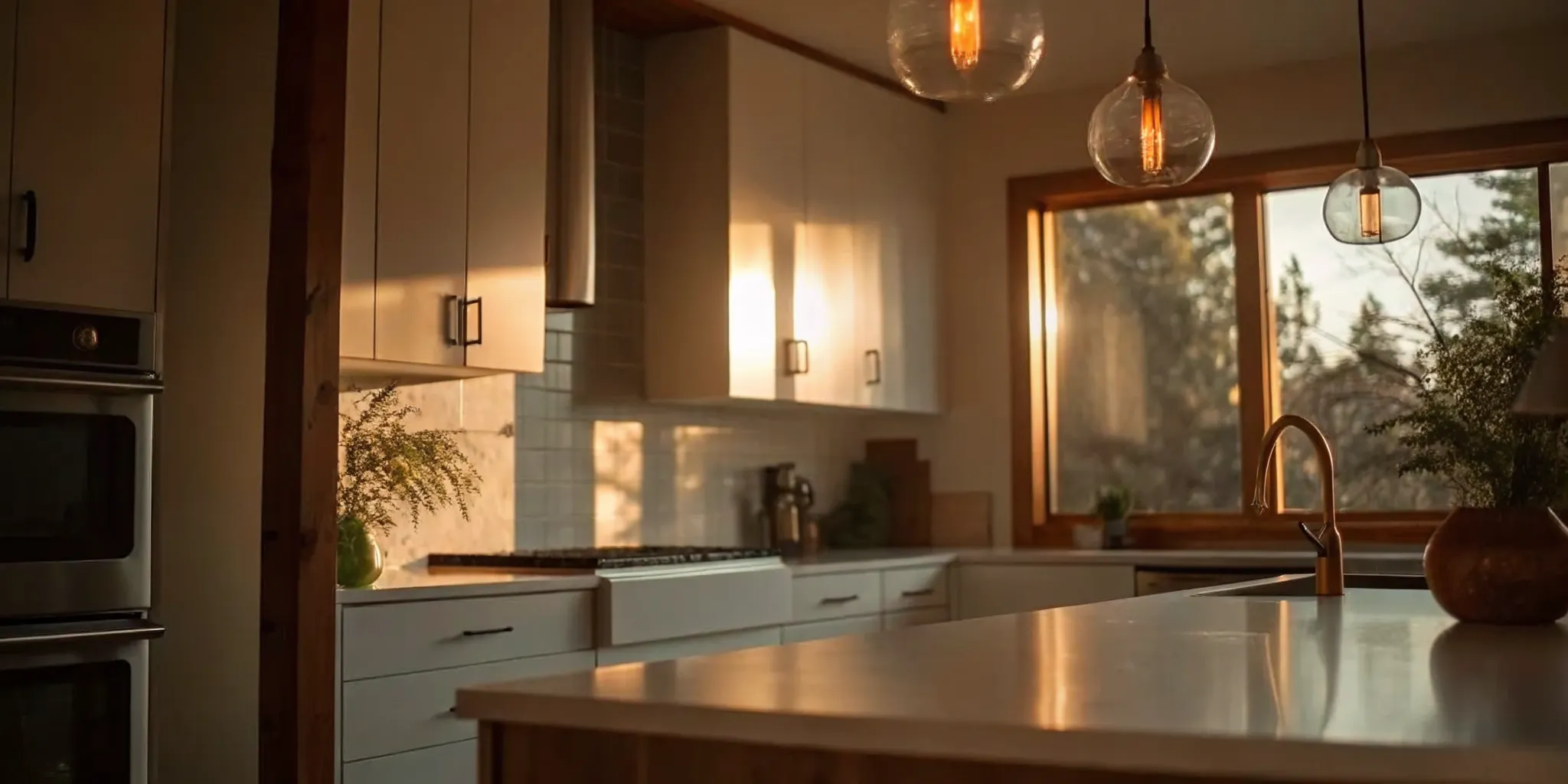
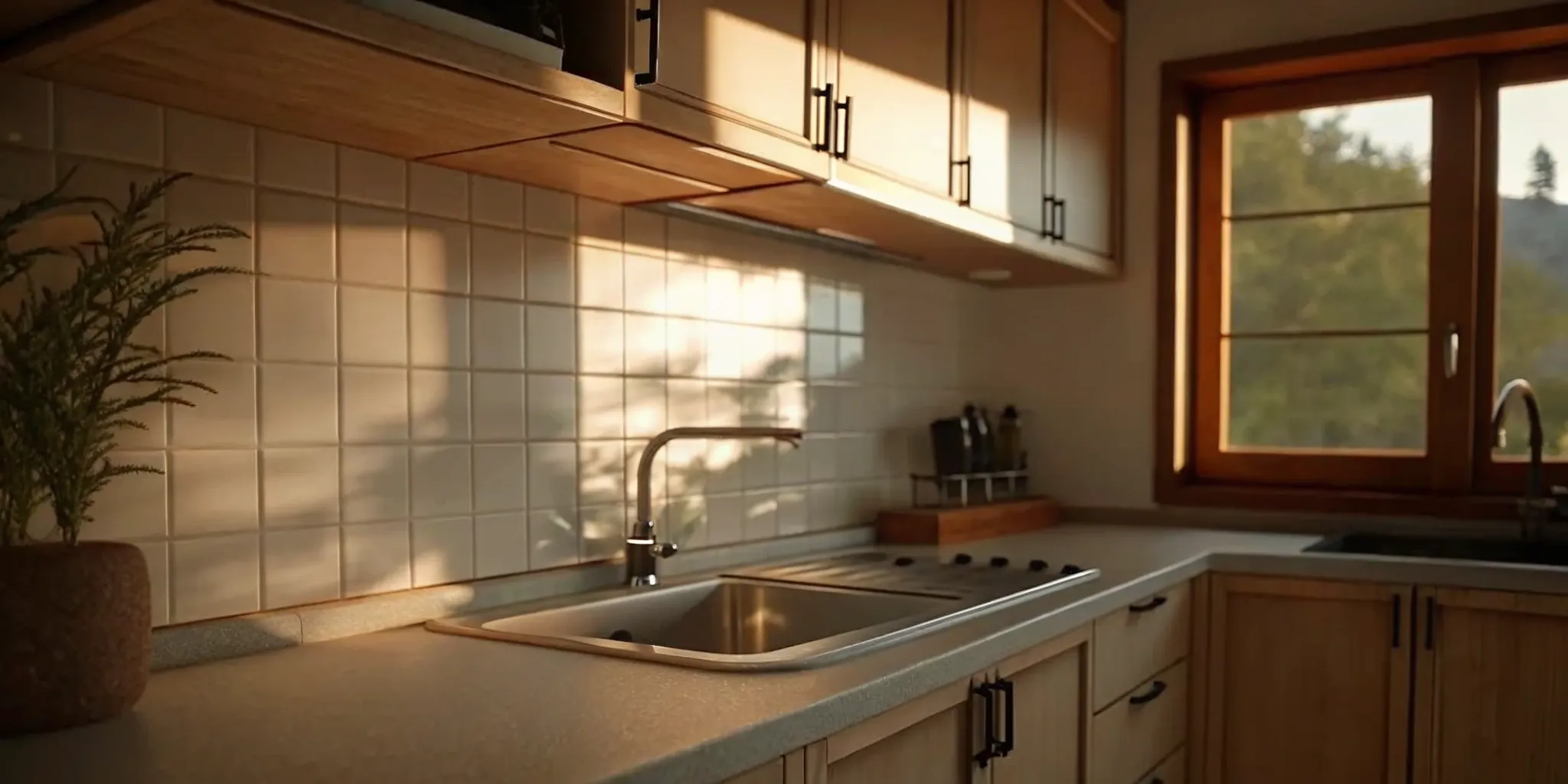
The kitchen and primary suite are the heart and soul of a luxury home. In a 10,000 sq. ft. house, the kitchen is often a chef’s dream, equipped with top-of-the-line appliances, high-quality countertops, and custom cabinetry with ample storage. Large kitchen islands serve as a central hub for cooking and socializing, while dedicated prep areas and walk-in pantries add another layer of function. The primary suite acts as a private retreat, often featuring a spacious layout with a separate sitting area, a spa-like bathroom with a soaking tub and steam shower, and boutique-style walk-in closets. It’s your personal space to unwind and recharge in complete comfort.
Outdoor Living and Smart Home Tech
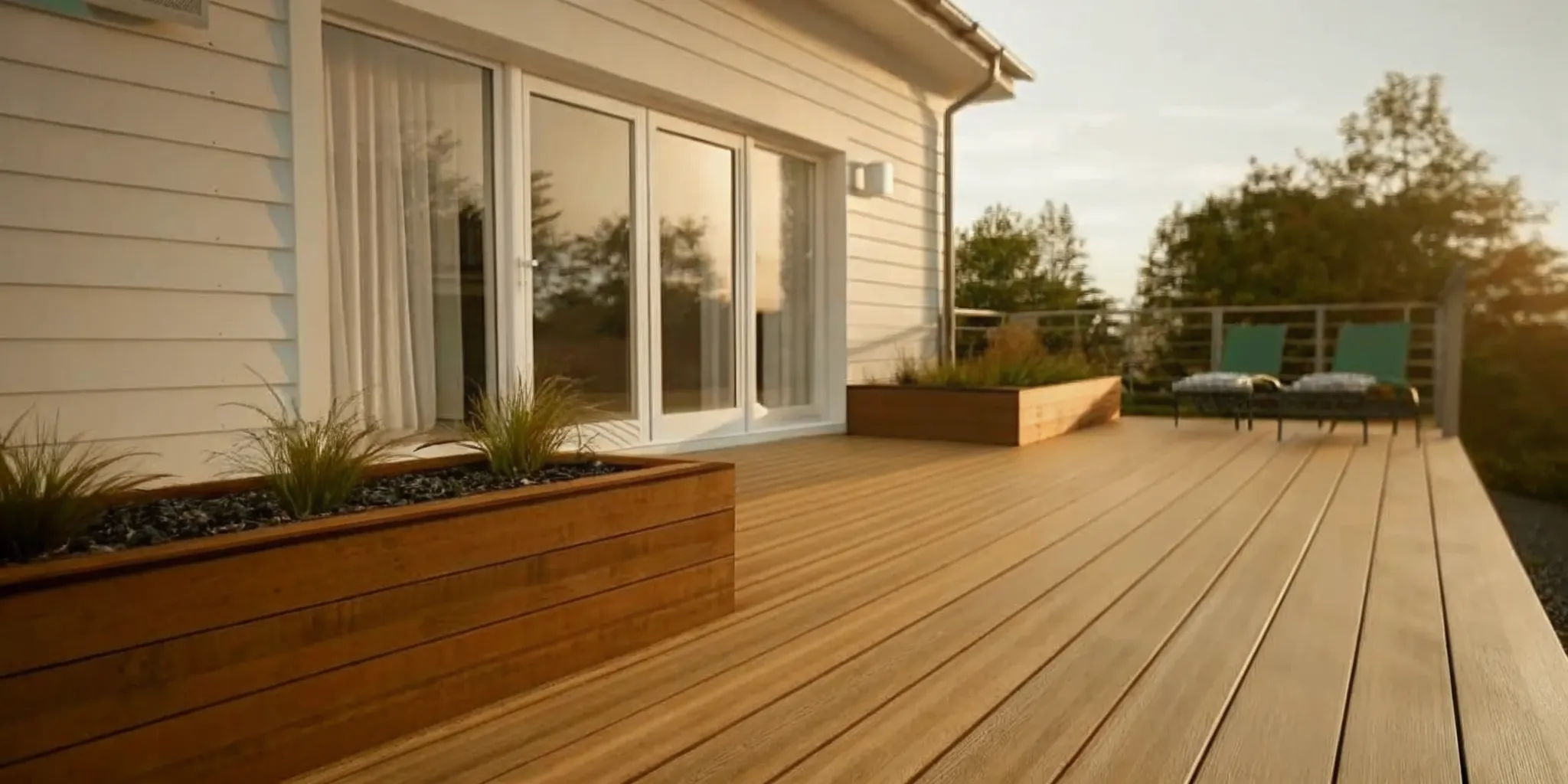
A home of this size often sits on a large lot, allowing for incredible outdoor living spaces that feel like a natural extension of the interior. Think resort-style pools, fully equipped outdoor kitchens, cozy fire pits, and beautifully landscaped gardens designed for privacy and tranquility. Many designs focus on creating a seamless flow between indoors and out with large glass doors and covered patios. To manage a property this large, smart home technology is essential. You can find vetted professionals to integrate systems that allow you to control lighting, security, climate, and entertainment from your phone, adding a layer of convenience and energy efficiency to your daily life.
How Much Does a 10,000 Sq. Ft. House Cost?
Pinpointing the exact cost of a 10,000-square-foot house is tricky because the final number depends on so much more than just size. Are you building a custom home from the ground up or buying an existing property? Where is it located? What kind of finishes and features are on your must-have list? All these choices create a huge price range. A project of this scale is a major investment, and the total cost can easily range from a few million to tens of millions of dollars.
Building a custom home gives you complete control over the final product, but it often comes at a premium. This path allows for complete personalization, from the architectural style down to the doorknobs, but requires careful management of countless details. Buying an existing home might seem more straightforward, but it will likely involve significant renovations to match your personal style and needs. The structure is there, but you'll need to account for the cost of making it your own. Understanding the key cost drivers is the first step in creating a realistic budget for your dream home. Below, we’ll break down the main factors that will shape the final price tag.
Building Costs by Location
Where you decide to build has one of the biggest impacts on your budget. The cost of land, labor, materials, and permits varies dramatically from one city to another. Building in high-cost-of-living areas like the San Francisco Bay Area or Los Angeles will be significantly more expensive than in other parts of the country due to higher demand and wages for skilled labor. Custom homes, with their unique designs and personalized details, already command a higher price, and regional costs amplify this. Working with a team that has deep local knowledge is essential for getting accurate estimates and managing your project effectively.
Buying vs. Building: A Cost Comparison
When you’re considering a 10,000-square-foot home, you’re often choosing between the convenience of buying an existing property and the customization of building new. While building costs can vary, some architects report seeing custom homes start at a minimum of $600 per square foot, and that’s before factoring in land costs or high-end finishes. In premium locations, that number can easily double or triple. Buying an existing home might offer a lower entry price, but it’s important to budget for renovations. Realm provides a customized plan that can help you understand the true cost of turning a house you buy into the home you want.
What Factors Influence the Final Price?
Beyond location and the build-versus-buy decision, the specific features you choose will heavily influence the final cost. Upgrades and high-end finishes can account for 10% to 20% of the total home price. Think about features like expansive patios, luxury primary bathrooms with spa-like amenities, or a gourmet kitchen with top-of-the-line appliances. Architectural complexity, smart home integration, custom millwork, and landscaping all add to the bottom line. Each decision, from the type of flooring to the brand of windows, contributes to the final price, making it crucial to prioritize your wants and needs early in the planning process.
The Pros and Cons of Owning a 10,000 Sq. Ft. Home
A 10,000-square-foot home offers an incredible canvas for your life, but it’s a significant undertaking. Living in a home of this scale is a unique experience with distinct advantages and challenges. Understanding both sides of the coin is key to deciding if this grand lifestyle is the right fit for you and your family. It’s about weighing the dream of unlimited space against the practicalities of managing it day-to-day.
The Perks of Spacious Living
The most obvious benefit of a 10,000-square-foot home is the sheer amount of space. You have the freedom to design dedicated rooms for every interest, from a soundproof music studio to a personal fitness center or a sprawling playroom for the kids. This much room allows for incredible luxury amenities like a home theater, wine cellar, or indoor pool. Hosting becomes a breeze, with ample space for large family gatherings and parties without feeling cramped. You can create private guest wings for visitors, ensuring everyone has their own comfortable retreat. It’s a level of comfort and personalization that’s simply not possible in a smaller home.
The Realities of Upkeep and Costs
While the space is a luxury, it also requires a significant commitment to upkeep. Cleaning a 10,000-square-foot home is a massive task that often requires hiring a professional team on a regular basis. Maintenance costs are also scaled up; think more roof to maintain, more windows to wash, and larger HVAC systems to service. Furnishing the home is another major expense to factor in. Finding the right pieces to fill each room without it feeling empty can be a long and costly process. These ongoing tasks and expenses are a crucial part of the financial picture. That's why having a network of vetted professionals is essential for managing a large property effectively.
Understanding Energy Bills and Property Taxes
Beyond the mortgage and maintenance, the recurring costs of a large home can be substantial. Higher utility bills are a given, as heating and cooling 10,000 square feet requires a tremendous amount of energy. Even with energy-efficient systems, you can expect your monthly bills to be significantly higher than those for an average-sized home. Property taxes are another major consideration. Since taxes are based on the assessed value and size of your property, a larger, more luxurious home will come with a much larger annual tax bill. It’s important to get a clear estimate of these expenses to ensure they fit comfortably within your budget.
Breaking Down the Ongoing Costs of a 10,000 Sq. Ft. Home
The initial price tag for building or buying a 10,000-square-foot home is just the first chapter of the financial story. Owning a property of this scale involves significant ongoing expenses that are crucial to factor into your long-term budget. From keeping the lights on to maintaining the grounds, the day-to-day and year-to-year costs are proportionally larger than those for an average-sized home. Understanding these recurring expenses will help you create a realistic financial plan for your spacious home.
Estimating Monthly Utilities
When you have more space, you have more to heat, cool, and light. It’s a simple fact that larger homes come with higher utility bills. Think about the energy required to maintain a comfortable temperature across 10,000 square feet, especially in areas with distinct seasons. Your electricity, gas, and water usage will all be substantially higher. While energy-efficient appliances and smart home systems can help manage these costs, the sheer volume of the home means you should budget for a significant monthly expense. Exploring the pros and cons of buying a larger home often highlights these increased utility costs as a primary consideration.
Planning for Annual Maintenance and Repairs
Routine upkeep is a reality for any homeowner, but for a 10,000-square-foot property, it’s on a much grander scale. Annual maintenance costs are one of the most common considerations for homeowners of large properties. This includes everything from landscaping and pool service to HVAC system check-ups, roof inspections, and pest control. Because you have more roof to repair, more windows to clean, and more systems to service, the costs add up. It’s wise to set aside at least 1% of your home’s value each year for these expenses. This fund ensures you’re prepared for both routine tasks and unexpected repairs without financial stress.
Factoring in Insurance and Staffing
Insuring a high-value, 10,000-square-foot home is another significant expense. The replacement cost is substantial, and luxury features or custom designs can increase your premiums. Understanding custom home costs is key, as unique architectural elements often require specialized insurance coverage. Beyond insurance, many owners of large homes hire staff to help with upkeep. This could include a regular cleaning service, a groundskeeper for the landscaping, or even a house manager. These staffing costs can become a major part of your monthly budget, so it's important to decide what level of help you’ll need to maintain your home and lifestyle.
How to Customize a 10,000 Sq. Ft. House Plan
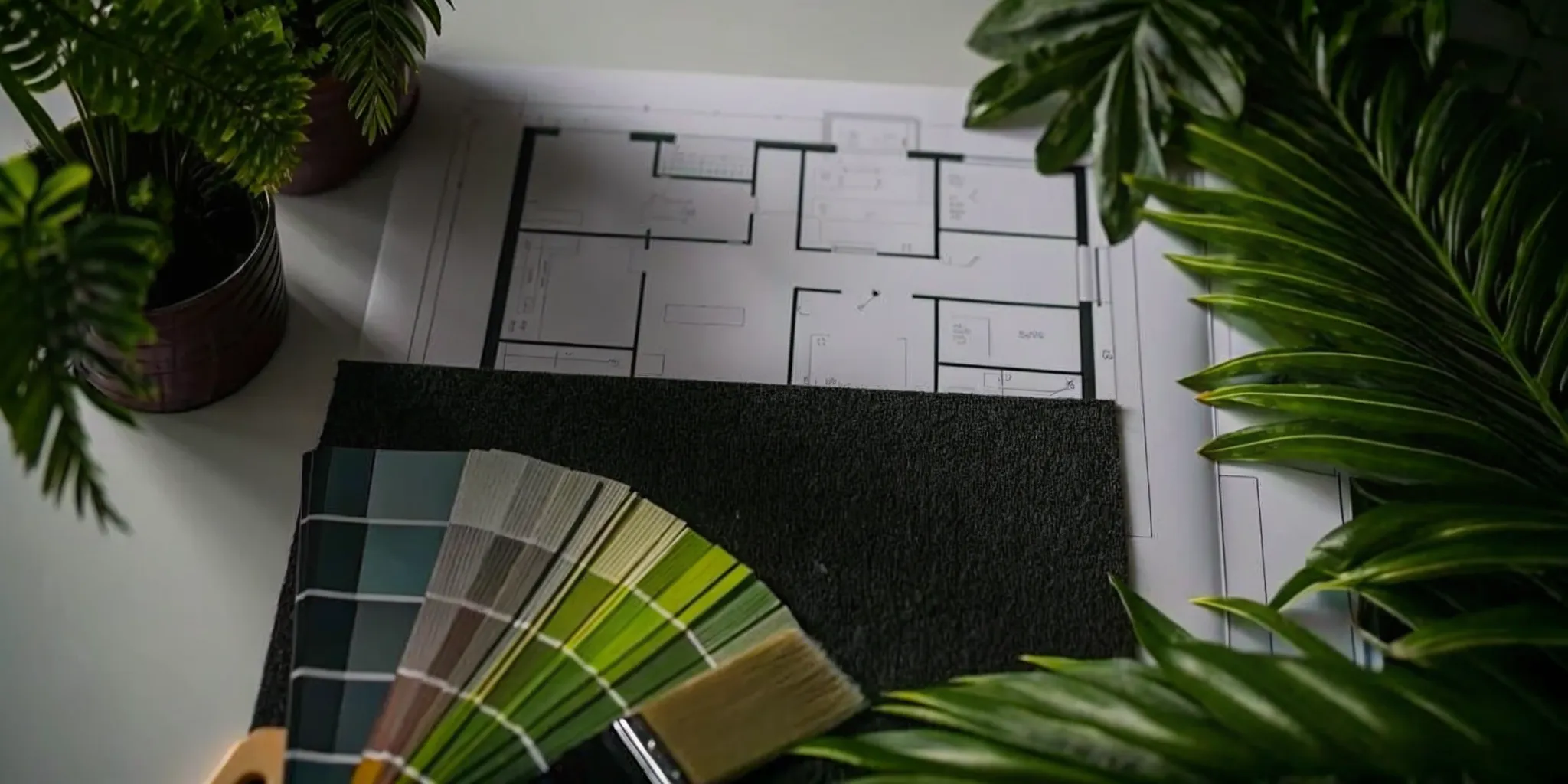
Once you have a floor plan, the real fun begins: making it your own. Customization is where you infuse your personality into the space, turning a blueprint into a home that’s uniquely yours. From the architectural style to the finish on the cabinet pulls, every choice contributes to the final look and feel. This is also the stage where your budget can stretch significantly, so it’s important to understand how different choices impact the bottom line. A clear plan helps you decide where to splurge and where to save, ensuring your dream home doesn’t turn into a financial headache. Working with a renovation advisor can help you sort through these decisions and keep your project on track.
Popular Customizations and Their Cost
Upgrades are a major part of personalizing a home, but they come at a price. As a general rule, you can expect that new home upgrades cost about 10% to 20% of the total home price. For a large home, this can be a substantial figure. Some of the most popular customizations include expanding outdoor living areas with larger patios or outdoor kitchens, creating a spa-like retreat with a luxury primary bathroom, and outfitting the kitchen with professional-grade appliances. These are the features that not only enhance your daily life but can also add significant value to your property.
Choosing Your Architectural Style
The architectural style you select is one of the first and most impactful decisions you'll make. Whether you’re drawn to the clean lines of a modern design, the timeless appeal of a traditional home, or the rustic charm of a Mediterranean villa, your choice will guide the entire project. It’s important to know that custom homes with unique design elements and a high degree of personalization often have a higher price point. This is because a distinctive style might require specialized materials, intricate detailing, or more complex construction methods, all of which can influence the final cost.
Selecting High-End Finishes and Upgrades
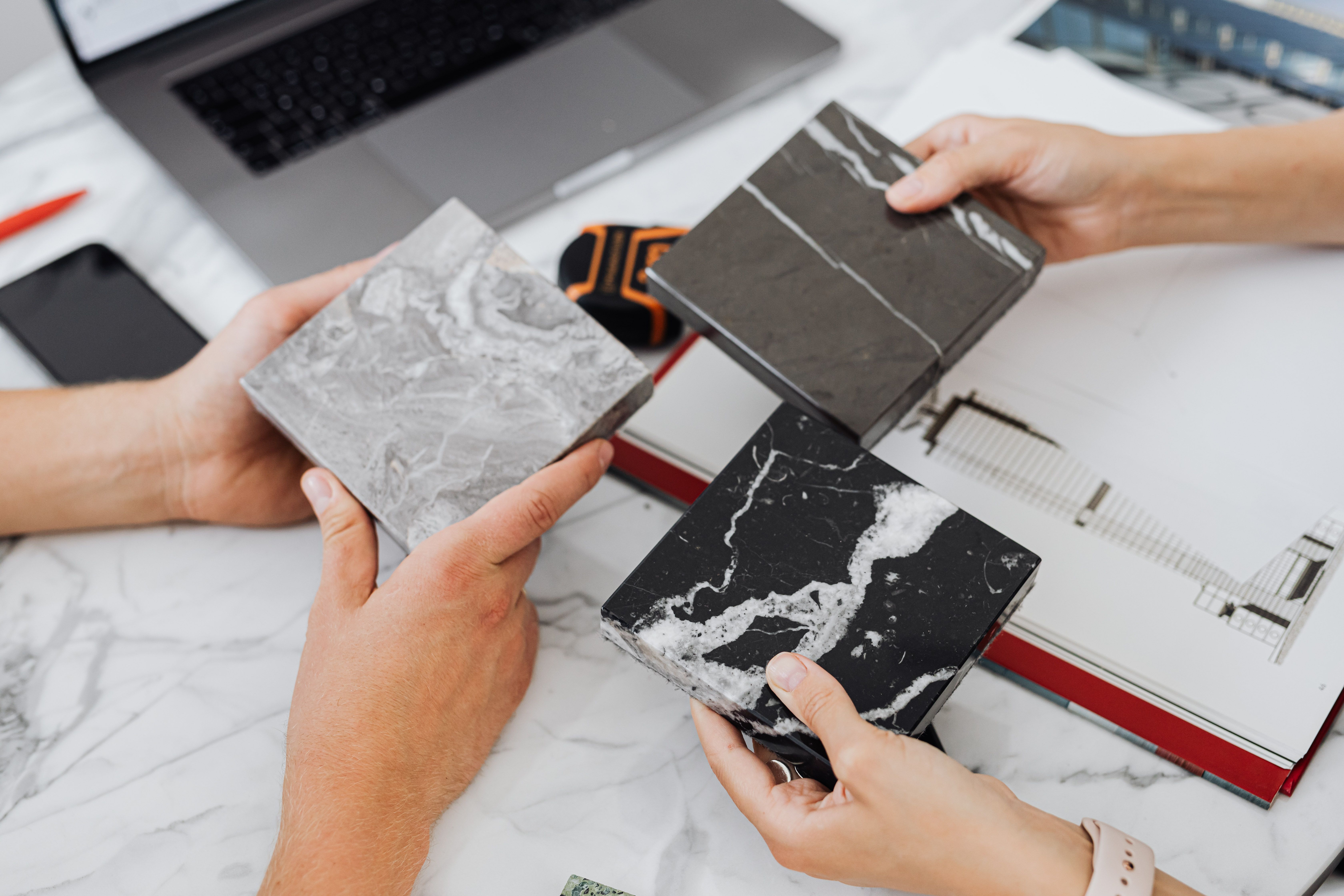
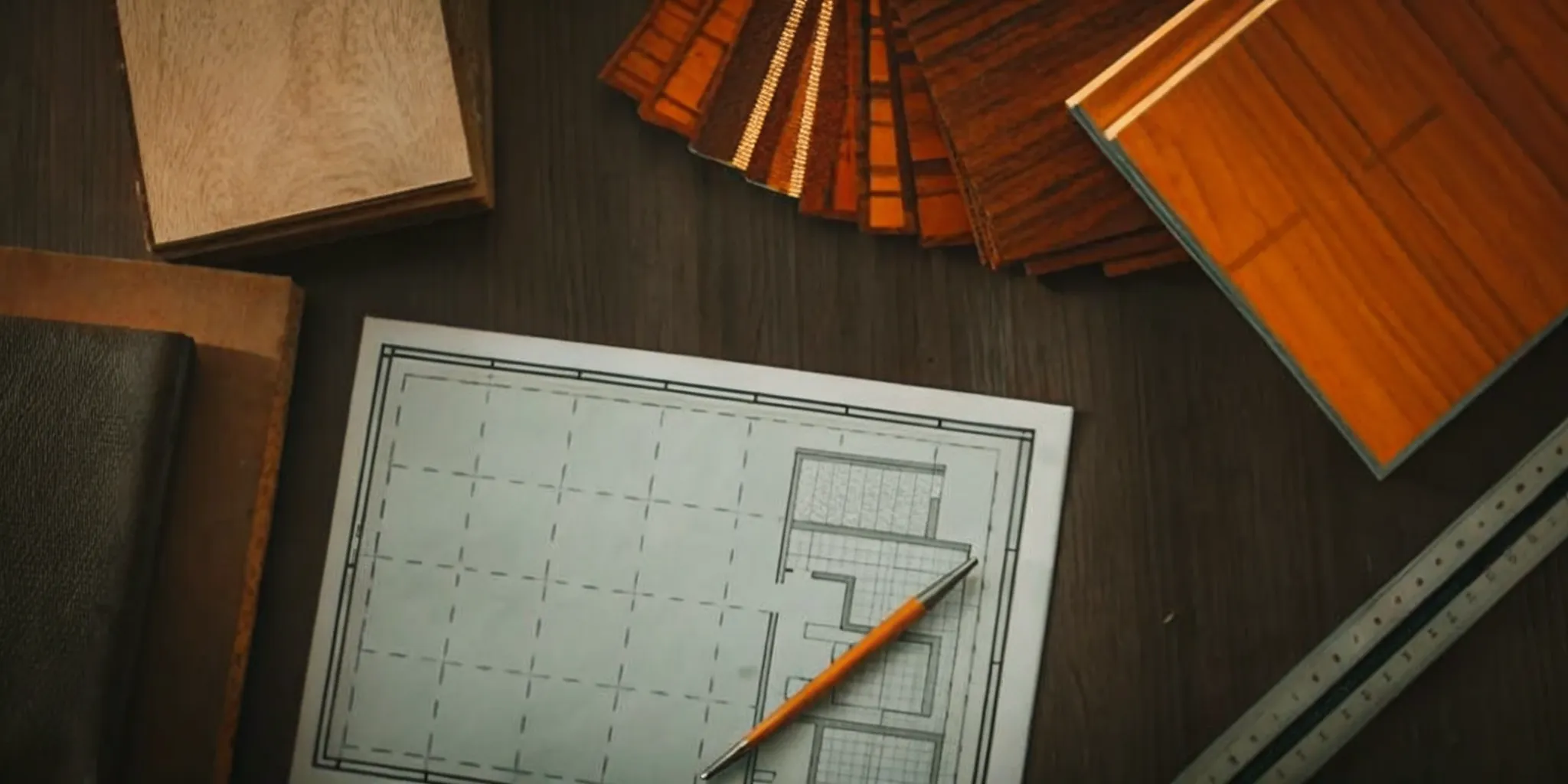
The finishes are what bring your home to life, creating that sense of luxury and polish. This includes everything from flooring and countertops to lighting fixtures and paint colors. High-end materials naturally come with higher costs. For example, for tile alone, prices typically range from $5 to $15 per square foot, depending on the material and the complexity of the installation. When you consider the sheer scale of a 10,000-square-foot home, you can see how these costs add up. These popular upgrade options are what truly define the character of your home, so it’s worth investing time to choose materials you’ll love for years to come.
How to Find the Right Partner for Your Project
A project of this magnitude isn't a solo mission. Building or renovating a 10,000-square-foot home requires a team of seasoned professionals who can bring your vision to life while keeping the project on track and on budget. The success of your dream home really comes down to the people you hire, and finding the right ones can feel like a job in itself. From a dedicated advisor who acts as your project quarterback to the architect who drafts the blueprints, choosing your partners is the most important decision you'll make. Let's walk through how to assemble your A-team so you can move forward with confidence.
Why Work With a Renovation Advisor?
Managing a large-scale custom build is a full-time job. This is where a renovation advisor becomes your most valuable player. Think of them as your personal project manager, guiding you through every phase. Custom homes often come with a higher price tag because of their unique designs, so having an expert who understands the financial and logistical hurdles is key. A dedicated advisor helps you set a realistic budget, vets qualified contractors, and keeps the project running smoothly. They handle the complexities so you can focus on the exciting parts of creating your home.
Finding Top Architects and Designers
Your architect and designer are the creative forces behind your home, so finding the right fit is essential. Look for professionals with a strong portfolio of large-scale, custom residential projects. When reviewing their work, see if their style aligns with your vision. It's also important to discuss costs upfront. Custom home upgrades vary widely, with prices for things like tile typically ranging from $5 to $15 per square foot. A great design partner will have a fantastic creative eye and be skilled at working within your budget to deliver stunning results without surprise expenses.
Key Questions to Ask Your Design Partner
Before you commit to an architect or designer, a thorough interview is a must. This is your chance to ensure they’re the right partner for your project. Come prepared with questions about their process, communication style, and fee structure. Ask them how they manage the budget, especially since new home upgrades can cost 10-20% of the total home price. You’ll want to know how they track expenses and handle overages. Other key questions include: How often will we meet? Who is my main point of contact? How do you resolve unexpected challenges? Their answers will give you a clear sense of what it would be like to work together.
How to Start Your 10,000 Sq. Ft. House Project
A project of this size feels huge, but breaking it down into manageable steps makes it achievable. Getting started on the right foot involves careful planning, building the right team, and securing your finances. Here’s how to tackle the first crucial phases of your project and turn your vision into a concrete plan.
Create Your Timeline and Budget
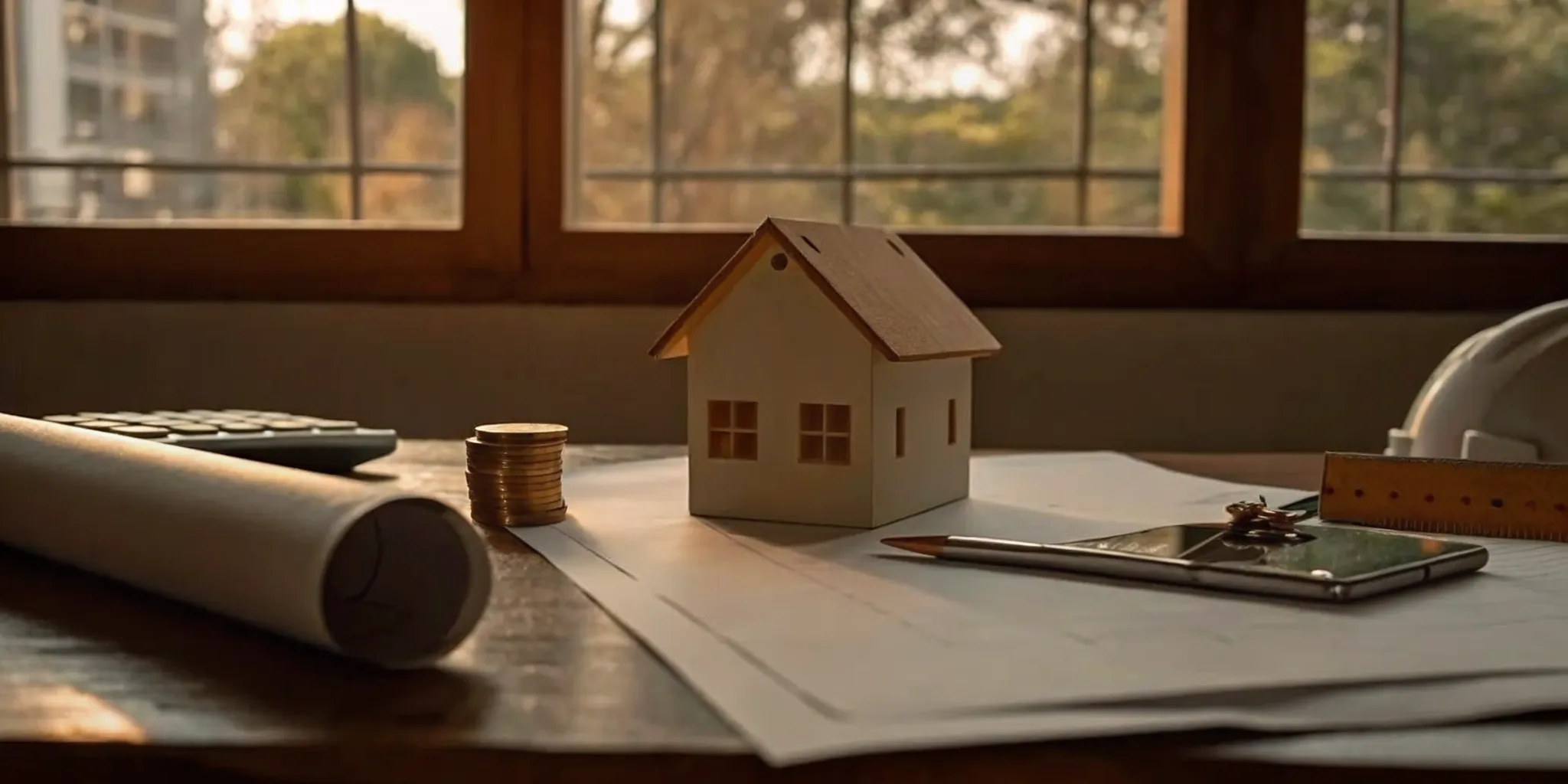
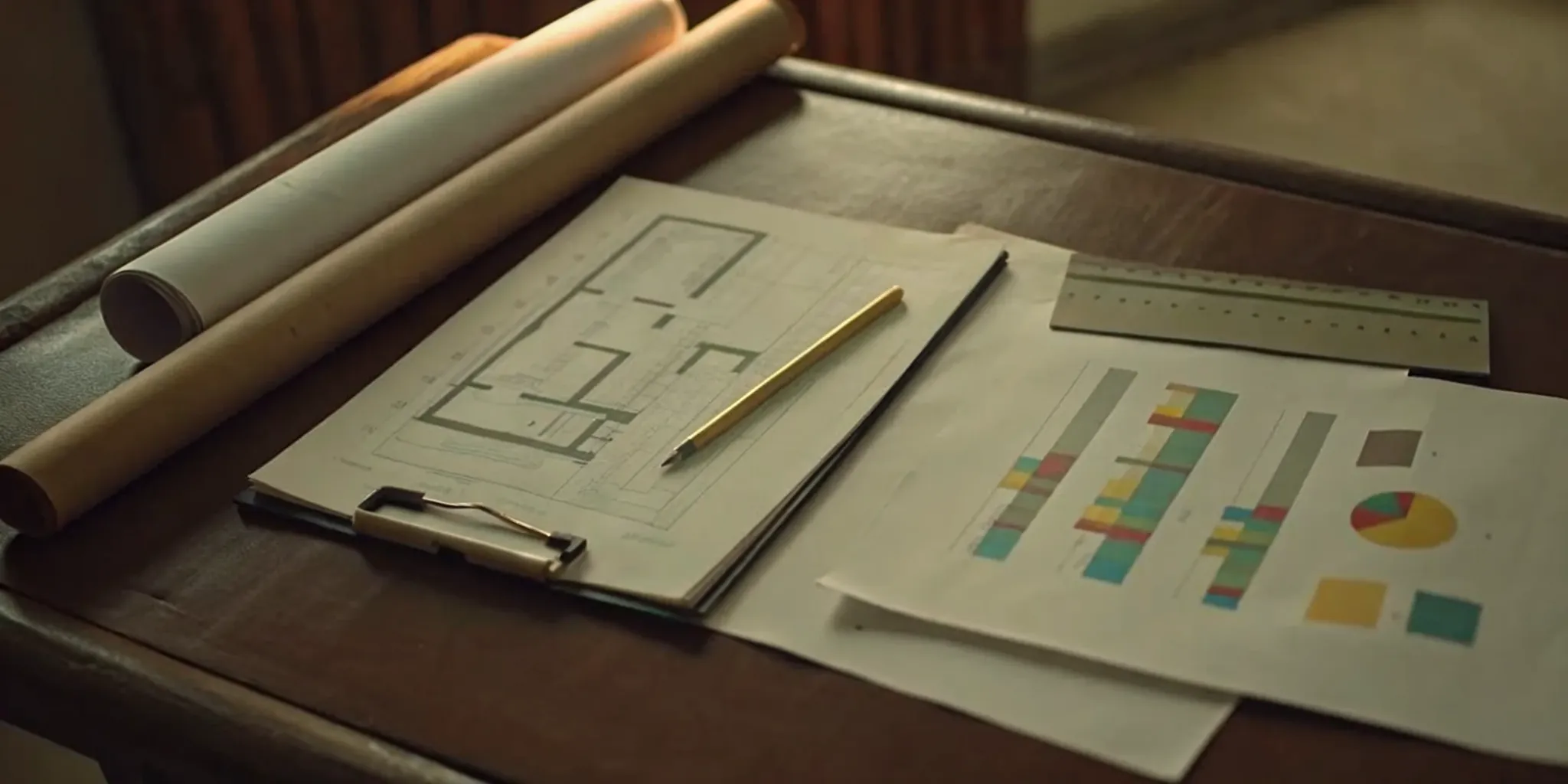
First things first: let’s talk numbers. A detailed budget is the foundation of your entire project. For a custom home of this magnitude, costs can fluctuate dramatically based on your location, the complexity of the design, and the materials you choose. It’s essential to begin by understanding the regional cost variations in labor and materials. Once you have a baseline, build a comprehensive budget that includes a contingency fund of at least 15-20% for unexpected issues. Your timeline is equally important. Designing, permitting, and building a 10,000-square-foot home is a multi-year commitment, so map out a realistic schedule with clear milestones for each phase.
Assemble Your Team of Professionals
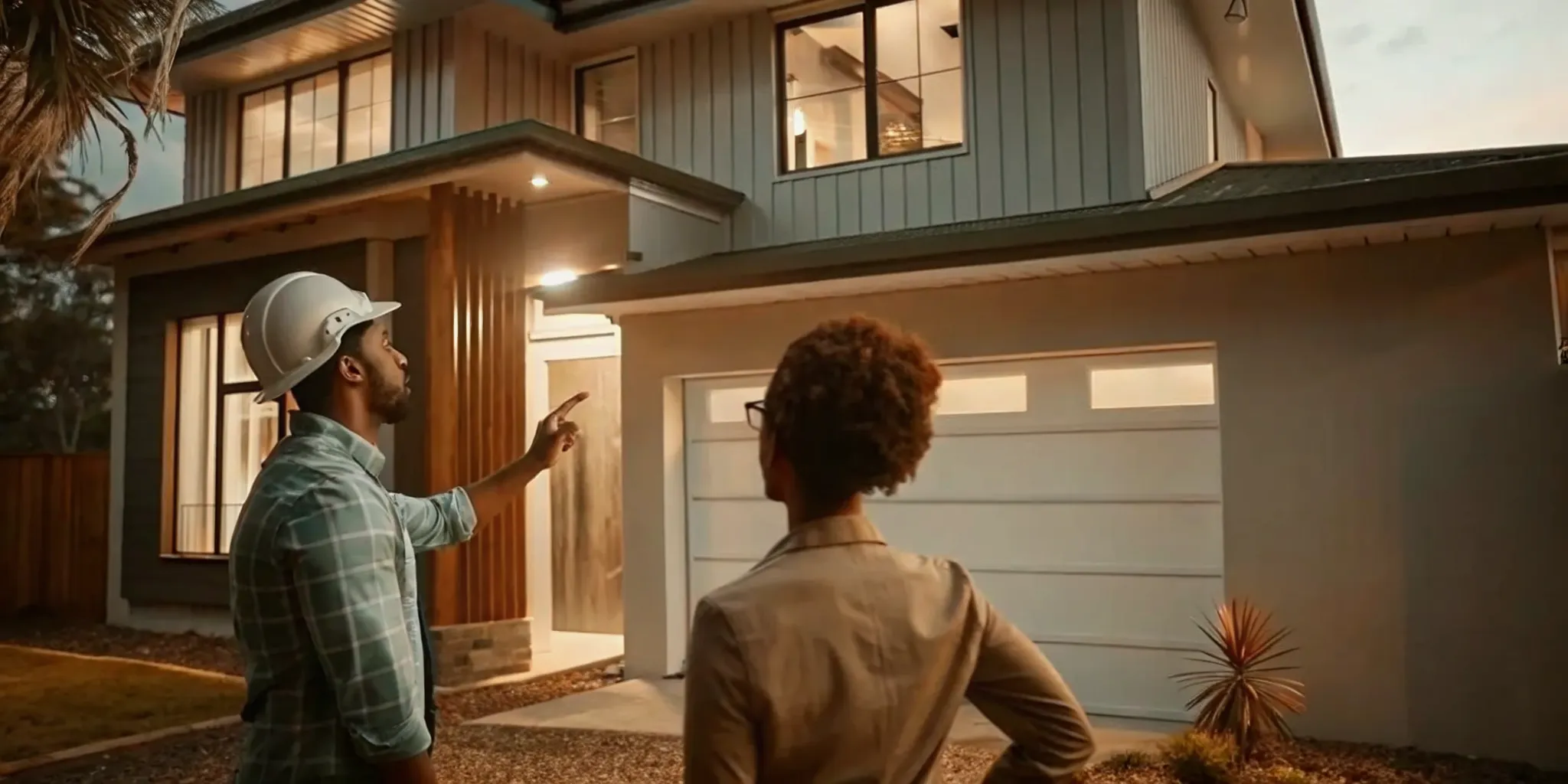
You can’t build a dream home alone. Your success depends on having a team of experienced professionals who understand your vision. This core team typically includes an architect to design the structure, a general contractor to manage construction, and an interior designer to bring the inside to life. These experts do more than just execute your plan; they provide invaluable guidance on everything from navigating building codes to making smart financial decisions. They can help you determine which custom home upgrades add the most value and how to allocate your budget effectively. A dedicated advisor from Realm can help you find and vet these top-tier professionals, ensuring you have the right partners from day one.
Explore Your Financing Options
With a preliminary budget and team in mind, the next step is to secure funding. For most homeowners, this means obtaining a construction loan or a jumbo loan, which are specifically designed for large-scale building projects. Lenders will want to see your architectural plans and a detailed budget before they approve financing. It’s a good idea to get pre-approved early to understand exactly how much you can afford. This will help you and your designer make realistic decisions about everything from the foundation to the fixtures. Seeing the real-world costs other homeowners have paid can provide helpful context for your own financial planning and discussions with lenders.
Related Articles
- Home Addition Cost Per Sq Ft: A Full Breakdown
- Home Addition Cost Breakdown: A Complete Guide
- The Average Cost Per Square Foot for Addition Explained
Frequently Asked Questions
Besides the initial build cost, what are the biggest ongoing expenses I should prepare for? Beyond the mortgage, property taxes and utilities are the most significant recurring costs, and they will be substantially higher than for an average-sized home. It's also wise to budget for consistent professional services. This could include a weekly cleaning crew, a landscaping team to manage the grounds, and annual service contracts for complex HVAC or pool systems. These aren't just conveniences; they're essential for protecting your investment and keeping a large property in top condition.
How do I know if a 10,000 sq. ft. home is actually right for my lifestyle? The best way to know is to think honestly about how you live day-to-day, not just on special occasions. Consider how your family uses your current home. Are there specific activities that need more dedicated space, like a home gym or a separate office? Think about how often you entertain and whether you prefer large parties or smaller gatherings. A home this size is incredible, but only if its layout and features genuinely support your routine and priorities.
Where should I splurge and where can I save when customizing a large home? A great rule of thumb is to invest in the foundational elements that are difficult and expensive to change later. Splurge on high-quality windows, great kitchen appliances, and the core components of your primary bathroom. These are the features you'll interact with every day. You can often save on things that are easier to upgrade over time, such as decorative light fixtures, paint colors, or closet organization systems.
For a custom build, who should I hire first: the architect or the general contractor? For a fully custom home, you should always hire the architect first. The architect is responsible for translating your vision into a detailed set of blueprints. A general contractor needs those finished plans to provide an accurate bid and a realistic construction timeline. Bringing an architect on board from the very beginning ensures that your project starts with a clear, well-developed plan that guides every decision that follows.
How long does it realistically take to build a custom 10,000 sq. ft. home from start to finish? Patience is key for a project of this scale. From the initial design phase to the final construction walkthrough, you should realistically plan for a timeline of 18 to 36 months. This includes several distinct stages: architectural design, engineering, securing permits from your local municipality, and the actual build-out. The specific timeline can vary based on your location's permitting process, the complexity of your design, and material availability.