How Long Does a Seattle Kitchen Remodel Really Take?
Wondering how long does a kitchen remodel take in Seattle? Get a clear timeline, key phases, and tips to keep your renovation on track from start to finish.
|
March 3, 2026

In this article:
Let's get straight to it: asking how long does a kitchen remodel take in Seattle is a bit like asking how long a piece of string is. The answer can range from a brisk six weeks to a patient four months, or even longer. I know that’s a huge window, and it can feel daunting when you're trying to create a realistic budget and plan. The final timeline really depends on the scope of your vision. Are you dreaming of a simple cosmetic refresh, or a full gut renovation that involves moving walls? Understanding the key factors that shape your schedule from the start is the best way to set clear expectations and keep your project moving smoothly. This guide will walk you through the typical phases and potential roadblocks so you can approach your renovation with confidence.
Key Takeaways
- Build Seattle's unique timeline into your plan: A full kitchen remodel can take four months or longer, largely because of the city's two-to-four-month permit approval process. Start planning well in advance to account for this built-in waiting period.
- Your best defense against delays is a complete plan: Lock in every decision, from layout to cabinet hardware, before the work begins. Ordering all your materials ahead of time is the most effective way to prevent your project from stalling.
- Create a communication rhythm with your contractor: A smooth project relies on clear, consistent dialogue. Agree on a check-in schedule and document all changes in writing to ensure you and your team are always aligned.
How Long Does a Seattle Kitchen Remodel Really Take?
Let's get straight to it: a kitchen remodel in Seattle can take anywhere from six weeks to four months, and sometimes even longer. I know, that’s a huge range, and it can feel a little daunting when you're just trying to figure out a budget and a plan. The truth is, the final timeline depends entirely on what you have planned. Are you dreaming of a simple cosmetic refresh with new paint and countertops, or a full-blown gut renovation that involves moving walls and reconfiguring the entire layout? Every project has its own unique rhythm.
Understanding the key factors that influence your schedule from the start is the best way to set realistic expectations and keep your project moving smoothly. Think of it less as a single, monolithic project and more as a series of distinct phases, from design and permitting to demolition and installation. Each step has its own timeline, and knowing what to expect can make the whole process feel much more manageable. It also helps you prepare for life during the renovation, like setting up a temporary kitchen and planning meals. While the process requires patience, the result is a space that truly works for you and your family. This guide will walk you through the typical phases and potential roadblocks so you can approach your renovation with a clear and realistic timeline in mind.
What Affects Your Project Timeline?
The scope of your project is the single biggest factor that shapes your timeline. A minor update, like painting cabinets, installing new countertops, and adding a fresh backsplash, typically takes about six to eight weeks once construction begins. If you’re planning a full remodel that includes tearing out old cabinets, replacing flooring, and updating plumbing or electrical systems, you should budget for at least 10 to 14 weeks of active work. Keep in mind, this doesn't include the crucial planning and design phase that happens beforehand. A clear customized plan is essential for mapping out each step and keeping your project on track from day one.
The "Seattle Factor": Why Local Projects Can Take Longer
Renovating in Seattle comes with its own unique set of challenges that can extend your timeline. The city's permitting process is a significant one, often taking anywhere from two to four months just to get plans approved. Some local contractors even report waiting up to 18 weeks for permits to clear. On top of that, supply chain issues can delay specific materials, and in a city with so many older homes, there's always a chance of uncovering unexpected issues like old wiring or water damage once the walls are opened up. Having an expert on your side can make a world of difference in anticipating and managing these local hurdles.
Your Kitchen Remodel Timeline, Phase by Phase
A kitchen remodel isn’t a weekend project. It’s a carefully orchestrated process with distinct phases, each with its own timeline. While every project is unique, understanding the typical sequence can help you set realistic expectations and feel more in control. Think of it as a roadmap for your renovation. Some stages, like permitting, can feel incredibly slow, while others, like demolition, happen in a flash. Knowing what to expect helps you prepare for the emotional and logistical journey ahead. Having a clear plan and a dedicated team to manage the moving parts is the best way to keep your project on track. At Realm, we create a customized project plan that maps out these phases for you, so you always know what’s coming next and have an expert to guide you through each step.
Phase 1: Planning and Design (2-4 weeks)
This is where your vision takes shape. The planning and design phase is all about making decisions before any walls come down. You’ll work with your designer and contractor to finalize the layout, choose cabinets, select countertops, and pick out appliances and fixtures. This is also when you’ll solidify your budget. It’s tempting to rush through this part, but taking your time here is crucial for a smooth project. As Seattle’s Iconic Construction & Remodeling notes, dedicating two to four weeks for planning sets a strong foundation and helps prevent costly changes down the road.
Phase 2: Getting Permits (2-4 months)
Once your design is locked in, your contractor will submit the plans to the city for approval. This is often the longest waiting period in the entire process, and it’s largely out of your hands. In Seattle, the permitting process can be particularly lengthy. According to the experts at Sea Renovation, homeowners should anticipate that permit wait times in Seattle are currently running between two and four months. The best thing you can do during this phase is be patient and use the time to order materials with long lead times, like custom cabinets or specialty tile.
Phase 3: Demo and Structural Changes (1-2 weeks)
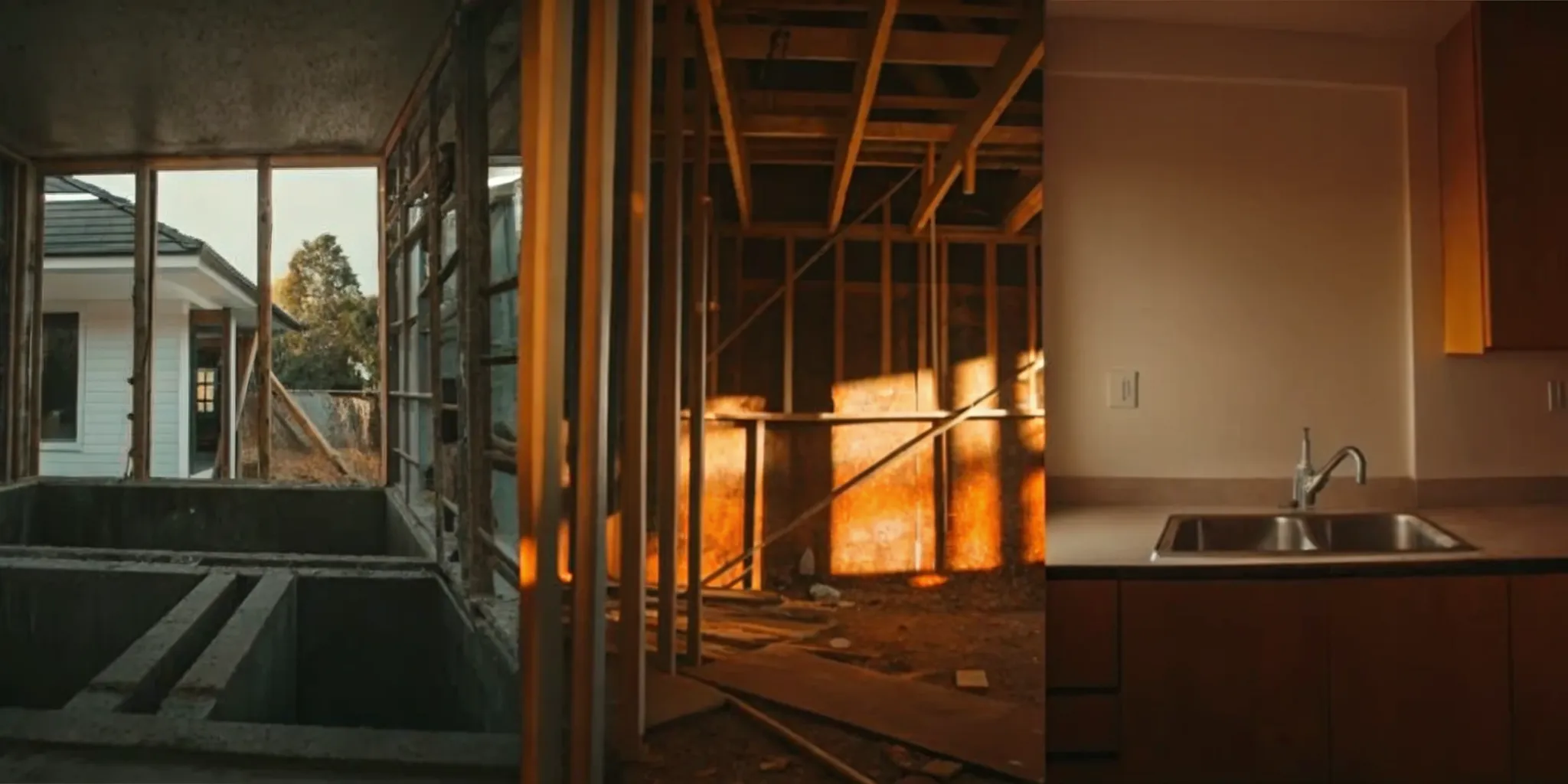
This is when the action begins. The demolition phase is exactly what it sounds like: your crew will tear out the old kitchen, including cabinets, countertops, flooring, and sometimes, walls. It’s a messy but exciting step because it clears the way for your new space. If your remodel involves moving walls or changing window placements, those structural changes will happen now. This part of the project moves fairly quickly. Most of the demolition work can be completed in just a few days, with the entire phase typically lasting one to two weeks.
Phase 4: Rough-Ins and Inspections (2-3 weeks)
With the kitchen stripped down to the studs, it’s time to install the new systems behind the walls. This is called the "rough-in" phase. Plumbers will run new water and gas lines, electricians will place wiring for outlets and lighting, and HVAC technicians will install any necessary ductwork. Once this work is done, a city inspector must visit to ensure everything is up to code before the walls can be closed up. This combination of structural and rough-in work and waiting for inspections usually takes about two to three weeks to complete.
Phase 5: Installation (3-6 weeks)
Now your new kitchen really starts to come to life. After the drywall is up, your team will begin installing all the beautiful elements you chose during the design phase. This includes laying the new flooring, hanging cabinets, and installing countertops, sinks, and appliances. The timeline for this phase can vary quite a bit depending on the complexity of your project and the availability of your chosen materials. Generally, you can expect the main installation phase to take anywhere from three to six weeks as each piece is carefully put into place.
Phase 6: Final Touches and Sign-Off (1-2 weeks)
You’re in the home stretch. This final phase is all about the details that turn a construction zone into a finished kitchen. Your contractor will handle tasks like painting, installing the backsplash, attaching cabinet hardware, and completing any final electrical and plumbing hookups. This is also when you’ll do a final walkthrough with your contractor to create a "punch list" of any minor adjustments needed. These finishing touches typically take one to two weeks. Once you’re completely satisfied with the work, you’ll give your final approval and sign off on the project.
What Can Change Your Remodel's Timeline?
Even the most carefully planned kitchen remodel can hit a few bumps. While a good plan sets you up for success, several key factors can stretch your timeline. Understanding what these variables are from the start helps you prepare for them, build a more realistic schedule, and keep surprises to a minimum. From the size of your space to the specific permits required in Seattle, here’s what can influence how long your project will actually take.
The Size and Layout of Your Kitchen
The physical footprint of your kitchen and whether you plan to change its layout are two of the biggest factors in your timeline. If you’re keeping your kitchen’s existing structure, the build phase for cosmetic updates and appliance swaps typically takes about 10 to 12 weeks. However, if your vision includes more significant changes, like removing a wall to create an open-concept space or adding a kitchen island where there wasn’t one before, you’re looking at a longer project. These kinds of structural adjustments require more demolition, plumbing, and electrical work, extending the build time to around 12 to 14 weeks.
The Scope of Your Project
Beyond the layout, the overall scope of your renovation plays a huge role. Are you planning a few simple updates or a complete gut job? A minor refresh, like painting cabinets, replacing the backsplash, and installing new light fixtures, might only take 6 to 8 weeks of construction. A full-scale remodel, on the other hand, involves tearing everything out down to the studs and starting from scratch. This often takes 10 to 14 weeks or more, simply because it involves more steps and coordinating more specialized trades, like electricians, plumbers, and drywallers. A dedicated project advisor can help you map out every detail to ensure the scope is clear from day one.
Material and Supply Chain Delays
Waiting on materials is one of the most common reasons for delays. Custom cabinets, imported tile, and specialty appliances can have long lead times, so it’s essential to order them as early as possible. Changing your mind on a faucet or countertop mid-project can also throw a wrench in the schedule, creating a domino effect of delays. To keep things moving, finalize all your material choices before demolition begins. This proactive approach helps you avoid the frustration of having your project stall while you wait for a specific item to arrive.
Seattle's Unique Permit Process
Navigating the permit process is a unique challenge for any Seattle homeowner. While permits are a standard part of most remodels, the wait times in Seattle can be particularly long. It’s not uncommon for the city to take two to four months to review and approve permit applications for a kitchen project. This is purely waiting time before any construction can even start. Working with a team that understands the local requirements can help ensure your application is complete and accurate, but it’s crucial to factor this administrative phase into your overall timeline from the very beginning.
Your Contractor's Schedule
Your contractor’s availability and communication style can make or break your timeline. The best contractors are often booked months in advance, so you’ll want to secure your team early. Once the project starts, clear and consistent communication is key to keeping everything on track. A contractor who provides regular updates and a clear schedule helps manage expectations and allows you to address potential issues before they become major delays. Before you find a vetted professional, make sure you discuss how they manage their projects and how often you can expect to connect.
How to Prepare for Common Remodel Delays
Even the most perfectly planned renovation can hit a snag. While you can’t control everything, you can prepare for the most common delays to keep your project moving forward with less stress. Building a small buffer into your timeline and budget from the start is the best way to handle surprises gracefully. Knowing what to expect helps you stay in control and work with your contractor to find solutions quickly.
Getting Through Seattle Permit Hold-Ups
One of the biggest hurdles in a Seattle renovation is the permit process. What used to take a couple of months can now stretch much longer, with some contractors reporting wait times of four months or more. The best way to handle this is to get ahead of it. Work with your design and construction team to submit your permit applications as early as possible. Having a professional who understands the local requirements can make a huge difference. By building this extended wait into your initial timeline, the delay won’t feel like a surprise, but rather a planned part of the process.
Dealing with Supply Chain Surprises
Waiting for a specific appliance or the right cabinet hardware can bring your entire project to a halt. Many of these delays are preventable by making all your decisions before demolition begins. Finalize your choices for everything from flooring to faucets and place the orders well in advance, especially for custom items. This helps you avoid what’s known as scope creep, where small changes and decisions made mid-project start to add up, pushing back your completion date. Having all your materials on-site and ready to go ensures a much smoother installation phase.
When Weather Gets in the Way
You might think an indoor kitchen remodel is safe from the weather, but Seattle’s famous rain can still cause issues. If your project includes any exterior work, like installing a new window, moving a wall, or adding ventilation, bad weather can slow things down. It can also affect material deliveries or your contractor’s ability to get to the job site. While you can’t change the forecast, you can plan for it. If you’re renovating during the fall or winter, it’s wise to add a few buffer days to your schedule to account for potential weather-related slowdowns.
Finding Unexpected Issues Behind the Walls
Once the walls come down, you might uncover some unwelcome surprises. Issues like old water damage, hidden mold, pest problems, or outdated electrical wiring are fairly common in older homes. While you can’t predict exactly what you’ll find, you can prepare for the possibility. The best strategy is to have a contingency fund, typically 10-20% of your total project cost, set aside specifically for these kinds of discoveries. A good contractor will stop work to address these unexpected issues properly, ensuring your home is safe and sound for years to come.
Handling Mid-Project Design Changes
Changing your mind after the work has started is one of the surest ways to cause delays and increase costs. That’s why it’s so important to finalize your design before anyone picks up a hammer. However, sometimes a change is unavoidable. If you need to make an adjustment, clear and immediate communication with your contractor is key. Make sure you formalize the change with a written change order that details the new plan, the added cost, and the impact on the schedule. This ensures everyone is on the same page and helps maintain a smooth remodeling process.
How to Keep Your Kitchen Remodel on Schedule
While some renovation delays are out of your control (hello, surprise plumbing issues), you have more power over your project’s timeline than you might think. Staying on schedule is all about proactive planning and clear communication. By making key decisions early and staying in sync with your team, you can keep things moving forward smoothly and minimize frustrating hold-ups. A little preparation goes a long way in turning a potentially stressful process into an exciting one. Here are four essential steps you can take to keep your kitchen remodel on track from start to finish.
Finalize Your Plan Before You Start
One of the biggest sources of delays is changing your mind mid-project. Before a single hammer swings, make sure your renovation plan is completely locked in. This means finalizing your layout, cabinet styles, countertop materials, appliances, and even paint colors. Making decisions on the fly can cause a domino effect, leading to re-orders, scheduling conflicts, and budget overruns. A detailed plan acts as a roadmap for your entire project. It ensures you and your contractor have the same vision and helps you set clear expectations before the work begins, which is the foundation of a successful remodel.
Get a Head Start on Permits
In Seattle, permits are a serious step that can’t be skipped, and they often take longer than homeowners expect. If your remodel involves changing the kitchen’s layout or moving any plumbing or electrical wiring, you will need a permit. The application and review process can add weeks or even months to your timeline before construction can even start. Talk to your contractor or design team about submitting the necessary paperwork as early as possible. Getting your applications into the city’s queue while you’re still finalizing material selections can save you a lot of waiting time down the road.
Order Your Materials Early
Supply chain issues can bring a project to a screeching halt. That’s why it’s so important to order all your materials and fixtures well in advance. Items like cabinets, especially if they are semi-custom or custom, can have lead times of several weeks or more. The same goes for appliances, special-order tile, and countertops. Your goal should be to have everything on-site before your contractor needs it. This prevents your team from having to pause their work while waiting for a crucial delivery. A good contractor can help you create a purchasing timeline based on typical lead times.
Keep Communication Open with Your Contractor
Clear and consistent communication with your contractor is the glue that holds your project together. A renovation is a partnership, and staying in sync ensures that your project progresses smoothly. Establish a regular check-in schedule, whether it’s a quick daily text or a more detailed weekly meeting, to discuss progress and address any questions that come up. Don’t be afraid to ask for clarification if you don’t understand something. A contractor who is committed to open dialogue will help you feel confident and informed every step of the way, making the entire renovation experience a positive one.
How to Talk to Your Contractor to Avoid Delays
Even with the most detailed plan, your kitchen remodel relies on a strong partnership between you and your contractor. Good communication is the foundation of that partnership. It’s not about micromanaging; it’s about creating a clear, open, and consistent dialogue that keeps everyone aligned and the project moving forward. When you and your contractor are in sync, you can solve problems faster, make decisions more efficiently, and prevent small misunderstandings from causing major delays. At Realm, we connect you with vetted contractors and provide a dedicated advisor to help facilitate these conversations, ensuring your project stays on track. Think of it as a two-way street where your input is just as important as their expertise.
Set Clear Expectations from Day One
Before any work begins, sit down with your contractor to establish how you’ll communicate. This initial conversation is one of the most important steps in contractor communication you’ll have. Discuss your preferences: Do you prefer daily text updates or a weekly summary email? Also, clarify their schedule. Knowing when the crew will be on-site helps you plan your own day. This is also the time to agree on how decisions will be handled, especially the urgent ones. Setting these ground rules from the start ensures you’re both on the same page and builds a respectful working relationship for the entire project.
Schedule Regular Check-Ins
Don’t wait for problems to arise to talk about progress. Scheduling regular check-ins, like a quick 15-minute meeting every Friday, creates a dedicated time to sync up. Use these meetings to walk through the site, review what was completed that week, and discuss the plan for the next one. This is your chance to ask questions and address any concerns before they grow. These meetings are crucial for progress because they keep you informed and involved. A consistent check-in rhythm makes communication a routine part of the process, not just something that happens when there’s an issue.
Put All Changes in Writing
Even if you have a great verbal rapport with your contractor, it’s essential to document every decision and change. If you decide to move a light fixture or upgrade your faucet, follow up your conversation with a quick email or text to confirm the details. For larger adjustments, your contractor should provide a formal change order that outlines the new scope of work and any impact on the budget and timeline. Documenting everything is one of the simplest tips for better communication and creates a clear record that protects both you and your contractor from future misunderstandings.
Respond Quickly to Questions
Your renovation is a team effort, and your contractor will need your input on everything from grout color to hardware placement. When they reach out with a question, a delay on your end can bring work to a standstill. Make an effort to provide quick responses so the crew can keep moving. If you need time to consider your options, that’s completely fine. Just let your contractor know when they can expect an answer. Being responsive shows you respect their time and are an active partner in making your new kitchen a reality, which helps keep the entire project on schedule.
When Is the Best Time to Start Your Seattle Kitchen Remodel?
Deciding when to kick off a kitchen remodel involves more than just looking at the calendar. While Seattle’s seasons definitely play a role, the real answer lies in strategic planning. The best time to start is when you’ve accounted for all the behind-the-scenes work that happens long before demolition day, like securing permits, ordering materials, and finding the right team. Thinking about these factors well in advance is what sets a smooth project apart from a stressful one.
For many Seattle homeowners, starting the planning process in the fall or winter is a smart move. This gives you several months to finalize designs, get permits approved, and order materials before the busy spring and summer construction season kicks into high gear. By the time the weather is clear and contractors are in high demand, you’ll be ready to break ground without the last-minute scramble. It’s all about working backward from your ideal completion date and giving yourself a generous buffer for each phase of the project. This proactive approach helps you stay in control and makes the entire renovation feel more manageable.
Picking the Right Season for Your Renovation
While you can remodel a kitchen any time of year, Seattle's weather patterns make summer a popular choice. The long, dry days are perfect for construction, especially if your project involves exterior work like moving a window or a door. However, this is also peak season for contractors, meaning they are often booked months, or even a year, in advance. Local experts suggest you should start talking to builders 12 to 18 months before you want construction to begin. This gives you the best chance of assembling a great team without compromising on quality. Remodeling in the off-season, like late fall or winter, might offer more contractor availability, but you’ll need a solid plan for potential weather delays.
Factoring in Lead Times for Permits and Materials
Before any walls come down, you need to account for two major waiting periods: permits and materials. In Seattle, securing the necessary building permits can take anywhere from two to four months, especially if you’re changing the kitchen’s layout or moving plumbing and electrical lines. This is a non-negotiable step that protects your home’s safety and value. On top of that, custom cabinets, countertops, and appliances can have long lead times. Ordering these items early is essential to avoid having your project stall while you wait for a delivery. Building these waiting periods into your timeline from day one helps create a customized plan that reflects reality.
Aligning with Your Renovation Team
The ideal start time for your remodel is when your chosen contractor is actually available to begin. Because the best professionals are in high demand, their schedules often dictate the project's start date. This is another reason why planning far ahead is so important. Once you have your team in place, clear and consistent communication is what keeps the project moving forward. Having a shared understanding of the schedule, budget, and design choices prevents misunderstandings and delays. Working with a partner who provides expert guidance can help you manage these conversations, ensuring you and your contractor are aligned from the very beginning.
Related Articles
Frequently Asked Questions
What's the difference between the construction timeline and the total project timeline? This is a great question because it gets to the heart of renovation planning. The construction timeline, which is often what people focus on, is the time when your kitchen is actively being worked on, from demolition to the final coat of paint. The total project timeline includes everything else: the weeks or months you spend on design, getting permits approved, and waiting for materials to arrive. So while the actual construction might take 10 to 14 weeks, your entire project from the first design meeting to completion could easily be six months or more.
Why does getting a permit in Seattle take so much time? The permitting process in Seattle can feel like a long wait because it’s a detailed review to ensure your project is safe and up to code. The city's building department reviews every aspect of your plans, from structural changes to electrical and plumbing layouts. Given the volume of renovation projects in the city and the thoroughness required for each review, a backlog is common. This is why it’s so important to submit your application as early as possible and work with a professional who knows how to prepare the paperwork correctly.
Can I stay in my home during my kitchen remodel? Yes, most people do live at home during a kitchen remodel, but it requires some preparation. You'll need to set up a temporary kitchen in another part of your house, like the dining room or garage. Think about what you'll need for daily life: a microwave, a coffee maker, a mini-fridge, and maybe a hot plate. It’s also a good idea to plan for simple meals or a bigger budget for takeout. While it’s an adjustment, planning for this temporary setup makes the process much more manageable.
Is it really that important to order materials before demolition starts? Absolutely. Think of it this way: you don't want your entire project to stop for six weeks because you're waiting for cabinets to be delivered. Having all your materials, from appliances to tile, on-site before the work begins ensures a smooth workflow for your contractor. It prevents the frustrating and costly delays that happen when a crew has to pause their work. Finalizing these choices early also helps you stick to your budget and avoid making rushed decisions under pressure.
How much extra time should I realistically build into my schedule for delays? While every project is different, a smart approach is to add a contingency of about 15-20% to your construction timeline. If your contractor estimates a 12-week build, plan for it to potentially take 14 or 15 weeks. This buffer gives you breathing room for the things you can’t control, like a key material being back-ordered, a city inspector’s schedule, or discovering unexpected plumbing issues behind a wall. Building in this extra time from the start helps manage stress and keeps expectations realistic.