How Much Does an Attic Conversion Cost Per Sq. Ft.?
Get the real cost to convert attic to bedroom and bathroom per square foot, plus tips on budgeting, permits, and what affects your attic conversion price.
|
February 10, 2026

In this article:
That dusty, forgotten space above your head holds so much potential. When you’re running out of room, looking up is often the smartest solution. Transforming an attic into a functional living area—like a guest suite or a primary bedroom—can feel like adding a whole new story to your home without changing its footprint. But before you start pinning design ideas, the practical questions take over. The biggest one is always about the budget. You need a clear understanding of the cost to convert attic to bedroom and bathroom per square foot to know if the project is feasible. This guide will break down all the factors that influence that number, from structural necessities to the finishes that make it feel like home.
Key Takeaways
- Your Attic's Condition Sets the Budget: The final cost, typically between $100 and $200 per square foot, depends heavily on the starting point. A raw, unfinished space will require more foundational work like reinforcing floors and adding a staircase, while adding a bathroom is the single biggest factor that can increase your budget.
- Prioritize a Safe and Legal Foundation: Before focusing on design, allocate a significant part of your budget to the non-negotiable essentials. This means hiring licensed professionals for structural, electrical, and plumbing work and securing the correct permits to ensure your new room is safe, compliant, and legally adds to your home's square footage.
- A Detailed Plan is Your Best Tool Against Surprises: Avoid costly mistakes by creating a thorough budget from the start. Get multiple quotes from vetted contractors, make your design and finish decisions early, and always include a 10-20% contingency fund to cover any unexpected issues that may arise.
How Much Does an Attic Conversion Cost Per Square Foot?
When you’re thinking about converting your attic, the big question is always about the budget. On average, you can expect an attic conversion to cost between $100 and $200 per square foot. Of course, that’s a pretty wide range. Where your project falls depends entirely on what you’re starting with and what you’re hoping to create.
If your attic just needs some finishing touches—like drywall and flooring—you might be on the lower end of the spectrum. The cost to finish an attic that already has a solid structure can be as low as $30 to $60 per square foot for labor and materials. However, if you’re building a brand-new living space from the studs up, the cost can easily climb toward that $200 per square foot mark.
To put that in perspective, a full attic conversion project typically lands somewhere between $20,000 and $95,000 from start to finish. This total project cost covers everything from structural work to the final coat of paint. Dreaming of adding an extra bathroom? It’s a fantastic way to add function, but it will impact your budget. Tucking a bathroom into your attic conversion can add anywhere from $9,800 to $56,000 to your total, depending on the size and the fixtures you choose.
The final price tag really comes down to your attic's current state, the finishes you select, and any special features you want to include. Getting a clear, customized plan is the best way to understand what your specific project will cost.
What Affects Your Attic Conversion Budget?
Figuring out the budget for your attic conversion is a lot like planning a road trip—the final cost depends on where you're starting from and where you want to go. No two attics are the same, so the price tag can vary quite a bit. The main factors that will shape your budget are the size and layout of your space, its current condition, local construction costs, and the features and finishes you choose. Understanding these key elements will help you create a realistic financial plan and turn that dusty storage space into a beautiful, functional room.
Size and Layout
It’s no surprise that the bigger your attic, the more it will cost to convert. A larger footprint requires more materials—from drywall and flooring to paint and insulation—and more labor hours to get the job done. Think of it this way: every extra square foot adds to the bottom line. But it’s not just about size. The layout you envision also plays a big role. A simple, open-concept studio or playroom will be more budget-friendly than a multi-room suite with partition walls and doorways. The more complex the design, the more you can expect to invest in framing and finishing.
Your Attic's Current Condition
The state of your attic before any work begins is a major cost driver. If you have a raw, unfinished space with exposed rafters and no subfloor, you’re starting from scratch. You’ll need to budget for structural work, insulation, electrical, and more. Access is another key point. If you only have a pull-down ladder, you'll need to build a proper staircase. An attic above a garage, for example, might require entirely new heating, ventilation, and insulation systems. A professional assessment early on can identify these needs so you aren’t caught off guard by unexpected expenses down the line.
Local Labor and Material Costs
Where you live has a huge impact on your renovation budget. Labor and material costs can differ dramatically from one city to another, especially in the metro areas Realm serves. As a general rule, labor accounts for about 40% of the total project cost, while materials make up the other 60%. In regions with a higher cost of living, you can expect to pay more for skilled tradespeople. Material prices also fluctuate based on supply and demand. Working with a platform that connects you with vetted local professionals ensures you get fair, competitive pricing for your specific area without sacrificing quality.
Project Complexity and Finishes
This is where your vision truly comes to life—and where your budget can expand the most. A basic conversion into a simple bedroom or office is one thing, but adding complex features will increase the cost significantly. The biggest budget-buster is often a bathroom, which requires extensive plumbing, electrical work, and ventilation. Other elements like custom built-in shelving, skylights, or a dedicated HVAC zone also contribute to a higher price tag. Finally, your choice of finishes—from flooring and light fixtures to tile and paint—will make a difference. Standard-grade materials will keep costs down, while high-end, luxury finishes will push your budget up.
How Much Will Structural Work Cost?
Before you can even think about paint colors and furniture, you need to address the bones of your attic. Structural work is the foundation of a safe and successful conversion, and it’s often where a significant portion of your budget will go. Most attics were originally designed just to be attics—empty spaces under the roof, not livable rooms. Turning that space into a bedroom, office, or playroom means making sure it can safely support people, furniture, and daily activity.
This phase involves everything from reinforcing the floor joists to adding a proper staircase and ensuring the space is comfortable year-round. These aren't the most glamorous parts of a renovation, but they are absolutely essential for meeting building codes and creating a space that’s truly integrated with the rest of your home. Working with a vetted professional is key here, as a structural engineer or experienced contractor can assess exactly what your attic needs to become a functional and secure part of your home. They’ll help you understand the specific requirements for your project, ensuring everything is up to code from the very beginning.
Raising the Ceiling
If your attic has low ceilings, raising them can transform the space from a cramped crawlspace into an airy, open room. This isn't always necessary, but it dramatically improves usability and comfort. The complexity of this job depends on your home's roof structure. For attics located above a garage, creating a comfortable environment might involve a significant investment in new heating, ventilation, and insulation, with costs potentially ranging from $4,600 to $24,000. If you already have a walk-up attic, you may only need to reinforce the existing stairs, which is a much smaller project. The final cost will depend on your home’s specific layout and what’s needed to finish the attic properly.
Reinforcing the Floor
One of the most critical steps in any attic conversion is reinforcing the floor. The existing joists in your attic were likely designed to support the weight of the ceiling below it—not a bedroom set, a desk, and people walking around. To handle this new "live load," you'll need to strengthen the floor structure, usually by adding new, stronger joists alongside the existing ones. This is a non-negotiable safety requirement. Skipping this step could lead to serious structural damage to your home. A professional assessment will determine the exact reinforcements needed to ensure your new room is stable and secure for years to come.
Adding a Staircase
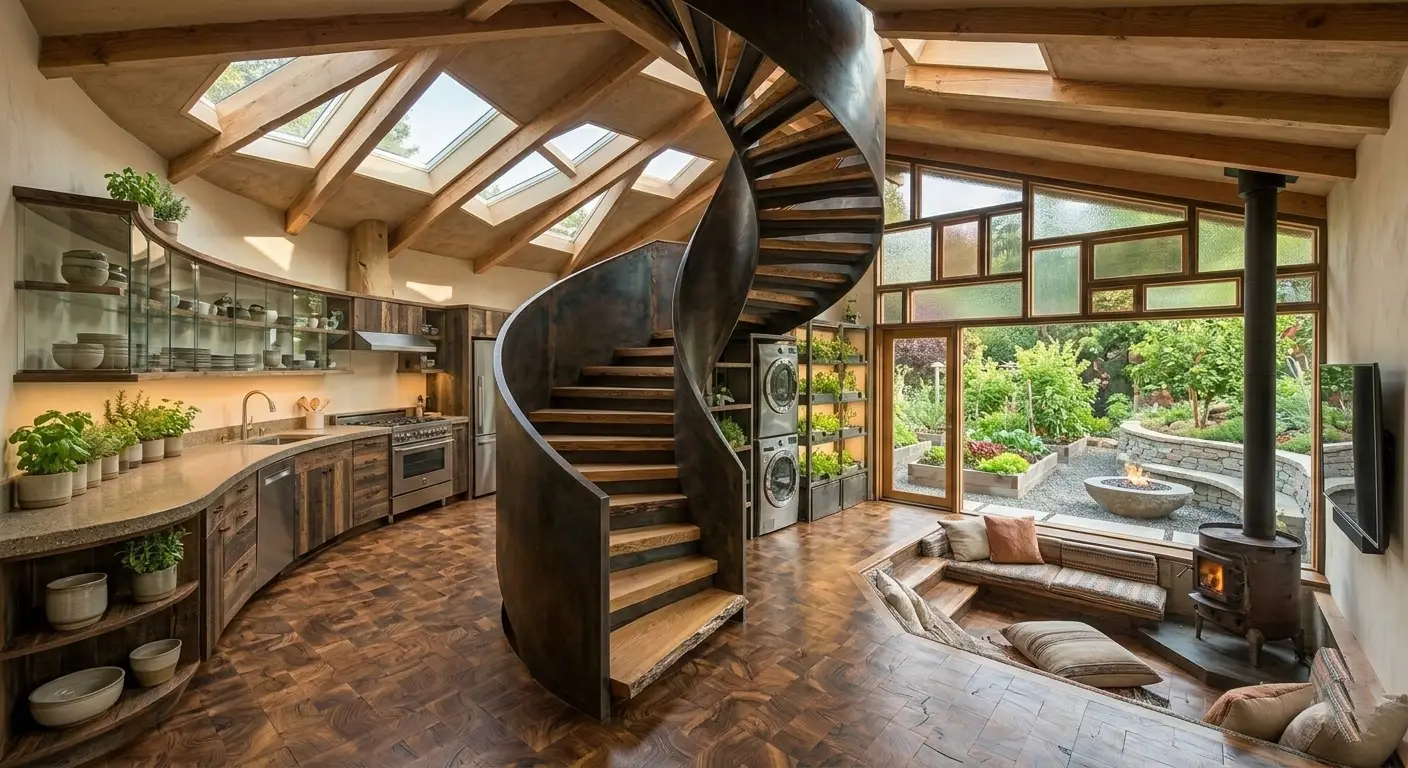
A pull-down ladder won’t cut it for a true living space. You’ll need to install a permanent staircase that meets local building codes for safety and accessibility. The cost can vary quite a bit depending on the style and complexity. A basic, straight staircase might cost between $1,000 and $5,000. However, if you need a more complex design to fit your home’s layout or you opt for a high-end spiral staircase, the price can climb significantly. According to one attic conversion cost breakdown, a spiral staircase could cost as much as $18,000. Remember to factor in the space the staircase will occupy on the floor below.
Installing Insulation and HVAC
Attics are notorious for extreme temperatures—baking hot in the summer and freezing cold in the winter. To make your new space comfortable year-round, proper insulation and a dedicated heating and cooling system are essential. The cost of insulation typically falls between $1 and $4.50 per square foot. For climate control, a ductless mini-split HVAC system is often the perfect solution for an attic, as it doesn't require extending your home's existing ductwork. Installing a mini-split system generally costs between $2,000 and $6,000 and will make your new room a pleasant place to be, no matter the season.
What's the Cost of Adding an Attic Bathroom?
Adding a bathroom is one of the most popular features for an attic conversion, transforming it from a simple bonus room into a fully functional living suite. While it significantly adds to the convenience and value of your home, it’s also one of the biggest budget items in the entire project. The complexity of extending your home’s essential systems—plumbing, electrical, and ventilation—up into the attic is what drives the cost.
A full bathroom addition can range anywhere from $9,600 to over $52,000, on top of the basic finishing costs for the attic space. This wide range reflects the huge variation in project scope, from a simple powder room to a spa-like primary bath with high-end finishes. The final price tag depends on the size of the bathroom, the quality of materials you choose, and the existing structure of your home. Planning this part of your project with an expert is key to understanding the true costs and ensuring the work is done correctly. A customized renovation plan can help you see exactly how a new bathroom will impact your overall budget.
New Plumbing and Drainage
Getting water to and from your new attic bathroom is a major undertaking. Your contractor will need to run new supply lines for hot and cold water up from your existing plumbing system and, more importantly, install a new drain and vent stack to carry waste down and out of the house. Just running the pipes can cost around $1,058, and that’s before you even purchase a sink or toilet. The full plumbing job involves cutting into walls, connecting to your home’s main stack, and ensuring everything is properly graded for drainage. This is intricate work that requires a licensed plumber to get it right.
Electrical and Ventilation Work
A bathroom requires specialized electrical work to be safe and functional. You’ll need new wiring for overhead lighting, vanity lights, and outlets. Building codes require Ground Fault Circuit Interrupter (GFCI) outlets near any water source, like a sink or shower, to prevent electric shock. This electrical work typically costs between $1,300 and $3,000. Equally important is ventilation. A powerful exhaust fan vented directly outside is non-negotiable to manage moisture and prevent mold and mildew growth in your new space. This is a critical component for protecting the long-term health of your home’s structure.
Fixtures and Finishes
This is where your personal style comes into play—and where you have the most control over the budget. The cost of fixtures and finishes can add another $9,800 to $56,000 to your project. A basic toilet, off-the-shelf vanity, and fiberglass shower insert will keep you at the lower end of that range. If you’re dreaming of a custom-tiled walk-in shower, a freestanding tub, and designer faucets, your costs will climb toward the higher end. Remember to also budget for flooring, paint, and lighting. Finally, safety codes often require an emergency exit window, which can add another $2,500 to $5,100 to your costs.
What Permits Do You Need for an Attic Conversion?
When you’re transforming an attic from a dusty storage space into a functional room, you’re fundamentally changing your home’s structure and layout. This is why permits are a non-negotiable part of the process. Think of them less as bureaucratic red tape and more as a system of checks and balances that ensures your new space is safe, structurally sound, and legally recognized as living area. An unpermitted conversion won't count toward your home's official square footage, which can cause major headaches when you eventually sell. More importantly, it could hide unsafe structural or electrical work.
The good news is that you don’t have to figure this out on your own. A qualified general contractor will know exactly what your local municipality requires and will manage the entire permitting process for you. This includes submitting architectural plans, scheduling inspections, and making sure every aspect of the job meets local building codes. When you work with a Realm advisor, we connect you with vetted professionals who have a deep understanding of these local requirements, so you can feel confident your project is being done right from the start.
Common Building Permits and Fees
For most attic conversions that add habitable space, you'll need a general building permit. This permit covers the overall structural changes, from reinforcing floors to adding walls and windows. The fees for the permit itself are usually quite reasonable, often falling between $150 and $500, depending on your city and the scope of your project. Your contractor will typically bundle this cost into their overall bid. This permit triggers a series of inspections at key stages of the project to verify that the work is compliant with local codes, ensuring the safety and quality of your new living space.
Safety Codes for Exits and Windows
To officially count as a bedroom or living area, your converted attic must meet specific safety standards. Many areas follow a version of the "7 and 7 rule," which requires the space to be at least 70 square feet, with a minimum ceiling height and width of 7 feet over a certain portion of the room. You’ll also need a permanent staircase for access—a pull-down ladder won’t cut it. Most importantly, the room must have at least one emergency exit, typically an egress window that’s large enough to climb through, which is at least 5.7 square feet.
Electrical and HVAC Compliance
Adding a new room means extending your home’s essential systems, and both electrical and HVAC work require their own permits and inspections. All new wiring, outlets, and light fixtures must be installed by a licensed electrician to prevent fire hazards. Similarly, you’ll need to connect the attic to your home’s heating and cooling system to make it a comfortable, year-round space. This work must be done to code to ensure proper ventilation and energy efficiency. These specialized permits confirm that the work is performed safely by qualified professionals and integrates correctly with your home’s existing infrastructure.
How Do Design Choices Affect Your Budget?
Once the structural work is planned, you get to the fun part: designing your new space. This is where your attic’s personality comes to life, but it’s also where costs can vary dramatically. Your choices in lighting, storage, finishes, and overall style will have a major impact on the final price tag. While it’s easy to get carried away with beautiful inspiration photos, every decision from the type of flooring to the number of windows will influence your budget.
Think of this phase as a balancing act. You want to create a space you love, but you also need to be realistic about costs. The good news is that there are smart ways to get a high-end look without the high-end price. Planning these details carefully with an expert can help you decide where to splurge and where to save, ensuring you end up with a beautiful, functional room that fits your financial plan. A dedicated Realm advisor can help you sort through these choices, making sure your design vision aligns with your budget from day one.
Windows and Natural Light
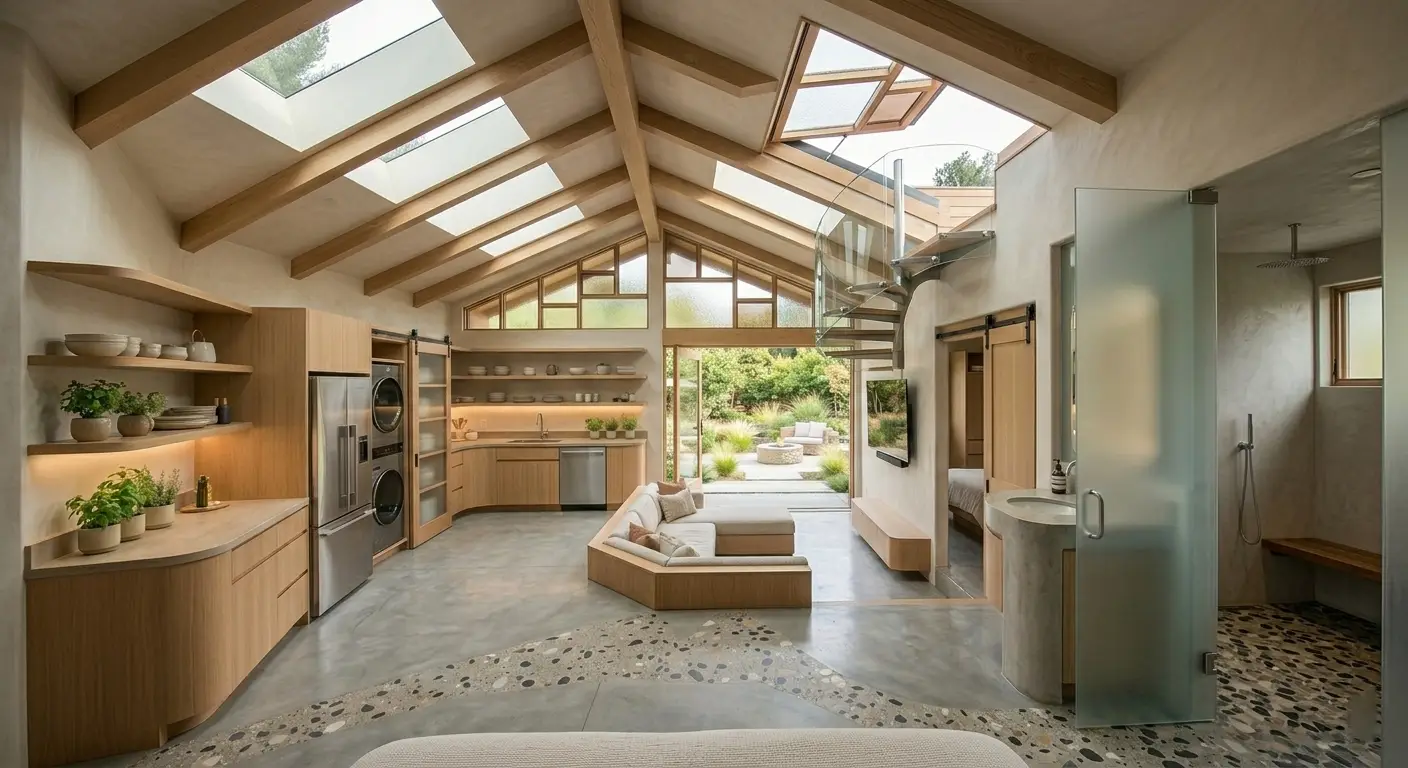
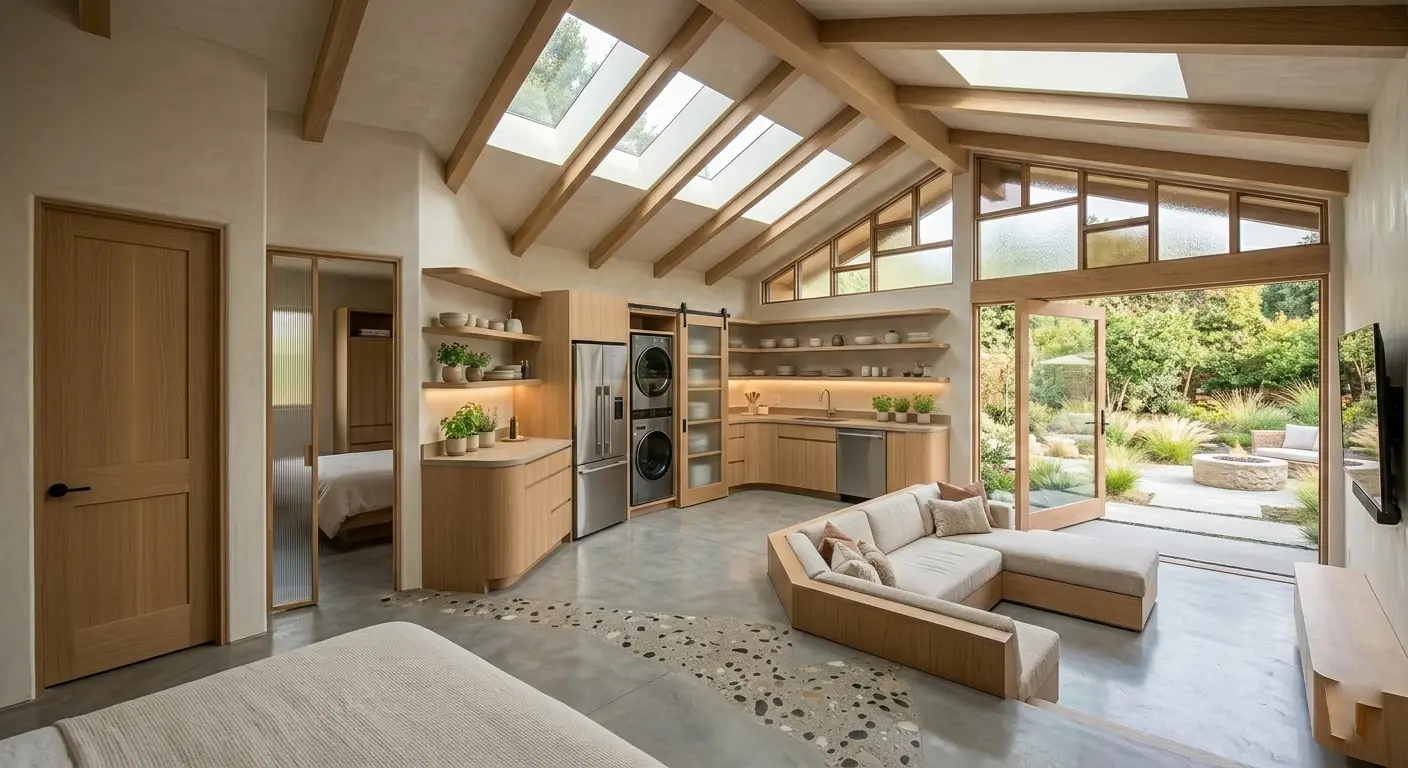
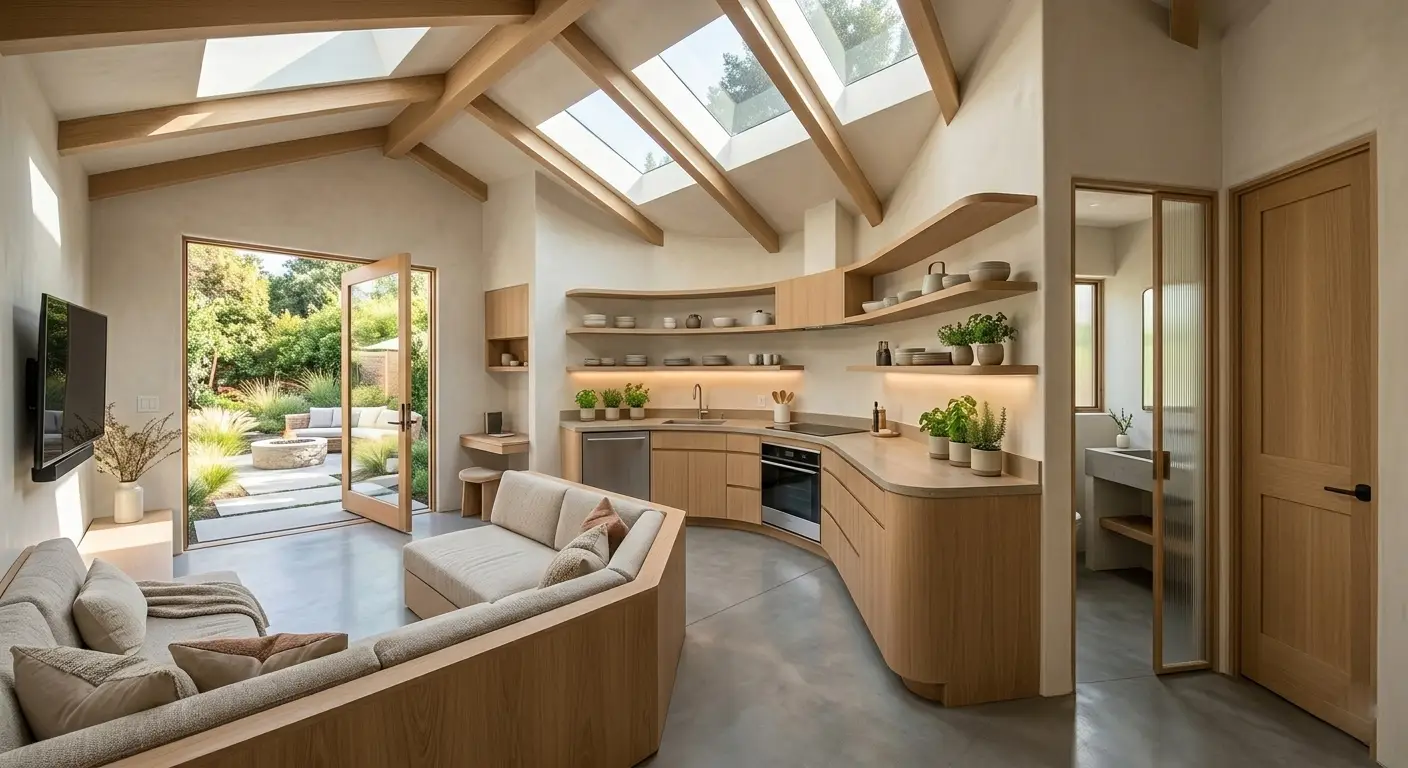
An attic can feel dark and cramped, but the right lighting will completely change the atmosphere. Adding windows is one of the most effective ways to make the space feel open, airy, and practical. Skylights are a popular and often cost-effective choice for bringing in overhead light without altering the roofline significantly. For more space and a traditional window look, you might consider a dormer. While dormers add headroom and architectural character, they are more complex and expensive since they require reframing a section of the roof. The investment in natural light not only makes the attic more enjoyable but can also add significant value to your home.
Built-in Storage Solutions
Attics are known for their sloped ceilings and awkward corners, which can make standard furniture feel out of place. This is where built-in storage becomes your best friend. Custom shelves, closets, and window seats can turn unusable nooks into highly functional features. As design experts note, smart storage options and good lighting are key to making an attic feel inviting. While custom millwork is a bigger upfront investment than freestanding furniture, it provides a seamless look and maximizes every square inch of your new space. If custom is out of reach, you can explore semi-custom options or clever DIY solutions to get the perfect fit.
Flooring and Wall Finishes
The materials you choose for your floors and walls set the tone for the entire room and play a big role in your budget. For flooring, carpet is often the most affordable and cozy option, while laminate offers a durable, budget-friendly wood look. If you’re aiming for a more premium feel, engineered hardwood or solid wood will increase costs. On the walls, standard drywall is the most common and cost-effective finish. However, you could also opt for materials like shiplap for a rustic vibe or even leave a brick chimney exposed for industrial character. These finishes can transform an unused attic into a beautiful, functional room.
Popular Attic Design Styles
How do you envision using your new space? The answer will guide your design choices and, ultimately, your budget. The possibilities are endless, from a quiet writer’s retreat to a guest suite or a family playroom. A simple, minimalist home office will likely cost less than a full guest bedroom with an en-suite bathroom. Your desired aesthetic also matters. A modern design with clean lines and simple finishes may be more budget-friendly than a rustic style that calls for expensive reclaimed wood beams. Exploring different attic room ideas can help you define your vision and understand the associated costs before you commit.
Avoid These Costly Attic Conversion Mistakes
An attic conversion is an exciting way to add valuable living space to your home, but it’s a project with plenty of potential pitfalls. A few common missteps can quickly inflate your budget and timeline. The key to a smooth renovation is knowing what to watch out for from the very beginning. By planning carefully and anticipating challenges, you can avoid the stress and unexpected costs that derail many projects. Here are the four biggest mistakes homeowners make—and how you can steer clear of them.
Overlooking Hidden Expenses
When you first start budgeting, it’s easy to focus on the big-ticket items like flooring and windows. But a successful project budget accounts for everything. You'll need to factor in materials like insulation and drywall, labor costs for electricians and plumbers, and the price of necessary permits. Even small things can add up. More importantly, unexpected issues can arise once walls are opened up. That’s why a detailed, all-inclusive budget is your best tool. Working with an expert advisor can help ensure no expense is left unaccounted for, giving you a clear financial picture from day one.
Skipping a Professional Structural Assessment
Your attic was likely designed to hold insulation and holiday decorations, not people and furniture. Before you start any work, you absolutely must get a professional structural assessment. A structural engineer can determine if your home’s foundation and the attic’s floor joists can handle the extra weight of a finished living space. This step is non-negotiable for safety and for meeting building codes. While it’s an upfront cost, it’s a fraction of what you’d spend to fix major structural damage down the road. Finding vetted professionals for this crucial task is the first step toward a safe and successful conversion.
DIY-ing Complex Electrical or Plumbing
It can be tempting to cut costs by doing some of the work yourself, but complex jobs like electrical and plumbing should always be left to licensed professionals. The risks of DIY-ing this work are just too high—from potential fire hazards and water damage to failing inspections, which can force you to tear everything out and start over. Professionals will create proper plans and ensure all work is up to code, safe, and done right the first time. For a project of this scale, you’ll likely need an architect or engineer to draw up plans that your contractors can follow, ensuring a seamless and compliant renovation.
Not Having a Contingency Fund
No matter how well you plan, renovations rarely go exactly as expected. You might uncover old wiring that needs replacing, find hidden water damage, or face a sudden increase in material costs. This is where a contingency fund saves the day. Think of it as a financial safety net for your project. As a rule of thumb, you should always set aside an extra 10% to 20% of your total project cost for these "what-if" scenarios. This fund prevents unexpected issues from pausing your project or forcing you to compromise on your vision. It’s the key to keeping your renovation on track and your stress levels down.
What's the ROI on an Attic Conversion?
An attic conversion is more than just gaining an extra room; it's a strategic investment in your property. The return on investment (ROI) isn't just about a higher sale price. It also comes from making your home more appealing to buyers and even saving you money on utility bills while you live there. Let's break down the financial benefits.
How It Increases Your Home's Value
Let's talk numbers. A well-executed attic conversion can significantly increase your home's value by adding valuable, livable square footage. While the exact amount depends on your market, it's a project with a solid financial upside. On average, homeowners can expect a return on investment of around 56%. This means for every dollar you spend, you could get about 56 cents back when you sell. For many homeowners, the added equity and the functional space make it a worthwhile financial move that pays dividends long before a sale.
Boosting Market Appeal for Resale
Beyond the appraisal value, a finished attic makes your home stand out. Imagine a buyer choosing between your house and a similar one down the street—your bonus room or guest suite could be the feature that seals the deal. To get this benefit, the work must be done professionally and meet all local building codes. While you may not recoup every dollar at closing, the added appeal can lead to a faster sale. This is where working with vetted professionals from the start protects your investment and ensures a high-quality result that buyers will appreciate.
Potential for Long-Term Energy Savings
The financial benefits aren't just tied to resale. Proper insulation, a key part of any attic project, creates a thermal barrier that keeps your home more comfortable year-round. This upgrade alone can cut your cooling costs by up to 15%. When you factor in modern, energy-efficient windows and HVAC systems, the long-term savings on your utility bills really start to add up. You get to enjoy a more comfortable home while also reducing your monthly expenses—a win-win that adds value every single day you live there.
How to Budget for Your Attic Conversion
Creating a budget for your attic conversion is the first step toward making your vision a reality. While it might seem daunting, breaking it down into manageable steps makes the process much clearer. A solid budget acts as your roadmap, helping you make informed decisions about where to spend and where to save. It also ensures there are no major financial surprises along the way. By planning carefully, you can create a beautiful, functional space that adds real value to your home without breaking the bank. Let’s walk through how to build a budget that works for you.
Get a Realistic Cost Estimate
First things first: you need a ballpark figure. The cost of an attic conversion can vary widely depending on the size of your space and the complexity of your plans. Generally, you can expect a full conversion to cost between $20,000 and $95,000. A helpful way to think about it is on a square-foot basis, which typically runs from $100 to $200. For a more basic project that involves finishing the existing space without major structural changes, the cost could be closer to $10,500. Understanding this cost breakdown helps you set a realistic starting point for your own budget.
Compare Quotes from Vetted Professionals
Once you have a general idea of the cost, it’s time to get specific. You should always get at least three detailed quotes from different contractors. This isn’t just about finding the lowest price; it’s about understanding what you’re getting for your money and finding a reliable builder you trust. Each quote should break down the costs for labor, materials, and any permits. Comparing them helps you see where the numbers differ and ask smart questions. This is where working with a platform that provides access to a network of vetted professionals can save you a ton of time and stress, ensuring you’re only talking to qualified experts from the start.
Plan Your Project with an Expert
Unless you’re just painting and laying down carpet, an attic conversion is not a DIY project. For any work that involves adding a staircase, a bathroom, or altering the roof, you’ll want to hire a professional contractor. They can manage the entire process, from securing permits to handling tricky installations. It’s also wise to consult a structural engineer to confirm your home’s foundation and framing can support a new living space. An expert can guide your project from the start, ensuring everything is safe, up to code, and designed to last, which is the best investment you can make.
Related Articles
- How Much Does an Attic Conversion Cost?
- How Much to Convert Attic to Living Space? A Breakdown
- What's the Cost to Finish Attic for Storage?
Frequently Asked Questions
What's the single biggest factor that will drive up my attic conversion cost? Without a doubt, adding a bathroom will have the largest impact on your budget. While it adds incredible function, it also introduces a lot of complexity. You're not just finishing a room; you're running new plumbing, drainage, and vent stacks up through your home, which requires specialized labor and materials. After that, significant structural changes, like adding a large dormer to increase headroom, would be the next biggest expense.
My attic has a low, sloped ceiling. Can it still be converted? Yes, it often can, but it requires careful planning. To be considered a legal living space, a certain percentage of the room must meet a minimum ceiling height, which is typically seven feet. If your attic doesn't meet this, you may need to add dormers or even raise a portion of the roof. A structural engineer can assess your home's specific framing to determine the most effective and safe way to create the headroom you need.
Is it cheaper to convert an attic or build a new addition? Generally, converting an attic is more cost-effective than building a brand-new addition from the ground up. With an attic conversion, you're working within your home's existing footprint, which means you don't have the added costs of pouring a new foundation or building exterior walls and a roof. While both are major projects, using the structure you already have usually gives you a significant head start on your budget.
Can I just skip the permits to save money and time? I strongly advise against this. Skipping permits might seem like a clever shortcut, but it can lead to serious problems. An unpermitted conversion won't legally count as living space, which means you can't include it in your home's square footage when you sell. More importantly, it creates safety risks from uninspected structural, electrical, or plumbing work. Doing it right the first time protects your family and your investment.
How long does a typical attic conversion take to complete? The timeline really depends on the scope of your project. A simple conversion that only involves finishing the existing space with drywall and flooring might take four to six weeks. However, if you're adding a bathroom, a staircase, and dormers, you should plan for a much longer project. A complex conversion could easily take three to five months from the start of construction to the final touches.