A Step-by-Step Renovation Planning Guide for Beginners
Get a practical renovation planning guide for beginners with clear steps, budgeting tips, and expert advice to help you plan your home remodel with confidence.
|
March 30, 2026
In this article:
The gap between your Pinterest board and a beautifully finished room can feel vast and intimidating. How do you translate those inspiration photos into a real-life space without the process spiraling out of control? The answer lies in a methodical, step-by-step approach. This guide is designed to bridge that gap, turning your vision into an actionable plan. We’ll walk you through everything from defining your goals and hiring the right team to navigating the inevitable challenges of construction. This practical renovation planning guide for beginners demystifies the process, giving you the tools and confidence to create a home you’ll love for years to come.
Key Takeaways
- Your project's success starts with a plan: Before you do anything else, get clear on your goals, build a realistic budget that includes a 10-20% contingency fund, and gather your design inspiration. This prep work is the best way to avoid surprises and stay on track.
- A great contractor is a true partner: Take the time to find the right professional by verifying their license and insurance, checking references, and making sure your communication styles match. A detailed contract is essential to keep everyone aligned.
- Stay engaged throughout the entire process: Prepare your home and family for the temporary disruption by creating a construction-free zone. As the project wraps up, use a detailed punch list and a final walkthrough to ensure the finished work meets your expectations.
Start Here: Your Pre-Renovation Checklist
Before you start interviewing contractors or picking out paint colors, it’s essential to lay a solid foundation for your project. Taking the time to plan now will save you from headaches, budget surprises, and decision fatigue down the road. Think of this as your project’s blueprint. It’s where you define what you want to accomplish and why, ensuring every choice you make aligns with your ultimate goals. A clear plan is the single best tool for a smooth, successful renovation.
This initial phase is all about asking the right questions and getting organized. When you have a clear vision, a prioritized list of features, and an understanding of the rules, you can communicate more effectively with your project team. This clarity helps everyone from your designer to your contractor stay on the same page, turning your ideas into a reality you’ll love. At Realm, we help homeowners streamline this process from the very beginning, but these first steps are yours to take.
Define Your "Why" and Assess Your Space
First, get clear on your motivation. Why are you renovating? Are you trying to create a more functional kitchen for your growing family, add a home office, or update a dated bathroom before selling? Your "why" will be your guide for every decision you make. Walk through your current space and think about what works and what doesn’t. Notice the traffic flow, the lighting, and how you actually use each room. This practical assessment helps you identify the core problems you want the renovation to solve, moving beyond just cosmetic changes to create a home that truly works for you.
Separate Your Wants from Your Needs
This is a classic for a reason. Grab a notebook and draw a line down the middle. On one side, list your absolute must-haves (the "needs"). This could be fixing a leaky roof, adding a second sink in the master bath, or creating more storage. On the other side, list your "wants," like a high-end appliance or imported tile. This exercise helps you prioritize your budget. Sometimes, a "want" can be a smart investment. For example, energy-efficient windows or certain kitchen upgrades can add significant value to your home and even save you money in the long run.
Gather Your Inspiration
Now for the fun part. Creating a clear design vision is the first step to a successful project. Start gathering images that reflect the look and feel you want to achieve. Pinterest and Instagram are fantastic for this, but don't forget about design magazines, your favorite blogs, or even a friend's home you admire. Create a digital folder or a physical mood board with everything you love. This visual library isn't just for you; it will be an invaluable tool for communicating your aesthetic to your designer and contractor, ensuring everyone shares the same vision for the final result.
Know the Rules: Check Local Permits
This step isn’t glamorous, but it’s absolutely critical. Many home renovations, from moving walls to updating electrical systems, require permits from your local building department. Trying to skip this process can lead to fines, project shutdowns, or major problems when you eventually sell your home. A quick search on your city or county’s website will usually provide the information you need. Working with an experienced professional is a huge help here, as they will understand the local codes and manage the entire permitting process for you, making sure your project is done correctly and safely.
Build a Budget You Can Stick To
Creating a renovation budget isn't just about crunching numbers; it's about building a realistic roadmap for your project. A solid financial plan is the foundation that keeps your renovation on track, minimizes stress, and ensures you can bring your vision to life without breaking the bank. It’s your best tool for making smart, confident decisions every step of the way. By breaking down your expenses, planning for the unexpected, and getting clear estimates, you can create a budget that truly works for you. Let's walk through how to build a financial plan you can actually stick to.
Break Down the Costs
First, you need a clear picture of where your money is going. Start by listing every potential expense you can think of, from big-ticket items like labor and materials to smaller details like permits and paint. Once you have a comprehensive list, you can decide how you'll pay for the renovation, whether it's with savings, a home equity loan, or another financing option. Creating this detailed breakdown helps you see the full financial scope of your project and make informed decisions before you commit to any major spending.
Plan for the Unexpected with a Contingency Fund
No matter how well you plan, renovations almost always come with surprises. You might uncover outdated plumbing, hidden structural issues, or other problems that need immediate attention. That’s why a contingency fund is essential. Think of it as a financial safety net for your project. A good rule of thumb is to set aside an extra 10% to 20% of your total project cost. This fund is strictly for unforeseen expenses, not for splurging on upgraded countertops. Having this buffer in place provides peace of mind and prevents a small issue from derailing your entire budget.
Get Multiple, Accurate Estimates
Choosing the right contractor is one of the most important decisions you'll make, and their estimate is a key part of that process. Don't just go with the first person you talk to. Instead, aim to get at least three detailed, written quotes from different professionals. A thorough estimate should break down the costs for labor and materials and include a clear payment schedule. This allows you to compare apples to apples and understand exactly what you're paying for. Using a service like Realm can help you connect with vetted contractors who provide transparent and accurate pricing from the start.
Avoid These Common Budgeting Mistakes
Two common pitfalls can quickly sink a renovation budget. The first is underestimating the cost of finishing touches. It's easy to focus on the big items and forget how quickly expenses for lighting, hardware, and window treatments can add up, so be sure to plan for these from the beginning. The second mistake is spending too much on a single room. As a general guideline, try not to invest more than 10% to 15% of your home's total value into one space. This helps you maintain a balanced budget and protects your home's overall market value, ensuring your investment is a smart one.
Find Your Perfect Contractor
Choosing a contractor is one of the biggest decisions you’ll make during your renovation. This person and their team will be in your home for weeks or even months, so you need more than just a skilled builder; you need a reliable partner you can trust. Taking the time to find the right fit will save you from major headaches, unexpected costs, and frustrating project delays down the line. It’s about finding a professional who not only understands your vision but also communicates clearly, respects your home, and sticks to your budget. This isn't just about hiring someone to do a job; it's about building a team for one of your most important investments.
This process can feel overwhelming, but breaking it down into a few key steps makes it entirely manageable. You’ll want to start by verifying their credentials to make sure they’re operating legally and have the right protections in place. From there, you’ll dig into their track record by talking to past clients and looking at their work. Just as important is getting a feel for their communication style to ensure you can work together effectively. Finally, you’ll need to understand the contract and payment terms before signing on the dotted line. This thorough vetting is exactly why Realm’s approach focuses on matching homeowners with trusted, pre-screened professionals, taking the guesswork out of the equation.
Verify Licenses and Insurance
Before you even start talking about design, make sure any contractor you consider is properly licensed and insured. A valid contractor's license proves they have met state requirements for knowledge and experience. Insurance, including liability and workers' compensation, is just as crucial. It protects you from being held responsible for any accidents or property damage that might happen during the project. Don’t just take their word for it; ask for copies of their license and insurance certificates and verify them with the issuing agencies. This step isn't just about following rules, it’s your first line of defense against potential problems and financial risk.
Check References and Past Projects
The best way to predict a contractor's future performance is to look at their past work. A reputable contractor will be happy to provide a list of recent references, so don't be shy about asking for one. When you call their former clients, ask specific questions: Did the project stay on budget? Was it completed on time? How did the contractor handle unexpected issues? What was the quality of the finished work? Hearing directly from people who have been through the process is invaluable. You should also ask to see a portfolio of their completed projects to make sure their style and quality align with your expectations.
Gauge Their Communication Style
A successful renovation depends on clear and consistent communication. From the very first conversation, pay attention to how a potential contractor interacts with you. Do they listen carefully to your ideas and concerns? Do they explain technical details in a way you can understand? Are they responsive to your calls and emails? A good contractor should feel like a collaborative partner, not just a hired hand. You’ll be talking with them almost daily, so finding someone whose communication style meshes with yours will make the entire experience smoother and more enjoyable for everyone involved.
Understand the Contract and Payment Schedule
Once you’ve found a contractor you trust, it’s time to get everything in writing. A detailed contract is essential for protecting both you and your contractor. It should clearly outline the full scope of work, a list of materials and finishes, a projected timeline with start and end dates, and a total cost. The contract should also include a payment schedule. Typically, you’ll pay an initial deposit, followed by installments at key project milestones, with the final payment due upon completion. Be wary of anyone who asks for a large percentage of the total cost upfront. A clear contractor agreement ensures everyone is on the same page before the first hammer swings.
Design a Space You'll Love
This is where your vision starts to take shape. Moving from inspiration boards to a concrete design plan is one of the most exciting parts of a renovation. It’s your chance to think creatively about how you want to live in your home and make decisions that will affect your daily life for years. A thoughtful design process ensures your finished space isn't just beautiful, but also perfectly functional for your needs. It’s about creating a home that truly works for you, blending aesthetics with practicality to build a space you’ll be happy in for a long time.
Measure and Map Your Current Layout
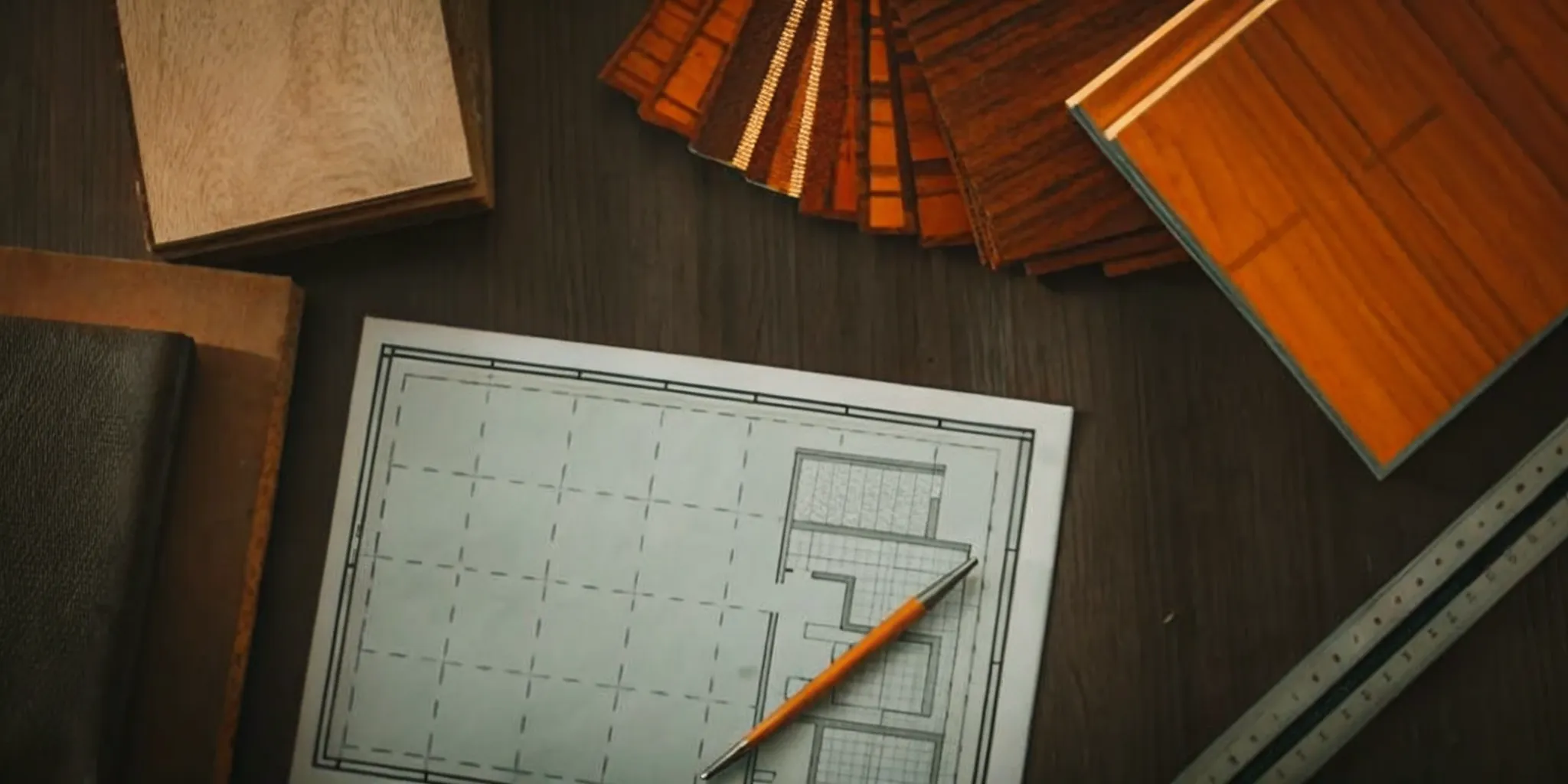
Before you can plan your new space, you need a solid understanding of your current one. Start by taking detailed measurements of the room or rooms you’re renovating. Sketch out the existing layout, noting the locations of doors, windows, outlets, and any structural elements. It’s also a great idea to take plenty of "before" photos from every angle. This baseline documentation is invaluable for you and your design team. It helps you visualize changes and provides a clear starting point for your customized renovation plan. This simple step prevents guesswork and ensures every inch of your future design is intentional and accurate.
Create a Functional Floor Plan
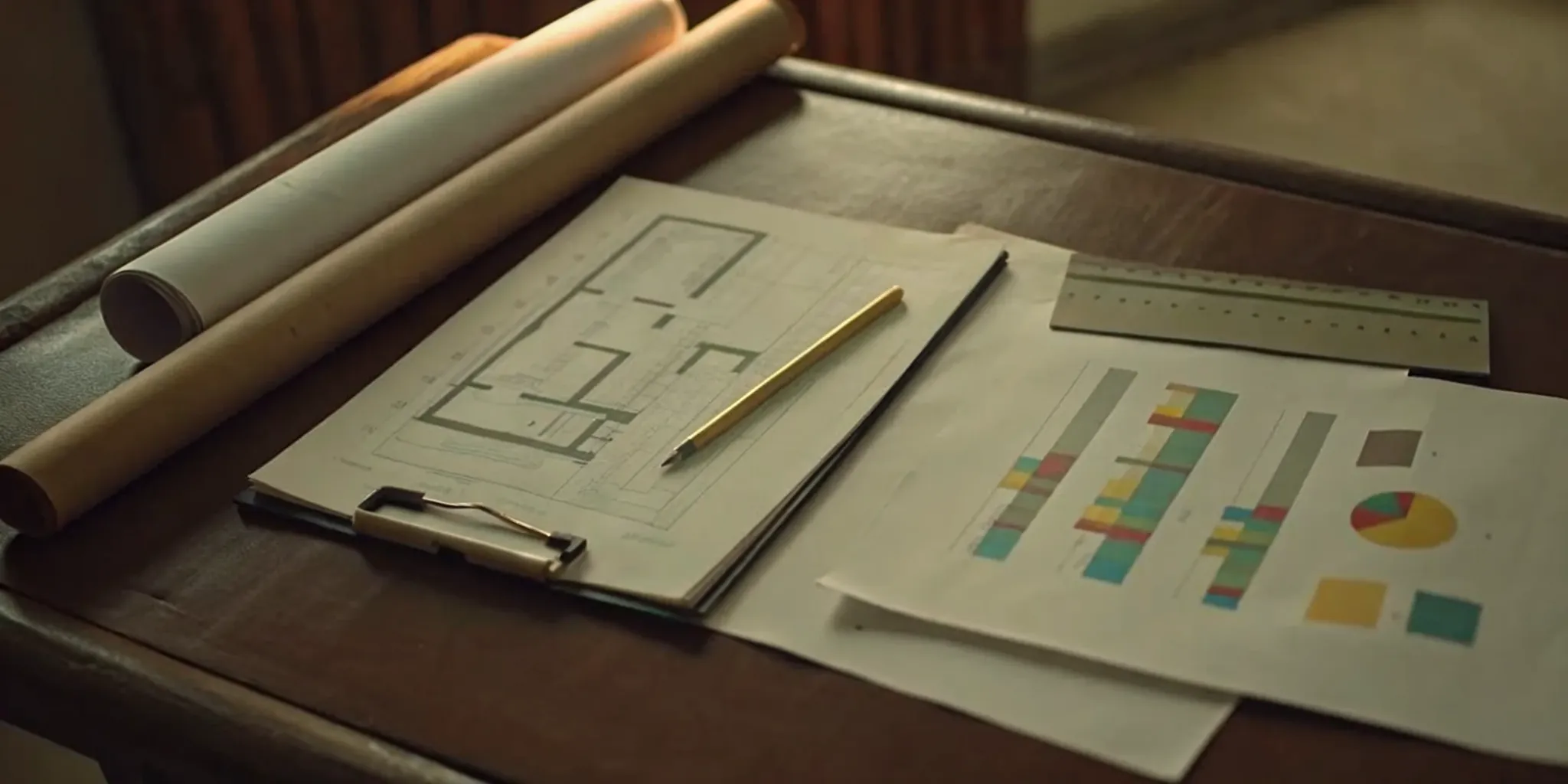
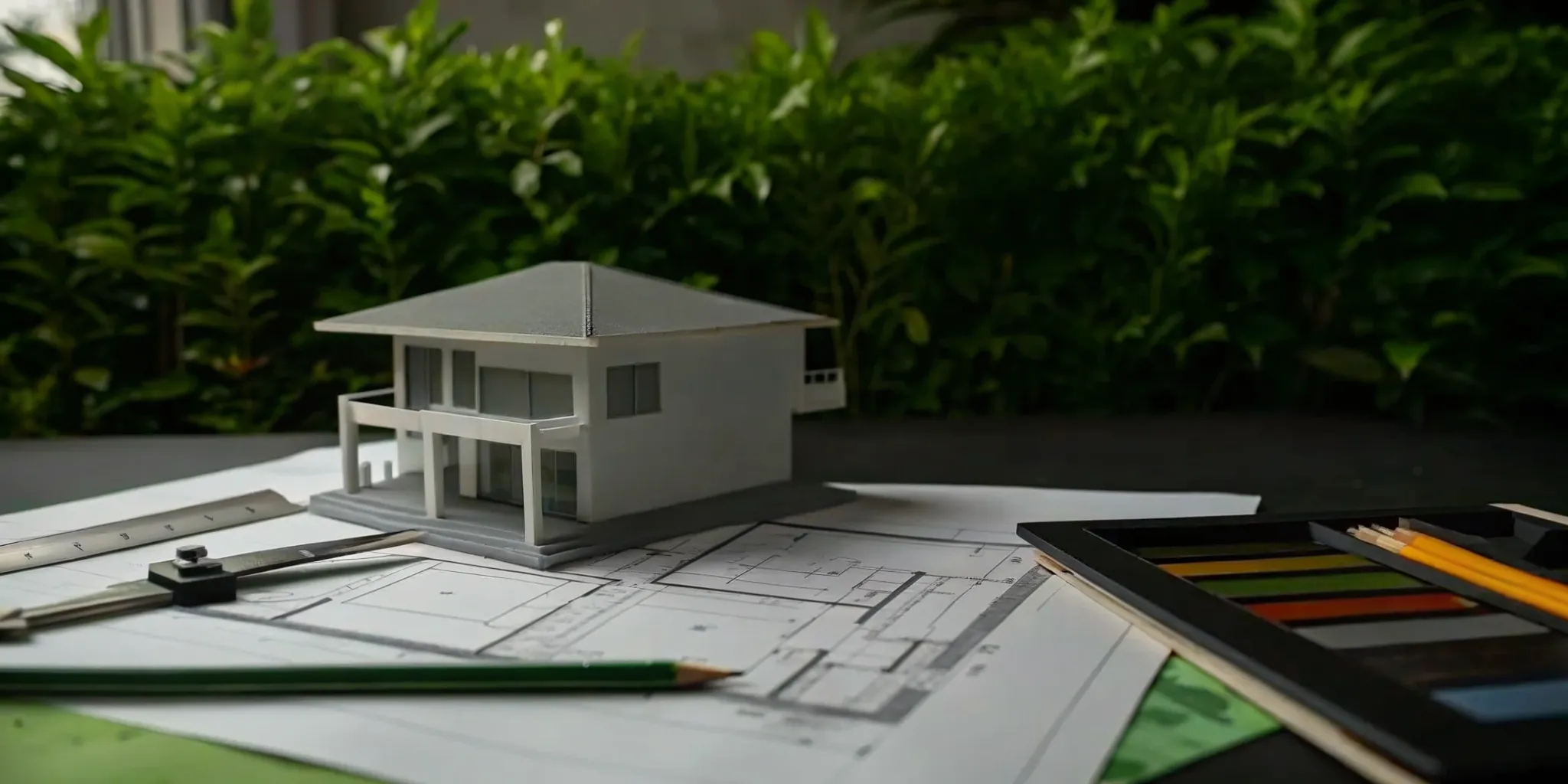
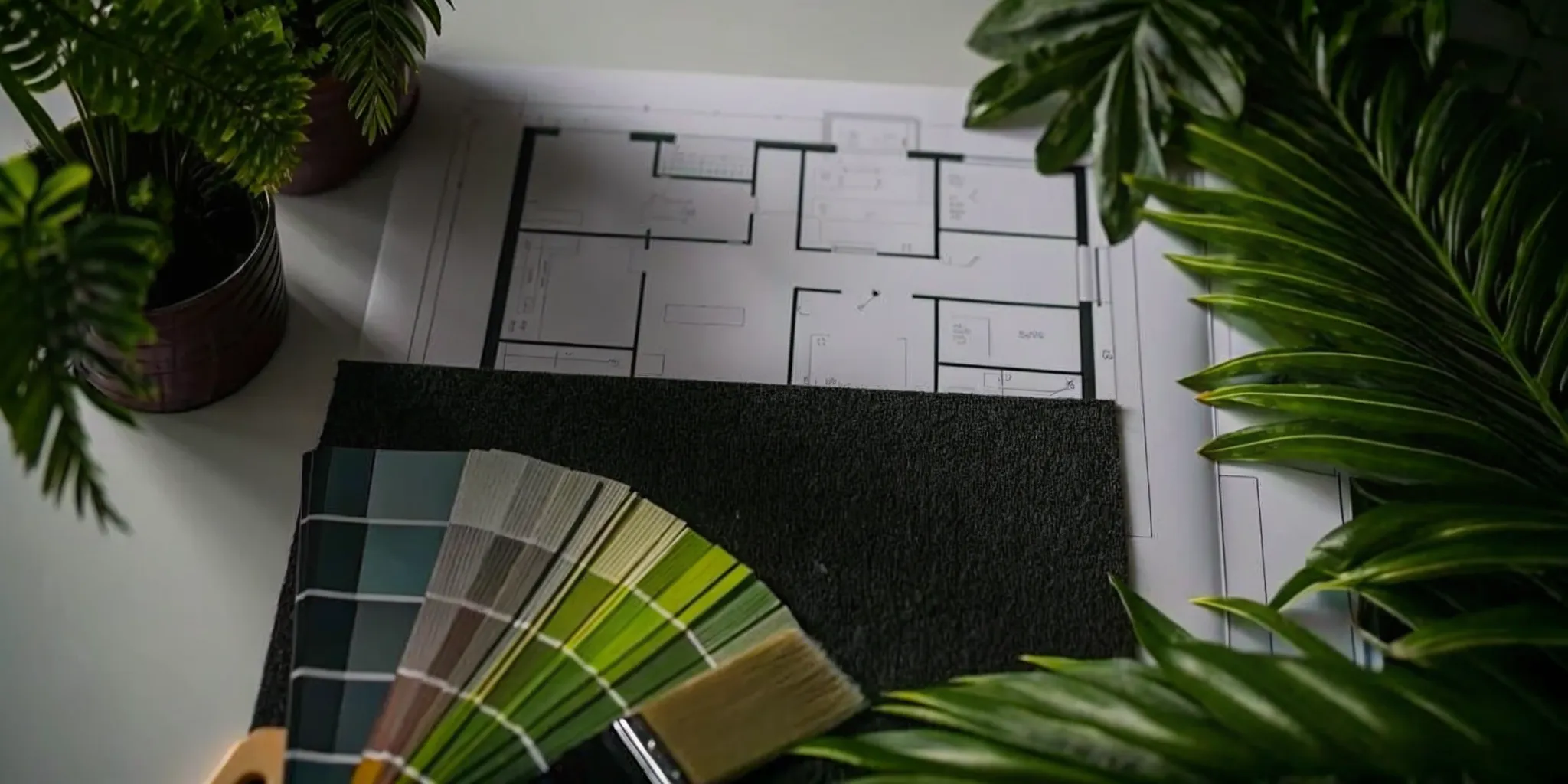
A great floor plan is the foundation of a successful renovation. Think about how you move through and use the space every day. Where does the morning light hit? What’s the natural traffic flow from one room to another? Start sketching out different layout ideas, even if they’re just rough drawings. You can use simple online tools or just graph paper to play with furniture placement and room configurations. Drawing your ideas to scale helps you see what actually fits. This process allows you to explore possibilities and refine your vision before bringing in professionals, ensuring the final layout truly supports your lifestyle.
Select Materials and Finishes on Budget
Choosing materials and finishes is where your personal style comes to life, but it’s also where budgets can quickly spiral. When planning, think beyond the big-ticket items. Factor in the cost of every single detail, from cabinet hardware and light switches to grout and trim. Create a detailed list and price everything out to see how it aligns with your overall budget. It’s also wise to set aside a 10-20% contingency fund for any surprises. This financial cushion gives you peace of mind and helps you make smart, beautiful choices without the stress of overspending.
Plan for Lighting and Electrical
Good lighting can completely transform a room, affecting its mood and functionality. Plan for a layered lighting scheme that includes ambient (overall), task (for specific activities), and accent (to highlight features) lighting. At the same time, map out where you’ll need outlets and switches. Think about your daily routines: where will you charge your phone or plug in a lamp? Because faulty wiring is a serious safety hazard, all electrical work should be handled by a licensed and vetted professional. Also, ensure your plan includes proper ventilation for kitchens and bathrooms to manage moisture and maintain healthy air quality.
Create Your Renovation Timeline
A detailed timeline is your roadmap for a successful renovation. It does more than just set a finish date; it helps you and your contractor manage expectations, coordinate all the moving parts, and keep the project moving forward smoothly. Breaking down the project into clear phases makes the entire process feel more manageable and gives you a clear sense of progress along the way.
Sequence the Phases of Work
Every renovation follows a logical order. You can’t install kitchen cabinets before the drywall is up, and you can’t put up drywall before the electrical and plumbing are roughed in. Understanding this sequence is key to building a realistic schedule. Talk to your contractor about the specific phases of your project, from demolition and framing to finishes and final touches. Having a clear project schedule ensures everyone is on the same page about what happens when, which helps prevent costly and frustrating delays down the line.
Figure Out Your Permit Needs
Navigating building permits can feel like a hassle, but it’s a non-negotiable step. Permits ensure that all work done on your home is safe, structurally sound, and meets local building codes. Major changes, like moving walls, altering plumbing, or updating electrical systems, almost always require a permit. Even some smaller projects might need one. Your contractor should handle the permitting process, but it’s smart to understand what’s required for your project. Failing to get the right permits can lead to fines and problems when you eventually sell your home.
Coordinate with Your Team and Suppliers
Your contractor isn't the only person your timeline depends on. The schedule also hinges on subcontractors, like electricians and plumbers, and the timely arrival of materials. A two-week delay on your custom windows can bring the whole project to a standstill. This is where clear communication is essential. Your Realm advisor can help you stay on top of these moving parts, ensuring that materials are ordered well in advance and that every member of the team knows when and where they need to be. Regular check-ins will keep you informed and help you anticipate potential bottlenecks.
Build in a Buffer for Delays
Here’s a truth every seasoned homeowner knows: renovations rarely go exactly as planned. You might uncover unexpected water damage behind a wall, or your preferred tile might be backordered for weeks. Instead of letting these surprises derail you, plan for them. Just as you build a contingency fund into your budget, you should build a time buffer into your schedule. Adding an extra 15% to 20% to your timeline is a smart move. If the project finishes early, great! If not, you’ve saved yourself a lot of stress by having a realistic and flexible plan from the start.
Handle Common Renovation Hurdles
Even the most perfectly planned renovation can hit a few bumps. The key isn’t to avoid problems entirely (which is nearly impossible) but to anticipate them and have a plan for how you’ll respond. From unexpected structural issues to the simple stress of living in a construction zone, knowing what to expect can make all the difference. Staying flexible and maintaining open communication with your team will help you manage any challenges that come your way. With the right mindset, you can face these hurdles calmly and keep your project moving forward.
Timeline Delays and Structural Surprises
It’s a classic renovation story: you open up a wall and discover something you weren’t expecting. Whether it’s outdated wiring, hidden plumbing, or a structural issue, surprises are a common cause of delays. While you can’t predict exactly what you’ll find, you can plan for the possibility. When you create your timeline, build in a buffer for these moments. If a challenge does come up, the most important thing is to communicate with your contractor professionally, even if you’re feeling frustrated. Discuss the problem, understand the options for a solution, and agree on a revised plan.
Budget Creep and Hidden Costs
Your budget can feel like it has a life of its own if you don’t keep a close eye on it. The most common culprits for budget creep are those unexpected structural surprises and the temptation to make small upgrades along the way. This is why a contingency fund of 10% to 20% isn’t just a suggestion; it’s essential. Another area where costs can sneak up is with finishing touches. Many homeowners focus on the big structural costs and underestimate the price of things like lighting, faucets, and hardware. To stay on track, price out these smaller items early in the process and track every single expense.
Decision Fatigue and Last-Minute Changes
During a renovation, you’ll be asked to make hundreds of decisions, from the color of the grout to the style of the doorknobs. It’s easy to become overwhelmed, which can lead to decision fatigue. The best way to handle this is to make as many choices as you can before construction even begins. Create a detailed design plan with all your materials and finishes selected. This gives you a clear roadmap to follow. Try to avoid making last-minute changes, as they can have a domino effect, causing delays and increasing costs. Effective communication with your contractor about your vision from the start makes the entire process much more manageable.
Living Through the Disruption
There’s no way around it: renovations are messy and disruptive to your daily life. The dust, noise, and constant presence of people in your home can be stressful. If your budget allows, it’s a great idea to find temporary accommodation during the most intense phases, like demolition. If you’re staying home, set up a construction-free zone where your family can retreat. Seal off the work area with plastic sheeting to contain dust, and protect your furniture with coverings. Try to maintain your normal routines as much as possible. Having a dedicated Realm advisor can help you prepare for this phase and manage the logistics, making the experience much smoother.
Communicate Clearly with Your Contractor
Once you’ve found the right contractor, the next step is building a strong working relationship. The secret to a smooth renovation isn’t just skilled labor; it’s excellent communication. Think of your contractor as your partner in this project. Keeping the lines of communication open, clear, and respectful will help you handle any bumps in the road and ensure the final result is exactly what you envisioned. Even small misunderstandings can lead to delays and budget issues, so making a communication plan from day one is one of the smartest things you can do.
Set Clear Expectations Upfront
One of the most important steps you can take is setting clear expectations before any work begins. This conversation ensures you and your contractor are perfectly aligned on the project scope, timeline, and budget. Go beyond the big picture and discuss the daily details, too. Talk about working hours, site access, where to park, and how to handle cleanup. The more you clarify at the start, the fewer surprises you’ll have later. This initial alignment is a core part of how Realm prepares your project, making sure everyone starts on the same page.
Schedule Regular Check-ins
To keep your project on track, establish a rhythm for regular check-ins. This doesn’t have to be a formal, hour-long meeting. It could be a quick 10-minute chat on-site each morning, a weekly summary email, or a scheduled phone call every Friday afternoon. The format doesn't matter as much as the consistency. These regular updates make the entire renovation journey feel more manageable and give you a dedicated time to ask questions, get progress reports, and address any concerns before they become bigger problems. This consistent dialogue is crucial for a successful project.
Put All Changes in Writing
Here’s a rule to live by during your renovation: if it’s not in writing, it doesn’t exist. While it’s easy to make quick decisions in conversation, any change to the original plan needs to be documented. Whether you’re switching a tile choice or adding a new outlet, use a formal change order or a simple email to confirm the details. This creates a paper trail that protects both you and your contractor. A written record should outline the change, the associated costs, and any adjustments to the timeline, ensuring there’s no confusion about what was agreed upon.
Handle Issues Professionally
Renovations are complex, and sometimes, things don’t go exactly as planned. When discussing issues with your contractor, it’s important to maintain professionalism, even if you’re feeling frustrated. Remember that you both share the same goal: completing a successful renovation that you love. Approach conversations about problems with a calm, solution-oriented mindset. Clearly explain the issue and work together to find a resolution. A positive, respectful relationship will always lead to better outcomes than a contentious one. Having a dedicated advisor can also provide an extra layer of support for these conversations.
Prep Your Home and Family for Renovation Life
A successful renovation isn’t just about beautiful finishes and a functional layout; it’s also about how you manage your life while your home is a work in progress. Preparing for the temporary disruption is just as important as finalizing your design plans. Living through construction can be stressful, but with a bit of foresight, you can create a strategy that keeps your family comfortable and your sanity intact. Think of this as setting the stage for a smoother, more positive experience for everyone involved. A dedicated renovation advisor can help you anticipate these challenges, but taking these steps will put you well on your way to a peaceful project.
Set Up a Temporary Living Zone
Before the first hammer swings, designate a construction-free zone in your home. This will be your family’s sanctuary, a place to escape the dust and noise. If your kitchen is being remodeled, create a makeshift kitchen in another room with essentials like a microwave, coffee maker, mini-fridge, and paper plates. Think about where you’ll eat meals, relax in the evenings, and get work done. Having one organized, clean space to retreat to can make a world of difference in your day-to-day comfort. This simple act of planning helps make the entire process feel more manageable and less chaotic for everyone under your roof.
Protect Your Belongings and Keep a Routine
Start by packing away anything you won’t need from the renovation area and adjacent rooms. Dust has a way of getting everywhere, so it’s best to box up valuables, books, and decor. For large furniture that can’t be moved, cover it securely with plastic sheeting. Next, focus on maintaining a sense of normalcy. As much as possible, stick to your family’s regular schedule for meals, homework, and bedtime. This is especially important for kids and pets, who thrive on routine. Keeping these daily rhythms can provide a comforting sense of stability amidst the temporary upheaval of a home project.
Plan for Dust, Noise, and Downtime
It’s important to set realistic expectations for what living through a renovation is really like. There will be dust, even with the best containment efforts. There will be noise, likely starting early in the morning. You may also have planned utility shutdowns for plumbing or electrical work. Prepare for these disruptions ahead of time. You might plan to work from a local coffee shop on the noisiest days or schedule simple, no-cook dinners for when the kitchen is out of commission. Having a good pair of noise-canceling headphones and a flexible mindset will be your best assets.
Get Everyone on the Same Page
Clear communication is the key to a harmonious home during a renovation. Before the project begins, hold a family meeting to discuss what to expect. Explain the timeline, outline safety rules (like staying out of the work zone), and answer any questions. Getting everyone on board, including your kids, helps minimize confusion and frustration. When your family understands the plan and feels included, they are more likely to be patient and cooperative. This teamwork, combined with the support of a dedicated project advisor, ensures everyone feels heard and respected throughout the process.
Finish Strong: The Final Stretch
The dust is starting to settle, and your new space is finally taking shape. This is the most exciting part of any renovation, but it’s also where the details matter most. The final stretch is all about making sure the work not only meets but exceeds your expectations. It’s tempting to rush through these last steps to get your home back, but a little patience and a systematic approach will ensure a result you’ll love for years to come. This phase involves a series of final checks, clear communication with your contractor, and a thorough review of every last detail. From the paint finish to the cabinet hardware, every element needs a final look. By staying engaged and organized, you can ensure a smooth handover and a beautiful, functional space that perfectly matches your vision. Think of it as the final lap of a race; a strong finish makes all the hard work worth it. It’s the difference between a project that’s just “done” and one that’s done right. This is your chance to tie up all the loose ends and confirm that the quality of the work is exactly what you agreed upon.
Conduct Regular Progress Checks
Don't wait until the end to see how things are going. Consistent check-ins with your contractor are key to a successful project. Schedule brief, regular meetings (daily or weekly) to walk through the site, discuss progress, and address any questions that pop up. Effective communication prevents small misunderstandings from turning into major headaches. It ensures your vision is being executed correctly and gives you a chance to catch potential issues early. This open dialogue builds trust and keeps everyone aligned, making the entire process feel more collaborative and less stressful. A quick chat can save you time, money, and frustration down the line.
Create and Conquer the Punch List
As the project nears completion, it’s time to create a "punch list." This is simply a detailed list of all the remaining tasks and minor fixes needed to wrap things up. Walk through the space with your contractor, notepad in hand, and document everything you see, from a scuff on the wall to a missing piece of trim. Be thorough and specific. This list becomes your shared roadmap to the finish line, ensuring nothing gets overlooked. Having a clear, agreed-upon list makes the final phase of the remodeling journey much more manageable for both you and your contractor.
Master the Final Walkthrough
The final walkthrough is your last opportunity to inspect the work before signing off and making the final payment. Go through your punch list item by item to confirm everything has been completed to your satisfaction. Test light switches, open and close every door and cabinet, and look closely at finishes. If you find something that isn't quite right, point it out calmly and clearly. Remember, you and your contractor share a common goal: a successful project you’re happy with. Maintaining a positive and professional tone helps ensure any remaining issues are resolved quickly and without friction.
Care for Your New Space
Once the tools are packed up and the dust is gone, it’s up to you to maintain your beautiful new space. Ask your contractor for any specific care instructions for new surfaces, materials, and appliances. Keep a file with all warranties, manuals, and a list of paint colors used. Creating a healthy home goes beyond the renovation itself; it’s about long-term upkeep. Understanding how to care for your investment will keep it looking great for years and protect the hard work and resources you put into it. Enjoy the peace of mind that comes with knowing how to properly look after your newly renovated home.
Related Articles
- Your Full Home Renovation Checklist: Start to Finish
- 8 Steps to a House Renovation Design and Plan
- Residential Construction Renovation: A Simple Guide
- How to Plan a Whole House Remodel: A 9-Step Guide
Frequently Asked Questions
What's the single biggest mistake homeowners make when starting a renovation? The most common pitfall is rushing into the project without a clear, detailed plan. It’s easy to get excited about picking finishes and starting demolition, but skipping the foundational work (like defining your goals, setting a realistic budget, and creating a floor plan) almost always leads to stress, delays, and unexpected costs later on. A solid plan is your most valuable tool for a smooth renovation.
How do I handle disagreements or issues with my contractor without making things awkward? This is a great question because it happens in even the best working relationships. The key is to address issues as soon as they come up, and to do so calmly and professionally. Schedule a specific time to talk, away from the noise of the work site if possible. Clearly state the problem from your perspective and then listen to theirs. The goal is to find a solution together, not to assign blame. Keeping your conversations respectful and solution-focused will preserve the partnership.
I'm worried about my budget spiraling. What's the best way to keep costs under control? Your best defense against budget creep is a combination of planning and discipline. First, make sure you have a contingency fund of at least 10% to 20% set aside for true surprises, not for upgrades. Second, make as many material and finish decisions as you can before construction starts. Last-minute changes are what really inflate costs. Finally, track every single expense in a spreadsheet so you always know exactly where your money is going.
Decision fatigue is real. How can I make all these choices without getting overwhelmed? The best way to manage this is to break the process down. Start with the big picture by creating an inspiration board that defines the overall look and feel you want. This becomes your guide for every other choice. Then, tackle decisions in the same order the project will be built: floor plan first, then major fixtures, then finishes, and finally the small details like hardware. Don't try to decide everything at once; focus on what's needed for the current phase of work.
Is it okay to live in my house during the renovation, or should I plan to move out? This really depends on the scale of the project and your personal tolerance for disruption. For a single-room remodel, like a bathroom, most people can manage by staying in the home. For a major project, like a full kitchen gut or an addition, living elsewhere (even for a short time during the messiest phases) can be a sanity-saver. If you do stay, be sure to set up a construction-free zone where your family can relax away from the dust and noise.