Your Guide to the Bellevue Renovation Permit Process
Get clear answers on the Bellevue renovation permit process, including steps, paperwork, costs, and tips to help your home project go smoothly.
|
March 28, 2026
In this article:
Nothing stops a renovation faster than a stop-work order from the city. It’s a homeowner's worst nightmare, bringing construction to a halt and often leading to unexpected costs and major delays. These headaches are almost always tied to permit issues, but the good news is that they are completely avoidable with a bit of foresight. Knowing the rules and preparing your paperwork correctly is the best way to keep your project on track. This guide is designed to help you do just that. We will walk you through the entire Bellevue renovation permit process so you can sidestep common mistakes and keep your project moving forward smoothly.
Key Takeaways
- Focus on function, not just finishes: Permits are required for any work that changes your home's structure, plumbing, or electrical systems. Simple cosmetic updates, like painting or installing new countertops without moving the sink, typically don't need city approval.
- Prepare for the digital process and timeline: Bellevue manages all applications online, so have your plans and documents ready for digital submission. It's also crucial to build the city's two to four week review period into your project schedule before construction starts.
- Avoid costly mistakes with a solid plan: The biggest delays are caused by incomplete paperwork or an undefined project scope. Working with a professional who understands Bellevue's specific codes is the surest way to keep your renovation moving smoothly.
Does Your Bellevue Renovation Project Need a Permit?
Figuring out if your renovation needs a permit can feel like a bit of a puzzle, but it’s a crucial first step. The short answer is: it depends entirely on the scope of your work. In Bellevue, the city's main goal is to ensure all construction is safe, sound, and up to code. Permits are the system they use to review and approve projects, which ultimately protects you as the homeowner. It ensures the work is done correctly, helps maintain your home's value, and can be essential for insurance purposes down the line.
Any project that involves changing your home's structure, plumbing, or electrical systems will almost always require a permit. On the other hand, simple cosmetic updates usually get a green light without any paperwork. Think of it this way: if you’re changing the look of a room, you’re likely in the clear. If you’re changing how it functions, it’s time to check the permit requirements. Getting this right from the start saves you from potential headaches, like fines or having to redo work that wasn't approved. Let’s break down some common scenarios so you can get a clearer picture of what your project needs before you get started.
Structural Changes and Home Additions
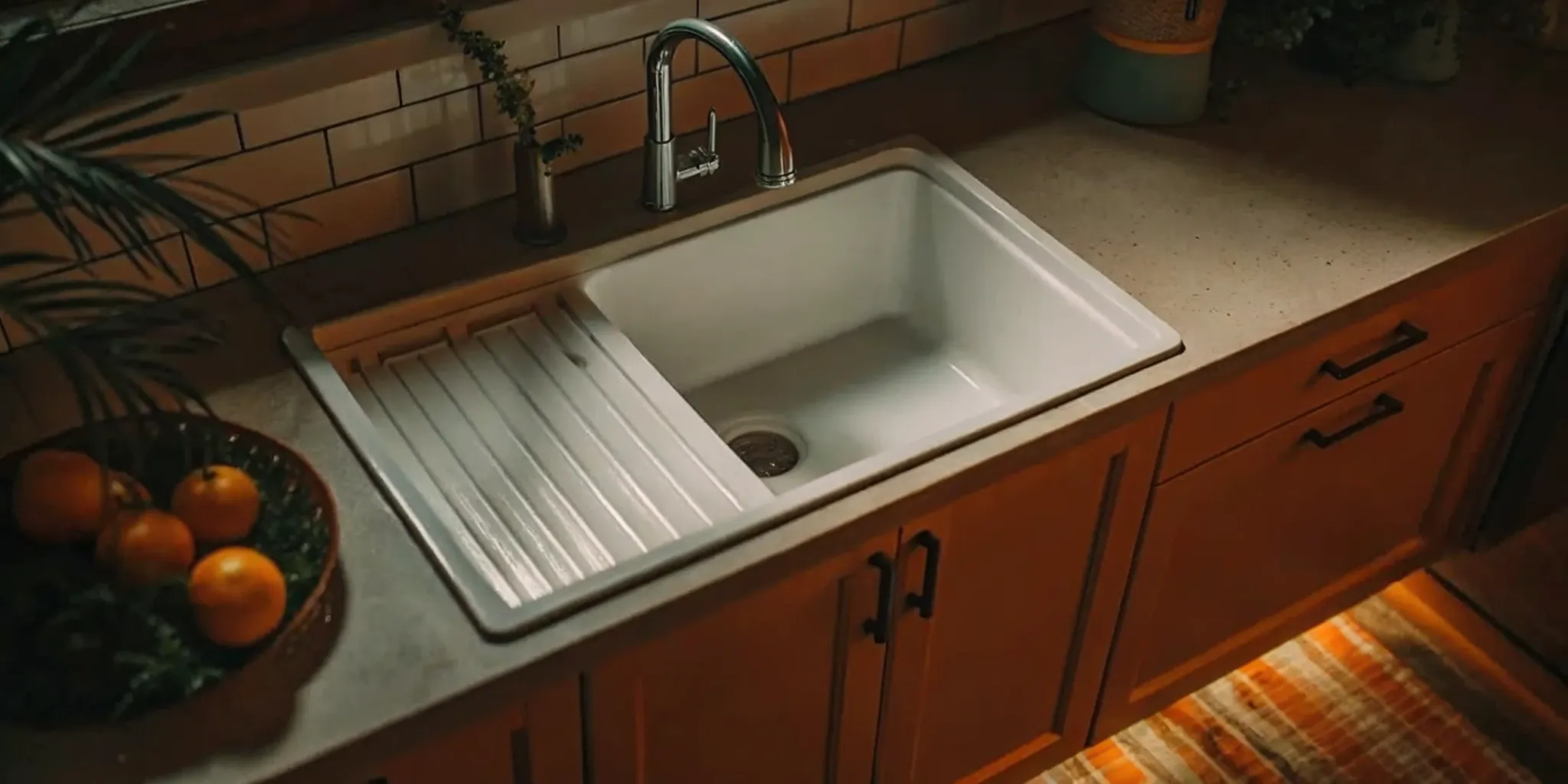
This is the most straightforward category. If you’re planning to add a room, remove a wall, or even just alter a load-bearing beam, you will absolutely need a permit. The city needs to ensure these changes won’t compromise your home’s structural integrity. But it’s not just the big projects. Even small adjustments can trigger a permit requirement in Bellevue. For example, moving a bathroom sink just six inches from its original spot is enough to require a permit because it involves altering the plumbing layout within the wall. Always assume that any change to your home's footprint or framework needs official approval.
Electrical and Plumbing Work
Any work that happens behind your walls typically requires a permit. For kitchen and bathroom remodels, this is especially important. If your project involves moving or adding electrical outlets, running new plumbing lines, or installing a major new appliance like a gas stove, you'll need to file for a permit. This ensures that all wiring and piping meet safety codes, preventing potential fire hazards or leaks down the road. A dedicated project advisor can help you map out these technical details and confirm exactly what your renovation requires before any work begins.
When You Don't Need a Permit
The good news is that not every home improvement project involves a trip to the city planning department. Purely cosmetic upgrades are generally exempt from the permitting process. This includes tasks like painting your interior walls, refacing your kitchen cabinets, installing new countertops (as long as the sink stays put), or replacing a light fixture in the same location. These types of projects don't alter the home's structure or major systems, so you can tackle them without needing a permit. When in doubt, however, it’s always best to double-check with the city or a professional.
How to Apply for a Renovation Permit in Bellevue
Once you know you need a permit, the next step is the application itself. Bellevue has made this process straightforward by moving everything online, which saves you a trip to the city office. This means you can manage the entire process from your home. Here’s a breakdown of how to get started, what to expect, and the key differences between permit types you might encounter.
Using the MyBuildingPermit.com Portal
Bellevue has gone completely digital with its permitting system, which is great news for homeowners. You won’t have to deal with stacks of paper or confusing in-person appointments. Everything is managed through Bellevue's online portal, MyBuildingPermit.com. This is your one-stop shop for submitting your application, uploading any necessary documents, and paying fees. You can also use the portal to check the status of your application in real-time and schedule the required inspections once your project is underway. Since it’s available 24/7, you can work on your application whenever it fits your schedule.
Plan Review vs. Over-the-Counter Permits
Not all permits are created equal, and in Bellevue, they fall into two main categories. For major projects like a home addition, a full kitchen gut remodel, or anything that changes the structure of your home, you’ll need a Plan Review Permit. This means you’ll have to submit detailed architectural plans for the city to review and approve. For smaller, more straightforward jobs, you might qualify for a No Plan Review Permit, sometimes called an over-the-counter permit. These are for simple projects where plans aren't necessary, and they are often issued the same day you apply. Understanding which category your project falls into is key to planning your timeline.
What to Expect for Timelines and Fees
It’s important to factor the permit process into your overall project schedule. For a plan review permit, you should budget an extra two to four weeks for the city’s approval before any construction can begin. This waiting period is a normal part of the process. When it comes to cost, there isn’t a single flat fee. Permit costs in Bellevue are calculated based on the scope and value of your renovation. A simple plumbing permit will cost much less than a permit for a major addition. A dedicated Realm advisor can help you create a realistic budget that accounts for these variable fees, so you aren’t caught by surprise.
What Paperwork Will You Need for Your Application?
Getting your paperwork in order is one of the most important steps in the permit process. While every project is unique, the City of Bellevue generally asks for a standard set of documents to understand the scope of your renovation and ensure it meets local codes. Think of it as creating a complete instruction manual for your project. Having everything ready will make your submission process much smoother. Here’s a breakdown of what you’ll likely need to prepare.
Architectural Plans and Drawings
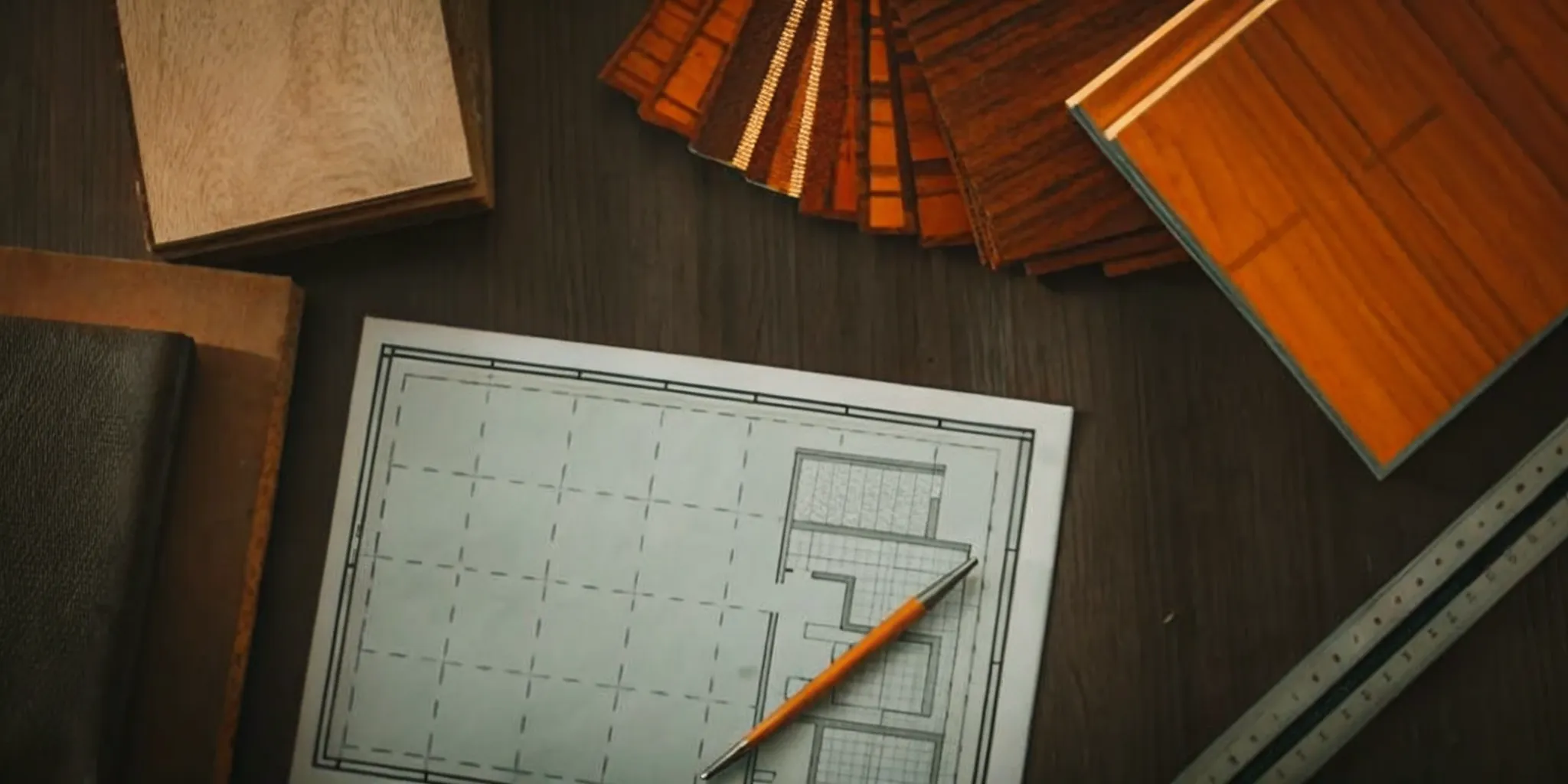
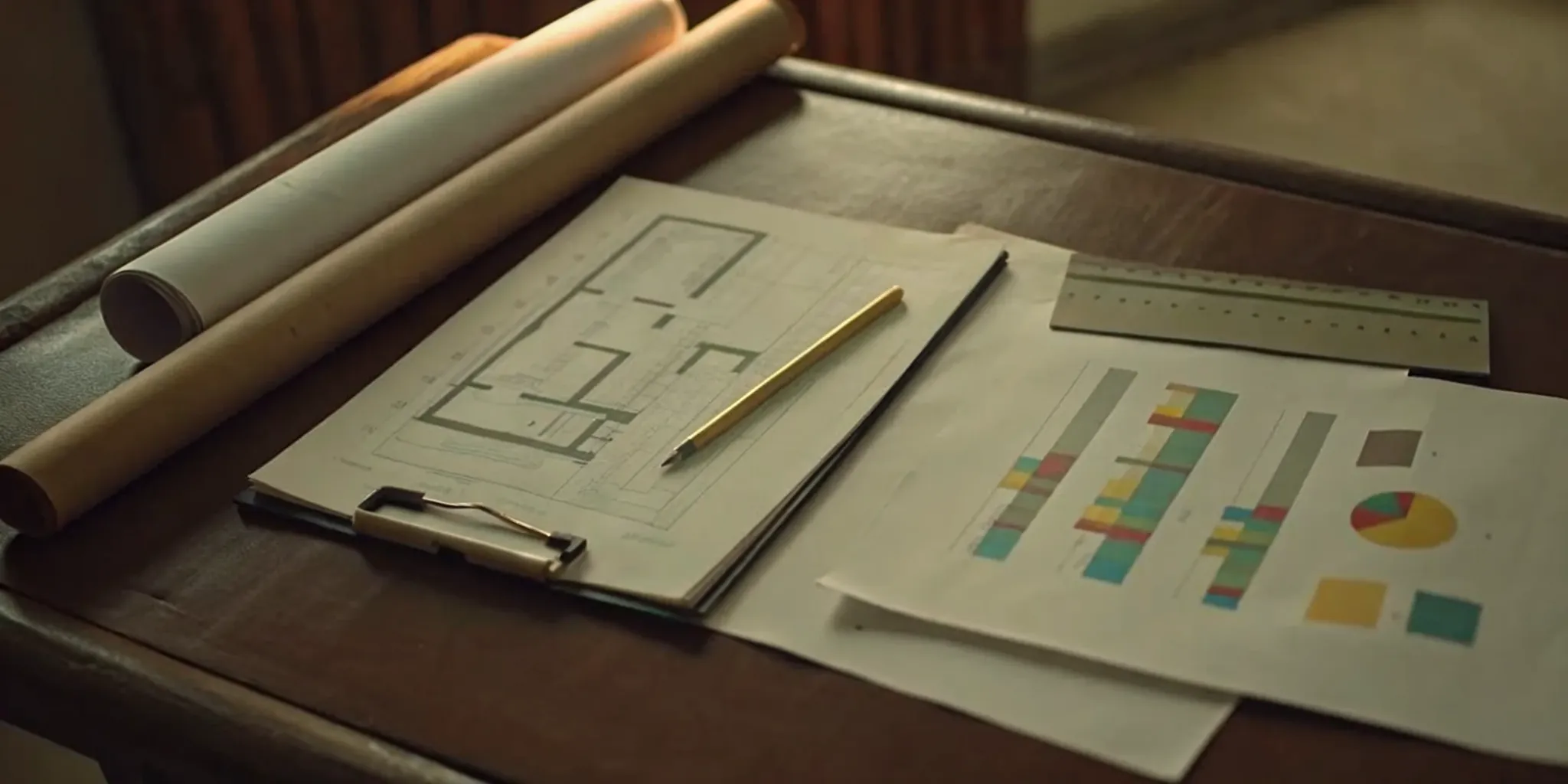
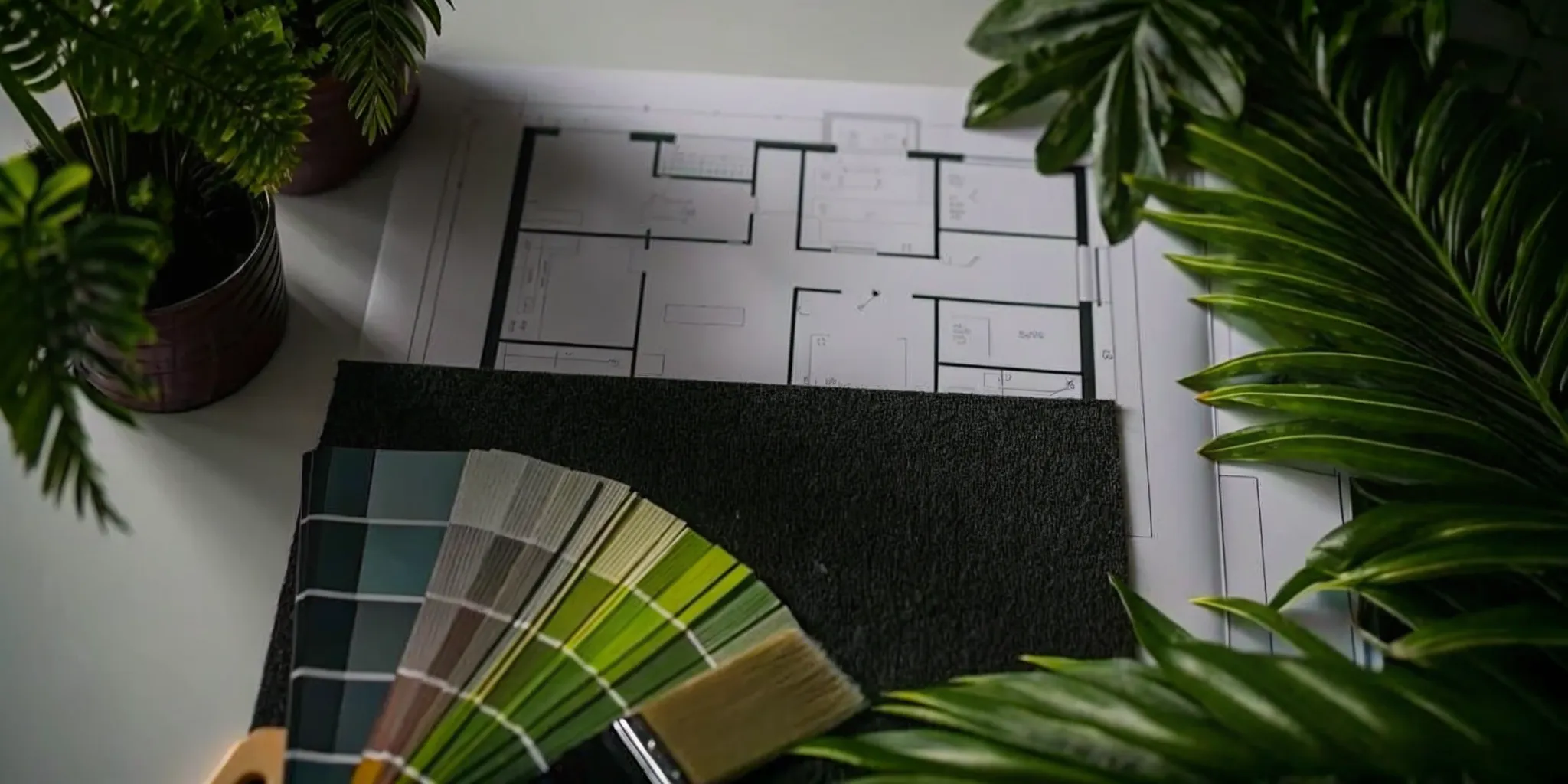
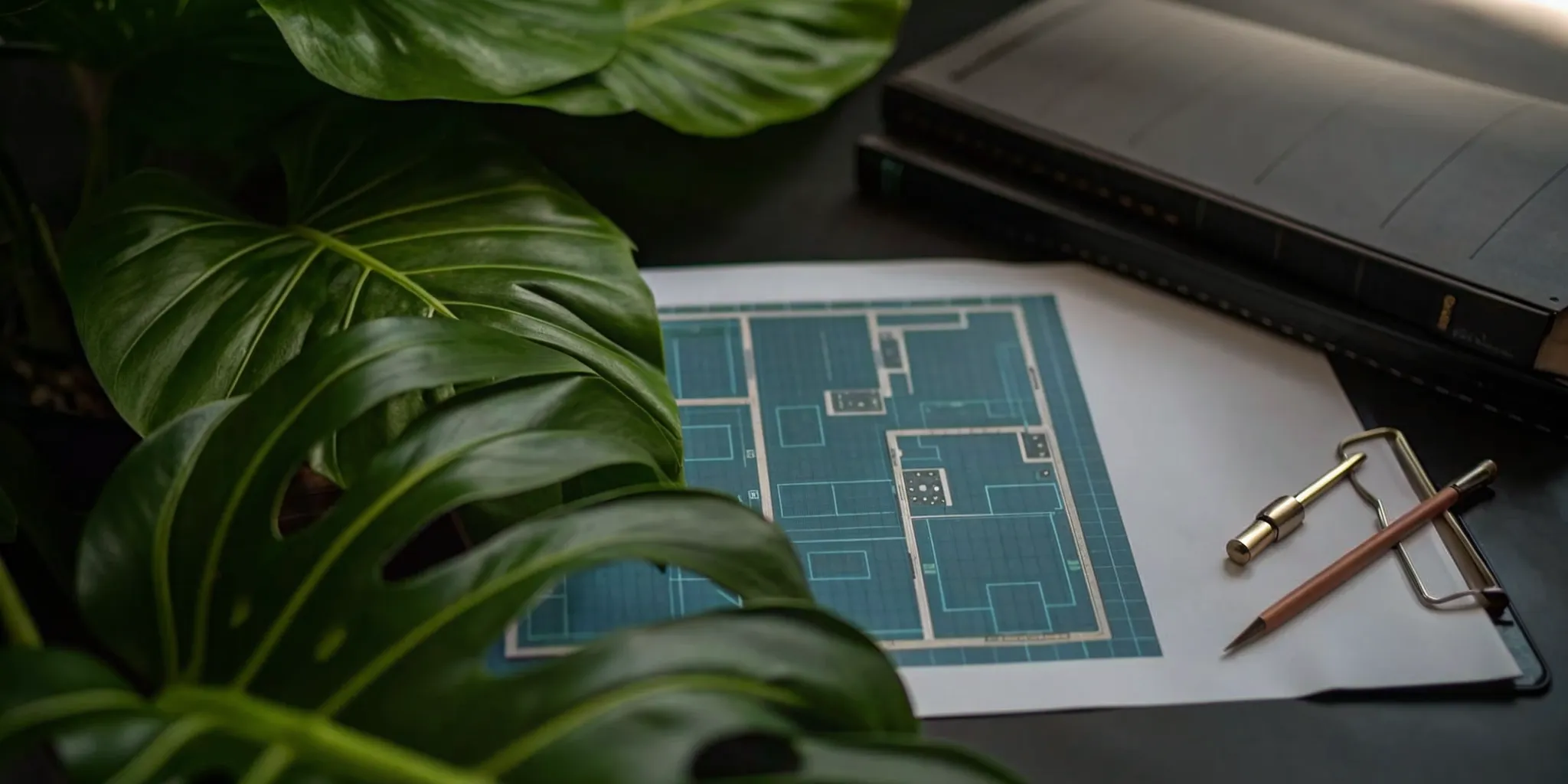
First up, you’ll need to provide an Architectural Plan. This is essentially the blueprint for your project, showing the design, layout, and dimensions of your proposed changes. It gives the city a clear visual of what you intend to build, from moving a wall to adding a new bathroom. For simpler projects, you may not need every single document listed on the application. If you think a specific requirement doesn’t apply to your renovation, you can fill out a Document Waiver Form to request an exemption. This flexibility is really helpful for smaller-scale updates where extensive plans aren't necessary.
Your Property and Site Details
Beyond the plans for the structure itself, you'll need to provide specific information about your property. The City of Bellevue’s Development Services department handles all permit applications, and the entire process is managed online. You’ll submit all your documents through the city’s portal, MyBuildingPermit.com. This platform is where you’ll formally file your application, upload your plans, and track the status of your permit from start to finish. Before you log on, it’s a good idea to have your property address, parcel number, and other site-specific details handy to make the initial setup easier.
Extra Documents for Complex Projects
If your renovation is more involved, you should anticipate the need for additional paperwork. For example, projects that alter the home's structure will require a Structural Plan prepared by an engineer to confirm the changes are safe and sound. Other situations, like converting a space into an adult family home, have their own specific requirements to ensure safety and accessibility. These extra documents for complex renovation projects are crucial for meeting all regulatory and safety standards. A professional can help you identify exactly what’s needed for your project’s scope.
Passing Your Renovation Inspections in Bellevue
Once your permit is approved and the work begins, you’ll need to clear a few more hurdles before the project is officially complete. The city will conduct inspections at key milestones to ensure the work is safe and follows the approved plans. This process might sound a bit formal, but it’s designed to protect you and your investment. Think of inspections as a series of quality checks that confirm your renovation is being done correctly. A smooth inspection process keeps your project on schedule and gives you peace of mind. With a little preparation, you can get through each stage without a hitch.
Key Inspection Stages During Construction
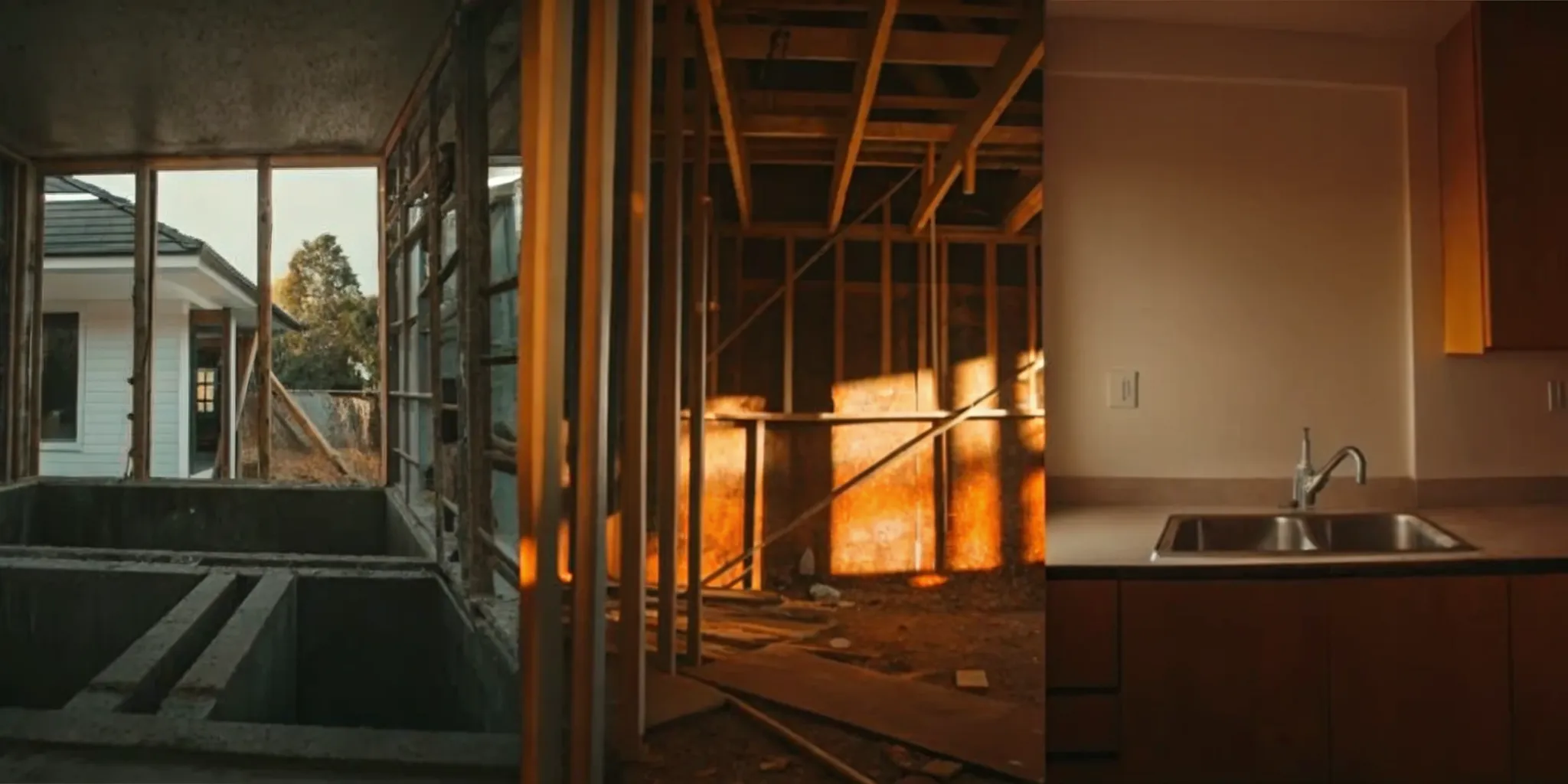
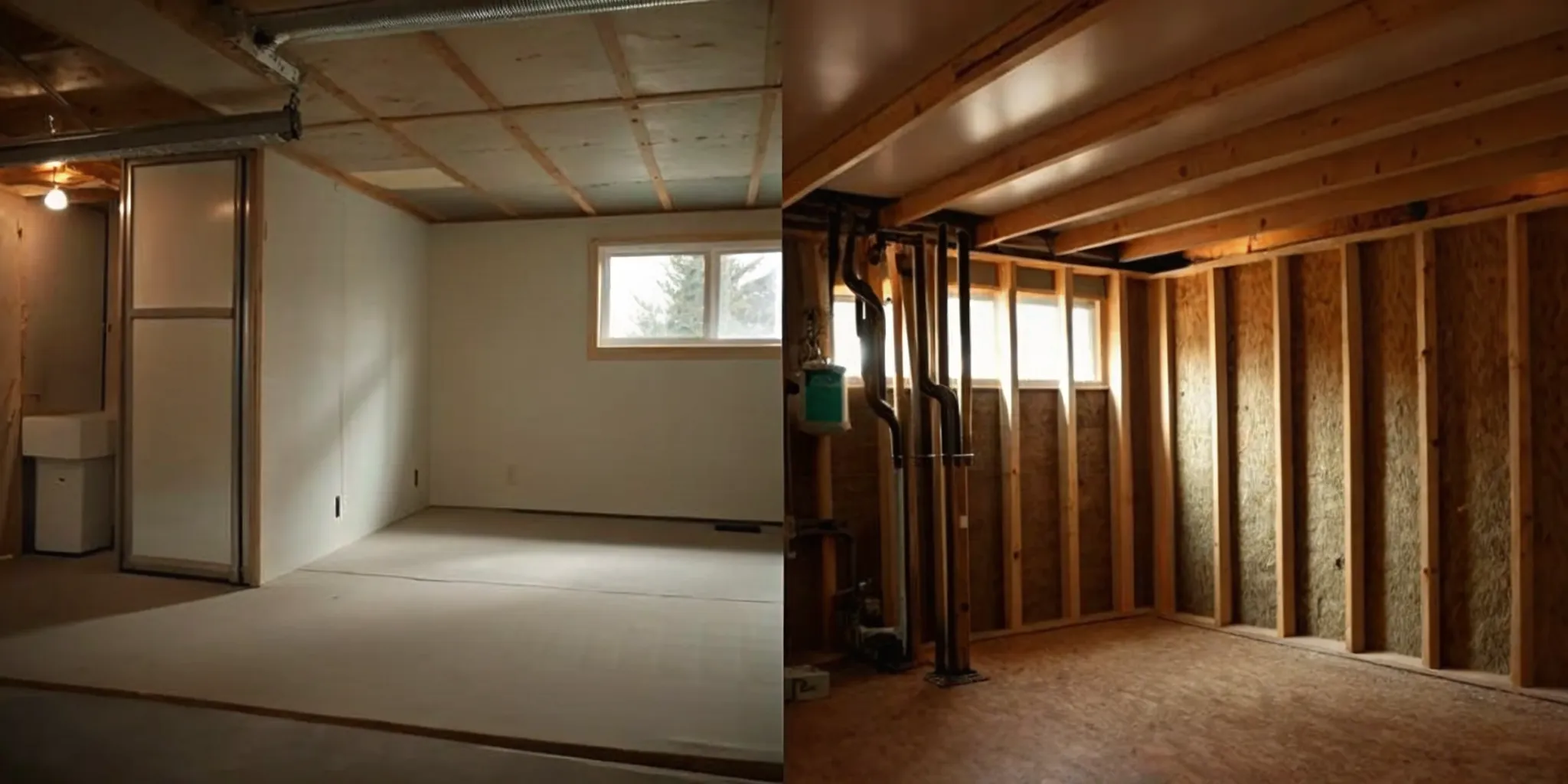
The City of Bellevue requires inspections at several critical points during your renovation. This isn't just a final once-over; inspectors need to see the work as it progresses to verify that everything behind the walls is up to code. According to the city, you need inspections at different stages: before you start any work, before pouring any concrete, before covering up any framing or insulation, and after all the work is done. This step-by-step verification ensures that foundational and structural work is installed correctly before it gets covered by drywall and finishes. Your contractor should know exactly when to call for each specific inspection.
How to Schedule and Prepare for Inspections
Getting an inspector to your site is a straightforward process. The City of Bellevue makes it convenient to keep your project moving by allowing you to schedule these online or by phone. Proper preparation is essential to avoid delays. To ensure a passing grade, make sure the work for that specific inspection is 100% complete. Your contractor should have the approved plans and the permit card available for the inspector to review. It’s also helpful to ensure there’s clear and safe access to the inspection area. A little preparation prevents the hassle of a failed inspection.
Getting Final Approval
After the last coat of paint is dry and the final fixture is in place, you’ll have one last visit from the inspector. This final inspection is the official confirmation that your project is complete and complies with all necessary codes and regulations. Once you receive this final approval, you can officially close out your permit. This is a critical step, as an open permit can cause issues if you ever decide to sell or refinance your home. More importantly, it’s your assurance that the renovation was completed safely, allowing you to enjoy your newly renovated space with confidence.
How Much Does a Bellevue Renovation Permit Cost?
Budgeting for a renovation involves many moving parts, and permit fees are a line item you can’t afford to overlook. While it might be tempting to see permits as just another expense, it’s more accurate to view them as an investment in your home’s safety, compliance, and future market value. The total cost isn't a simple flat rate; it's a combination of direct fees from the city and other indirect costs related to your project's timeline and complexity.
Understanding these expenses upfront helps you create a more realistic and comprehensive budget. The City of Bellevue calculates fees based on the specifics of your project, so a simple bathroom update will cost less than a full-scale home addition. Beyond the city's fees, you also need to account for how the permit process can affect your overall schedule and the potential financial risks of trying to bypass the system. Planning for these costs from the beginning ensures your project moves forward smoothly without any surprise expenses derailing your progress. A dedicated advisor can help you anticipate these costs and build them into your plan.
How Permit Fees Are Calculated
There isn't a one-size-fits-all answer for permit costs in Bellevue because the fees are directly tied to the scope and value of your renovation. The city uses a detailed fee schedule to determine the final cost, which means a larger, more complex project will have higher fees. This calculation ensures the cost is proportional to the amount of review and inspection your project requires.
While paying these fees is a required step, the alternative is far more expensive. If you or a contractor perform work without a permit, you’ll likely face steep fines and the high cost of hiring professionals to fix work that isn’t up to code. It’s always more cost-effective to get the right permits from the start.
Other Potential Costs to Consider
The direct permit fee is only part of the equation. You also need to factor in the cost of time. Bellevue's permit review process can add two to four weeks to your project timeline before any construction can even begin. This waiting period can impact contractor schedules and your own living arrangements, so it's essential to build this buffer into your plan.
Furthermore, skipping a permit can create serious financial problems when you decide to sell your home. A buyer’s inspector will almost certainly identify unpermitted work, which can scare off potential buyers or force you into expensive, last-minute repairs to close the sale. Properly permitting your renovation protects your home’s value and gives you peace of mind.
Common Permit Mistakes to Avoid
The permitting process can feel like its own special kind of puzzle, but it doesn't have to be a source of stress. Knowing where others have stumbled is the best way to ensure your own project goes smoothly. A few common missteps can lead to significant delays and unexpected costs, but they are all completely avoidable with a little bit of planning. Let’s walk through the most frequent mistakes homeowners make so you can sidestep them entirely. By being proactive about your project's scope, paperwork, and professional partners, you can keep your renovation on track from start to finish.
Defining Your Project's Full Scope
It’s easy to think of your renovation in broad strokes, like “remodeling the kitchen.” But the city’s permit office thinks in specifics. A surprisingly common mistake is underestimating what counts as a significant change. For example, if your bathroom renovation moves a sink just six inches over, that small adjustment is often enough to require permits in Bellevue. Before you apply, map out every single detail of your project. Think about any changes to your home's structure, layout, plumbing, or electrical systems. A clear, comprehensive plan is your best tool for getting the right permits from the very beginning.
Submitting Complete and Accurate Paperwork
When you’re eager to get started, it can be tempting to rush through the application. This is one of the costliest mistakes you can make. If the city finds your paperwork is incomplete or inaccurate, they can issue a stop-work order. Suddenly, your project is frozen. You’ll then have to find an architect under pressure to analyze what’s been done, figure out what’s needed to meet code, and submit new plans to the city, often within a tight 30-day window. To avoid this headache, treat your application like a final exam. Double-check every form and make sure every drawing is precise before you submit anything.
Partnering with a Pro Who Knows Bellevue
Bellevue has its own specific building codes and permitting processes. Working with a contractor or designer who isn't familiar with them can lead to major issues, from vague estimates that don't account for permit costs to serious errors like removing a structural wall without understanding the engineering requirements. The right professional will not only know the local rules but will also anticipate potential hurdles. Having an expert on your team who can manage the complexities of permitting is one of the smartest investments you can make in your renovation. It’s why Realm’s approach focuses on connecting you with vetted, local professionals who have a proven track record in your area.
Related Articles
- What Renovations Require a Permit? A Simple Guide
- What Happens If You Build Without a Permit?
- Do I Need a Permit to Remodel My Kitchen?
- How Long Does It Take to Get a Building Permit?
Frequently Asked Questions
What if my project is small, like just replacing a water heater? Do I still need a permit? Yes, most likely. In Bellevue, replacing a major appliance like a water heater or furnace typically requires a permit because it involves plumbing and potentially gas or electrical systems. While it might seem like a simple swap, the city wants to ensure the installation is done safely and correctly. This is a great example of a project that might qualify for a simpler, over-the-counter permit that can be issued quickly without a lengthy plan review.
Can my contractor just handle the entire permit process for me? A good contractor will often manage the permit application and scheduling inspections as part of their service, which can be a huge help. However, as the homeowner, the ultimate responsibility for ensuring the project is properly permitted falls on you. It's smart to have a clear conversation with your contractor upfront about who will handle the paperwork and to stay informed throughout the process. This ensures nothing falls through the cracks.
What happens if I get caught doing work without a permit? Doing work without a required permit can lead to some serious problems. The city can issue a stop-work order, which halts your project immediately. You'll likely face fines, and you'll have to go through the process of getting a permit after the fact, which is often more complicated and expensive. You may even be required to open up walls or undo completed work so an inspector can see it, which is a costly and frustrating setback.
How long does a permit stay valid after it's issued? Once a permit is issued in Bellevue, it doesn't last forever. Generally, you must begin the work within a specific timeframe, often 180 days, and show consistent progress. If the project sits idle for too long, the permit can expire. This is the city's way of ensuring projects are completed in a timely manner and not left in a hazardous, unfinished state. If your project faces delays, you can usually apply for an extension.
The post mentions a "stop-work order." What exactly is that and how do I avoid it? A stop-work order is an official demand from the city to cease all construction on your project immediately. It's typically issued for serious violations, like performing work without a permit or creating an unsafe situation. The best way to avoid one is through careful planning. Ensure you have a complete and accurate permit application, hire a qualified professional who knows Bellevue's codes, and make sure all required inspections are scheduled and passed before moving on to the next phase of construction.