What Happens to Your Homeowner's Insurance When You Renovate?
Find out what happens to your homeowner's insurance when you renovate, including coverage changes, premium updates, and steps to keep your policy current.
|
April 15, 2026

In this article:
If you’re the type of homeowner who meticulously plans every detail, from the budget to the timeline, then your insurance policy should be right at the top of your pre-renovation checklist. A savvy planner knows to ask, what happens to your homeowner's insurance when you renovate? It’s not just about avoiding problems; it’s about being proactive. Updating your policy ensures your coverage matches your home’s new, higher value. Plus, certain upgrades, like a new roof or updated electrical systems, can actually reduce your risk profile and potentially lower your premiums. This guide will show you how to align your insurance with your project goals.
Key Takeaways
- Talk to your insurance agent first: Before any demolition begins, have a conversation with your agent about your renovation plans. This proactive step ensures your coverage is adjusted correctly and helps you avoid the risk of being underinsured or having a future claim denied.
- Update your coverage to match your home's new value: Your renovation increases the cost to rebuild your home, so your policy needs to keep up. While this often means a higher premium, safety-focused upgrades like a new roof or updated wiring can sometimes lead to discounts.
- Protect yourself during the project with the right coverage: Always confirm your contractor has their own liability insurance to cover on-site accidents. You should also ask your agent if you need temporary policies, like Builder's Risk insurance, to protect materials and the new structure during construction.
How Do Renovations Affect Your Homeowner's Insurance?
Thinking about a renovation is exciting, but it’s easy to get so caught up in design and demolition that you forget a crucial detail: your homeowner's insurance. Any project that changes your home’s value, structure, or risk level will also affect your insurance policy. Before you start knocking down walls, it’s important to understand how these changes can impact your coverage and what you need to do to stay protected.
First things first, you absolutely need to inform your insurance company about any major renovations. A simple kitchen refresh might not move the needle, but adding a room or overhauling your plumbing system certainly will. Your insurer needs to know about these updates to ensure your policy accurately reflects your home's current value. Failing to tell them could leave you with inadequate coverage if something goes wrong. Imagine a fire damages your brand-new kitchen, but your policy only covers the value of the old one. That’s a financial headache no one wants.
Updating your policy will likely change your premiums. Since most renovations increase your home's value, your dwelling coverage will need to go up, which usually means a higher premium. However, some projects can actually lower your rate. For example, upgrading your electrical system, replacing an old roof, or installing a security system can reduce your home's risk profile, potentially earning you a discount. The key is to have a conversation with your agent to see how your specific project will alter your home insurance. This ensures you have enough coverage to protect your investment without overpaying.
Should You Tell Your Insurance Company About Your Renovation Plans?
Let’s cut straight to it: yes, you should absolutely tell your insurance company about your renovation plans. While it might feel like another task on your to-do list, it’s a call you don’t want to skip. Your renovation will increase your home’s value, and your insurance policy needs to keep up. If a pipe bursts and ruins your brand-new kitchen, you want to be sure your coverage is enough to handle the repairs. Keeping your insurer in the loop is all about protecting your investment. A quick conversation with your agent ensures your home is properly protected and avoids major financial headaches if something goes wrong.
When to Notify Your Insurer
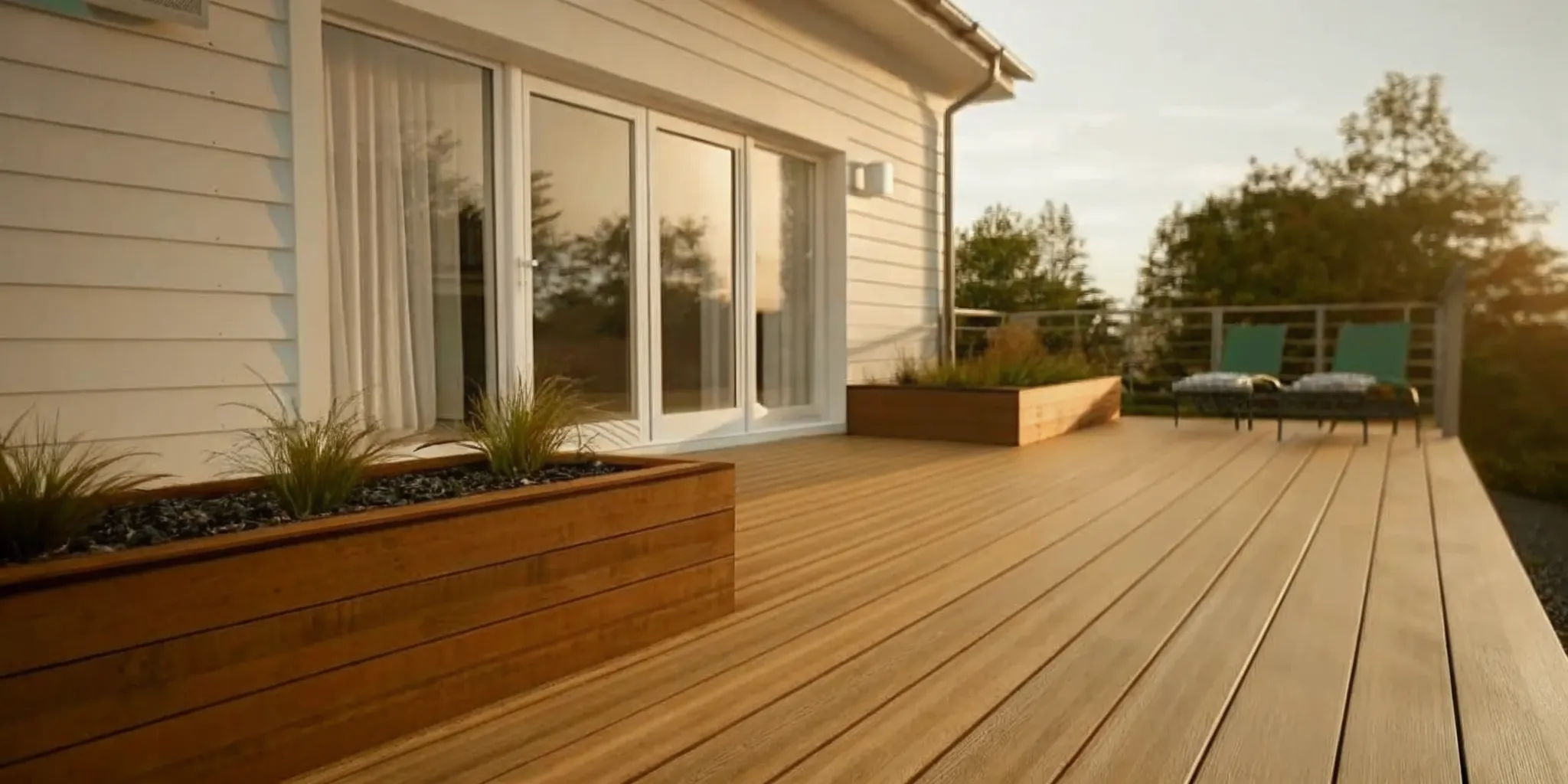
You don’t need to call your agent every time you pick up a paintbrush, but you should reach out for any project that significantly changes your home’s value or structure. This includes major undertakings like building an addition, finishing a basement, or remodeling a kitchen. Adding high-value features like a swimming pool or a deck also warrants a call. The key is to think about your home's replacement cost. If your project increases the amount it would cost to rebuild your home, your insurer needs to know.
How Soon to Make the Call
The best time to contact your insurance agent is before the first hammer swings. Looping them in during the early planning stages is a smart move. This gives them a chance to review your plans and advise you on whether you’ll need additional coverage during construction. For example, if you’re moving out, you might need a different type of policy. By talking to them upfront, you can make sure your updated coverage is ready to go the moment your project is finished, leaving no gaps where your investment is at risk.
Common Myths About Automatic Coverage
A common misconception is that your existing homeowner's policy automatically covers your renovation. That’s not how it works. Your standard policy is designed to cover unexpected damage, not the planned costs of a home improvement project. Another myth is waiting until your policy renews to mention the upgrades. This is a risky gamble. If a fire or storm happens post-renovation but before you’ve updated your policy, you could find yourself severely underinsured and paying the difference out of pocket.
How Will Renovations Change Your Coverage and Premiums?
Once you start a renovation, you’re not just changing your living space; you’re also changing your home’s value and risk profile. This is why your homeowner's insurance needs to be part of the conversation. Any significant update will likely affect both your coverage amount and what you pay for it, known as your premium.
When you make improvements, your home’s value increases. That’s great for your equity, but it also means it would cost more to rebuild if something happened. Your insurance policy needs to reflect this new, higher value to ensure you’re fully protected. While some projects will increase your premiums, others that make your home safer or more resilient can actually lead to discounts. It’s a balancing act, and understanding how different renovations impact your policy will help you plan your project and your budget more effectively.
The Impact on Your Dwelling Coverage
Your policy’s “dwelling coverage” is the part that pays to repair or rebuild the physical structure of your house. When you complete a major renovation, like a kitchen overhaul or a room addition, the cost to rebuild your home goes up. You’ll need to increase your dwelling coverage to match this new value. If you don’t, you could find yourself underinsured, meaning your policy wouldn’t cover the full cost of rebuilding after a major event like a fire. While small cosmetic updates like painting probably won’t move the needle, it’s always best to check with your insurance agent for any project that adds significant value.
What to Expect for Your Premiums
It’s logical to assume that more coverage means a higher premium, and often, that’s true. However, not all renovations lead to a price hike. Some updates can actually lower your insurance costs. Insurers love when you reduce risk, so projects that make your home safer can earn you a discount. For example, replacing an old roof, updating your electrical or plumbing systems, or installing a centrally monitored security system can signal to your insurer that your home is less likely to suffer damage or a break-in. These types of safety-focused upgrades can sometimes offset the premium increase from adding value elsewhere.
Factors That Influence Insurance Costs
Several specific factors determine how a renovation affects your insurance bill. Adding square footage is one of the biggest. A larger home simply costs more to rebuild, so your dwelling coverage and premium will rise accordingly. The quality of your materials also matters; high-end finishes and custom features increase replacement costs. Finally, some additions increase your liability risk. Features like swimming pools, hot tubs, and even trampolines are considered “attractive nuisances” because they increase the risk of an accident on your property. Adding one will almost certainly raise your liability coverage needs and your premium.
Which Renovations Require an Insurance Policy Update?
Not all home projects are the same in the eyes of your insurance provider. While painting the living room or swapping out a light fixture won’t move the needle, other renovations can significantly change your home’s value and risk profile. Think of it this way: if a project increases the cost to rebuild your home or introduces new potential liabilities, it’s time to have a conversation with your insurance agent. Ignoring this step could leave you underinsured if something goes wrong down the line.
Generally, any project that alters your home's structure, adds significant value, or increases the risk of injury on your property warrants a policy review. This includes everything from building an addition to installing a swimming pool or even doing a high-end kitchen remodel. Some upgrades, like replacing an old roof or updating your electrical system, might even qualify you for a discount. The key is to understand which changes matter most to your insurer so you can make sure your coverage keeps up with your beautiful new space. We’ll walk through the most common renovations that should prompt a call to your insurance company.
Major Structural Changes and Additions
If your renovation plans involve expanding your home’s footprint, your first call after speaking with your contractor should be to your insurance agent. Adding a new bedroom, building a second story, or constructing a detached accessory dwelling unit (ADU) directly increases your home’s square footage. This means your property is now more valuable and would cost more to rebuild after a disaster.
To protect this added value, you’ll need to increase your policy’s dwelling coverage. This is the part of your policy that pays to repair or rebuild the physical structure of your house. While this adjustment will likely raise your premium, it’s a non-negotiable step to ensure you’re fully protected and not left with a massive financial gap.
Adding a Pool, Home Office, or Other Features
Some additions impact your liability more than your property value. Features like swimming pools, hot tubs, and even trampolines are what insurers call "attractive nuisances" because they increase the risk of someone getting injured on your property. Because of this heightened risk, your insurer may require you to increase your liability coverage or purchase a separate umbrella policy to protect you from potential lawsuits.
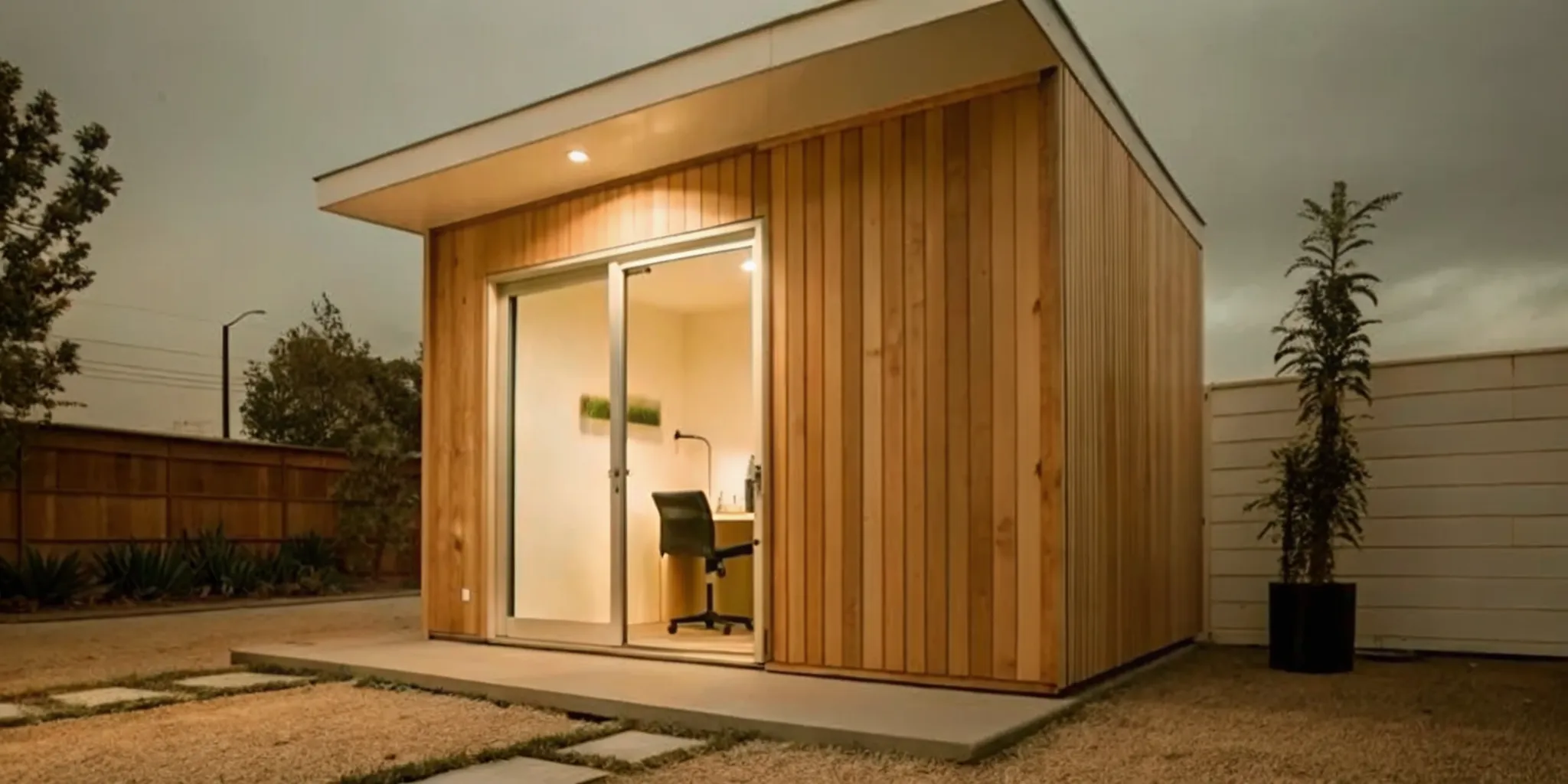
Similarly, if you’re converting a room into a dedicated home office, you’ll need to check your coverage. A standard homeowner's policy typically offers limited protection for business-related equipment and won’t cover injuries to clients or employees. You may need to add a special endorsement to your policy or get a separate business insurance plan to cover your professional activities.
Upgrading Kitchens, Bathrooms, and Electrical Systems
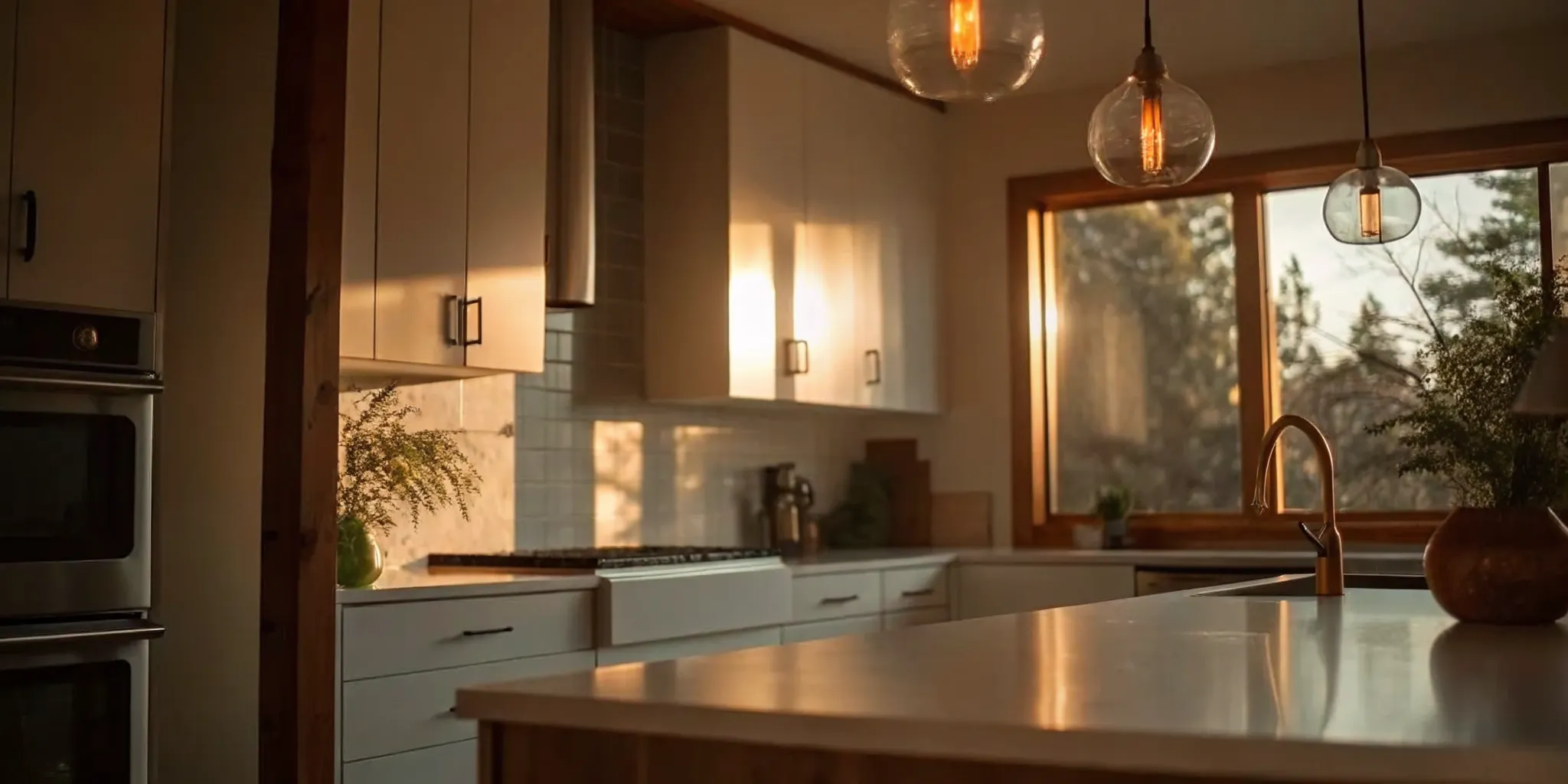
A high-end kitchen or bathroom remodel can dramatically increase your home’s replacement cost. When you install premium materials like marble countertops, custom cabinetry, and top-of-the-line appliances, you’re adding significant value that needs to be reflected in your dwelling coverage. Make sure your policy is updated to cover the cost of replacing these luxury finishes, not just the builder-grade materials that were there before.
On the flip side, some upgrades can actually make your home safer and lead to lower insurance rates. Projects that reduce risk, such as updating old electrical wiring, replacing the roof, or installing a new security system, are often viewed favorably by insurers. These types of renovations can make your home safer and may qualify you for a discount on your premium.
What Are the Risks of Not Updating Your Policy?
Finishing a big renovation is exciting, but there's one last call you can't afford to skip: the one to your insurance agent. It might feel like just another task on a long to-do list, but failing to update your policy can put your entire investment at risk. You could find yourself without enough coverage when you need it most, facing a denied claim, or even dealing with serious financial and legal trouble. Let's break down exactly what's at stake when you don't keep your insurer in the loop.
The Danger of Being Underinsured
Imagine your home is damaged in a fire after you've completed a gorgeous kitchen remodel. Your insurance company looks at your policy, which is based on the value of your old kitchen. That means they might only pay enough to rebuild what you had before, leaving you to cover the difference for your new custom cabinets and high-end appliances. This is the risk of being underinsured. Your renovation increases your home's value, and your coverage needs to grow with it to fully protect your investment from unexpected damage.
Why Your Claim Could Be Denied
Your homeowner's policy is a contract based on the state of your property when you signed it. When you make significant changes without telling your insurer, you've altered the terms of that agreement. If a problem arises from the new work, your insurance company could deny your claim. For example, if faulty wiring from your un-reported home office addition causes a fire, the insurer might argue they never agreed to cover that new structure or its associated risks. It’s crucial to inform them of any changes to ensure your new spaces are properly protected.
Financial and Liability Consequences
Beyond property damage, not updating your policy can leave you exposed to major financial and liability risks. If your renovation added features like a swimming pool, a new deck, or even a home gym, your liability risk goes up. These additions create more opportunities for accidents and injuries on your property. If a guest is injured, your existing liability coverage might not be enough to handle a lawsuit. Without an update, you could be personally responsible for medical bills and legal fees, putting your savings and other assets on the line.
What Extra Coverage Should You Consider During a Renovation?
Your standard homeowner's policy is a great start, but it often has gaps when it comes to a major renovation. During construction, your property faces unique risks that your regular coverage might not address. Think about it: you have valuable materials sitting on-site, new structures that aren't officially part of your home yet, and a lot more people coming and going. To make sure you’re fully protected from start to finish, you’ll want to look into a few specific types of insurance. These policies are designed to cover the temporary, high-risk nature of a home project, giving you peace of mind so you can focus on the exciting parts of your renovation.
Builder's Risk Insurance to Protect the Project
Think of Builder's Risk insurance as a policy for the renovation itself. It specifically covers the structure and materials while your project is underway. If a stack of expensive lumber is stolen from your yard or a windstorm damages the new framing before the roof is on, this is the policy that steps in. It protects your financial investment in the project against things like theft, fire, vandalism, and weather-related damage. Most general contractors carry their own policy, but it’s crucial to confirm the details of their coverage and see if you need your own to fill any gaps.
Vacant Home Insurance if You Move Out
If your renovation is extensive enough that you need to move out for a month or more, your standard homeowner's policy might no longer apply. Most policies have a vacancy clause that can suspend coverage if a home is left unoccupied for an extended period, usually 30 to 60 days. A vacant home faces different risks, like undiscovered water leaks or break-ins. Vacant home insurance is a specialized policy designed to cover these situations, ensuring your property remains protected even when you aren't living there. Always check with your agent before you pack your bags.
Why You Might Need More Liability Coverage
During a renovation, your home becomes a busy worksite. With contractors, subcontractors, and delivery people frequently on your property, the chances of an accident increase. If someone gets injured, they could hold you liable. This is where your personal liability coverage comes in. It’s a good idea to review your current limits with your insurance agent and consider increasing them for the duration of the project. A higher liability limit provides an extra layer of financial protection, safeguarding your assets in case of an unfortunate incident on your property.
How Renovations Can Actually Lower Your Insurance Costs
It’s a common assumption that any renovation will automatically lead to higher insurance premiums. While it’s true that projects increasing your home's value often do, some upgrades can actually have the opposite effect. It all comes down to risk. When you make your home safer and more resilient against potential damage, your insurer sees you as less of a liability. This reduction in risk can translate into welcome discounts on your policy. Think of it as a reward for being a proactive and responsible homeowner. By choosing projects that not only enhance your living space but also protect it, you’re making a smart investment that can pay off in more ways than one. These strategic renovations can lead to lower annual insurance costs, giving you peace of mind and a little extra room in your budget. It’s about renovating smarter, not just bigger. Focusing on upgrades that mitigate potential hazards like fire, theft, or storm damage shows your insurance provider that you're actively working to protect your investment, which they're always happy to see. This approach turns your renovation into a win-win: you get an improved home, and you could also get a lower insurance bill.
Upgrading Your Home's Safety and Security
One of the most direct ways to earn a discount is by improving your home’s safety and security systems. Insurers often provide rate reductions for features that actively prevent common claims like theft and fire. For example, installing monitored alarm systems that alert the police or fire department can make your home a less attractive target for burglars and ensure a faster response to fires. Similarly, adding a fire sprinkler system can significantly reduce property damage. Even smaller updates, like replacing old, faulty wiring or adding modern smoke detectors, can contribute to a safer home and potentially lower rates.
Using Disaster-Resistant Materials
Choosing materials designed to withstand severe weather and other disasters is another powerful way to reduce your insurance premiums. A new, stronger roof, for instance, better protects your home from storms and falling debris. This simple upgrade lowers the risk for the insurance company, which may pass the savings on to you. In areas prone to specific threats, like the West Coast, using disaster-resistant materials can lead to even bigger discounts. Consider fire-resistant siding, impact-resistant windows, or even retrofitting your home to better withstand earthquakes. These renovations show your insurer that you’re taking serious steps to mitigate damage, especially from regional risks like wildfires.
How to Keep Your Insurer in the Loop
Keeping your insurance company informed during a renovation isn't just another item on your to-do list; it's a crucial step in protecting your home and your investment. Think of it as a simple conversation that ensures you’re fully covered, no matter what happens. Open communication prevents surprises down the road and makes sure your policy reflects the beautiful, updated home you’re working so hard to create. By being proactive, you can relax and focus on the exciting parts of your project, knowing your biggest asset is secure.
The Paperwork and Permits You'll Need
Before you pick up the phone to call your agent, it helps to have all your project details organized. This will make the conversation much more productive. Your insurer will likely want to see a copy of your renovation plan, including the scope of work, the total budget, and the projected timeline. You should also have the name and insurance information for your contractor handy. Most importantly, be prepared to share copies of any required building permits. This paperwork shows your insurer that the work is being done to code and helps them accurately assess your home’s new value and any temporary risks during construction.
Working With Your Insurance Agent
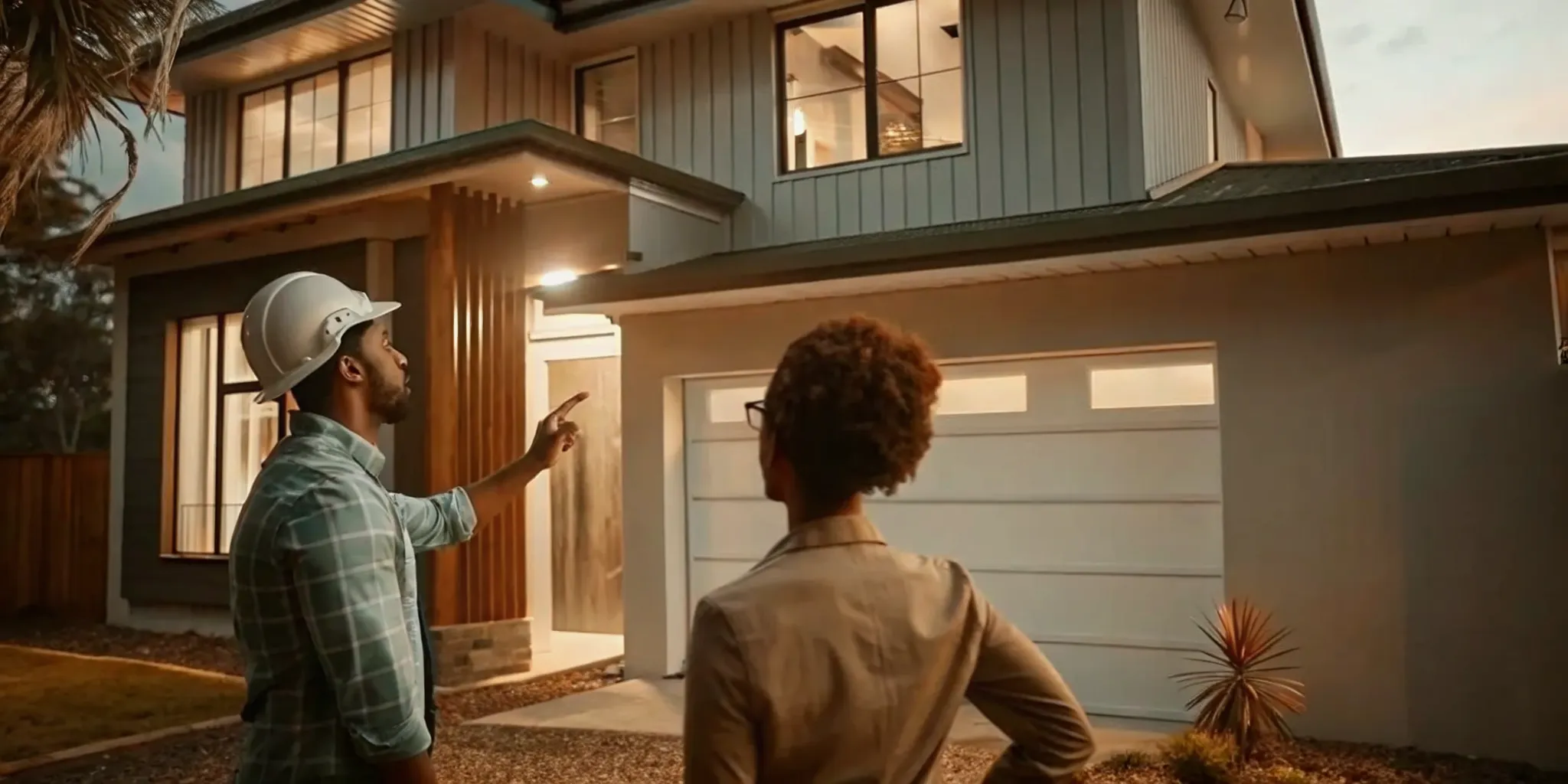
Your insurance agent is a valuable resource, so bring them into the conversation early, ideally before any work begins. They can review your current policy and explain how the renovation might affect your coverage. This is your chance to ask specific questions. For example, you can ask if your dwelling coverage limit is high enough to cover the cost of rebuilding your newly improved home. You should also ask about liability protection in case a worker is injured on your property. Your agent can help you understand if you need to add any temporary coverage, like builder’s risk insurance, to protect the project while it’s underway.
Plan Your Renovation With Insurance in Mind
As you map out your dream kitchen or plan that perfect primary suite addition, insurance is probably the last thing on your mind. But taking a few moments to consider your coverage before the first hammer swings is one of the smartest moves you can make. A successful renovation isn’t just about beautiful finishes; it’s also about protecting your investment and your peace of mind. Getting your insurance in order from the start helps you avoid costly surprises and ensures you’re covered from groundbreaking to the final walkthrough.
Many homeowners assume their existing policy automatically covers any and all work done on their property, but that’s often not the case. Major projects can significantly increase your home’s value, which means your current dwelling coverage might not be enough to rebuild if something were to happen. The last thing you want is to be underinsured after investing so much into your home. Furthermore, the renovation process itself introduces new risks, from potential damage to your property to on-site injuries. By planning ahead, you can work with your insurance provider to make sure your policy reflects the new value of your home and includes protections for the construction phase. This proactive approach is the key to a smooth, stress-free project.
Your Pre-Renovation Insurance Checklist
Before you get lost in paint swatches and tile samples, take a moment to run through this simple insurance checklist. First, pull out your current homeowners insurance policy and give it a thorough read. You need to understand exactly what’s covered and, more importantly, what isn’t. Next, and this is a big one, call your insurance agent before any work begins. A quick conversation can provide so much clarity on whether you need to adjust your coverage. Be sure to tell them about the scope of your project. Failing to give your insurer a heads-up about major renovations could unfortunately lead to a denied claim if something goes wrong with the new work.
How to Choose an Insured Contractor
Your contractor is your partner in this project, so it’s essential to choose someone you can trust. A critical part of that trust is making sure they are properly insured. Always ask a potential contractor for proof of their own insurance, specifically Commercial General Liability (GCL) coverage. This policy protects you if they or their team cause damage to your property or if someone gets injured on the job site. Hiring licensed and insured professionals is non-negotiable. It’s your best protection against liability and ensures the work meets safety standards. At Realm, we simplify this process by connecting you with a network of vetted, reliable contractors, so you can move forward with confidence.
Related Articles
- What Happens If You Build Without a Permit?
- How to Rebuild a Burnt House: A Homeowner's Guide
- Residential Construction Renovation: A Simple Guide
- How To Pay For Your Renovations?
- Breaking Down Your Full Interior Renovation Cost
Frequently Asked Questions
Do I need to call my insurance agent for every little project? Not at all. You don't need to report simple cosmetic updates like painting a room or changing a light fixture. The time to call is when you're planning a project that changes your home's structure, adds significant value, or increases liability. Think of major remodels like kitchens and bathrooms, building an addition, finishing a basement, or adding features like a swimming pool or a large deck.
Will my insurance premium automatically go up after a renovation? It’s a common concern, but not always the case. While adding value to your home often means you'll need more coverage (which can increase your premium), some projects can actually save you money. Upgrades that make your home safer, like replacing an old roof, updating the electrical system, or installing a monitored security system, can reduce your home's risk profile and may qualify you for a discount.
What's the worst that can happen if I don't update my policy? Failing to update your policy can lead to serious financial trouble. The biggest risk is being underinsured. If a fire damages your newly renovated kitchen, your insurance might only cover the value of the old one, leaving you to pay the difference. In some cases, especially if the damage is related to the new, unreported work, your insurer could even deny the claim entirely.
My contractor has insurance, so do I still need to worry about my own policy? Yes, you absolutely do. Your contractor's liability insurance is there to cover damage they might cause to your property or injuries that happen to their crew. Your own homeowner's policy, however, needs to be updated to protect the new value of your home once the project is complete. The two policies cover different things, and both are essential for protecting your investment.
What specific information will my insurance agent need from me? When you call your agent, it helps to be prepared. They will likely ask for details about the scope of your project, the total budget, and the planned start and end dates. It's also a good idea to have your contractor's name and their insurance information on hand. Providing copies of building permits is also helpful, as it shows the work is being done to code.