How Long Does an ADU Permit Take? A County-by-County Guide for Bay Area Homeowners
Find out how long an ADU permit takes in the Bay Area. This county-by-county guide for homeowners covers timelines, key steps, and tips for faster approval.
|
April 8, 2026

In this article:
Building an ADU is an exciting prospect. You're likely thinking about the extra space for family, a new home office, or the potential for rental income. But before you can break ground, there’s a critical step that can feel like a huge question mark: the permit. It’s the official green light for your project, and the timeline can be surprisingly hard to pin down. The truth is, the wait time varies dramatically depending on where you live. That’s why we created this guide to answer the big question: How Long Does an ADU Permit Take? A County-by-County Guide for Bay Area Homeowners. Here, we’ll demystify the process and give you a realistic look at what to expect.
Key Takeaways
- Your local county sets the real timeline: The state's 60-day review period is only part of the story; realistically, plan for the entire permit process, from initial design to approval, to take three to twelve months depending on your location and project complexity.
- A complete application is your best shortcut: The most common delays come from incomplete or inaccurate paperwork. Working with a professional to submit a flawless application from the start is the most effective way to avoid revision requests that push back your schedule.
- Strategic prep work can shorten your wait: You can actively speed up the process by using your city's pre-approved plans, hiring an experienced local contractor, and talking with planning officials early to prevent common delays.
What's an ADU and Why Do You Need a Permit?
Before we get into specific timelines, let's cover the basics. You've probably heard the term "ADU" a lot lately, especially if you're a homeowner in the Bay Area. But what exactly is it, and why is the permitting process so important? Understanding these fundamentals is the first step to a smooth and successful project. Getting this part right sets the foundation for everything that follows, from hiring a contractor to breaking ground.
Defining an Accessory Dwelling Unit
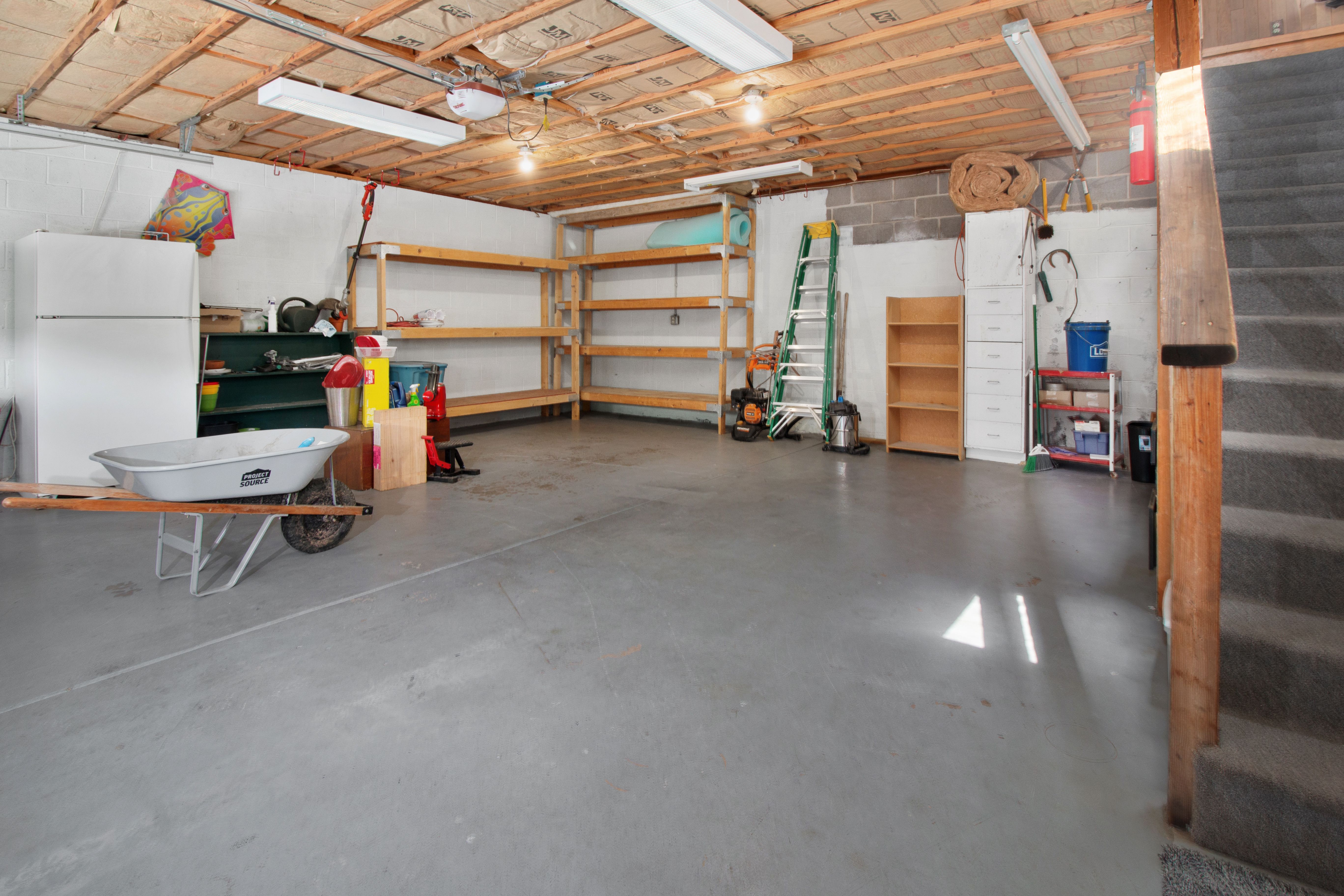
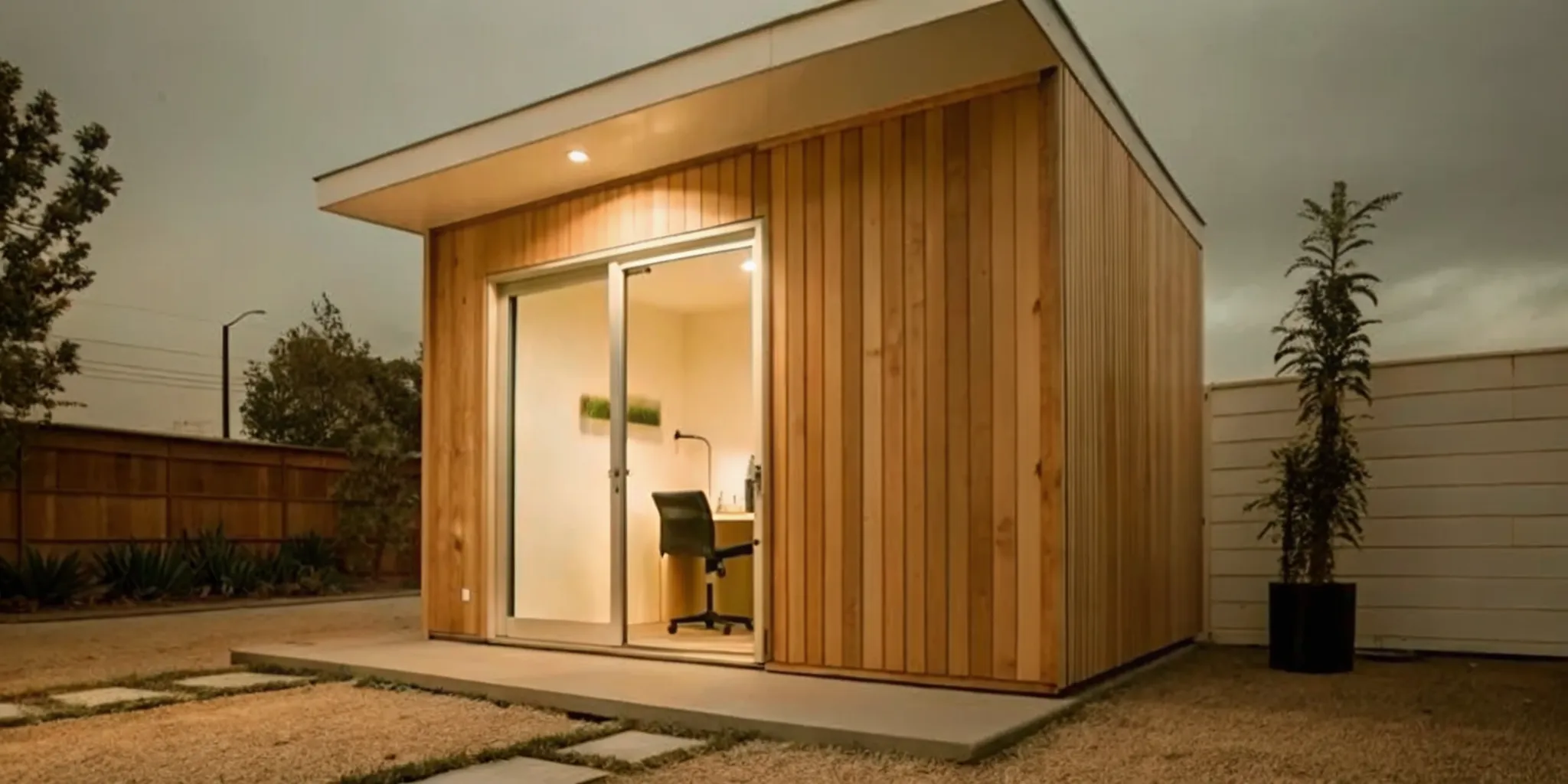
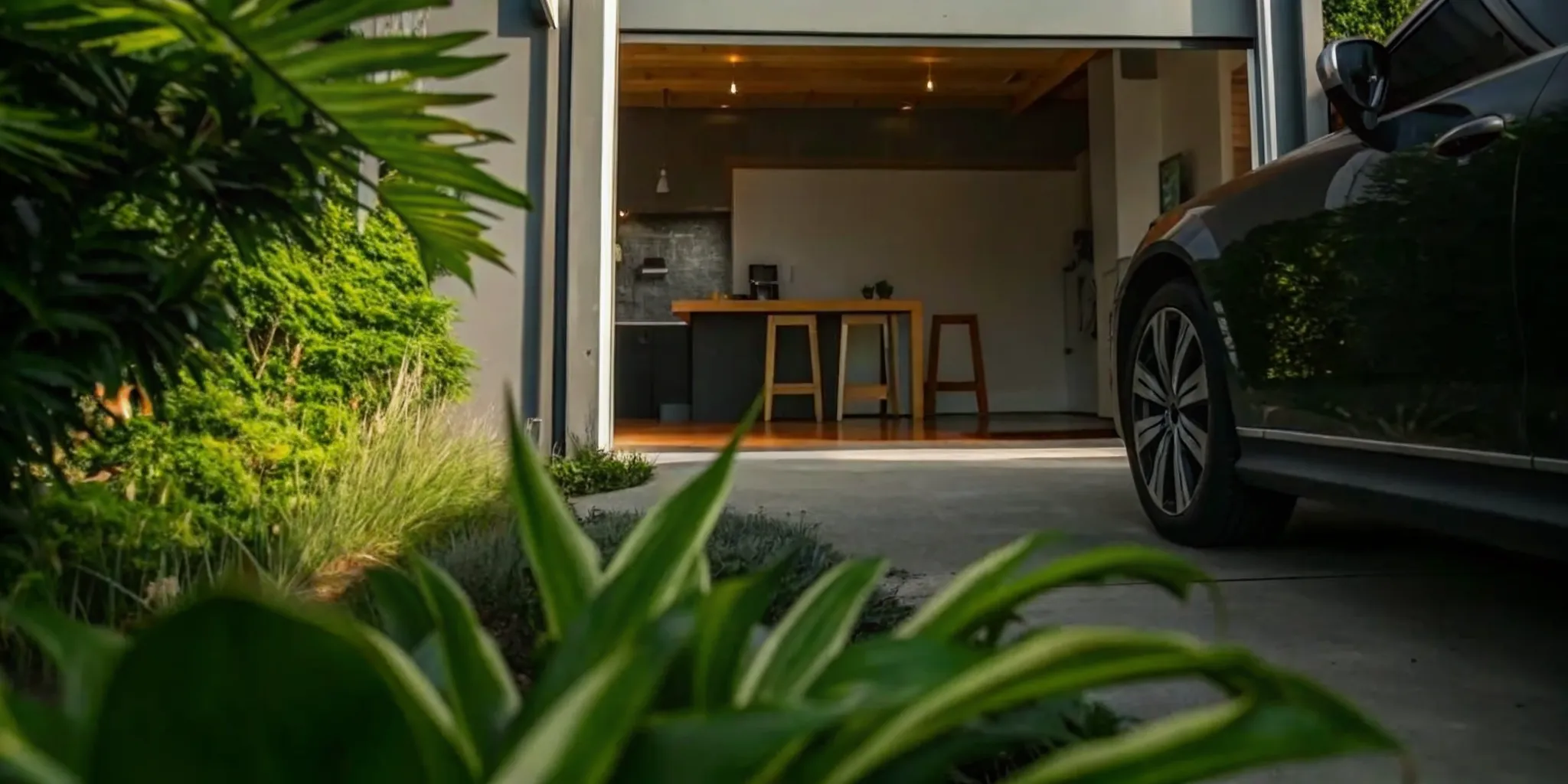
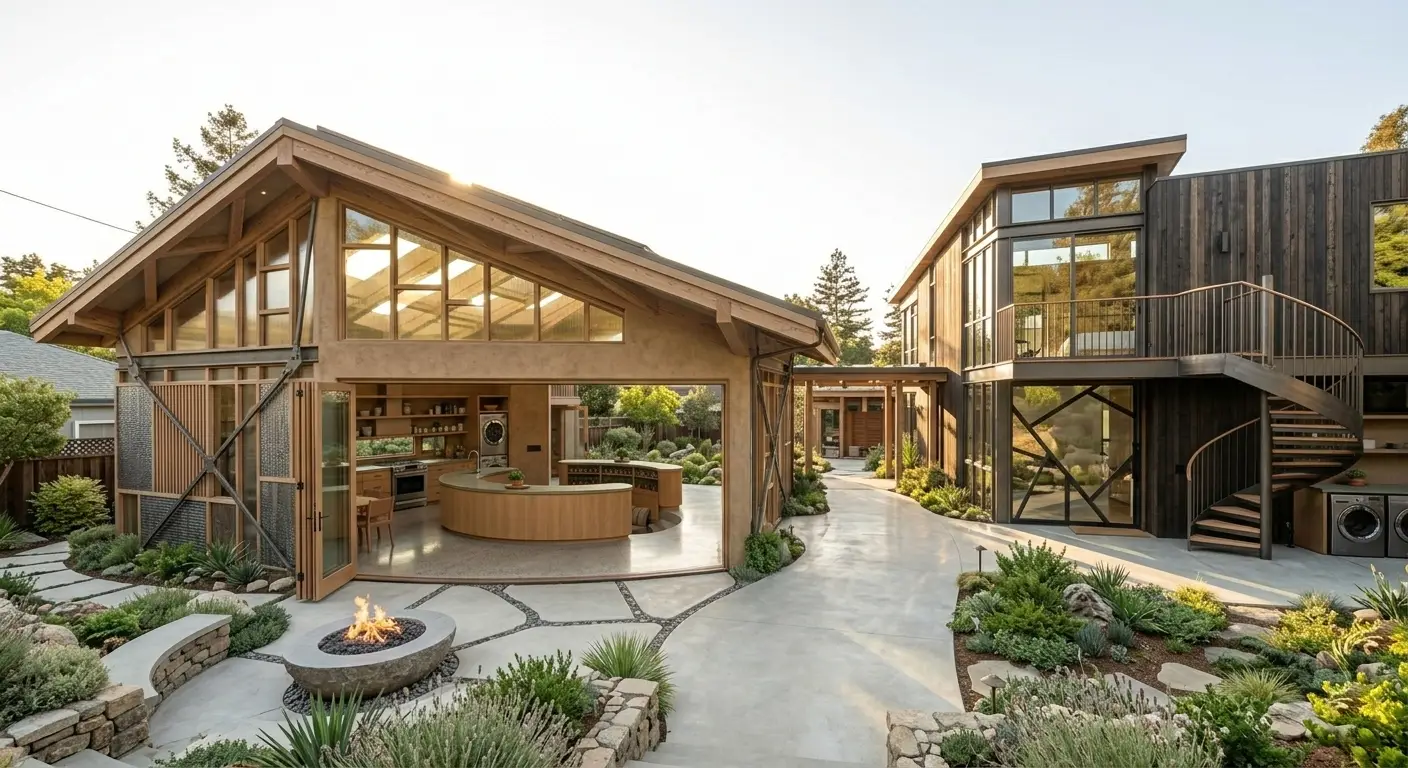
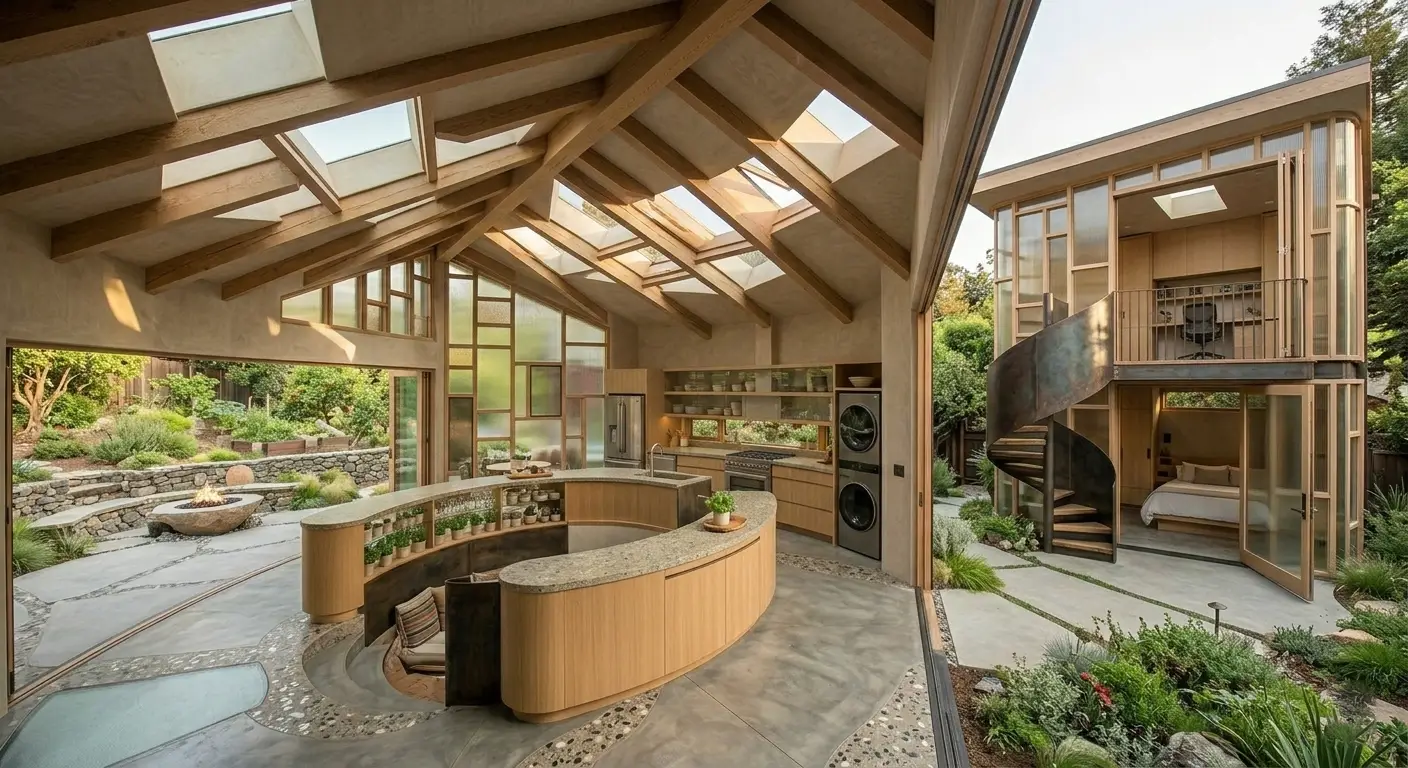
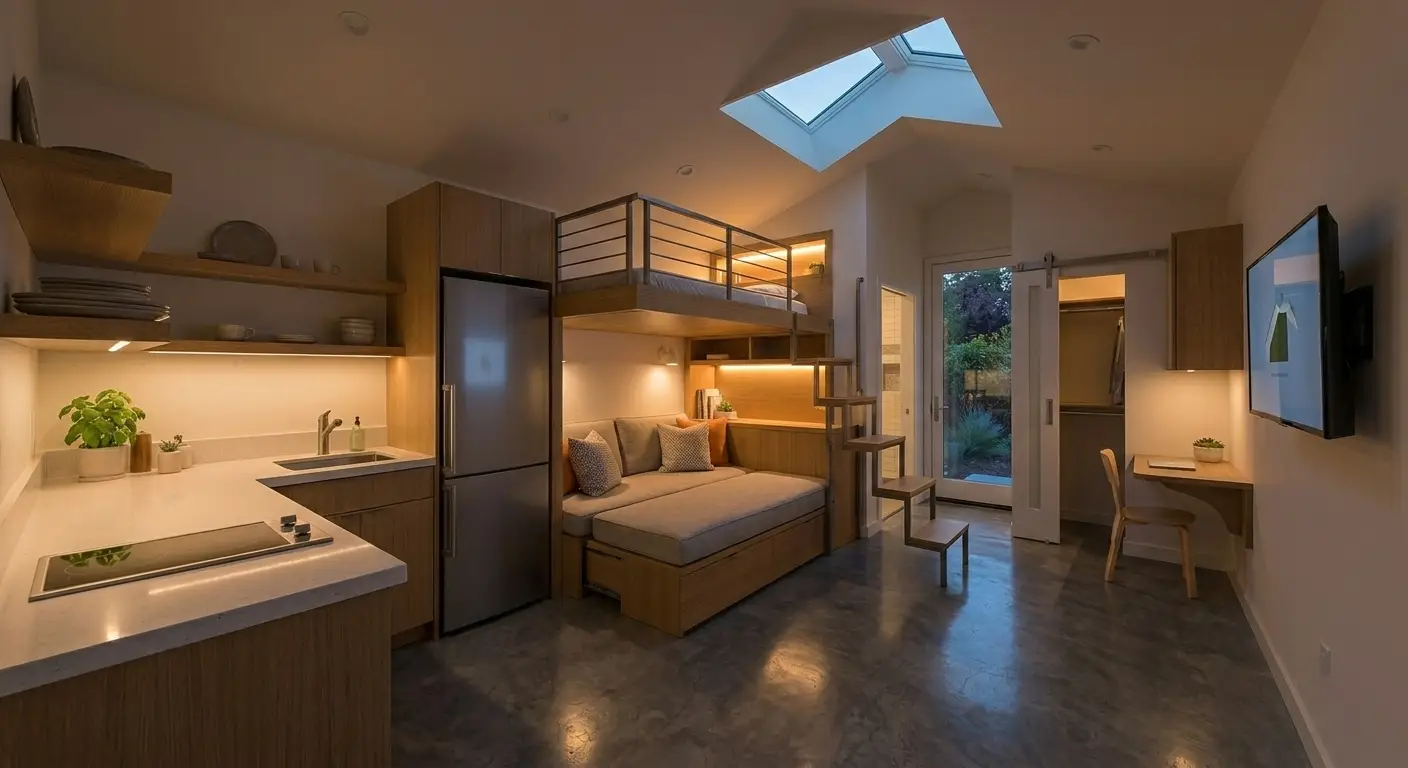
Think of an Accessory Dwelling Unit, or ADU, as a second, smaller home on your property. These are officially defined as secondary housing units on a single-family residential lot. An ADU can be a completely separate, detached structure like a backyard cottage, or it can be attached to your main house. Many homeowners also convert existing spaces, like a garage, into a fully functional living unit. These versatile spaces are fantastic for creating extra room for family members or guests. They can also serve as rental units, providing a new source of income while helping to ease local housing shortages.
Why Permits Are a Must for Safety and Legality
I know, paperwork can feel like a drag, but getting the right permits for your ADU is non-negotiable. It’s the only way to keep your project legal, safe, and protect your investment. A permit ensures your ADU is built to current safety codes and meets all legal standards. This protects you from serious headaches down the road, like fines, lawsuits, or finding out your homeowner's insurance won't cover an unpermitted structure. The good news is that California state law requires local agencies to review ADU plans within 60 days, which helps keep the process moving. Ultimately, a permit is about peace of mind.
Bay Area ADU Permit Timelines: A County-by-County Look
Figuring out the ADU permit process can feel like a journey with a very blurry map. While California state law requires local agencies to review a completed ADU application within 60 days, the total time from your first draft to having a permit in hand is almost always longer. This is because the 60-day clock only starts once your application is deemed "complete," and there are many steps before you even get to that point. You'll need to finalize your design, get architectural and engineering plans drawn up, and possibly go through several rounds of preliminary reviews with your local planning department before they even accept your submission.
The timeline really depends on where you live. Each county, and sometimes each city, has its own unique process, workload, and specific requirements that can add weeks or months to your schedule. Understanding these local differences is the first step to setting a realistic timeline for your project. A little preparation goes a long way in making the process smoother. Working with a dedicated advisor can help you anticipate these local quirks and keep your project on track. To give you a clearer picture, let's break down what you can generally expect in five major Bay Area counties.
San Francisco County
If you're building in San Francisco, patience is key. The city's dense, historic landscape often means more complex reviews. The entire process to get an ADU permit can take anywhere from five to ten months. This longer timeframe accounts for initial design phases, potential revisions requested by the planning department, and the final review before approval. The specifics of your project, like whether you're converting an existing space or building a new detached unit, will play a big role in where you fall within that range. Starting with a clear, complete application is your best bet for staying on the shorter end of that estimate.
Alameda County
Homeowners in Alameda County can often expect a more streamlined experience. Thanks to the state mandate, cities and counties here must review complete applications within 60 days. In practice, most ADU permits are approved in about three to six months from the initial submission. This timeline covers the entire process, from submitting your plans to getting the final stamp of approval. Cities like Oakland and Berkeley fall under this jurisdiction, and while they follow the county's lead, it's always smart to check for any city-specific requirements. This is one of the many Bay Area ADU requirements you'll want to confirm early on.
Santa Clara County
In the heart of Silicon Valley, the ADU permit process in Santa Clara County is a story of two timelines. While the law still mandates a 60-day review period for complete applications, the reality is that the full journey takes longer. For a straightforward project with a well-prepared application, you can expect the process to take three to six months. However, for more complex projects or applications that need revisions, it’s not uncommon for the timeline to stretch to six or even twelve months. This highlights just how much a thorough, accurate submission can impact your ADU permit timeline in California.
Contra Costa County
For those in Contra Costa County, the timeline is often broken into two main phases: plan preparation and permit review. Getting your plans drafted and finalized by an architect or designer typically takes one to three months. Once you submit those plans, the county's review can last anywhere from a few weeks to several months. The final duration really hinges on how complex your ADU design is and how busy the local planning department is at the time. Following the Contra Costa ADU rules closely from the start will help you avoid unnecessary delays and keep your project moving forward smoothly.
Marin County
Marin County generally aligns with the timelines seen in Alameda. The county adheres to the state's 60-day review window for applications that are officially submitted and deemed complete. From start to finish, most homeowners find that their ADU permits are approved within three to six months. This consistency makes it a bit easier to plan your construction schedule. As with any county, the complexity of your design and the completeness of your initial application are the biggest factors that can influence your wait time. Ensuring your plans meet all local codes is a critical step toward a speedy approval.
What Factors Affect Your ADU Permit Timeline?
While California state law sets a 60-day review period for ADU applications, your actual wait time can be quite different. Several key factors can either speed up your approval or add months to your timeline. Understanding these variables from the start helps you set realistic expectations and prepare a strategy for a smoother process. From the design of your unit to the workload at your local planning office, here’s what you need to keep an eye on.
Your Project's Complexity
A straightforward, simple ADU project will almost always move through the permitting process faster than a complex one. If you’re planning a standard garage conversion or a detached unit on a flat, accessible lot, you can generally expect a quicker review. However, projects involving hillside construction, significant grading, new utility trenching, or complex architectural designs will require more detailed plans and closer scrutiny from city officials. A well-prepared, simple project might get a permit in three to six months, but a more complex project can easily take six to twelve months to get the green light.
The Quality of Your Application
One of the most common reasons for delays is an incomplete or inaccurate application. Your local planning department is required to review a complete application within 60 days, but the clock doesn’t start until they have everything they need. A thorough application includes professionally drafted plans, structural calculations, energy compliance forms, and any other documents your city requires. Submitting a package with missing information or errors will get it sent back to you for corrections, pushing your timeline back significantly. Taking the time to double-check every detail with your contractor or designer before you submit is one of the best ways to ensure a smooth ADU review process.
Local Zoning and Regulations
While state laws provide a general framework for ADUs, your project is ultimately governed by local city and county rules. Each jurisdiction has its own specific zoning codes, setback requirements, height limits, and design standards that can impact your plans. For example, some cities have stricter rules for fire-prone areas or specific aesthetic requirements for certain neighborhoods. Failing to account for these local regulations in your design is a surefire way to face revisions and delays. It’s essential to work with a team that understands the nuances of your specific city’s planning code.
The Planning Department's Workload
The timeline for your permit is also heavily influenced by a factor completely out of your control: the planning department’s current workload. If your local office is understaffed or experiencing a high volume of applications, your review will naturally take longer. While the state mandates a 60-day review period for complete applications, a backed-up department may struggle to meet that deadline. There isn’t much you can do to change this, but an experienced local professional can often provide insight into current processing times and help you set a more realistic schedule for your project.
Pre-Approved vs. Custom Designs
Choosing between a pre-approved ADU plan and a fully custom design can have a major impact on your permit timeline. Many cities now offer a portfolio of pre-approved plans that have already been vetted by the planning and building departments. Using one of these designs can cut your review time in half, with some jurisdictions aiming for a 30-day approval. The trade-off is a lack of personalization. A custom design gives you complete creative control, but it requires a full, comprehensive review from scratch. Deciding which path is right for you depends on whether speed or customization is your top priority for your ADU permit.
How to Speed Up the ADU Permitting Process
Waiting for your ADU permit can feel like a test of patience, but you have more control over the timeline than you might think. While every project is unique, a few strategic moves can help you avoid common delays and get your approval notice faster. Think of it as doing your homework upfront to ensure a smoother, quicker process down the line. By being proactive and organized, you can significantly cut down on the back-and-forth with the planning department and move closer to breaking ground.
Prepare Your Documents in Advance
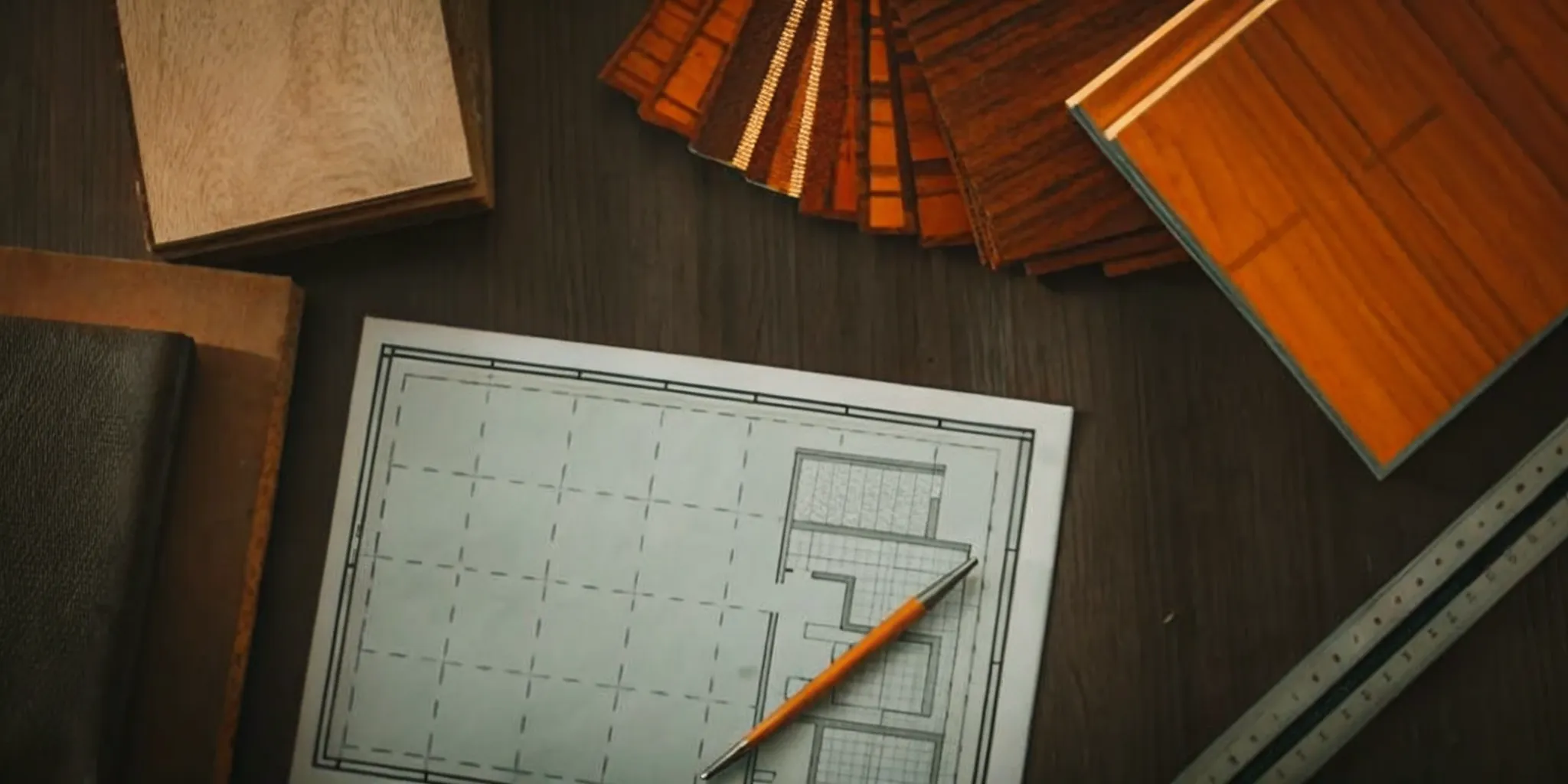
One of the most effective ways to speed up your permit approval is to submit a complete and accurate application from the very beginning. Before you even think about submitting, gather every single document your local planning department requires. This typically includes detailed site plans, floor plans, elevation drawings, and structural calculations. A thorough package shows the city reviewers that you’re organized and serious, which can prevent your application from being pushed to the back of the line for missing information. Taking the time to double-check everything ensures you get it right the first time, avoiding costly delays and revision requests.
Use Pre-Approved ADU Plans
If speed is your top priority, consider using a pre-approved ADU plan. Many cities across the Bay Area, including San Jose, offer a gallery of designs that have already passed city review for compliance with building codes and zoning regulations. Choosing one of these plans can shave weeks or even months off your approval timeline because the bulk of the review work is already done. While you’ll have less room for customization, the trade-off is a significantly faster and more predictable path to getting your permit in hand.
Hire an Experienced Local Contractor
Working with a professional who knows the ins and outs of your local permit process is a game-changer. An experienced local contractor or architect has likely managed dozens of ADU projects in your area. They understand the specific codes, know what local plan checkers look for, and may even have established relationships with officials at the planning department. This expertise helps you avoid common mistakes that can stall an application. A seasoned pro can guide your project smoothly through the system, making them an invaluable part of your team and a key reason Why Realm connects homeowners with a dedicated advisor and vetted contractors.
Talk to Planning Officials Early
Don’t wait until you’re ready to submit your application to connect with your local planning department. Engaging with them early in the process is a smart, proactive step. A quick meeting or phone call can help you clarify critical requirements specific to your property, such as setback rules, height restrictions, or utility connection procedures. This initial conversation allows you to address potential issues before you’ve invested significant time and money into your final designs. Getting answers to your questions upfront ensures your plans are on the right track from day one, preventing the need for major revisions later.
Know Your County's Specific Rules
While California state law requires cities to approve or deny a completed ADU application within 60 days, local regulations can still influence your timeline. Each city and county in the Bay Area has its own set of specific rules that can add layers to the process. For example, some municipalities have unique design standards, parking requirements, or regulations for properties in historic districts. It’s crucial to research your local ADU ordinance to understand the exact requirements you need to meet. Being familiar with these rules helps you and your team prepare an application that sails through review without a hitch.
Permit Approved! What Happens Next?
Getting that permit approval is a huge milestone, so take a moment to celebrate! You’ve successfully completed one of the most complex parts of the ADU process. Now, you can shift your focus from paperwork to the physical build. With the green light from your county, it’s time to line up your contractor, break ground, and bring your new space to life. This next phase is all about careful scheduling, coordination, and a series of important check-ins to ensure everything is built safely and to code. Let's walk through the key steps that follow your permit approval.
Scheduling Construction and Inspections
With your approved permit in hand, you and your contractor can create a detailed construction schedule. The entire ADU process, from the very first sketch to the final walkthrough, often takes between six and 12 months. The active construction phase itself typically lasts about four to six months. Your contractor will map out the project's timeline, which includes critical checkpoints for city or county inspections. These aren't just at the end; inspections happen at multiple stages, such as after the foundation is poured, the framing is up, and the electrical and plumbing systems are installed. A clear schedule helps everyone stay on the same page and keeps the project moving forward.
Coordinating Utility Connections
One of the most common hurdles in any ADU build is connecting the new unit to essential utilities like water, power, and sewer. Your main home's existing infrastructure might need upgrades to handle the additional load, which can sometimes add to your budget and timeline. This is why early and frequent communication between your contractor and local utility companies is so important. An experienced team will anticipate these needs and begin the coordination process well in advance. Having a vetted professional who understands local requirements can make this step much smoother and prevent unnecessary delays while you wait for hookups.
Passing Final Inspections
The final inspection is the last major step before your ADU is officially ready for use. An inspector will visit the site to confirm that the completed construction matches the approved plans and meets all local building and safety codes. It’s important to know that if an issue is flagged, it doesn’t necessarily mean a major mistake was made. Sometimes, it’s a minor discrepancy that needs a quick fix. A good contractor will promptly address any feedback from the inspector to get that final sign-off. Passing this inspection is your assurance that the ADU is safe, compliant, and built to last, giving you peace of mind as you prepare to use your new space.
Related Articles
- How to Get an ADU Approved: A Step-by-Step Guide
- ADU Zoning 101: What Homeowners Need to Know
- The 500 Sqft Threshold: Why It's the Most Popular ADU Size in California
Frequently Asked Questions
Is the 60-day permit review a guarantee? Not exactly. While state law requires local agencies to review a complete application within 60 days, that clock doesn't start until your submission is officially accepted. The total time from your first sketch to having a permit in hand is almost always longer, as it includes the design phase, plan preparation, and any preliminary reviews or corrections required by the city before they even consider your application complete.
What's the single biggest thing I can do to avoid delays? The most effective way to prevent setbacks is to submit a flawless application. An incomplete or inaccurate submission is the number one reason projects get stalled. Before you submit, work with your team to ensure every document is included and correct, from the architectural drawings and structural calculations to the energy compliance forms. Getting it right the first time saves you from the back-and-forth of revisions.
Can I manage the permit process myself, or should I hire a professional? While it's technically possible to manage the process on your own, the learning curve is steep. Hiring an experienced local professional, like a contractor or architect who specializes in ADUs, can be a huge advantage. They understand the specific codes in your city, know what plan checkers look for, and can help you avoid common mistakes. Their expertise is often the key to a smoother, faster approval.
Are pre-approved plans a better option than a custom design? It really depends on your priorities. If your main goal is to get your ADU built as quickly as possible, a pre-approved plan is a fantastic choice. These designs have already been vetted by the city, which can cut your review time significantly. However, if you have a specific vision and want full control over the layout and style, a custom design is the way to go, just be prepared for a longer and more detailed review process.
Once my permit is approved, what are the next major steps? Getting your permit is a huge win, and it signals the shift from planning to building. Your next steps involve working with your contractor to finalize a construction schedule, coordinating with local utility companies to arrange for water and power connections, and preparing for a series of on-site inspections. These inspections happen at key stages, like after the foundation is poured and the framing is complete, to ensure everything is built safely and to code.