How to Get Renovation Bids: A Homeowner's Guide
Learn how to get renovation bids with clear steps for homeowners. Compare contractor proposals, avoid common pitfalls, and make confident renovation decisions.
|
April 25, 2026

In this article:
You’ve talked to three different contractors, and now you have three proposals sitting on your kitchen table. The problem? They look nothing alike. One is a single number on an invoice, another is a detailed spreadsheet, and the third seems to be missing half the project. This apples-to-oranges comparison is a common frustration for homeowners, but it’s completely avoidable. The secret to getting clear, comparable proposals lies in how you ask for them. We’ll show you how to get renovation bids that are easy to evaluate by creating a detailed request that gives every contractor the exact same information to work from.
Key Takeaways
- A detailed plan gets you better bids: Before you contact contractors, define your project scope, set a realistic budget, and list your specific material choices. This preparation ensures you receive accurate proposals that are easy to compare.
- Look for value, not just the lowest price: The cheapest offer can hide risks like low-quality materials or an incomplete plan. Analyze each proposal line by line, check contractor credentials, and choose the partner who provides the best overall value.
- Always get at least three bids: Comparing multiple offers is the best way to understand fair market costs and spot potential red flags. Use this process to ask clarifying questions and assess a contractor's communication style before you commit.
What Is a Renovation Bid?
Think of a renovation bid as a formal proposal from a contractor. It’s much more than just a price tag; it’s a detailed document that outlines the entire plan for your project. A good bid breaks down the estimated costs for labor and materials, provides a projected timeline, and clearly defines the scope of work. Essentially, it’s the contractor’s official offer to turn your renovation vision into a reality for a specific price. This document will become your roadmap for comparing potential partners and making sure everyone is on the same page before any work begins.
How the Bidding Process Works
The bidding process kicks off once you have a clear idea of your project. You’ll share your plans and requirements with a few potential contractors. This is why having detailed project specifications is so important; the more information you can provide, the more accurate and comparable your bids will be. Contractors then use your details to estimate costs for everything from lumber and paint to the hours their team will spend on site. After their review, they’ll submit their formal bid for you to evaluate. This is your chance to see how different professionals approach your project, what they include, and how they price their services.
Why You Should Get Multiple Bids
Getting bids from at least three different contractors is one of the smartest moves you can make. It’s not just about finding the lowest price. Comparing multiple offers gives you a much clearer picture of the project’s true cost and helps you understand what a fair market rate looks like. It also allows you to see different approaches to your renovation. One contractor might suggest a different material or a more efficient timeline. Reviewing several bids helps you spot potential red flags, like a price that seems too low, and gives you the insight you need to choose a reliable contractor who offers the best value, not just the cheapest quote.
What Are the Different Types of Renovation Bids?
When contractor bids start rolling in, you’ll notice they aren’t all structured the same way. Understanding the different types of bids is key to comparing them accurately and choosing the right partner for your project. Contractors typically structure their pricing in a few common ways, each with its own implications for your budget and level of involvement. Knowing the difference will help you ask the right questions and ensure there are no surprises down the road. Let's break down the most common formats you'll encounter.
Labor-Only vs. All-Inclusive Bids
One of the first distinctions you'll see is how materials are handled. A labor-only bid means the contractor’s price covers just the work their team performs, like demolition, framing, and installation. With this option, you are responsible for purchasing all the materials, from tile and faucets to cabinets and light fixtures. You also have to manage their delivery to the job site. An all-inclusive bid, on the other hand, means the contractor’s price covers both labor and all the necessary materials. They take on the responsibility of sourcing, purchasing, and managing everything needed to complete the job, which can simplify the renovation process for you.
Fixed-Price vs. Time and Materials Bids
Another key difference is how the total cost is calculated. A fixed-price bid (also called a lump-sum bid) is exactly what it sounds like: one set price for the entire project as defined in the scope of work. This offers predictability and makes it easier to stick to a budget. In contrast, a time and materials (T&M) bid means you pay for the actual hours worked and the cost of materials, plus a markup for the contractor's overhead and profit. While T&M can offer flexibility if the project scope is uncertain, it also carries more financial risk for you, as the final cost isn't set in stone from the start.
How to Prepare for Renovation Bids
The secret to getting clear, comparable renovation bids isn't a secret at all: it's preparation. When you do the upfront work to define your project, set your expectations, and find the right people to talk to, you make the entire process smoother for yourself and the contractors. A well-prepared homeowner gets better bids, which leads to a better project outcome. Taking these steps ensures you can confidently compare your options and choose the right partner for your renovation.
Define Your Project Scope and Goals
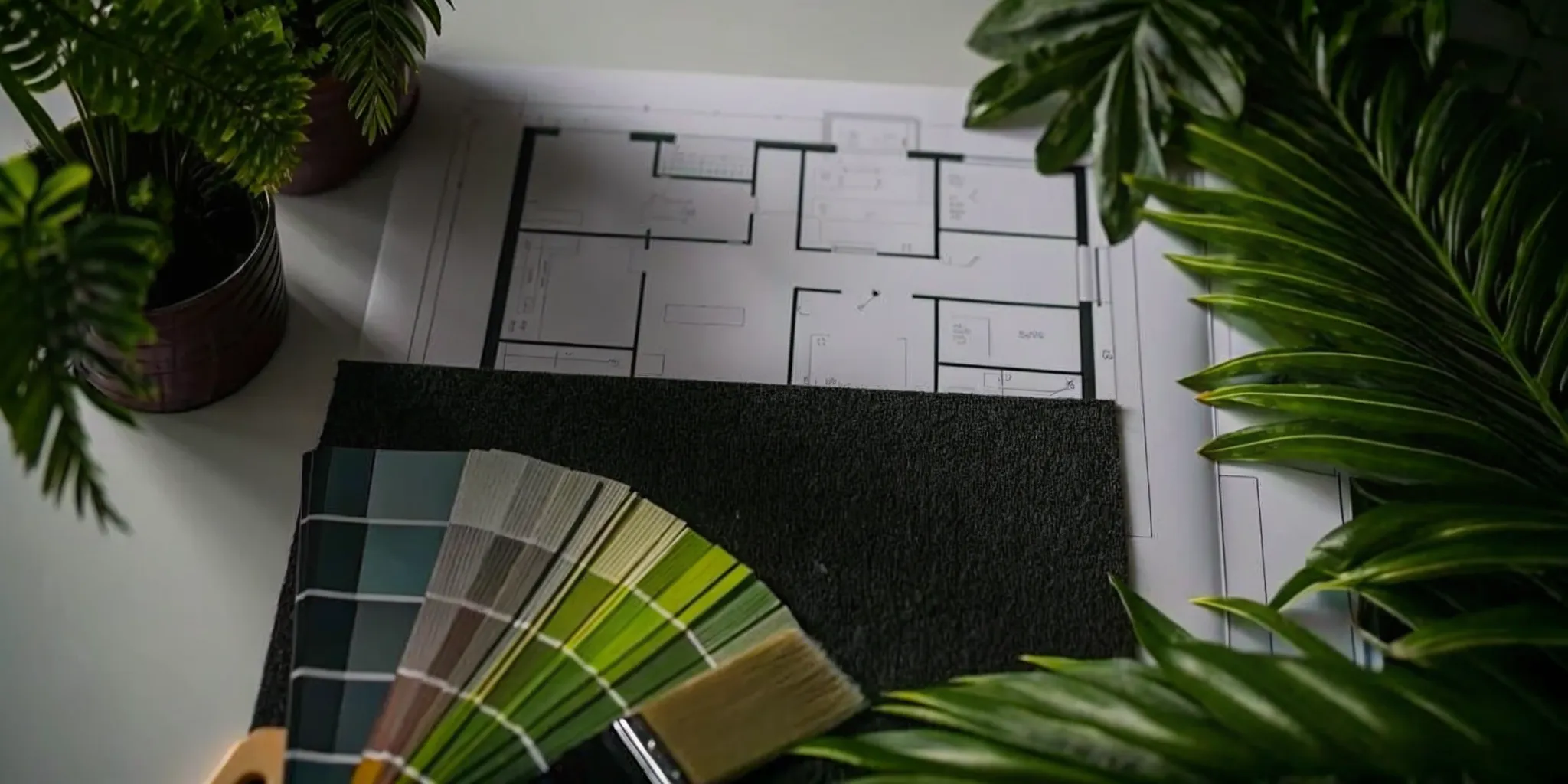
Before you can ask a contractor for a price, you need to know exactly what you're asking for. A detailed project scope is your best tool for getting accurate bids. Start by creating a document that outlines everything you want to accomplish, from major changes like moving walls to smaller details like the style of cabinet pulls. Include inspiration photos, floor plan sketches, and a list of must-haves versus nice-to-haves. The more specific you are, the less room there is for guesswork, which means the bids you receive will be a more accurate reflection of your vision.
Set Your Budget and Timeline
Your budget is more than just a number; it’s a critical tool that helps guide decision-making for you and your potential contractor. Be realistic about what you can spend and communicate that number upfront. This helps contractors propose solutions that fit within your financial comfort zone. The same goes for your timeline. Have a clear idea of when you’d like the project to start and finish, while also being open to a contractor’s expert opinion on what’s feasible. When you start receiving proposals, make sure the contractor provides detailed written estimates and a clear project schedule.
Find and Vet Potential Contractors
Finding a great contractor is about more than a quick online search. Look for professionals with a strong local reputation and a portfolio of similar projects that shows they have relevant experience. Once you have a shortlist, the vetting process begins. Verify their license and insurance, and always ask for references from recent clients. Don’t just get the names; actually contact these references to ask about their experience with communication, quality, and timeliness. This is a crucial step that many homeowners skip, but it provides invaluable insight into what it’s really like to work with that contractor.
What to Include in Your Bid Request
Think of your bid request as the blueprint for your project's success. The more detailed and clear you are, the more accurate and comparable your bids will be. A thorough request helps contractors understand exactly what you want, which means fewer surprises and misunderstandings down the road. When you send the same detailed document to every contractor, you ensure you’re getting apples-to-apples comparisons, making your final decision much easier. This isn't just about getting a price; it's about communicating your vision so effectively that a contractor can see it, plan for it, and price it accurately.
Your goal is to create a comprehensive package that gives potential contractors all the information they need to provide a thoughtful and precise estimate. This document, sometimes called a Request for Proposal (RFP), should include everything from your project vision to the specific materials you have in mind. Taking the time to prepare this now will save you countless hours and potential headaches later. A vague request like "remodel my kitchen" will get you vague bids that are impossible to compare. One contractor might assume laminate countertops while another quotes for high-end quartz. This is why detail is your best friend in this process. At Realm, our advisors help you create a detailed project scope to ensure every contractor bids on the exact same plan, removing the guesswork for both you and the professionals you're hiring. We help you translate your ideas into a language that contractors understand, leading to better bids and a smoother project.
Key Project Details
Start with a clear and concise overview of your project. Explain what you want to achieve and why it’s important to you. Are you remodeling a kitchen to create a more open, family-friendly space? Are you adding a bathroom to accommodate a growing family? State your goals clearly. Next, outline the "scope of work." This is simply a detailed list of all the tasks involved in the project. It should cover everything from demolition and construction to the specific labor and equipment required. For example, instead of just saying "remodel bathroom," your scope of work might include "demolish existing tile floor, install new cement board and porcelain tile, replace vanity and toilet, install new lighting fixture, and repaint walls." The more specific you are, the more accurate the contractor's bid will be.
Material and Finish Specifications
This is where you get into the nitty-gritty details that define the look and feel of your finished space. Be as specific as possible about the materials and finishes you want. Instead of "hardwood floors," specify "5-inch wide white oak plank flooring with a natural matte finish." If you have specific brands, model numbers, or colors for things like paint, faucets, tiles, or appliances, include them. Creating a "spec sheet" with links and photos for each item can be incredibly helpful for contractors. This level of detail prevents them from having to guess or use generic allowances in their bids, which can lead to unexpected costs later. Providing these specifications ensures that every bid you receive is based on the same quality and style of materials.
Your Expected Timeline
A successful renovation runs on a clear schedule. In your bid request, be sure to include your ideal timeline for the project. When would you like the work to start, and when do you need it to be completed? Be realistic, but don't be afraid to state your preferences. This helps contractors determine if they have the availability to take on your project within your desired timeframe. You should also set a firm deadline for when you need to receive the bids. Giving contractors a clear due date, typically about two weeks, shows that you’re organized and serious about your project. It also ensures you get all the proposals back in a timely manner so you can begin the comparison process without delay.
Proposed Payment Schedule
While the contractor will ultimately outline their payment terms in the final contract, it’s helpful to include your proposed payment schedule in the bid request. This shows that you’ve thought through the financial aspects of the project and helps set clear expectations from the start. A common structure is to pay an initial deposit, followed by several payments tied to specific project milestones (like the completion of framing or drywall), with a final payment due upon project completion. Including a proposed schedule gives you a starting point for negotiation and helps you understand how each contractor prefers to manage project finances. The Realm platform helps you manage payments to your contractor, giving you peace of mind that funds are released only when work is verified.
How to Compare Renovation Bids
Once you have a few bids in hand, it’s time to compare them. This step is about more than just finding the lowest price; it’s about finding the best value and the right partner for your project. A thoughtful comparison will help you choose a contractor who will deliver quality work on time and within budget, saving you from potential headaches down the road. By looking at each proposal carefully, you can make an informed decision that you’ll feel confident about.
Look Beyond the Bottom Line
It’s tempting to immediately choose the bid with the lowest price, but that can be a mistake. The cheapest option isn’t always the best one. A significantly lower bid might mean the contractor is using lower-quality materials, cutting corners, or doesn't fully understand the project's scope. Instead, think about the overall value. Consider the contractor's experience, reputation, and communication style. A slightly more expensive bid from a highly-rated, reliable contractor often provides better long-term value and peace of mind. Realm helps you connect with vetted professionals who are known for delivering quality work, making this comparison easier.
Clarify What's Included (and What's Not)
Lay your bids out side-by-side and compare them line by line. A professional bid should be detailed, clearly outlining the scope of work. Make sure each estimate specifies what is included, from labor and materials to permits and cleanup. If one bid seems vague or is missing key details, ask for clarification. A thorough estimate helps prevent misunderstandings and unexpected costs later on. For example, does the bid include the specific brand of paint you wanted or just a generic "high-quality paint"? Getting these details in writing ensures everyone is on the same page before any work begins.
Check Credentials and References
Before you sign a contract, do your homework. Verify that each contractor you’re seriously considering has the necessary licenses and insurance for your area. This protects you in case of accidents or property damage. Don’t just ask for references, actually call them. Ask past clients about their experience. Were they happy with the quality of the work? Did the contractor stick to the timeline and budget? How did they handle challenges when they came up? A contractor’s willingness to provide this information is a good sign of their professionalism and confidence in their work.
Spot Common Red Flags
As you review bids and talk to contractors, keep an eye out for red flags. Be cautious if a contractor gives you a vague estimate, pressures you to make a decision immediately, or asks for a large upfront cash payment. Poor communication is another warning sign; if they are hard to reach during the bidding process, imagine what it will be like once the project starts. A reputable contractor will be transparent, answer your questions patiently, and provide a clear, detailed proposal. Trust your intuition. If something feels off, it’s worth taking a step back to explore your options.
How to Handle Bidding Challenges
The bidding process can feel like the trickiest part of any renovation. From vague estimates to surprise costs, several challenges can pop up. The key is to anticipate these issues and have a plan. When you know what to look for and what questions to ask, you can move forward with confidence. By focusing on clarity, thorough planning, and open communication, you can effectively manage the process and find the right partner for your project.
Dealing with Unclear or Incomplete Bids
If a bid seems too simple, it probably is. A single number on a piece of paper isn’t enough information to make a decision. A professional contractor should provide a detailed written estimate that breaks down the costs for labor, materials, permits, and other expenses. If you receive a vague bid, don’t hesitate to ask for a more detailed version. This clarity helps prevent misunderstandings down the road and ensures you’re comparing all your bids accurately. A clear renovation contract is your best tool for setting clear expectations from day one.
Addressing Unexpected Costs
The fear of a project going over budget is real, but it can be managed. The best way to mitigate this risk is to hire a contractor with years of experience on projects similar to yours. Seasoned pros are better at anticipating potential issues and will often include a contingency line item in their bid. You should also have your own contingency fund, typically 10% to 20% of the total project cost, set aside for any surprises. An experienced contractor will be transparent about where costs could potentially increase, helping you plan accordingly.
Managing Project Details
A great bid is more than just a price; it’s a reflection of a contractor’s organizational skills. When you review a bid, look for a clear outline of the project details and a proposed timeline. A well-organized contractor who demonstrates strong project planning capabilities is more likely to keep your renovation on track. Don’t be afraid to ask how they manage their projects, communicate updates, and handle scheduling. This gives you insight into their professionalism and helps you manage your own expectations for the project’s timeline.
Keeping Communication Clear
Effective communication is the foundation of a successful renovation. Before you even sign a contract, discuss how you and your contractor will stay in touch throughout the project. Establish a communication plan that works for both of you, whether it’s a weekly check-in call, daily texts, or a shared project management app. By focusing on transparency and professionalism from the start, you can build a strong working relationship. This ensures a smoother construction experience and helps you resolve any issues that arise quickly and collaboratively.
Related Articles
- How to Compare Home Renovation Bids Like a Pro
- How to Hire a General Contractor for House Renovation
- How to Find a Good Contractor for Renovations: A Checklist
- Breaking Down Your Full Interior Renovation Cost
Frequently Asked Questions
What should I do if all the bids I receive are higher than my budget? First, don't panic. This is actually very common and provides valuable information about the true cost of your project in your area. Your next step is to have a transparent conversation with the contractors whose bids you liked best. Ask them to walk you through their proposal to help you understand where the costs are coming from. Often, you can work together to identify areas where you can adjust the scope or select different materials to bring the price down without sacrificing your main goals.
How specific do I really need to be about materials in my bid request? The more specific you are, the better. Think of it this way: if you just say "new kitchen faucet," one contractor might quote for a basic $150 model while another quotes for a high-end $700 one. This makes it impossible to compare their bids fairly. By providing the exact brand and model number you want, you ensure every contractor is pricing the exact same item, which gives you a true apples-to-apples comparison of their labor and management costs.
Is it okay to negotiate a contractor's bid? Yes, but it's best to approach it as a conversation rather than a negotiation. Instead of just asking for a lower price, ask questions to understand the bid better. You might say, "This is a bit more than we budgeted for. Are there any areas where we could adjust the scope or materials to align the cost with our budget?" This opens the door for a collaborative discussion where you and the contractor can find solutions together, which is a great way to start a working relationship.
Why would a contractor propose a "time and materials" bid instead of a fixed price? Contractors often use time and materials bids for projects where the scope is difficult to define upfront. This might happen in older homes where they can't be sure what they'll find behind a wall, or for projects where you want to make design decisions as you go. While a fixed-price bid offers more budget certainty for you, a time and materials structure can provide more flexibility when there are a lot of unknowns.
How can I tell if a bid is suspiciously low? A bid that is significantly lower than all the others is a major red flag. It could mean the contractor missed something important in your project scope, plans to use subpar materials, or isn't properly licensed and insured. To investigate, compare the low bid line-by-line against the others. Is anything missing? Does it lack detail? A professional, thorough bid is a sign of a professional, thorough contractor, and that's often worth paying a fair price for.