Breaking Down Your Full Interior Renovation Cost
Get a clear look at full interior renovation cost, with tips on budgeting, common expenses, and smart ways to plan your next home remodel.
|
January 8, 2026
In this article:
A renovation budget is your project’s roadmap, but it’s surprisingly easy to take a wrong turn. Many homeowners start with a number in mind, only to see it spiral out of control due to overlooked expenses and unexpected issues hiding behind the walls. The stress of a runaway budget can overshadow the excitement of creating your dream space. The best way to stay in control is to anticipate the common pitfalls from the very beginning. From underestimating labor to forgetting a contingency fund, we’ll walk you through the biggest budgeting mistakes and how to avoid them. Understanding the real full interior renovation cost means planning for the knowns and the unknowns, ensuring your project finishes on track and on budget.
Key Takeaways
- Know What Really Drives the Cost: Your final price tag is determined by four main factors: your home's location, its age and condition, the quality of materials you select, and the scope of any structural changes. Understanding these from the start is the key to building a realistic budget.
- Treat a Contingency Fund as Essential: Renovations often uncover surprises like old wiring or hidden leaks. Plan for the unexpected by setting aside an extra 10-20% of your total project cost. This financial cushion ensures that a small hiccup won't derail your budget or force you to compromise on your vision.
- Vet Your Contractor Thoroughly: The right professional is crucial for a successful project. Always get at least three detailed quotes, verify that every contractor is licensed and insured, and insist on a comprehensive written contract before any work begins to protect your investment.
What's the Real Cost of a Full Interior Renovation?
Figuring out the cost of a full interior renovation can feel like trying to hit a moving target. The truth is, there’s no single price tag. Your final bill depends on a few big factors, primarily the size of your home and where you live. Most homeowners spend somewhere between $19,480 and $88,369 on a whole-house remodel, but that’s a huge range. A small, simple update might only cost a few thousand dollars, while a high-end, custom overhaul could easily reach $190,000 or more. To get a clearer picture, it helps to break down the two biggest variables: your home’s square footage and your zip code. Understanding these factors is the first step toward building a realistic budget and bringing your vision to life without any major financial surprises.
How Home Size Affects Price
It makes sense that the bigger your house, the more a renovation will cost. More space means more materials and more labor hours. For a typical home around 1,500 square feet, the average renovation cost is about $52,000. Another way to look at it is cost per square foot, which can range from $15 to $60 for standard finishes. If you’re planning a more luxurious project with high-end materials, you might see that figure jump to $100 to $250 per square foot. Think of these numbers as a starting point to help you estimate your project's budget before you get into the specifics of materials and finishes.
Why Your Location Matters
Where you live plays a massive role in your total renovation cost. The exact same project can have a dramatically different price tag from one city to another, largely due to differences in local labor rates. For example, the average renovation in a city like San Francisco is significantly higher than in other parts of the country. This is especially true in the metro areas Realm serves, like the SF Bay Area, Los Angeles, and Seattle, where demand for skilled contractors is high. Beyond labor, the cost of materials and even local permit fees can vary by county, making your location a key piece of the budget puzzle.
What Drives Up Renovation Costs?
When you’re trying to pin down a budget, it can feel like you’re aiming at a moving target. While every project is unique, a few key factors consistently influence the final price tag. Understanding these variables from the start helps you create a more realistic budget and make smarter decisions about where to invest your money. From your home’s location and age to the materials you choose, these are the four biggest drivers behind your total renovation cost.
Local Labor Rates
Where you live plays a huge role in your renovation bill. Labor costs for skilled tradespeople—think electricians, plumbers, and carpenters—can vary dramatically from one city to another. In markets like the San Francisco Bay Area or Los Angeles, higher demand and cost of living mean you’ll pay more for professional labor than you would in other parts of the country. Local permit fees also differ by municipality and can add a surprising amount to your total. It’s always a good idea to research local construction costs early in your planning process to get a baseline for your area.
Your Home's Age and Condition
Older homes have a certain charm, but they can also hide expensive secrets. If your house was built several decades ago, a renovation often involves more than just cosmetic updates. You may need to replace outdated electrical wiring, aging plumbing, or inefficient HVAC systems to meet modern building codes. Renovating older homes can also uncover hidden issues like termite or water damage that must be addressed. Because of these unknowns, a full renovation on an older home often starts at a higher price point, sometimes beginning around $100,000, simply to bring the core systems up to date.
Quality of Materials and Finishes
This is where you have the most control over your budget. Your choices in materials and finishes can swing your final cost by tens of thousands of dollars. For example, opting for high-end materials like custom cabinetry and marble countertops can easily double your kitchen remodel costs compared to choosing quality stock cabinets and laminate counters. The same goes for flooring, tile, light fixtures, and appliances. A great strategy is to decide where you want to splurge on high-impact features and where you can save with more budget-friendly options that still deliver the look you want.
Scope of Structural Work
Any project that changes your home’s layout or structure will significantly increase costs. This includes tasks like removing walls to create an open-concept living space, adding new windows, or altering your roofline. These changes require careful planning, engineering, and more intensive labor. Foundation issues are a particularly big deal; problems with a home's foundation are often the most expensive and difficult to fix. Structural work isn't a DIY-friendly area and requires a team of qualified professionals, including an architect or structural engineer, to ensure everything is done safely and correctly, which adds to the overall project management expense.
A Room-by-Room Renovation Cost Guide
So, what does it actually cost to renovate your home? The answer depends entirely on which rooms you’re tackling. A project’s price tag is tied to the complexity of the work, the materials you choose, and the types of professionals needed to get the job done. Kitchens and bathrooms, with their intricate web of plumbing, electrical, and high-end finishes, will always command a larger budget than a bedroom that just needs a fresh coat of paint and new flooring.
Think of the following numbers as a starting point—a way to frame your expectations before you start planning in earnest. These are national averages, and costs in areas like Los Angeles or the Bay Area will likely be higher due to local labor rates and material pricing. The best way to get a true sense of your potential investment is to develop a customized plan that reflects your home, your goals, and your local market. Let’s walk through the typical cost ranges for the most common renovation projects.
Kitchen Renovation Costs
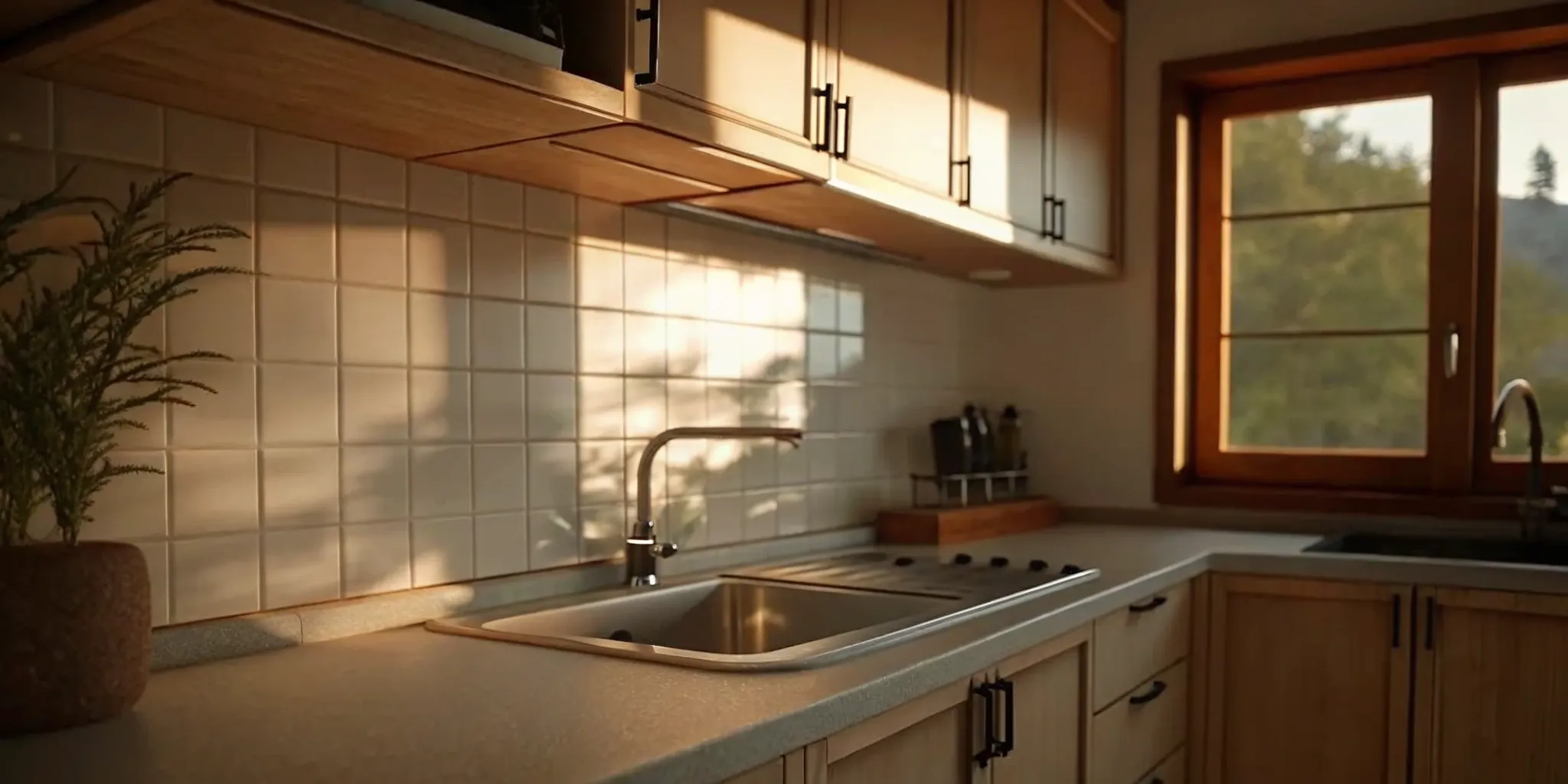
The kitchen is the heart of the home, and it’s also one of the most expensive rooms to renovate. A minor refresh with new paint, hardware, and maybe a new appliance or two could cost around $15,000. However, most homeowners who undertake a full kitchen remodel spend an average of $30,000. If you’re dreaming of a complete overhaul with custom cabinets, stone countertops, high-end appliances, and a new layout, you can expect the cost to exceed $60,000. The biggest cost drivers here are cabinetry, appliances, and any work that involves moving plumbing or electrical lines to create a more functional space.
Bathroom Remodel Costs
A bathroom remodel follows a similar pattern to a kitchen, just on a smaller scale. You can expect costs to range from $8,000 to $20,000 for a standard bathroom update. This typically includes a new vanity, toilet, fixtures, and fresh tile. For a high-end primary bathroom with luxury finishes like a freestanding tub, a custom walk-in shower, and premium materials, expenses can easily climb over $30,000. Just like in the kitchen, the price increases significantly if you decide to change the room’s layout. Moving a toilet or shower drain requires a plumber and can add a surprising amount to your final bill.
Living Room and Bedroom Costs
Compared to kitchens and baths, renovating living rooms and bedrooms is much more straightforward and affordable. A living room update typically costs between $5,000 and $10,000. For bedrooms, the range is even lower, from about $1,500 to $5,500. These costs generally cover cosmetic improvements like new paint, flooring, updated light fixtures, and perhaps some custom built-in shelving. Since these rooms don’t involve plumbing and have simpler electrical needs, the labor is less intensive, which helps keep the budget in check. It’s a great way to make a big visual impact without a massive financial commitment.
Other Spaces and Specialty Rooms
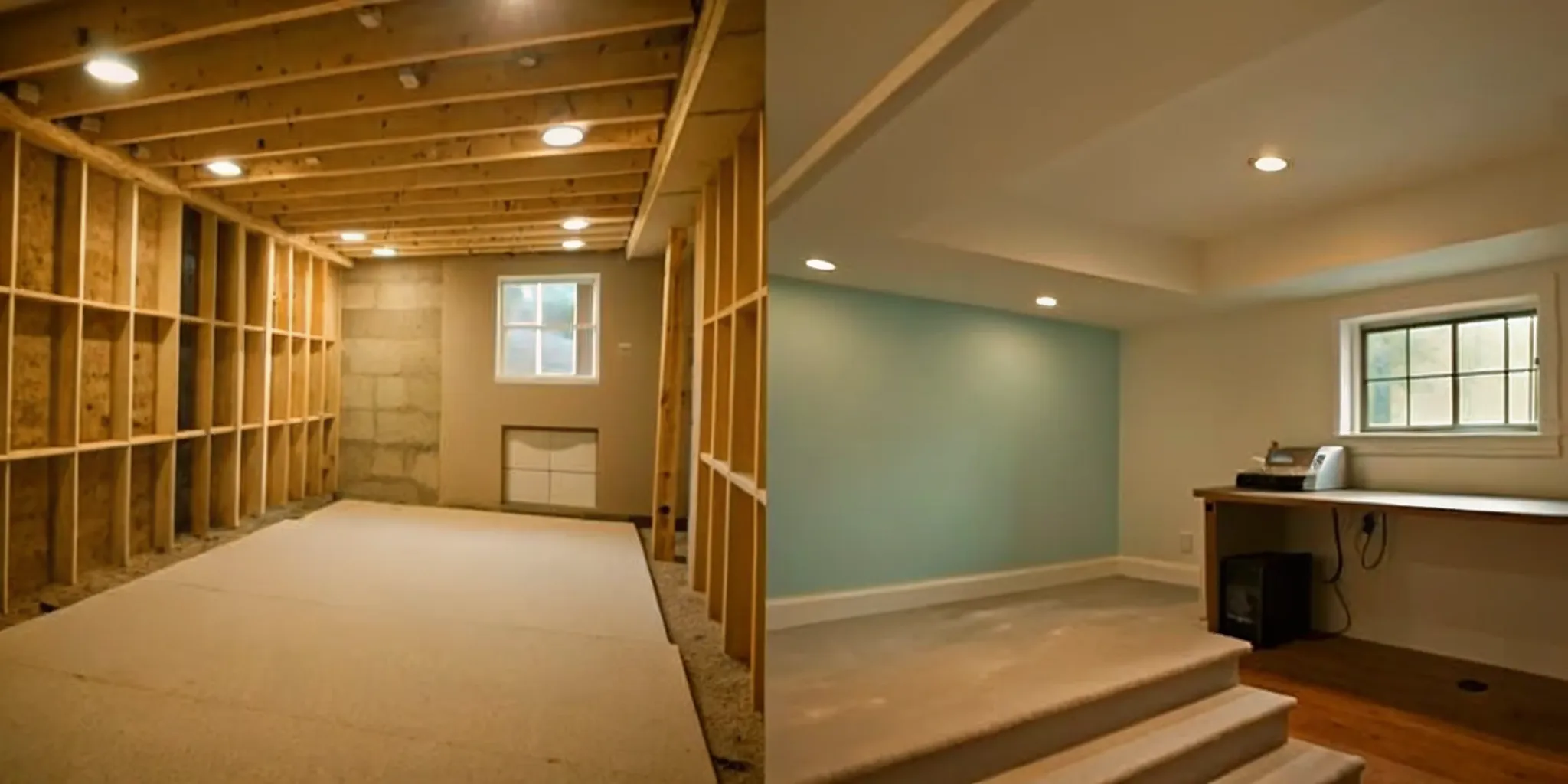
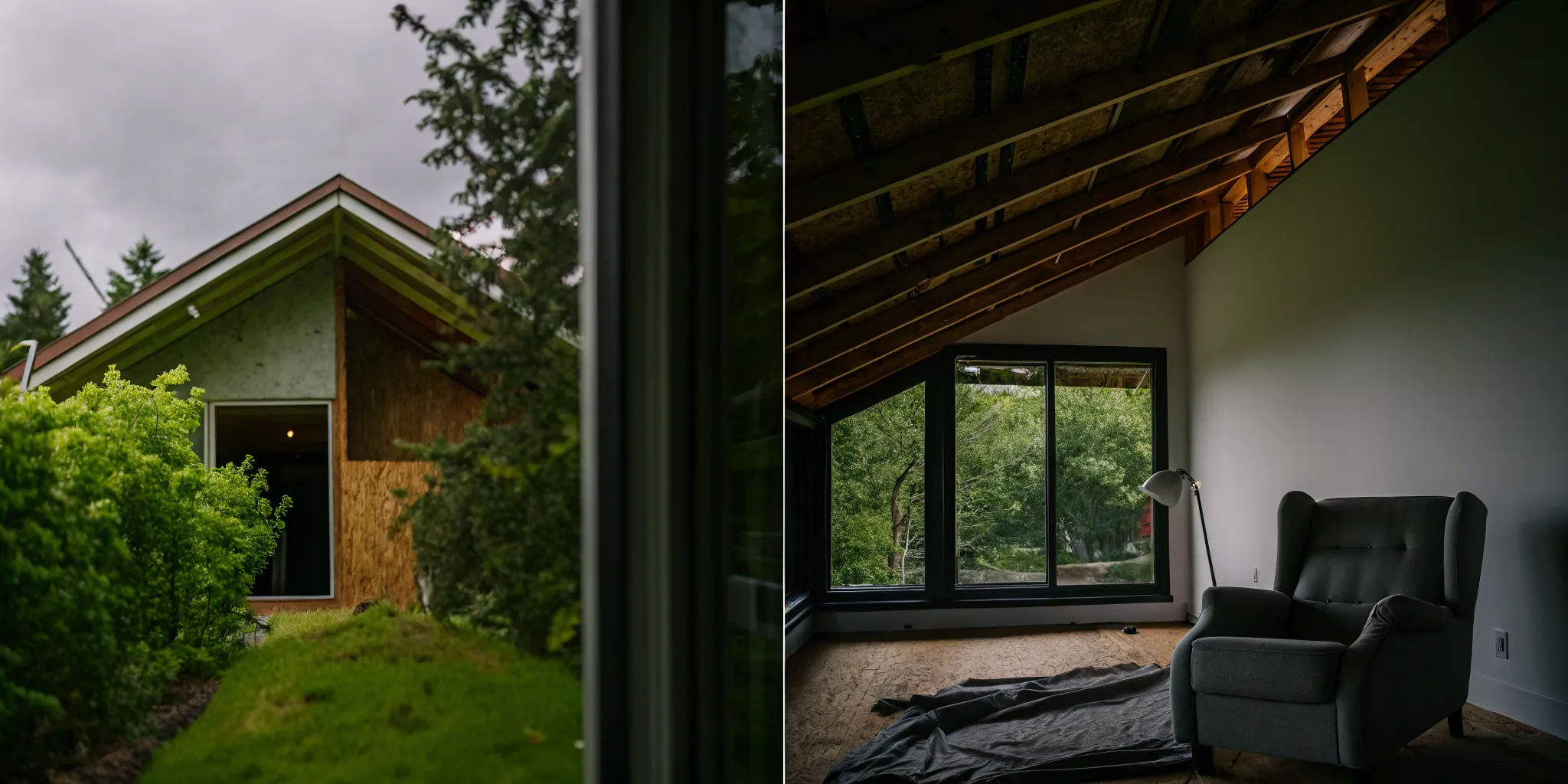
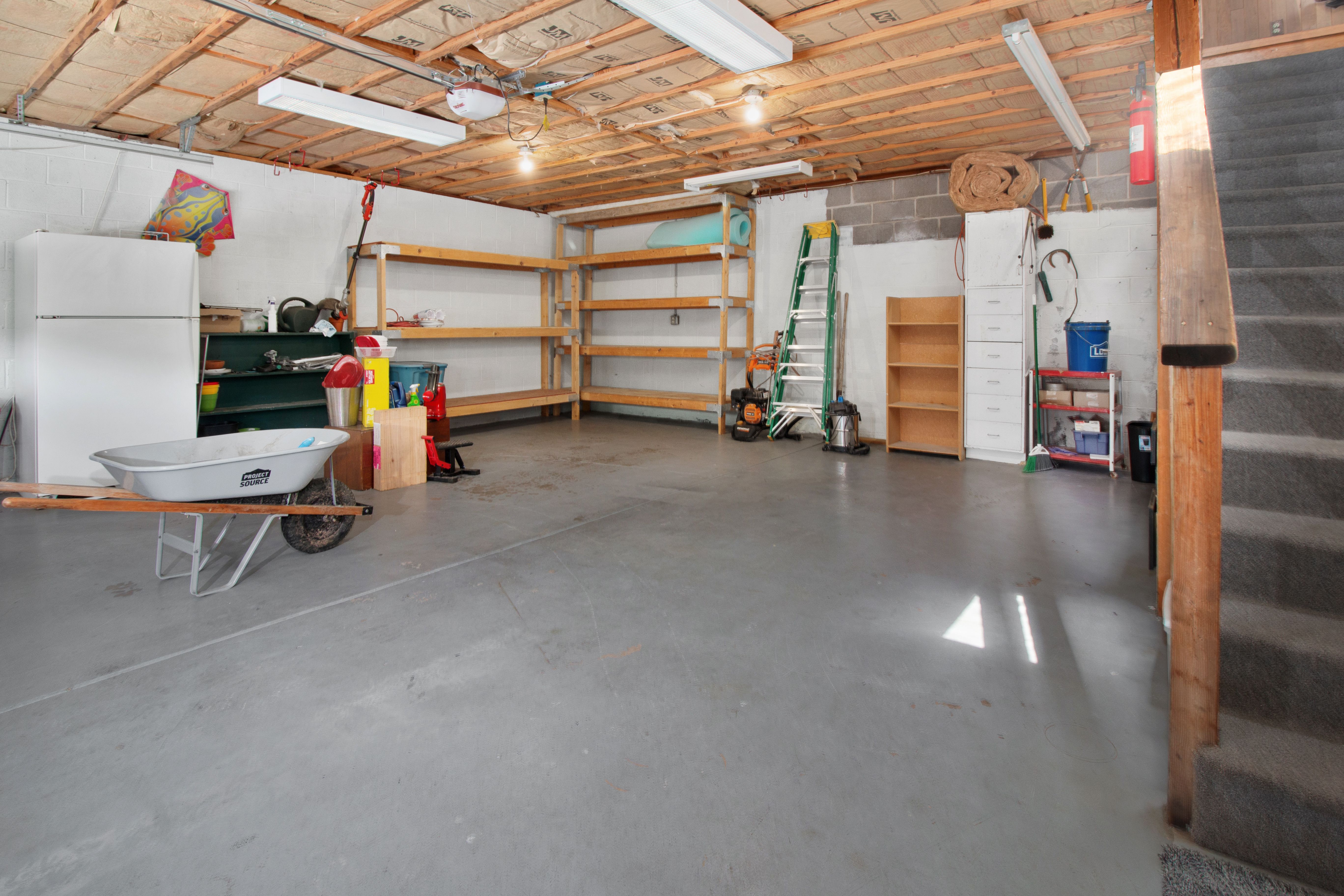
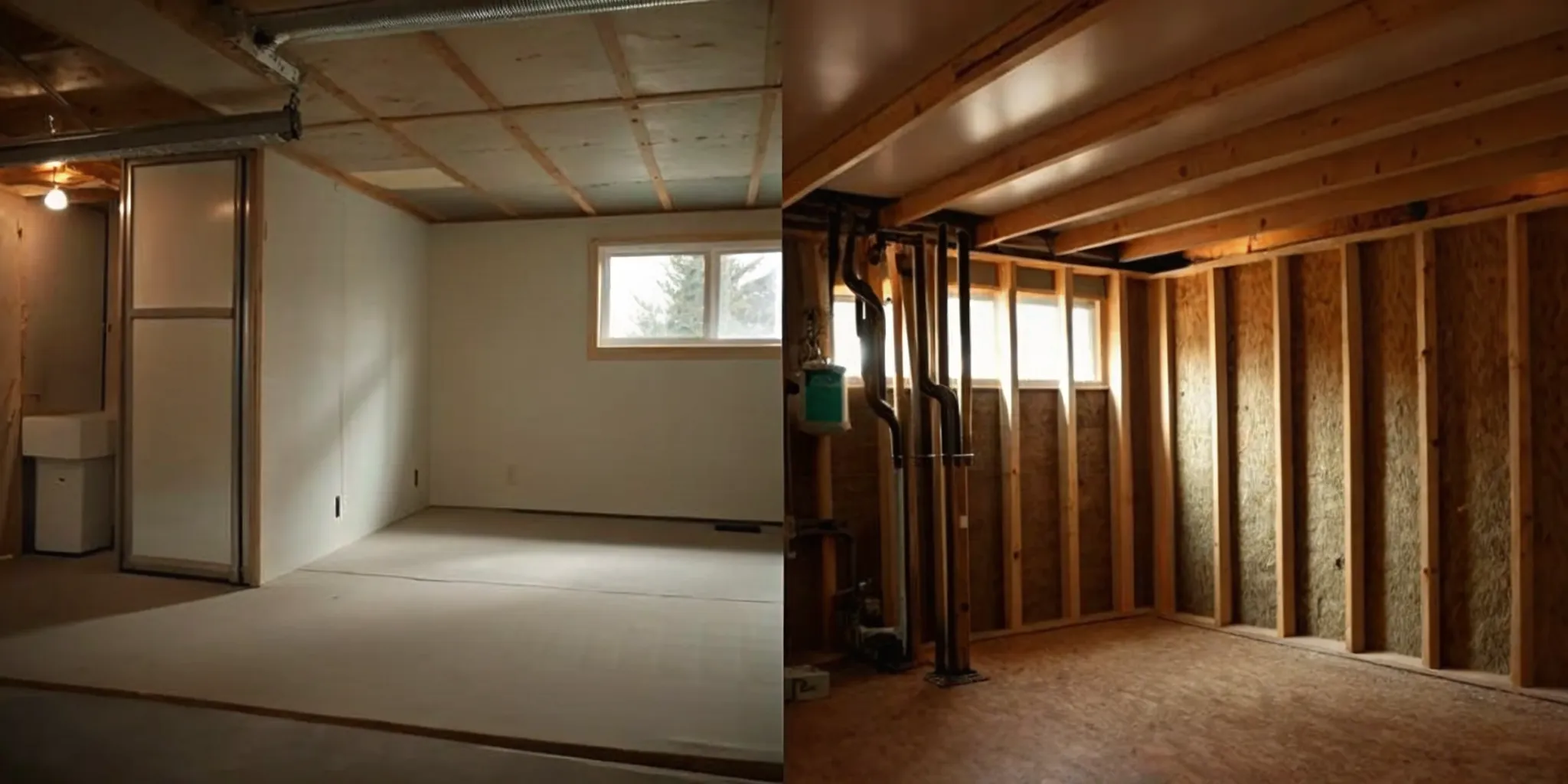
What about the rest of the house? Costs for other spaces can vary dramatically based on how you intend to use them. Finishing a basement, for example, typically runs between $12,000 and $35,000, turning an unused space into a family room or guest suite. An attic remodel is slightly less, ranging from $4,500 to $16,500. Garage renovations have one of the widest cost ranges, from $1,500 to $50,000. A simple project might just involve a new garage door and storage systems, while a full conversion into a home gym or accessory dwelling unit (ADU) is a major construction project with a corresponding price tag. The scope of the project is everything here.
How Much Should You Budget for the Unexpected?
Let’s be real: even the most perfectly planned renovation can hit a snag. When you start opening up walls and floors, especially in older homes, you might uncover issues you never knew existed. This isn’t a sign of bad planning—it’s just the nature of construction. That’s why a contingency fund isn’t just a nice-to-have; it’s a crucial part of your renovation budget. Think of it as your project’s financial safety net.
So, how much should you set aside? The industry standard is to budget an extra 10% to 20% of your total project cost for the unexpected. For a newer home with a straightforward project, 10% might be enough. But if you’re renovating an older house or taking on major structural changes, aiming for 15% to 20% is a much safer bet. This fund is designed to cover three main areas: surprise repairs, administrative fees you might have overlooked, and any small changes you decide to make along the way. Having this buffer ensures that a minor hiccup doesn’t derail your entire project or force you to compromise on the finishes you really want.
Common Surprises That Add to Your Bill
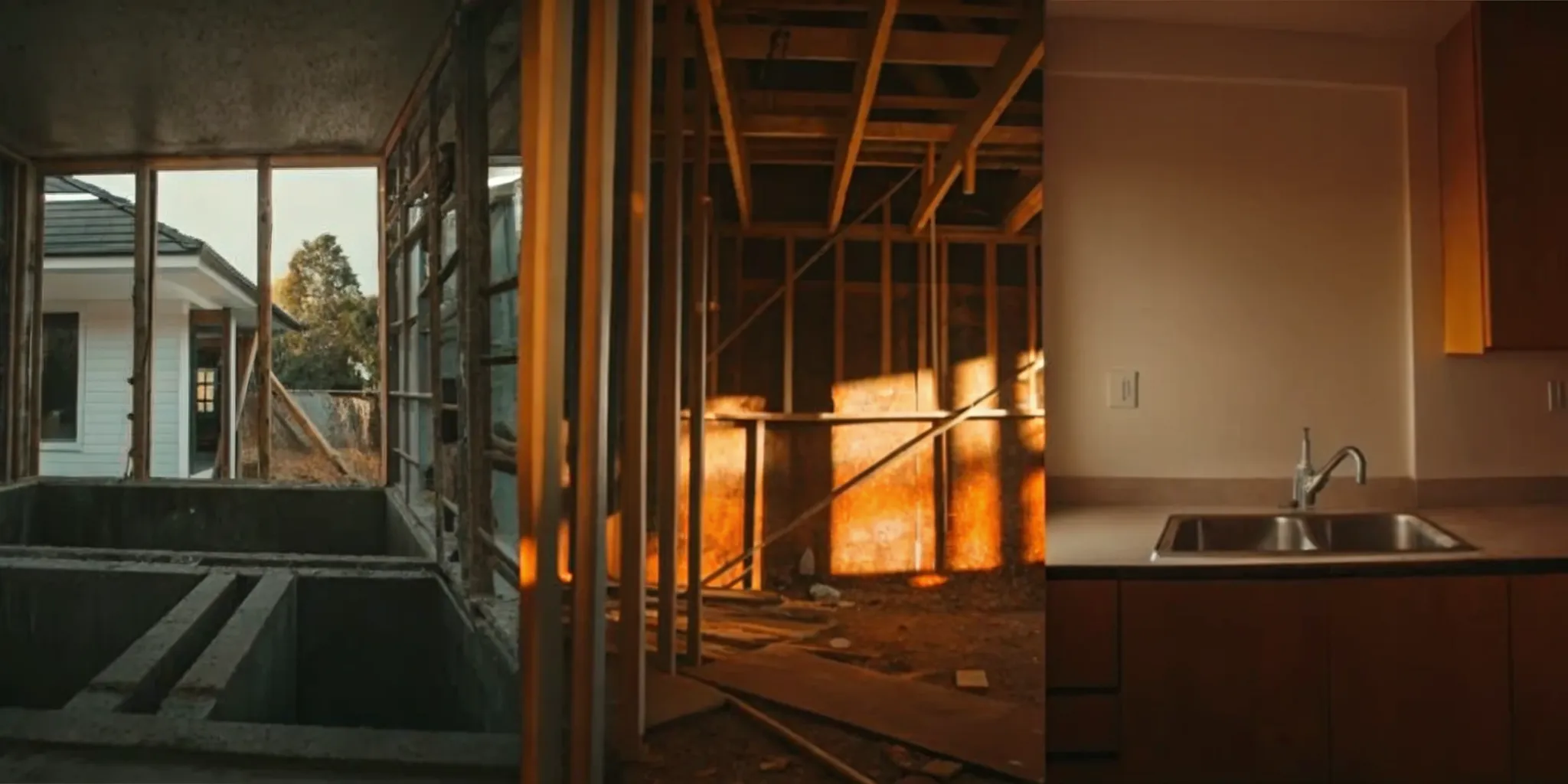
When you peel back the layers of a home, you might find more than just old wallpaper. Common surprises include outdated electrical wiring that isn’t up to code, hidden water damage from a long-forgotten leak, or even pests that have made a home in your attic. Older properties are especially known for these kinds of discoveries, from a boiler on its last legs to plumbing that needs a complete overhaul. These aren’t just minor inconveniences; they are often safety issues that must be addressed, adding unexpected costs to your bottom line. While you can’t predict exactly what you’ll find, you can prepare for the possibility.
How to Set Up a Contingency Fund
Setting up your contingency fund is simple: treat it as a non-negotiable line item in your budget from day one. Once you have a solid estimate from your contractor, calculate 10% to 20% of that total and set that money aside. It’s best to keep these funds separate from your main renovation account so you aren’t tempted to dip into them for upgrades or non-essentials. This financial cushion is there to handle genuine surprises without causing stress or project delays. A dedicated advisor can help you determine the right percentage for your specific project and show you how it works within your overall financial plan.
Understanding Permit and Inspection Fees
Permit and inspection fees aren’t exactly a surprise, but they’re often forgotten in a homeowner’s initial budget. Most significant renovations require building permits from your local municipality to ensure the work is done safely and to code. These fees can range from a few hundred to a few thousand dollars, depending on your project's scope and location. Your contractor typically handles the process of pulling permits, but the cost is passed on to you. Make sure to ask for this to be included as a line item in your contractor’s bid so you know exactly what to expect before the work begins.
Biggest Renovation Budgeting Mistakes to Avoid
Creating a budget is one of the first steps in any renovation, but it's also where some of the most common and costly mistakes happen. A well-planned budget is your roadmap, keeping your project on track and preventing financial stress down the line. The key is to be realistic and thorough from the very beginning. By anticipating potential pitfalls, you can build a financial plan that stands up to the realities of a major home project. Let's walk through the biggest budgeting blunders and how you can steer clear of them.
Underestimating Labor Costs
It’s easy to get excited about picking out beautiful tiles and high-end appliances, but don't forget that someone has to install them. Labor often accounts for a significant portion of the total renovation cost, sometimes even more than the materials themselves. Beyond the hands-on work, you also need to account for design fees, permits, and inspections. These professional services are crucial for a safe and legally compliant project. Think of skilled labor as an investment in your home’s quality and longevity. A trusted professional will ensure the job is done right, saving you from expensive fixes in the future.
Forgetting About Hidden Issues
You never truly know what’s behind your walls until you open them up. This is especially true for older homes, where you might find outdated electrical wiring, leaky pipes, or even structural problems that need immediate attention. These surprises can derail your budget if you haven't planned for them. That’s why a contingency fund—typically 10% to 20% of your total project cost—is non-negotiable. It’s your financial safety net for tackling the unexpected without having to compromise on the parts of the renovation you’re most excited about. Planning for the unknown is one of the smartest moves you can make.
Improving Beyond Your Home's Value
While your renovation should absolutely reflect your personal style and needs, it’s wise to keep an eye on your home’s overall market value. "Over-improving" means spending more on a project than the value it adds to your property. For example, installing a $100,000 kitchen in a home valued at $500,000 in a neighborhood with a sale price ceiling of $600,000 might not provide a strong return on investment. Before you commit to high-end finishes, get a clear picture of your home's current and potential value to make informed decisions that enhance your life and your investment.
Skipping Multiple Contractor Quotes
Hiring the first contractor you speak with is a huge gamble. To get a fair price and find the right partner for your project, you should always get at least three detailed quotes from different qualified professionals. This isn't just about finding the cheapest option—in fact, a bid that's dramatically lower than the others can be a major red flag. Comparing multiple quotes allows you to see how different contractors approach the scope of work, what materials they plan to use, and how they structure their timelines. It’s the best way to find a reliable, transparent, and skilled team for your renovation.
How Can You Finance a Major Renovation?
Once you have a solid budget, the next big question is: how will you pay for it all? A full interior renovation is a significant investment, and very few people pay for it entirely out of pocket. The good news is that you have several strong financing options to make your dream home a reality. Thinking about loans and financing can feel intimidating, but it’s just another step in the process. The key is to understand how each option works so you can choose the one that best fits your financial situation and project goals. Let's walk through the most common ways homeowners fund their renovations.
Home Equity Loans and Lines of Credit (HELOCs)
If you’ve been in your home for a while, you’ve likely built up some equity—the difference between what your home is worth and what you owe on your mortgage. You can borrow against that equity. A home equity line of credit (HELOC) is a popular choice for renovations because it’s flexible. It functions like a credit card, giving you a credit limit you can draw from as needed. This is perfect for a renovation where costs come in stages. You only pay interest on the amount you use. The major thing to remember is that your home serves as collateral, which means you risk losing it if you can’t make your payments.
Personal Loans and Cash-Out Refinancing
If you prefer not to use your home as collateral, a home improvement loan, which is a type of personal loan, could be a great fit. With a personal loan, you receive a lump sum of cash upfront and repay it in fixed monthly installments. This makes budgeting predictable, and since the loan is unsecured, your home isn't on the line. You’ll generally need a good credit score and proof of steady income to qualify. Another option is a cash-out refinance, where you replace your current mortgage with a new, larger one and take the difference in cash. This can be a good move if you can also secure a lower interest rate on your mortgage.
Government-Backed Loan Programs
Don’t overlook government-backed loan programs, which can offer favorable terms for qualified borrowers. The most well-known is the FHA 203(k) loan, designed for buyers who want to purchase a home and finance its renovation with a single mortgage. If you already own your home, you may still be able to refinance with one. There are also programs from the Department of Veterans Affairs (VA) and the US Department of Agriculture (USDA) that can help specific groups, like veterans or homeowners in designated rural areas, finance home improvements. These programs often have specific requirements, but they are definitely worth looking into if you think you might be eligible.
How to Find a Great Contractor Without Overpaying
Choosing a contractor is one of the most important decisions you’ll make for your renovation. The right professional can bring your vision to life on time and on budget, while the wrong one can turn your dream project into a nightmare. The goal isn’t to find the absolute cheapest price, but to find the best value—a skilled, reliable professional who does quality work for a fair cost. Vetting your options thoroughly is the single best way to protect your investment and ensure a smooth process. At Realm, we simplify this by connecting you with our network of vetted professionals, but if you're navigating this on your own, here’s what to focus on.
Get Multiple, Detailed Quotes
Never go with the first quote you receive. A good rule of thumb is to get at least three detailed bids from different contractors for your project. This helps you establish a realistic baseline for the cost and immediately spot any bids that are unusually high or suspiciously low. To make a fair comparison, give each contractor the exact same project brief with as much detail as possible. A rock-bottom price can be tempting, but it often signals that a contractor is cutting corners, using subpar materials, or plans to add unexpected charges later. Look for a quote that is comprehensive and feels reasonable for the scope of work.
Verify Credentials and Insurance
Before you hire anyone, do your homework. A legitimate contractor must be licensed and insured. A license proves they have met your state’s requirements for competency and professionalism. You can—and should—verify their license status through your state's contractor licensing board. Equally important is insurance. Ask for proof of both general liability insurance and workers' compensation. This protects you from being held financially responsible for any accidents, injuries, or property damage that might happen on your property during the renovation. A professional will have no problem providing you with these documents.
What a Good Estimate Should Include
A verbal agreement or a one-page estimate isn’t enough for a major renovation. Insist on a detailed, written contract before any work begins or any money changes hands. This document is your protection. A proper contract should clearly outline the full scope of the project, including a line-item breakdown of all labor and material costs. It should also specify a payment schedule tied to project milestones, not arbitrary dates, as well as firm start and completion dates. Any specific products, brands, or finishes you agreed upon should be listed to avoid substitutions. If it’s not in writing, it doesn’t exist.
Red Flags to Watch For When Hiring
Trust your intuition during the hiring process. If something feels off, it probably is. Be wary of contractors who pressure you to make a quick decision or ask for a large cash deposit upfront—most states limit the legal down payment amount. Other red flags include poor communication, a lack of responsiveness, or a reluctance to provide a list of recent references you can call. A professional contractor should have a portfolio of past work and be happy to connect you with former clients. Vague answers to your questions or an unwillingness to put everything in writing are clear signs to walk away and find someone else.
Smart Ways to Manage Your Renovation Budget
Keeping your renovation finances on track doesn’t have to be a source of stress. With a bit of planning and the right approach, you can feel confident and in control of your spending from start to finish. The key is to be proactive, detailed, and realistic about where your money is going. Think of your budget not as a restriction, but as a powerful tool that helps you build the home you want without any financial surprises along the way. By breaking it down into manageable steps, you can make smart decisions that align with both your vision and your wallet.
Create a Detailed Spending Plan
A successful renovation starts with a spending plan that goes beyond a single top-line number. Your budget should be a comprehensive document that accounts for every potential cost. This includes the obvious expenses like materials and labor, but also the easily overlooked items like permit fees, design consultations, and sales tax. A truly solid plan also includes a line item for your contingency fund—that crucial buffer for unexpected issues. Breaking everything down helps you see exactly where your money is allocated and prevents small costs from quietly adding up and derailing your project.
Prioritize Needs vs. Wants
Unless you have a completely unlimited budget, you’ll likely need to make some choices about where to invest and where to save. A great way to start is by making two lists: "must-haves" and "nice-to-haves." Your must-haves are the non-negotiable elements essential to your project's success, like fixing a leaky roof or updating ancient plumbing. The nice-to-haves are the upgrades you’d love but could live without, like high-end imported tile or custom smart-home features. This simple exercise helps you focus your spending on what truly matters and ensures your core renovation goals are met first.
Use Tools to Track Your Costs
Once your project is underway, it’s essential to track every expense. A simple spreadsheet or a budgeting app can be your best friend here, allowing you to log costs in real-time and see how your spending measures up against your plan. This is also where professional guidance can make a huge difference. Working with a platform like Realm gives you access to expert advice and tools that simplify the entire process, from vetting contractors to managing payments. Having a clear system for how it works helps you stay organized and make informed financial decisions every step of the way.
Plan Your Renovation Timeline and Budget
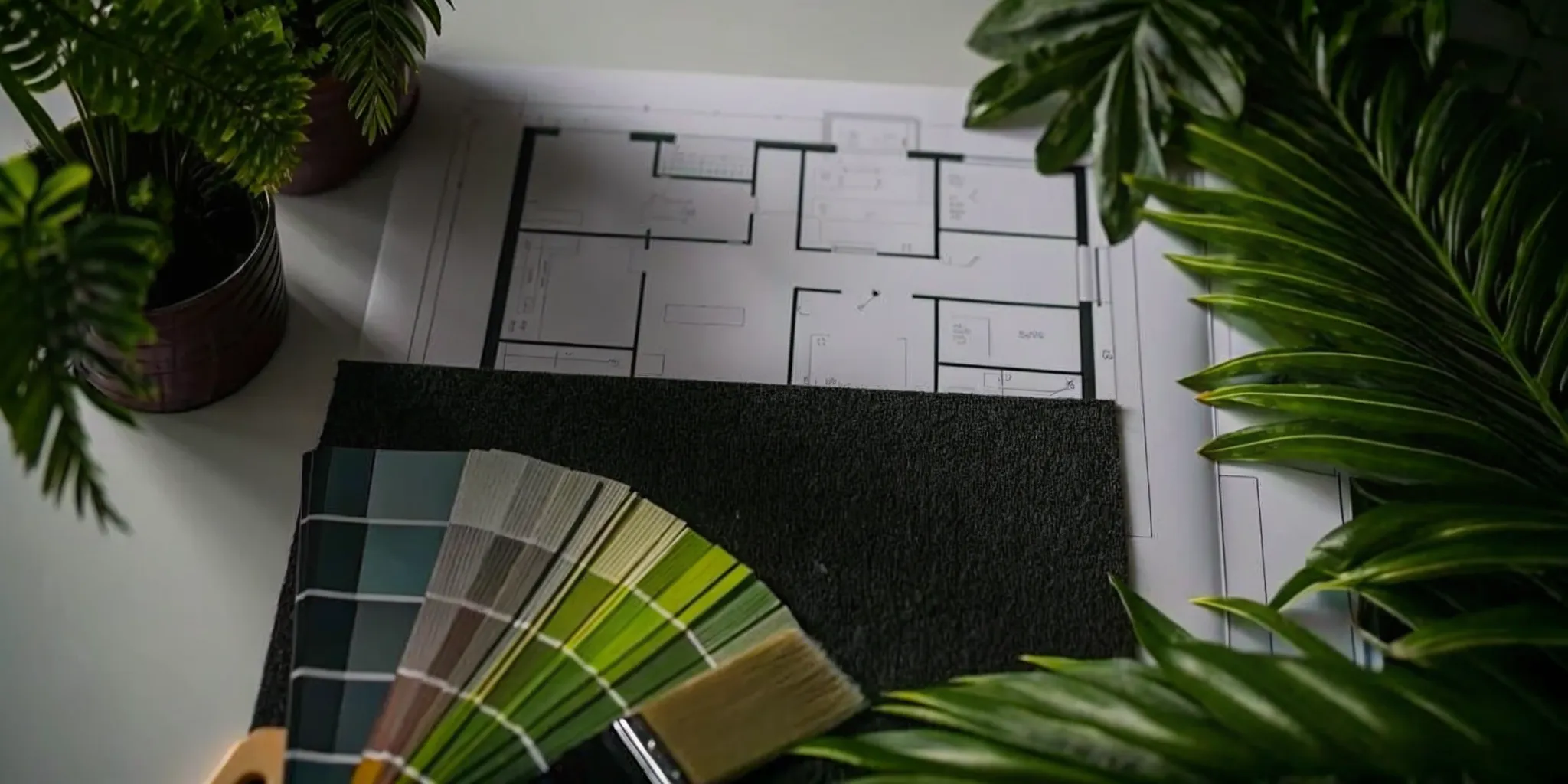
Getting your timeline and budget right is the single most important thing you can do for a successful renovation. It’s the foundation upon which every other decision rests, and a solid plan is your best defense against stress and surprise costs. While it’s tempting to jump straight to picking out paint colors and finishes, spending quality time on these two elements will pay off immensely. Every project is different, so your plan needs to be tailored to your home, your goals, and your financial reality.
Think of your timeline and budget as a living document. It will likely evolve as the project progresses, but starting with a detailed and realistic framework is key. This involves understanding the sequence of work, accounting for potential delays like permit approvals or supply chain issues, and building a financial cushion for the unexpected. It can feel like a lot to manage, but breaking it down into smaller, more digestible steps makes the process much clearer. And remember, you don't have to figure it all out on your own. Expert guidance can help you create a plan that is both ambitious and achievable, ensuring your project stays on track from start to finish.
Set a Realistic Project Schedule
One of the first questions everyone asks is, "How long will this take?" The honest answer is: it depends entirely on the scope of your project. A full home renovation can take anywhere from six to 12 months, while a straightforward bathroom remodel might only take two to three weeks. Be wary of anyone who gives you a firm timeline without knowing the specifics of your project. Factors like permit approvals, the availability of your chosen contractor, and lead times for custom materials like cabinetry or windows can all impact your schedule. Work with your project manager or contractor to build a timeline that accounts for each phase, from demolition to the final walkthrough.
Manage Costs Throughout the Project
Your renovation budget is more than just the cost of materials and labor. A comprehensive budget should also account for design fees, permits, and other administrative costs. Most importantly, it needs a contingency fund. Experts agree you should "always add an extra 10-20% to your budget for unexpected costs." This isn't being pessimistic; it's being realistic. During a renovation, you might uncover outdated wiring, hidden water damage, or structural issues that need to be addressed. Your contingency fund is the safety net that covers these surprises without derailing your entire project or forcing you to compromise on your vision.
Work with a Pro for Expert Guidance
For any major renovation, bringing in a professional is a wise investment. A vetted general contractor and design team do more than just manage the work; they handle permits, ensure the project is built to code, and help you avoid costly mistakes. Professionals also have access to trade-quality materials and a network of reliable subcontractors, and they should always guarantee their work. Before hiring anyone, it's essential to "verify they are licensed and insured." This protects you and ensures you're working with a credible expert. Finding and vetting these professionals is a project in itself, which is why Realm's dedicated advisors can help you build a trusted project team.
Related Articles
- How to Hire a General Contractor for House Renovation
- What's the Typical Cost to Remodel a Kitchen?
- Bathroom Remodel Estimate Sample: A Cost Breakdown
- Where To Start When You Want To Remodel Your Home
Frequently Asked Questions
How can I get an accurate cost estimate for my specific home? The numbers in this post are a great starting point, but a true estimate requires a closer look at your property. The most effective way to get a reliable figure is to develop a detailed project plan that outlines the specific scope of work, the materials you want, and the finishes you’ve chosen. This plan can then be shared with vetted contractors to get detailed quotes that you can compare fairly.
Is it better to renovate everything at once or tackle it room by room? This really depends on your budget, your tolerance for disruption, and the scope of the work. Doing a full renovation at once can be more efficient and cost-effective in the long run because you’re only dealing with one period of demolition and construction. However, phasing your renovation room by room can make the cost more manageable and allow you to continue living in your home. If you plan to phase it, just be sure to map out the entire project from the start to ensure the design feels cohesive in the end.
My house is old. Does that automatically mean my renovation will be more expensive? Not necessarily, but it does mean you should be more prepared for surprises. Older homes often need foundational updates to their plumbing, electrical, or HVAC systems to meet modern safety codes. While these aren't the most glamorous parts of a renovation, they are essential. The key is to build a larger contingency fund—closer to 20% of your total budget—to handle any hidden issues that might pop up when the walls are opened.
Roughly how much of my budget should go to labor versus materials? There isn't a universal ratio, but it's common for labor to account for 20% to 40% of the total project cost. For complex projects like a kitchen or bathroom remodel that involve skilled trades like plumbers and electricians, labor can sometimes even exceed the cost of materials. This is why it's a mistake to just budget for the physical items you see; the expertise required to install everything correctly is a major and worthwhile investment.
What's the best way to keep costs from spiraling once the project starts? The best defense against budget creep is a highly detailed plan and a signed contract before any work begins. Make as many decisions as you can upfront, from tile and faucets to paint colors and light fixtures. Changing your mind mid-project is what leads to change orders, which add costs and cause delays. Sticking to your initial plan and using your contingency fund only for true, unforeseen issues is the surest way to finish on budget.