What Happens If You Build Without a Permit?
Find out what happens if you do construction without a permit, including risks to your home's value, insurance coverage, and potential legal consequences.
|
February 4, 2026

In this article:
It’s easy to view building permits as just another piece of bureaucratic red tape. But at their core, permits are about one thing: safety. They ensure that any electrical, plumbing, or structural work done in your home meets established codes designed to prevent fires, leaks, and even structural collapse. When you choose to bypass this crucial step, you’re not just breaking a rule; you’re rolling the dice on your family’s well-being. So, what happens if you do construction without a permit? The risks extend far beyond a potential fine. You could be creating hidden dangers behind your walls and voiding your homeowners insurance, leaving you completely exposed if something goes wrong.
Key Takeaways
- Think of permits as your safety net: They're required for most structural, electrical, and plumbing projects to ensure a professional inspects the work and confirms it meets critical safety codes.
- The cost of skipping a permit is always higher: Avoiding the permit process can result in massive fines, forced demolition, and voided homeowners insurance, turning a renovation into a financial disaster.
- It's never too late to make it right: If you discover unpermitted work from a previous owner, you can legalize it by working with your local building department to get a retroactive permit, protecting your investment and ensuring your home is safe.
Does Your Renovation Need a Permit?
Figuring out if your project needs a permit can feel like a bit of a mystery. The short answer is: it depends on the scope of your work and where you live. While every city has its own set of rules, the goal is always the same: to ensure your renovation is safe, structurally sound, and meets local building codes. Think of a permit as a form of quality control that protects you, your family, and your home’s future value. While it might seem like an extra step, getting the right permits is a non-negotiable part of any major home project. Let’s walk through the types of renovations that almost always require one.
Major Structural Changes
If your project involves altering the fundamental structure of your home, you’ll definitely need a permit. This includes big jobs like removing or moving a load-bearing wall, changing your roofline, or creating new openings for windows and doors. These changes can impact your home's stability, so your local building department needs to review the plans to ensure they’re safe. Building without the right permits is against the law and can lead to some serious headaches down the road. Getting a permit ensures that an expert has signed off on the structural integrity of your project before the work even begins.
Electrical and Plumbing Projects
Any work that touches your home’s electrical or plumbing systems typically requires a permit. This isn’t just about following rules; it’s about safety. Projects like adding a new circuit, moving an outlet, re-wiring a room, or altering plumbing supply or drain lines need to be done correctly to prevent major hazards. Faulty wiring is a serious fire risk, and improper plumbing can lead to leaks and water damage. A permit triggers an inspection process, meaning a professional will check the work to confirm it’s up to code and, most importantly, safe for you and your family.
New Additions and Structures
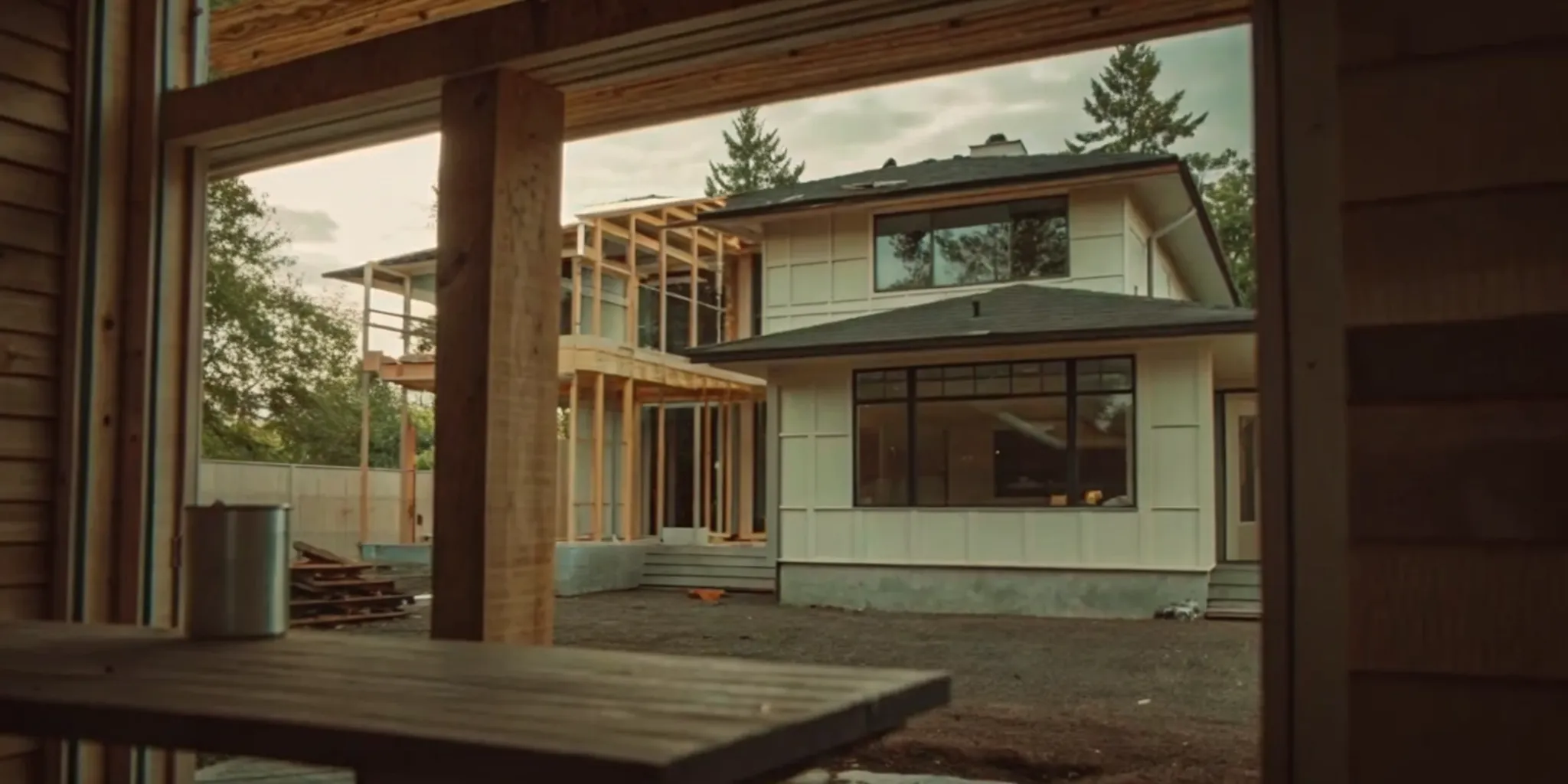
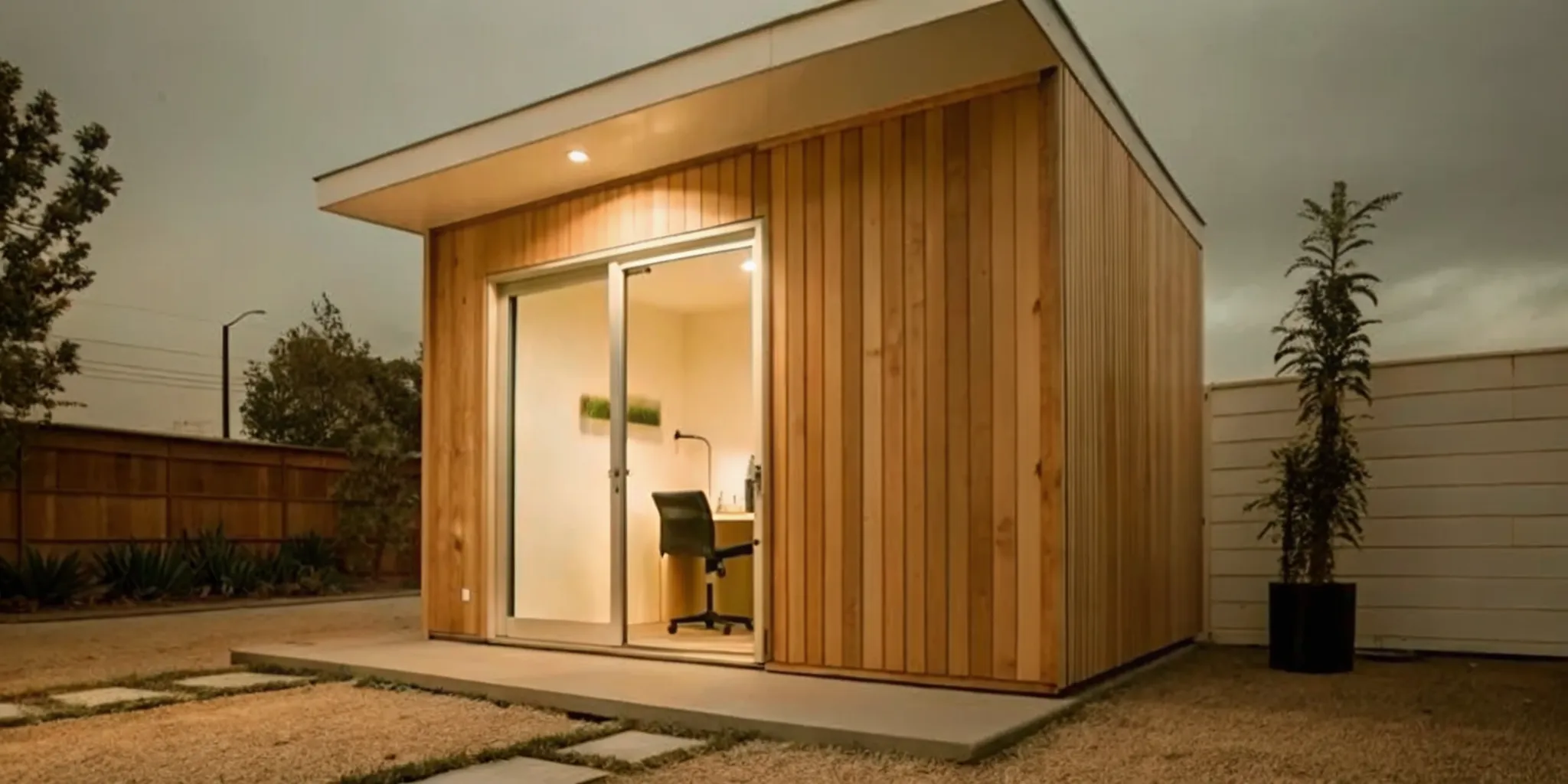
Are you dreaming of more space? Whether you’re planning a full home addition, building a detached ADU, or even adding a large deck, you’ll need a permit. These projects change your home’s footprint and can impact things like property lines and utility access. Local authorities, like the Seattle Department of Construction & Inspections, require permits for new construction to ensure it meets zoning, safety, and energy efficiency standards. This process confirms that your new structure is built to last and won’t cause issues for you or your neighbors. It’s a crucial step for any project that expands your living area.
Surprising Projects That Often Need a Permit
One of the biggest misconceptions is that small projects don’t need permits. You might be surprised to learn what makes the list. In many areas, you’ll need a permit to replace a water heater, re-roof your home, or even install a fence over a certain height. Even demolishing an old shed might require approval. Because the rules can be so specific, it’s never a good idea to assume. The best approach is to always check with your local building department before starting any work. A quick call or visit to their website can save you from potential fines and the stress of redoing unpermitted work.
The Real Cost of Skipping a Permit
It can be tempting to look for ways to cut costs on a big renovation, and the permitting process might seem like an easy place to trim the budget and timeline. But trying to fly under the radar can backfire in a big way. Skipping a permit isn't just bending the rules; it's a gamble with serious financial and legal consequences that can turn your dream project into a costly nightmare. Before you decide to proceed without that official piece of paper, it’s crucial to understand the real-world problems you could be creating for yourself down the road. From daily fines to the inability to sell your home, the risks far outweigh the initial savings.
Facing Fines and Penalties
One of the most immediate consequences of getting caught is the financial hit. Local authorities don't take kindly to unpermitted work, and they have the power to issue steep fines. These aren't just one-time penalties, either. In some cities, fines for unpermitted construction can be as high as $500 per day until the issue is resolved. Imagine that cost adding up over weeks or even months while you scramble to fix the situation. What started as an attempt to save a few thousand dollars on a permit can quickly spiral into a massive, unexpected expense that completely blows your renovation budget. Suddenly, the cost of doing things the right way from the start looks like a bargain.
Dealing with Stop-Work Orders and Liens
If a city inspector discovers your unpermitted project, they can issue a stop-work order on the spot. This legally requires you to halt all construction immediately. Your project will be frozen in place, creating major delays and frustrating your contractors, who may have other jobs lined up. The order stays in effect until you go through the proper channels to get the right permits, which is often more complicated and expensive after the fact. In more serious situations, you could even face legal action from the city, which might include placing a lien on your property. A lien can prevent you from selling or refinancing your home until the issue is fully resolved and paid for.
The Risk of Forced Demolition
This is the ultimate worst-case scenario, but it absolutely happens. If the unpermitted work is a serious safety violation or significantly deviates from building codes, the city can take legal action to force you to remove it entirely. That means you could be ordered to tear down the beautiful new deck, addition, or remodeled kitchen you just paid for. You’ll lose every dollar you invested in the original construction, and then you’ll have to pay even more for the demolition. It’s a devastating financial and emotional blow that can leave you with nothing but a pile of rubble and a much lighter wallet. This risk alone is a powerful reason to ensure every project is properly permitted from day one.
How Unpermitted Work Hurts Your Home's Value
Even if you never get caught by the city, unpermitted work can come back to haunt you when it's time to sell or refinance your home. You're legally required to disclose any unpermitted work to potential buyers, which is a major red flag. It can scare buyers away, lower your home's appraised value, or lead to demands that you get a retroactive permit before the sale can close. Lenders are also wary of financing homes with unpermitted additions or major changes. Ultimately, the work you did to improve your home could end up making it significantly harder to sell or refinance, trapping your investment and complicating your future plans.
Beyond the Fines: Insurance and Safety Risks
The financial sting of fines and demolition orders is bad enough, but the risks of unpermitted work run much deeper. Skipping a permit can jeopardize your home's insurance coverage and, more importantly, the safety of everyone who lives there. Building codes and inspections aren't just bureaucratic hurdles; they are essential safety nets designed to protect your most valuable asset and your family. When you bypass this process, you're taking on a level of risk that extends far beyond a penalty from your local building department. It can affect your financial security for years to come and create hidden dangers within the very walls of your home. Before you decide a permit isn't worth the hassle, it's crucial to understand these less-obvious, but far more serious, consequences.
Why Your Insurance Might Not Cover You
Your homeowners insurance policy is a contract based on the known and approved condition of your property. When you undertake unpermitted renovations, you're altering the property in ways your insurer hasn't agreed to cover. If a fire starts due to faulty, uninspected wiring or a pipe bursts from improper plumbing, your insurance provider has grounds to deny your claim. As one industry analysis puts it, "unpermitted work can lead to denied claims, canceled policies, and costly repairs." Essentially, your insurer can argue that the unpermitted work created a risk they never agreed to underwrite, leaving you to foot the entire bill for damages.
How Insurers Find Out About Unpermitted Work
Insurance companies don't typically inspect your home for unpermitted work proactively. The discovery usually happens when you need them most: after you file a claim. Following an incident like a fire or major water leak, an adjuster will investigate the cause and extent of the damage. As part of their due diligence, they will often check with the local building department to see if permits were pulled for any recent renovations related to the claim. If they find that the work was done without a permit, they can use that as a basis to reject the claim, arguing the unapproved construction is not covered by the policy.
The Hidden Dangers of Not Building to Code
Permits trigger inspections, and inspections ensure your project meets established building safety codes. These codes are minimum standards for safety, designed to prevent structural collapse, fires, and other hazards. Unpermitted work often means uninspected work, which can leave dangerous flaws hidden behind new drywall. Faulty electrical wiring could create a serious fire risk, while improper structural modifications could compromise your home's integrity. These aren't just hypothetical scenarios; they are real dangers that put your family's safety on the line. The permit process is your best assurance that the work was done correctly and safely.
Your Liability When Accidents Happen
What happens if a guest is injured because a deck built without a permit collapses, or a contractor gets hurt on a non-compliant work site? If your renovation is unpermitted, your liability coverage could be in jeopardy. Insurance providers may deny claims involving accidents that occur on or because of unapproved construction. This could leave you personally responsible for medical bills, legal fees, and any damages awarded in a lawsuit. The cost of a permit is minuscule compared to the potentially life-altering expense of a personal injury lawsuit that your insurance refuses to cover.
Discovered Unpermitted Work? Here's What to Do
Finding out that a previous owner—or even a contractor you hired—did work on your home without the proper permits can feel overwhelming. Your mind might jump to worst-case scenarios involving fines or having to tear down a brand-new kitchen. Take a deep breath. While it’s a serious issue that needs your attention, there’s a clear process for making it right. It starts with understanding what was done and what the requirements are. From there, you can create a plan to bring your home into compliance, protecting its value and your family’s safety. Let’s walk through the steps you need to take.
First, Confirm if a Permit Was Required
Before you panic, the first step is to verify whether the work in question actually needed a permit in the first place. Not every home improvement project does. Simple cosmetic updates like painting, installing new flooring, or replacing a faucet typically don't require one. However, projects involving structural changes, electrical wiring, or plumbing systems almost always do. The rules can vary significantly between cities and counties, so you’ll need to check with your local building department to be sure. Their website is usually the best place to start, as many provide detailed lists of projects that require permits.
Your Guide to Getting a Retroactive Permit
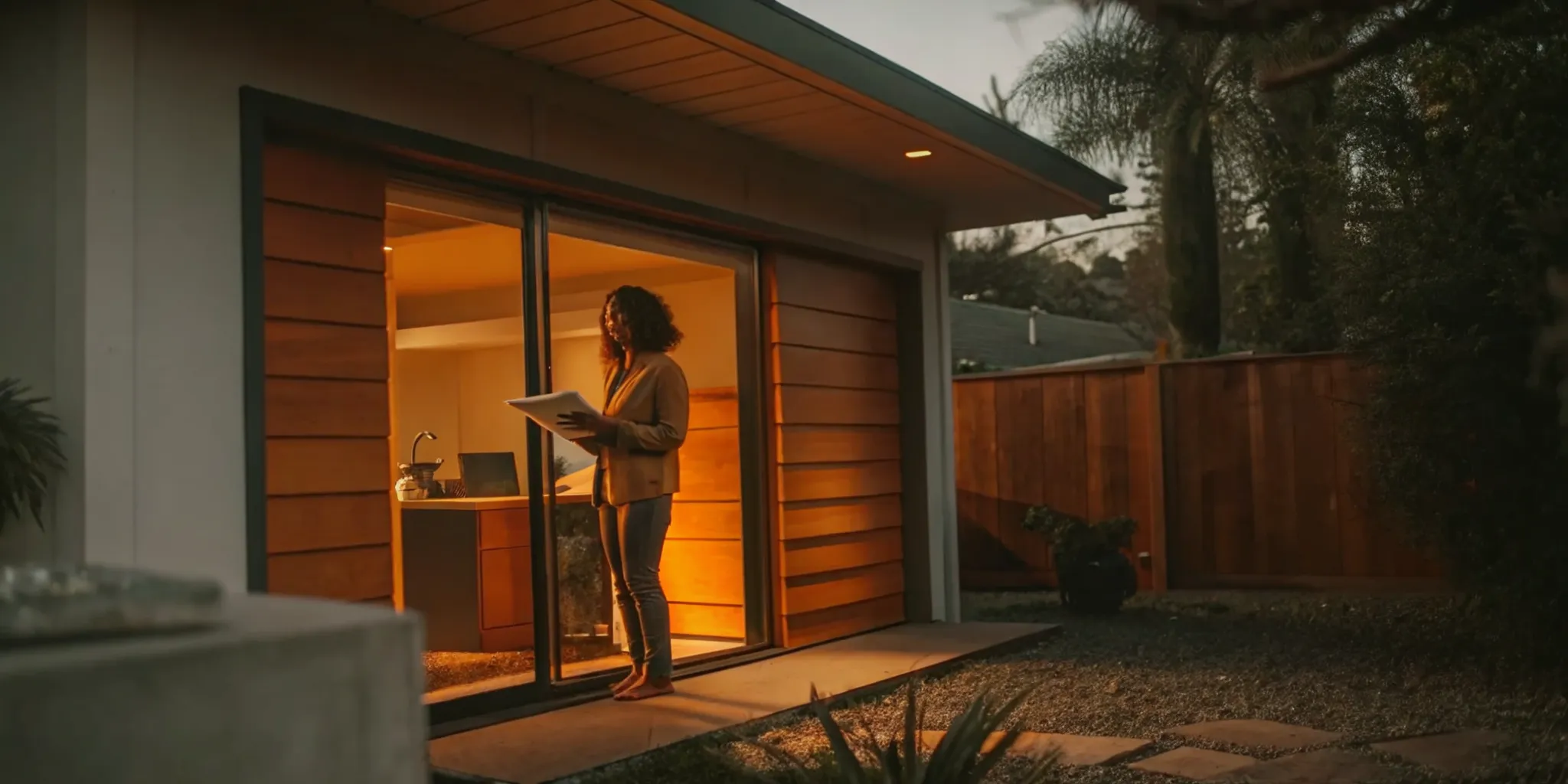
If you confirm a permit was required, your next step is to apply for a retroactive permit, often called an "as-built" permit. Be prepared, as this process can be more involved than getting a permit before work begins. You'll need to provide detailed plans or drawings of the completed work. An inspector will also need to visit your home to ensure the work meets current building codes. This might mean opening up walls or ceilings to check things like framing, insulation, and wiring. While getting permits for old work can be challenging, it’s the only way to formally legalize the renovation.
How to Work with Your Local Building Department
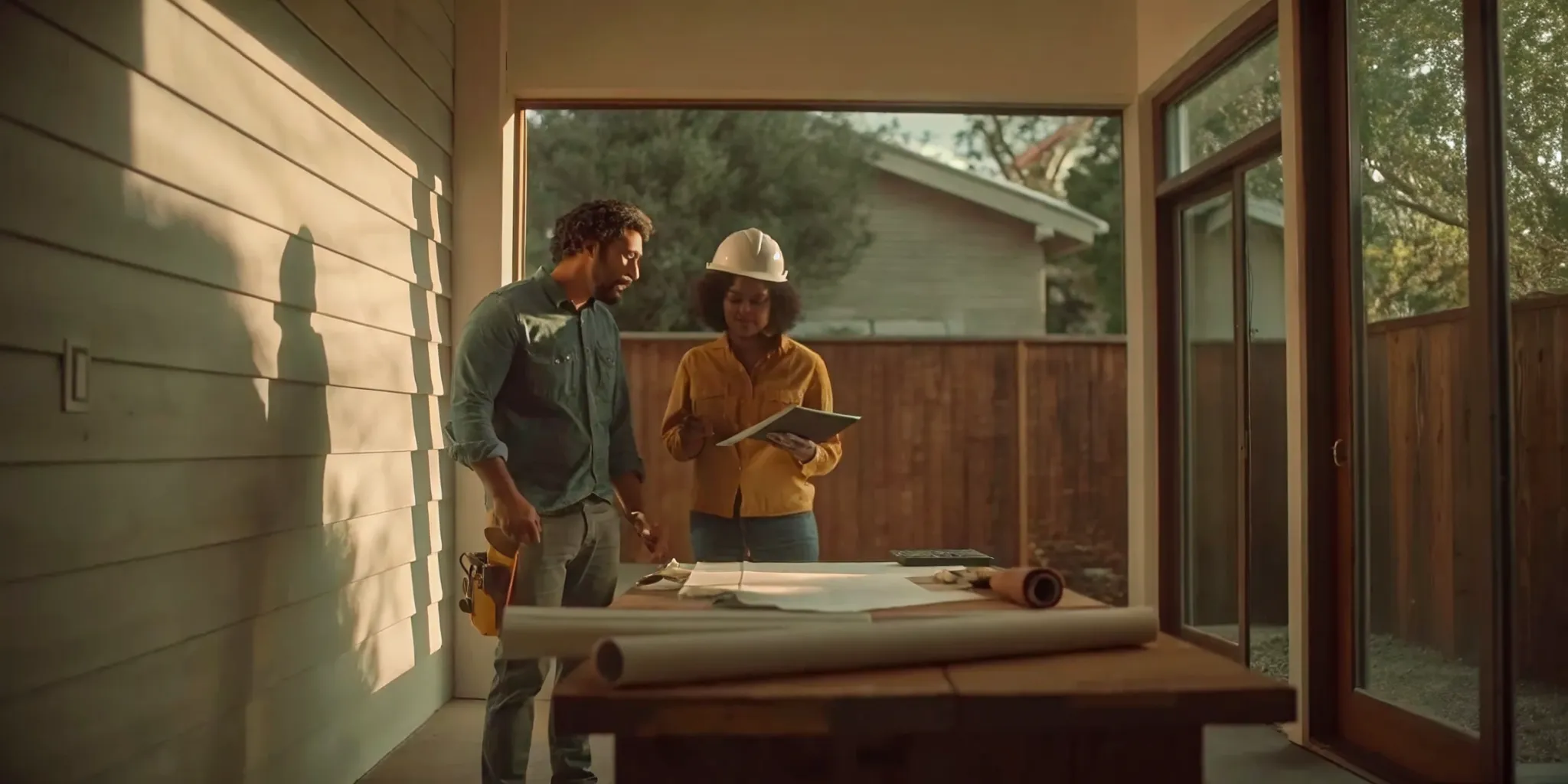
Contacting the building department can feel intimidating, but being proactive and transparent is always the best approach. They aren't out to get you; their primary goal is to ensure homes in the community are safe. Explain the situation clearly and ask for their guidance on the as-built permit process. Some cities, like Seattle, even offer free advice from a permit specialist to help homeowners understand the requirements. Having a dedicated professional on your side, like a Realm advisor, can also make these conversations much smoother, as they can help you prepare the right documents and ask the right questions.
Making It Right: Bringing Your Project Up to Code
The building inspector might find that the unpermitted work doesn't meet current safety codes. If this happens, you’ll need to hire licensed contractors to correct the issues before the permit can be approved. Ignoring the problem isn't an option, as you could face significant fines or even be forced to demolish the unpermitted construction. Correcting the work is an investment in your home’s safety and long-term value. Working with a trusted professional ensures the job is done right, helping you pass the final inspection and close the permit. This step officially resolves the issue, giving you peace of mind.
Related Articles
- Residential Construction Renovation: A Simple Guide
- Your Full Home Renovation Checklist: Start to Finish
- Garage Conversion Permits: Your Complete Guide
Frequently Asked Questions
Who is responsible for getting the permit—me or my contractor? While the homeowner is ultimately responsible for ensuring all work is properly permitted, a reputable contractor will typically handle the entire application and inspection process for you. This is a key part of their service. When you're interviewing potential contractors, be sure to ask how they manage permits. A professional who is hesitant or suggests skipping this step is a major red flag.
I'm just doing a cosmetic update. Do I still need to check for a permit? Purely cosmetic changes like painting, laying new carpet, or swapping out a faucet usually don't require a permit. However, the line gets blurry quickly. If your "cosmetic" bathroom update involves moving a toilet or your kitchen refresh includes adding a new electrical outlet, you will likely need a permit. The safest rule of thumb is to check with your local building department's website before starting any project, no matter how small it seems.
How can I find out if a home I want to buy has unpermitted work? You can do some detective work by visiting your city's building department website and searching for the property's permit history. Compare the permits on file with the home's current layout. If the records show a two-bedroom house but you're standing in a three-bedroom, that extra room might be unpermitted. A good home inspector can also often spot signs of work that may not be up to code.
What if I never plan on selling my house? Does unpermitted work still matter? Absolutely. Even if you plan to stay in your home forever, the biggest risks have nothing to do with resale value. The permit and inspection process exists to ensure the work is safe. A fire started by faulty, uninspected wiring or a deck collapse due to improper construction can be devastating. Furthermore, your homeowners insurance provider could deny a claim for damage caused by unpermitted renovations, leaving you with the full cost of repairs.
Will getting a permit significantly delay my renovation timeline? Getting a permit does take time, but it shouldn't cause a major, unexpected delay if you plan for it. A good contractor will build the permitting timeline right into the project schedule from the very beginning. The process can take anywhere from a few days for a simple project to several weeks for a large addition. While it requires patience, this planned waiting period is far less disruptive than a sudden stop-work order that can halt your project for months.