How to Rebuild a Burnt House: A Homeowner's Guide
Learn how to rebuild a burnt house with clear steps on safety, insurance, permits, and hiring the right team for a smooth, successful recovery.
|
February 5, 2026

In this article:
The visible destruction from a fire is only part of the story. What you can’t see—the compromised structural integrity, the toxic residue from burnt materials, and the hidden water damage—poses the most significant risks to your family’s health and safety. Rushing into cleanup without understanding these dangers can have long-term consequences. The first step in learning how to rebuild a burnt house is learning how to do it safely. This guide prioritizes your well-being, explaining the necessary precautions, the importance of professional assessments for hazardous materials, and how to ensure your new home is built on a safe and stable foundation for the years to come.
Key Takeaways
- Focus on Safety and Your Insurance Claim First: Before you do anything else, wait for official clearance to enter your property. Once it's safe, your most important job is to thoroughly document all damage with photos and videos to build a strong foundation for your insurance claim.
- Lean on Professionals for a True Damage Assessment: The full extent of fire damage isn't always visible. You'll need qualified experts to evaluate structural integrity, hidden smoke and water issues, and hazardous materials to create a safe and realistic rebuilding plan.
- Choose Your Rebuilding Team Carefully: The contractor you hire is your most important partner in this process. Be sure to vet specialists in fire restoration, compare detailed quotes, and sign a thorough contract to protect your investment and ensure a smooth project.
Your First Steps After a House Fire
Dealing with the aftermath of a house fire is incredibly overwhelming, and it’s hard to know where to even begin. Before you start thinking about rebuilding, there are a few immediate, critical steps you need to take to ensure your safety and protect your financial interests. Focusing on these first actions will set you up for a smoother recovery process.
Wait for the All-Clear
Your first instinct might be to rush back to your property to see what’s left, but your safety has to come first. Do not enter your home or even step onto your property until the fire department or another local authority has officially declared it safe. They need to check for structural risks, smoldering embers, and other hidden dangers that could cause serious injury. This waiting period is tough, but it’s a non-negotiable step to prevent further harm. Patience here ensures you’ll be around to manage the entire rebuilding process.
Document the Damage for Insurance
Once you have clearance to enter, your next job is to become a detective. Before you move or clean up anything, document everything. Use your phone to take extensive photos and videos of the damage from every possible angle, both inside and out. Create a detailed list of all damaged or destroyed items. Failing to properly document the damage is one of the biggest mistakes homeowners make, and it can significantly complicate your insurance claim. The more evidence you have, the stronger your case will be when you file with your insurance company.
Secure Your Home
After a fire, your home is vulnerable to the elements and potential intruders. You’ll need to take steps to secure it, which might involve boarding up broken windows and doors or covering damaged sections of the roof with a tarp. It’s also crucial to contact your utility companies to have your gas, electricity, and water shut off to prevent further issues. Walk the property carefully to identify immediate hazards like unstable trees, broken glass, or exposed wires. This initial step is key to making the site a safe place to begin the long process of rebuilding.
Can My Home Be Rebuilt? How to Assess the Damage
After the immediate shock of a fire, the big question is: what’s next? Figuring out if your home can be saved or if you need to start from scratch is a heavy task, but it’s the first real step toward recovery. The answer depends on more than just what you can see. It involves a careful look at the home's core structure, the hidden damage from smoke and water, and the expert opinions of professionals who know exactly what to look for. This assessment will be the foundation for your insurance claim and your entire rebuilding plan, so it’s crucial to get it right.
Check the Structural Integrity
The first thing to determine is whether your home is structurally sound. The fire may have weakened key supports, making the house unsafe to enter, let alone live in. The foundation is the most critical element; if it's severely cracked or compromised, a complete teardown is often the only option. Beyond the foundation, a professional will need to inspect load-bearing walls, floor joists, and the roof structure for damage. Your ability to rebuild also hinges on external factors, like whether your neighborhood is safe to return to, if utilities are functioning, and if any local building codes have changed since your home was first built. This isn't a DIY job—you'll need a qualified structural engineer to give you a definitive answer.
Assess Smoke and Water Damage
The flames are only part of the story. Smoke and soot can cause extensive damage, seeping into drywall, insulation, and framing, leaving behind odors and toxic chemicals that are difficult to remove. These residues can pose serious health risks, from breathing problems to long-term illnesses. On top of that, the water used to extinguish the fire can lead to its own set of problems, including rot, decay, and dangerous mold growth if not dried out properly and quickly. Even if a room looks untouched by flames, the unseen damage from smoke and water could mean that walls, ceilings, and floors need to be completely replaced to make your home safe and livable again.
Know When to Call a Professional
Assessing fire damage is complex and dangerous, which is why it’s essential to bring in experts right away. A professional fire restoration team can safely evaluate the extent of the damage and identify hidden hazards you might miss. You’ll want a qualified inspector to check for things like asbestos and lead, which can be disturbed by a fire, as well as the integrity of your home’s electrical, plumbing, and HVAC systems. Their detailed report is a non-negotiable tool for your insurance claim and rebuilding strategy. Finding a team you can trust is the most important step, which is why we help homeowners connect with a network of vetted professionals who specialize in fire recovery and restoration.
Handling Your Insurance Claim
Working with your insurance company is one of the most critical parts of the recovery process. It can feel overwhelming, but being organized and proactive will make a significant difference in getting the resources you need to rebuild. Think of this as a business transaction: your goal is to receive the full and fair settlement you're entitled to under your policy. Keep detailed records of every conversation, email, and receipt. This documentation will be your best asset as you move forward. Remember, you don’t have to go through this alone; having an expert on your side can help you manage the complexities of the claims process.
Understand Your Policy
Before you can file a successful claim, you need to know what your homeowners insurance policy actually covers. Request a complete copy from your agent or insurance company right away. It’s a dense document, but focus on a few key areas. Start with the "declarations" page, which summarizes your coverage limits for the structure, personal property, and additional living expenses (ALE). ALE coverage is crucial, as it pays for temporary housing and other costs while you’re displaced. Also, look for any specific exclusions or limitations that might apply to your situation. Understanding your policy is the first step toward a fair settlement.
File Your Claim Correctly
Contact your insurance company to report the fire as soon as you can. Most insurers have a 24/7 claims hotline. Waiting too long to file can complicate your claim and potentially lead to a denial. When you make the call, have your policy number handy and be prepared to give a brief, factual description of what happened. You don't need every detail right away. The most important thing is to get the process started. During this initial call, be sure to get a claim number and the name and contact information for the insurance adjuster assigned to your case. From this point on, keep a log of every call and email.
Work with Your Insurance Adjuster
The insurance adjuster is an employee of the insurance company sent to assess the damage and determine the value of your claim. It’s a good idea to be present for their initial inspection so you can point out specific areas of damage they might otherwise miss. The most important rule here is to not begin any permanent repairs or throw away damaged items before the adjuster has completed their inspection. You can and should take steps to prevent further damage, like boarding up windows or placing a tarp on the roof, but check with your insurer before hiring anyone. Document the state of your property thoroughly before they arrive.
Avoid Common Insurance Pitfalls
Homeowners can unfortunately make mistakes that reduce their settlement. One of the biggest is failing to document everything. Take photos and videos of all the damage from every angle before anything is moved or cleaned. Another common error is underestimating the scope of the damage; smoke and soot can cause problems that aren't immediately visible, affecting your home’s electrical and plumbing systems. Finally, don’t feel pressured to accept the first settlement offer. If it seems too low, you have the right to question it and negotiate. A dedicated advisor can help you review contractor bids to ensure your settlement is sufficient for a quality rebuild.
What Permits and Inspections Will I Need?
After a fire, the last thing you probably want to think about is paperwork. But getting the right permits and passing inspections are non-negotiable steps to rebuilding your home safely and legally. Think of this process not as a hurdle, but as a system of checks and balances that ensures your new home is sound, safe, and built to last. It’s also what makes your home officially livable in the eyes of your local government.
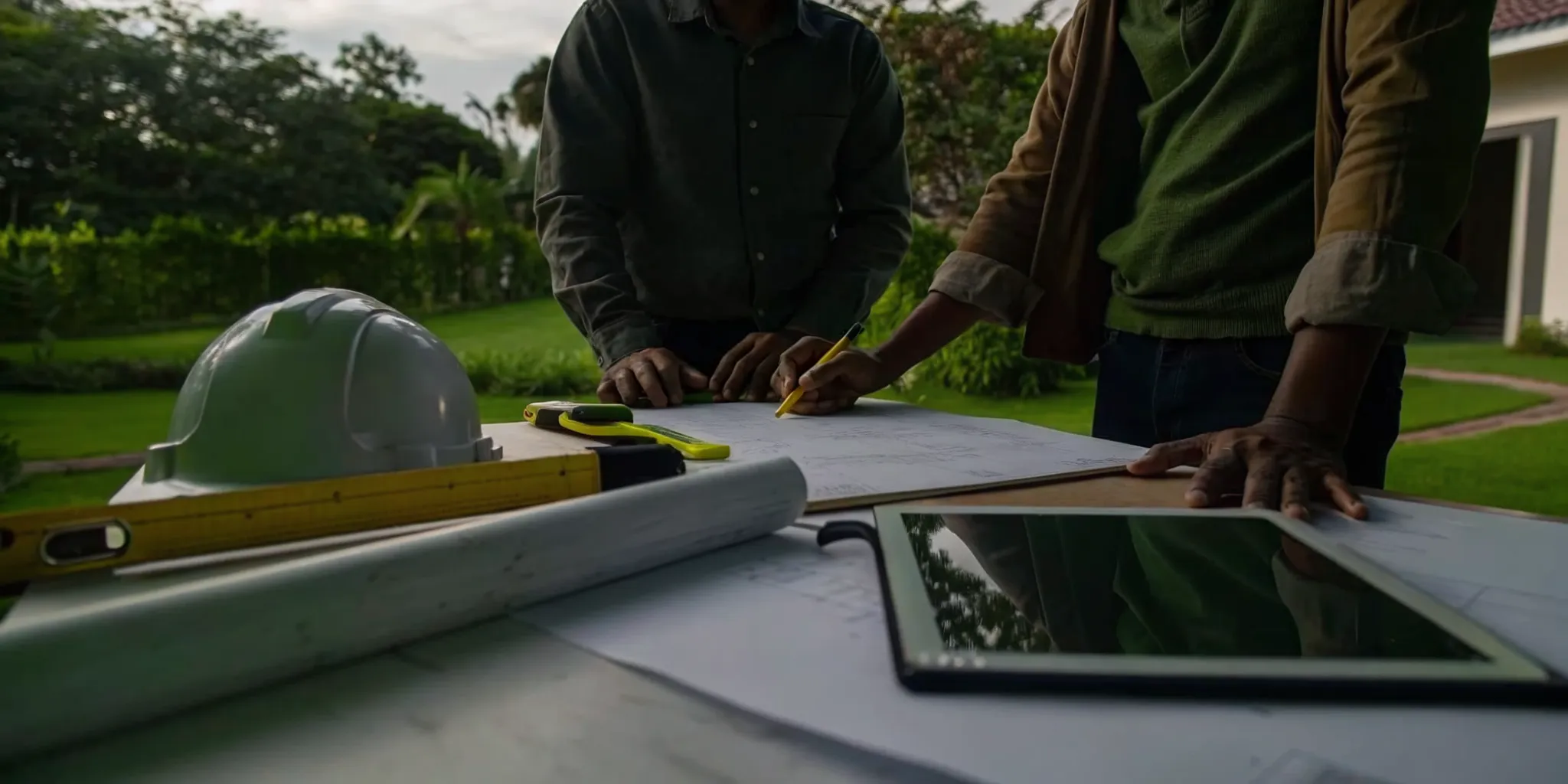
You don’t have to become an expert in municipal law overnight. Your general contractor or a dedicated project advisor can manage most of this for you. Their job is to understand the specific requirements in your area and ensure every phase of construction gets the green light. The rebuilding process involves a lot of moving parts, and having a professional who knows how to handle the administrative side is a huge weight off your shoulders. Let’s break down what you can expect.
Know Your Local Building Codes
Building codes are essentially rules for construction that prioritize safety and structural integrity. They change over time to incorporate new materials and safety standards. This means that even if your original home was built decades ago, your new home will need to meet all current building codes. This might include updated requirements for electrical wiring, plumbing, insulation, and even the use of fire-resistant materials, which is especially important in wildfire-prone areas. Your local building department’s website is the best source for this information, but your contractor should be well-versed in these local requirements.
Get the Right Permits
Before any work begins—even demolition—you’ll need to secure permits from your city or county. A building permit is official approval to start construction. Depending on the scope of your project, you may need several different permits, such as those for demolition, grading, electrical, and plumbing work. Attempting to rebuild without the proper permits can result in hefty fines and major delays. This is an area where having an experienced team is invaluable. A service like Realm can connect you with vetted professionals who understand the permitting process and can manage the project from start to finish, ensuring everything is filed correctly.
Prepare for Inspections
Once you have your permits and construction is underway, a city or county inspector will need to visit the site at key milestones. These inspections are designed to verify that the work is being done according to the approved plans and local building codes. An inspector will likely need to sign off on the foundation, framing, plumbing, and electrical systems before you can move on to the next phase. Your contractor is responsible for scheduling these inspections and making sure the site is ready. A passed inspection is the official go-ahead to keep building, bringing you one step closer to being back in your home.
How to Find and Hire the Right Rebuilding Team
Choosing the right team to rebuild your home is one of the most important decisions you’ll make in this entire process. These are the people you’ll be trusting to not only reconstruct your house but also to guide you through a complicated and emotional journey. Finding a team with the right experience, transparent communication, and a solid reputation is key to a successful project. It’s not just about finding a builder; it’s about finding a partner.
The good news is that you don’t have to do it alone. Taking a methodical approach can help you find qualified professionals who are the right fit for your specific needs. We’ll walk through how to vet specialists, compare your options, and review contracts to ensure you’re protected. At Realm, we simplify this entire process by connecting you with a network of vetted professionals and providing expert guidance every step of the way, so you can feel confident in your choices.
Vet Fire Restoration Specialists
Rebuilding after a fire isn’t like a standard renovation. It requires a specific skill set that goes far beyond what a general contractor might offer. That’s why it’s so important to find professionals who specialize in fire restoration. These experts are trained to spot hidden dangers that others might miss, like compromised structural beams, soot hidden within walls, and the long-term effects of smoke and water damage. They understand the unique building codes and permit requirements for fire reconstruction and know how to make your home safe and sound for the long haul.
Get Multiple Quotes and Check References
Once you have a shortlist of specialists, the next step is to get multiple quotes. Aim for at least three. This isn’t just about finding the lowest price; it’s about understanding what each contractor offers. A detailed quote should clearly outline the scope of work, materials, timeline, and payment schedule. When you have a few to compare, you can make a much more informed decision. Don’t forget to ask for and check references. Speaking to past clients will give you invaluable insight into a contractor’s communication style, reliability, and quality of work. This is a core part of how Realm works—we handle the vetting and quote comparison for you.
Review the Contract for Red Flags
Before you sign on the dotted line, carefully review every word of the contract. A thorough, professional contract is a sign of a reputable builder. It should include a detailed project plan, a clear payment schedule, and procedures for handling any changes or unexpected issues. Be wary of any red flags, such as a contractor who asks for a large cash deposit upfront, is hesitant to provide a written contract, or can’t show proof of licensing and insurance. A trustworthy partner will also help you work with your insurance provider and ensure all necessary permits are secured before work begins, giving you peace of mind.
Clearing the Site Safely
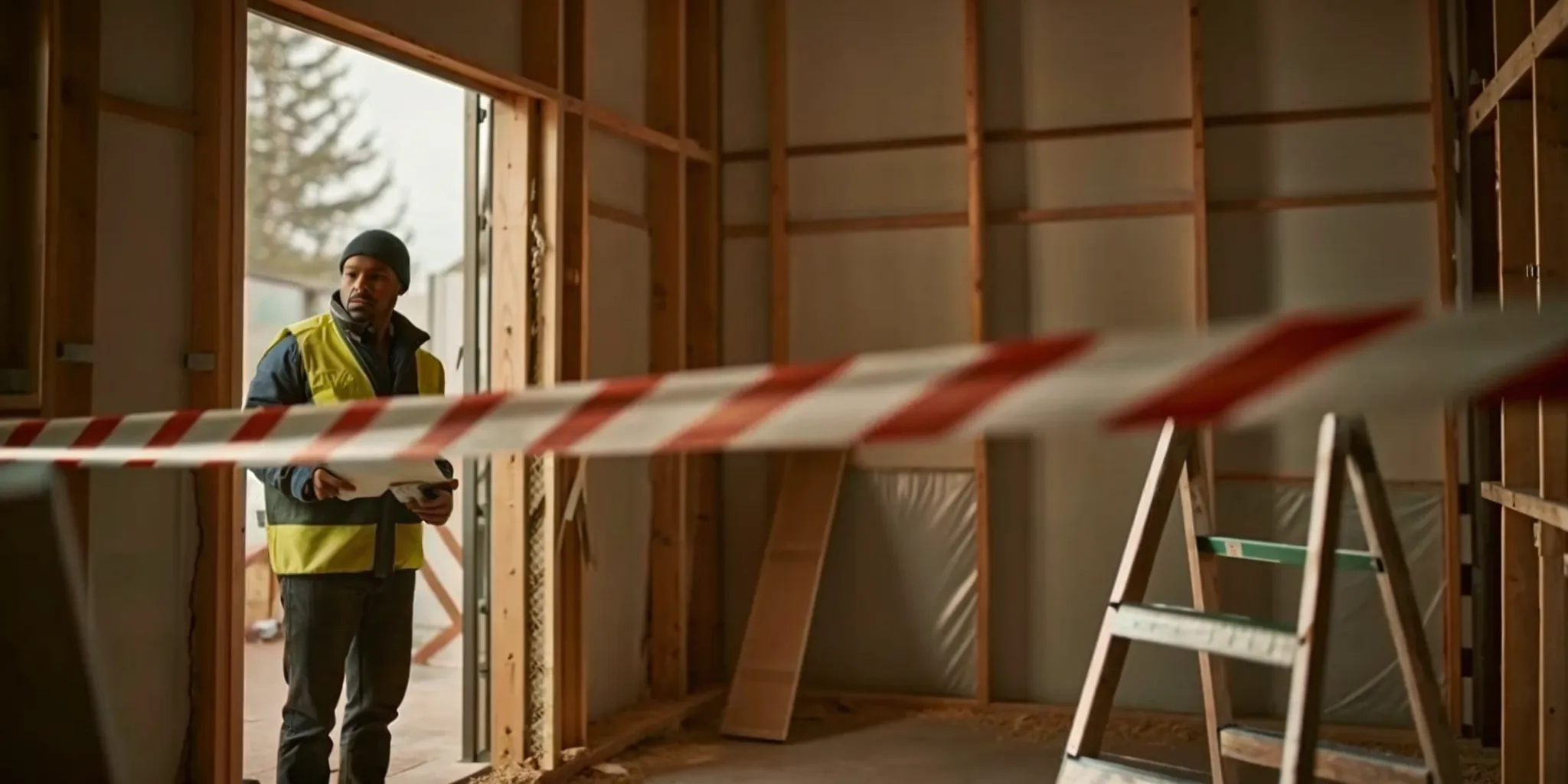
After a fire, clearing your property is about more than just cleaning up—it’s about creating a safe, stable canvas for your new home. This phase can be physically and emotionally demanding, and it comes with serious safety considerations. While it’s tempting to jump right in, remember that fire-damaged sites contain hidden hazards, from structural weaknesses to toxic materials. For these reasons, site clearing is often best left to professionals who have the right equipment and training. Understanding the steps involved will help you oversee the process and ensure it’s done correctly, setting you up for a successful rebuild. Your main job here is to make sure every step is handled with care, prioritizing the long-term health and safety of your family.
Remove Debris the Right Way
Before you even think about stepping onto your property, you must wait for local authorities to give the official all-clear. Once you have it, the first task is to clear out damaged items in a process often called a "muck out." This involves removing everything that can't be salvaged—charred furniture, ruined appliances, damaged clothing, and any parts of the structure that are too compromised to save. It’s a tough but necessary step to clear the way for a thorough assessment. This isn't just about tidying up; it's about removing potential hazards and preparing the site for the next phase of rebuilding your home.
Handle Hazardous Materials
A house fire leaves behind more than just ash and soot; it can release toxic chemicals and disturb hazardous materials within the home’s structure. Substances like asbestos, lead, and arsenic can become airborne, posing significant health risks. It’s critical to have the debris tested for asbestos before any cleanup begins. These toxic residues can cause both short-term issues like skin irritation and breathing problems, and serious long-term health conditions. This is why professionals should handle the removal of these materials. If you have a well or septic tank, they’ll also need a professional inspection to check for contamination before they can be used again.
Clear the Site and Assess the Foundation
With the debris and hazardous materials gone, the final clearing stage involves securing the site itself. Start by contacting your utility companies to ensure gas, water, and electricity are safely shut off. Then, carefully inspect the property for immediate dangers like unstable trees, exposed wiring, or sharp, broken materials. Once the site is completely clear and safe, you can finally get a good look at the foundation. A structural engineer will need to assess its integrity to determine if it can be used for your new home or if it needs to be repaired or replaced. This assessment is a pivotal moment that will shape the scope and budget of your entire project, and it’s where an expert renovation partner can provide crucial guidance.
Staying Safe: Health Risks to Know
After a fire, your first instinct might be to jump into cleanup, but your health and safety should always come first. The visible damage is only part of the story; invisible hazards left behind by fire, smoke, and water can pose serious health risks. Understanding these dangers is the first step in protecting yourself and your family during the recovery process. The emotional pull to reclaim your space is strong, but this is a time for patience and caution. Rushing in without the right knowledge and protection can expose you to a cocktail of toxic chemicals from burned plastics, carpets, and treated wood. You could also inhale fine particulate matter from soot and ash, which can cause lasting respiratory problems. Beyond the chemical and air quality issues, there's also the risk of physical injury from a compromised structure. Before you even think about sorting through belongings or clearing debris, it’s essential to be aware of these potential dangers. Taking the right precautions and knowing when to rely on professionals isn't just a good idea—it's a critical part of a safe and successful rebuild. This is a moment where proceeding with expert guidance will pay off in the long run, ensuring your rebuilt home is a healthy one for years to come.
Prevent Exposure to Toxic Chemicals
When a house burns, everyday materials like plastics, carpets, wood, and even insulation can release a host of toxic chemicals into the air and surrounding surfaces. These substances can cause immediate health issues like skin irritation and breathing problems, as well as serious long-term effects. It’s crucial that all fire-damaged materials are handled and disposed of correctly by professionals who understand the risks. Proper cleanup is not just about removing soot; it’s about decontaminating your space to make it safe for living again. For homeowners in affected areas, resources for wildfire recovery can provide specific guidance on managing these environmental hazards and ensuring a thorough, safe restoration of your property.
Protect Your Lungs and Monitor Air Quality
The air inside and around a fire-damaged home can be filled with ash, soot, and other fine particles that are dangerous to inhale. If you must enter the property, always wear the proper personal protective equipment (PPE). This includes N95-rated masks, safety glasses, and thick gloves to protect your lungs, eyes, and skin from contact with harmful residue. Never begin cleanup without this essential gear. You should also pay attention to local air quality reports, as external conditions can affect the air inside your home. Your health is paramount, and taking these simple precautions can prevent respiratory issues down the road.
Watch Out for Hidden Health Hazards
Some of the most significant health risks after a fire are the ones you can't see. Smoke can penetrate deep into walls, insulation, and ductwork, leaving behind carcinogens and odors that are difficult to remove. What might look like a simple soot stain on a wall could be a sign of deeper contamination that makes the material unsafe to keep. This is why a thorough inspection from a qualified professional is so important. An expert can identify hidden damage and determine what can be cleaned versus what must be completely removed, ensuring your home is truly safe before you start rebuilding.
The Rebuilding Process, Step by Step
Once you have a clear plan, a solid team, and the necessary permits, the physical rebuilding can begin. This is often the most rewarding part of the journey, as you get to see your new home take shape from the ground up. The process is methodical, with each step building on the last. Having a dedicated project advisor can be a huge help in keeping everything on track and ensuring each stage is completed to the highest standard. Here’s a look at the major phases of construction.
Lay the Foundation and Frame the Structure
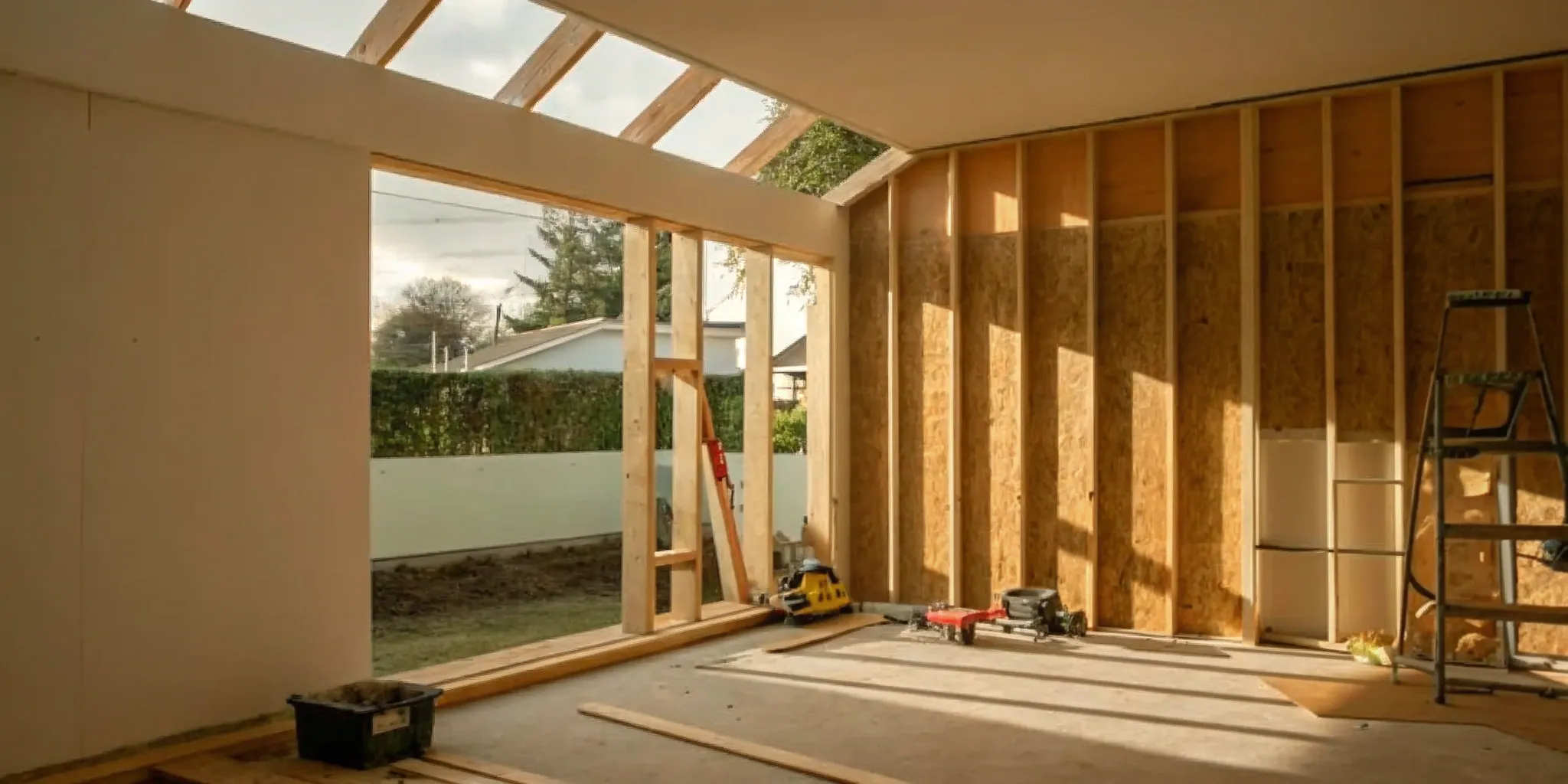
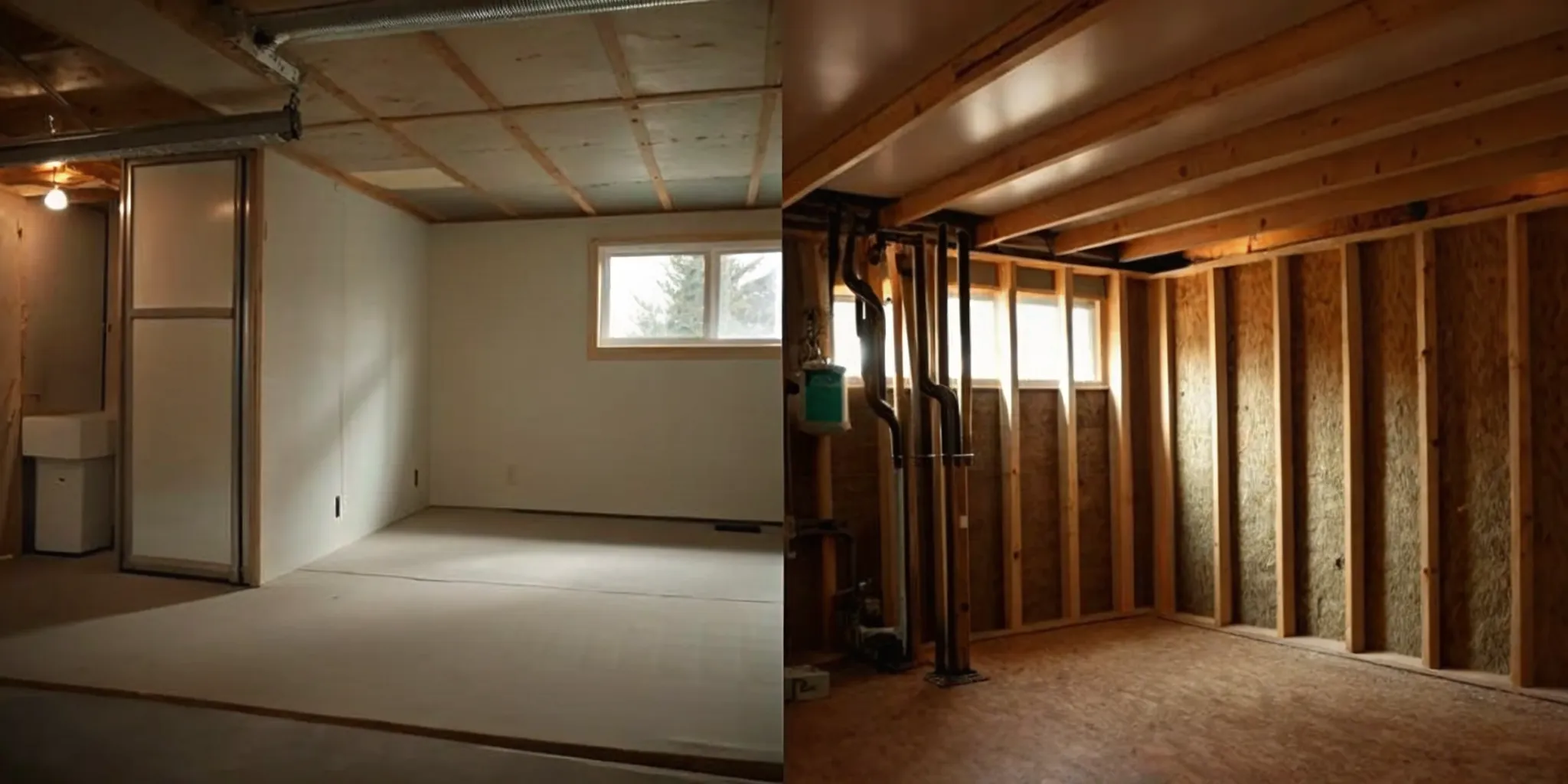
Before any new construction starts, your team will ensure the site is completely safe and clear of hazards. After the last of the debris is removed, the first step is to lay a new foundation. This is the literal base of your entire home, so it must be done correctly. Once the concrete has cured, the framing crew comes in to build the skeleton of your house. You’ll see walls, floors, and the roof structure go up, and for the first time, you’ll get a real sense of the rooms and spaces. It’s a major milestone that transforms an empty lot back into the shape of a home.
Install Electrical, Plumbing, and HVAC
With the frame in place, it’s time to install the home’s essential systems. This is when electricians, plumbers, and HVAC technicians run all the necessary wiring, pipes, and ductwork through the walls, floors, and ceilings. These are the veins and arteries of your house, powering your lights, bringing you clean water, and keeping you comfortable year-round. This work must comply with local building codes to ensure everything is safe and functional. It’s critical that these installations are done right the first time, as they’ll soon be covered by insulation and drywall, making them much harder to access later.
Add Interior and Exterior Finishes
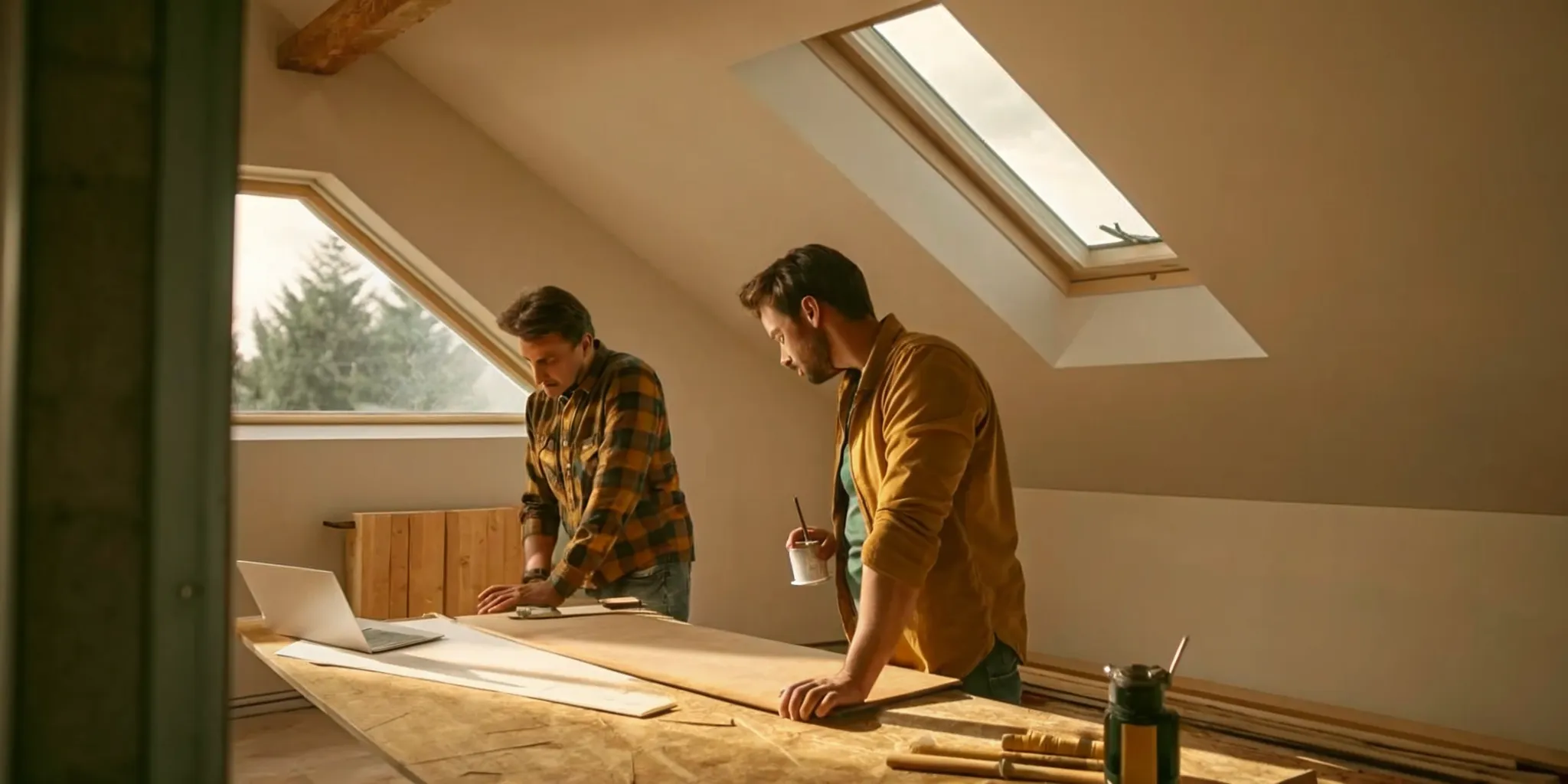
This is the phase where your house truly starts to feel like your home again. After insulation is installed and the walls are closed up with drywall, the finishing work begins. On the outside, this includes siding, windows, and roofing. Inside, your team will install cabinets, lay flooring, hang doors, and apply paint. All the details you chose—from the kitchen countertops to the bathroom tiles—will be put into place. This stage brings back the color, texture, and personality that was lost, turning the structure into a personalized space ready for new memories.
Manage Your Timeline, Budget, and Resources
Getting through the rebuilding process is a marathon, not a sprint. It requires careful management of your schedule, finances, and the people you lean on for support. Thinking through these key areas from the start will help you stay organized and feel more in control during a challenging time. By breaking down the project into manageable pieces, you can create a clear path forward and keep stress at a minimum. Let’s walk through how to handle your timeline, budget, and resources effectively.
Set a Realistic Timeline
Patience is essential when rebuilding a home. The entire process, from clearing the site to the final walkthrough, can easily take months or even more than a year. After a widespread disaster, competition for qualified contractors and building materials can create even longer delays. It’s important to set a realistic timeline from the beginning to manage your own expectations and coordinate with your rebuilding team. Work with your contractor to map out each phase of the project, building in buffer time for potential setbacks like weather delays or inspection scheduling. Having a clear project plan helps everyone stay on the same page and reduces surprises along the way.
Create Your Rebuilding Budget
Creating a detailed budget is one of the most critical steps you’ll take. While the cost of a full rebuild varies widely, it’s often more manageable than buying a new property, as your primary out-of-pocket expenses may be your insurance deductible and any upgrades you choose. Start by getting a clear picture of your insurance settlement. From there, work with your contractor to create a line-item budget that covers everything from permits and materials to labor and finishes. Be sure to include a contingency fund—typically 10% to 20% of the total cost—to cover unexpected expenses. Getting expert guidance can help you accurately estimate costs and make informed financial decisions.
Find Support and Helpful Resources
You don’t have to go through this process alone. Many local governments offer assistance to residents recovering from fires. For example, Los Angeles County provides a step-by-step guide called "The Road to Rebuilding" to help homeowners through the process. Look for similar programs in your area. Beyond official resources, working with a dedicated team can make a world of difference. A good restoration company or project advisor can help you deal with your insurance company and manage the project from start to finish. Leaning on dedicated resources designed for homeowners in your situation can provide both practical help and peace of mind.
Related Articles
- How to Hire Fire Damage Restoration Contractors
- LA Wildfire Recovery
- Fire Restoration Cleaning Process: The 7 Key Steps
- One Year After the California Wildfires: Support, Remembrance, and the Road Ahead
Frequently Asked Questions
What if my insurance company's settlement offer seems too low to cover the rebuild? It’s common to feel that the initial offer from your insurance company won’t be enough to cover the full cost of rebuilding. Don't feel pressured to accept it right away. You have the right to negotiate. Start by getting detailed, independent quotes from vetted contractors who specialize in fire restoration. This will give you a realistic cost estimate to present to your adjuster. A dedicated advisor can help you review these bids and ensure your settlement is sufficient for a quality rebuild, giving you the evidence you need to make a strong case for a fair amount.
Can I start cleaning up or clearing debris myself to save time and money? While the desire to take action is completely understandable, you should not attempt to clean up or clear debris yourself. A fire-damaged site contains numerous hidden dangers, from toxic chemicals released by burned materials to structural weaknesses that could cause collapse. Professionals are trained to handle hazardous materials like asbestos and lead safely and have the right equipment to do the job without risking their health. Your safety is the top priority, so please wait for experts to manage the site clearing.
Do I have to rebuild the exact same house I had before? Not at all. In fact, you likely won't be able to build the exact same house. Building codes are updated over time, so your new home will need to meet all current safety and construction standards, which may require changes to the original design. This can also be an opportunity to make improvements you’ve always wanted, whether that’s a more open floor plan or more fire-resistant building materials. Think of it as a chance to build a home that better fits your current needs.
How long does the entire rebuilding process usually take? Rebuilding a home is a marathon, not a sprint. From the initial insurance claim and site clearing to the final coat of paint, the process can easily take a year or more. Several factors influence the timeline, including the extent of the damage, the permitting process in your city, and the availability of contractors and materials, especially after a widespread disaster. It’s important to work with your builder to create a realistic schedule and build in some buffer time for unexpected delays.
With so many things to do at once, what is the absolute first thing I should focus on? Before you do anything else, focus on your safety and your insurance claim. First, wait until the fire department gives you the official all-clear to even step on your property. Once it's safe, your next job is to contact your insurance company to start the claims process. Getting that ball rolling is critical for securing the financial resources you'll need for temporary housing and the eventual rebuild. Everything else will follow from these two essential first steps.







































.png)






.png)