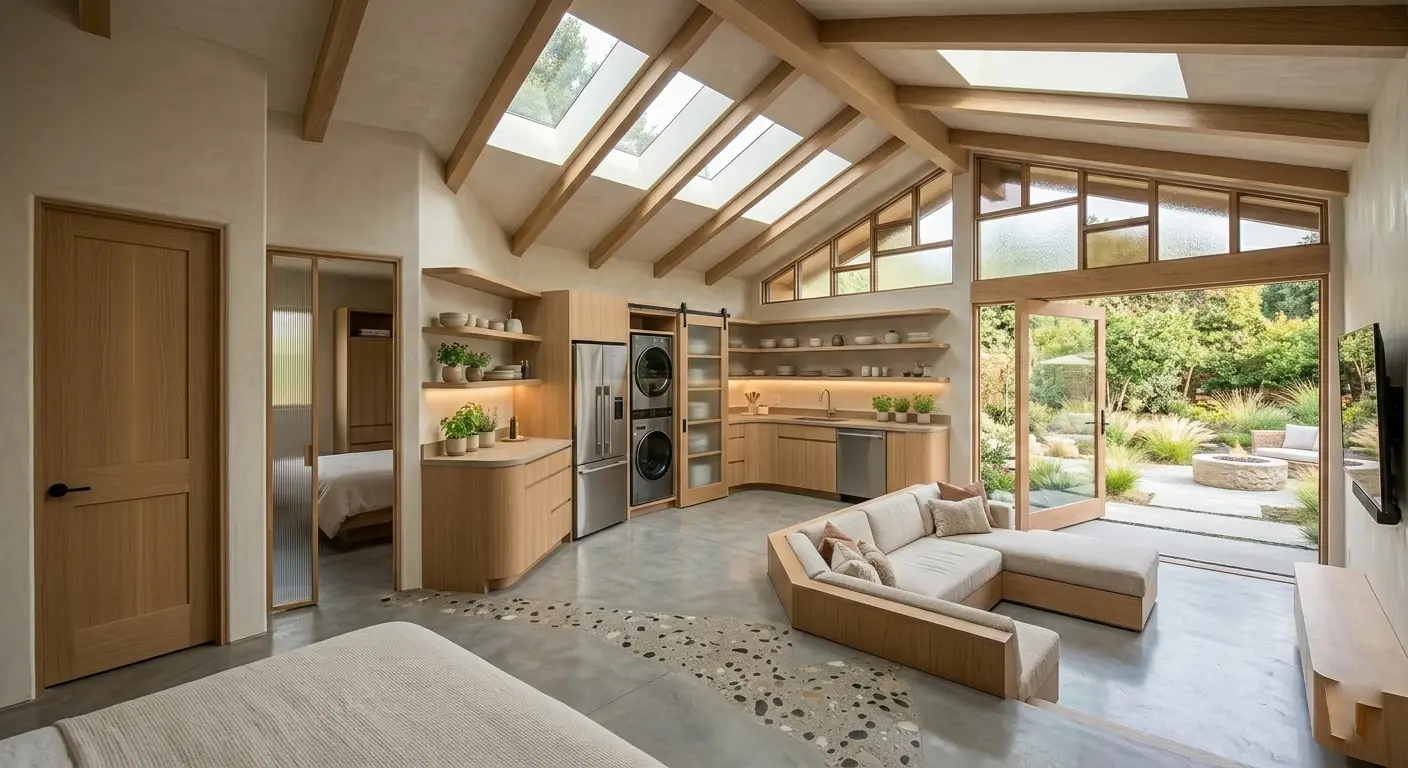
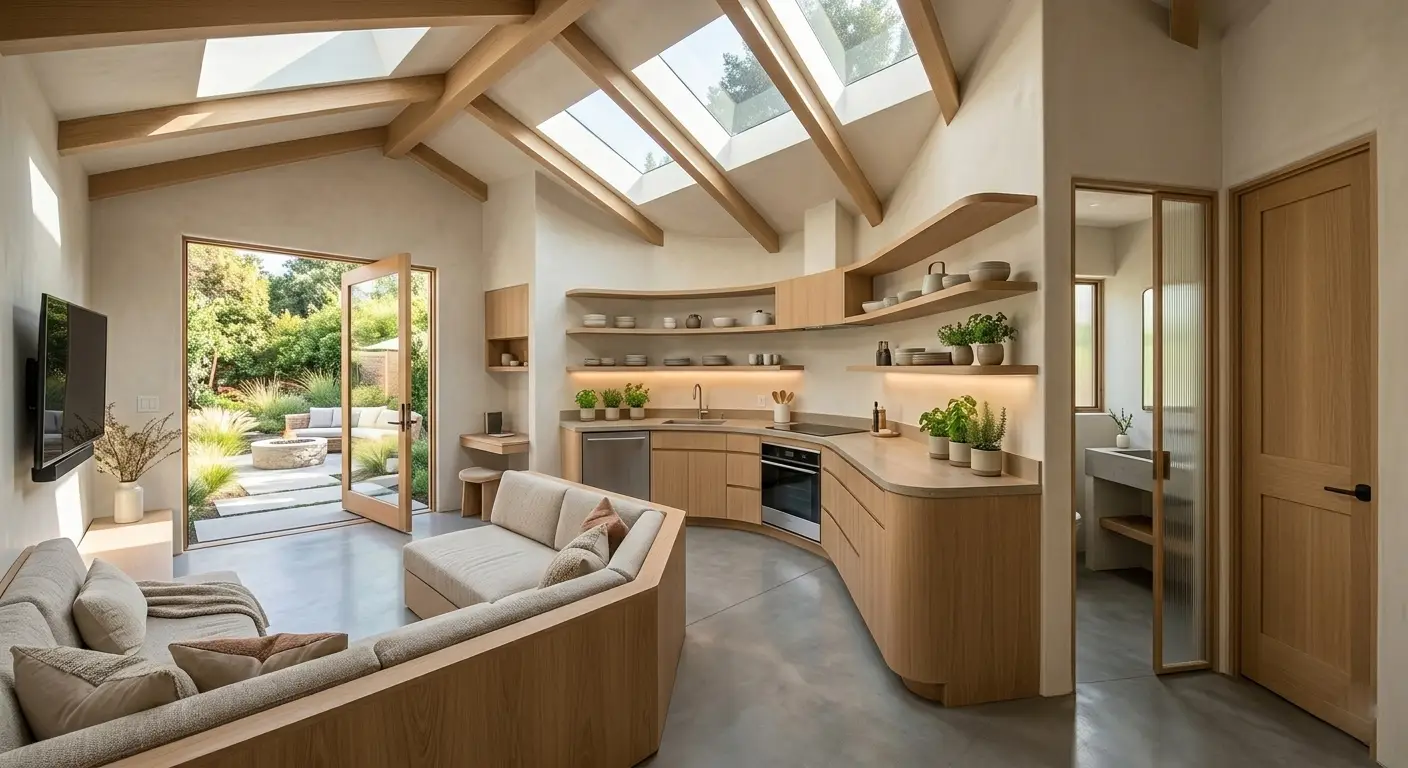
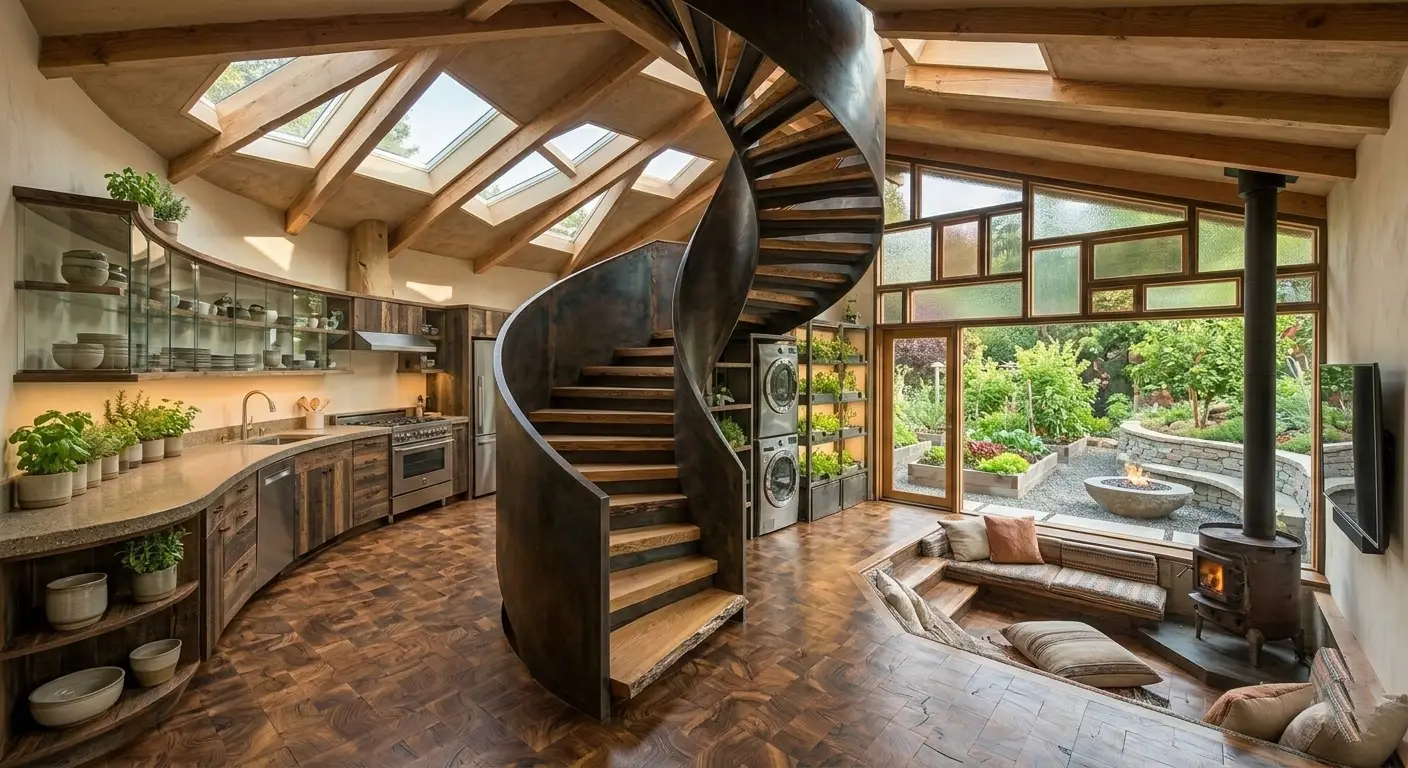
Garage Conversion California: Costs, Rules & Steps
Get expert tips on garage conversion near California, including costs, rules, and step-by-step guidance to create a legal, comfortable living space.
|
June 8, 2026
In this article:
Your garage might just be the most overlooked asset on your property. Right now, it could be a cluttered space for cars and storage, but it holds the potential to become a significant source of income. By transforming it into a legal Accessory Dwelling Unit (ADU), you can create a rental unit that helps pay your mortgage or funds other financial goals. Beyond the monthly cash flow, a permitted conversion also adds substantial value to your home. This guide focuses on the financial side of a garage conversion near California, exploring the costs, the potential return on investment, and how to plan a project that makes smart financial sense.
Key Takeaways
- Commit to a legal conversion from the start: To protect your investment and ensure safety, your project must follow a formal process. This includes getting city permits, passing inspections, and meeting all building codes for a habitable space, from proper insulation to emergency exits.
- Budget for a small home, not just a room: Expect to invest between $100,000 and $180,000 for a full ADU conversion in California. This budget covers essential upgrades to the foundation, utilities, and structure, creating a valuable asset that can provide rental income and add to your property's resale value.
- Hire an ADU specialist, not a generalist: The right contractor is critical for a smooth project. Look for professionals with proven experience in garage conversions, check their state license, and call their references to ensure they understand the specific building codes and permitting processes in your area.
Why Convert Your Garage in California?
If you’re a California homeowner, you know that space is a valuable commodity. Whether you’re dreaming of a home office, a guest suite for family, or a way to generate extra income, expanding your home can feel like a daunting and expensive project. That’s where your garage comes in. Converting your garage into a livable space has become one of the smartest home improvement projects you can take on, thanks to its practicality and a supportive legal landscape.
Understanding the difference between a simple conversion and a full-fledged Accessory Dwelling Unit (ADU) is the first step. From there, you can see how statewide changes have made this project more accessible than ever.
Garage Conversions vs. ADUs, Explained
You’ve probably heard the term ADU, but what does it actually mean? An Accessory Dwelling Unit, or ADU, is a complete, separate living space built on your property. To qualify as an ADU, the unit must have its own kitchen, bathroom, and areas for living and sleeping. A garage conversion is one of the most cost-effective and popular ways for California homeowners to create an ADU. Instead of building a new structure from the ground up, you’re using the existing foundation and frame of your garage. This approach saves time and money while transforming an underused part of your property into a fully functional home.
The Current California Housing Landscape
It’s no secret that California is dealing with a major housing shortage, which has driven home prices to record highs. In response, the state has passed laws to make it much easier for homeowners to legally convert their garages into living spaces. These updated regulations are designed to streamline the permitting process and remove common barriers that once made garage conversions difficult. For homeowners, this means less red tape and a clearer path forward. With an expert to guide you, you can confidently take advantage of this opportunity to add valuable, legal living space to your property. At Realm, we simplify the entire renovation process to help you do just that.
What Are the Rules for a Garage Conversion in California?
Converting your garage into a livable space is an exciting project, but it’s not as simple as just adding a couch and a mini-fridge. To do it right, you need to follow a specific set of rules designed to make sure your new unit is safe, legal, and comfortable. The good news is that California has passed several laws in recent years to make this process much more straightforward for homeowners.
Think of these regulations as a roadmap. They cover everything from state-level laws that encourage accessory dwelling units (ADUs) to local building codes that dictate everything from window size to insulation. Understanding these rules from the start will help you plan a smooth project, avoid costly mistakes, and end up with a space you can be proud of. Let’s walk through the key regulations you’ll need to know.
Understanding State ADU Laws and Permits
Thanks to a series of state laws, California has made it significantly easier to convert garages into ADUs. Legislation like AB 68 and SB 9 streamlined the approval process, meaning you can legally convert a garage on almost any single-family residential lot in the state. These laws were created to help address the housing shortage by empowering homeowners to add density to their own properties.
While the state has paved the way, you’ll still need to work with your local city or county planning department. Every project requires permits to ensure it complies with local ordinances and state building codes. Your local jurisdiction will review your plans before you can start construction. The California Department of Housing and Community Development offers a great overview of these state laws and how they apply to your project.
Meeting Building Codes and Safety Standards
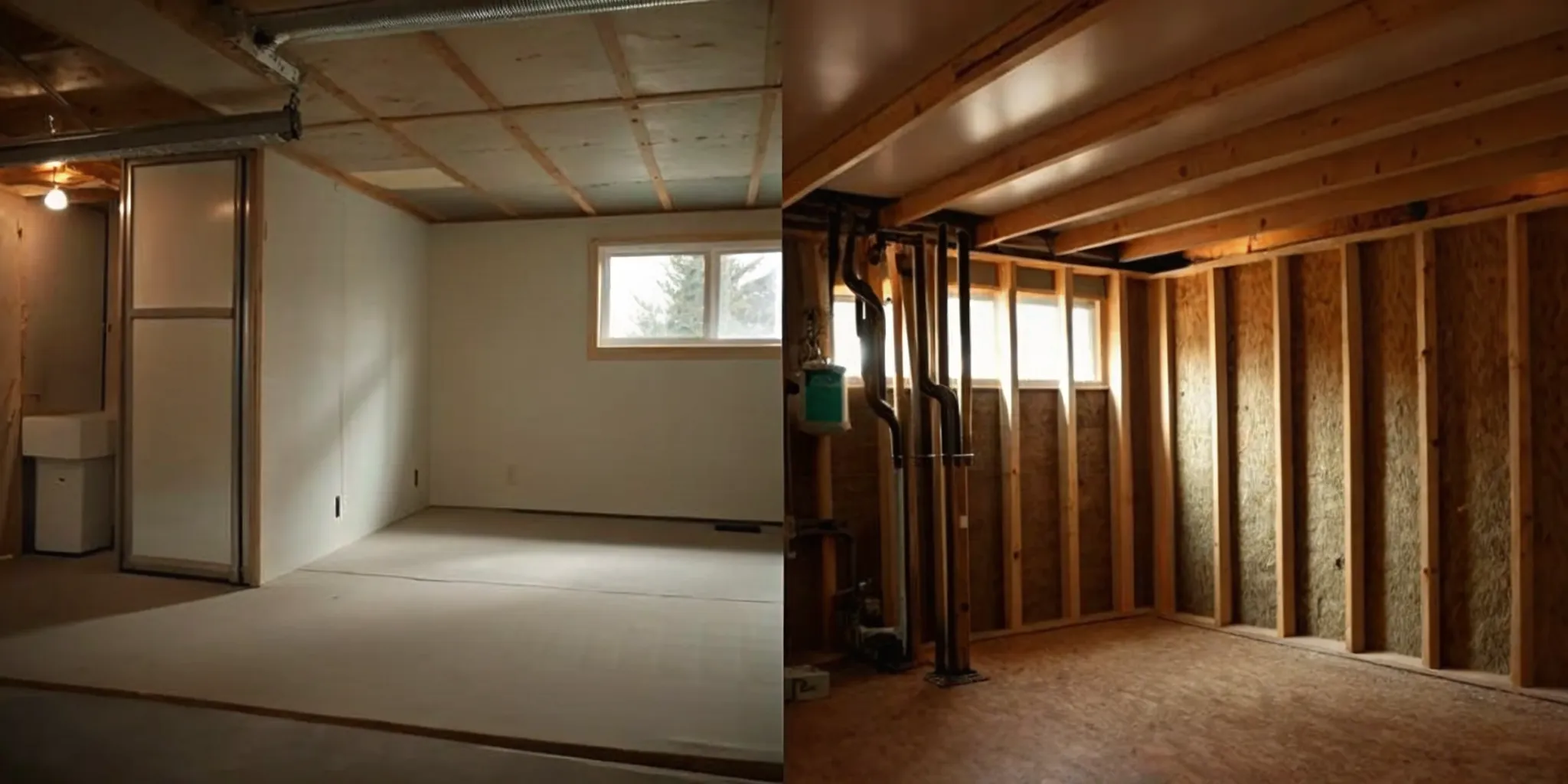
Your garage was originally designed to store cars, not to house people. That’s why building codes require you to upgrade it to meet the standards for a habitable living space. This is all about safety and comfort. The converted garage must have proper insulation, windows large enough for escape in an emergency (egress windows), adequate heating, and good airflow to prevent moisture issues.
These upgrades are non-negotiable and are a major part of your conversion budget. You’ll need to ensure the space has proper electrical wiring, plumbing, and structural integrity. Working with a professional who understands these requirements is key. A dedicated project advisor can connect you with vetted contractors who are experts in local building codes, ensuring your project is done safely and correctly from the start.
What to Know About Setbacks and Parking
In the past, two of the biggest hurdles for garage conversions were setbacks and parking requirements. Setbacks are rules that dictate how far a structure must be from your property lines. The great news is that for existing garage conversions, these setback requirements are typically waived. You can build within the existing footprint of your garage without needing to worry about moving it.
Parking is another area where the state has relaxed the rules. You generally do not have to replace the parking spaces you lose by converting your garage, especially if your property is located near public transportation. This change has been a game-changer, as it removes a significant cost and logistical challenge for many homeowners. Always check with your local planning department for the specific parking rules in your area.
How Much Does a Garage Conversion Cost in California?
Let’s talk numbers. Transforming your garage into a livable space is a major project, and the budget is often the first thing on everyone’s mind. While the final cost depends on your specific garage and vision, you can generally expect a garage conversion ADU in California to cost between $100,000 and $180,000. This range covers everything from design and permits to construction and finishes.
Think of it this way: you’re essentially building a small home within an existing structure. The investment reflects the work needed to make the space safe, legal, and comfortable. While that price tag might seem high, remember that converting a garage is one of the most popular and affordable ways for California homeowners to add housing. You’re using a structure you already own, which saves a significant amount compared to building from scratch. Plus, the added property value and potential for rental income can offer a fantastic return on your investment. The key is to understand where your money is going and what factors will influence your total spend.
Breaking Down the Typical Costs
So, what does that $100,000 to $180,000 price range actually include? This estimate generally covers the core components of a conversion. Think architectural plans, city permits, structural work like reinforcing the foundation, and framing new walls. It also includes installing essential systems like plumbing, electrical, and HVAC. From there, you have insulation, drywall, flooring, and painting. Finally, the budget accounts for a functional kitchen and bathroom, complete with fixtures, cabinets, and appliances. The exact cost will vary based on your location within California, the size of your garage, and the quality of materials you choose for your finishes.
Key Factors That Affect Your Budget
Several key elements can cause your project’s cost to swing one way or another. The biggest factor is the current condition of your garage. An older structure with a cracked foundation or a leaky roof will require more upfront investment to bring it up to code. The size of your garage also plays a role; a three-car garage conversion will naturally cost more than a one-car space. Your design choices matter, too. High-end finishes, custom cabinetry, and premium appliances will push your budget higher, while standard, builder-grade options can help you save. Luckily, most counties are required to allow at least one ADU project on a single-family lot, making the process more accessible.
Planning for Foundation and Utility Upgrades
Two of the most common (and costly) surprises in a garage conversion are foundation and utility work. Many older garages weren't built with the same structural integrity as a home, so you may need to fix or upgrade the foundation to meet modern safety standards for living spaces. This could involve pouring a new concrete slab or reinforcing the existing one. Similarly, you’ll need to connect the new unit to water, sewer, and electricity. Depending on your property’s setup, this might require running separate utility lines or making significant upgrades to your existing systems to handle the increased load. Planning for these potential expenses from the start will help you create a more realistic and resilient budget.
What Are the Biggest Benefits of Converting Your Garage?
A garage conversion is more than a home improvement project; it’s a strategic move that can transform your property. By reimagining this often-underused space, you can add functional living area, create a new income stream, and increase your home's overall value. The benefits go beyond simple square footage, offering practical solutions for housing family members or generating rental income. Here are the biggest advantages of converting your garage in California.
Earn Rental Income and Increase Property Value
This is one of the most compelling reasons to convert your garage. Turning the space into a legal Accessory Dwelling Unit (ADU) creates an opportunity for steady rental income. In cities like Los Angeles and San Diego, a well-designed garage ADU can rent for $1,800 to $2,500 or more per month. This cash flow can help offset your mortgage or cover the project's cost over time. Beyond monthly income, a permitted garage conversion is a smart long-term investment that can substantially increase your property's value, making it a win-win for your finances.
Make the Most of Your Existing Space
Why build out when you can build in? A garage conversion uses your home's existing structure, making it one of the fastest and most cost-effective ways to add living space. You're starting with a foundation, walls, and a roof already in place, which saves significant time and money compared to a ground-up build. Plus, California law offers a major perk: if you convert an existing garage, you typically don't have to add a new parking space. This is a huge advantage in dense urban areas where parking is limited, and an efficient way to get the extra room you need.
Create a Legal, Livable Unit
With California's push to address the housing shortage, state laws have made it easier for homeowners to legally convert garages into living spaces. This means you can transform a dusty storage area into a safe, permitted, and functional home for a family member or a tenant. Following the proper process ensures your new unit meets all health and safety standards from the California Building Code. This protects you and your occupants and solidifies the value of your investment. A legal, permitted unit is an asset, while an unpermitted one can become a liability.
What's the Step-by-Step Process for a Garage Conversion?
A garage conversion is a major project, but it doesn't have to be overwhelming. When you break it down into clear phases, you can see a straightforward path from a cluttered storage space to a beautiful, functional living area. The key is to follow a structured process that covers everything from initial brainstorming to final sign-off. Think of it as a roadmap: you start with a destination in mind, plan your route, and then follow it one turn at a time. With the right preparation and professional support, you can handle each stage confidently and avoid common pitfalls.
This process ensures your project stays on track, meets all legal requirements, and results in a space that’s both safe and valuable. Let’s walk through the four main phases of a successful garage conversion.
Start with a Plan and Professional Advice
Every successful renovation begins with a solid plan. Before you knock down any walls, define what you want to achieve. Are you creating a rental unit for extra income, a private suite for family, or a home office? Your goals will shape the design, layout, and budget. This is the perfect time to get professional advice. An experienced designer or a platform like Realm can help you create a feasible plan that maximizes your space and aligns with your budget.
It’s also critical to commit to a legal conversion from day one. Taking shortcuts by skipping permits might seem tempting, but it can lead to huge fines, safety hazards, and problems when you eventually sell your home. A properly planned project sets you up for a smooth process and a valuable, compliant final product.
Apply for Permits and Get Your Plans Reviewed
Once your design is finalized, the next step is getting official approval from your local city or county. You’ll need to submit your architectural plans to the building department for review. This process ensures your project complies with zoning regulations and building codes. In California, recent state laws have made it easier to get ADU permits approved, but you still need to follow the correct procedure.
Permits are required for any significant changes, including structural work, new windows or doors, and any electrical or plumbing installations. Your contractor or designer will typically handle the submission process, but it’s good to understand what’s involved. The review can take anywhere from a few weeks to a few months, so be sure to factor this into your project timeline.
Manage Construction and Inspections
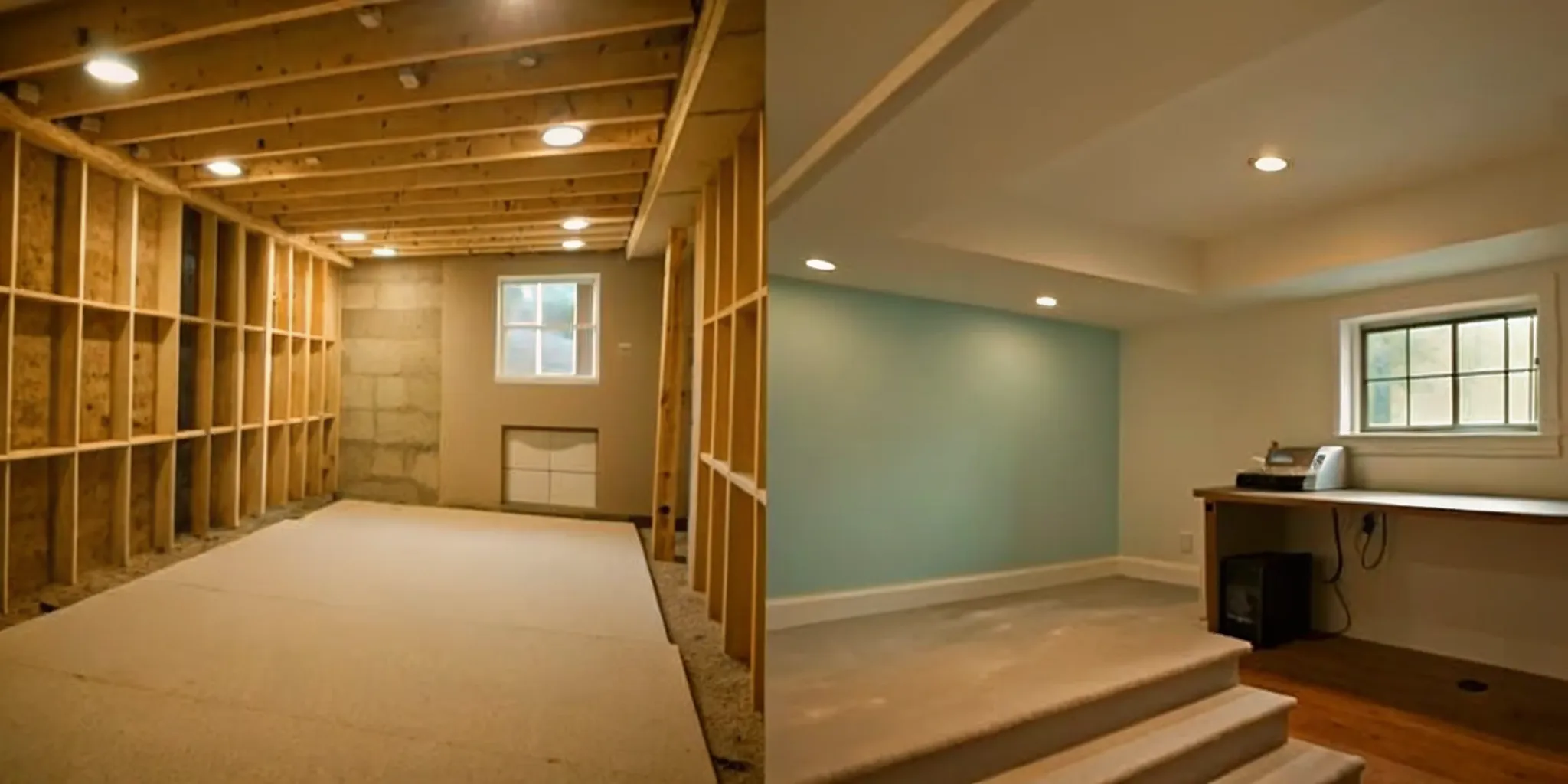
With approved permits in hand, construction can begin. This is the most exciting phase, as you’ll see your vision start to take shape. Your contractor will handle everything from demolition and framing to installing utilities and finishing the interior. Throughout the construction process, a city inspector will visit the site at key milestones. They’ll check the foundation, framing, electrical wiring, and plumbing to ensure everything is built to code.
These inspections are not just formalities; they are essential safety checks. For example, the inspector will verify that the space has proper fire safety measures, adequate ventilation, and emergency exit windows. Working with vetted professionals ensures that the work is done right the first time, helping you pass inspections without delays.
Get Final Approval and Your Certificate of Occupancy
After the final touches are complete, like painting and flooring, you’ll have one last visit from the city inspector. During this final inspection, they will review the completed project to confirm that all work matches the approved plans and meets every code requirement. Once you pass, the city will issue a Certificate of Occupancy.
This document is your official proof that the garage has been legally converted into a habitable living space. It’s a crucial piece of paperwork that finalizes your project, makes the unit legal to rent out, and officially adds to your home’s square footage and value. With that certificate in hand, you’re ready to furnish the space and enjoy your brand-new ADU.
What Potential Downsides Should You Consider?
A garage conversion can be a fantastic investment, but it’s smart to go in with your eyes wide open. Like any major home project, it comes with trade-offs that are worth thinking about before you start knocking down walls. Considering these potential downsides isn't about discouraging you; it's about helping you make the best possible decision for your home and your family. While the benefits like rental income and extra living space are exciting, it's important to look at the complete picture.
The biggest shift is how you'll use your property. You're not just adding a room; you're repurposing a functional space that has served a specific purpose, whether for parking, storage, or as a workshop. This change has ripple effects that touch on everything from your daily routine to your home's long-term market appeal. You'll need to think through where your car will go, how you'll store your belongings, and what it means to become a landlord if you plan to rent the unit out. It also involves a significant construction process that requires careful planning around safety, legal compliance, and insurance. By weighing these factors carefully, you can create a plan that truly works for you and avoids any surprises down the road.
Saying Goodbye to Parking and Storage
The most immediate change you’ll notice is the loss of your garage space. For many of us, that’s where we park our cars, store holiday decorations, and keep our tools. You’ll need a new plan for all of it. This might mean parking on the street or reconfiguring your yard for a parking pad. It’s also a factor for your home’s future. While an ADU adds significant value, losing a dedicated garage might make your property less appealing to some future buyers who see it as an essential feature. It’s a trade-off you’ll want to consider based on your lifestyle and local neighborhood norms.
Handling Insurance and Safety Compliance
This is one area where you can’t cut corners. A legal, permitted conversion is essential for keeping your home safe and insurable. An unpermitted unit can create major headaches, from voiding your homeowner's insurance to facing fines from the city. To be approved, the new living space must meet strict health and safety rules outlined in the California Building Code. This includes requirements for fire safety (like smoke detectors and drywall thickness), proper ventilation, adequate natural light, and having windows large enough for an emergency exit. Working with a professional ensures every detail is handled correctly.
How It Affects Property Value and Resale
Converting your garage is a popular and often affordable way to add a legal housing unit and generate rental income, which can be a huge financial win. An ADU almost always increases your property’s overall value. However, it’s important to think about the specific trade-off of losing a garage. In some neighborhoods, a two-car garage is a standard feature that buyers expect. While many will be thrilled about the extra living space or rental potential of an ADU, others might be deterred by the lack of covered parking. Your renovation advisor can help you weigh the pros and cons for your specific property and market.
How Do You Find the Right Contractor for Your Project?
Finding the right contractor is the most critical step in turning your garage conversion plans into reality. This isn't just about hiring someone to build; it's about finding a partner who can manage the entire project, from handling complex local permits to executing the final build. The best professional for the job will have specific experience with Accessory Dwelling Units (ADUs) in California. They’ll understand the nuances of building codes, have a network of reliable subcontractors, and communicate clearly every step of the way. Vetting your options thoroughly upfront will save you from headaches and costly mistakes down the road.
A qualified ADU professional acts as your project manager, so you need someone you can trust. When you start your search, look for contractors who specialize in garage conversions and can show you a portfolio of their completed projects. This isn't the time to hire a generalist. You want a specialist who has successfully completed similar conversions in your area. A true professional will also be transparent about their credentials. You should always verify their license with the California Contractors State License Board to ensure it's active and in good standing. This initial diligence is crucial for a smooth process and a final result that meets your expectations and complies with all legal standards.
How to Vet Qualified ADU Professionals
Once you've identified a few potential contractors with ADU experience, the real vetting begins. Ask each one for a list of references from recent garage conversion projects, and make sure you actually call them. Ask past clients about their experience with communication, budget management, and the quality of the final work. Were they happy with the process? Did the project finish on time? This firsthand feedback is invaluable. Beyond references, do your own research online. Look up their business online to read reviews and see if there are any complaints filed against them. This extra step can reveal a lot about a contractor's professionalism and reliability.
Key Questions to Ask Potential Contractors
Once you have a shortlist of vetted pros, it’s time to interview your top candidates. Being prepared with the right questions will help you gauge their expertise and professionalism. Start with the basics: Are you licensed and insured? From there, get more specific: How many garage conversions have you completed in my city? How do you handle the permitting process? What does your payment schedule look like? A reputable contractor will insist on pulling all necessary permits for structural, electrical, and plumbing work. If a potential hire suggests doing work without permits to save money, consider it a major red flag that could lead to serious legal and safety issues later on.
Using a Renovation Platform to Find Pros
If searching for and vetting contractors on your own feels overwhelming, you’re not alone. Using a renovation platform can streamline the entire process. These services do the heavy lifting for you by connecting you with a network of pre-vetted, qualified professionals in your area. Platforms like Realm provide you with a dedicated advisor and a customized plan, matching you with local contractors who have proven experience in garage conversions. This approach ensures you’re working with someone who not only understands your vision but also knows how to get the project done according to local regulations, saving you time and giving you peace of mind.
What Common Mistakes Should You Avoid?
A garage conversion is an exciting project, but it comes with its share of potential pitfalls. Knowing what to watch for from the start can save you from major headaches, unexpected expenses, and long delays down the road. A little bit of planning and awareness goes a long way in making sure your project is a success. While the idea of a new living space, home office, or rental unit is motivating, it's the less glamorous details that often determine whether a project goes smoothly or becomes a source of stress. From understanding local regulations to anticipating the true costs, being prepared is your best defense against common renovation surprises.
The two most common areas where homeowners run into trouble are with permits and budgeting. It’s easy to get caught up in the design and forget about the foundational requirements that make a project legal, safe, and financially sound. Many people assume that since the structure is already there, the process will be simple, but that's not always the case. Converting a space designed for cars into a habitable dwelling involves significant structural, electrical, and plumbing work that must meet strict codes. Let’s walk through how you can sidestep these common mistakes and keep your renovation on the right track from day one, ensuring your new space is everything you hoped it would be.
Avoiding Illegal Work and Permit Issues
It can be tempting to skip the paperwork and dive right into construction, but this is one of the biggest mistakes you can make. Many older garages were converted without proper permits, creating unsafe living spaces with issues like poor ventilation or fire hazards. To protect your family and your investment, you need to do things by the book. A legal conversion is essential for securing homeowners insurance and maintaining your property’s value for a future sale.
The rule is simple: you need building permits for any changes to the garage’s structure, electrical, plumbing, or heating and cooling systems. While the permit process adds time and cost to your project, it’s a non-negotiable step. It ensures your new space is built to current safety codes, and it’s the only way to avoid the high risks and potential penalties that come with unpermitted work.
Don't Underestimate Timelines and Hidden Costs
Two of the first questions every homeowner asks are, "How long will this take?" and "What will it really cost?" For a garage conversion, you can generally expect the construction phase to last between 12 and 16 weeks. The total cost in California typically falls between $90,000 and $160,000, though this can be higher in pricier markets like the Bay Area.
The biggest budget-busters are often hidden costs related to the condition of your existing garage. Issues like dampness, a cracked foundation, or unstable walls won't be obvious until you start the work, and they will add to your final bill. The best way to prepare is to get a structural survey done before you finalize your budget. This helps you uncover potential problems early so you can plan for them. Working with an advisor can help you create a realistic budget that accounts for these kinds of surprises from the very beginning.
How Long Does a Garage Conversion Usually Take?
Patience is key with any renovation, and a garage conversion is no exception. From the first design sketch to the final coat of paint, you can generally expect the entire process to take about nine to 12 months. This timeline covers all three major phases: designing your new space, securing the necessary permits, and the actual construction work.
Of course, this is just an average. If your project is straightforward, like creating a home office or gym without adding a bathroom or kitchen, you could be done much faster. For simpler conversions, the construction phase itself might only take eight to 12 weeks once your permits are approved. The complexity of your design, the condition of your existing garage, and the efficiency of your local building department all play a big role. Think of it as a marathon, not a sprint, where careful planning in the early stages helps you cross the finish line smoothly and on schedule.
What Affects Your Project Timeline?
While garage conversions are typically faster and more affordable than building from scratch, several factors can influence your project’s timeline. The biggest one is the scope of your project. A simple studio space will move along much quicker than a full one-bedroom apartment with a kitchen, bathroom, and separate entrance.
The current condition of your garage is another major factor. If the foundation is cracked or the framing needs to be reinforced to meet code, you’ll need to budget extra time for those repairs. The speed of your own decision-making also matters. Having a clear vision and making timely choices on finishes and fixtures will help keep your project on track. Finally, your contractor’s schedule can impact your start date, so it’s wise to find a vetted professional early in the process.
Factoring in Permits and Inspection Schedules
The administrative side of a garage conversion is where many timelines get stretched. You will need building permits for any work that involves changing the structure or adding new electrical, plumbing, or mechanical systems. This step is non-negotiable for creating a safe and legal living space.
Fortunately, California has passed laws to streamline the ADU approval process, but you should still plan for your local planning department to take several weeks to review and approve your plans. Once construction begins, a city inspector will need to visit at key milestones to sign off on the work, such as after the foundation is poured or the electrical wiring is complete. These inspections depend on the inspector’s availability and can sometimes add a few days of waiting time to your schedule.
Where Can You Find Help for Your Conversion?
Starting a garage conversion can feel like a huge project, but you don’t have to figure it all out on your own. California has a growing network of professionals and organizations ready to help homeowners add living space. From sorting out city permits to finding the right design-build firm, there are plenty of experts who can guide you through every step. The key is knowing where to look and who to trust with your home.
Tapping into Professional and Local Resources
One of the biggest hurdles for homeowners is dealing with permits and local rules. Thankfully, organizations exist specifically to help with this. Groups like the Casita Coalition offer excellent guidebooks and resources that break down state laws and answer common questions. You can also find all-in-one design, engineering, and construction firms that manage the entire process for you, turning your cluttered garage into a beautiful, functional space. These local experts understand the specific codes and challenges in your area, which can save you a lot of time and stress.
Getting Help from ADU Support Programs
Beyond independent professionals, there’s a strong foundation of support at the state and local levels. California state law requires most counties to permit at least one ADU on residential lots, which has paved the way for more streamlined programs and approvals. Many local governments have developed their own resources to encourage homeowners to build. This supportive legal framework means you’re not fighting an uphill battle. A dedicated renovation advisor can help you understand these programs and ensure your project aligns with all state and local requirements from the very beginning.
Related Articles
- Garage Conversion Ideas Bedroom: A Complete Guide
- The Cheapest Way to Convert a Garage: A Smart Guide
- 5 Garage Conversion Ideas on a Budget You'll Love
- Your Guide to the Cost to Convert Garage to Room
Frequently Asked Questions
How do I know if my garage is a good candidate for conversion? A good starting point is to look at the garage's overall condition. A structure with a solid foundation, stable walls, and a leak-free roof will be much easier and more affordable to convert. You should also consider its size and location on your property. Most two-car garages offer enough space for a comfortable studio or one-bedroom unit. An expert can perform a structural assessment to give you a clear picture of what work will be needed to bring it up to code for a living space.
Do I have to turn my garage into a full apartment, or can I just make it a home office? You definitely have options. If you want to create a legal rental unit, or an Accessory Dwelling Unit (ADU), you will need to include a kitchen and bathroom. However, if your goal is simply to create a home office, gym, or playroom, the requirements are less strict. You will still need permits for things like electrical work and insulation to make it a safe, conditioned space, but you can skip the expense of full plumbing and kitchen installations.
What's the biggest unexpected cost I should plan for? The most common surprise expenses often relate to the foundation and utilities. Many garage foundations were not built to the same standard as a house and may need significant reinforcement or even a complete replacement to support a living space. Similarly, connecting water, sewer, and electrical lines can sometimes be more complex than anticipated, especially on older properties. It's wise to set aside a contingency fund of 10 to 15 percent of your total budget to cover these kinds of unforeseen issues.
Will converting my garage really add value if I lose the parking space? This is a great question, and the answer often depends on your neighborhood. In most California markets, adding a legal, rentable living unit adds significant value that far outweighs the loss of a garage. The potential for rental income is a huge draw for many buyers. However, in areas where off-street parking is extremely limited and highly valued, the trade-off is something to consider more carefully. A renovation advisor can help you analyze the specific market dynamics for your home.
How long does it really take to get the permits approved? The permitting phase can be one of the most variable parts of the timeline. While California has laws to speed up ADU approvals, you should still plan for your local building department to take anywhere from a few weeks to a few months to review and approve your plans. The exact timing depends on how busy your city's department is and the complexity of your project. Working with a contractor who is experienced in your specific city can help make this process much smoother.