We Found Asbestos (or Lead Paint, or Old Wiring) During Our Renovation. What Now?
We Found Asbestos (or Lead Paint, or Old Wiring) During Our Renovation. What Now? Learn safe, practical steps to protect your family and keep your project on track.
|
April 15, 2026

In this article:
Two things can derail a renovation budget faster than anything else: unexpected structural issues and the discovery of hazardous materials. When you’re suddenly faced with a problem you didn’t plan for, the financial and scheduling implications can be daunting. You’re left asking, “We Found Asbestos (or Lead Paint, or Old Wiring) During Our Renovation. What Now?” This guide is designed to help you navigate this challenge without letting it completely upend your project. We’ll break down how to assess the situation, the costs associated with professional testing and removal, and how to build a remediation plan that gets your renovation back on track as efficiently and safely as possible.
Key Takeaways
- Stop everything at the first sign of a hazard: If you find something suspicious, your first move is to halt all work. Clear the area, keep family and pets away, and avoid touching the material to prevent exposure.
- Rely on professional testing and removal: You can't identify materials like asbestos or lead by sight, and DIY kits are unreliable. Hiring certified professionals is often required by law and is the only way to ensure the job is done safely and correctly.
- Plan ahead to avoid surprises on future projects: Before your next renovation, invest in a pre-inspection to test for common hazards. This allows you to account for remediation in your initial budget and timeline, saving you stress and unexpected costs later.
Found Something Hazardous? First, Stop Everything
Discovering something that looks like asbestos, lead paint, or faulty wiring mid-renovation can stop you in your tracks. It’s a moment that can feel overwhelming, and your first instinct might be to either ignore it or try to get rid of it quickly. The single most important thing you can do right now is pause. Before you touch anything or make any calls, taking a few immediate safety precautions is critical. Stopping all work is the first step to protecting yourself, your family, and your home. By handling this discovery correctly from the very beginning, you can create a clear and safe path forward for your project.
Clear the area and keep everyone out
The moment you suspect you’ve found a hazardous material, stop all work. Seriously, put down the tools. Do not touch, scrape, sweep, or vacuum the material in question. Any disturbance can release dangerous particles, like asbestos fibers, into the air where they can be easily inhaled. Your next move is to isolate the space as best you can. Close any doors to the room and seal vents with plastic sheeting and tape if you have it. Most importantly, make sure children and pets are kept completely out of the area until a professional has assessed the situation. This safety guide offers more detail on immediate steps.
Protect yourself and your family from exposure
The reason for all this caution is simple: health. Materials like asbestos and lead are linked to serious, long-term health issues. Breathing in asbestos fibers can lead to diseases like asbestosis and lung cancer decades later. Lead is especially dangerous for children, as exposure can cause developmental problems. You can’t reverse exposure once it’s happened, so prevention is truly your best defense. By immediately stopping work and clearing the area, you are taking the most important step to safeguard your family’s health. It’s not about being overly worried; it’s about being smart and responsible when faced with a potential hazard in your home.
Take photos to document what you found
Once the area is secure and everyone is safely out of the room, take a moment to document what you’ve found. From a safe distance, use your phone to take clear, well-lit photos of the suspicious material and its location. Capture it from a few different angles and get a wider shot of the room for context. This visual record is incredibly valuable. It will help you explain the situation accurately when you call in professionals for testing and removal. It’s also useful documentation for your own records and any potential insurance claims. Having these photos on hand makes it much easier to get the expert guidance you need from a dedicated advisor to plan your next steps.
Understand the Health Risks
Finding a hazardous material in your home can be unsettling, but knowing exactly what you’re dealing with is the first step toward handling it safely. These materials were common in older homes, and their risks aren't always obvious. Asbestos fibers, lead dust, and faulty wiring pose serious health and safety threats that you need to take seriously. Understanding these dangers will help you make informed decisions to protect yourself and your family during your renovation. It’s not about creating fear; it’s about being smart and proactive so your project can continue safely and successfully.
The long-term dangers of asbestos exposure
The biggest threat with asbestos is that you often don't know you've been exposed until decades later. When materials containing asbestos are disturbed during a renovation, tiny, sharp fibers are released into the air. If inhaled, these fibers can get lodged in your lungs and stay there permanently. Over many years, this can lead to severe health issues, including asbestosis, a chronic disease that scars the lungs and makes breathing difficult. It also significantly increases the risk of lung cancer and mesothelioma, a rare but aggressive cancer. Because these diseases take so long to develop, it’s crucial to prevent any asbestos exposure in the first place.
Why lead paint is a major concern, especially for kids
If your home was built before 1978, there's a good chance it has lead-based paint. While intact paint isn't an immediate problem, renovations that involve sanding, scraping, or demolition can create a huge amount of lead-contaminated dust. This dust is the real danger. It can settle on surfaces all over your home and be easily ingested or inhaled. Children are especially vulnerable because their bodies absorb lead more easily, and even small amounts can cause serious developmental issues and learning disabilities. Pregnant women are also at high risk. Taking lead-safe precautions is not just a recommendation; it's essential for protecting your family’s long-term health.
How old wiring creates fire and shock hazards
Outdated electrical systems are one of the most immediate dangers you can uncover during a renovation. Old wiring, like knob-and-tube or early plastic-sheathed wires, can have degraded insulation, leaving the electrical conductors exposed. This creates a serious risk of electrical shock and fire, especially when new, high-powered appliances are added to the system. Faulty connections and overloaded circuits are common problems in older homes and are a leading cause of house fires. Unlike asbestos or lead, the danger from old wiring isn't about long-term exposure. It’s about the immediate potential for a catastrophic event. Addressing these electrical safety hazards is a non-negotiable part of any responsible renovation.
How to Safely Test and Confirm the Material
Once you’ve paused your project, the next step is to figure out exactly what you’re dealing with. When it comes to potentially hazardous materials, guessing isn’t an option. You need certainty to create a safe plan forward. While some issues, like old wiring, have visual clues, others require a professional eye and specialized equipment. Remember, your family’s health and safety are the top priority, so this is the time to lean on experts who handle these situations every day. Getting a definitive answer is the only way to ensure the removal process is done correctly and completely.
Call in the pros for asbestos and lead testing
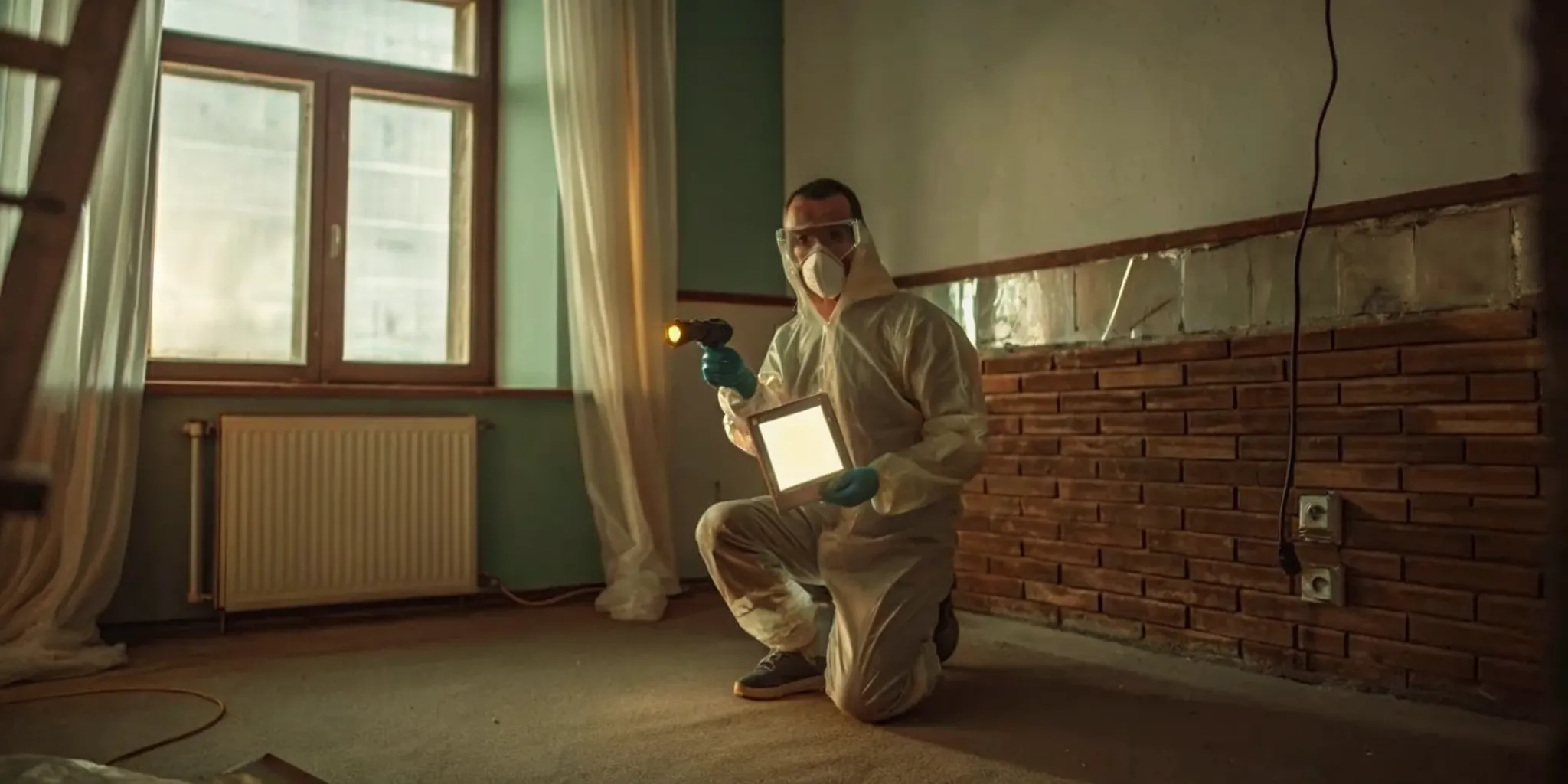
Some materials are impossible to identify just by looking. Asbestos is a perfect example. The EPA confirms you need professional testing to know if it’s in materials like insulation or "popcorn" ceilings. The same goes for lead paint. If your home was built before 1978, it’s likely present. For any project in an older home, the EPA suggests hiring a lead-safe certified contractor to test for and handle the material. A certified pro can take samples safely without releasing harmful dust and give you a clear report.
Spot the signs of outdated electrical wiring
While you need a licensed electrician for any hands-on work, you can often spot the warning signs of outdated electrical wiring yourself. Look for frequent circuit breaker trips, flickering lights, or a faint burning smell near outlets. Other red flags include outlets that feel warm, are discolored, or only have two prongs. You might also find knob-and-tube or aluminum wiring, which are now considered significant fire hazards. If you see any of these signs, it’s time to call an electrician for a thorough inspection before your renovation continues.
Why you should skip the DIY test kits
It might be tempting to grab a DIY test kit from the hardware store, but this is one area where you shouldn't cut corners. Improper sampling can release dangerous asbestos fibers or lead dust into the air, creating the very hazard you’re trying to avoid. These kits can also produce unreliable results. More importantly, attempting to handle these materials yourself can have serious consequences, including legal issues and fines. The EPA warns that you must use lead-safe practices to protect your family. It’s always best to leave testing and removal to certified professionals.
Know the Rules for Safe Removal and Disposal
Once you’ve confirmed you’re dealing with a hazardous material, the next step is figuring out how to get rid of it safely and legally. This isn’t the time for guesswork. Federal, state, and local governments have strict rules for handling materials like asbestos and lead to protect you, your community, and the environment. Think of these regulations as a safety net, ensuring the problem is taken care of for good.
Navigating these rules is a key reason why working with certified professionals is so important. They’re trained to manage the entire process, from containment and removal to proper disposal, all while following the letter of the law. This keeps your project on track and gives you peace of mind that the job is done right.
Understand federal, state, and local regulations
When it comes to materials like asbestos and lead paint, there’s a clear chain of command for regulations, starting at the federal level. For example, the EPA has specific rules for renovations in homes built before 1978, where lead paint is common. Any contractor you hire for this work should be a lead-safe certified professional who knows how to contain dust and prevent contamination. Similarly, asbestos abatement is tightly controlled to prevent fibers from becoming airborne. Your local building department will also have its own set of requirements and permits for this type of work, so it’s critical to ensure your contractor is familiar with them.
Learn your city's disposal requirements
You can’t just toss materials containing asbestos or lead into your regular trash bin. These items are considered hazardous waste and require special handling. Certified contractors are trained to package and seal the waste in clearly labeled, leak-proof containers. From there, they must transport it to a designated hazardous waste facility that is equipped to handle it safely. Trying to dispose of it yourself is not only dangerous but also illegal, often resulting in hefty fines. Your contractor will manage this entire process, providing you with documentation that the materials were disposed of according to environmental regulations.
Meet electrical code for any wiring updates
If your renovation involves updating old or faulty wiring, all new work must meet the current National Electrical Code (NEC) as well as local amendments. These codes are in place to prevent electrical shocks and fires, and they are not optional. A licensed electrician is the only person who should be touching your home’s wiring. They will make sure everything is installed correctly, from the wiring gauge to the outlet placement. They will also pull the necessary permits and arrange for a final inspection from your city’s building department to certify that the work is safe and compliant.
Should You DIY the Removal or Hire a Pro?
Finding something hazardous in your home can throw a major wrench in your renovation plans. It’s natural to wonder if you can tackle the removal yourself to save time and money. While the DIY spirit is great for painting a room or building shelves, it’s a different story with materials like asbestos and lead. These substances pose serious health risks, and handling them incorrectly can have long-lasting consequences for your family. Before you decide to grab a mask and scraper, it’s crucial to understand when calling a professional isn’t just the smart choice, but the only safe one.
Know when a professional is required by law
In some cases, the decision to hire a pro is made for you by law. For homes built before 1978, the EPA strongly recommends using a lead-safe certified contractor for any project that disturbs painted surfaces. These professionals are trained to contain dust and debris to prevent lead contamination. When it comes to asbestos, the rules are even stricter. Federal and state regulations often require a licensed inspector to test the material and a certified abatement contractor to handle removal. This ensures the dangerous fibers aren't released into the air and that the material is disposed of correctly, protecting both your family and the community.
Find certified contractors for safe removal
Once you know you need a professional, the next step is finding the right one. Don't just hire the first general contractor you find. You need a specialist with the right credentials for hazardous material abatement. Look for contractors who are licensed, insured, and can provide proof of their certification for either lead or asbestos removal. Ask for references from past jobs similar to yours and check their record with your local building authority. A reputable pro will have a clear plan for containment, removal, and disposal. Realm can help you connect with a network of vetted contractors who have the right experience for these sensitive projects.
What to know if you're considering a DIY approach
Let’s be direct: you should never attempt to remove asbestos yourself. The health risks from inhaling the fibers are severe, and you could face legal trouble and hefty fines for improper disposal. It’s simply not worth it. With lead paint, the situation is a bit more nuanced. While the EPA provides guidelines for DIYers, they emphasize that you must follow strict lead-safe work practices to protect your family. This involves specialized equipment, careful containment of the work area, and a thorough cleanup process. If you aren't prepared to follow every single step precisely, hiring a professional is the far safer and more responsible choice.
How to Avoid Surprises in Your Next Project
Finding hazardous materials mid-project is a homeowner’s nightmare. It can derail your timeline, inflate your budget, and add a ton of stress. The good news is that you can significantly lower the risk of these unwelcome discoveries in future renovations with a little proactive planning. Instead of crossing your fingers and hoping for the best when demolition starts, you can walk into your next project with a clear understanding of what’s behind your walls.
Taking the time to do your due diligence upfront is the single best way to ensure your renovation goes smoothly. It transforms the process from a series of potential shocks into a well-managed plan. By identifying potential issues early, you can build solutions into your budget and schedule from day one, rather than scrambling to solve them later. This approach not only saves you money and time but also gives you invaluable peace of mind. A dedicated renovation advisor can help you map out these crucial first steps.
Get a pre-renovation inspection
Think of a pre-renovation inspection as your project’s insurance policy. Before you even think about swinging a hammer, have a professional come in to test for common hazards like asbestos, lead, and mold. For a relatively small upfront cost, you get a detailed report of what’s in your home. This information is power. It allows you to get accurate quotes from contractors who specialize in remediation and to build those costs into your initial budget. Before any future renovations, it's wise to get an asbestos inspection. This simple step prevents a minor demolition from turning into a major hazardous material crisis.
Spot the red flags in older homes
If your home has a bit of history, it might also be hiding some outdated and unsafe materials. Knowing what to look for can help you anticipate potential problems. For example, if your home was built before 1978, it likely has lead-based paint. According to the EPA, renovating these homes can create dangerous lead dust, and the older the home, the higher the risk. Other common red flags include popcorn ceilings, which can contain asbestos, old vinyl flooring, and outdated knob-and-tube wiring. Being aware of your home’s age and its common construction materials helps you ask the right questions and prepare accordingly.
Partner with an experienced renovation team
Working with the right professionals is non-negotiable, especially when dealing with older homes. An experienced contractor knows the warning signs and will recommend testing before starting work. The EPA strongly suggests hiring a lead-safe certified contractor for any project in a pre-1978 home, as they are trained to handle these materials safely. The right team won't just execute your vision; they’ll be your partner in ensuring the project is done safely and up to code. Vetting contractors for these specific qualifications can be tough, which is why Realm connects homeowners with a network of experienced, certified professionals who are ready for the job.
Get Your Renovation Safely Back on Track
Finding something hazardous like asbestos or lead paint during a renovation is stressful, but it doesn't have to derail your project completely. Once you've paused the work and confirmed the material with a professional, you can create a clear plan to address it. Working with the right experts will help you handle the situation safely and get your project moving forward again. Here’s how to approach the next steps methodically.
Create a remediation plan with your pro
The moment you suspect you've found a hazardous material, the most important thing to do is stop all work immediately. Don't try to disturb or remove it yourself. Your first call should be to a licensed inspector who can safely take samples and have them tested in a lab. They'll give you a definitive answer on what you're dealing with and outline the level of risk. From there, you and your renovation advisor can work with the inspector to create a detailed remediation plan that prioritizes safety and follows all local regulations.
Plan your next steps after the removal
Once you have a professional assessment, you’ll typically have two options: sealing the material (encapsulation) or complete removal (abatement). A certified pro will recommend the best approach for your specific situation. They will also handle the entire process, from containment to the final cleanup. A critical part of this is ensuring the proper disposal of the hazardous waste, which must be done by certified contractors according to strict guidelines. After the professionals give you the all-clear, you can confidently resume your renovation, knowing your home is safe.
Understand the costs and check your insurance coverage
Dealing with hazardous materials is an unexpected cost, so it’s helpful to know what to expect. The price for professional testing and removal can vary widely based on the type of material, the size of the area, and how complex the cleanup is. For example, hazardous materials removal workers have specialized labor rates. It's a good idea to get a few quotes from certified abatement companies. You should also review your homeowner's insurance policy to see if any part of the removal is covered, although it's often excluded. Think of this as a necessary investment in your family's health and your home's long-term safety.
Related Articles
- How to Rebuild a Burnt House: A Homeowner's Guide
- What Happens If You Build Without a Permit?
- What Happens If You Do Construction Without a Permit?
- What's the Cost to Finish Attic for Storage?
Frequently Asked Questions
My house was built in the 1980s. Do I still need to be concerned about asbestos or lead? That’s a great question, and the short answer is yes, you should still be cautious. While the use of lead paint was banned for homes in 1978 and asbestos use was phased out around the same time, builders often used up their existing stock of materials. This means some homes built into the early 1980s can still contain these hazards. It’s always smarter to test for them during a pre-renovation inspection rather than assume your home is in the clear.
What's the difference between sealing a hazardous material and completely removing it? Think of sealing, or encapsulation, as putting a permanent, protective barrier over the material so its dangerous particles can't escape. This can be a safe and effective option in areas where the material won't be disturbed. Removal, or abatement, is the complete elimination of the hazardous material from your home. A certified professional will recommend the best approach for your situation, but removal is almost always necessary if your renovation plans involve demolition in that area.
How can I verify that a contractor is truly certified for lead or asbestos removal? You should always ask a contractor for their specific license and certification numbers for hazardous material abatement. Don't just take their word for it. You can typically verify these credentials online through your state's contractor licensing board or the Environmental Protection Agency's website. A true professional will be happy to provide this information and will understand why you're asking.
Will my homeowner's insurance cover the cost of removing hazardous materials? Unfortunately, most standard homeowner's insurance policies do not cover the cost of removing hazardous materials that were pre-existing in your home's construction. Coverage might apply if the hazard was created by a covered event, like a fire or storm, but it's not common. Your best bet is to read your policy carefully and call your insurance agent to understand exactly what is and isn't covered.
I found something suspicious, but my general contractor says they can handle it. Is that okay? This is a situation where you need to be your own best advocate. While your general contractor may be great at their job, hazardous material removal requires very specific training, licensing, and equipment that most do not have. Handling these materials improperly can create a much bigger health risk and may even have legal consequences. It is always the safest and most responsible choice to hire a separate, certified abatement specialist for this part of the job.