350 Sqft Home Addition Cost — Bedroom, Suite, or Rental Unit?
Data from 48 real Realm projects on 350 sq ft garage conversions, ADUs, primary suites, and more, with median costs and honest perspective from the field.
|
March 4, 2026
In this article:
At 350 square feet, the projects in Realm's data get noticeably more ambitious. A two-bedroom layout becomes genuinely workable rather than a tight exercise in layout efficiency. A primary suite gains room for a soaking tub alongside a separate shower. A kitchen expansion can absorb a dining area and connect to a great room in a way that changes how the entire back of the house functions. A detached ADU at this size can include a small deck as part of the design without it feeling like a stretch.
Based on 48 closed Realm projects, the median cost is $183,500 and the average is $214,359. The closer alignment between those two numbers compared to smaller size brackets reflects something real about 350 sq ft projects: the footprint is large enough that most builds are substantial, which narrows the gap between the simplest and most complex project types relative to what you see at 250 or 300 square feet. The median here is a more reliable planning anchor than at smaller sizes.
Key Takeaways
- 350 square feet is the size where a two-bedroom layout stops being a design challenge and starts being a design choice. Both bedrooms can have real clearance, a proper closet, and furniture that fits normally without any compromise to the shared areas.
- The median project cost is $183,500, with an average of $214,359. The tighter spread between those two numbers reflects more consistent project complexity across types at this size than at smaller brackets.
- Garage conversion ADUs at 350 sq ft typically involve a two-car bay, producing a one-bedroom unit with a distinct living area, which is meaningfully more rentable than a single-car bay studio conversion.
- Primary suite additions at this size can include a soaking tub and a separate shower alongside the bedroom and closet, making 350 sq ft the threshold at which this project type delivers its full promise.
- A two-bedroom addition becomes viable at this footprint, which at 350 sq ft can also be configured as a one-bedroom plus a flex or den.
- Define your goal before anything else. The right project type at 350 sq ft depends on what you're trying to accomplish, not on what the square footage can technically hold.
What 350 Square Feet Actually Feels Like to Be Inside
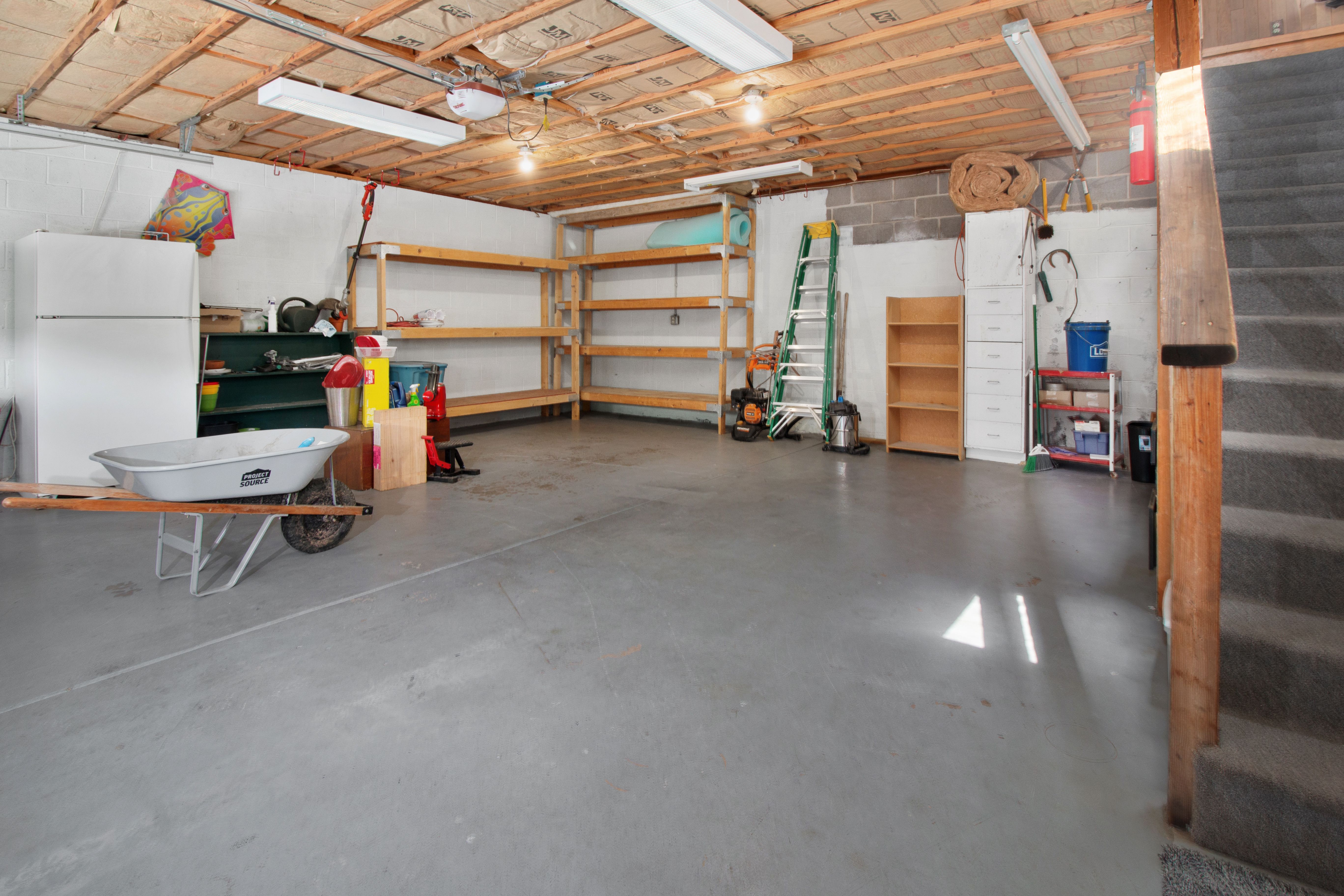
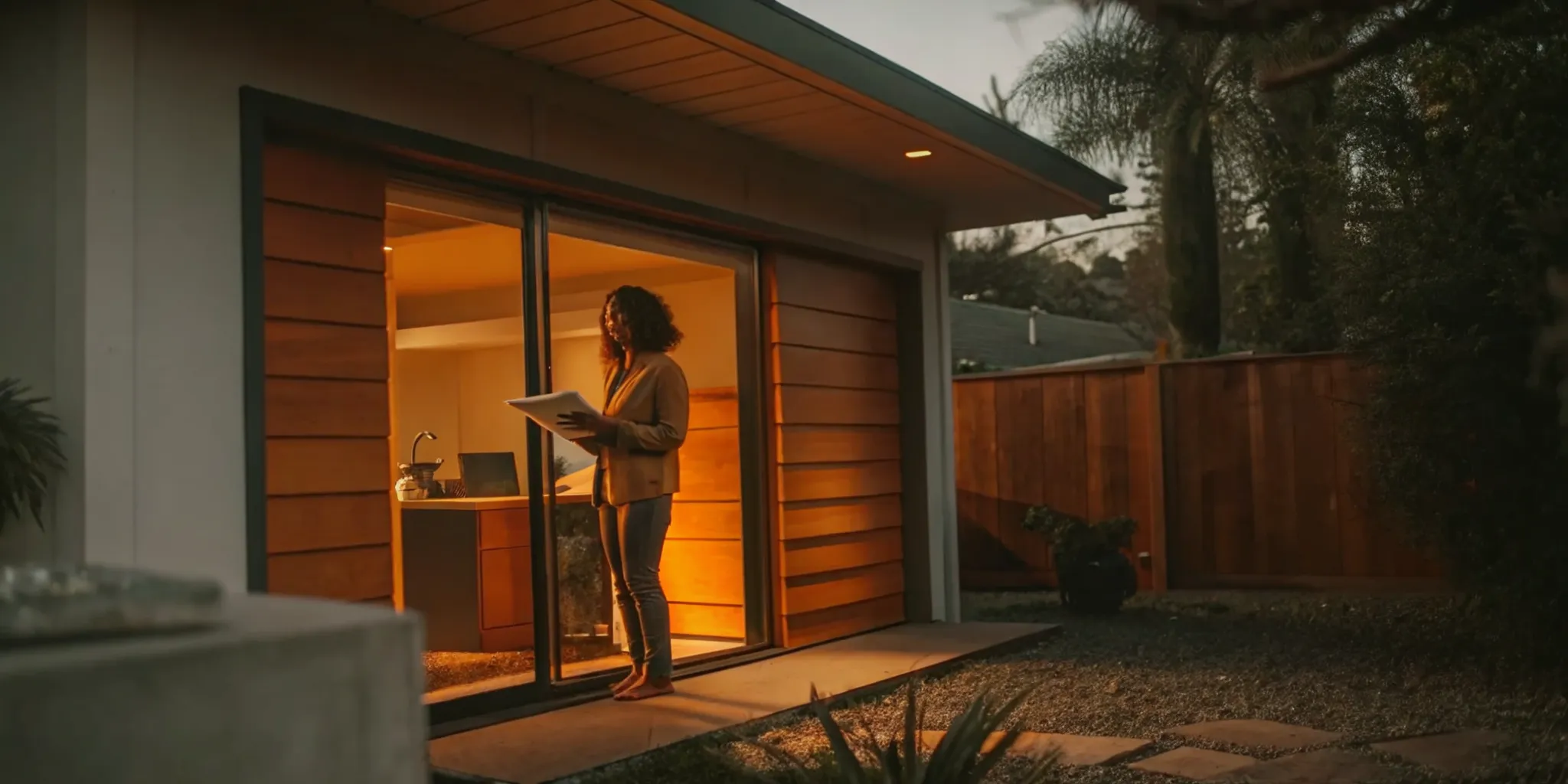
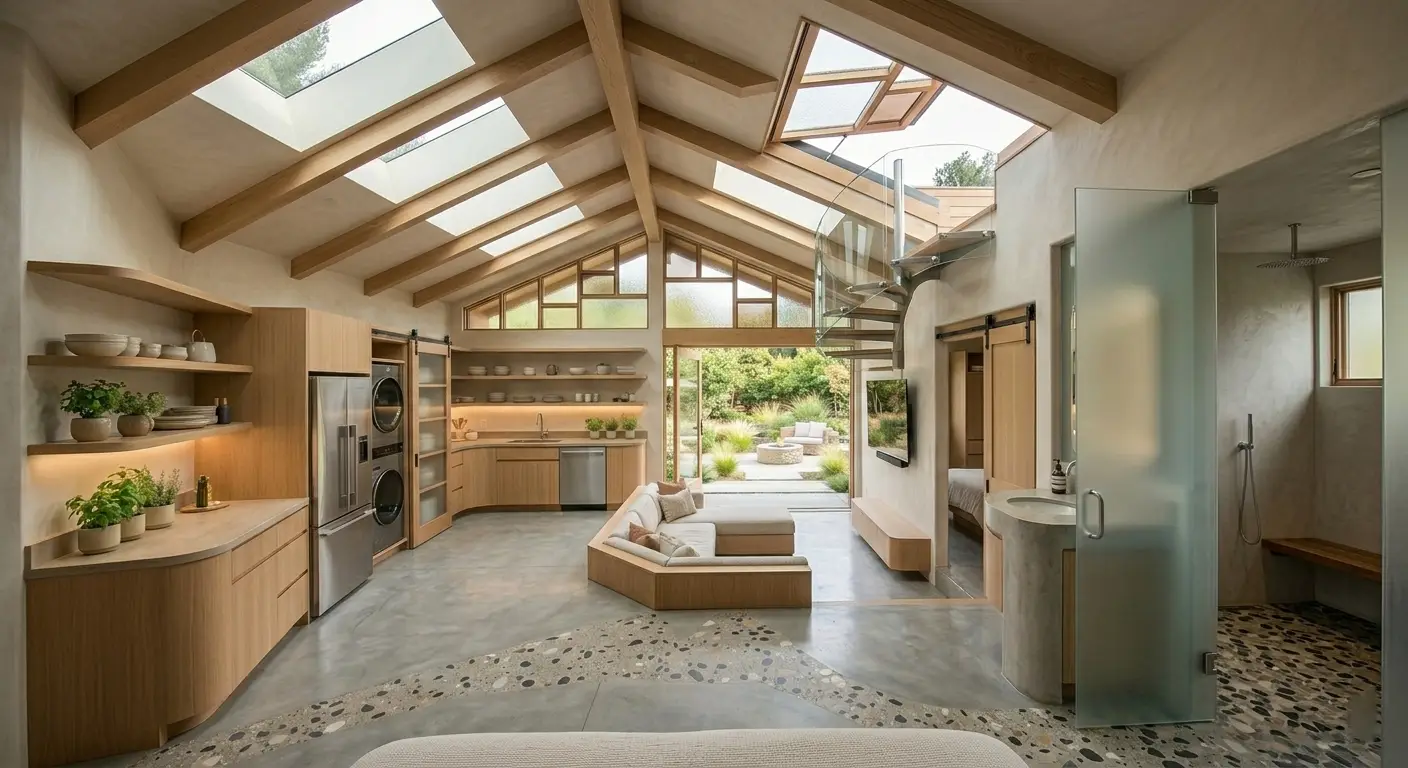
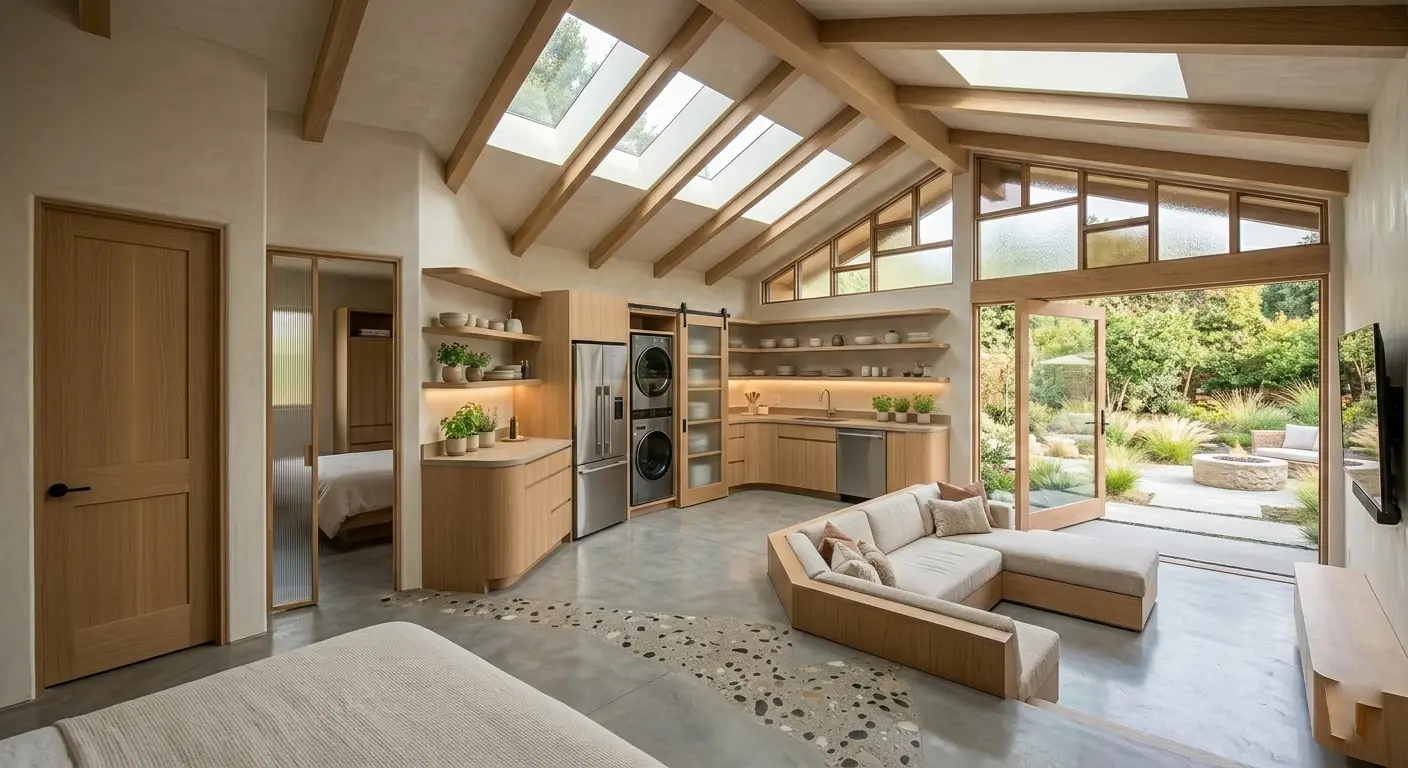
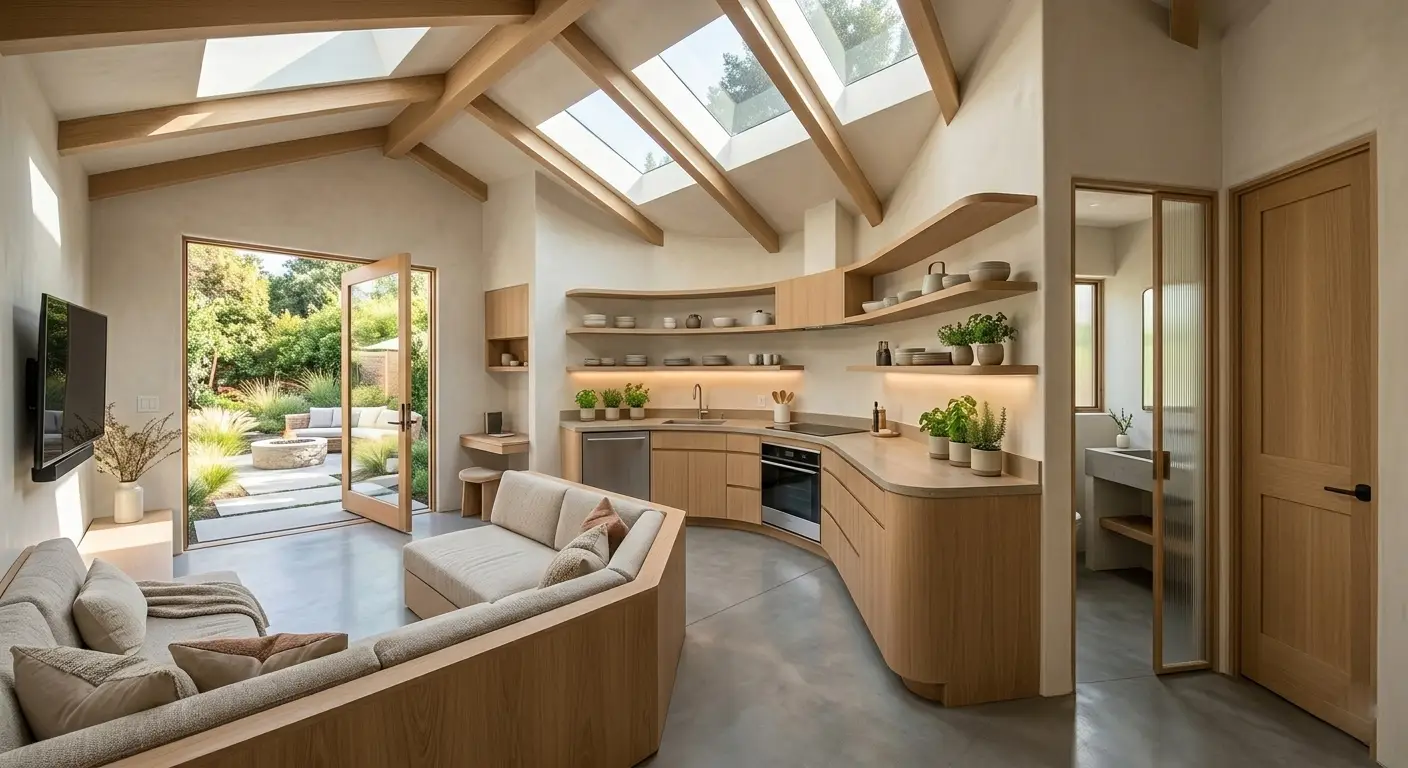
The number 350 doesn't communicate much on its own. Most people significantly underestimate it until they're standing inside it. To give it a real reference point: picture a generous two-car garage with interior walls, flooring, and a finished ceiling. Or a rectangular space roughly 17.5 feet by 20 feet. At that size, a couch and a coffee table can occupy one end of the room while a bed occupies the other without either area feeling borrowed from the other.
That quality, the sense that each zone has its own space rather than sharing space with another zone, is what distinguishes 350 sq ft from smaller footprints in a way that makes a practical difference in daily life. A tenant can watch television without feeling like they're watching it from their bed. A homeowner in a new primary suite can walk from the bedroom into the bathroom without feeling like the transition was designed by someone who ran out of square footage.
See It Before You Scope It
Tape out a 17 by 20 rectangle on your driveway or rear yard and spend five minutes inside it before you do anything else related to this project. Not to check whether things fit on paper, but to calibrate your intuition about the space itself. The physical experience of being inside 350 square feet is more useful planning information than any floor plan or cost guide, because it tells you something that numbers cannot: whether the space feels right for the purpose you have in mind.
Walk to each corner. Sit on the ground. Picture the furniture you'd put in it. For most people, this exercise resolves the question of whether 350 square feet is "enough" faster and more reliably than any amount of reading.
How Homeowners Use This Footprint in Practice
Realm's 48 projects at this size span eleven categories. The breadth reflects something specific about 350 sq ft: it's the first size bracket in the series where a two-bedroom layout is confidently workable across multiple project types simultaneously, not just theoretically possible in one. Garage conversions, detached ADUs, above-garage builds, and bedroom additions can all deliver two bedrooms at this size, which means the choice between them is about cost, privacy, and starting conditions rather than about which one can accommodate the bedroom count you want. Learn how Realm helps homeowners sort through those trade-offs before any contractor conversations begin.
Eleven Project Types at This Size: A Quick Orientation
The data at 350 sq ft covers eleven categories. The most frequently built are garage conversion ADUs, detached ADUs, and kitchen expansions, followed by above-garage ADUs, JADUs, and primary suite additions. After those come bedroom additions, living space additions, detached offices and studios, second-story additions, and a catch-all for specialty builds.
The absence of pool houses, basement ADUs, and sunrooms from this particular size bracket, compared to neighboring brackets in the series, reflects the distribution of actual projects in the data rather than any limitation of what 350 sq ft can hold. The eleven types that do appear cover the full range of residential renovation goals, from rental income and family housing to personal comfort and remote work.
Breaking Down Each Project Type and Its Costs
Garage Conversion ADU: A Two-Bedroom Becomes Possible
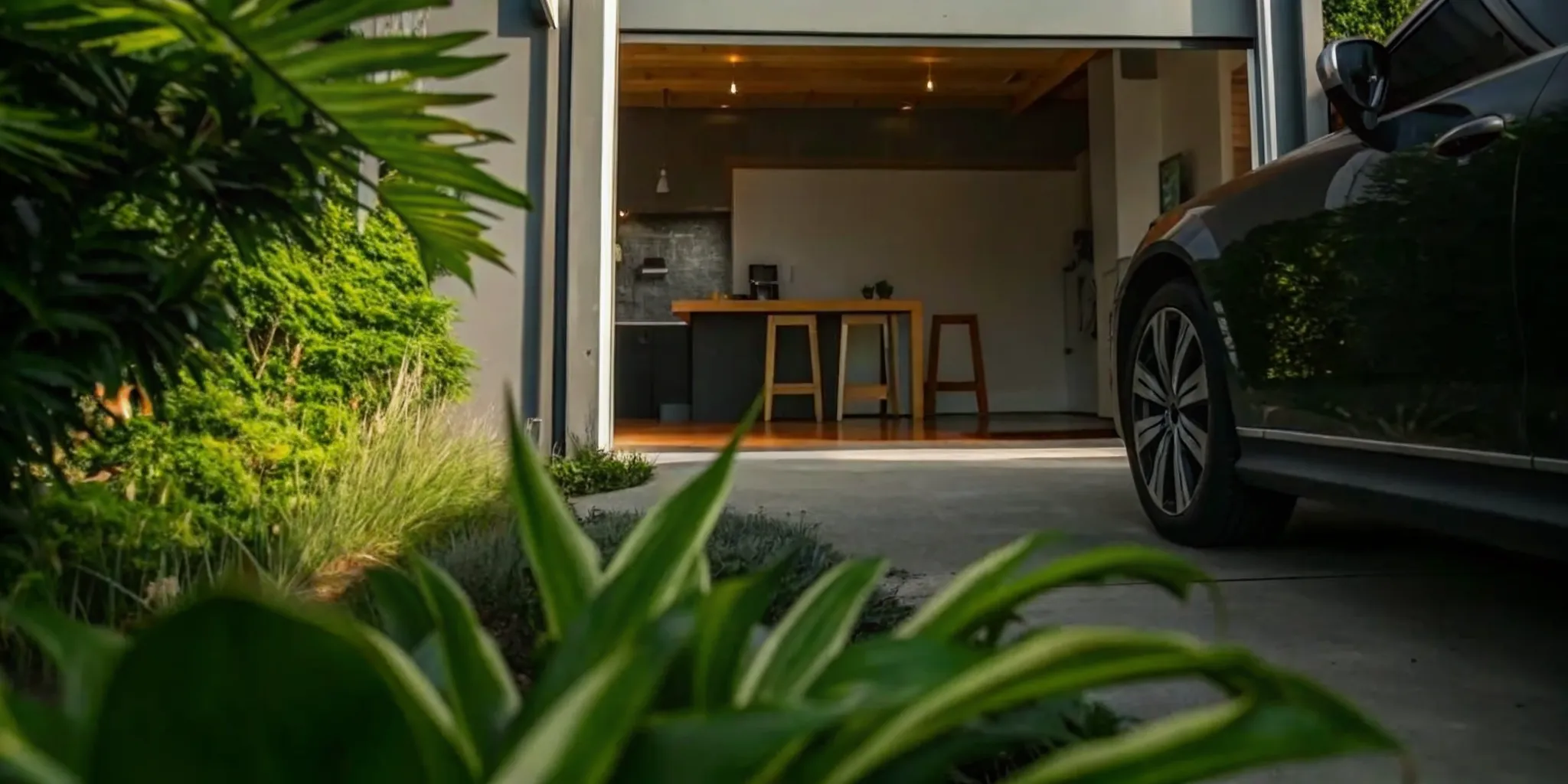
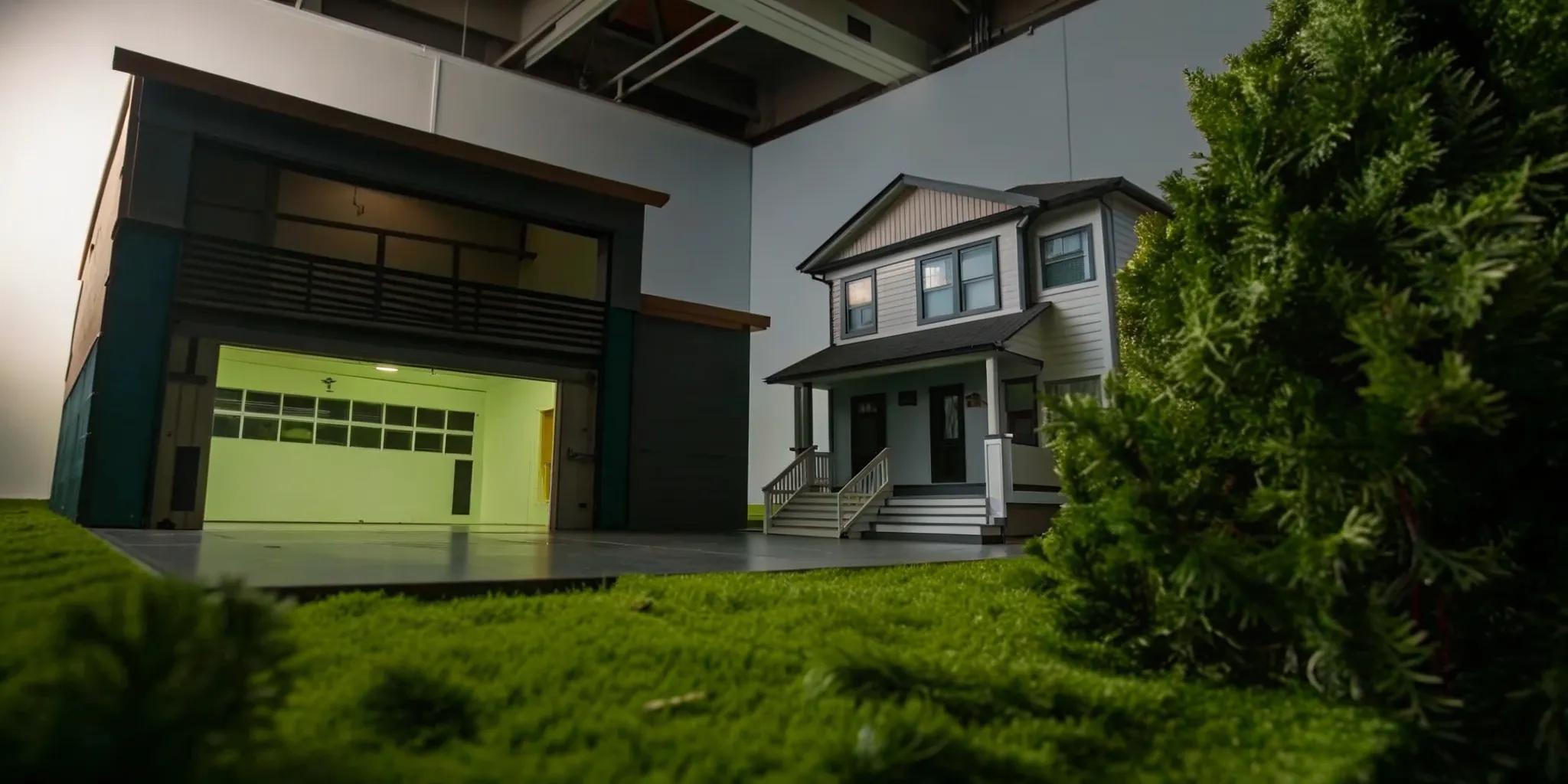
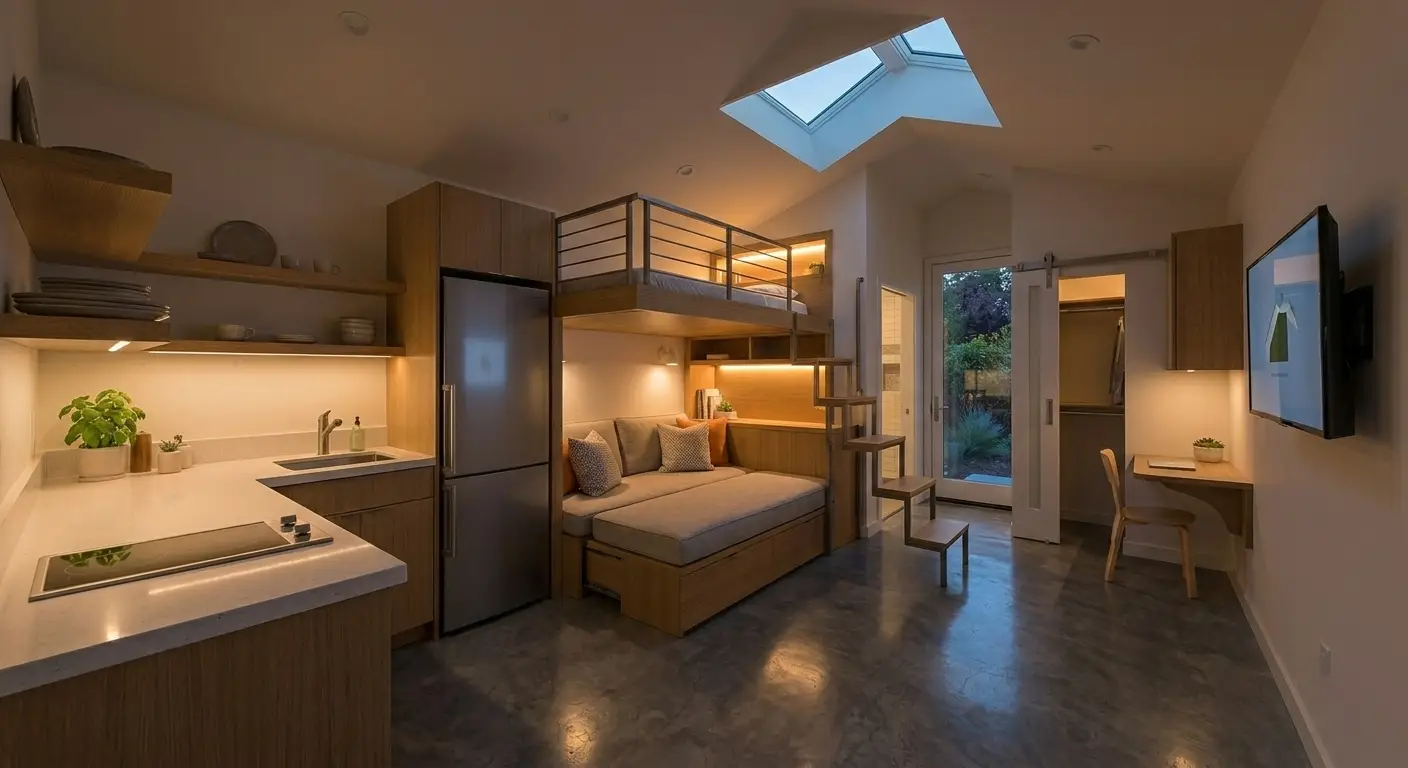
The shift that happens at 350 sq ft in a garage conversion is specific and meaningful. At smaller sizes, a garage conversion produces a studio or a tight one-bedroom. At 350 square feet, a two-car bay conversion produces a one-bedroom with a genuinely distinct living area, which is the layout configuration that commands real rents rather than a discount-for-size rents in the markets Realm serves.
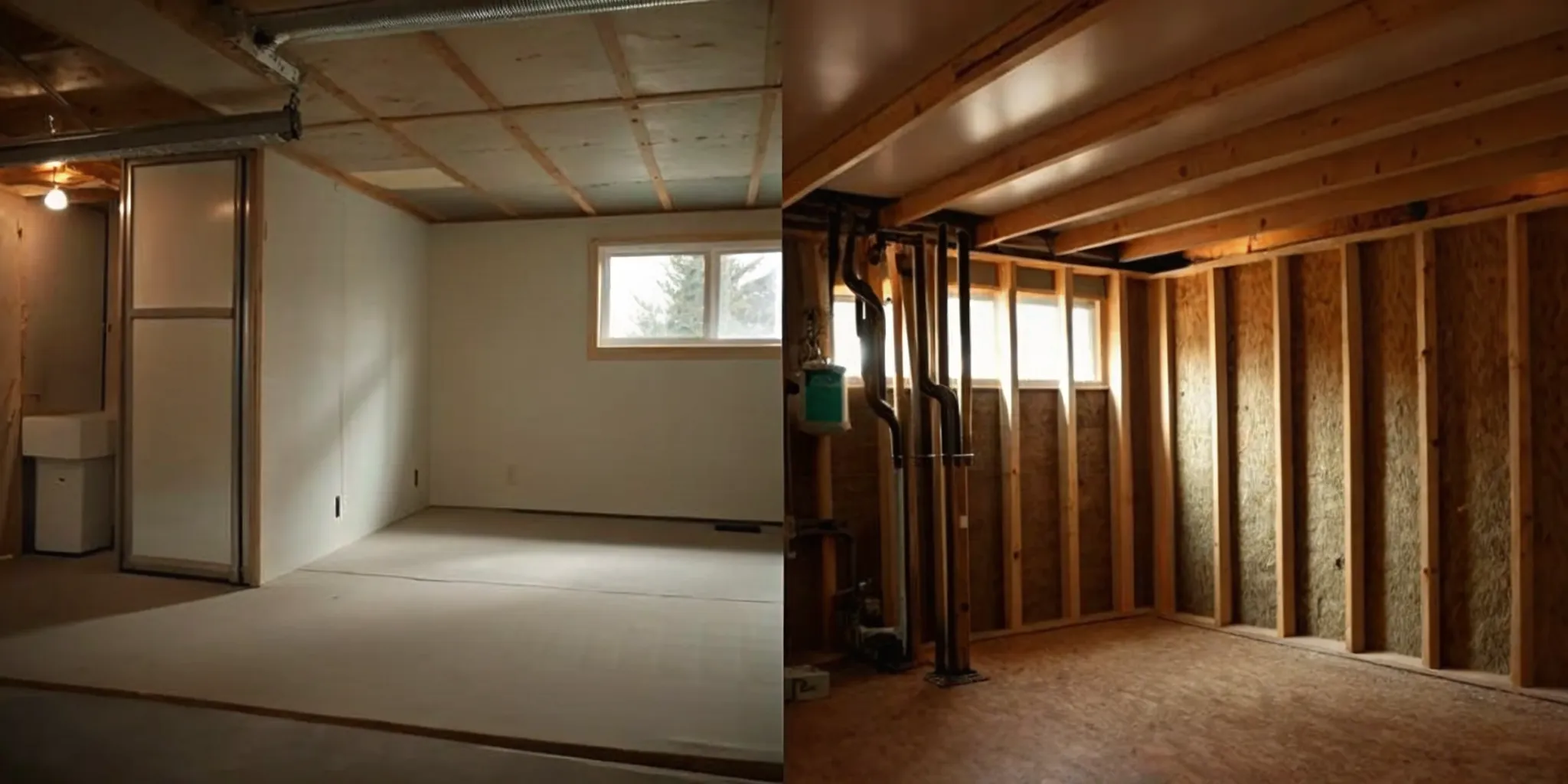
The core cost advantage of a garage conversion remains intact at this size: existing foundation, existing exterior walls, often a nearby electrical subpanel. The work is insulation, interior framing, HVAC, and full plumbing. In most California jurisdictions, state ADU law keeps garage conversions on a more streamlined permitting path than ground-up alternatives.
The trade-off that needs thinking through before you commit: Converting a two-car garage means losing covered parking for two vehicles. In some neighborhoods, particularly those with good street parking and households with one or fewer vehicles, that's a non-issue. In others, it has real daily and resale implications. Work through it specifically for your situation before the permits are filed. A Realm advisor can help you evaluate the rental income potential against the full picture for your location.
Detached ADU: Independence Built From the Ground Up
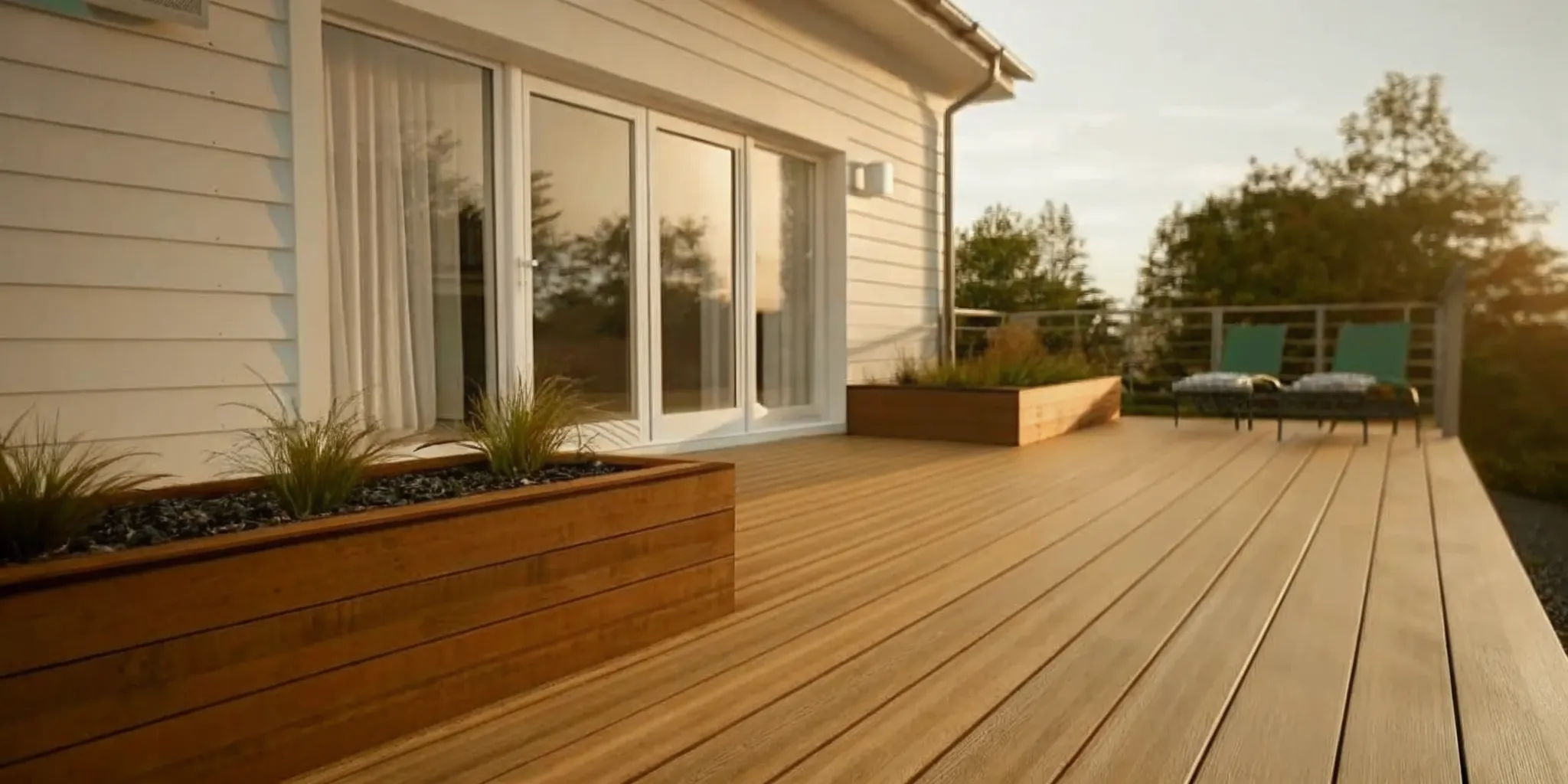
A detached ADU at 350 square feet is a standalone structure on your lot with its own foundation, its own utility connections, and its own front door that opens onto the rear yard rather than into a shared hallway. At this size, the unit can deliver a spacious one-bedroom or a properly configured two-bedroom with a living area, a full kitchen, and a bathroom, plus a small exterior deck in several projects in the dataset.
The privacy that comes with a completely separate structure commands a rental premium in every market Realm operates in. Tenants who want a detached unit will pay more for the autonomy it provides, and that premium tends to hold across market cycles in a way that the discount for a converted or shared-entry unit also tends to hold.
The cost premium over a garage conversion reflects what ground-up construction requires: a new foundation, full MEP runs from the main home, and more extensive site work. For homeowners who are building something they intend to hold for decades, the long-term return typically justifies the upfront investment.
The planning step that protects the budget: A detailed scope before contractor conversations begin. Without one, bids describe different projects and comparison becomes meaningless. Realm's advisors build that scope before any contractor conversations start.
Kitchen Expansion: The Full Great Room Transformation
A 350-square-foot kitchen expansion is a project that fundamentally changes how a home's ground floor functions, not just how the kitchen looks. At this footprint, the expansion integrates the kitchen with the dining room, opens both into the existing living space, and produces a great room where cooking, eating, and living happen in a single connected environment. That transformation is what homeowners in California and Washington consistently rank as the renovation they wish they'd done sooner, and it's what makes the kitchen expansion at this size one of the highest lifestyle ROI projects in the dataset.
Removing a wall is the single most impactful thing that happens in a kitchen expansion. Everything else, new appliances, new cabinets, new countertops, is incremental. The structural change is categorical.
What belongs in the scope from day one: Load-bearing wall assessment, structural engineering, foundation extension if the footprint is moving outward, roofing tie-ins, and utility rerouting. These are not surprises to discover after construction begins. They are predictable components of a well-planned project at this scale. Browse more on planning a project like this in the Realm resource library.
Above-Garage ADU: Vertical Living When the Yard Stays Off-Limits
An above-garage ADU at 350 square feet puts a complete one-bedroom, one-bath unit on top of an existing two-car garage with its own exterior staircase and private entrance. For homeowners on hillside lots, narrow urban lots, or properties where preserving rear yard space is a priority, this is the configuration that solves the ADU equation without touching the outdoor footprint.
At 350 square feet above a two-car garage, accounting for the approximately 50 square feet the staircase takes, there is enough usable space for a properly configured one-bedroom or a very tight two-bedroom with careful layout planning. The ceiling height becomes a meaningful design variable at this size: generous ceiling height makes the unit feel substantially more spacious, while low ceilings at 350 square feet become a more noticeable constraint than at larger footprints.
The structural requirement that defines this project type remains the most important early-stage variable: whether the existing garage structure can support a habitable space above, or whether it needs to be rebuilt or reinforced to that standard. Get that answer before design work advances.
Before committing to this project type: Price out a detached ADU on the same lot. The structural engineering premium on an above-garage build sometimes closes the cost gap between the two options more than homeowners expect at first glance. A Realm advisor can help you run that comparison for your specific garage and lot.
JADU: The Low-Disruption Path Within the Existing Envelope
A JADU at 350 square feet sits near the upper end of what California law permits for this project type, and the result is the most complete version of it: a distinct sleeping area, a proper bathroom, a functional living zone, and a kitchenette, all within the existing home's footprint. The unit feels like a separate apartment rather than a converted room.
The permitting pathway remains the most compelling argument for a JADU at any size: California's streamlined ADU approval process applies, no new foundation or major site work is required, and the timeline from planning to occupancy is faster than any ground-up or garage conversion alternative in most jurisdictions.
The trade-offs are the same as at smaller sizes but feel more manageable at 350 sq ft. The efficiency kitchen rather than a full one, and the shared-entry configuration with the main home, are constraints that matter differently depending on the relationship between the homeowner and the intended tenant. For in-law arrangements and short-term rentals, a 350 sq ft JADU is a strong, cost-efficient solution.
Primary Suite Addition: Space Enough for the Full Version
At 350 square feet, a primary suite addition can include a soaking tub and a walk-in shower as separate fixtures alongside the bedroom and closet, which is the configuration most homeowners picture when they imagine building a proper primary suite. There's also room for a small sitting area adjacent to the sleeping zone, giving the suite a sense of having distinct areas within it.
This project almost exclusively attracts homeowners with no near-term plans to sell. They've been sharing a main bathroom, or living with a primary suite that dates from a different era of residential design expectations. At 350 square feet, the project delivers on what the name promises rather than offering a compromise version of it. The long-term value lift in Realm's California and Washington markets is consistent and well-documented for homes where the absence of a true primary suite had been a competitive disadvantage.
The layout decision that matters most: The spatial relationship between the bedroom, the bathroom, and the closet has many possible configurations at 350 sq ft, and the quality gap between the best ones and the rest is significant. Getting that relationship right before construction begins is where experienced planning produces the most durable result. Talk to a Realm advisor about designing your primary suite addition at this footprint.
Bedroom Addition: Two Bedrooms or One Plus a Den
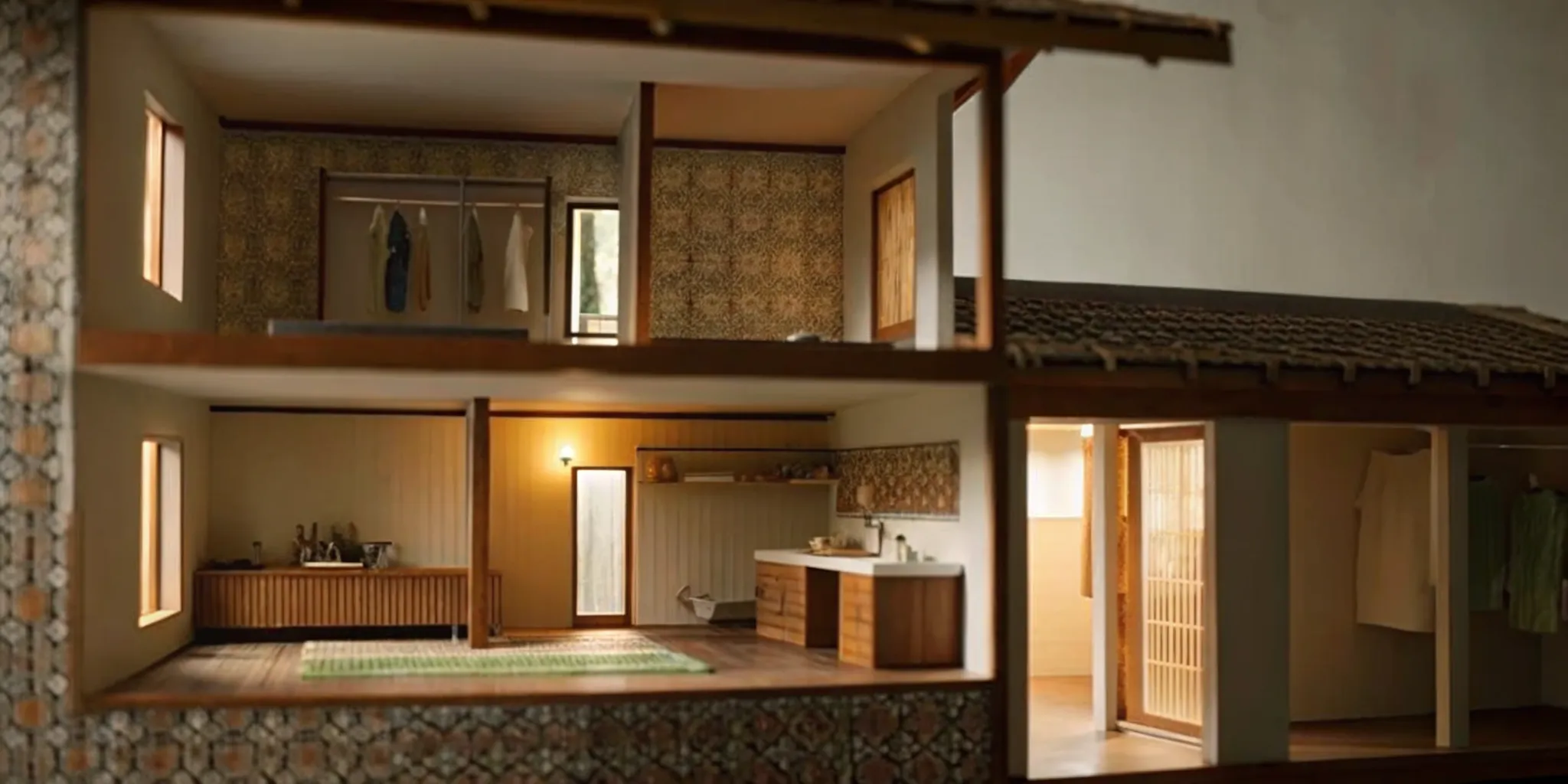
A bedroom addition at 350 square feet opens up a layout option that smaller sizes can't reliably deliver: two separate bedrooms with shared bathroom access, or a generous single bedroom alongside a den or flex room that serves a dedicated purpose. In California and Washington, the two-bedroom version of this addition is one of the most reliable resale value moves available, because it expands the property into a buyer segment with meaningfully higher purchasing power than the two-bedroom market.
At 350 square feet, both bedrooms in a two-bedroom addition have genuine clearance. Proper closets. Enough square footage in each room that a buyer walking through doesn't feel deceived by what the listing described.
The detail that determines long-term value: Floor plan logic. Two new bedrooms that connect awkwardly to the existing home, or that share a bathroom with an illogical configuration, undermine the value that the bedroom count increase is supposed to create. Plan the connection to the existing home as carefully as the new rooms themselves.
Living Space Addition: The Great Room at Full Scale
A 350-square-foot living space addition is a large, purposeful expansion that transforms the home's primary gathering environment. At this size, it almost always includes sliding glass doors or bi-fold panels that open to a covered outdoor area, which in California and Pacific Northwest climates extends the usable space significantly beyond the square footage of the addition itself. This indoor-outdoor connection is the feature homeowners most consistently describe as the element that made the project exceed their expectations.
This addition is most commonly paired with a kitchen expansion to address the entire back of the ground floor in a single cohesive project. Together, they produce a result that makes the home feel built for the present rather than the past.
Detached Office or Studio: A Real Professional Workspace
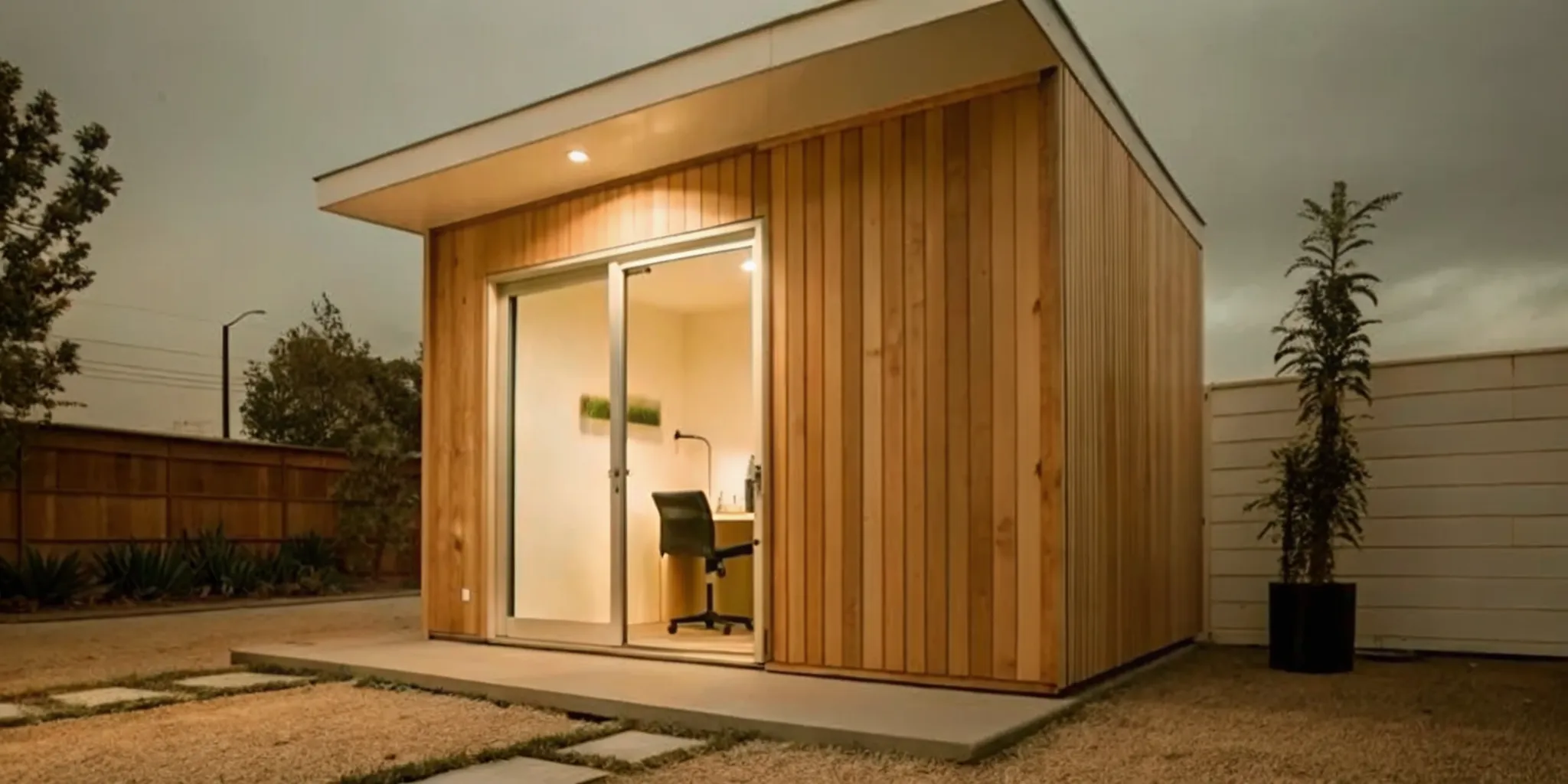
At 350 square feet, a detached office or studio moves beyond a backyard shed with a desk and becomes a proper professional environment. There's room for a dedicated video call setup with a controlled background, ample storage, a comfortable work surface, and a seating area that doesn't double as the desk chair. Several projects in the dataset at this size include a three-quarter bath, which makes the space genuinely self-contained for a full workday.
Acoustic insulation and a proper HVAC system are the two specifications most worth investing in at this size. A backyard office that's too loud or too hot to use in summer becomes a space that slowly gets abandoned rather than relied upon.
Second-Story Addition: The Urban Lot Solution
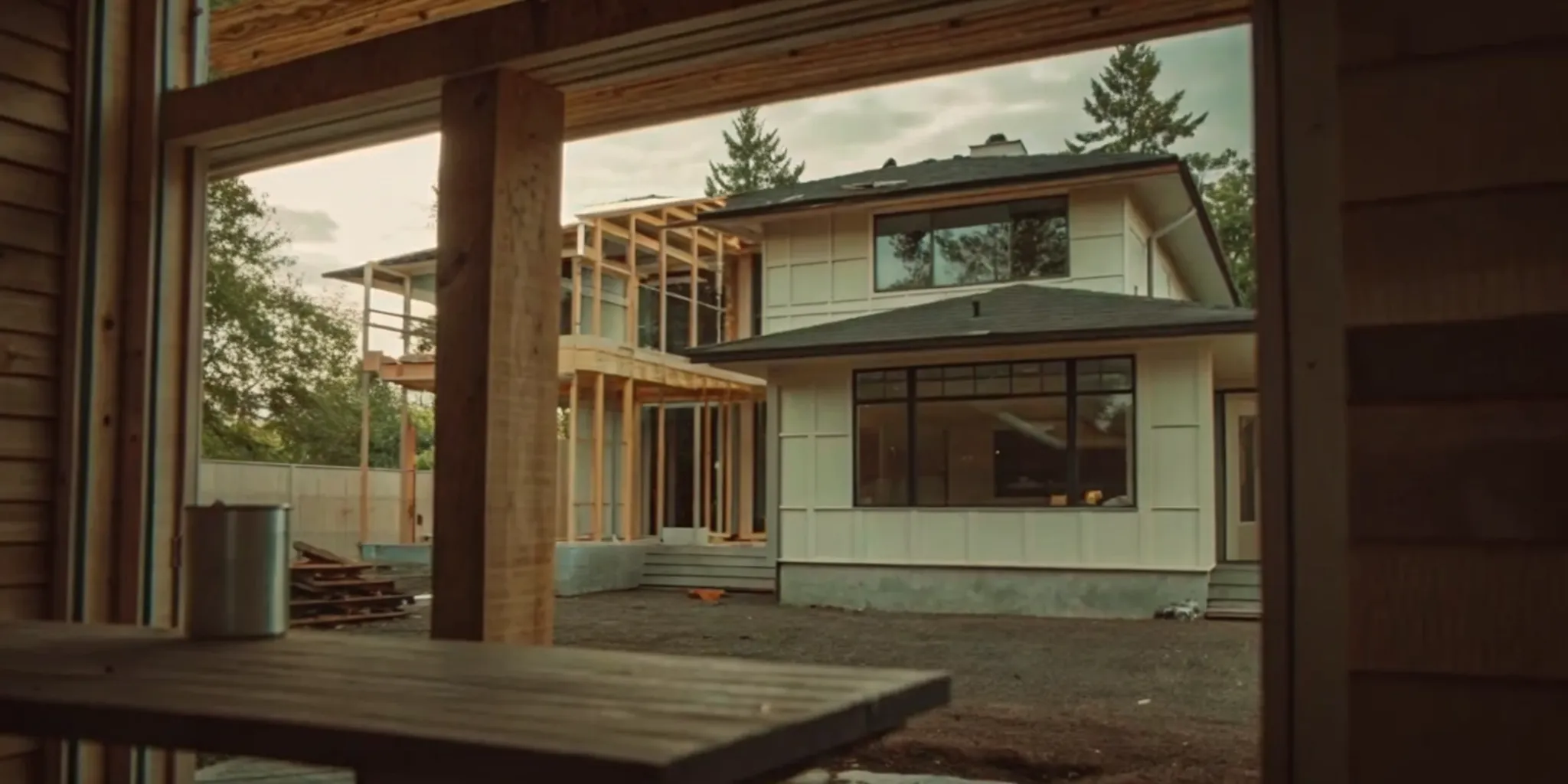
A second-story addition at 350 square feet puts a bedroom suite or a multi-purpose flex space above the existing footprint on lots where lateral expansion has reached its limits. It remains the most expensive per-square-foot option in this dataset, driven by structural engineering, roofing integration, staircase design, and the disruption to the occupied home during construction.
For homeowners on tight urban lots in the Bay Area and dense Los Angeles neighborhoods who have no other viable path to additional square footage, it is often the only option that actually solves the problem. A thorough structural assessment and a fully locked scope before any contractor is engaged are the two non-negotiables at this complexity level.
Other Specialty Additions
Mid-size specialty builds at 350 sq ft, hobby rooms, finished flex spaces, multi-purpose additions that serve more than one household function, represent a small share of the dataset. If your project falls here, the discipline of a precise scope definition before soliciting bids is the most important planning step available to you. Without it, contractor quotes describe different projects and comparison is impossible.
Picking the Project That Fits Your Home and Your Goals
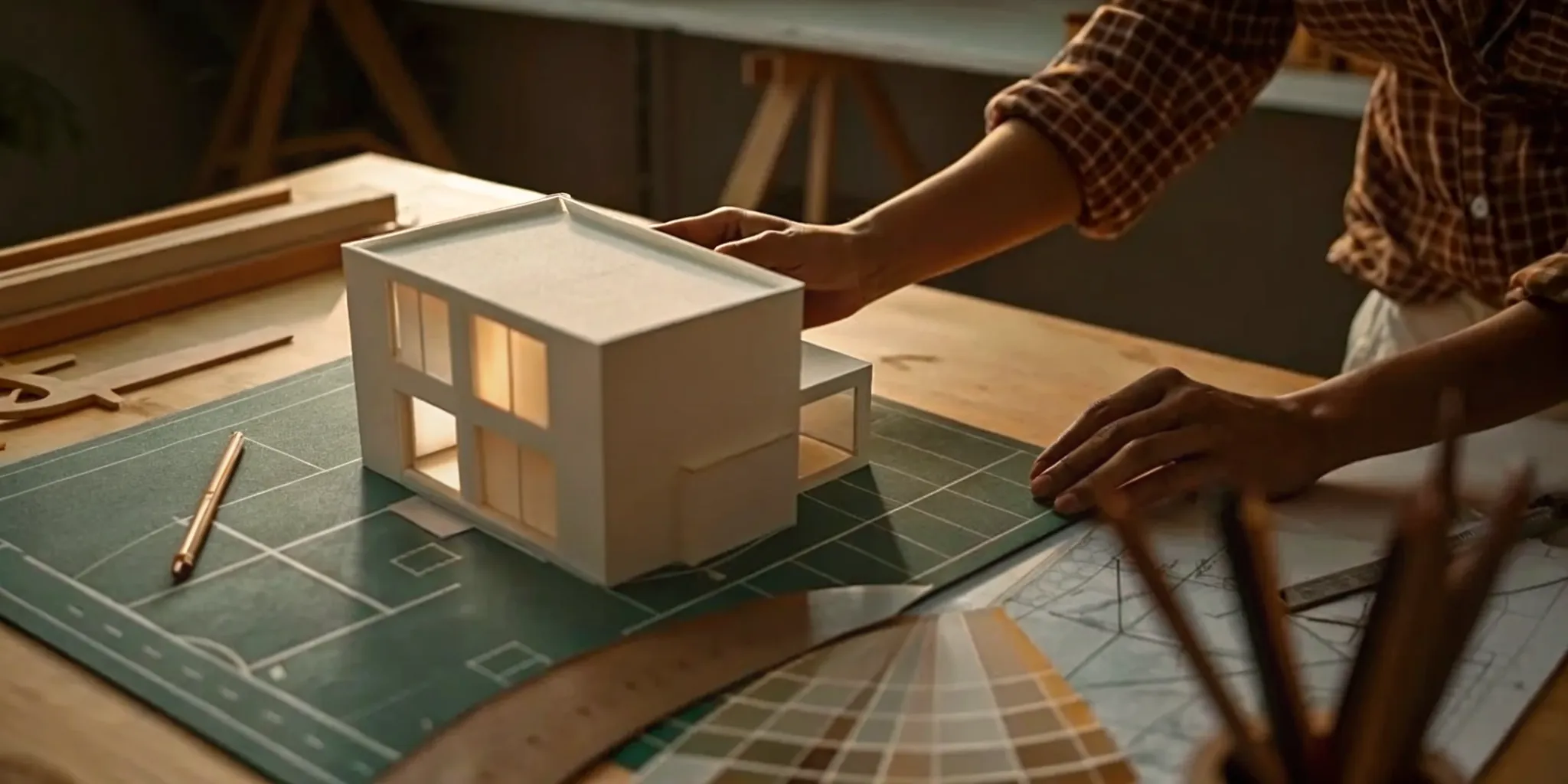
Eleven project types, a consistent cost spread, and 48 projects worth of data give you a reasonably clear map of what's common and what it costs at 350 square feet. The right project still depends on what you're trying to accomplish and what you're starting with, not on what the square footage can hold.
Rental income points toward a garage conversion ADU, detached ADU, JADU, or above-garage unit. The decision between them comes down to your starting structure, your lot, your budget, and how much privacy matters for your specific tenant situation.
Personal comfort points toward a primary suite addition or a living space and kitchen expansion. These are long-term investments in daily quality of life, not financial calculations with a clear payback period.
Resale value in California and Washington points toward whatever your specific market rewards most reliably, which is typically a primary suite in homes that lack one, or a bedroom count increase that moves the property into a higher-demand tier.
Remote work points toward a detached office. The question is whether your rear yard supports a small standalone structure at this footprint and whether the investment is justified by the daily benefit.
Getting answers to these questions with someone who knows your specific market and can translate your situation into an accurate scope before contractors are involved is what Realm's advisors are built to do.
Frequently Asked Questions
How much does a 350 sq ft garage conversion cost? Based on 48 closed Realm projects at this size, the overall median cost across all project types is $183,500. Garage conversions, which reuse your existing foundation and structure, typically come in below that median. At 350 square feet you're most likely converting a two-car bay, which produces a one-bedroom unit with a distinct living area, a more rentable and more competitive product than a smaller studio conversion. Your actual cost depends on existing site conditions, local permitting fees, and finish level. Talk to a Realm advisor to get a realistic estimate for your specific project and garage.
Can a two-bedroom ADU actually work at 350 square feet? Yes, with the right layout. Two bedrooms at 350 square feet is achievable in a detached ADU, a garage conversion, or an above-garage unit, but it requires designing the floor plan specifically for two-bedroom occupancy rather than adding a second bedroom to a one-bedroom plan. Both bedrooms need proper clearance, the bathroom needs logical access from both rooms, and the kitchen and living area need enough room to function without competing for the same square footage. Done correctly, a two-bedroom ADU at 350 square feet is a genuinely livable unit. Done without careful layout planning, it produces a space that technically has two bedrooms but doesn't function well as either. Browse more on planning a two-bedroom ADU layout in the Realm resource library.
What's the best use for 350 square feet of new space? That question has a different answer for every homeowner, because the best use depends entirely on what's missing from your daily life or your home's capability right now. For rental income, a garage conversion or detached ADU at 350 square feet produces a unit that commands real market rents in all of Realm's service areas. For personal comfort, a primary suite addition at this size delivers what the name implies: a soaking tub, a separate shower, and a walk-in closet that all function without compromise. For daily livability, a kitchen expansion at 350 square feet transforms the ground floor of the home in a way that makes it feel fundamentally newer. The answer starts with identifying what problem you're solving. A Realm advisor can help you figure out which project delivers the most value for your specific situation.
How long does it take to permit and build a 350 sq ft ADU? Timeline varies significantly by project type and jurisdiction. JADUs and garage conversions in California jurisdictions with streamlined ADU permitting move most efficiently from application to construction start. Detached ADUs and above-garage units involve more structural review and a longer construction phase. Second-story additions are the most time-intensive of all project types at this size. Total timeline from initial planning to occupancy, accounting for design, permitting, contractor selection, and construction, commonly exceeds a year for most project types when every phase is properly accounted for. Setting realistic timeline expectations before you commit to a contractor or a target date protects both your planning and your budget. Realm's advisors can set accurate timeline expectations for your specific project and location.
What's the single most important decision to make before starting a 350 sq ft project? Defining your primary goal specifically enough that it rules some project types out. "I want to add value to my home" is not specific enough to drive useful decisions. "I want a rentable one-bedroom unit that generates income without giving up my rear yard" points directly toward a garage conversion or an above-garage ADU and rules out detached builds and JADUs. "I want a primary suite that finally has a soaking tub and a proper closet" points toward a suite addition and rules out ADU configurations. The more precisely you can state the goal, the more useful every subsequent planning decision becomes. Get started with Realm and work through that definition with an advisor before anything else.