Building at 1,400 Square Feet: New Homes, Fire Rebuilds, and Large ADUs
Data from 31 real Realm projects on 1,400 sq ft home additions, fire rebuilds, and new builds, with median costs and honest perspective from the field.
|
March 4, 2026
In this article:
One thousand four hundred square feet is the upper boundary of what Realm's project data covers in meaningful volume, and at this scale the conversation has shifted entirely. There are no room additions here, no kitchen expansions, no standalone ADUs. The two project types that appear in the 31 projects at this size are full home additions involving whole-home structural reengineering and exterior redesign, and new home builds: three-bedroom, two-bath structures built for fire loss homeowners, vacant lot owners, or homeowners doing a teardown and full rebuild.
Based on 31 closed Realm projects, the median cost is $600,000 and the average is $642,602. Both numbers represent a significant step up from the 1,200 sq ft bracket, reflecting the premium complexity and full structural scope of the two project types that dominate this size range. The spread between median and average is relatively tight, which reflects that projects at this size and cost level are consistently substantial with limited variation in their fundamental scope requirements.
Key Takeaways
- At 1,400 square feet, only two project types appear in the data: full home additions and new home builds. The scope at this size is too large and too complex for the incremental renovation categories that appear at smaller brackets.
- The median project cost is $600,000, with an average of $642,602. Both figures represent the highest cost benchmarks in the size-bracket series and reflect the consistently premium and complex character of projects at this scale.
- New home builds at 1,400 square feet overlap significantly with fire rebuilds in Altadena and Pacific Palisades in Realm's dataset, making this size bracket directly relevant for Los Angeles homeowners navigating post-fire reconstruction.
- Full home additions at this size involve whole-home structural reengineering, not just adding rooms. The exterior is redesigned, the structural systems are reworked, and the result is a home that reads as new construction rather than an addition to an existing structure.
- 31 projects is a smaller dataset than earlier size brackets, which means the cost benchmarks here are directional rather than statistically robust. Treat the median as a planning anchor and recognize that individual project variation at this scale can be significant.
- Design-build firms are the only appropriate partner for a full home addition at this size. The structural, architectural, and construction coordination requirements exceed what any general contractor relationship is designed to manage.
What Does 1,400 Square Feet Actually Look Like?
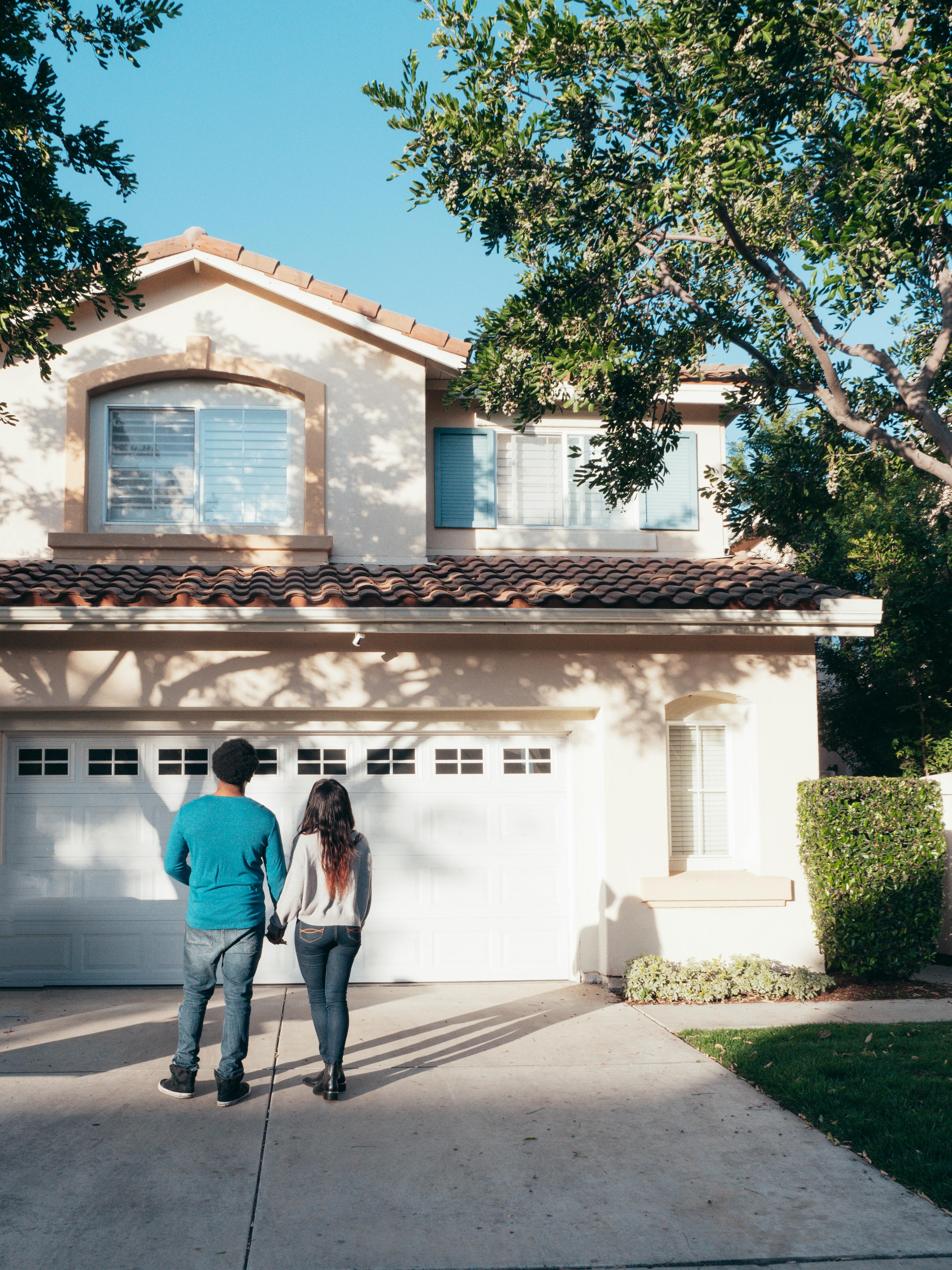
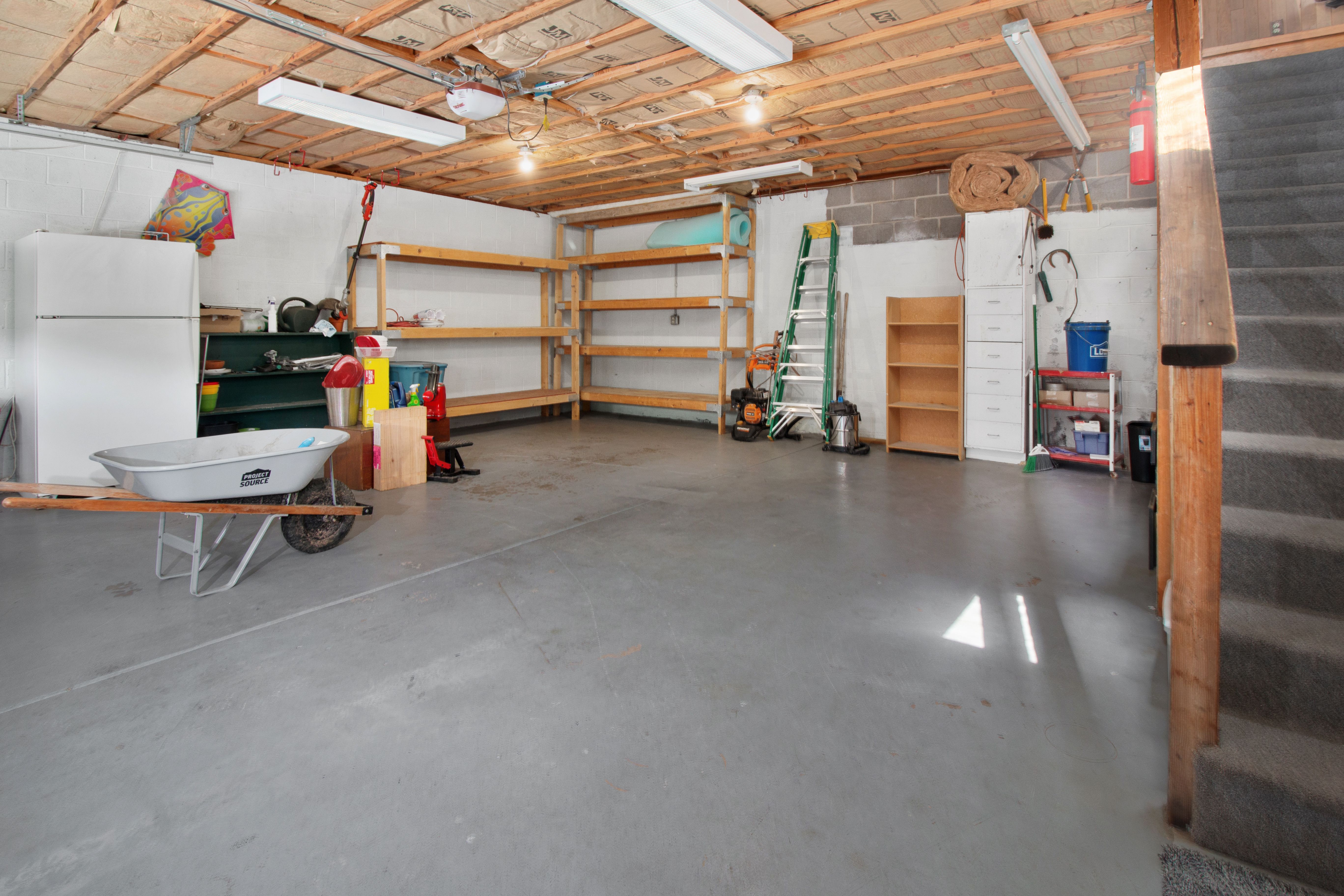
One thousand four hundred square feet is approximately 28 by 50, or a squarer 37 by 38. To put it in terms most people can picture immediately: it's a complete three-bedroom, two-bath home with a full kitchen, a living room, a dining area, and a two-car garage, which is the median size of a new single-family home built in California in the 1970s and 1980s. It's a whole home, not a wing of one.
At this scale, the question is no longer how to design a space or configure a layout. It's about how to build a complete residential structure that meets modern code, integrates with or replaces what exists on the lot, and delivers a result that a family can live in for decades. The spatial experience of 1,400 square feet is familiar to most people because it describes homes they've lived in or visited, not abstractions on a floor plan.
Visualize It Before You Plan It
If you want a physical sense of 1,400 square feet before any planning conversation begins, walk through a well-designed three-bedroom, two-bath home in your market. Notice how the rooms relate to each other, how natural light moves through the layout, how the kitchen connects to the living and dining areas, and how the bedrooms are positioned relative to the common spaces. That experience is what 1,400 square feet delivers when it's designed and built well, and it's a more useful calibration tool than any blueprint at this stage.
How 1,400 Square Feet Shows Up in Real Projects
At 1,400 square feet, Realm's project data resolves to two distinct categories: full home additions that involve the complete structural transformation of an existing home, and new home builds that deliver a complete residential structure on a cleared or fire-affected lot. The absence of every other project type that appears at smaller size brackets tells you something important about this scale: 1,400 square feet is beyond the range where incremental renovation thinking applies. Projects at this size require a fundamentally different planning and execution approach. Learn how Realm helps homeowners navigate the planning and partner selection process for projects at this scale.
What Homeowners Are Building at 1,400 Square Feet
Two project types appear in the data at this size: full home additions and new home builds. Both are represented with meaningful project counts in the 31-project dataset. The dominance of these two categories to the exclusion of everything else reflects the fundamental nature of construction at 1,400 square feet: at this scale, a project is either expanding an existing home into a fundamentally different structure, or building a complete new residential unit from the foundation up. Both require the same level of planning rigor, the same partner type, and the same approach to scope definition and cost management.
The Most Popular Projects and What They Cost
Full Home Addition: A Whole-Home Expansion at the Highest Scale
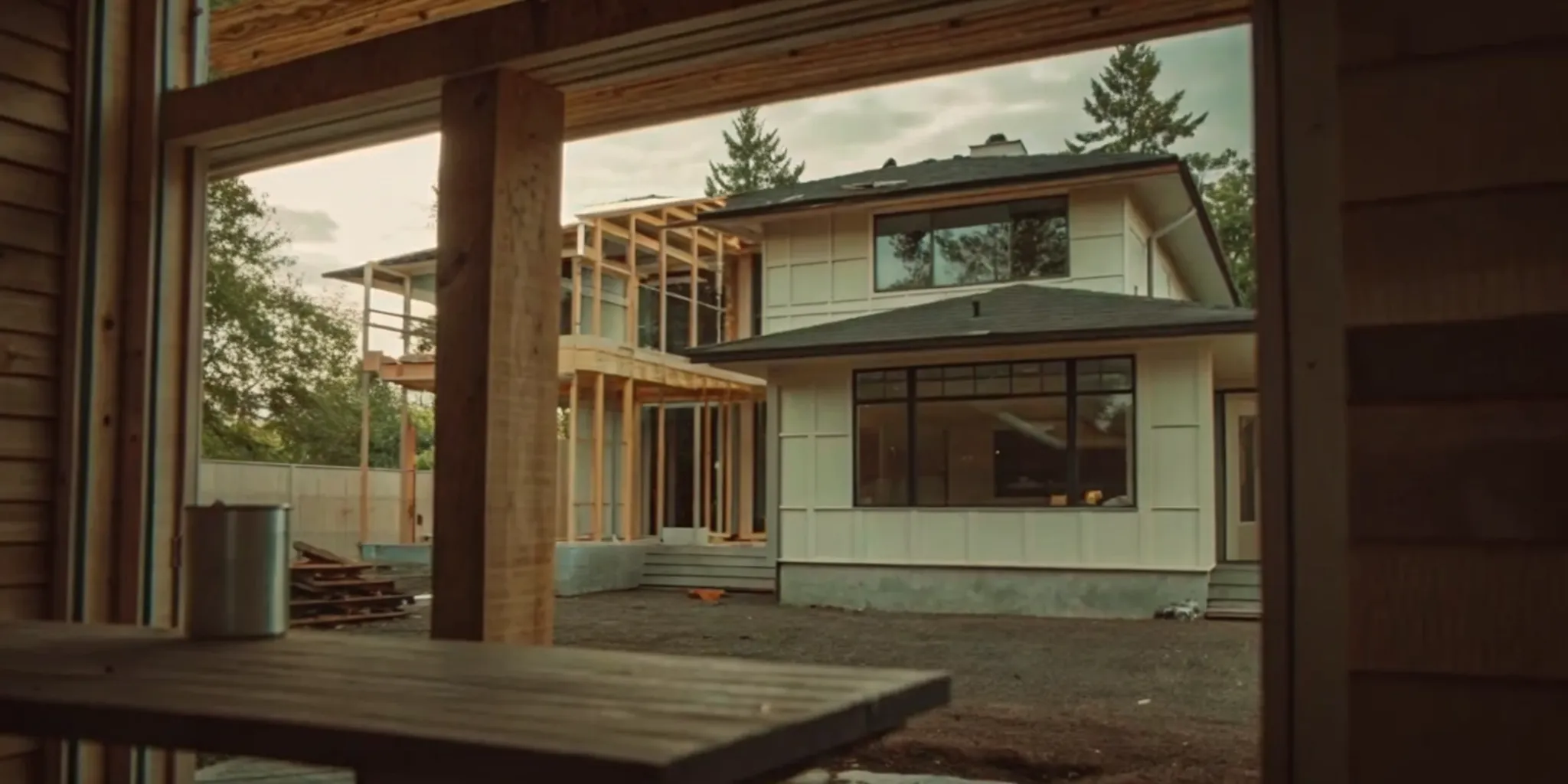
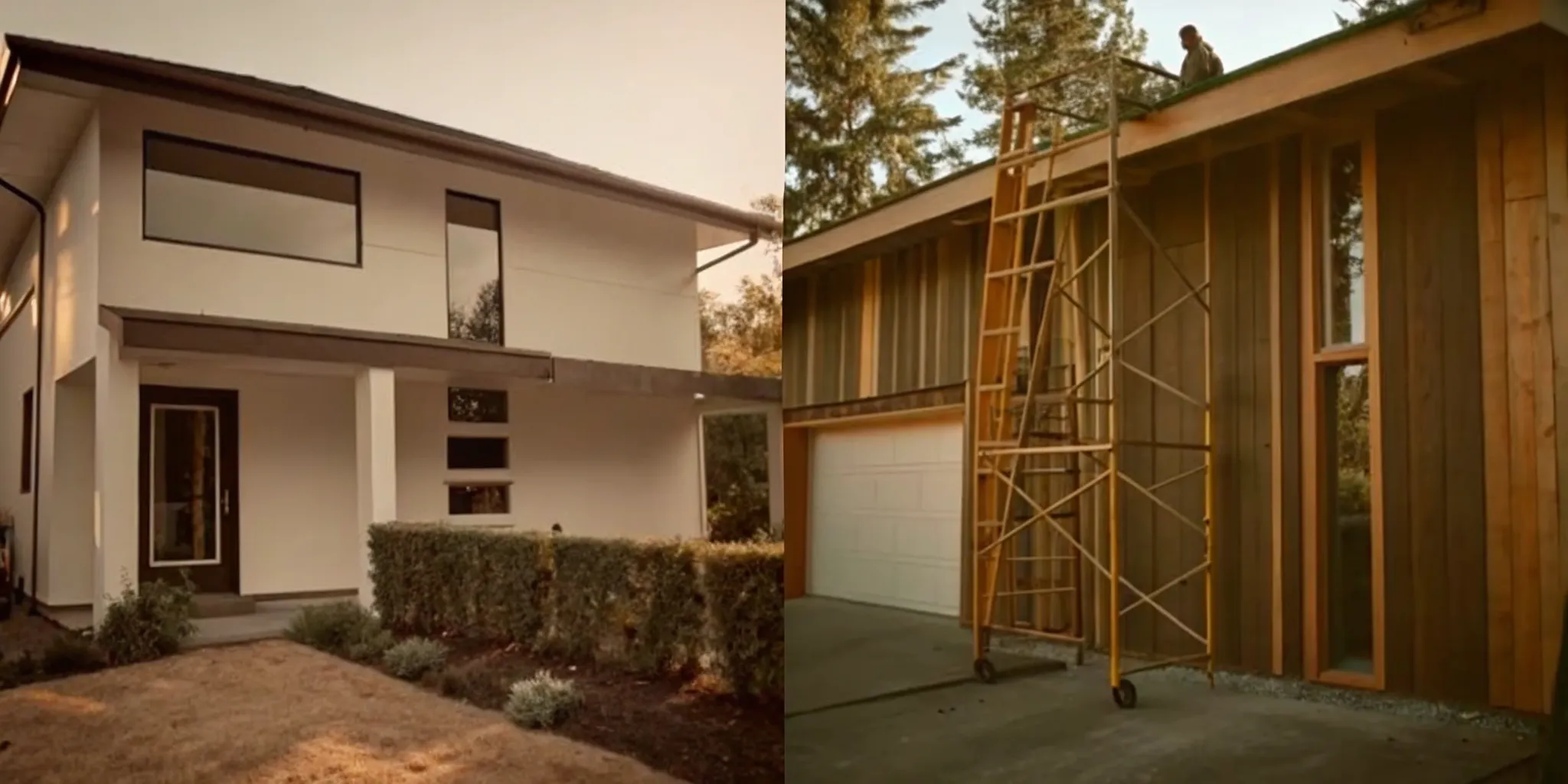
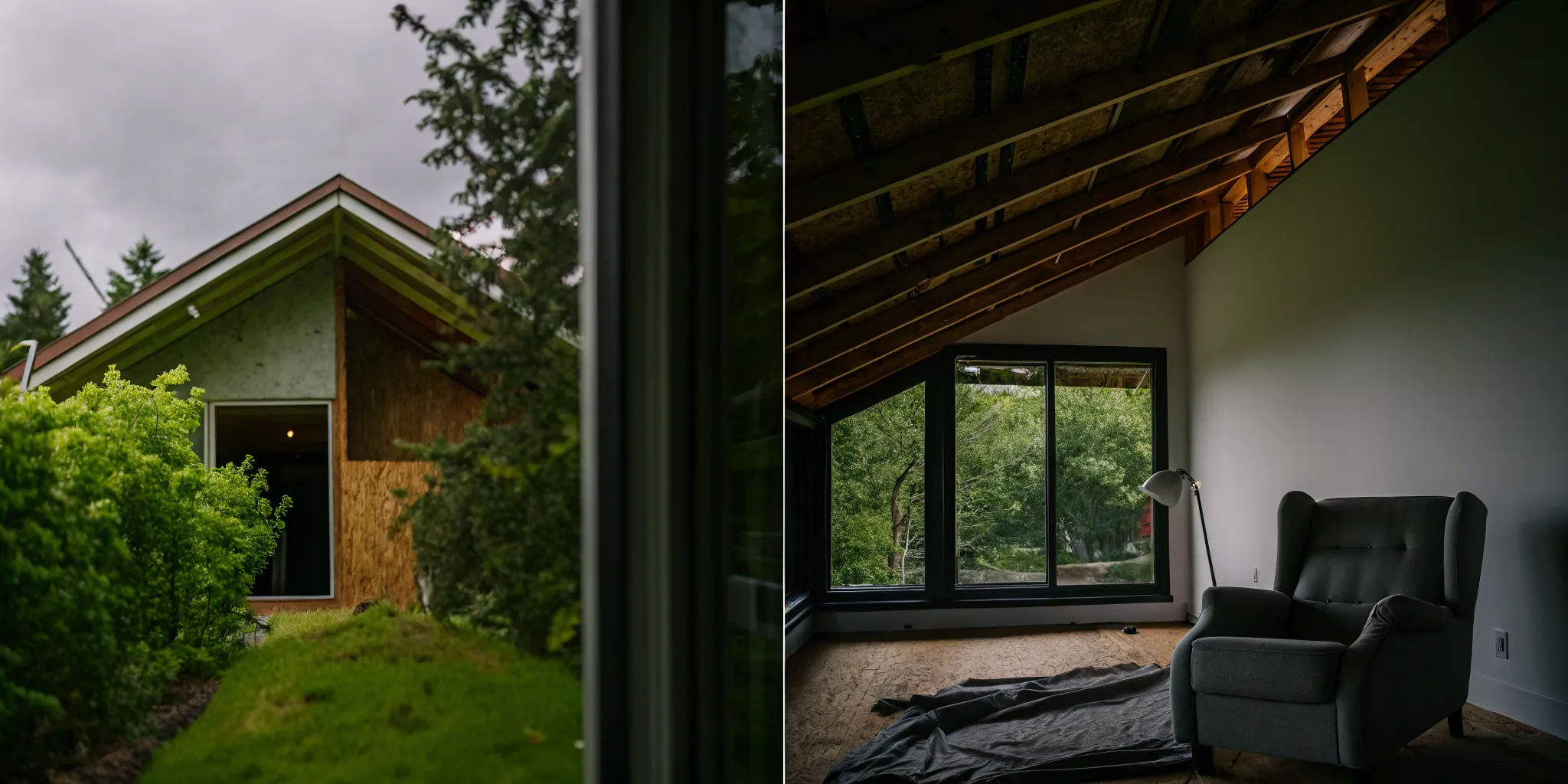
A full home addition at 1,400 square feet is the most ambitious renovation project type in Realm's entire dataset. At this scale, the addition doesn't expand a home; it transforms it. The scope typically involves full structural reengineering of the existing building, exterior redesign that changes how the home reads from the street, and a floor plan expansion that adds multiple new rooms across one or two floors in a way that requires the old and new construction to be fully integrated rather than simply connected.
The result of a well-executed full home addition at this scale is a home that reads as a unified, intentional piece of construction rather than an original structure with an addition attached. Achieving that result at 1,400 square feet requires design-build coordination from the first drawing to the final inspection. The structural decisions, the roofline, the facade, the mechanical and electrical systems, and the way each new room connects to each existing room are all interdependent decisions that need to be made by a team working together, not handed off between separate parties at a permitting milestone.
Design-build firms are not just the recommended partner at this scale; they are the only partner model that reliably produces the result these projects require. A general contractor managing someone else's design for a project of this complexity is the arrangement most likely to produce the budget overruns, scope conflicts, and structural surprises that make major home additions go wrong.
New Home Build: Fire Rebuilds and Vacant Lot Development
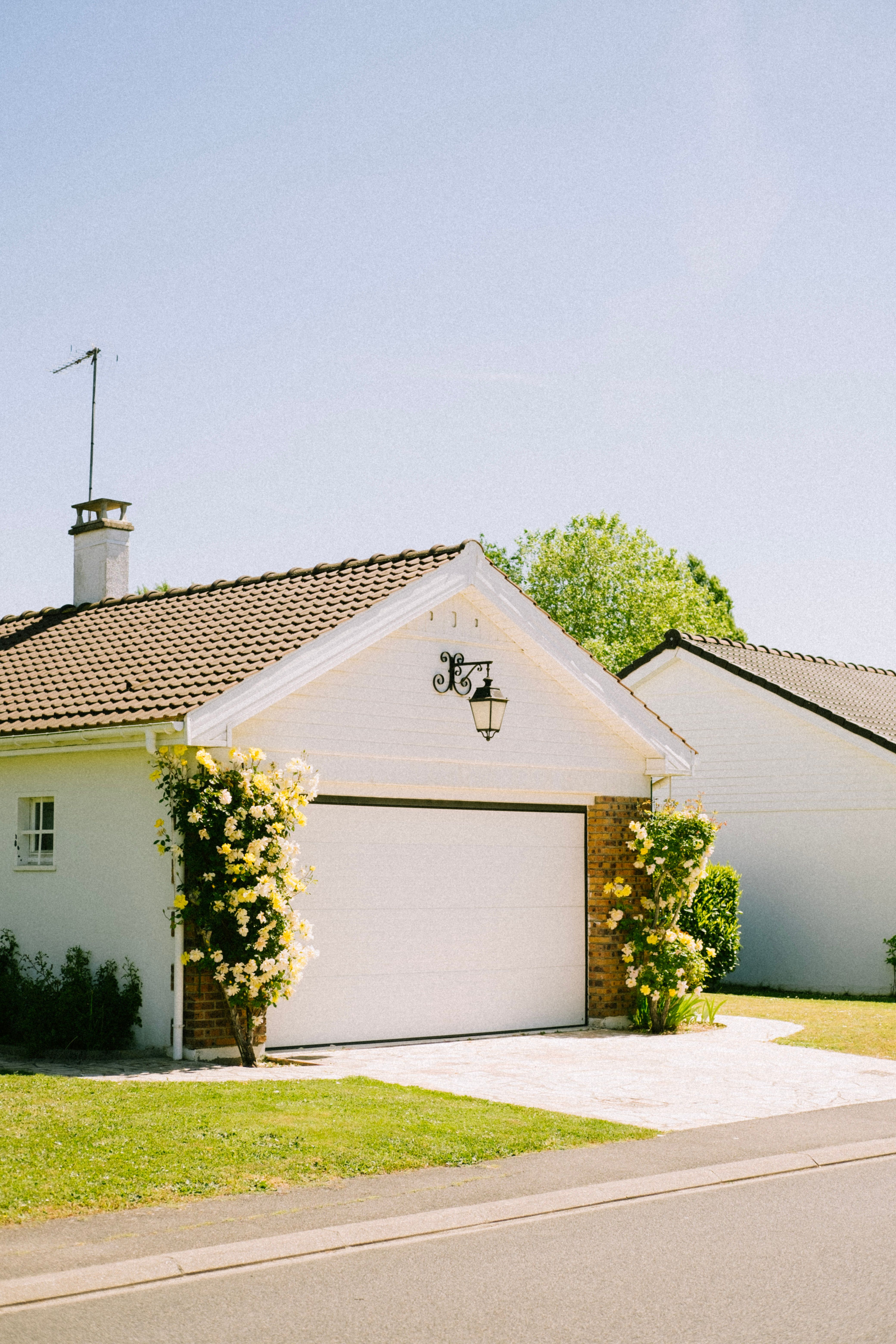
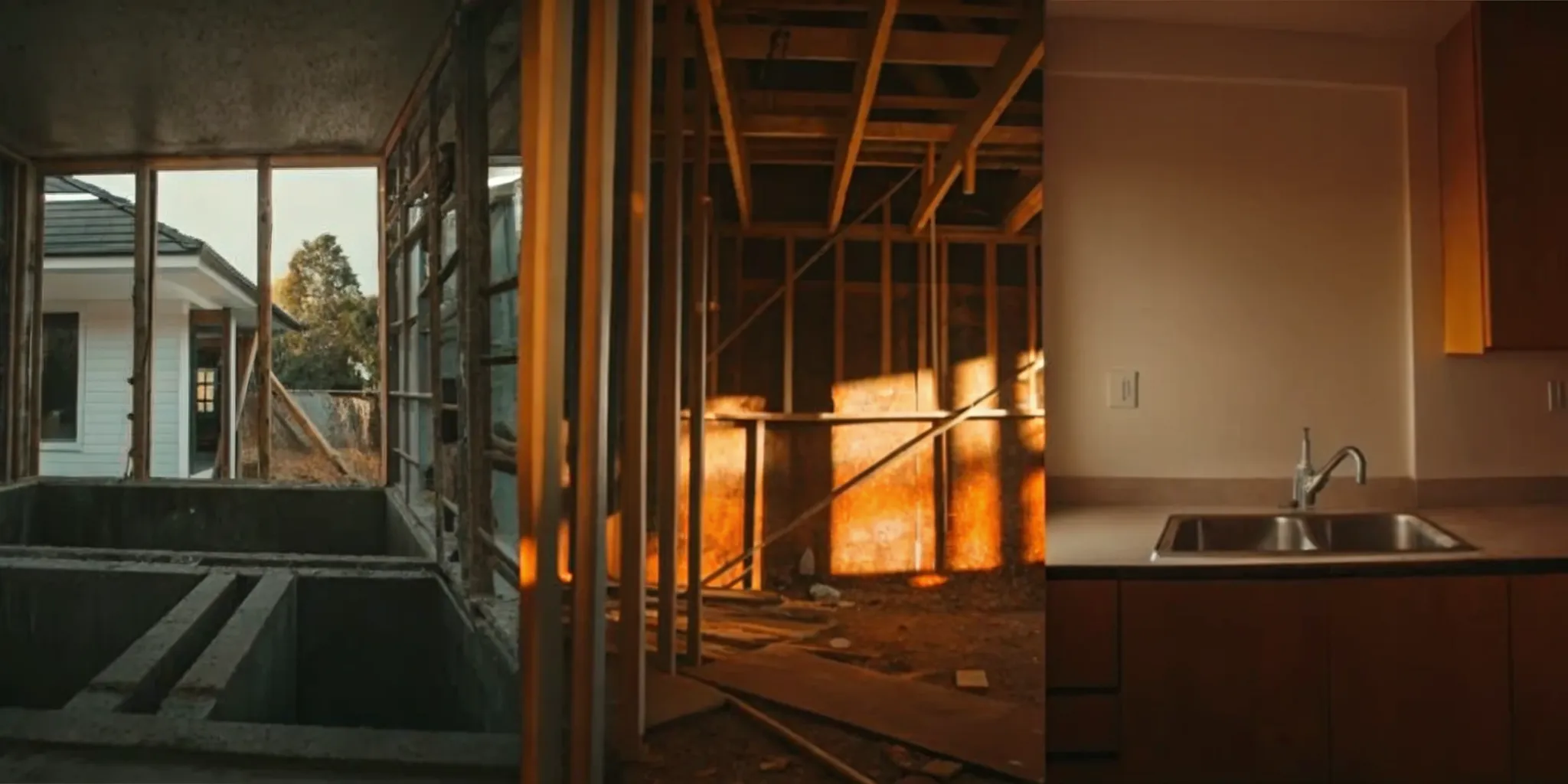
A new home build at 1,400 square feet in Realm's dataset is primarily a three-bedroom, two-bath residential structure built in one of three specific contexts: a fire loss rebuild on an existing lot in a California community affected by wildfire, a new construction project on a vacant or raw lot, or a teardown and rebuild where an existing underbuilt or deteriorated structure is replaced with a properly sized new home.
In Realm's data, the overlap between 1,400 sq ft new home builds and fire rebuilds is direct and significant. At this size, a new build delivers a home large enough to restore the full bedroom and bathroom count of most pre-loss residences in communities like Altadena and Pacific Palisades, while remaining within a footprint that permits efficiently under California's increasingly streamlined post-fire rebuild pathways.
The cost profile for a new build at 1,400 square feet reflects the specific circumstances of each build context. A fire rebuild on an existing lot with an intact foundation, existing utility connections, and pre-approved building plans has a meaningfully different cost baseline than a raw lot build that starts with site preparation, utility extensions, and a new foundation on previously unimproved land. Understanding which of those contexts applies to your project is the first and most important step in building a realistic cost model.
Frequently Asked Questions
How much does a 1,400 square foot home addition cost? Based on 31 closed Realm projects at this size, the median cost across both project types is $600,000 and the average is $642,602. Full home additions at this scale, which involve whole-home structural reengineering and exterior redesign, drive most of the cost at the upper end of the range. New home builds, particularly fire rebuilds where existing foundations and utility connections reduce the scope of new work, may come in below the overall median depending on site conditions and what existing infrastructure can be preserved or reused. At 31 projects, this dataset is smaller than earlier size brackets, so treat these figures as directional planning anchors rather than statistically robust benchmarks. Your actual cost will be shaped by the structural condition of the existing home or lot, local permitting fees, finish level, and contractor capacity in your market. Talk to a Realm advisor to get a cost estimate calibrated to your specific project type and location.
What does a 1,400 sq ft fire rebuild cost in California? Fire rebuild costs at this size depend heavily on what existing assets remain on the lot. A rebuild on an existing foundation with intact utility connections and pre-approved plans has a meaningfully lower cost baseline than a rebuild that starts with cleared land and new infrastructure from scratch. The overall median cost in Realm's dataset across all project types at this size is $600,000, and fire rebuilds in communities like Altadena and Pacific Palisades that can leverage existing infrastructure typically come in at or below that median depending on finish level and site conditions. California's streamlined post-fire permitting pathways can also reduce the timeline and some of the soft costs associated with the permitting phase for qualifying rebuilds. Realm's advisors work directly with fire-affected homeowners in Los Angeles and can help you understand the realistic cost range for your specific lot and situation.
Is 1,400 square feet the right size for a new home build on a vacant lot? It depends on the lot, the local market, and what you plan to do with the home. A three-bedroom, two-bath home at 1,400 square feet is large enough to be competitive as a primary residence in most California and Washington markets, and small enough to permit and build without the cost escalation that larger custom homes involve. For owner-occupants building a primary residence, 1,400 square feet is a meaningful and livable size that accommodates a family without excess space to maintain. For investment builds where rental income or resale value drives the decision, the right size depends on what the local market rewards most: in markets where three-bedroom detached homes are in short supply, 1,400 square feet at a three-bedroom configuration can be a strong long-term investment. In markets where the land value significantly exceeds the improvement value, a larger build may produce better returns on the total investment. A Realm advisor can help you think through the right size and configuration for a vacant lot build in your specific market.