How to Plan a Whole House Remodel: A 9-Step Guide
Get practical tips on how to plan a whole house remodel, from setting your budget to choosing the right team and staying organized every step of the way.
|
February 11, 2026

In this article:
When you hear stories about home renovations, they often focus on the dramatic before-and-after photos. What you don’t always see is the months of careful preparation that made the "after" possible. A beautiful, functional home doesn’t happen by accident; it’s the result of a well-executed strategy. From assessing your home’s current condition to defining your must-haves and hiring the right team, every step matters. Learning how to plan a whole house remodel is your best tool for avoiding common pitfalls like budget overruns and stressful delays. It empowers you to take control of the process and ensures your final space is everything you hoped for.
Key Takeaways
- Plan thoroughly before you start: A successful remodel begins months before construction. Assess your home’s condition, clarify your goals, and establish a detailed budget with a 15-20% contingency fund for surprises.
- Assemble the right professional team: Your project's success depends on who you hire. Take time to interview and vet multiple contractors and designers, and consider an advisor to help guide your decisions and ensure you're working with qualified pros.
- Anticipate the full timeline and logistics: The actual construction is just one piece of the puzzle. Factor in months for planning, hiring, and permitting, and order long-lead items like custom cabinets and windows well in advance to prevent costly delays.
What is a whole house remodel?
A whole house remodel is exactly what it sounds like: a comprehensive renovation that transforms your entire home. It’s one of the biggest projects a homeowner can take on, involving significant changes to your home’s layout, systems, and finishes. People typically start a project this size for one of two reasons: to increase their home’s market value before selling or to completely customize the space to better suit their family’s lifestyle for years to come.
Unlike a single-room renovation, a whole house remodel requires a much deeper level of planning and coordination. You’re not just updating a kitchen; you’re thinking about how the kitchen flows into the living room, whether walls need to come down, and if the electrical and plumbing systems can handle the new design. It’s a chance to fix everything that has ever bothered you about your home and create a space that truly works for you. Because it’s such a large-scale undertaking, the process involves careful budgeting, detailed design work, and assembling a team of trusted professionals. With the right expert guidance, you can turn your current house into your dream home.
What a whole house remodel includes
A whole house remodel is a marathon, not a sprint, and the real work begins long before the first hammer swings. The process typically starts 6 to 12 months out with a critical planning phase. This is where you’ll create a detailed project plan, look into necessary building permits, and establish a realistic budget. It’s also when you’ll start the important work of hiring contractors and designers. This initial stage sets the foundation for the entire project, ensuring that every decision made down the line aligns with your vision and financial plan. It’s far more involved than a simple cosmetic update, often including structural changes, system upgrades, and a complete aesthetic overhaul.
Is a whole house remodel right for you?
Deciding to remodel your entire home comes down to your long-term goals. Are you planning to sell in the next few years, or is this your forever home? If you’re remodeling to sell, your focus should be on projects that deliver a strong return on investment. Think updated kitchens and bathrooms, enhanced curb appeal, and functional upgrades that will appeal to a wide range of buyers. However, if you plan to stay, the focus shifts to your personal needs and desires. You can prioritize the rooms you use most and make changes that will improve your daily life, like creating an open-concept living area or designing a bathroom that can adapt to your needs as you age. A dedicated advisor can help you clarify these goals and ensure your project plan reflects what matters most to you.
How much does a whole house remodel cost?
Let’s talk numbers. The cost of a whole house remodel is one of the first—and biggest—questions homeowners have. The truth is, there’s no single price tag. The final cost can range from around $17,700 for cosmetic updates to well over $79,400 for a major overhaul, with a national average sitting near $48,600. On a square-foot basis, you can expect to pay anywhere from $10 for simple fixes to $150 or more for high-end finishes.
While these figures give you a general idea, your project will have its own unique budget. The key is to understand the variables and plan accordingly. A detailed, data-driven budget is your best tool for keeping your project on track from day one. At Realm, we help homeowners create a realistic project plan based on real local costs, so you know what to expect before you even start.
Breaking down the costs
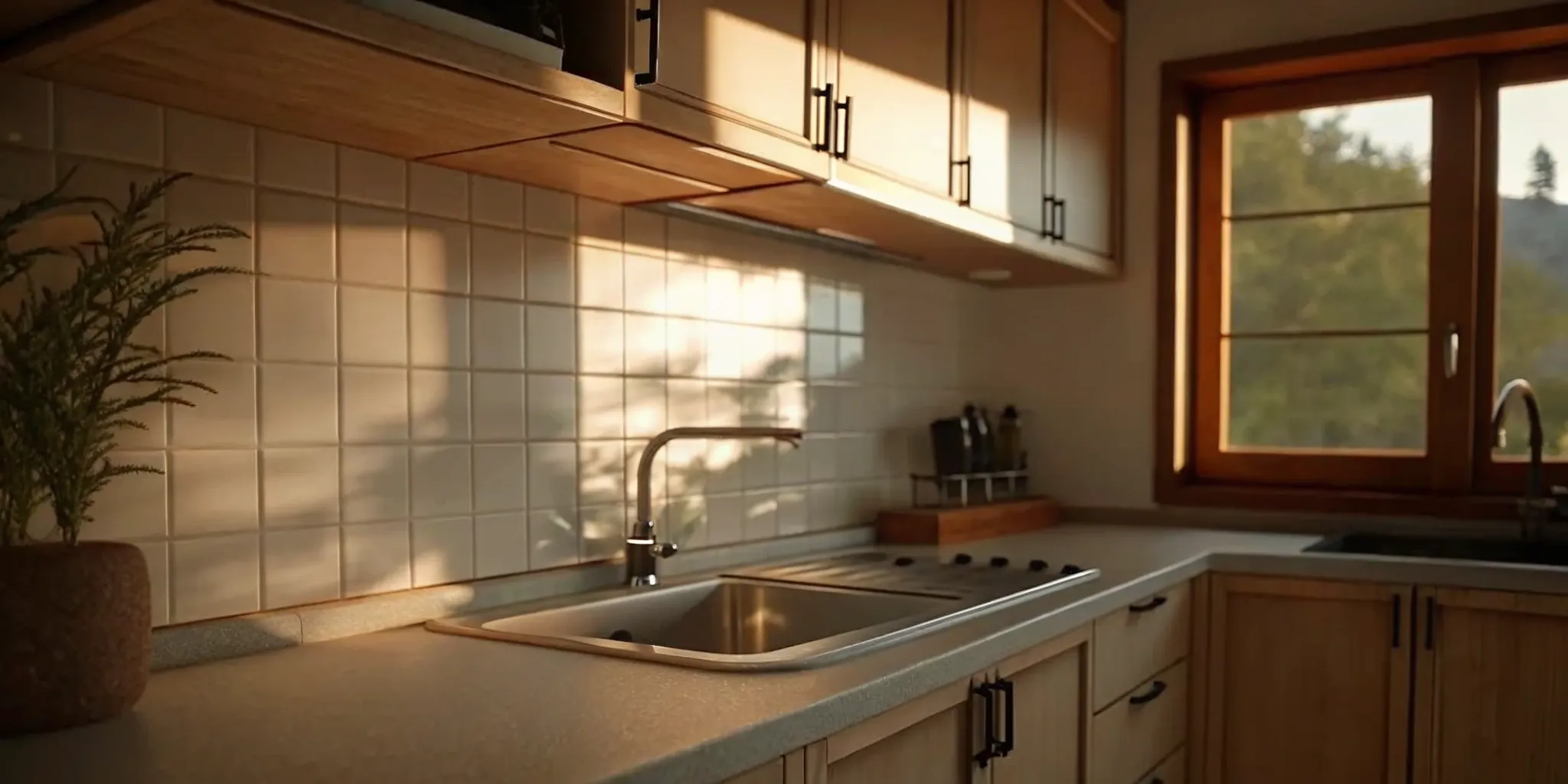
To get a clearer picture of your potential spending, it helps to look at costs room by room. Some spaces are simply more expensive to renovate than others due to plumbing, electrical work, and appliances. For example, a kitchen remodel can range from $14,600 to $40,000, while a primary bathroom renovation often falls between $6,700 and $28,000. Other rooms are typically less intensive; a living room update might cost between $5,000 and $10,000, and a bedroom refresh could be as little as $1,500. Thinking about your project in these smaller pieces makes the total number feel much more manageable.
What influences the final price?
Several key factors will shape your total renovation cost. First is the overall scope of your project, which is directly tied to your budget. The more you want to change, the more it will cost. Second is your home's current condition. A well-maintained house will be less expensive to update than a fixer-upper that needs significant structural or systems repairs. Finally, consider your long-term goals. Are you remodeling to increase resale value for a future sale, or are you creating your forever home? Your answer will guide your decisions on where to invest and where you can save.
How to set a realistic budget (and plan for surprises)
A successful remodel starts with a realistic budget. This means accounting for everything: permits, materials, labor, and all the finishing touches that bring a space to life. If your initial estimates come in too high, you can revisit your plan and identify lower-priority items to cut. Most importantly, always build a contingency fund into your budget—typically 10% to 20% of your total project cost. This buffer is essential for handling the unexpected issues that can pop up during any renovation, from hidden water damage to a delayed materials shipment. A dedicated renovation advisor can help you anticipate these costs and plan for them from the start.
Where to begin your remodel plan
Before you pick out a single paint color or browse for new appliances, the most crucial part of your remodel begins. This is the planning phase, and it’s your roadmap to a successful renovation. A thoughtful plan is the difference between a project that flows smoothly and one that’s full of stressful surprises and budget overruns. It’s where you get honest about your home’s current condition, clarify your vision, and gather the ideas that will shape your future space.
Think of this as building the foundation for your remodel. Just like you wouldn’t build a house on shaky ground, you shouldn’t start demolition without a solid plan in place. Taking the time to walk through these initial steps will save you time, money, and headaches down the line. It ensures that you, your designer, and your contractor are all aligned and working toward the same goal. This upfront work empowers you to make confident decisions and turns a potentially overwhelming process into an exciting and creative journey. Let’s walk through the four essential first steps to get your whole house remodel started on the right foot.
Assess your home's current state
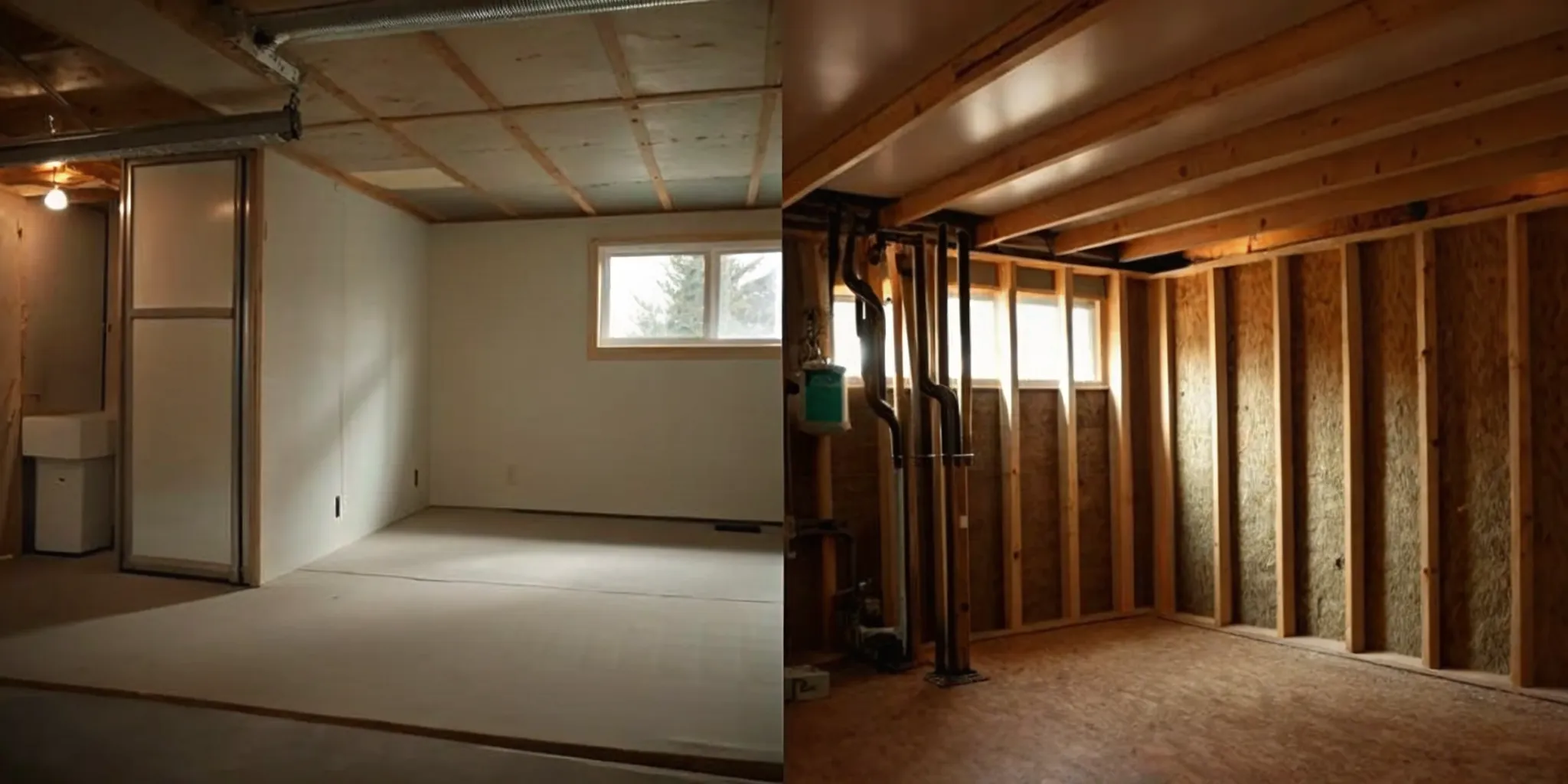
Before you can map out where you’re going, you need to know exactly where you’re starting. Take a critical, top-to-bottom look at your home. A house that needs a lot of repairs will naturally cost more and take longer to renovate than one that's already in good shape. Walk through every room and be honest about what you see. Look beyond the cosmetic issues and pay attention to the home’s core systems: the plumbing, electrical, roof, and foundation. Are there any signs of water damage, cracks in the walls, or flickering lights? These are the kinds of issues you want to uncover now, not after construction has already begun. This assessment helps you create a realistic scope and budget for your project.
Define your goals: Must-haves vs. nice-to-haves
Now for the fun part: dreaming about your new space. But this is dreaming with a purpose. The key is to decide if you're remodeling to sell or to live in. If you plan to sell soon, you might focus on popular trends that appeal to buyers. If this is your forever home, focus on your family's specific needs and lifestyle. Sit down and create two lists: "must-haves" and "nice-to-haves." Must-haves are the non-negotiables, like a more functional kitchen layout or an extra bathroom. Nice-to-haves are the wants, like a steam shower or a wine fridge. This simple exercise is incredibly powerful for guiding your decisions and keeping your project budget in check when it’s time to make choices.
Gather your design inspiration
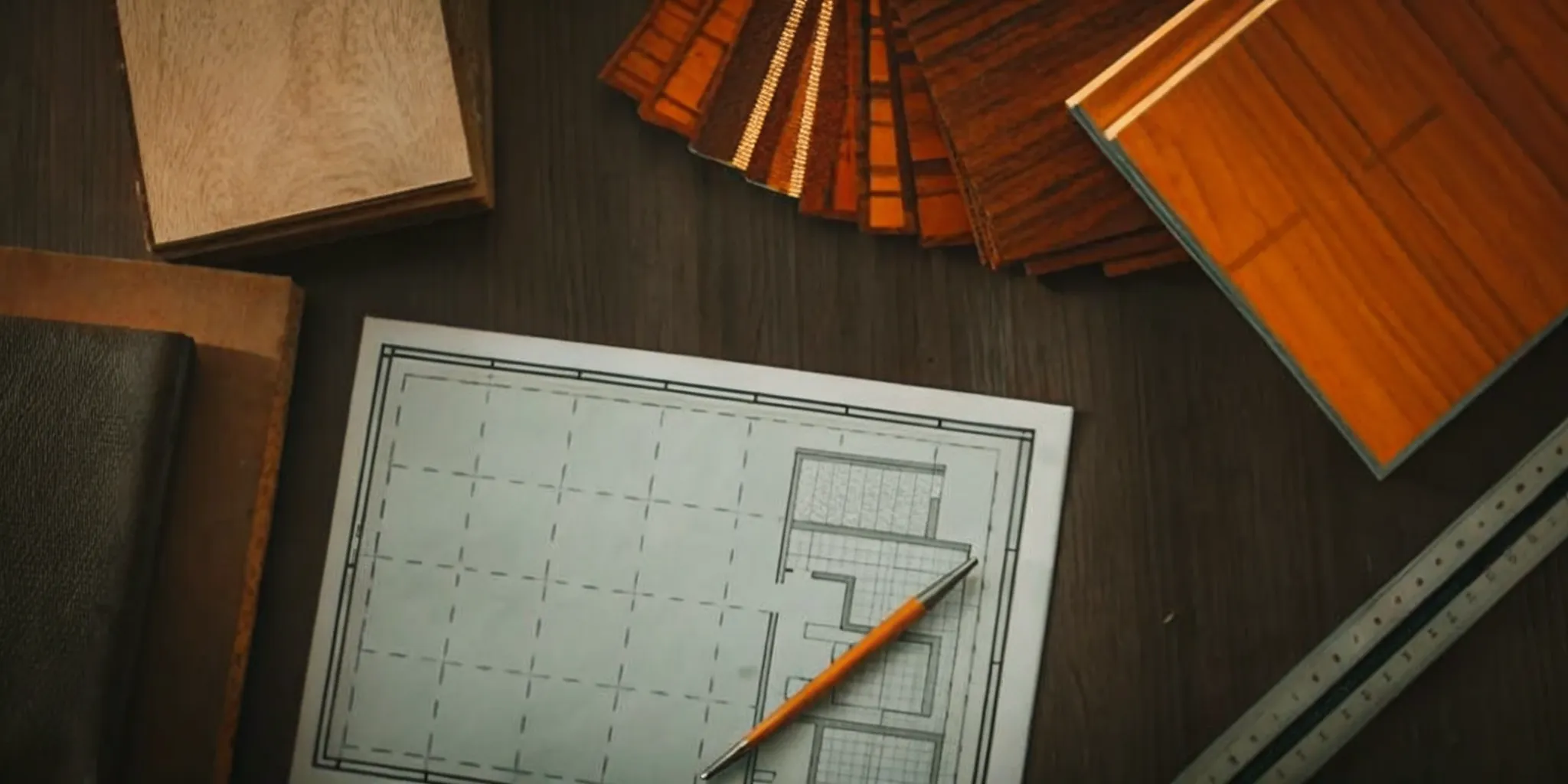
This is where you get to play designer and define the look and feel of your home. Start collecting images that resonate with you. Create a Pinterest board, tear pages from magazines, and screenshot designs you love. Don't just focus on whole rooms; save images of specific details like cabinet hardware, tile patterns, or window styles. As you collect ideas, you’ll start to see a theme emerge. This collection of images becomes your mood board—a visual guide that helps you communicate your aesthetic to your designer and contractor. It’s a powerful tool for ensuring everyone shares the same vision for your home’s transformation.
Your essential planning toolkit
With your assessment, goals, and inspiration in hand, it’s time to get organized. Create a central place—a physical binder or a digital folder—to house all your remodeling documents. This is your project command center. Write down exactly what you want to do, your final vision, and your design ideas. This toolkit will grow as your project progresses, eventually holding contractor bids, floor plans, product selections, and permits. Having everything in one place keeps you organized and ensures nothing gets lost in the shuffle. A well-organized plan is your best defense against miscommunication and helps keep your project on track. It’s a foundational step that Realm’s advisors help homeowners create for every project.
Designer or contractor: Who do you hire first?
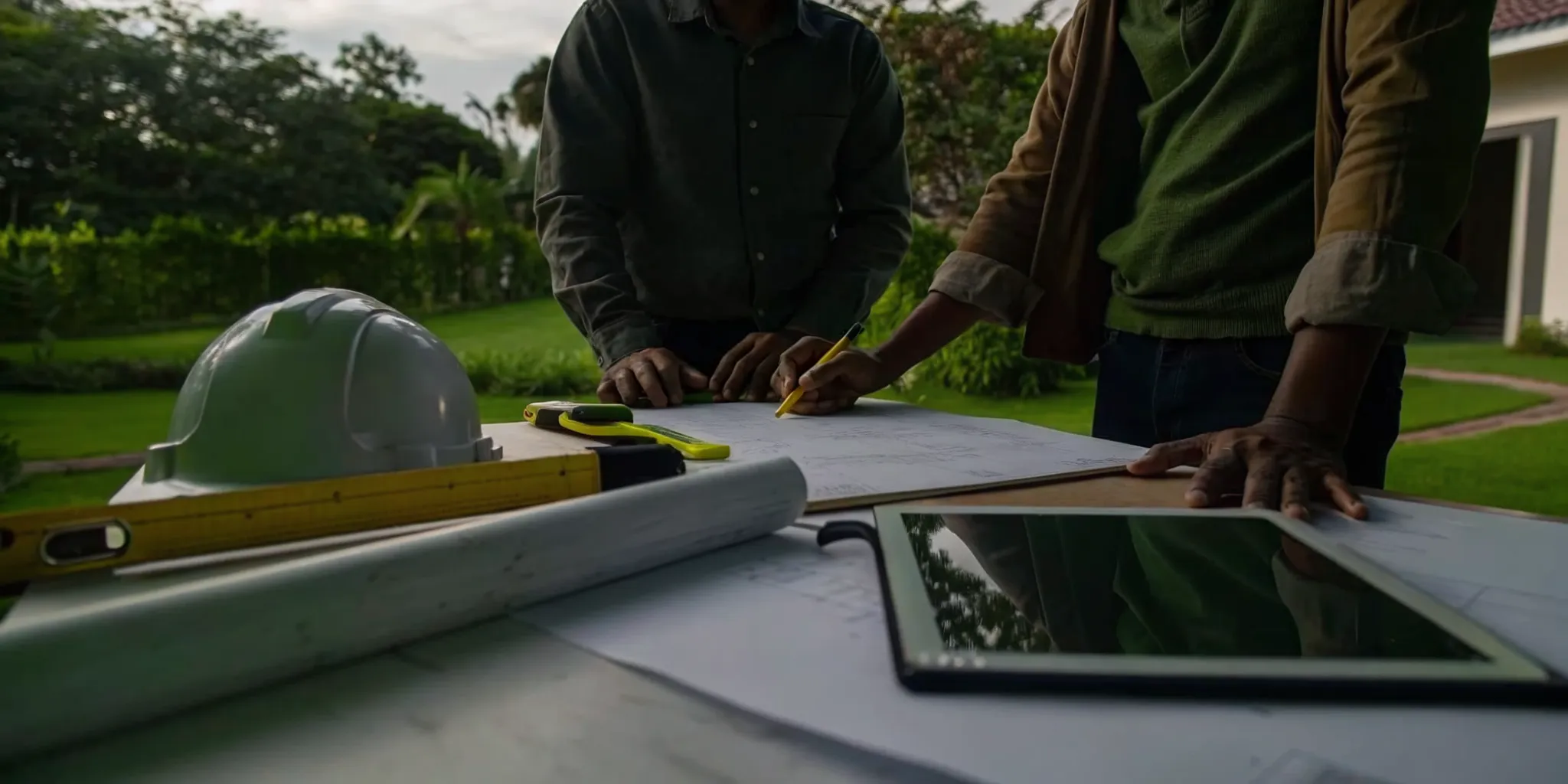
One of the first big questions you'll face in a whole house remodel is who to bring on board first: the person who dreams up the vision (the designer) or the person who builds it (the contractor). The answer usually depends on the scope of your project. If your remodel involves changing the floor plan, moving walls, or requires a cohesive aesthetic vision across your entire home, starting with a designer is often the best path. They will create a detailed set of plans that contractors can then use to provide accurate bids. This "design-bid-build" approach ensures all contractors are bidding on the exact same project, making it easier to compare their quotes.
On the other hand, if your project is more straightforward—like replacing a kitchen with the same layout or updating a bathroom without moving plumbing—you might approach a contractor first. Many contractors work with in-house designers or can recommend one they trust. Some homeowners also prefer a "design-build" firm, which handles both the design and construction under one roof, simplifying communication and accountability. Ultimately, the goal is to build a team that communicates well and shares your vision for your home.
What a designer does
Think of a designer as the architect of your home's new look and feel. Their job is to translate your ideas, inspiration photos, and lifestyle needs into a concrete, functional plan. A professional designer helps you make smart choices on everything from the overall layout to the smallest details like cabinet hardware and paint colors, ensuring the final result is cohesive and beautiful. They create detailed drawings, 3D renderings, and material specifications that serve as the official blueprint for your remodel. Working with a designer can help you avoid common renovation regrets and make sure your investment truly pays off.
What a contractor does
The contractor is the master executor of the project. They take the designer's plans and turn them into reality. A general contractor manages the entire construction process, including hiring and scheduling subcontractors (like plumbers, electricians, and painters), ordering materials, and ensuring the project stays on schedule and on budget. They are responsible for securing the necessary permits and making sure all work is up to code. When you start your search, remember that the best contractors are often booked months in advance. Look for professionals with years of experience, proper licensing and insurance, and a portfolio of positive reviews. Realm maintains a network of vetted contractors to help ensure you’re working with the best.
The advantage of a dedicated renovation advisor
Navigating the relationship between a designer and a contractor can feel like a full-time job. This is where a dedicated renovation advisor comes in. An advisor acts as your personal project advocate, helping you build the right team from the start. They can connect you with trusted designers and contractors who are a good fit for your project's scope and style. A good designer often has relationships with contractors they trust, and an advisor expands that network, ensuring you get competitive bids from qualified pros. Throughout the process, your Realm advisor is there to offer impartial guidance, review plans, and help you make informed decisions without adding extra costs.
How to choose the right pros for your project
Finding the right team is critical to your project's success. Start by asking friends and family for recommendations, but always do your own research. When interviewing potential designers and contractors, come prepared with questions. Ask to see their portfolio, speak with recent references, and confirm they are licensed and insured. It’s also important to discuss their communication style and process. Ask designers if they have contractors they prefer to work with and if they have experience managing projects of your size. The goal is to find professionals who not only do great work but also listen to your needs and respect your budget.
Do you need a permit for your remodel?
Let’s talk about one of the least glamorous but most important parts of a remodel: permits. For a project as extensive as a whole house remodel, the short answer is yes, you will almost certainly need them. While it might seem like bureaucratic red tape, the permitting process is designed to protect you. It ensures that all work meets local safety, structural, and zoning standards. This isn't just about following rules; it's about the long-term safety of your home and protecting its value when you decide to sell.
Navigating the world of permits can feel overwhelming, especially when you’re already juggling design decisions and budget spreadsheets. The good news is that you don’t have to do it alone. A good general contractor will handle the entire permit process for you, from submitting the initial application to scheduling final inspections. This is a standard part of their job. At Realm, we connect you with vetted professionals who have deep experience with the local regulations in your area. Your dedicated advisor will also be there to make sure this part of the process goes smoothly, so you can focus on the more exciting aspects of your renovation.
Decoding local building codes
Every city and county has its own set of rules, so what’s required in the Bay Area might be different from what’s needed in San Diego. Your first step is to understand the specific requirements where you live. The best way to do this is to contact your local building and safety department. A quick phone call or a visit to their website can give you a clear picture of what to expect.
When you reach out, ask what types of work require a permit and if you’ll need special drawings from an architect or engineer. This initial research will help you and your team prepare a complete application package, which is key to avoiding delays down the road.
Common permits for a whole house remodel
Permits are typically required for any work that involves changing your home’s structure, electrical systems, or plumbing. During a whole house remodel, this can include a wide range of projects. You’ll likely need permits for moving or removing walls, adding new windows or doors, rewiring circuits, and re-routing pipes for a new kitchen or bathroom layout.
Other common projects that require permits include installing a new HVAC system, replacing a roof, or building an addition. Your contractor is the expert here; they will assess your final renovation plans and determine exactly which permits are necessary to complete the job legally and safely.
The permit approval process and timeline
Once your design plans are finalized, your contractor will submit the permit application to your local building department. This package usually includes detailed drawings and project specifications. From there, a city official reviews the plans to ensure they comply with all local codes. This review process can take anywhere from a few weeks to several months, depending on your city’s workload and the complexity of your project.
After the permit is issued, inspections will be required at various stages of construction to verify the work is being done correctly. Your contractor will manage all of this, but it’s helpful to understand the timeline. That’s why it’s best to wait until you’ve hired your team and have a clear plan before applying. A dedicated renovation advisor can help you build a realistic timeline that accounts for the entire permit process.
How long does a whole house remodel take?
One of the first questions every homeowner asks is, "How long will this actually take?" A whole house remodel timeline depends on your project's scope, your home's condition, and how much planning you do upfront. The construction itself might be shorter than you think, but the entire process—from initial idea to final walkthrough—is a marathon, not a sprint. Understanding each phase helps you set realistic expectations and keep your project on track.
A realistic timeline from start to finish
While some sources say the average remodel takes about a month, that number usually only refers to the construction phase. A more realistic view includes every step. Think of your timeline in four stages:
- Planning and Design (1–4 months): This is where you define your vision, set your budget, and work with a designer to create detailed plans.
- Hiring Professionals (1–2 months): Finding, interviewing, and getting bids from contractors takes time.
- Permitting (1–3 months): Securing permits can be a lengthy process, depending on your city. Your contractor typically handles the submission, but you're waiting on the local building department.
- Construction (3–8+ months): This is when the real work happens. The duration depends entirely on the scope—a cosmetic update is much faster than moving walls or adding square footage.
What can affect your timeline?
Even the best plans can run into delays. Being aware of potential hurdles helps you prepare. The most common factors include contractor availability—the best pros are often booked months in advance. Finding the right vetted professionals early is key. Permitting is another major variable, as are supply chain issues for items like custom windows or appliances. And of course, there are unexpected discoveries. Opening up walls can reveal surprises like outdated wiring or hidden water damage that need to be addressed. Finally, changing your mind mid-project will almost certainly add time and cost.
How to handle delays and surprises
The best way to manage unexpected issues is to plan for them. Don't let the possibility of a surprise stress you out; instead, build a safety net. Experts recommend adding a 15-20% contingency fund to your budget for unforeseen costs. It’s also smart to add a few extra weeks of buffer time to your schedule. When a problem does arise, clear communication is your best tool. Regular check-ins with your contractor or dedicated renovation advisor ensure you’re aware of issues as they appear and can work on a solution. Remember that things like foundation cracks and old plumbing are common finds. A good team can guide you without derailing your project.
Common remodel mistakes (and how to avoid them)
Even the most carefully planned remodel can hit a few bumps, but knowing the common pitfalls can help you avoid major headaches. Many homeowners find themselves facing the same preventable issues with budgeting, hiring, and scheduling. By learning from these frequent missteps, you can ensure your project stays on track and within your budget, making the entire process smoother and more predictable.
Budgeting and planning pitfalls
One of the quickest ways for a remodel to go off the rails is with an unrealistic budget. It’s easy to focus on the big-ticket items and forget the smaller costs that add up, like permits, materials, and labor. A successful project starts with a detailed financial plan. You should also set aside a contingency fund of at least 10% to 20% of your total budget. This buffer is essential for handling the inevitable surprises, like discovering hidden water damage or needing to update old wiring. Thinking through every detail of where to start your plan will save you from stressful financial decisions down the road.
Hiring and communication mistakes
Choosing the right team is just as important as your design choices. A common mistake is hiring the first contractor you speak with or simply picking the cheapest bid without doing your homework. Take the time to research and interview multiple professionals. Always check for proper licensing and insurance, and ask for references from previous clients. Clear communication is also key. Before signing anything, make sure you have a detailed contract that outlines the scope of work, payment schedule, and how you’ll handle changes. Working with a network of vetted professionals can give you peace of mind that you’re hiring a qualified and reliable team.
Permit and scheduling oversights
Ignoring building permits is a risky oversight that can lead to fines, project delays, and even orders to tear down completed work. Before you swing a single hammer, check with your local city or county to see what permits are required for your renovation. This is especially critical if you’re changing your home’s structure or altering its electrical or plumbing systems. The permit approval process can take weeks or even months, so it’s a step you need to factor into your timeline from the very beginning. A comprehensive home renovation guide will always place permitting as a crucial early step.
How to live through your remodel
Let’s be honest: living in a construction zone is a unique challenge. Dust, noise, and a rotating cast of professionals in your personal space can test anyone's patience. But a whole house remodel doesn't have to mean months of chaos and stress. With some thoughtful preparation, you can maintain a sense of order and keep your daily life running smoothly. The key is to create a solid plan for how you'll function before the first hammer swings.
Thinking through your day-to-day needs ahead of time will make the entire process more manageable for you and your family. This involves deciding where you'll live, setting up functional zones within your home, and finding creative ways to stick to your routines. A little bit of planning goes a long way in preserving your sanity and ensuring you can still enjoy your home, even when it’s a work in progress. Your renovation advisor can also help you anticipate these challenges and build solutions right into your project plan.
Plan your temporary living situation
For a major, whole-house remodel, the best option is often to move out, at least during the most disruptive phases like demolition and drywall. This gives your construction crew unrestricted access to the site, which can actually speed up the timeline and prevent delays. It also saves you from the stress of living with constant noise and dust. Consider options like a short-term rental, an extended-stay hotel, or staying with friends or family. If moving out isn't feasible, talk with your contractor to plan the project in phases, allowing you to live in one part of the house while another is under construction.
Create a functional space mid-construction
If you decide to stay in your home during the renovation, your first step is to establish clear boundaries. Designate specific "construction-free" zones where your family can relax without disruption. Use heavy plastic sheeting to seal off doorways and contain dust as much as possible. Before work begins, pack up the contents of the rooms being renovated as if you were moving. This protects your belongings from damage and gives your crew the clear space they need to work efficiently. Clear communication with your project’s team is essential, so you always know which areas will be accessible.
Keep daily life as normal as possible
Maintaining your daily routines is crucial for feeling grounded during a remodel. The two biggest hurdles are usually the kitchen and the bathroom. Set up a temporary kitchen in another room, like the garage or dining room. A mini-fridge, microwave, coffee maker, and slow cooker can handle most of your basic meal needs. Stock up on disposable plates and cutlery to minimize cleanup. If you’ll be sharing a single bathroom, create a family schedule to prevent a traffic jam in the morning. The goal is to create a new normal that feels as comfortable and predictable as possible.
Putting your remodel plan into action
With your plans finalized and your team assembled, it’s time to bring your vision to life. This is where all your careful preparation pays off. The construction phase can feel like a whirlwind of activity, but breaking it down into manageable steps will help you stay grounded and in control. Success at this stage comes down to three key things: tackling projects in the right order, managing the logistics of people and materials, and maintaining open lines of communication.
Think of this phase as conducting an orchestra. Each professional has their part to play, and materials need to arrive at just the right moment. Your role is to ensure everything flows smoothly. Having a dedicated advisor can be a game-changer here, as they help coordinate the moving parts so you can focus on the exciting transformation happening in your home. Let’s walk through how to keep your project on track from demolition day to the final walkthrough.
Prioritize structural work first
When it comes to a whole house remodel, the sequence of work is everything. It’s essential to handle the big, messy projects before you even think about the finishing touches. Start with the foundational elements of your home, like plumbing, electrical, and HVAC systems. If you’re planning any major structural changes, such as removing walls or building an addition, this is the time to do it.
Tackling these projects first prevents you from having to tear open newly finished walls or floors to fix a pipe or run a wire. Getting the "bones" of the house right ensures a solid foundation for all the beautiful details you’ll add later, like paint, flooring, and fixtures. This approach saves you from costly and frustrating rework down the line.
Coordinate your team and materials
A major cause of renovation delays is waiting for materials to arrive. To keep your project on schedule, it’s crucial to order long-lead items well in advance. These are things that aren’t typically in stock and need to be custom-made or special-ordered, like cabinets, windows, certain appliances, and specialty tile. Work with your contractor to identify these items early and get them ordered before they’re needed on-site.
This proactive approach ensures that your team isn’t left waiting around, which can have a domino effect on the entire project timeline. Coordinating the delivery of materials with your contractor’s schedule is key to a smooth workflow and helps minimize any costly downtime.
Set up clear communication with your team
Clear and consistent communication with your contractor is the bedrock of a successful remodel. From the very beginning, establish how and when you’ll connect. Will you have a brief daily text check-in or a more detailed weekly meeting? Agreeing on a communication plan helps manage expectations and keeps everyone on the same page.
While it’s important to stay informed, it’s also important to trust the professionals you’ve hired. Give them the space to do their job, but make yourself available to answer questions quickly when they arise. A prompt decision from you can be the difference between staying on schedule and facing a delay. This collaborative approach fosters a positive working relationship and helps you solve any challenges together.
Related Articles
- How to Estimate Bathroom Remodel Cost Accurately
- Your Residential Remodel Construction Step-by-Step
- How Much Does a Small Kitchen Remodel Cost? A Guide
- Breaking Down Your Full Interior Renovation Cost
- Residential Construction Renovation: A Simple Guide
Frequently Asked Questions
Is it cheaper to do a whole house remodel or just move? This is the million-dollar question, and the answer really depends on your goals and your local housing market. Moving comes with its own significant costs, like realtor fees, closing costs, and the actual expense of the move. A remodel allows you to create a home that is perfectly tailored to your family’s needs in a neighborhood you already love. It’s often a great choice if you’re happy with your location but not your layout. The best approach is to weigh the estimated cost of your dream remodel against the price of a new home that already has everything you want.
What's the best way to keep my project from going over budget? The most effective tool for protecting your budget is a solid plan. This means making as many decisions as possible—from tile to faucets to light fixtures—before construction even begins. Changing your mind mid-project is what leads to costly change orders and delays. The second essential piece is building a contingency fund of 15-20% into your total budget from day one. This isn’t extra money for upgrades; it’s a safety net for the inevitable surprises, like finding old plumbing or electrical issues once the walls are open.
Do I really need to move out during the renovation? While it’s not always required, moving out during the most intense phases of construction can be a game-changer for both your timeline and your sanity. It gives your crew the freedom to work more efficiently, which can shorten the project schedule. It also saves you from the daily reality of dust, noise, and disruption. If moving out isn’t an option, work with your contractor to phase the project so you can safely live in one part of the house while they work on another.
What if I disagree with my contractor or designer? Disagreements can happen, but they are much easier to handle when you’ve established clear communication from the start. Your contract should be your source of truth, detailing the full scope of work. If a conflict arises, refer back to your initial agreement and have a calm, direct conversation with your pro. This is also where having a dedicated renovation advisor can be incredibly helpful, as they can offer an impartial perspective and help mediate a solution that keeps the project moving forward.
How involved do I need to be once construction starts? Once the work begins, your primary role is to be a decisive and responsive communicator. You’ve hired professionals to manage the day-to-day logistics, so you don’t need to be on-site every day. However, your contractor will need you to answer questions and approve decisions promptly to keep the project on schedule. Plan for regular check-ins—whether it’s a weekly meeting or a daily text—to stay informed and ensure your vision is being executed correctly.