2026 Home Renovation Trends: What 2025 Taught Us and What’s Next
Explore 2026 home renovation trends, from kitchens and bathrooms to ADUs. See what 2025 data reveals and how homeowners are planning smarter upgrades.
|
January 5, 2026
In this article:
2026 Home Renovation Trends: What 2025 Taught Us and What’s Next
Homeowners in high-cost areas like Southern California, Northern California, and Seattle are entering 2026 with a clear trend: they’re investing in their homes like never before. Renovation and repair spending is projected to hit a record $524 billion in early 2026 (Harvard Joint Center for Housing Studies), and 2025’s patterns reveal why.
In this long-form analysis, we’ll recap the defining home renovation trends of 2025 — from rising project scope and bundled upgrades to the focus on kitchens, bathrooms, and ADUs — and look ahead at what homeowners can expect in 2026. Throughout, we’ll combine real data (from Realm’s internal insights) with external research to provide an authoritative, practical guide for homeowners planning their next remodel.
Whether you’re searching for home renovation trends 2026, wondering how to finance a remodel, or looking up kitchen remodel cost and bathroom remodel ideas, read on. We’ll cover why more Americans are choosing to “improve, not move,” how aging housing stock and new ADU laws are shaping renovations, and how Realm’s data-driven approach helps homeowners plan long-term, livability-focused upgrades (see How Realm Works for Homeowners).
Reflecting on 2025: Bigger Projects and Intentional Upgrades
2025 was a banner year for home renovations — not because homeowners changed what they renovated, but because they changed how they renovated. Instead of superficial touch-ups, homeowners embraced deeper, more holistic upgrades. Across Realm’s internal renovation insights, we saw a clear shift from isolated cosmetic projects to larger, bundled renovations designed for long-term livability (learn more about Realm’s approach on Why Realm).
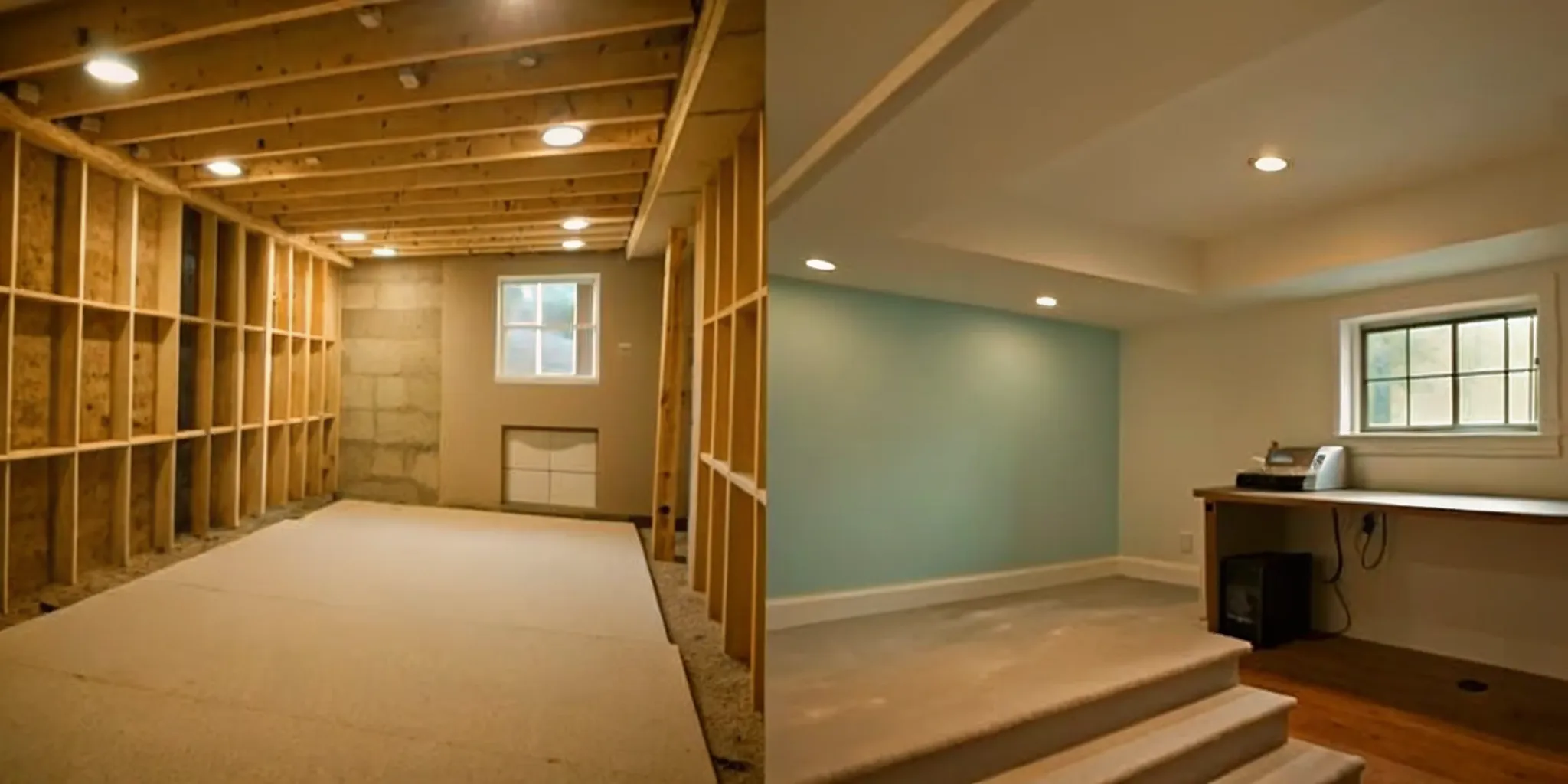
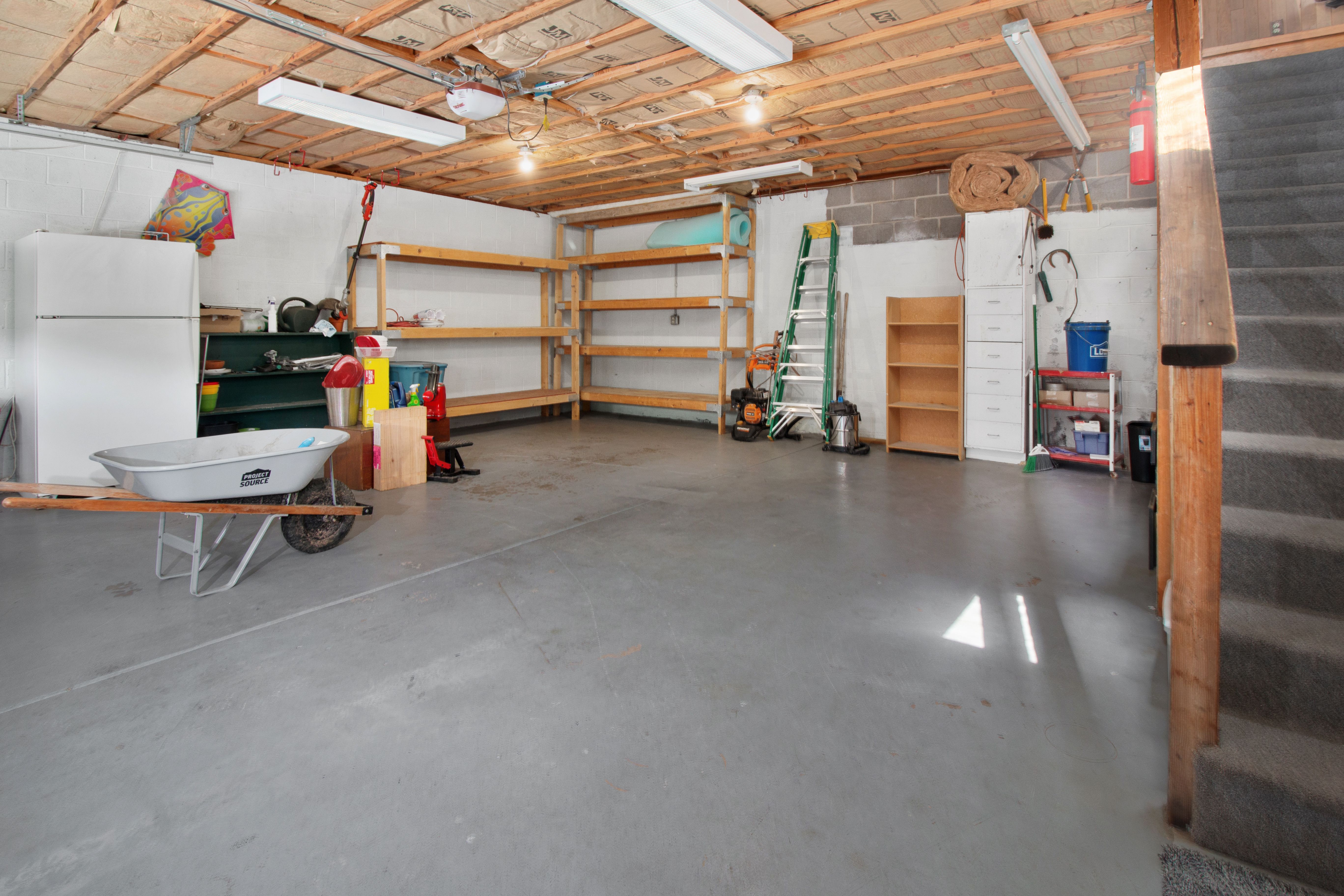
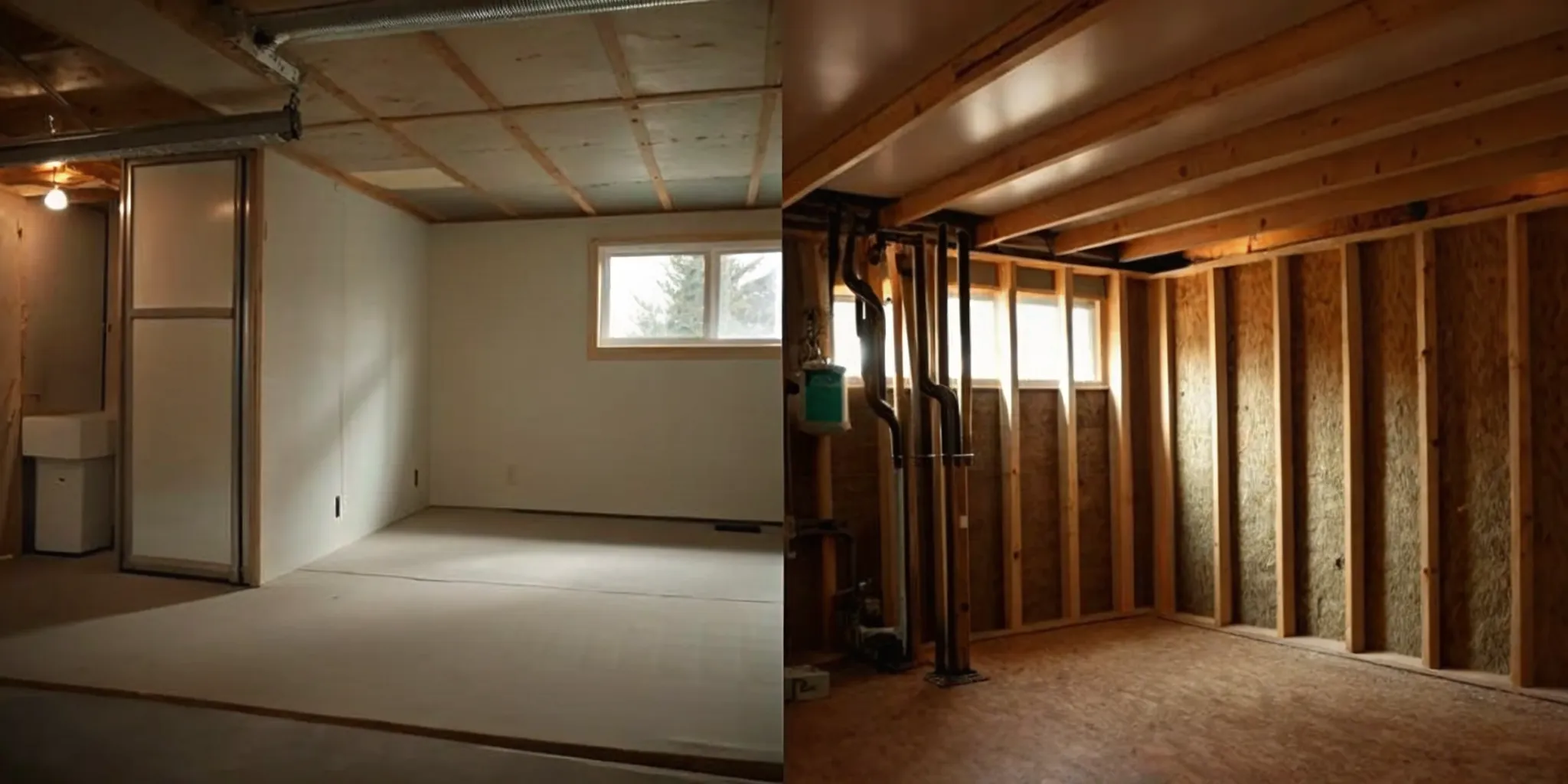
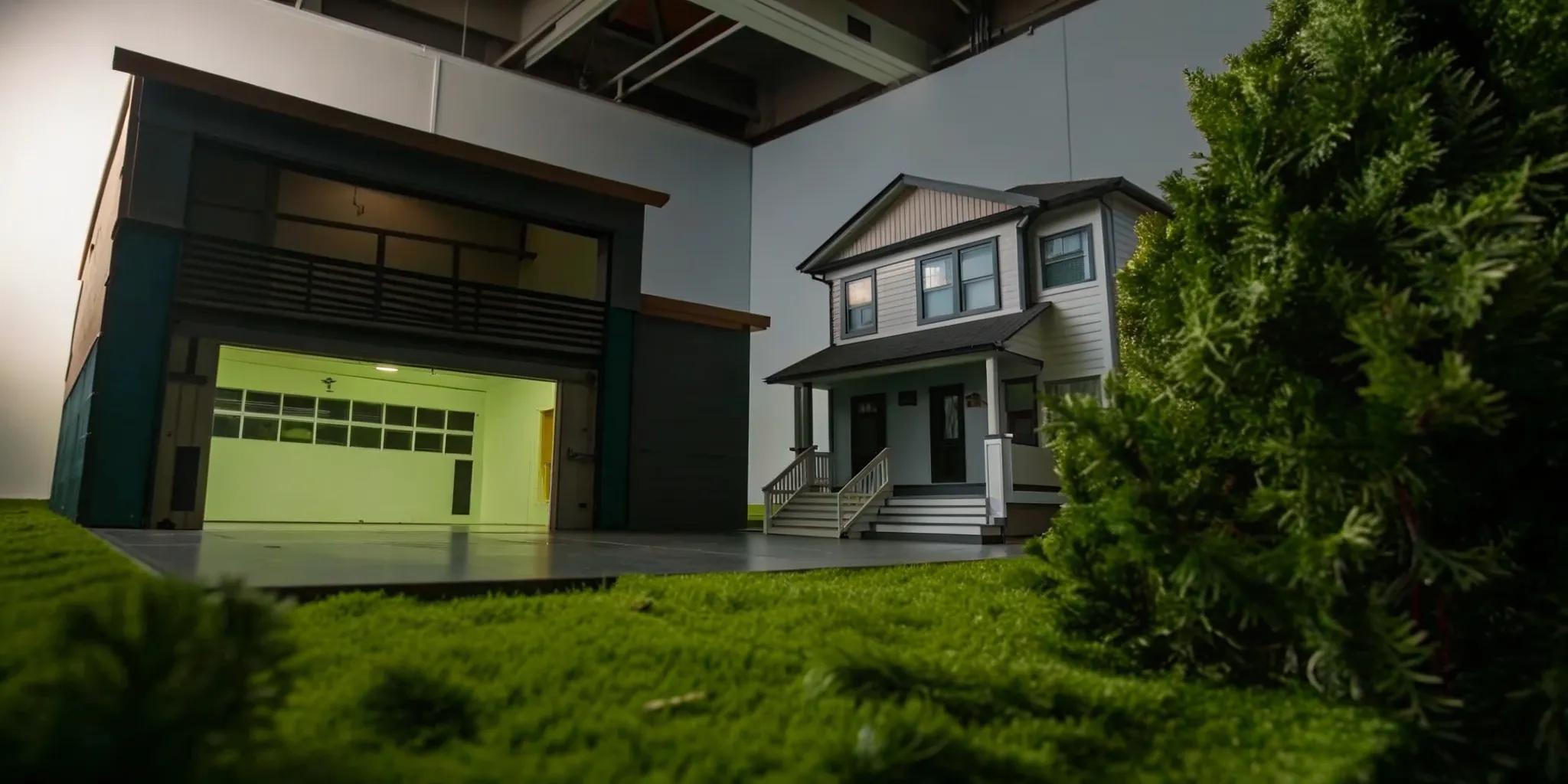
Bathrooms went from simple refreshes to full rebuilds. ADU plans shifted from brand-new detached builds to practical garage conversions. Interior remodels became more layout-focused. Additions grew larger and more purposeful. The result was fewer quick facelifts and more comprehensive investments: homeowners optimized existing space, combined multiple projects at once, and prioritized function over flash.
One of the most consistent patterns was bundling. In 2025, it became far less common to renovate a single room in isolation. Instead, kitchens, bathrooms, and interior remodels increasingly happened together as part of one coordinated effort to improve the whole home’s flow and livability. A common trajectory looked like this: a homeowner started with a bathroom remodel (often seen as “lower-risk”), then expanded into a kitchen overhaul, interior reconfiguration, or even a home addition as confidence grew. In other words: a bathroom became the catalyst for a bigger master plan (more on long-term planning at About Realm).
Homeowners also became more deliberate about spending. Even with higher interest rates and economic uncertainty, people didn’t retreat from renovation — they planned smarter. The projects that gained momentum tended to deliver everyday value: better layouts, updated kitchens and baths, and added usable living space. Renovations were treated as long-term investments in livability, and less as short-term “flip” tactics.
By the Numbers: Rising Project Scope and Costs in 2025
The shift toward bigger, bundled projects showed up in the pricing data. Home renovation costs climbed significantly in 2025, but not only because materials and labor were expensive. The bigger driver was scope: homeowners chose larger, more complex renovations.
Across the market, this aligns with broader indicators that remodeling activity is staying strong into 2026 (see Harvard Joint Center for Housing Studies and the broader remodeling outlook covered by sources like NAHB). In practice, “bigger scope” often means fewer small jobs and more serious renovations — projects that combine multiple rooms, structural changes, and system upgrades.
What drove those increases most often was bundling. When homeowners combine a kitchen remodel with a bathroom remodel and interior reconfiguration, total spend rises — but so does efficiency. Many homeowners prefer to consolidate disruption (permits, crews, dust, downtime) into one coordinated project instead of stretching updates over several years.
A practical takeaway for 2026 planning: if you’re comparing costs, make sure you’re comparing apples to apples. A standalone cosmetic update is a different category than a gut renovation as part of a bundled remodel. If you’re trying to sanity-check ranges, Realm’s cost content can help set expectations (start with Kitchen Remodel Cost Guide and Bathroom Remodel Cost Breakdown).
Financing Shift: Renovating Without Refinancing
Even as projects grew, homeowners became more strategic about financing. Instead of using cash-out refinancing — which often forces homeowners to give up a low first-mortgage rate — many turned to home equity loans or HELOCs so they could fund upgrades without touching their primary mortgage (see financing behavior and equity context at The Mortgage Reports).
If you’re wondering how to finance a remodel in 2026, this trend suggests exploring equity-based options first — especially if you’re sitting on a low-rate mortgage from 2020–2021. (And if you want a structured way to think through project sequencing and budget strategy, Realm’s homeowner planning model is outlined here: How Realm Works.)
Top Projects of 2025: Kitchens, Bathrooms, and ADUs
When we look at what homeowners renovated most in 2025, three categories dominated — and they’re likely to stay hot in 2026:
1) Bathrooms: The “entry point” that often expands
Bathrooms and kitchens were the most popular projects by volume in Realm’s internal data, with bathroom remodels taking the top spot across hundreds of projects, and kitchens a close second. Bathrooms make sense as a starting point: they improve daily life, can deliver strong satisfaction, and often feel like a manageable first major renovation step.
In 2025, homeowners increasingly favored full renovations over light cosmetic updates — choosing better layouts, improved lighting, larger showers, double vanities, and aging-in-place features. If you’re gathering ideas or trying to understand how budgets break down, these are helpful starting points: How to Estimate a Bathroom Remodel and Bathroom Remodel Estimate Sample.
2) Kitchens: The centerpiece project (often bundled)
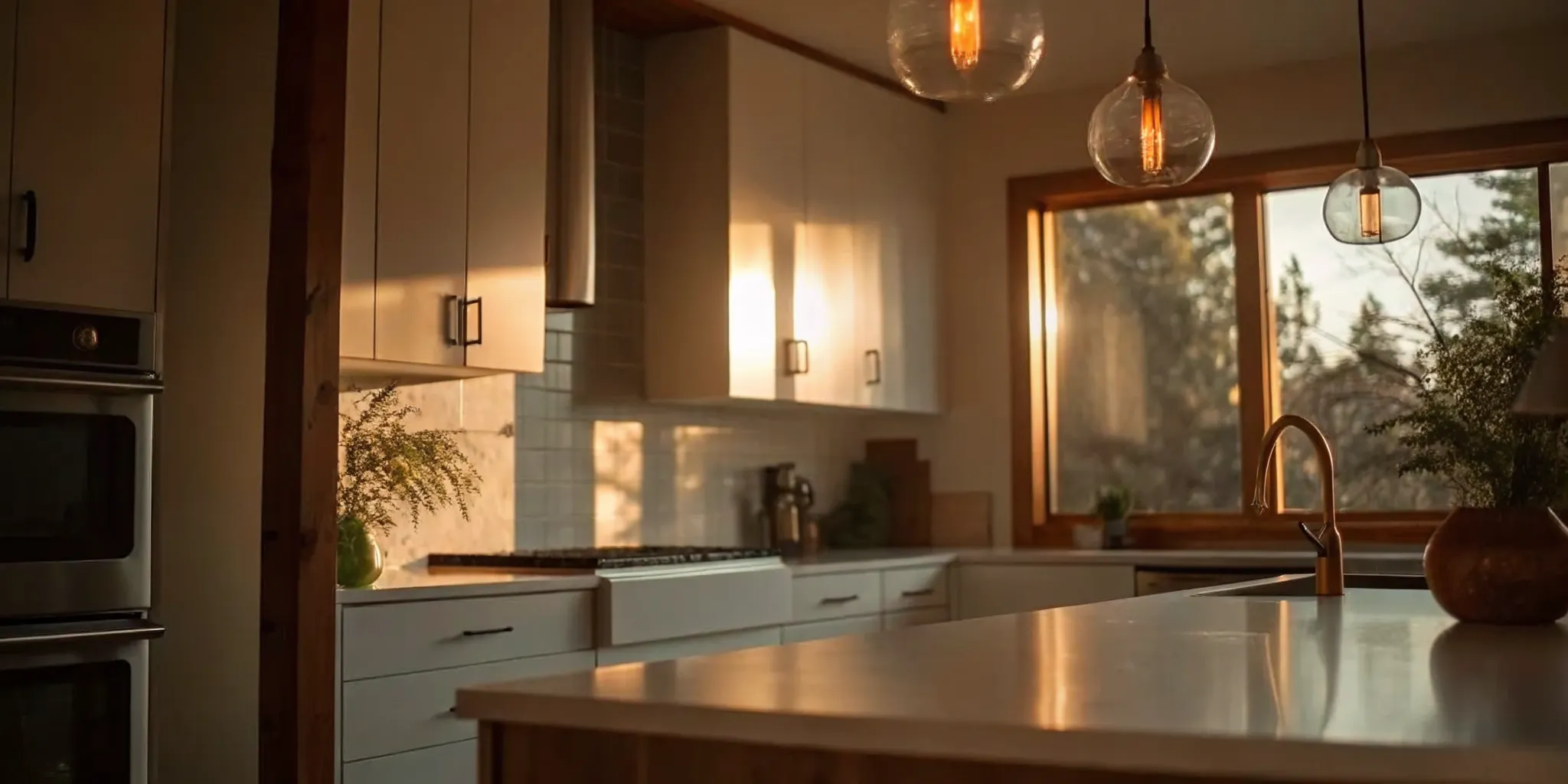
Kitchen remodels remained the centerpiece of many home transformations. In 2025, there was a noticeable bias toward full gut kitchen remodels — homeowners opened up floor plans, upgraded appliances, replaced cabinetry and counters, and improved function and flow.
Notably, kitchens were frequently bundled with either a bathroom remodel or interior reconfiguration. And yes, in high-cost markets, it’s not unusual for a major kitchen remodel to reach (or exceed) six figures — especially when layout changes and high-end finishes are involved. If you’re budgeting or comparing scope levels, start here: Kitchen Remodel Cost Guide and How Much Does a Kitchen Remodel Cost?.
3) ADUs: Flex space, rental income, and policy tailwinds
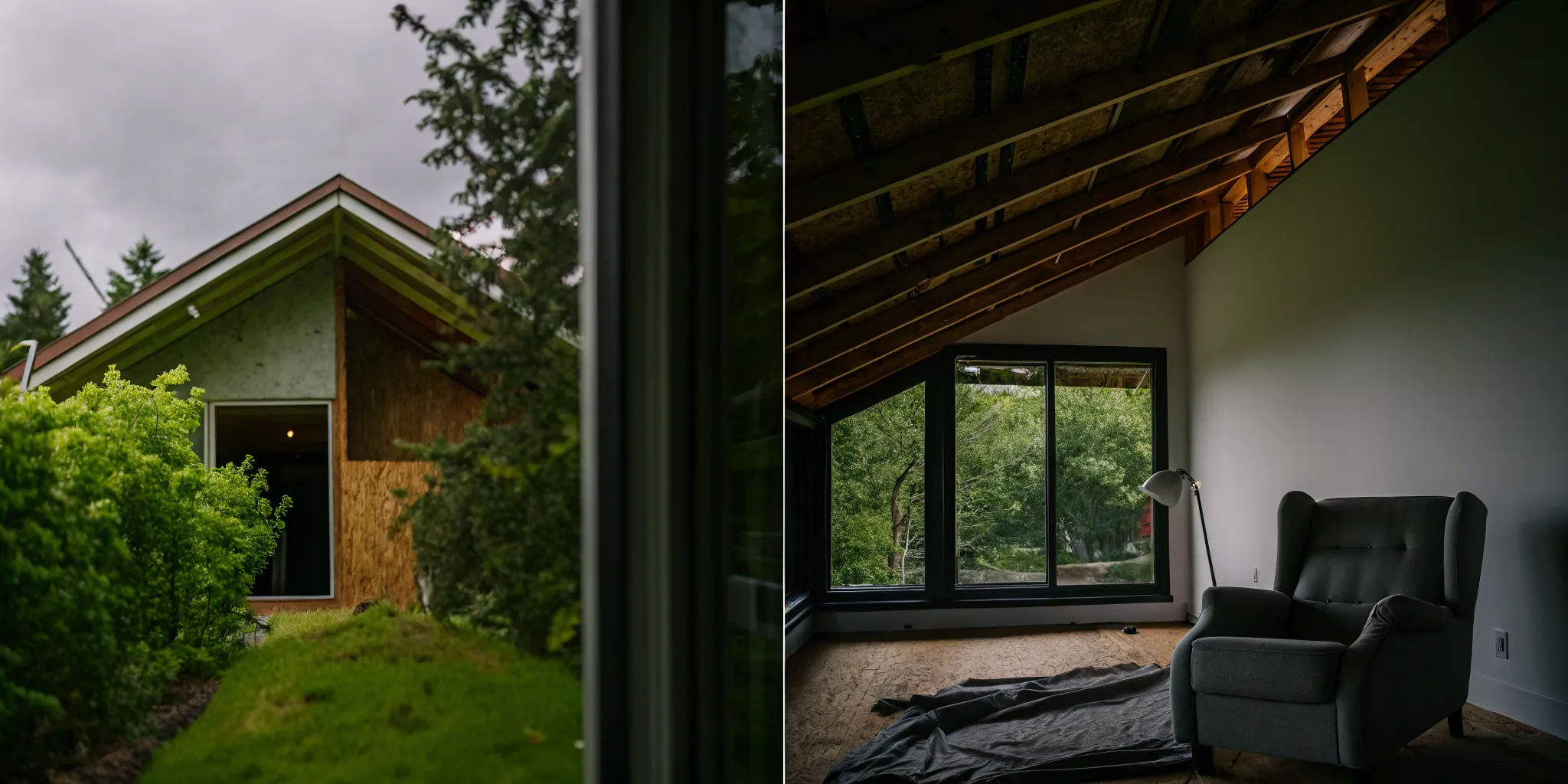
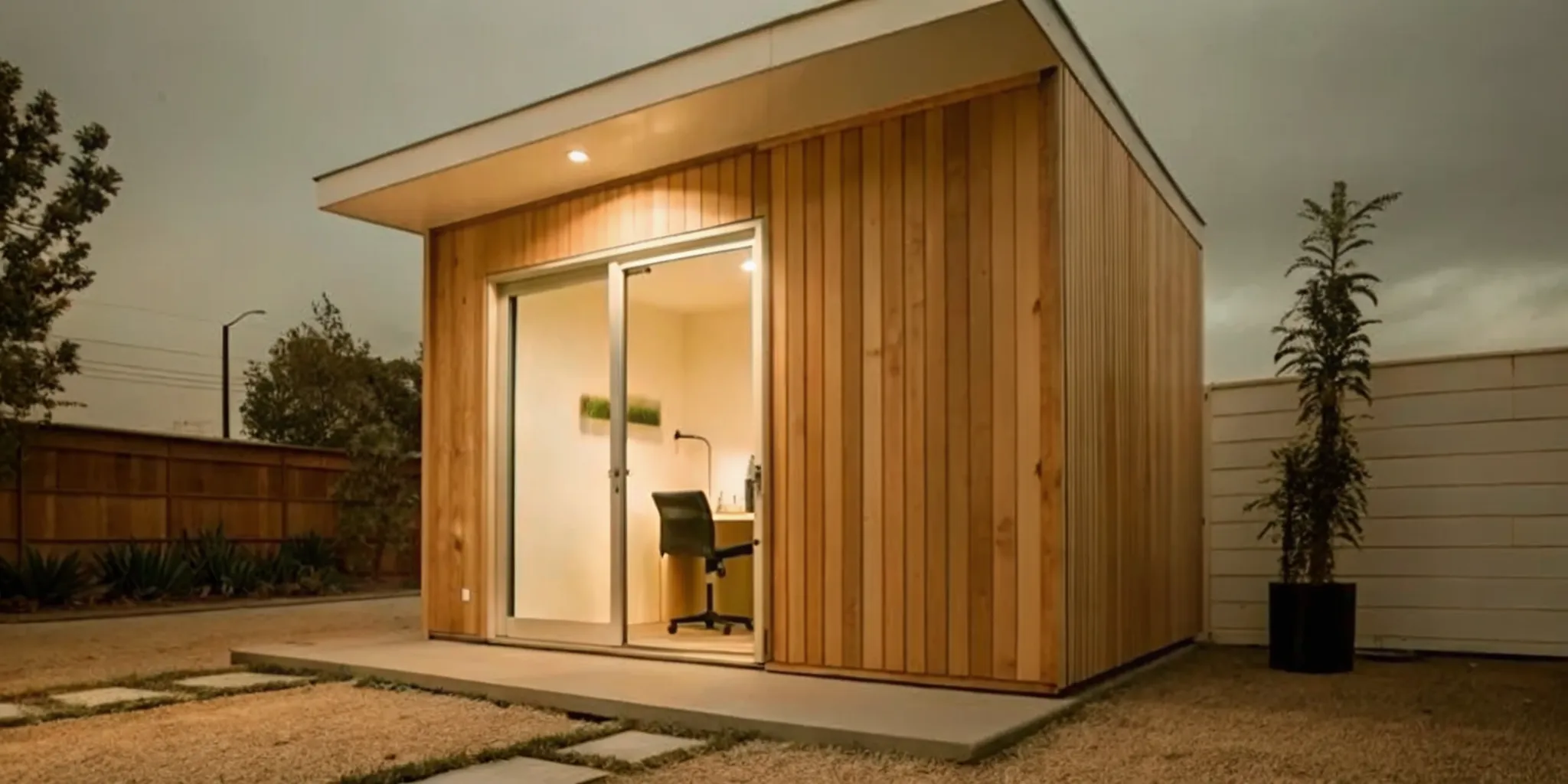
ADUs (Accessory Dwelling Units) were among the top project categories in 2025, especially in California and the Pacific Northwest. Homeowners continue to embrace ADUs as a way to add flexible living space, support multigenerational living, and potentially generate rental income.
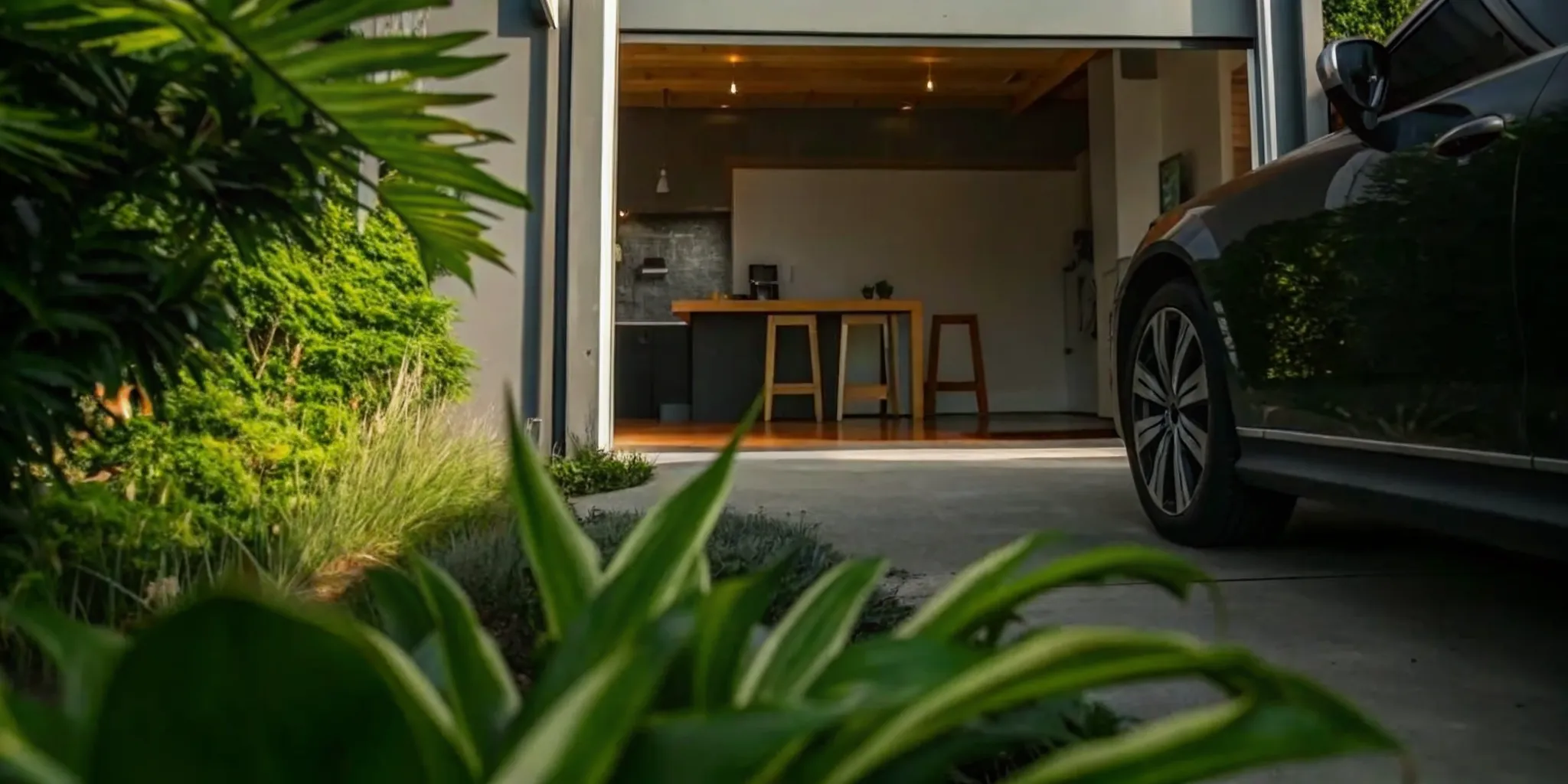
Across Realm’s internal patterns, ADUs skewed toward modest detached structures and a meaningful share of garage conversions — a practical response to cost and feasibility. If you want a straightforward explainer on the basics, start here: Everything You Need to Know About ADUs. If you’re actively considering an ADU build, this is a relevant entry point: Realm ADU.
Why the ADU buzz now? Because policy has made ADUs easier to build. Many states and cities have passed laws to encourage ADU construction to address housing shortages. Research tracking state-level ADU legalization highlights how quickly legislation has expanded in recent years (Mercatus Center). For homeowners, the effect is simple: more people have the right to build ADUs than ever before — and in high-cost markets, that matters.
Why Homeowners Are Renovating More — and Moving Less
To understand these trends, you have to zoom out. Several macro forces converged in 2025 to make renovating the best (and sometimes only) path forward.
1) The housing stock is aging
The median age of owner-occupied homes in the U.S. is now over 40 years — and older homes require more repairs, upgrades, and modernization (see NAHB Eye on Housing and NAHB). Aging homes often need roofs, electrical updates, plumbing upgrades, windows, insulation, and basic safety improvements — before you even get to kitchens and baths.
2) The mortgage “lock-in” effect is real
Record-low mortgage rates from 2020–2021 created a lock-in dynamic: many homeowners are reluctant to move because moving often means trading a low-rate mortgage for a much higher one. As long as rates stay meaningfully above those pandemic-era lows, many homeowners will continue to choose “improve, not move” behavior (for consumer sentiment on this preference, see Discover Home Loans).
3) Home equity provides the means to renovate
Home values rose significantly over the last several years. Even where appreciation cooled, many homeowners are sitting on meaningful equity — giving them financial flexibility to fund major improvements without selling. That’s one reason equity-based financing options have grown in relevance (see The Mortgage Reports).


Looking Ahead to 2026: Steady Growth, Continued Focus on Value
As we turn the page to 2026, the outlook is continued strength — but at a measured pace. Remodeling activity is projected to remain near record highs, with steady year-over-year growth and continued demand for qualified contractors (see Harvard Joint Center for Housing Studies).
That “slow but steady” forecast suggests a few things:
- Homeowners will remain active, but increasingly strategic.
- Value and function will continue to dominate decision-making.
- Projects that improve daily living (layout, kitchens, baths, added space) should remain top priorities.
- ADUs will continue to expand where regulations and economics make them attractive.
We also expect sustained interest in:
- Interior reconfiguration and whole-home flow improvements (opening layouts, improving circulation, making older homes feel modern)
- Aging-in-place upgrades (curbless showers, better lighting, wider doorways)
- Efficiency and resilience improvements (HVAC upgrades, insulation, windows, fire/weather resilience), especially as homeowners plan longer-term stays
For homeowners asking, “When is the best time to renovate?” the honest answer remains: it depends less on the calendar and more on readiness — plan clarity, budget certainty, and the right team. That’s why upfront planning and sequencing can be the biggest lever homeowners have (see How Realm Works).
Realm’s Perspective: Data-Driven Guidance for 2026 Renovations
At Realm, the biggest theme we saw in 2025 was intentionality: homeowners are treating renovations as long-term investments in comfort, function, and future value. That aligns with Realm’s philosophy — helping homeowners make smart decisions using real project data, transparent planning, and trusted execution support (learn more at About Realm and Why Realm).
Realm’s data-backed approach is designed to help homeowners plan with confidence. Rather than guessing from generic national averages, homeowners want answers grounded in reality — their region, their home type, their goals, and today’s market constraints. That’s why homeowners searching for “kitchen remodel cost” or “bathroom remodel estimate” tend to gravitate toward decision-ready breakdowns like:
- Kitchen Remodel Cost Guide
- How Much Does a Kitchen Remodel Cost?
- Bathroom Remodel Estimate Sample
- How to Estimate a Bathroom Remodel
- Everything You Need to Know About ADUs
Just as importantly, Realm emphasizes holistic planning. A renovation isn’t always a single isolated project; it’s often part of a multi-step roadmap. Maybe 2025 was the bathroom. 2026 is the kitchen. The year after is an ADU or addition. Helping homeowners sequence that roadmap — and understand how bundling can reduce friction over time — is part of how Realm supports the “master plan” approach (see How Realm Works).
Conclusion: Renovate for Tomorrow, Today
If there’s one takeaway from the recent renovation wave, it’s this: home is where people are investing their time and money. Aging homes, high equity, mortgage lock-in, and housing constraints have made renovating the new moving.
Entering 2026, homeowners in California, Seattle, and across the country are looking at their homes and seeing opportunity: to create a forever home, boost functionality, and build long-term value. Whether you’re contemplating a kitchen remodel, brainstorming bathroom upgrades, or exploring an ADU for income or family flexibility, you’re part of a larger movement choosing to reinvest in the home you already have.
And if you want support pressure-testing costs, sequencing decisions, or project strategy, Realm is here to help homeowners plan and move forward with confidence