How to Finance an ADU Construction Project
Get practical tips for financing an ADU construction project, including loan options, cost breakdowns, and advice to help you plan your budget with confidence.
|
March 6, 2026

In this article:
Many homeowners assume they need a massive pile of cash saved up to even consider building an ADU. The good news is, that’s often not the case. There are more flexible and accessible ways of financing an ADU construction project than you might think. You don’t always need perfect credit or a huge amount of existing home equity to get started. This guide will debunk common financing myths and introduce you to powerful options like construction loans that consider your home’s future value, not just its current one. We’ll also cover state and local grants that can help lower your costs, making your ADU dream an achievable reality.
Key Takeaways
- Build a complete budget beyond just construction: Your total project cost includes more than labor and materials, so be sure to factor in soft costs like design fees, city permits, and engineering reports to get a realistic number before you apply for a loan.
- Match your financing to your financial situation: Your home equity is the biggest factor in choosing a loan. A home equity loan works well if you have a lot of it, while a construction loan is designed for those who need to borrow against the project's future value.
- Prepare your application to avoid delays: A strong loan application includes a solid credit score, proof of income, and a complete set of project plans and permits; also, research local grants or programs, as they can reduce the amount you need to borrow.
What is ADU Financing?
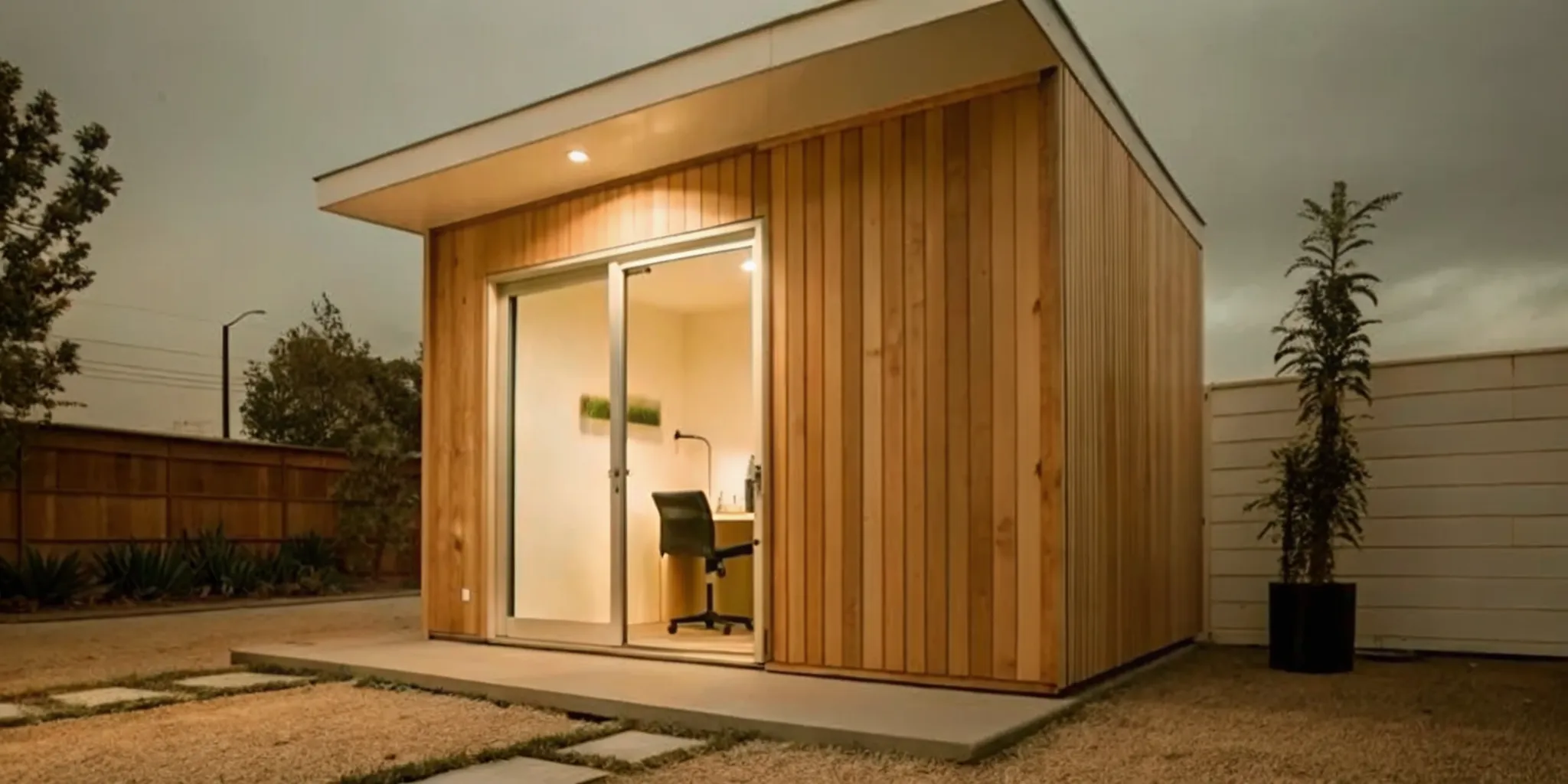
ADU financing is simply any method you use to pay for the design and construction of an accessory dwelling unit on your property. Think of it as a specialized funding path for your new backyard home or garage conversion. When you start exploring options, lenders will look at your complete financial picture, including your home equity, income, savings, and credit history. This helps them determine which loan products you qualify for and how much you can borrow.
A key difference with ADU financing, especially with construction-specific loans, is that lenders often consider the future value of your property. Instead of only looking at what your home is worth today, they’ll assess its value after the ADU is built. This is a huge advantage because it often allows you to borrow more than you could with a traditional home equity loan. Many lenders will offer up to 85% of the projected value of your completed ADU project, giving you a clear path forward. Understanding this process is the first step in creating a realistic project plan and budget that covers everything from blueprints to the final coat of paint. It’s about finding a financial tool that sees the potential in your project, not just the current state of your property.
What Goes Into ADU Construction Costs?
To figure out how much you need to borrow, you first need a handle on your total project cost. ADU expenses are typically split into two categories: hard costs and soft costs. Hard costs are the tangible expenses for the physical structure, like lumber, concrete, roofing, and the labor to put it all together. Soft costs are the indirect expenses that make the project happen, such as architectural design fees, engineering reports, and city permits.
As a general rule, you can expect direct construction costs to fall between $450 and $500 per square foot, with soft costs adding another $100 to $150 per square foot. The final price tag will depend on the size of your ADU, the complexity of the build, and the quality of materials you choose.
Why Traditional Home Loans Often Fall Short
If you’ve looked into financing a home project before, you might think a standard home equity loan is the only way to go. However, finding the right financing for an ADU can be tricky because traditional loans often don’t provide enough money to cover the full cost of construction. That’s because they’re based on your home’s current value, not its higher, post-ADU value.
This is where specialized ADU loan options come in. Construction and renovation loans are designed for this exact scenario. Lenders use an appraiser to estimate what your property will be worth once the ADU is finished and then lend you a percentage of that future value. This approach gives you access to the capital you need to see the project through from start to finish.
How Much Does an ADU Really Cost?
Figuring out the total cost of an Accessory Dwelling Unit (ADU) is one of the biggest hurdles for homeowners. While it’s tempting to look for a single number, the final price tag depends on your location, the size of the unit, and the finishes you choose. The total investment goes far beyond just lumber and labor; it includes a whole range of expenses that can be easy to overlook when you’re just starting out.
To create a realistic budget, you need to understand how all the pieces fit together. The costs are typically split into two main categories: direct costs and soft costs. Direct costs cover the physical construction, while soft costs include all the planning and administrative work that happens behind the scenes. On top of that, there are often unexpected expenses that can pop up along the way. Knowing what to look for will help you build a comprehensive financial plan and avoid surprises down the road.
Breaking Down Direct vs. Soft Costs
Think of your ADU budget in two parts. First, you have direct costs, also known as hard costs. These are the tangible expenses for the physical construction of your ADU, like materials and labor. On average, you can expect to pay around $450 to $500 per square foot for direct construction.
Then you have soft costs, which cover all the non-physical and indirect expenses. This includes things like architectural design fees, engineering, and city permits. These costs are just as critical as the construction itself and typically range from $100 to $150 per square foot. Understanding both categories is the first step in seeing the full financial picture of your project, and a dedicated advisor can help you account for every detail.
Watch Out for These Hidden Expenses
Some of the most common budget busters are the expenses you don’t see coming. Before your project even begins, it’s crucial to research and budget for all permit and fee costs, as these can significantly impact your overall budget. Another area where costs can add up quickly is finishes. The price of windows and doors, for example, can vary widely based on the materials, size, and style you choose.
Other potential expenses to plan for include new utility hookups, landscaping around the new unit, and any necessary site preparation, like soil testing or grading. Working with vetted professionals from the start can help you identify these potential costs early on, ensuring they’re part of your plan instead of a last-minute surprise.
How to Use Cost Estimation Tools
If you’re looking for a starting point, an online ADU construction cost calculator can be a great resource for a rough estimate. These tools give you a general idea of what your project might cost based on basic inputs. To get the most out of them, you first need to determine the estimated square footage of your ADU. This will help you arrive at a more accurate initial cost for construction.
However, remember that these calculators provide a ballpark figure, not a final quote. For a truly reliable budget, you’ll need a detailed plan tailored to your specific property and goals. This is where expert guidance becomes invaluable, helping you move from a rough estimate to a concrete financial plan you can confidently take to a lender.
Explore Your ADU Financing Options
Once you have a handle on your project's estimated cost, the next step is figuring out how to pay for it. Funding an ADU is a bit different from a standard home loan, but you have several solid options to consider. The right path for you will depend on your financial situation, how much equity you have in your home, and your comfort level with different types of loans. Think of it less like finding the one "best" option and more like finding the best fit for your specific circumstances.
Most homeowners use the value of their existing property to secure the funds they need. The most common routes include tapping into your home's equity, taking out a loan specifically for construction, or refinancing your current mortgage. Each method has its own set of benefits and considerations. Before you start talking to lenders, it's helpful to have a clear picture of your finances and a detailed project budget. Knowing exactly how much you need to borrow and what you can comfortably afford in monthly payments will put you in a much stronger position. Let's walk through what each financing option entails so you can feel confident discussing them with a lender or your financial advisor.
Home Equity Loans and HELOCs
If you’ve been paying your mortgage for a while, you’ve likely built up home equity, which is the difference between your home's value and what you owe on your mortgage. You can borrow against this value with either a home equity loan or a home equity line of credit (HELOC). A home equity loan gives you a single lump sum of cash upfront with a fixed interest rate, which is great for predictable monthly payments. A HELOC, on the other hand, works more like a credit card. It gives you a line of credit you can draw from as needed during the construction process, which offers more flexibility for unexpected costs.
Construction and Renovation Loans
A construction loan is designed specifically for building projects like an ADU. Unlike a home equity loan that’s based on your home’s current value, a construction loan is typically based on the future appraised value of your property after the ADU is complete. This can be a huge advantage if you don’t have a lot of existing equity to borrow against. Lenders release the funds in stages as construction milestones are met, which helps keep the project on track and on budget. Many of these loans are structured to convert into a traditional mortgage once the project is finished, simplifying the process for you.
Cash-Out Refinancing
Another popular strategy is a cash-out refinance. With this option, you replace your current mortgage with a new, larger one. You then receive the difference between the two loan amounts in cash, which you can use to fund your ADU construction. A cash-out refinance can be appealing because the interest rates are often lower than those for HELOCs or personal loans. The main consideration is that you’ll be resetting your entire mortgage, so it’s important to weigh the new terms and interest rate against your current loan to make sure it’s the right long-term financial move for you.
Personal Loans for Smaller Projects
While you can technically use a personal loan to finance an ADU, it’s usually not the most practical choice for a full build. Personal loans are typically unsecured, meaning they aren’t backed by an asset like your home. Because of this, they come with much higher interest rates and shorter repayment terms compared to equity-based financing. A personal loan might make sense for a very small project or for covering final touches like furniture or landscaping. For most ADU constructions, however, you’ll find more favorable and affordable terms with other options that leverage your home's value.
Comparing Your Financing Options
Now that you know the main types of financing, it’s time to see how they stack up. Choosing the right loan isn’t just about getting the lowest interest rate. It’s about finding a financial tool that aligns with your project timeline, your budget, and your long-term goals. The best option for a small, straightforward ADU might not be the right fit for a large, custom build. Let’s compare these loans based on what matters most: the terms, who qualifies, and the specific advantages and disadvantages of each. This will help you narrow down the choices and approach a lender with confidence.
A Look at Interest Rates and Loan Terms
Interest rates and loan terms are where you’ll see the biggest differences between financing options. Because they’re secured by your house, home equity loans and HELOCs typically offer lower interest rates than unsecured personal loans. Construction loans, on the other hand, can sometimes have slightly higher rates to offset the lender’s risk during the building phase.
It’s also important to consider whether the rate is fixed or variable. A fixed-rate home equity loan means your payment will never change, making it easy to budget for. A HELOC often has a variable rate, which can fluctuate over time. The good news is that you don’t always need a niche “ADU loan.” Many lenders, including those who follow Fannie Mae guidelines, treat ADU construction just like any other home renovation, giving you access to standard, competitive loan products.
Who Qualifies for Each Loan Type?
While a good credit score and stable income are standard requirements for any loan, ADU financing has some unique qualification factors. For home equity loans and HELOCs, your borrowing power is directly tied to the amount of equity you currently have in your home. If you haven’t been in your home for long, you may not have enough equity to cover the full cost of an ADU.
This is where construction and renovation loans shine. Instead of looking at your home’s current value, these loans are based on its projected value after the ADU is complete. Lenders will often let you borrow up to 85% of this future value. Some lenders will even factor in the ADU’s potential rental income to help you qualify, which can make a huge difference in getting your application approved.
Weighing the Pros and Cons of Each Method
Every financing method comes with its own set of trade-offs. Here’s a quick rundown to help you decide.
Home Equity Loans and HELOCs: These are ideal if you have significant equity and a firm budget. The main drawback is that your borrowing amount is limited by your home's current value, which may not be enough for an entire ADU project.
Construction and Renovation Loans: These loans are designed for large-scale projects. They allow you to borrow against your home’s future value, giving you more funds to work with. However, they can have slightly higher interest rates and a more complex payout process. Specialized renovation financing can be a great option, as it’s tailored for these types of projects.
Cash-Out Refinancing: This option can give you a large sum of cash and potentially a lower overall mortgage rate. The downside is that you’re replacing your entire home loan, which could extend your repayment timeline and mean paying more in interest over the long run.
Are There Grants or Assistance Programs?
Beyond traditional loans, you might find financial help for your ADU project through grants and other assistance programs. Think of these as a financial cushion that can make your project much more affordable. Unlike a loan, a grant is money you don’t have to pay back, which can significantly lower the overall cost of your build. These programs are often funded by state or local governments to encourage the development of more housing, especially affordable housing.
Finding and qualifying for these programs takes a bit of research. Eligibility is often tied to your income level, the location of your property, and how you plan to use the ADU. For example, some grants require you to rent the unit to a low-income tenant for a certain number of years. It’s worth looking into what’s available in your area because securing a grant can be a game-changer for your budget, freeing up funds for other parts of your project or simply reducing your financial burden.
State-Specific Options like the California ADU Grant
If you live in California, you’re in luck. The state has been a leader in encouraging ADU construction, and one of its standout initiatives is the California ADU Grant Program. This program provides up to $40,000 in assistance to low- and moderate-income homeowners to help cover pre-construction and non-recurring closing costs. The goal is to make building an ADU more accessible and to increase the state’s housing supply. This is a perfect example of how state-level support can directly help homeowners get their projects off the ground. Be sure to check your own state’s housing finance agency to see if similar programs exist where you live.
Income-Based Financial Assistance
Many assistance programs are specifically designed to help low- and moderate-income homeowners. While these homeowners can often qualify for traditional loans, there’s frequently a gap between what they can borrow and the actual cost of building an ADU. This is where targeted financial assistance comes in. These programs are designed to bridge that financial gap, making it possible for more people to build. By providing that extra bit of funding, these programs help turn an ADU from a dream into a reality for families who might not otherwise be able to afford it.
Local Rebates and Tax Incentives
Don’t forget to zoom in on your specific city or county. Many local governments offer their own incentives to encourage homeowners to build ADUs. These can come in the form of direct rebates, waived permit fees, or property tax incentives. However, these local perks often come with strings attached. For instance, a program might require you to rent your new ADU to tenants below a certain income level for five or ten years. It’s essential to read the fine print to understand all the requirements before you commit. An expert advisor can help you identify the programs in your area and figure out if the benefits align with your long-term goals.
How to Choose the Right Financing for You
Picking the right financing for your ADU project feels like a huge decision, because it is. But it doesn’t have to be overwhelming. The best path forward depends entirely on your personal financial situation and the scope of your project. Think of it less like finding the single "best" loan and more like finding the best fit for you. By understanding your own numbers and how different loans work, you can confidently select a financing option that aligns with your budget and goals. Let’s walk through how to match your financial profile to the right type of loan.
Evaluate Your Financials First
Before you even start talking to lenders, take a moment to get a clear picture of your own finances. Your financing options will largely depend on four key things: your home equity, income, savings, and creditworthiness. Start by checking your credit score and pulling together documents that show your household income and any savings you have set aside. Then, get a rough estimate of your home’s current market value to calculate how much equity you have. Having these figures ready will make your conversations with lenders much more productive and help you zero in on the most realistic options from the start.
When to Use Your Home Equity
If you’ve lived in your home for a few years, you’ve likely built up a good amount of equity. Using that value is one of the most common ways to fund an ADU. With a home equity loan or a Home Equity Line of Credit (HELOC), you can keep your current mortgage and take out a second loan against the value you've accumulated. Lenders typically require you to have at least 15% to 20% equity in your home to qualify, and you can often borrow up to 85% of your home's value. This is a solid choice if you have substantial equity and prefer a straightforward borrowing process.
Construction Loans vs. Other Financing
What if you don’t have enough equity to cover your ADU costs? This is where construction and renovation loans come in. Unlike home equity loans that look at your home’s current value, these loans are based on the future value of your property after the ADU is built. This unique feature can significantly increase your borrowing power. For example, a Fannie Mae HomeStyle® Renovation loan allows you to finance a home purchase or refinance along with the construction of a new ADU. This approach is ideal for homeowners who need more funding than their current equity allows, as it lets you borrow against the value your project will create.
Get Ready for Your Loan Application
Alright, you’ve explored your options and have a good idea of which financing route you want to take. The next step is the loan application itself. While it might seem like a mountain of paperwork, being prepared makes the process completely manageable. Think of it as showing a lender you’re a great candidate for their investment. They want to feel confident in your project and your ability to see it through. A well-prepared application signals that you’re a serious borrower, which can help you avoid unnecessary delays and save you time. Let’s break down exactly what you’ll need to put your best foot forward.
What Lenders Look For: Credit and Income
When a lender reviews your application, they’re mainly trying to answer one question: Can you comfortably repay this loan? They figure this out by looking at your credit history and income. Your credit score gives them a snapshot of how you’ve handled debt in the past, while your income shows you have steady cash flow for the new payments. Lenders will also look at the project's value, often lending up to 85% of the expected equity in your home once the ADU is complete.
Gather Your Documents and Permits
To make the application process a breeze, gather all your paperwork ahead of time. You’ll typically need recent pay stubs, W-2s or tax returns, and current mortgage statements. Lenders will also want to see your customized project plans, including cost estimates and any permits you’ve already secured. This shows them you have a clear vision and have done your homework, which builds confidence and can help move your application along much faster.
How to Strengthen Your Application
Want to make your application even more compelling? Start by reviewing your own finances. Check your credit report for errors and get a clear picture of your debt-to-income ratio. If you plan to rent out your new ADU, here’s a great tip: some lenders let you count a portion of the future rental income toward your application. This can significantly improve your financial profile and help you qualify for a better loan. Ask your potential lender if this is an option they offer.
Avoid These Common ADU Financing Mistakes
Securing financing is one of the most important steps in your ADU journey, but it’s also where many homeowners hit a snag. A simple mistake on an application or a miscalculation in your budget can cause frustrating delays or even stop your project before it starts. The good news is that these pitfalls are entirely avoidable with a bit of foresight and preparation.
Think of it like this: lenders want to see that you’ve done your homework. They’re looking for a well-prepared applicant with a realistic plan and a clear understanding of the costs and rules involved. By taking the time to get your details in order, you not only make the approval process smoother but also set your project up for success from day one. Let’s walk through the most common financing mistakes and how you can steer clear of them.
Sidestep Application Errors That Cause Delays
When you submit a loan application, you want it to sail through without a hitch. Unfortunately, lenders often have to deny or delay applications for preventable reasons. Common culprits include not having enough equity in your home, a low credit score, or submitting incomplete building plans. Lenders also check for compliance, so missing building permits or running into local zoning rules that don’t allow for your specific ADU design can halt your progress. Before you apply, double-check that you have all your documentation, permits, and a complete set of plans ready to go. A strong, well-documented application shows you’re a serious and reliable borrower.
Steer Clear of Budget Planning Pitfalls
One of the biggest mistakes you can make is underestimating the total cost of your project. The price to build an ADU can range from $30,000 for a basic garage conversion to over $400,000 for a high-end detached unit, so a detailed budget is essential. Many homeowners focus on construction costs but forget about soft costs like design fees, engineering reports, and city permits. It’s crucial to research and budget for all permit and fee costs before you start. Creating a comprehensive budget with a contingency fund for unexpected expenses will prevent financial stress and help you secure the right loan amount from the start.
Understand Rental Income Rules and Restrictions
If you plan to rent out your ADU, you might have an advantage when applying for a loan. Some lenders will let you count a portion of the future rent as income, which can help you qualify for a larger loan. However, it’s important to read the fine print, especially if you’re using a grant or assistance program. Some government grants come with stipulations, such as requiring you to rent the ADU to low-income tenants for a certain number of years. Be sure you understand any and all restrictions tied to your financing so you can make a decision that aligns with your long-term goals.
Related Articles
- Average Cost of an Accessory Dwelling Unit: A Breakdown
- Everything You Need To Know About ADUs
- Top Questions to Ask When Hiring an ADU Contractor
Frequently Asked Questions
I don’t have a lot of equity in my home. Can I still finance an ADU? Yes, you absolutely can. While traditional home equity loans are based on your home's current value, construction and renovation loans work differently. These loans are specifically designed for building projects and are often based on the future, appraised value of your property after the ADU is finished. This approach allows you to borrow against the value your project creates, which is a great solution if you haven't built up a lot of equity yet.
What's the biggest budgeting mistake people make with ADUs? The most common pitfall is underestimating soft costs. It’s easy to focus on the price of lumber and labor, but the expenses for things like architectural plans, engineering reports, and city permits can add up quickly. These indirect costs are a significant part of your total budget. To avoid surprises, make sure your financial plan accounts for these items from the very beginning, not as an afterthought.
Can I use the future rent from my ADU to help me qualify for a loan? In many cases, yes. Some lenders will allow you to include a percentage of the projected rental income from your new ADU in your loan application. This can strengthen your financial profile and help you qualify for the amount you need. Since not all lenders offer this, it’s a great question to ask upfront when you start exploring your financing options.
What documents should I have ready before I apply for a loan? Being prepared will make the application process much smoother. Before you talk to a lender, gather your key financial documents, such as recent pay stubs, tax returns, and current mortgage statements. You should also have your project plans ready, including a detailed cost estimate from your builder and any permits you have already secured. This shows lenders you have a solid plan and are serious about your project.
Are there any programs that can help lower my ADU costs besides a loan? Yes, it’s worth researching grants and assistance programs in your area. Many state and local governments offer financial incentives to encourage homeowners to build ADUs, which can help cover some of the costs. These programs often have specific requirements, like renting the unit to a low-income tenant for a set period, so be sure to read all the details to see if it’s a good fit for your goals.