ADU Zoning 101: What Homeowners Need to Know
Get clear answers on ADU zoning, permits, and local rules so you can plan your accessory dwelling unit project with confidence and avoid common setbacks.
|
January 6, 2026

In this article:
Thinking about building an ADU often comes with a wave of questions and a bit of neighborhood chatter. You might hear concerns about parking, property values, or a permitting process that seems impossible to get through. The truth is, many of these worries are based on outdated information or simple myths. In recent years, states like California and Washington have passed laws to make building an ADU much more straightforward. This guide will help you separate fact from fiction when it comes to ADU zoning, so you can move forward with a clear understanding of the actual rules and requirements for your project.
Key Takeaways
- Start with Your Local Planning Department: State laws provide a general framework, but your city's specific rules on size, placement, and design are what truly matter. Going directly to the source for your property's address is the essential first step to avoid costly mistakes.
- Budget for More Than Just the Build: A realistic financial plan includes "soft costs" like design fees, permits, and utility hookups, which can add a significant amount to your total investment. Accounting for these expenses from the beginning ensures your project stays on track financially.
- A Solid Plan and Good Communication Pave the Way: A smooth approval process depends on two things: submitting a complete, accurate application that meets all local codes, and giving your neighbors a friendly heads-up about your project to build goodwill and prevent potential complaints.
What Is an ADU?
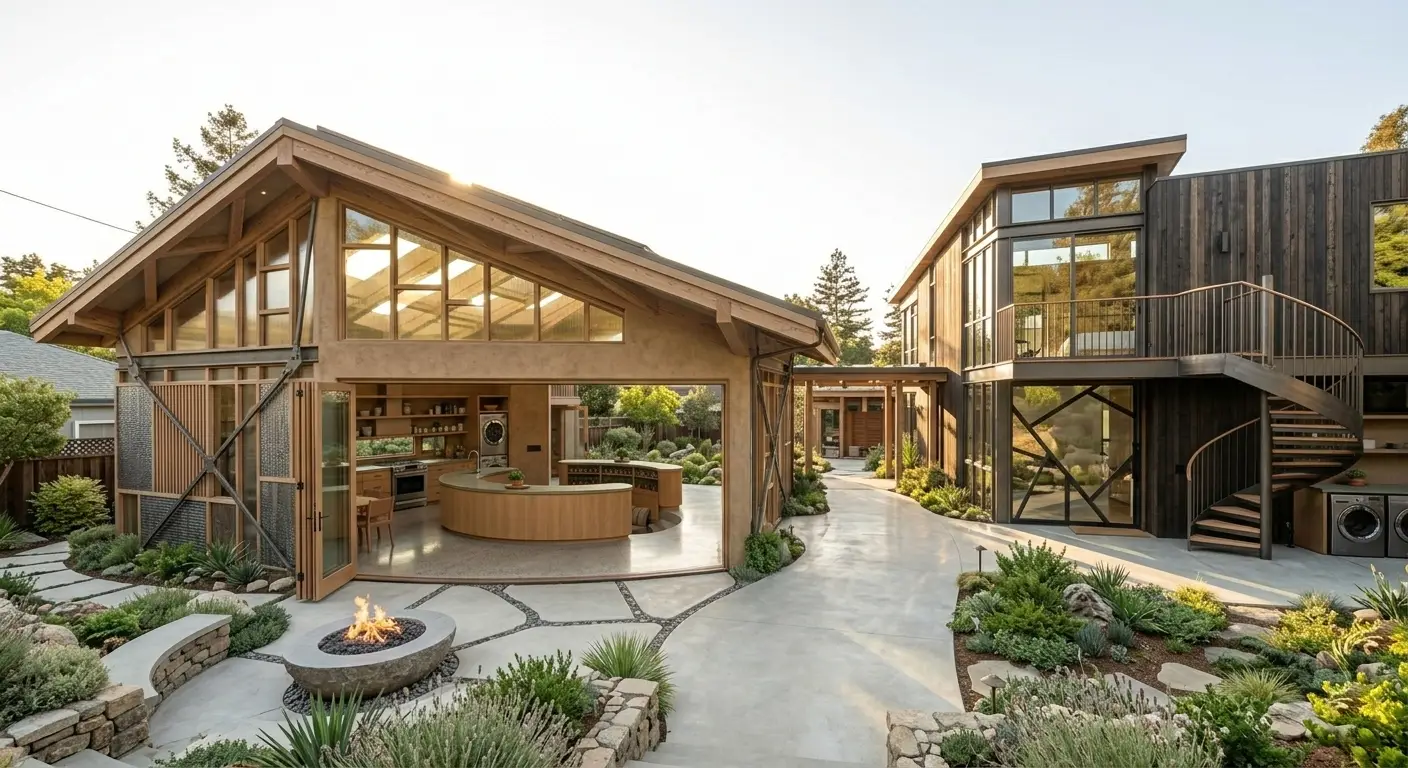
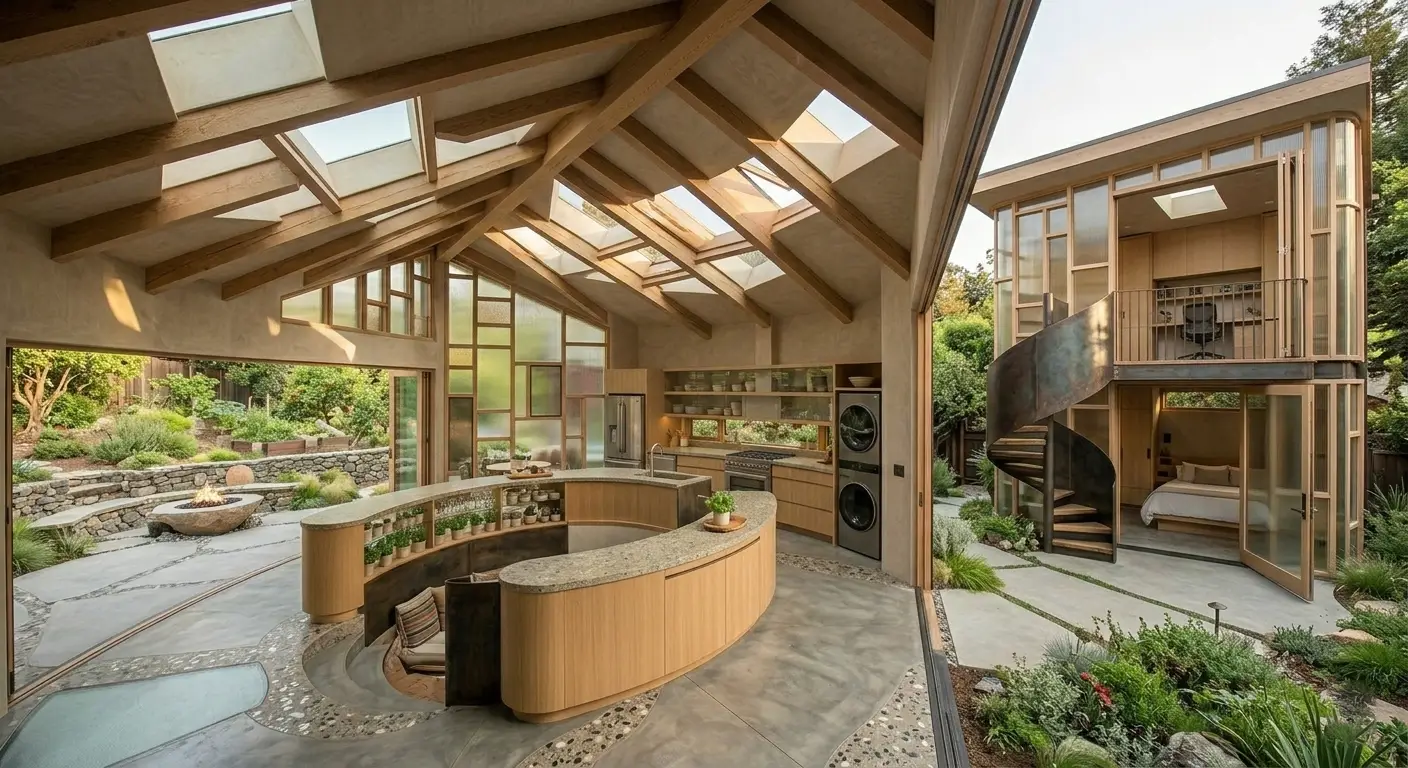
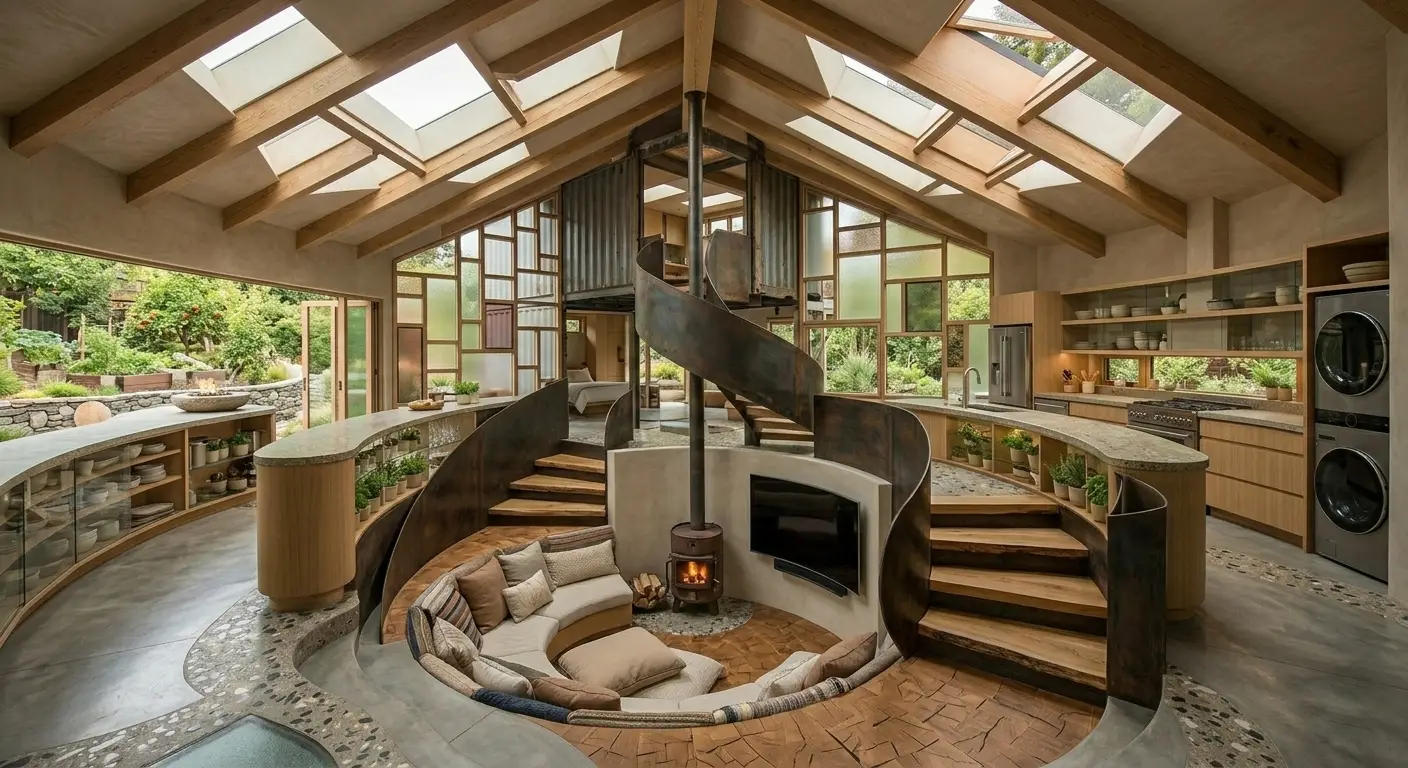
Thinking about adding more living space to your property? You’ve probably heard the term ADU floating around, and for good reason. So, what exactly is an ADU? The acronym stands for Accessory Dwelling Unit, and it’s essentially a second, smaller home located on the same lot as your primary house. Think of it as a self-contained apartment, cottage, or suite that shares your address but has its own separate living quarters. Whether you call it a granny flat, an in-law suite, a backyard cottage, or a carriage house, the core idea is the same: creating an independent home within your existing property.
ADUs have become an incredibly popular solution for homeowners looking to adapt their homes to changing needs. They offer a flexible way to house aging parents, give adult children their own space, or generate rental income to help with the mortgage. For many, it’s a smart financial move that adds significant value and utility to their home without the hassle and expense of buying a new property. An ADU can also serve as a dedicated home office, a creative studio, or a guesthouse for visitors. Before you start drawing up plans and picking out finishes, it’s important to understand what officially qualifies as an ADU and the different forms they can take, as this will guide your entire project.
Defining Features of an ADU
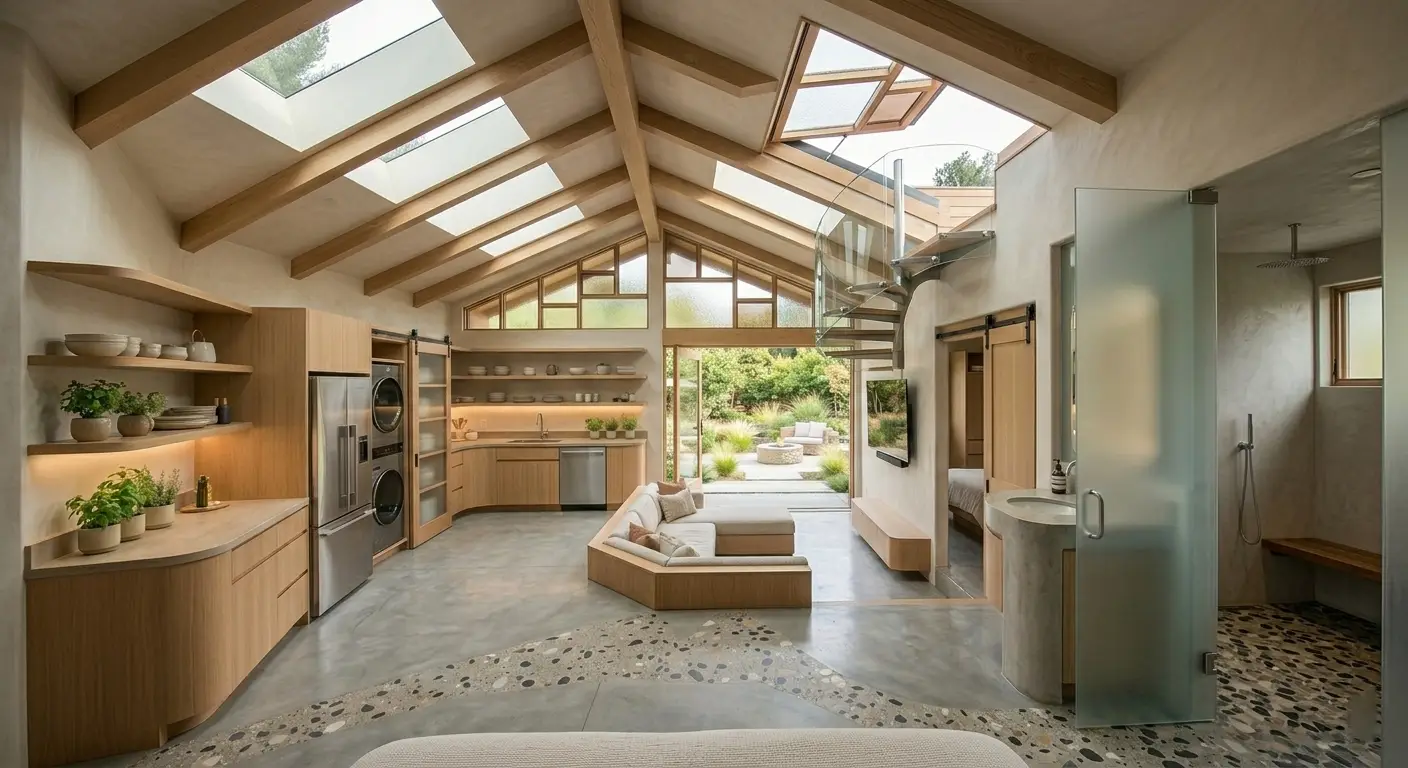
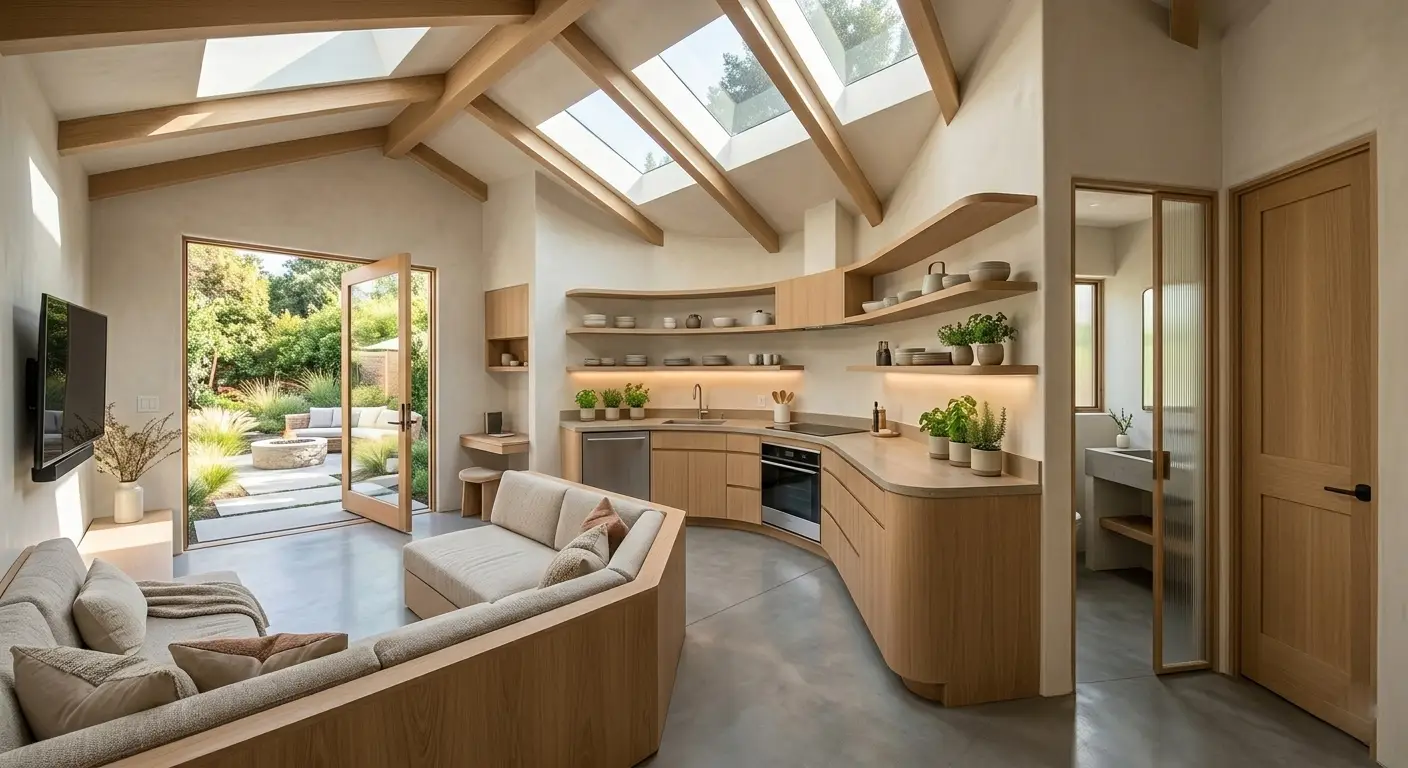
So, what separates an ADU from just a spare room or a finished basement? An ADU is defined by its independence. To be considered a legal accessory dwelling unit, the space must have its own entrance, a dedicated living area, a full bathroom, and a kitchen or kitchenette. This means it’s a complete, self-sufficient home on a smaller scale. It can’t just be a bedroom with a hot plate; it needs the essential facilities for someone to live there comfortably and independently. These requirements are central to most ADU housing laws and ensure the unit is safe, functional, and truly separate from the main house.
Common Types of ADUs
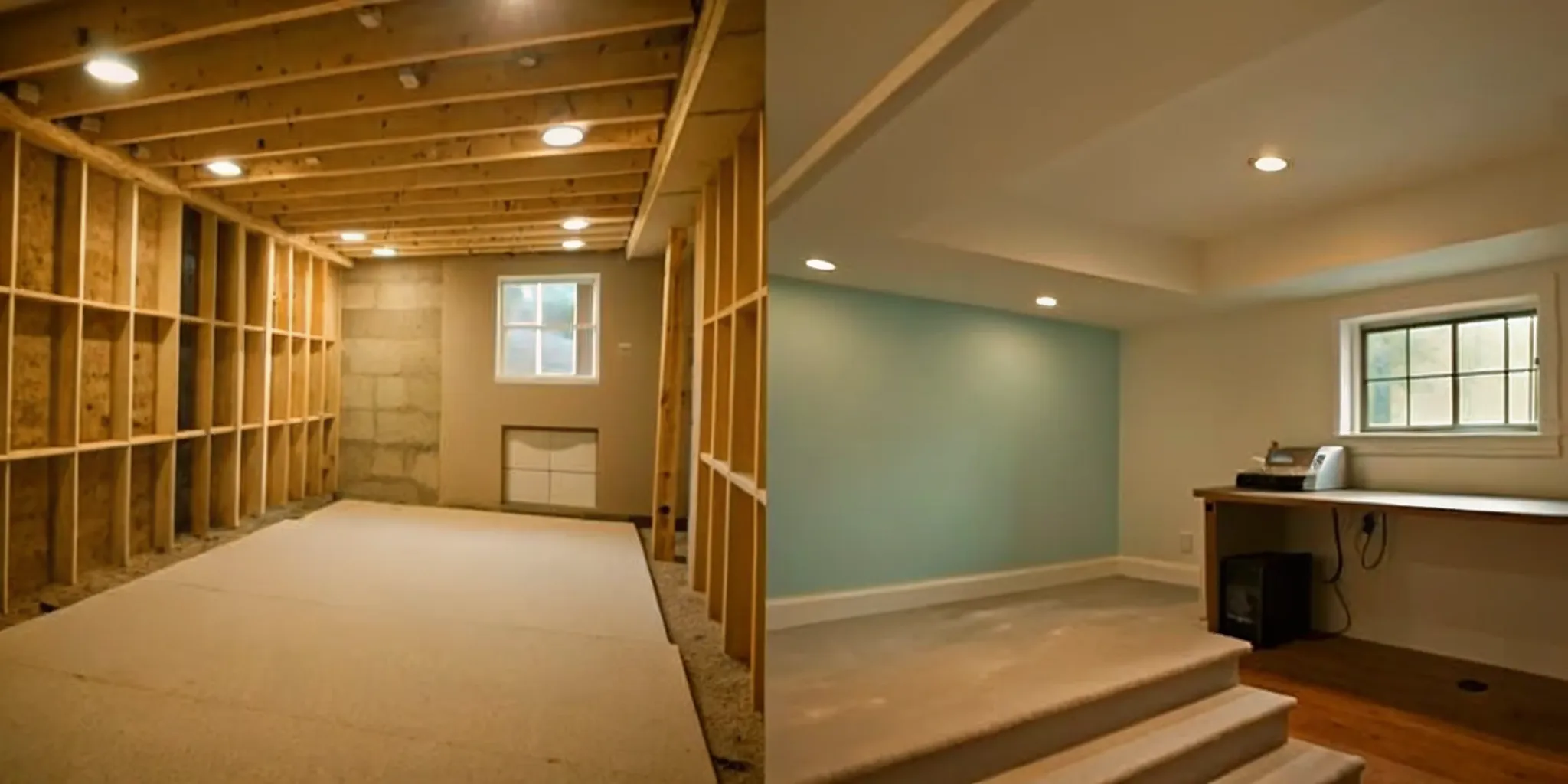
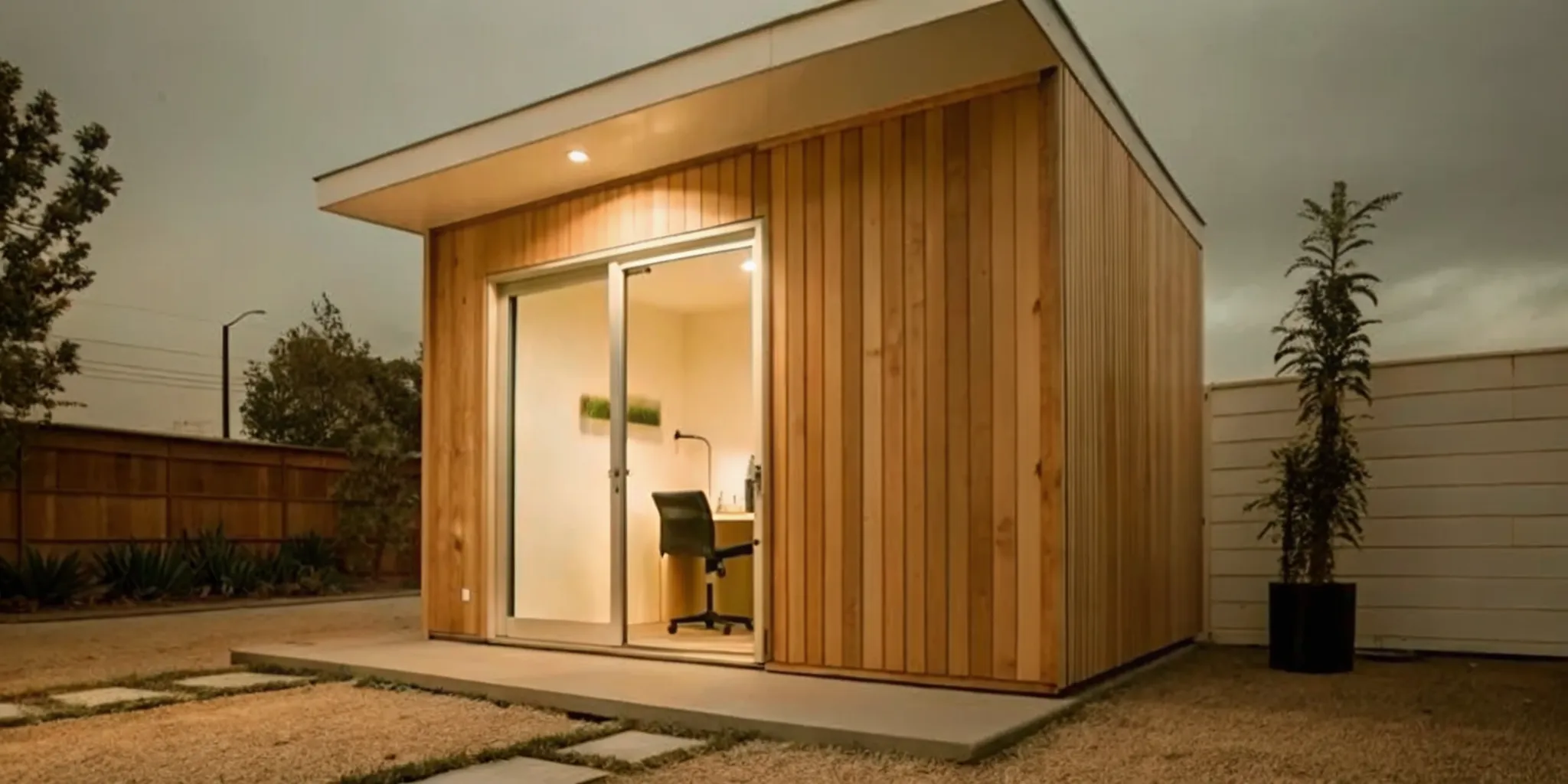
ADUs aren’t a one-size-fits-all project. They come in several shapes and sizes, giving you flexibility based on your property’s layout and your specific needs. The main types of ADUs fall into three categories. Internal ADUs are created within your existing home’s footprint, like converting a basement or an attic. Attached ADUs are built as an addition to your main house, sharing a wall but having a separate entrance. Finally, Detached ADUs are standalone structures, such as a brand-new backyard cottage or a converted garage. When it comes to construction, you can choose between a traditional, on-site stick-built ADU or a prefabricated unit built off-site and delivered to your property.
How Do ADU Zoning Rules Change by Location?
One of the first things you’ll discover about ADUs is that the rules are hyper-local. A friend who just built a backyard cottage in San Diego will have a different story to tell than someone in the Bay Area. Think of ADU regulations as a patchwork quilt: while states set the overall pattern, each city and county adds its own unique square. This is why you can’t just rely on a quick Google search; you have to dig into the specific codes for your exact address.
States like California and Washington have passed laws to make building ADUs easier, setting a baseline that local governments must follow. However, your city has the final say on many of the details, from the maximum size of your unit to the style of its roof. This is often where homeowners get stuck, trying to piece together state mandates and local ordinances. Understanding this hierarchy of rules is the first step, and it’s where having an expert guide can make all the difference in starting your project on the right foot.
State-Wide ADU Policies
The good news for homeowners in many states is that governments are actively encouraging ADU construction to help with the housing shortage. California, for example, has a set of state laws that create a friendly framework for ADUs. These laws limit how restrictive cities can be, requiring them to speed up permit approvals, reduce setback requirements (how far the unit must be from the property line), and waive parking requirements for ADUs located near public transit. Washington has passed similar pro-ADU legislation. These state-level policies are designed to remove common barriers, making it more feasible than ever to add a second unit to your property. You can learn more directly from the California Department of Housing's official guide.
Urban vs. Rural Zoning Differences
Where your property is located—not just the city, but the type of area—plays a huge role in what you can build. Zoning in a dense urban neighborhood like Seattle’s Capitol Hill will look very different from the rules in a more rural part of Sacramento County. In cities, you might find stricter guidelines on height and design to ensure new ADUs fit the neighborhood's character. At the same time, urban lots are more likely to get a pass on parking requirements. In rural areas, you may have more flexibility on placement and size, but you’ll likely face different hurdles, such as regulations for septic systems, well water, and fire safety access. The key is to understand the specific context of your property.
Your City's Specific Regulations
This is where the rubber really meets the road. After you understand the state-level rules, your next stop must be your local planning department. The specific ordinances in Los Angeles, for instance, differ from those in San Francisco. One city might allow a 1,200-square-foot detached ADU, while another caps it at 1,000 square feet. Some have pre-approved ADU plans to make the process faster, while others have strict design standards you’ll need to follow. This is the most critical research phase of your project. Getting these details right from the start prevents costly mistakes and delays down the line, which is a core reason homeowners choose to work with Realm. Our team is fluent in the specific codes of the cities we serve, ensuring your project plan is viable from day one.
What Are the Core Building Requirements for an ADU?
Once you’ve confirmed that an ADU is allowed in your area, the next step is to understand the specific rules you’ll need to follow. Every city and county has its own set of requirements that dictate what you can build, where you can build it, and what it can look like. These rules are in place to ensure new structures are safe, functional, and fit into the neighborhood. Think of them not as roadblocks, but as a clear roadmap for your project. Getting familiar with these core requirements early on will save you a ton of time and prevent headaches down the line. Let’s walk through the four main areas you’ll need to consider.
Size and Setback Rules
First up are the rules about size and placement. Most cities limit the square footage of an ADU based on the size of your primary home. A common guideline is that the ADU can’t be more than 40-50% of the main house’s square footage. So, if your home is 2,000 square feet, your ADU would likely be capped at around 800 to 1,000 square feet. You’ll also need to follow setback rules, which dictate how far the ADU must be from your property lines and other structures. For example, you might be required to leave a 5-foot space from the back property line and a 10-foot space between the ADU and your main house. These local building codes ensure privacy and safety for everyone.
Design and Style Guidelines
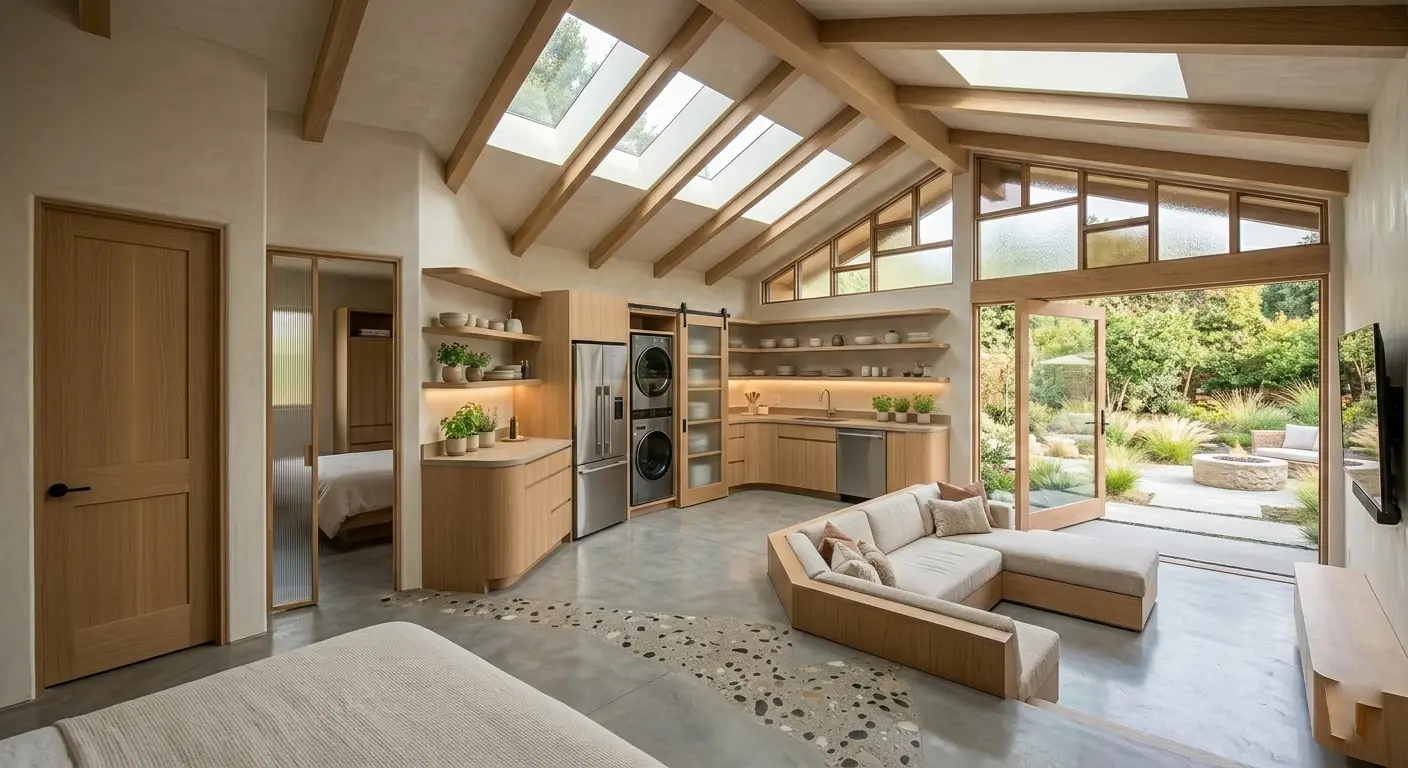
Beyond size, many areas have guidelines for the ADU’s appearance to ensure it complements the main house and the neighborhood. While you have creative freedom, the design should feel cohesive. Privacy is another huge consideration for both you and your future tenants. Smart design choices, like creating separate pathways, a private entrance, and placing windows thoughtfully, can make a big difference. Many homeowners are also incorporating modern ADU design trends like minimalist layouts, sustainable materials, and smart home technology to make the space more functional and appealing. A well-designed ADU isn't just a place to live; it's an asset that enhances your entire property.
Parking and Utility Hookups
Practical considerations like parking and utilities are a critical part of the plan. Depending on your location, you may be required to add an off-street parking space for the ADU. However, there are often exceptions, especially if your property is located near public transportation. You’ll also need to plan for utility hookups. Your ADU will need its own connections to water, sewer, and electricity, which involves coordinating with local utility companies and can be a significant part of your project’s budget and timeline. This is where having an expert to guide you through the process can be incredibly helpful, as they can manage the logistics and ensure everything is up to code.
Owner-Occupancy Rules
Finally, it’s important to understand any owner-occupancy requirements. Many jurisdictions mandate that the property owner must live in one of the units—either the main house or the ADU. This rule is intended to prevent large-scale investors from buying up properties solely for rental income and helps maintain neighborhood stability. Typically, you’re only allowed one ADU per property, and both the primary residence and the ADU must be under the same ownership. If your goal is to create a rental property, make sure you’re clear on these local regulations, as they can directly impact your plans and potential income.
What Permits Do You Need for an ADU?
The word “permits” can sound intimidating, but think of it as a quality-control checklist for your ADU project. It’s the city’s way of ensuring your new space is safe, sound, and built to last. Every ADU needs a series of permits and inspections before, during, and after construction. While the specifics can vary between cities, the general process is fairly standard. Having an expert on your side can make a world of difference in managing the paperwork and keeping your project on track. This is a core part of how Realm works; we handle the complexities so you can focus on the exciting parts of your build.
Building Permits and Inspections
First up is the main building permit. This is the master permit that covers the structural integrity of your ADU. It includes everything from the foundation and framing to the roofing and insulation. To get this permit, you’ll submit detailed architectural plans to your local building department for review. Once approved, construction can begin. Throughout the build, a city inspector will visit the site at key milestones—like after the foundation is poured or the framing is complete—to ensure the work matches the approved plans and meets all safety codes. This oversight protects your investment and ensures your ADU is a safe place to live.
Electrical and Plumbing Permits
Alongside the main building permit, you’ll need separate permits for your electrical and plumbing systems. These are just as important, as they ensure that all wiring and pipes are installed correctly and safely. A licensed electrician and plumber will typically handle securing these permits as part of their scope of work. The fees for these permits often depend on the complexity and scale of the job, covering the costs of plan reviews and the inspections themselves. These specialized checks are crucial for preventing future issues like leaks or electrical hazards, giving you peace of mind that your ADU’s essential systems are reliable.
The Final Sign-Off: Certificate of Occupancy
After all the work is done and every single inspection has been passed with flying colors, you’ll reach the final step: receiving your Certificate of Occupancy (CO). This official document is the city’s final stamp of approval. It certifies that your ADU has met all building codes and safety standards and is legally ready to be lived in. Whether you plan to rent it out, host family, or use it as a home office, the CO is your green light to start using the beautiful new space you’ve created. It’s the satisfying conclusion to the permitting process and the official start of your ADU’s life.
Can You Build an ADU on Your Property?
So, you're dreaming of an ADU in your backyard. It’s an exciting prospect! Maybe you’re picturing a rental unit for extra income, a private space for aging parents, or a quiet home office just steps from your back door. Whatever your vision, turning it into a reality starts with a few practical steps. Before you get too deep into picking out finishes and furniture, there are some foundational questions to answer to see if an ADU is a realistic project for your property. Think of it as a practical checklist to get you started. Let's walk through the three biggest considerations: your property’s zoning, your budget, and the logistics of utilities. Getting clear on these items upfront is the single best thing you can do to ensure a smooth process and set your project up for success from day one. It saves you time, money, and a lot of headaches down the road. This initial due diligence is where a solid plan begins to form, transforming your ADU idea from a "what if" into a "here's how."
Checking Your Lot Size and Zoning
First things first: does your property's zoning even allow for an ADU? This is the most important initial hurdle. ADU rules are incredibly local, meaning they can be very different from one city to another, and sometimes even from one neighborhood to the next. Your property must be in a zone that allows for accessory dwellings. The best way to find out is to check your local planning department’s website or give them a call. They can tell you about specific requirements for lot size, setbacks (how far the structure must be from your property lines), and total lot coverage. This step can feel a bit overwhelming, which is why getting expert guidance can help you make sense of the local codes.
Factoring in Costs and Financing
Once you've confirmed you can build, the next question is how you'll pay for it. It’s easy to focus on the construction price tag, but homeowners often underestimate the full cost of an ADU project. Beyond the build itself, you’ll need to budget for architectural designs, soil reports, and structural engineering. You will also need to pay fees for plan reviews, permit applications, and potentially school or park impact fees. These costs vary depending on your city and the size of your project. Creating a comprehensive budget that accounts for these "soft costs" is critical. A clear financial plan ensures you have a realistic view of the investment and can secure the right financing for your project.
Planning for Utility Connections
An ADU is more than just a small building; it's a fully functional, independent home. For it to be a legal dwelling, it must have its own living space, a full bathroom, and a kitchen area. This means it needs its own connections for water, electricity, and sewer, which involves trenching and hooking into the main utility lines. You’ll also need to get a unique address for the ADU and apply for all the necessary building permits for the plumbing and electrical work. Coordinating with utility companies and contractors adds a layer of complexity, so it’s important to have a solid plan for how these essential services will be installed.
Common ADU Zoning Myths, Debunked
When you start looking into building an ADU, you’ll likely hear a lot of opinions from neighbors, friends, and online forums. While their intentions are good, there’s a ton of misinformation out there that can make the project feel more complicated than it needs to be. It’s easy to get bogged down by rumors about plummeting property values, neighborhood parking wars, and impossible-to-get permits.
Let’s clear the air. Many of these common fears are based on outdated rules or simple misunderstandings. Modern zoning laws, especially in states like California, have been specifically designed to make building an ADU more straightforward. By separating fact from fiction, you can move forward with your project confidently. Here, we’ll tackle four of the biggest ADU myths so you know what to really expect.
The Myth About Property Values
One of the most persistent worries is that adding an ADU will hurt your property value or even drag down the value of the entire neighborhood. It’s a valid concern, but the data tells a different story. Research from housing experts consistently shows that these fears are largely unfounded. In reality, a well-designed, legally permitted ADU almost always increases a property’s value. It adds legal, conditioned square footage and creates the potential for rental income, both of which are huge assets to future buyers.
The Myth About Neighborhood Parking
It’s easy to imagine extra cars clogging up your street, and some neighbors might worry that new ADUs will create a parking nightmare. While adding a housing unit can add a car, cities have gotten much smarter about this. Many local ordinances now waive parking requirements for ADUs that are located near public transit or in historic districts. In California, for example, you don’t have to provide a parking spot if your ADU is a conversion of an existing space, like a garage. The goal of these updated laws is to encourage more housing, and flexible parking regulations are a key part of that.
The Myth About Rental Restrictions
Many homeowners build an ADU with the dream of generating rental income, whether through a long-term tenant or a short-term rental platform. However, it’s a myth that you can always rent out your unit without restrictions. The rules on this vary wildly from one city to another. Some municipalities require the property owner to live in either the main house or the ADU, which prevents investors from buying a property and renting out both units. Others have strict regulations or outright bans on using ADUs for short-term rentals. Always check your local rules before you start building.
The Myth About Impossible Permits
The permitting process has a reputation for being a bureaucratic nightmare, and it’s true that it can be complex. But the idea that it’s impossible is a myth. To streamline housing production, states like California have passed laws requiring cities to approve or deny ADU applications within 60 days. While some city departments are overwhelmed and struggle to meet this timeline, a complete and accurate application is your best tool for avoiding delays. Working with a professional who understands the process, like a Realm project advisor, ensures your plans meet all the requirements from the start, making approval much smoother.
How to Research and Follow Local ADU Laws
Figuring out the specific rules for your property can feel like the most intimidating part of an ADU project. But with a clear, step-by-step approach, you can find the answers you need and move forward with confidence. Think of it less as a maze and more as following a recipe. By taking these four steps, you’ll gather all the necessary information to ensure your project is compliant from day one.
Start with Your Local Planning Department
Your first call should be to the people who know the rules best. Every city and county has its own set of regulations, and the local planning department is your direct source for the most accurate, up-to-date information. As the experts at Zook Cabins note, you should "Contact your local city or county planning and zoning department. They can tell you the exact rules for your property." Don't rely on general advice you find online; go straight to the source. Be prepared to provide your address or parcel number. Ask them for any ADU-specific handouts or links to the relevant sections of the municipal code on their website. This initial conversation can give you a solid foundation for all your planning.
Get Familiar with Zoning Maps and Codes
Once you’ve made initial contact, it’s time to do a little homework. Most cities provide online tools to help you understand your property's specific zoning. For example, many municipalities have an online map where you can input your address to see your zoning district. This will tell you what’s allowed on your lot. From there, you can look up the corresponding zoning code, which details everything from setback requirements to maximum height and size. It might seem dense at first, but this document holds the key to what you can and can’t build. Taking the time to review it will help you have more productive conversations with potential builders and designers.
Schedule a Pre-Application Meeting
Before you invest in detailed plans, consider scheduling a pre-application meeting with your local planning office. This is a fantastic opportunity to discuss your initial ideas and get direct feedback from the officials who will eventually review your project. This proactive step helps you build a positive relationship and shows that you’re committed to following the rules. As True Blue Remodeling points out, establishing a positive rapport with local officials can help facilitate the approval process. Use this meeting to ask questions, clarify any confusing rules, and make sure your project is on the right track before you go any further. It’s a small investment of time that can prevent major headaches later.
Work with a Pro Who Knows the Rules
While you can certainly do this research yourself, partnering with an experienced professional can make the process much smoother. Architects, designers, and builders who specialize in ADUs are already familiar with local codes and the permitting process. They understand the necessary steps, from determining property eligibility to preparing a site plan and submitting for permits. An expert who already knows the local zoning tips for ADU development can anticipate potential issues and design a project that meets all requirements from the start. This is where Realm can help, connecting you with vetted professionals who know your area inside and out.
Tips for a Smooth Zoning Approval Process
Getting your ADU plans approved doesn’t have to be a battle. While every jurisdiction has its own set of hoops to jump through, a proactive and organized approach can make the entire experience much smoother. Think of it less as fighting city hall and more as building a partnership to get your project done right. By preparing thoroughly, communicating openly, and treating everyone involved with respect, you can avoid common delays and frustrations. Here are a few key strategies to keep in your back pocket.
Prepare a Comprehensive Plan
Your application is your project's first impression, so make it a good one. A well-prepared site plan and design are absolutely essential for a smooth approval process. Before you even think about submitting paperwork, make sure your plans are complete, accurate, and fully compliant with local zoning laws. This means having detailed architectural drawings and a clear site plan that shows exactly how your ADU fits on your property. A complete application is far less likely to be sent back with questions or requests for changes, which saves you valuable time and money. This is where having expert guidance can be a game-changer, ensuring every detail is covered from the start.
Talk to Your Neighbors Early
No one likes surprises, especially when it involves construction next door. Giving your neighbors a friendly heads-up about your ADU plans before you file with the city can work wonders. This isn’t about asking for their permission, but about being a considerate neighbor. Share a simple overview of your project, let them know your anticipated timeline, and give them a chance to ask questions. Addressing potential concerns about privacy or construction noise early on can prevent formal complaints down the road. Building this goodwill can help foster community support and shows that you’re committed to minimizing disruption in the neighborhood.
Build a Good Rapport with Officials
Remember that the staff at your local planning department are your most valuable resource. Establishing a positive, professional relationship with them can make a huge difference. Treat them as partners in your project, not as obstacles. When you communicate, be polite, organized, and patient. Come to meetings prepared with specific questions, which shows you respect their time and expertise. A good rapport can facilitate clearer communication and may lead to a much more collaborative and efficient approval process. They are the experts on the local code, and their guidance can be invaluable for getting your project across the finish line.
Attend Local Community Meetings
Want a sneak peek into the approval process? Start attending your local planning commission or neighborhood council meetings before you even submit your application. This is one of the best ways to understand the specific concerns and priorities within your community. You’ll hear what issues your neighbors care about, see how officials handle other projects similar to yours, and get a feel for the overall attitude toward new construction. This insight allows you to proactively address potential sticking points in your own application, which can be incredibly beneficial for getting your ADU approved with minimal friction.
Common ADU Zoning Challenges to Expect
Building an ADU is more straightforward than ever, but that doesn’t mean the path is always perfectly smooth. Getting ahead of potential hurdles can save you a lot of time and stress. From decoding local rules to managing unexpected costs, here are a few common challenges to prepare for as you start your ADU project.
Untangling Complex Regulations
Even though state laws have simplified the ADU approval process, your local city or county still has the final say on many details. The biggest challenge is often the complexity of zoning regulations that can vary from one neighborhood to the next. Local conditions, like special environmental zones or historic preservation rules, can change the scope, cost, or layout of your ADU. It’s crucial to look beyond the state-level guidelines and dig into your specific municipal code to understand the rules that apply directly to your property. This is where having an expert on your side can make all the difference.
Preparing for Impact Fees and Other Costs
When you budget for your ADU, it’s easy to focus on construction costs and forget about the other expenses. Homeowners often underestimate the total price tag because of various fees and permits that pop up along the way. These can include significant “impact fees” that help fund public services like parks and schools, as well as charges for new utility connections and plan reviews. To avoid surprises, it’s important to account for these complete costs of ADU construction from the very beginning. A detailed, all-in budget will give you a much clearer picture of your financial commitment.
Addressing Community Concerns
While you may be excited about your new ADU, your neighbors might have questions. Community opposition can sometimes create delays, as local residents may raise concerns about increased density, parking, or changes to the neighborhood’s character. The best way to handle this is to be proactive and transparent. Having a friendly chat with your neighbors early in the process to share your plans can go a long way. Addressing their concerns directly and respectfully can help build support and prevent formal objections down the line, making for a smoother approval process for everyone.
Understanding Short-Term Rental Rules
Many homeowners build an ADU with the goal of generating rental income, but the rules for short-term rentals can be tricky. If you’re planning to list your unit on a platform like Airbnb or Vrbo, you need to check your city’s specific ordinances first. Some municipalities have banned short-term rentals in ADUs altogether, while others have strict rules, such as requiring the primary homeowner to live on the property. Understanding your local home-sharing regulations is a critical step before you break ground, as it can directly impact your return on investment.
Let Realm Guide Your ADU Project
Feeling a bit overwhelmed by the thought of zoning maps, permit applications, and community meetings? That’s completely understandable. While the rules have gotten easier, the complexity of zoning regulations remains a major hurdle for many homeowners. The good news is you don’t have to figure it all out on your own. This is exactly where Realm comes in.
We created Realm to simplify complex projects just like this. Our team of experts is deeply familiar with the specific ADU laws in your city. We handle the tedious research, create a customized project plan, and help you understand exactly what’s possible on your property. Think of us as your personal project advocate. Your dedicated Realm Advisor is with you every step of the way, from initial feasibility to finding the right vetted contractor for the job.
Instead of you having to build relationships with the local planning department, we connect you with professionals who already have that experience. Our goal is to streamline the approval process and manage the details so you can focus on the exciting parts of your project. We provide the clarity and support you need to move forward with confidence. Ready to see how it works? Let’s build your ADU, together.
Related Articles
- Everything You Need To Know About ADUs
- Top Questions to Ask When Hiring an ADU Contractor
- What Is SB-9? (And Why Does It Matter To You?)
- What You Should Know About Zoning
Frequently Asked Questions
Besides construction, what other costs should I budget for? It’s smart to think beyond the price of lumber and labor. A significant portion of your budget will go toward "soft costs," which include things like architectural design, structural engineering, soil reports, and all the fees for permits and plan reviews. You’ll also need to account for new utility connections, which can sometimes require trenching across your yard. Creating a comprehensive budget that includes these items from the start gives you a much more realistic picture of the total investment.
Realistically, how long does the entire ADU process take? The timeline can vary quite a bit depending on your city's efficiency and the complexity of your project, but it’s best to plan for several months to a year from start to finish. The process generally breaks down into three phases: design and planning, which can take a few months; the permitting and approval phase, which can take anywhere from two to six months; and finally, the construction itself, which typically lasts four to eight months for a standard ADU.
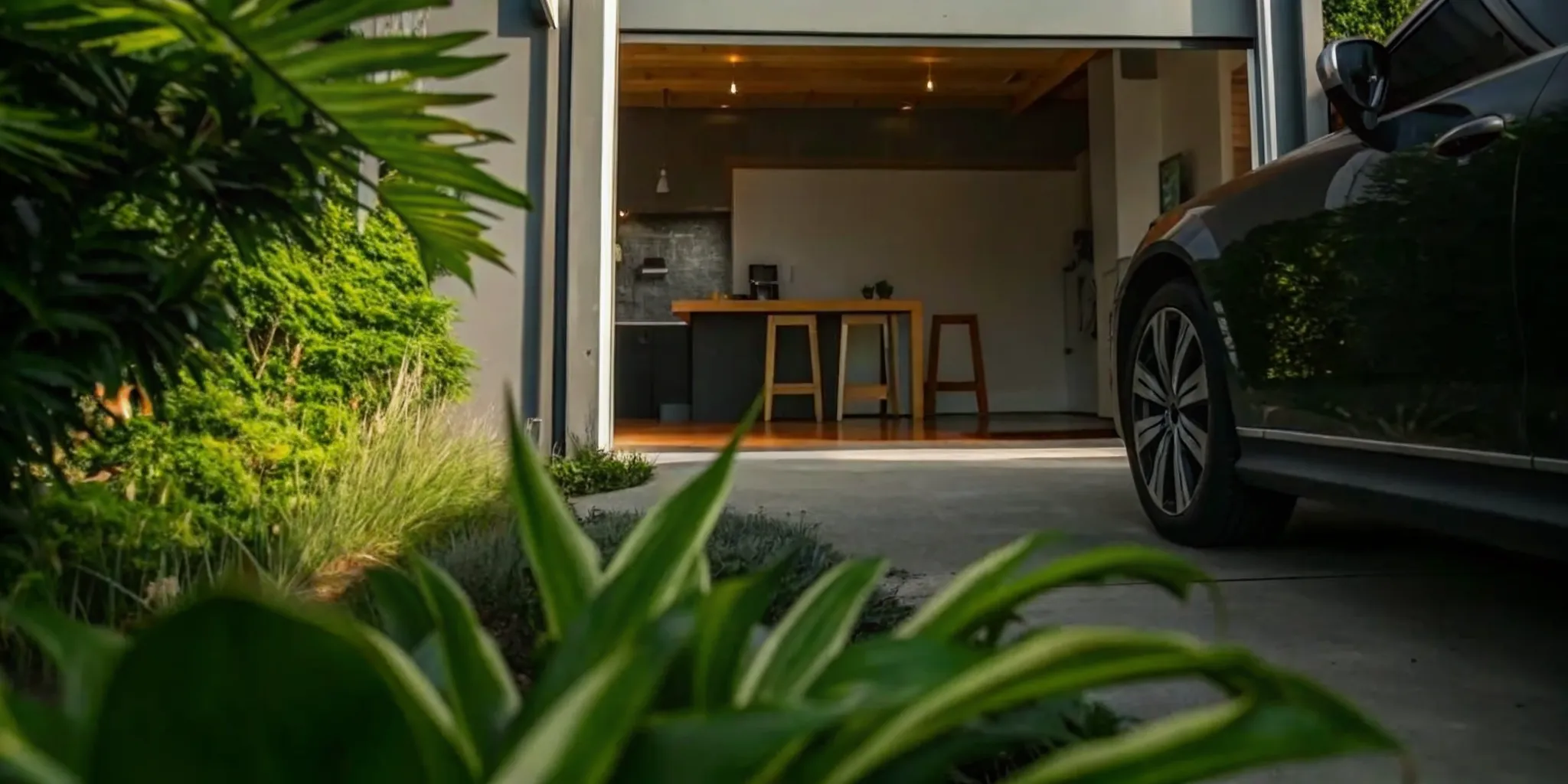
Is converting my garage into an ADU simpler than building a new one? While using an existing structure like a garage can save you time and money on framing and foundation, it isn't necessarily a simple weekend project. A garage conversion still needs to be brought up to code as a legal living space. This involves adding proper insulation, ensuring the foundation is sound, installing full utility hookups for a kitchen and bathroom, and meeting all the same permit requirements as a brand-new build.
Can I rent out my ADU on a short-term basis like Airbnb? This is one of the most important questions to ask your local planning department. The rules for short-term rentals in ADUs are hyper-local and change frequently. Some cities have banned them entirely, while others have strict regulations, such as requiring the owner to live on the property. Before you move forward with your project, you need to get a clear and current answer directly from your city to ensure your rental plans are legal.
What's the absolute first thing I should do to see if an ADU is possible for my property? Before you do anything else, confirm your property’s zoning. The best way to do this is by visiting your local city or county planning department's website. Most have an online map where you can type in your address to see your zoning designation and find the specific rules for your lot, such as size limits and setback requirements. This single step will tell you if you can build and what your basic parameters are.