Do I Need a Permit to Remodel My Kitchen?
Wondering do I need a permit to remodel my kitchen? Learn which projects require permits, common myths, and how to keep your renovation stress-free.
|
March 5, 2026

In this article:
The answer to the question, “Do I need a permit to remodel my kitchen?” depends almost entirely on two things: the scope of your project and where you live. The rules in Los Angeles can be very different from those in Seattle, and what’s allowed in one town might require official approval just a few miles away. This guide is designed to give you a clear framework for understanding the requirements in your area. We’ll cover which projects almost always need a permit, like moving walls or gas lines, and which cosmetic updates you can typically tackle on your own, helping you plan your budget and timeline accurately.
Key Takeaways
- Structural and system changes require permits: If your project involves moving walls, rerouting pipes, adding new electrical circuits, or touching gas lines, plan on getting a permit. Simple cosmetic upgrades, like painting or replacing a faucet in the same location, can usually be done without one.
- Permit rules are hyper-local, so always verify: Requirements change from city to city, so never assume. Your best sources for accurate information are your local building department's website and an experienced, licensed contractor who works in your area.
- View permits as protection, not paperwork: Going without a permit risks fines, voided insurance coverage, and a lower home value. The permit and inspection process is a crucial safeguard that verifies your renovation is safe, up to code, and a sound investment.
Which Kitchen Remodels Require a Permit?
Permits can feel like a hassle, but they exist for a good reason: your safety. Generally, any kitchen project that alters your home’s structure or its core systems—electrical, plumbing, or gas—will require one. This ensures the work is done to code by a qualified professional. Let’s look at the most common renovations that require you to get a permit before you start.
Moving or Removing Walls
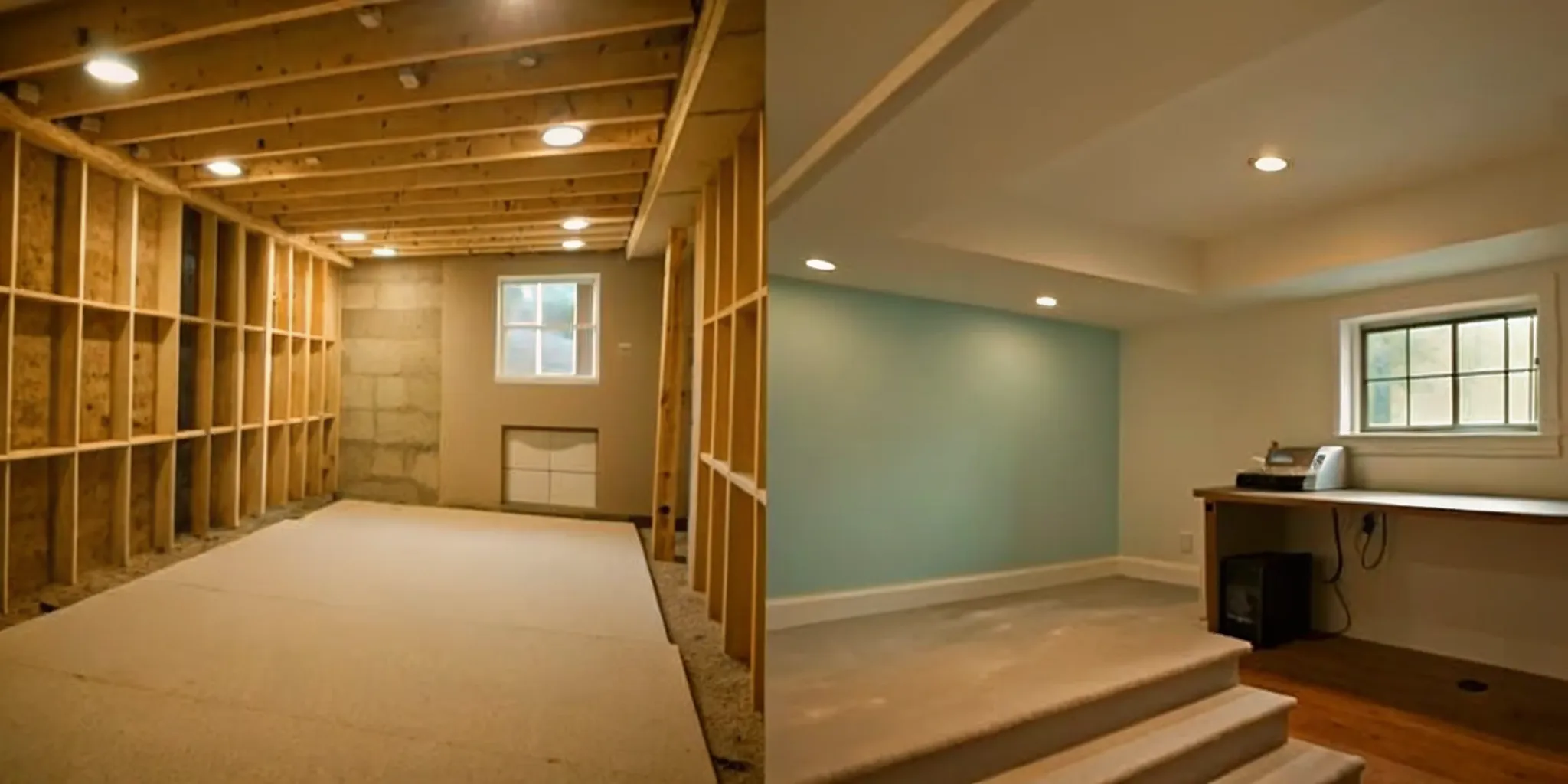
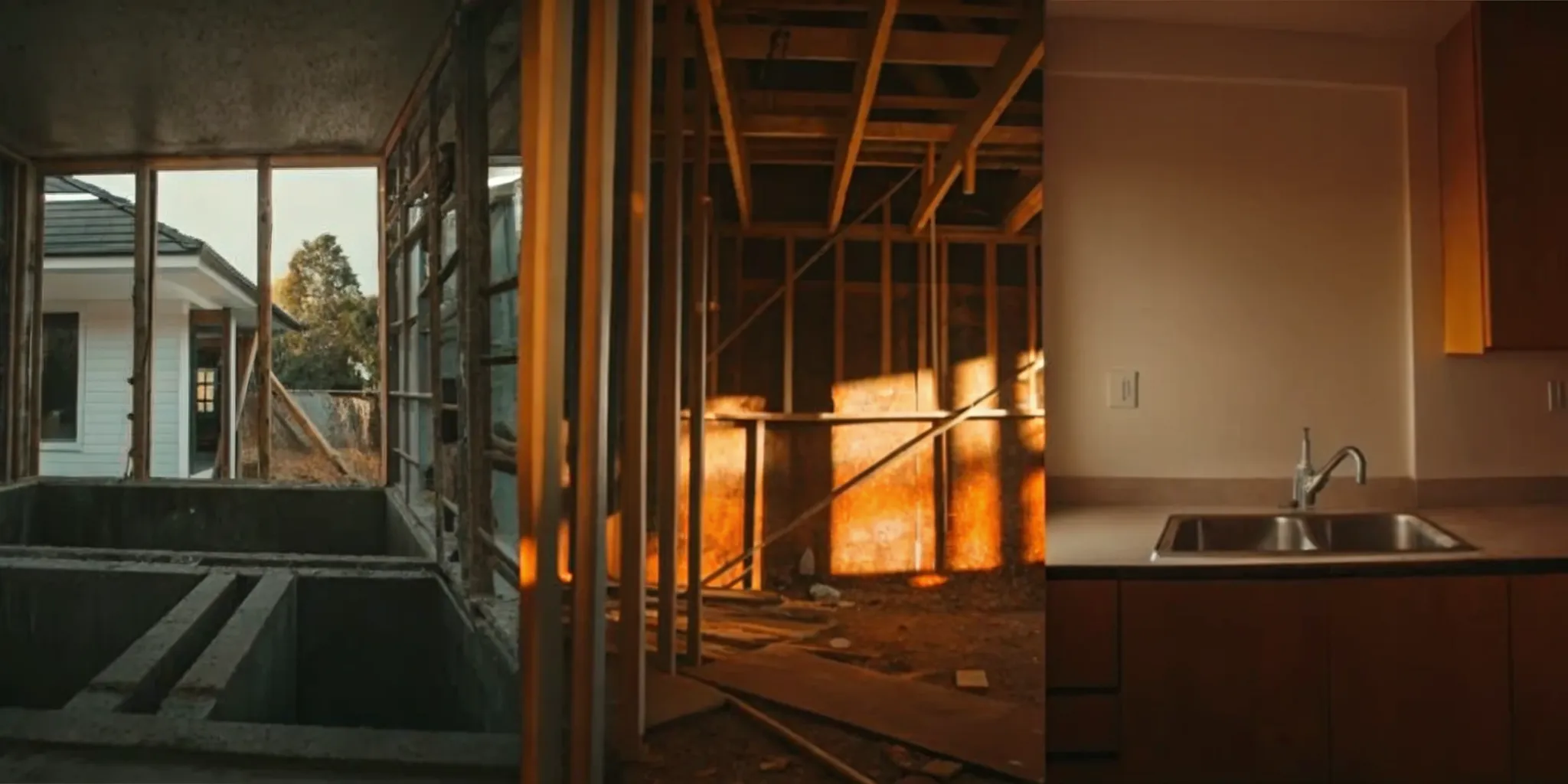
If your dream kitchen involves an open-concept layout, you’ll need a permit to move or remove a wall. This is especially critical for load-bearing walls that support your home’s structure. Altering them without proper oversight can compromise your home's stability and safety. A permit ensures an expert reviews your plans and the final work is inspected, protecting your family and your home’s value. It’s a crucial step for any project that changes the architectural footprint of your kitchen, so don't skip it. Your contractor can help you determine if a wall is load-bearing.
Major Electrical Work
While you can swap a light fixture without a permit, more significant electrical work requires one. This includes upgrading your electrical panel, adding new outlets, or running new wiring for appliances. These tasks are not simple DIY projects. A permit ensures a licensed electrician performs the work, which is essential for preventing fire hazards and ensuring your kitchen’s electrical system can handle the load from modern appliances. Think of it as a necessary safety check to protect your home and family from the risks of faulty wiring.
Changing Your Plumbing Layout
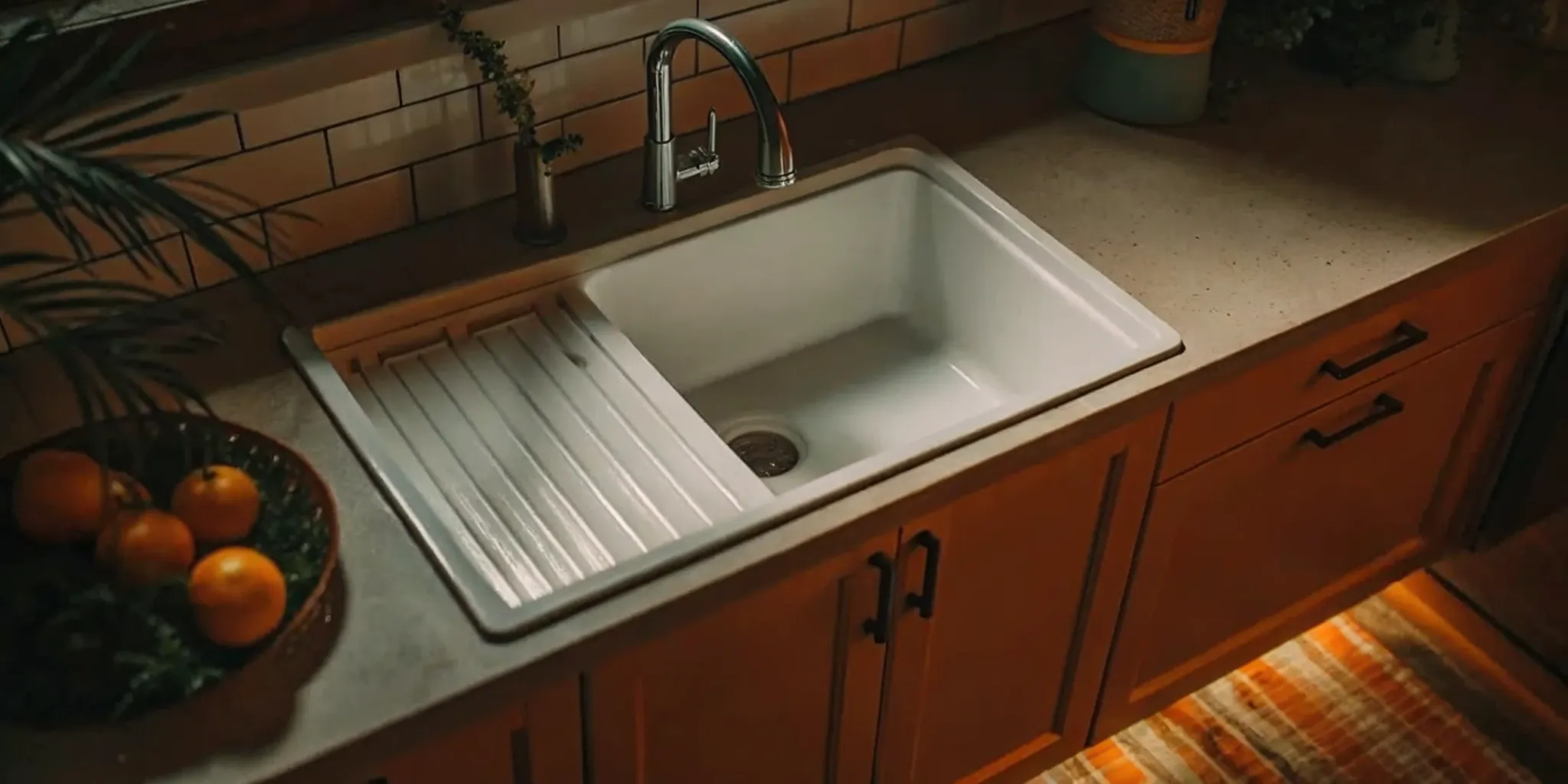
Planning to move your sink to a new island or relocate the dishwasher? You’ll need a permit. Any project that changes the existing plumbing layout by moving supply or drain lines requires official approval. This process ensures that all connections are secure and up to code, preventing disastrous leaks and water damage later on. However, simple cosmetic swaps, like replacing a faucet in the same location, typically don’t require a permit. The key is whether you’re altering the pipes behind the walls or under the floor.
Installing or Moving Gas Lines
This is one area where there is no wiggle room: all work involving gas lines requires a permit. Whether you’re installing a new gas range or moving an existing one, this is a job for a licensed professional with the proper permits. Incorrectly installed gas lines can lead to dangerous leaks, fires, and other serious hazards. The permit and inspection process is a critical safety net that verifies the work is done to the highest standards. For the safety of everyone in your home, never attempt to do this work without the proper approvals.
Kitchen Upgrades You Can Do Without a Permit
Ready for a kitchen refresh without the paperwork? The good news is that many impactful upgrades don't require a trip to the building department. If your project focuses on cosmetic changes or direct replacements without altering the kitchen's structure or layout, you can often get started right away. These types of projects are perfect for giving your space a new look while keeping the process straightforward. Think of it as giving your kitchen a facelift rather than performing major surgery. Here are some of the most common kitchen updates you can typically tackle without a permit.
Painting and Cosmetic Updates
A fresh coat of paint is one of the fastest and most affordable ways to transform your kitchen, and thankfully, it doesn't require a permit. The same goes for other simple cosmetic changes. You can install a new backsplash, swap out old cabinet handles for modern hardware, or replace a dated light fixture without needing to file any plans. These smaller projects make a huge difference in the overall feel of your kitchen. They allow you to inject your personal style into the space and can often be completed over a weekend, giving you a big return on your effort.
Replacing Cabinets and Countertops
If you’re dreaming of new cabinets or countertops, you might be in luck. As long as you are replacing them in the same location and with a similar size, you can usually skip the permit process. The key is that you aren't reconfiguring the kitchen's layout. This means the new cabinets fit into the existing footprint and you aren't moving any walls to accommodate them. It’s a major visual upgrade that modernizes your kitchen without touching the plumbing or electrical systems, which is why it often falls outside of permit requirements. For a project like this, it's always a good idea to work with vetted professionals who can ensure a perfect fit.
Installing New Flooring
Putting in new flooring is another update that generally doesn't need a permit. Whether you’re laying down new tile, laminate, or hardwood, you’re usually in the clear as long as you aren't making structural changes to the floor itself. This means you’re not altering the subfloor or moving floor joists. Simply replacing the surface material is considered a cosmetic finish. This project can completely change the look and durability of your kitchen, tying the whole room together. Just remember, if your project involves altering the structure underneath, you’ll need to check in with your local building department first.
Swapping Like-for-Like Appliances
Need a new refrigerator, dishwasher, or oven? If you're simply swapping an old appliance for a new one that fits in the same spot and uses the existing connections, you typically don’t need a permit. This applies when you can use the same water lines, electrical outlets, and gas hookups without modification. The project becomes more complex, and likely requires a permit, if you need to run a new gas line or install a new electrical circuit to support your new appliance. For simple swaps, it’s a straightforward process that can instantly improve your kitchen’s functionality and energy efficiency.
How to Know if You Need a Permit
Figuring out if your kitchen remodel needs a permit can feel like a puzzle, but it doesn't have to be. The rules are there to keep you and your home safe, and finding the right information is easier than you might think. With a few key steps, you can get a clear answer and move forward with your project confidently. Here are four reliable ways to determine exactly what your project requires.
Check Your Local Building Department's Website
Your first and best source of information is always your local building department. Think of their website as the official rulebook for your city or county. Most have dedicated sections for homeowners with easy-to-read guides, checklists, and FAQs about common projects like kitchen remodels. For example, the Seattle Department of Construction & Inspections offers clear guidance for residents. Searching for your city’s building department online is the most reliable way to find out exactly what permits you need for your specific plans. It takes the guesswork out of the equation and gives you a definitive answer straight from the source.
Consult with a Licensed Contractor
An experienced, licensed contractor is an invaluable resource. They work with local building codes every day and should know the permit requirements for your area inside and out. When you discuss your project with a potential contractor, be sure to ask about their experience with the permitting process. While a good contractor is a great guide, it’s always smart to double-check the information yourself to stay informed. At Realm, we connect you with vetted local professionals who understand these nuances, so you can feel supported from the start and trust that your project is in good hands.
Review Municipal Codes and Cost Rules
Sometimes, the need for a permit isn't just about the type of work you’re doing, but also how much it costs. Many municipalities have rules that trigger a permit requirement once a project’s total value, including both labor and materials, exceeds a certain amount. For instance, in some areas, a project costing more than a few thousand dollars will automatically require a permit, even for cosmetic changes. Dig into your local municipal codes to see if any cost-based rules apply to your renovation. This little bit of research can save you a major headache later and ensure you’re following all the local guidelines.
Use Your City's Online Permit Tools
Many cities are making it easier for homeowners to get quick answers with online tools. Look for a "permit wizard" or an online portal on your local building department’s website. These tools often walk you through a series of questions about your project, like what you plan to change and where you live, to give you a preliminary answer on whether a permit is needed. The Los Angeles Department of Building and Safety, for example, has online services to help you get started. These resources can give you instant clarity and point you in the right direction without having to make a phone call.
The Risks of Remodeling Without a Permit
It can be tempting to skip the permit process to save time and money. But taking that shortcut can lead to serious headaches down the road. Remodeling without a permit puts your finances, your home's value, and even your family’s safety at risk. Think of a permit not as red tape, but as a layer of protection for your biggest investment. When you understand the potential consequences, you’ll see why doing things by the book is always the smarter choice.
Fines and Stop-Work Orders
If your local building department discovers unpermitted work, they can issue a stop-work order, halting your project immediately. This can throw your entire timeline and budget into chaos. You’ll likely face hefty fines, which can sometimes be double or triple the original permit fee. To get the project moving again, you’ll have to apply for a retroactive permit. This often means opening up walls to inspect hidden electrical or plumbing work, forcing you to pay to redo parts of your renovation that were already finished. It’s a costly and stressful detour that’s easily avoided by getting the right approvals from the start.
Issues with Your Homeowner's Insurance
Your homeowner's insurance is there to protect you from the unexpected, but unpermitted work can void that protection. If a fire starts because of faulty electrical work or a pipe bursts from an improper plumbing job, your insurance provider could deny your claim. They can argue that the unpermitted renovation created a risk they didn't agree to cover. This would leave you responsible for paying for all the damages out of pocket, which could be financially devastating. Following the permit process ensures your home remains fully covered and that your policy will be there for you when you need it most.
Complications When Selling Your Home
Unpermitted work can become a major obstacle when it’s time to sell. Most states require you to fill out a property disclosure statement where you must reveal any work done without permits. Being dishonest can lead to legal trouble after the sale. Even if you disclose it, many buyers will be scared off by the potential for hidden problems and future liability. A savvy buyer’s agent or inspector will likely check the city’s permit records. Discovering unpermitted work can lead to a lower sale price, demands that you fix the issue before closing, or the buyer walking away entirely.
Safety Hazards and Liability
Beyond the financial risks, remodeling without a permit creates very real safety concerns. Building permits exist to ensure that all work complies with established building safety codes. These codes are designed to protect you and your family from things like electrical fires, gas leaks, and structural failures. The required inspections are a crucial part of the process, providing a second set of expert eyes to confirm that your contractor has done everything correctly. Skipping this step means you’re trusting a single person with your family’s safety, without the official verification that ensures your new kitchen is not just beautiful, but fundamentally sound.
How Location Affects Permit Requirements
Where you live is the single biggest factor in determining which permits you’ll need for a kitchen remodel. There isn’t a universal rulebook; requirements can change dramatically from one town to the next. Understanding your local regulations is the first step to a smooth, compliant renovation project. This is where having an expert on your side can make all the difference, as they can handle the research for you.
City vs. County Regulations
Permit rules are incredibly local. The requirements in one city can be completely different from those in the neighboring town or an unincorporated county area. For example, the rules for a kitchen project in the city of Los Angeles might not be the same as those for a home just a few miles away in an area governed by Los Angeles County. You can’t assume anything. The only way to know for sure is to identify which jurisdiction your property falls under and check its specific guidelines. This is why working with a contractor who knows your area is so valuable; they’re already familiar with the local landscape.
Special Rules for Historic Districts
If your home is in a designated historic district or is considered a landmark, you’ll face an extra layer of review. In these cases, the goal is to preserve the home's unique architectural character. This means that even cosmetic updates that wouldn't normally need a permit, like changing kitchen windows or exterior doors, might require approval from a local preservation commission. Before you plan any work on a historically significant home, your first call should be to your local planning authority to understand the specific restrictions and review processes that apply to your property.
Differences in Regional Building Codes
Beyond local zoning, broader regional building codes also play a big role. These codes are in place to ensure safety and address area-specific concerns. For instance, homes in California have strict seismic requirements to protect against earthquakes, while areas in the Pacific Northwest may have specific codes related to energy efficiency and moisture protection. A permit ensures your remodel meets these critical safety and structural standards. Getting expert guidance from a dedicated advisor can help you make sense of these codes and ensure your project is built to last.
What to Expect from the Permit Process
Once you know a permit is necessary, the process itself can feel like a bit of a mystery. But it doesn't have to be. Think of it as a roadmap that ensures your project is built safely and to a high standard. It generally involves three main stages: getting your plans in order, paying the fees, and scheduling inspections. While your contractor will handle most of the heavy lifting, understanding the journey helps you stay informed and confident. A great professional partner can make this process feel seamless, guiding you through each step so you can focus on the exciting parts of your kitchen transformation.
Preparing Your Documents and Plans
Before you can get a permit, you need a clear plan. Most building departments require detailed drawings that show exactly what you intend to do, from moving walls to rerouting plumbing. This is where a great contractor or designer becomes invaluable. They know the local codes and can create the professional plans your city needs to see. The first and most important step is to check your local building department’s website or give them a call. They are the ultimate source for what’s required in your area. Having a clear plan from the start not only satisfies the permit office but also helps your entire project run more smoothly.
Understanding the Timeline and Fees
Two of the biggest questions homeowners have are about cost and timing. Permit fees are a standard part of any major renovation budget, so it’s good to plan for them. The cost is typically based on the total value of your project and can range from a couple of thousand dollars to over $10,000 for a large-scale remodel. A good rule of thumb is to budget about 1.5% to 2% of your project’s cost for the permit. The timeline for approval can vary widely, from a few weeks to several months, depending on your city’s workload and your project's complexity. Working with an advisor can help you anticipate these costs and timelines from the beginning.
Scheduling Your Inspections
Your permit fees also cover the cost of inspections, which are checkpoints to ensure the work is being done correctly. An inspector will visit your home at different stages of the project, for instance, after the new electrical wiring is in but before the drywall is installed. Your contractor will be responsible for scheduling these visits at the right times. The process concludes with a final inspection after all the work is done. This last step is crucial, as it officially closes out the permit and confirms your new kitchen is safe and up to code, giving you complete peace of mind.
Common Kitchen Permit Myths, Busted
Let's clear up some of the confusion surrounding kitchen permits. Believing one of these common myths can cause unnecessary stress or, worse, lead to costly mistakes down the road. Understanding the reality of the permit process will help you plan your project with confidence and avoid any unwelcome surprises. Here’s the truth behind three of the most persistent myths about kitchen renovation permits.
Myth: Every Single Renovation Needs a Permit
It’s easy to assume that any time you touch your kitchen, you need to get the city involved. While it’s always smart to be cautious, the truth is a bit more nuanced. Whether you need a permit depends entirely on your project's scope and, most importantly, where you live. Local regulations can vary significantly from one city or county to the next. A project that requires a permit in Los Angeles might not need one in a neighboring community. That’s why there’s no universal "yes" or "no" answer. The key is to understand what your specific project entails and check your local requirements before you start swinging a hammer.
Myth: Small Changes Never Need a Permit
On the flip side is the myth that if a change feels small, it must be permit-free. This one can get you into trouble. It’s true that purely cosmetic updates, like painting your walls, refinishing your floors, or even replacing your countertops and cabinets in their exact same spots, usually don’t require a permit. But the moment a "small" change involves moving plumbing, altering electrical wiring, or touching a gas line, you’ve likely crossed into permit territory. Swapping a faucet is one thing; moving the entire sink is another. The best rule of thumb is to consider if the job affects your home’s systems. If it does, you should plan on needing a permit.
Myth: Permits Are Just Unnecessary Paperwork
I get it, the permit process can seem like a bureaucratic headache designed to slow you down. But thinking of it as just red tape is a mistake. A permit is actually a form of protection for you and your home. It ensures that the work is inspected and meets current safety codes, which is crucial for things like electrical and plumbing. Skipping this step can lead to serious consequences, including hefty fines, stop-work orders, and major problems when you try to sell your home later. Even worse, your homeowner's insurance might deny a claim for damage caused by unpermitted work. A permit provides peace of mind that your project is done right, keeping your family safe and protecting your investment.
Still Unsure? Here’s What to Do
Figuring out if you need a permit can feel like one of the trickiest parts of planning a kitchen remodel. With so many variables at play, from the scope of your project to the specific codes in your city, it’s easy to feel overwhelmed. The last thing you want is to accidentally skip a crucial step and face fines or project delays later on. The good news is that you don’t have to guess. Getting a clear, definitive answer is more straightforward than you might think. Instead of relying on advice from a neighbor or a generic online forum, it’s best to go directly to the source or work with professionals who handle these questions every day. Taking the time to verify your project’s requirements will give you the peace of mind to move forward with confidence. Think of it as laying a solid foundation for the rest of your project. When you know exactly what’s required, you can budget more accurately for fees, build a realistic timeline that accounts for inspections, and hire the right team for the job. If you’re standing at this crossroad, here are the most reliable steps you can take to get the right information and ensure your renovation goes smoothly from start to finish.
Contact Your Local Building Department Directly
When in doubt, go straight to the source. Your local building department is the ultimate authority on permit requirements in your area. This is the best and most reliable way to find out exactly what permits you need for your specific kitchen project. Most departments have a website with detailed information, FAQs, and contact numbers. For example, the Los Angeles Department of Building and Safety offers extensive online resources for homeowners. Start by checking the website, as you might find your answer in a guide or checklist. If you’re still unclear, don’t hesitate to call them. Have your project details ready so you can give them a clear picture of what you’re planning to do.
Get Professional Guidance
Sometimes, you just need an expert in your corner to help translate the technical jargon and guide you through the process. A renovation advisor can review your plans and help you understand exactly what’s needed before you even start talking to contractors. This kind of professional support is invaluable for making sure all your bases are covered, from permits to project scope. At Realm, we provide every homeowner with a dedicated advisor who offers expert guidance throughout the renovation. They can help you clarify permit needs and connect you with the right professionals, ensuring you feel supported and informed every step of the way. This removes the guesswork and lets you focus on the exciting parts of your remodel.
Work with a Contractor Who Knows Local Codes
A great contractor is more than just a builder; they’re a vital partner in your project. An experienced, licensed contractor who works in your area will be well-versed in the local permit rules and processes. They can tell you what permits are needed for your project, help you prepare the professional drawings often required for the application, and manage the inspection schedule. This expertise is a huge asset, as it can save you from making costly mistakes. When you’re vetting professionals, always ask about their experience with the permitting process in your city. Working with vetted local contractors who understand the regional codes is one of the best ways to ensure your project is completed correctly and legally.
Plan Your Kitchen Remodel with Confidence
I know, all this talk about permits, codes, and inspections can feel a bit overwhelming. But think of it this way: permits aren’t just bureaucratic red tape. They are a system designed to ensure your project is completed safely and correctly, protecting both your family and your home’s value. When you’re making significant changes to your home’s structure, plumbing, or electrical systems, having that official check-up provides peace of mind that the work meets current safety standards.
The great news is that you don’t have to become an expert in municipal codes to get your dream kitchen. The key is to work with a professional who already knows the local rules inside and out. A reliable, licensed contractor will not only tell you which permits are needed for your specific project but will also handle the entire application and inspection process for you. This step alone can remove a huge amount of stress from your plate.
This is exactly where having a trusted partner makes all the difference. At Realm, we connect you with a dedicated project advisor who helps you define your project scope and matches you with thoroughly vetted local contractors. Our network of professionals has deep experience with the permit requirements in your area, from San Diego to Seattle. They manage the paperwork and coordinate inspections so you can focus on the exciting parts of your renovation, like choosing finishes and appliances.
Ultimately, getting the right permits ensures your beautiful new kitchen is not only built to last but is also a sound investment. When you’re ready to sell your home down the line, approved and documented work shows potential buyers that everything was done by the book. By leaning on expert guidance, you can move forward with your plans feeling excited and assured, not bogged down by the logistics.
Related Articles
- What Renovations Require a Permit? A Simple Guide
- Do You Need a General Contractor for a Kitchen Remodel?
- How Long Does It Take to Get a Building Permit?
- How Much Does a Small Kitchen Remodel Cost? A Guide
Frequently Asked Questions
Who is actually responsible for getting the permit, me or my contractor? While the homeowner is ultimately responsible for ensuring a project is properly permitted, an experienced and licensed contractor will almost always handle the entire process for you. This includes preparing the necessary plans, submitting the application, and scheduling all the required inspections. It's a standard part of their service. When you hire a professional, you're not just paying for their construction skills; you're also paying for their expertise in the local administrative process.
What should I do if I find out the previous owner did unpermitted work in my kitchen? Discovering unpermitted work can be stressful, but you have options. The best first step is to contact your local building department to understand their process for legalizing past projects. You will likely need to hire a licensed contractor or architect to create drawings of the existing work and apply for a retroactive permit. This may require opening up some walls for an inspector to see the plumbing or electrical systems, but it's the correct way to resolve the issue and protect your home's value.
Can I start demolition or other parts of my project while waiting for the permit to be approved? It’s best to wait until you have the approved permit in hand before starting any work, including demolition. If an inspector sees that work has begun before a permit is issued, they can issue a stop-work order and levy fines. More importantly, you might have to undo or redo work if your plans require changes to be approved. Patience at this stage saves you from major headaches, extra costs, and project delays later on.
Does the permit fee cover the cost of the inspections? Yes, it does. The fee you pay when you submit your application typically covers the entire process from start to finish. This includes the administrative review of your plans by the building department as well as all the necessary on-site inspections that happen at various stages of your project. Think of it as a single package that ensures your renovation is reviewed and verified by city officials from the initial plan to the final sign-off.
Why do permit rules change so much from one city to the next? Permit requirements are highly localized because they are designed to address specific community and environmental factors. For example, cities in California have strict seismic codes to ensure structures can withstand earthquakes, while other regions might have rules focused on soil stability or energy efficiency. Each municipality sets its own standards for safety, zoning, and construction, which is why you can't assume the rules in one town apply to the one next door.