Cost to Hire a Bathroom Remodeler: A Full Guide
Get clear answers on the cost to hire a bathroom remodeler, plus tips on budgeting, labor fees, and what impacts your final price.
|
March 26, 2026

In this article:
A bathroom remodel is a significant investment in your home, but the path from a Pinterest board to a finished space can feel murky. The total cost is a sum of many parts, and every choice you make, from the tile under your feet to the faucet on your sink, impacts the final bill. Labor is often the biggest piece of the pie, so understanding the cost to hire a bathroom remodeler is essential for creating a realistic budget. This guide will demystify the expenses, breaking down what you can expect to pay for fixtures, materials, and professional installation. We’ll give you the clarity you need to make informed decisions, balance your aesthetic goals with your wallet, and turn your vision into a reality.
Key Takeaways
- Build a Realistic Budget: Your final cost is shaped by the bathroom's size, your location, and material choices. It's essential to also set aside a 10-20% contingency fund for unexpected issues, like hidden water damage, that can appear during demolition.
- Make Smart Choices to Save: You have a lot of control over the final price. Keep costs down by maintaining the existing layout, choosing quality stock materials over custom ones, and tackling simple DIY tasks like painting.
- Hire Your Contractor with Confidence: The right partner is key to a successful project. Always get at least three itemized bids, confirm each contractor is licensed and insured, and call their recent references to understand their work ethic and communication.
How Much Does a Bathroom Remodel Cost?
Figuring out the cost of a bathroom remodel can feel like trying to hit a moving target. The final price tag depends on a lot of things, like the size of your space, the materials you choose, and where you live. While there’s no single magic number, understanding the typical price ranges can give you a solid foundation for planning your budget. Think of it as creating a roadmap before you start your project.
The good news is that you have a lot of control over the final cost. A simple refresh with new paint, fixtures, and a vanity will cost significantly less than a full gut renovation that involves moving plumbing and walls. We’ll break down the numbers based on national averages, project size, and location to give you a clearer picture of what to expect. This way, you can start your project with confidence, knowing you’ve done your homework. With a clear budget in mind, you can work with a renovation partner to make smart decisions that align with your vision and your wallet.
The National Average
Let's start with the big picture. Across the country, the average bathroom remodel costs about $12,000. However, this is just a benchmark. A more basic, cosmetic update could be as low as $2,500, while a high-end, luxurious renovation can easily exceed $30,000. This wide range shows just how much your choices matter. Factors like swapping a basic toilet for a smart one or choosing custom tile over standard options will shift your costs. Use the national average as a starting point, but remember that your project’s final cost will be unique to your home and your design preferences.
Costs by Project Size
The size of your bathroom is one of the biggest factors in determining your budget. A small powder room remodel is a completely different project than overhauling a spacious primary suite. To give you an idea, a small bathroom of about 25 square feet might cost between $1,800 and $3,600 for a simple update. For a mid-sized guest bathroom around 50 square feet, you could expect to spend anywhere from $3,500 to $12,500. If you’re planning a major renovation for a larger, 100-square-foot bathroom, the cost can range from $7,000 to $25,000 or more, depending on the scope.
How Location Affects the Price
Where you live plays a huge role in your renovation costs. Labor rates, material prices, and permitting fees vary dramatically from one city to another. For example, while the national average hovers around $12,000, a bathroom remodel in Los Angeles typically falls between $20,000 and $60,000. In high-cost-of-living areas like the SF Bay Area or Seattle, you can expect to pay a premium for skilled labor and materials. That’s why working with a team that understands your local market is so important. An expert partner can provide accurate, area-specific cost data, helping you create a realistic budget from the very beginning.
What Factors Influence Your Remodel's Cost?
When you start planning a bathroom remodel, you’ll quickly see that the final price depends on much more than just a single quote. Several key factors come together to determine your total investment. Understanding these variables from the start helps you create a realistic budget and make informed decisions about where to spend and where to save. From the square footage of your space to the specific tile you fall in love with, each choice has a direct impact on the bottom line. Let's break down the main components that will shape your project's cost.
Bathroom Size and Layout
It makes sense that the bigger your bathroom, the more it will cost to remodel. A larger space requires more materials like flooring, tile, and paint, and it also takes more time for contractors to complete the work. For example, a small guest bathroom remodel might start around $25,000, while a spacious primary bathroom can easily average $40,000 or more.
Beyond just size, any changes to the existing layout will significantly increase your costs. If you want to move the toilet, convert a tub to a walk-in shower, or relocate the vanity, your contractor will need to re-route plumbing and electrical lines. This adds complexity and labor hours, making it one of the most expensive decisions you can make in a remodel.
The Quality of Your Materials
Your choice of materials and finishes is one of the biggest variables in your bathroom remodel budget. This is also where you have the most control over the final cost. Opting for standard, off-the-shelf items like ceramic tile, a prefabricated vanity, and basic chrome fixtures will keep expenses down.
On the other hand, if you have your heart set on high-end or custom materials, be prepared for the price to climb. Luxury finishes like marble countertops, custom cabinetry, and designer fixtures can make even a small bathroom feel expensive. Think of it as a spectrum: you can find beautiful, durable options at every price point, so it’s all about balancing your aesthetic goals with your budget.
Labor and Contractor Fees
Labor typically accounts for a substantial portion of your total remodel cost. A full bathroom renovation isn't a one-person job; it requires a team of skilled tradespeople, including a plumber, electrician, tiler, and painter. To coordinate all this work, you’ll need a general contractor. Their fee covers project management, scheduling subcontractors, and ensuring everything is done correctly and on time.
Contractor rates vary based on their experience, location, and the project's complexity. It’s essential to work with someone who is licensed and insured to protect yourself and your home. Finding a team of vetted professionals is one of the most important steps to ensure your project runs smoothly and stays on budget.
Permits and Inspections
Many homeowners are surprised to learn that permits can be required for a bathroom remodel. If your project involves changing the bathroom's layout, moving plumbing, or altering electrical wiring, you will likely need to get a permit from your local building department. This ensures the work is done safely and meets all current building codes.
The cost of the permit itself is usually a few hundred dollars, but you also need to factor in the time for inspections. A city inspector will need to visit your home at different stages of the project to approve the work before you can move on. While it might seem like an extra hassle, this process is designed to protect you and the future value of your home.
How Much Do Bathroom Components Cost?
When you start adding up the costs of a bathroom remodel, it helps to break the project down into individual components. The final price tag is a sum of these parts, with your choices in materials and the complexity of the installation being the two biggest factors. The biggest expenses usually come from the materials you choose (like high-end tile or custom fixtures) and the labor required to install them. From the tub you soak in to the tile under your feet, every decision impacts the budget. Let's look at the typical costs for the major elements of a bathroom.
Fixtures and Plumbing
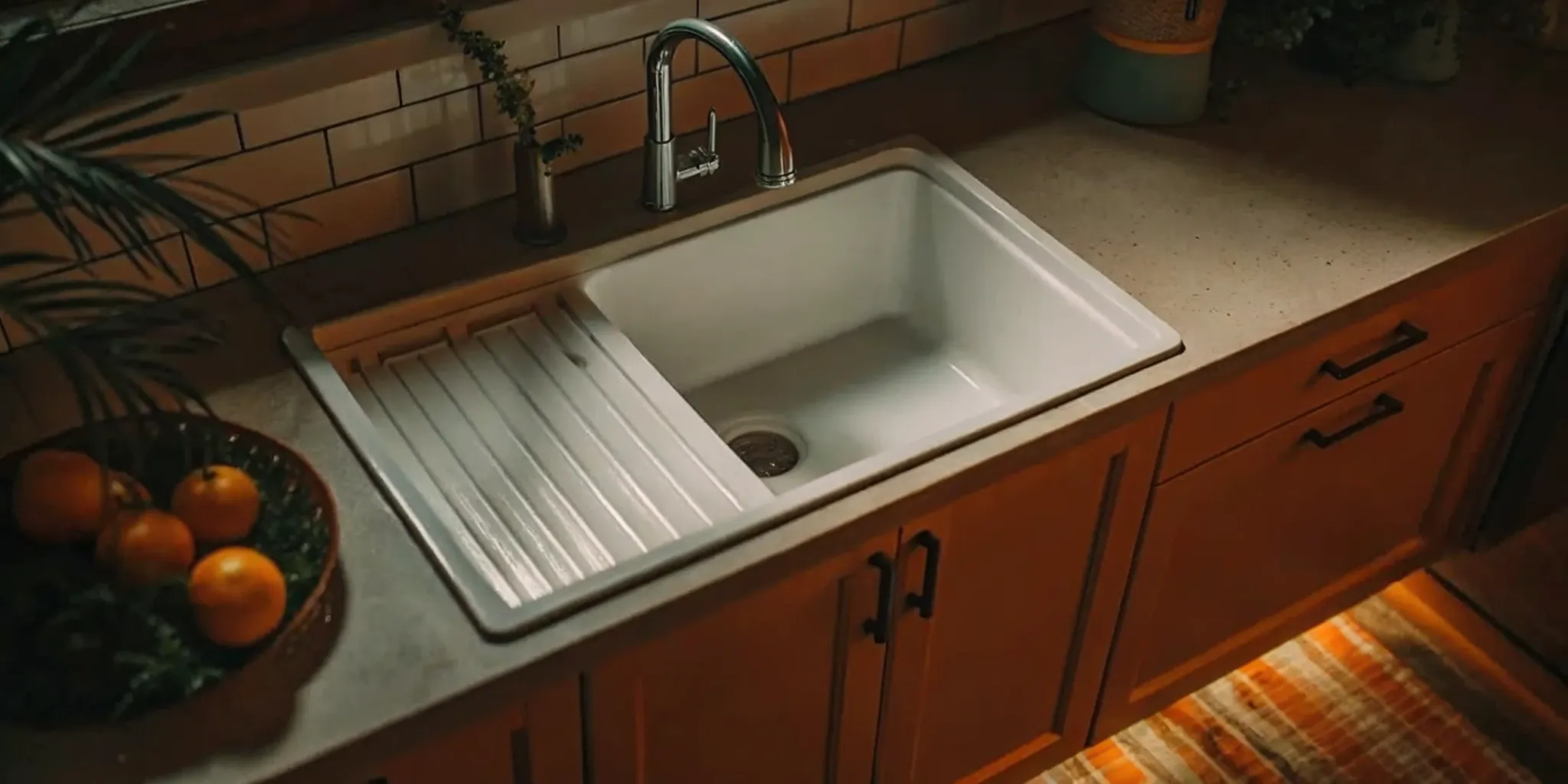
Fixtures are where your personal style really comes through, but they also come with a wide range of price points. A new toilet might cost between $375 and $500, while a new sink can run anywhere from $300 to over $4,000 depending on the style and material. Showers are often one of the biggest single expenses, with a new installation costing from $4,000 to $12,000.
Remember that these prices are just for the items themselves. The cost to install them can vary, especially if you decide to move plumbing lines. Relocating a toilet or a shower drain requires a lot more labor than simply swapping out an old fixture for a new one in the same spot, which will be reflected in your contractor's project estimate.
Flooring and Tile
Tile is the go-to choice for most bathrooms because it’s durable and waterproof, but the costs can add up quickly. A simple tile floor is one thing, but if you plan to tile the shower walls or add a decorative backsplash, your material and labor costs will increase. A good rule of thumb is to buy about 20% more tile than your measurements call for to account for cuts, breakage, and any mistakes.
A tiled walk-in shower is a popular upgrade, but it's a labor-intensive job that can cost between $3,170 and $9,220 on average. The type of tile you choose, the complexity of the design, and the amount of prep work needed will all influence the final price. Exploring different bathroom flooring options can help you find a material that fits both your style and your budget.
Cabinets and Storage
Storage is essential for a functional bathroom, and your vanity and cabinets can account for up to 25% of your total remodel budget. You have two main paths here: pre-made or custom. A pre-made vanity from a big-box store is the more budget-friendly route, typically costing between $400 and $2,500. These come in standard sizes and offer a good balance of style and affordability.
If you have a unique layout or specific design in mind, custom cabinetry might be the better fit. Custom vanities start at around $2,500 and go up from there, but they give you complete control over the size, material, finish, and hardware. This allows you to create a piece that perfectly suits your space and storage needs.
Countertops and Vanities
The countertop is the finishing touch for your vanity and can make a big impact on the room's overall look. On average, countertops make up about 6% of a bathroom remodel's cost. Durable and stylish materials like quartz and granite are popular choices because they stand up well to water and daily use while providing a high-end feel.
When selecting a countertop, think about how it pairs with your vanity, sink, and faucet. The material you choose will affect not only the price but also the maintenance required. For example, natural stone like marble is beautiful but needs to be sealed periodically, while quartz is non-porous and requires very little upkeep. A good countertop guide can help you weigh the pros and cons of each material.
What Should You Expect to Pay for Labor?
Beyond the shiny new fixtures and beautiful tile, a significant portion of your bathroom remodel budget will go toward labor. This is the cost for the skilled professionals who turn your design plans into a functional, beautiful space. Labor can account for anywhere from 40% to 60% of your total project cost, depending on the complexity of the job and where you live. This includes everyone from the general contractor who manages the project to the specialized tradespeople like plumbers, electricians, and tilers.
Understanding how labor costs are broken down is key to creating a realistic budget. The main costs come from your general contractor’s management fee and the hourly or project-based rates for individual trades. The scope of your project plays a huge role here. For example, simply replacing a toilet is a quick job for a plumber, but moving that toilet to a new location involves re-routing plumbing lines, which is a much bigger and more expensive task. Thinking through these details ahead of time will help you get a more accurate picture of your total labor expenses.
General Contractor Fees
Think of a general contractor (GC) as the conductor of your renovation orchestra. They are responsible for hiring and coordinating all the different specialists, from the plumber to the painter, ensuring everyone shows up on time and does their job correctly. For this project management expertise, a GC typically charges a fee of 10% to 20% of the total project cost. While it might be tempting to skip the GC to save money, their role is crucial for keeping the project on schedule and on budget. It’s essential to work with vetted professionals who are licensed and insured to protect your home and your investment.
Costs for Specialized Trades
The primary expenses in a bathroom remodel come from two places: materials and the labor to install them. Specialized tradespeople like plumbers, electricians, and tile setters have different rates that can vary based on your location and their level of experience. Plumbers and electricians often charge by the hour, and their involvement can increase significantly if you decide to move fixtures or add new lighting. Tilers may charge by the square foot. When you get an estimate from a contractor, it should include a detailed breakdown of these costs so you know exactly what you’re paying for.
How the Timeline Impacts Labor
The longer your remodel takes, the more it will cost in labor. While a good contractor will provide a projected timeline, unexpected issues can pop up and cause delays. During demolition, it’s not uncommon to find hidden problems like water damage, mold, or outdated wiring that needs to be addressed before the renovation can continue. These discoveries can add time and expense to your project. This is why it’s so important to have a contingency fund set aside. It gives you a financial cushion to handle unforeseen labor costs without having to compromise on other parts of your remodel.
How Can You Save Money on Your Bathroom Remodel?
A bathroom remodel is a significant investment, but that doesn't mean it has to drain your savings. With some strategic planning and smart decision-making, you can create a beautiful, functional space without overspending. It’s all about knowing where to splurge and where to save. By focusing on high-impact changes and being resourceful, you can manage your budget effectively and still achieve the bathroom of your dreams. Here are a few practical ways to keep costs in check.
Choose Materials Wisely
The materials you select play one of the biggest roles in your final bill. While custom or high-end materials are beautiful, they will make your project more expensive. You can get a luxurious look for less by exploring alternatives. For example, you can save a lot by choosing ceramic or porcelain tiles instead of marble, or by opting for a high-quality stock vanity instead of a custom-built one. The key is to find the right balance between cost, durability, and style. A Realm advisor can help you source materials that fit your aesthetic and your budget, ensuring you don’t have to compromise on quality.
Time Your Project for Savings
While you can’t always control when a pipe bursts, planning your remodel ahead of time can lead to significant savings. Rushing decisions often leads to costly mistakes or settling for materials that are readily available but more expensive. A crucial part of your financial timing is planning for the unexpected. Always set aside extra money for hidden problems, like water damage or old wiring, that might be discovered during demolition. This contingency fund, typically 10-20% of your total budget, prevents surprise issues from derailing your project or forcing you to take on last-minute debt.
Decide What to DIY
If you're handy, you can save on labor costs by tackling some tasks yourself. Simple jobs like painting, swapping out cabinet hardware, or installing a new faucet are great weekend projects for a confident DIYer. However, it’s important to be honest about your skill level. Leave the more complex and technical jobs to the professionals. Electrical wiring, moving plumbing lines, and intricate tile work are best handled by vetted contractors who can get the job done right. A botched DIY attempt can end up costing you more to fix than it would have to hire a pro in the first place.
Prioritize Essential Updates
Before you start picking out tile, take a moment to think about your goals. What is the main reason for this remodel? Decide what parts of your bathroom need the most attention and focus your budget there. If your vanity is falling apart but the tile is in good shape, prioritize replacing the vanity. It’s also important to consider how long you plan to stay in your home. If you might sell in the next few years, you’ll want to make updates that add real value. Focusing on functional improvements and timeless design choices will give you the best return on your investment.
What Questions Should You Ask a Potential Remodeler?
Finding the right remodeler is about more than just getting the lowest bid. You’re looking for a partner who will bring your vision to life, respect your home, and communicate clearly from start to finish. Asking smart questions before you sign a contract is the best way to vet potential contractors and ensure you’re making a confident choice. A good contractor will welcome your questions and provide clear, straightforward answers. This initial conversation sets the tone for the entire project.
Think of it as an interview for a very important job, because it is. You’ll want to cover their credentials, how they handle project estimates, and what their contracts and payment processes look like. Getting clarity on these key areas helps prevent misunderstandings, protects your investment, and ensures a smoother renovation experience. At Realm, we connect homeowners with a network of vetted professionals, but if you’re sourcing contractors on your own, these questions are your first line of defense against a renovation nightmare. A little due diligence now can save you a lot of stress down the road.
Verify Licensing and Insurance
This is the absolute first thing you should confirm. A licensed contractor has met your state’s requirements for knowledge and experience, while proper insurance protects you from liability if an accident happens on your property. Ask for a copy of their state contractor's license and proof of both general liability insurance and workers' compensation. Don’t just take their word for it; you can usually verify a license number online through your state’s licensing board. As the experts at Great Buildz advise, you should always "make sure your contractor is licensed and insured." This isn’t just a formality, it’s a crucial step in safeguarding your home and your finances.
Get a Detailed Written Estimate
A vague estimate is a red flag. Before you commit, you need a detailed, itemized bid that breaks down the entire project. This document should clearly outline the costs for materials, labor, permits, and any other expenses. It’s wise to get several estimates from different remodelers so you can compare them carefully. As Toulmin Cabinetry notes, "Don't just pick the cheapest one without understanding what's included." A lower bid might leave out key components or use lower-quality materials. A thorough estimate allows you to compare apples to apples and serves as a foundational document for your final contract, helping you avoid unexpected costs later.
Understand the Contract and Payments
Once you’ve chosen a remodeler, review the contract carefully before signing. It should include everything from the detailed estimate, plus a project timeline with start and end dates, a clear payment schedule, and a process for handling changes. Be wary of any contractor who asks for a large percentage of the total cost upfront. A typical payment schedule involves a reasonable deposit, followed by milestone payments as work is completed. The contract should also clarify who is responsible for pulling permits, as this can add to the cost. A clear contract protects both you and the contractor by setting firm expectations for the entire project.
How to Budget for Unexpected Costs
No matter how carefully you plan, every renovation project has the potential for surprises. Once demolition begins and walls are opened up, you might find issues you never knew existed. The key to handling these discoveries without derailing your project is to plan for them from the start. Building a buffer into your budget for unexpected costs isn't just a good idea; it's an essential step for a smooth and low-stress remodel.
An experienced general contractor or a dedicated renovation advisor can often help you anticipate potential problems based on your home's age and condition. They’ve seen it all before and can flag areas that might need a closer look. This foresight allows you to create a more realistic budget that accounts for both the beautiful new features you want and the necessary fixes you might need.
Common Hidden Problems
During a bathroom remodel, the most common surprises are hiding behind your walls and under your floors. Demolition can reveal years of hidden wear and tear that needs to be addressed before any new installation can begin. Some of the most frequent issues include outdated plumbing that isn't up to code, hidden water damage from slow leaks, mold growth in damp areas, and even structural problems with floor joists or wall studs. Faulty electrical wiring is another common discovery, especially in older homes. These problems must be fixed to ensure your new bathroom is safe, functional, and built to last.
Set Aside a Contingency Fund
Your best tool for managing unexpected costs is a contingency fund. This is a portion of your total budget, typically 10% to 20%, that you set aside specifically for unforeseen expenses. Think of it as a non-negotiable line item in your budget, not as leftover cash. If you uncover extensive water damage or need to rewire the entire room, you’ll dip into this fund to cover the costs without having to compromise on your design choices. Having this financial cushion provides peace of mind and ensures that a surprise discovery becomes a manageable task instead of a budget-breaking crisis.
Dealing with Water or Structural Damage
The most significant unexpected costs often come from the bathroom’s “wet area,” which includes the shower, bathtub, and surrounding plumbing. This part of the room is the most susceptible to water damage, and repairs can be expensive because they require specialized materials and labor for proper waterproofing. If your contractor finds rotted subfloors or damaged wall studs, these structural elements must be replaced before tiling can begin. Similarly, deciding to change the bathroom’s layout by moving a toilet or shower could require extensive plumbing and electrical work, which may also trigger the need for new permits and inspections, adding to your overall cost.
Common Mistakes to Avoid When Hiring a Remodeler
Hiring the right remodeler is one of the most important decisions you'll make for your bathroom project. This person and their team will be in your home for weeks, so the relationship matters just as much as their skill set. The right partner can make the process smooth and exciting, while the wrong one can lead to budget overruns, delays, and a lot of headaches. It’s about more than just finding someone who can do the work; it’s about finding a professional you can trust to bring your vision to life.
Many homeowners, especially first-timers, fall into a few common traps during the hiring process. The good news is that these mistakes are completely avoidable with a little bit of foresight and due diligence. Taking the time to properly vet your options, understand your contract, and plan for the unexpected will set you up for a successful renovation. Think of it as an investment in your peace of mind. At Realm, we help you find the right professionals for your project, connecting you with a network of vetted general contractors to help you sidestep these issues from the very beginning.
Choosing Based on Price Alone
It’s tempting to jump on the lowest bid you receive, but this is often a red flag. An unusually low price can signal a few things: the contractor might be using cheaper materials, cutting corners on labor, or planning to add costs later on. A quality remodel requires skilled labor and durable materials, which come at a fair price. Instead of focusing only on the final number, compare detailed estimates side-by-side. A good bid will break down the costs for materials, labor, and permits, so you know exactly what you’re paying for. Always confirm your contractor is licensed and insured before signing anything.
Skipping Reference Checks
A contractor’s portfolio and website will always show their best work. To get the full picture, you need to hear from their past clients. Don’t just rely on written testimonials; ask for a list of recent references and actually call them. Ask about their experience with communication, timeliness, and how the contractor handled challenges that came up. Were they happy with the final result? Did the project stay on budget? Checking online reviews on multiple platforms can also provide valuable insight. This step takes a little extra time, but it’s the best way to gauge a remodeler’s professionalism and the quality of their work.
Not Planning for Delays
Even with the most organized contractor, renovation projects can face delays. Materials can be back-ordered, a specialist might get sick, or unexpected issues can pop up once the walls are opened. It’s wise to build a buffer into your timeline from the start. Talk to your contractor about potential hold-ups they foresee and how they typically handle them. Having a flexible mindset and a backup plan, especially if it’s your only full bathroom, will make the process much less stressful. A good contractor will be transparent about the schedule and keep you updated every step of the way.
Forgetting Hidden Costs
The initial quote you receive covers the planned work, but renovations often uncover surprises. The most common hidden costs come from issues discovered during demolition, like old water damage, mold, or outdated electrical wiring that needs to be brought up to code. These problems must be addressed before the new work can begin, which adds to your material and labor costs. This is why having a contingency fund is so important. Plan to set aside an extra 10% to 20% of your total budget to cover these unforeseen expenses without derailing your project.
How to Find a Reliable Bathroom Remodeler
Finding the right remodeler is the most critical step in your renovation journey. A great contractor brings your vision to life, manages the project smoothly, and communicates clearly. A less-than-great one can lead to budget overruns, delays, and a lot of stress. Taking the time to properly vet your options will pay off in the long run, ensuring you have a partner you can trust to handle one of the most important spaces in your home.
Research and Vet Your Options
Before you start collecting quotes, do some initial homework. Look for contractors who specialize in bathrooms and have a portfolio that aligns with your style. As you browse their past projects, think about your own goals. If you plan to sell in a few years, you’ll want to ensure the remodel adds real value to your home. This is also a good time to check for basic credentials. A quick search on your state’s contractor licensing board website can confirm they are licensed and in good standing. This initial screening helps you create a shortlist of qualified professionals, saving you time and preventing headaches later.
Get Multiple Quotes
Aim to get at least three detailed quotes from different remodelers. When you review them, don't just look at the final number. A reliable contractor will provide an itemized bid that breaks down the costs for labor, materials, permits, and other expenses. This transparency allows you to compare offers accurately and understand exactly what you’re paying for. It’s also essential to confirm that each contractor is fully licensed and insured before you even consider their bid. Choosing the cheapest option without understanding the details can often lead to surprise costs or lower-quality work down the road.
Check Reviews and References
Online reviews are a great starting point, but it’s important to dig deeper. Look at reviews on third-party sites to get a more balanced view of a contractor’s reputation. Once you have a top contender, ask for a list of recent references and actually call them. Ask specific questions about their experience: Did the project stay on budget? Was it completed on time? How did the team handle communication and any unexpected issues that came up? Speaking directly with past clients gives you insight into the contractor’s work ethic and professionalism that you can’t find anywhere else.
Work with a Renovation Partner
If vetting contractors feels overwhelming, you don’t have to do it alone. Working with a renovation partner can simplify the entire process. At Realm, we connect homeowners with our network of thoroughly vetted, high-quality contractors who are right for your specific project. Your dedicated Realm Advisor will help you gather and compare detailed bids, ensuring you understand all the costs involved. This approach gives you the peace of mind that you’re hiring a trusted professional, with expert guidance every step of the way. It’s like having a renovation expert on your side from start to finish.
Related Articles
- How to Estimate a Bathroom Remodel: A Full Breakdown
- How to Estimate Bathroom Remodel Cost Accurately
- How Much Does A Bathroom Renovation Cost?
- Bathroom Remodel Estimate Sample: A Cost Breakdown
Frequently Asked Questions
Why is there such a huge price range for a bathroom remodel? The final cost of a bathroom remodel is a collection of your individual choices. A simple cosmetic update using standard materials will always be more affordable than a full renovation involving custom tile and high-end fixtures. The two biggest factors are the quality of materials you select and whether you change the bathroom's existing layout. Moving plumbing or electrical lines is a complex job that significantly increases labor costs, pushing your project toward the higher end of the price spectrum.
What's the most expensive decision I can make during my remodel? Changing the layout is almost always the most expensive choice you can make. While moving a toilet a few feet or swapping your tub and shower locations might seem simple, it requires extensive work from plumbers and electricians to re-route pipes and wiring behind your walls and under your floor. If you want to keep your budget in check, the most effective strategy is to keep your fixtures in their current locations.
Do I really need a 20% contingency fund? Yes, absolutely. Think of a contingency fund as your project's built-in insurance policy. No one can see through walls, and it’s common to find surprises like hidden water damage, mold, or outdated wiring once demolition starts. These issues must be fixed before your remodel can continue. Having that 10% to 20% buffer set aside ensures that an unexpected problem is a manageable task, not a financial crisis that forces you to compromise on your design.
Can I save money by managing the project myself instead of hiring a general contractor? While it might seem like a way to cut costs, acting as your own general contractor can be risky if you don't have experience. A GC’s job is to coordinate all the different specialists, from the plumber to the tiler, making sure the project stays on schedule and meets building codes. Without that expertise, you could face costly delays and mistakes. A better way to save is to handle simple tasks you're confident with, like painting, and leave the project management to a vetted professional.
Besides price, what's the most important thing to look for in a contractor? Clear communication is just as important as a fair price. You need a professional who listens to your vision, answers your questions clearly, and keeps you updated on progress and potential issues. Before hiring, always check their license and insurance, and call their recent references to ask about the client's experience. A great remodeler will have a history of happy clients who felt respected and informed throughout the entire process.