How to Vet San Francisco Seismic Retrofit Contractors
Find out how to choose reliable San Francisco seismic retrofit contractors with tips on licensing, experience, references, and local building code expertise.
|
April 27, 2026

In this article:
Many of San Francisco's beautiful older homes were built long before modern seismic codes were established, leaving them particularly vulnerable to earthquake damage. If you own one of these classic properties, retrofitting isn't just a good idea; it's an essential step to preserve its structure for generations to come. From soft-story buildings to homes with unbraced cripple walls, each property has unique needs that require a specialist's eye. This is where experienced San Francisco seismic retrofit contractors come in. They have the specific skills to strengthen your home while respecting its original character. This guide will help you understand the process, from initial assessment to final inspection.
Key Takeaways
- Prioritize Foundational Upgrades: The most critical retrofitting work for many older homes involves bolting the house to its foundation and bracing the cripple walls. These two steps are fundamental for preventing catastrophic damage during an earthquake.
- Hire a Vetted Seismic Specialist: Your contractor's qualifications are non-negotiable. Confirm they have a valid state license, carry full insurance, and have proven experience with San Francisco's specific seismic building codes and permit process.
- Use Financial Programs to Offset Costs: A standard residential retrofit is more affordable than you might think, often costing between $3,000 and $7,000. You can reduce this cost further by applying for grants from programs like California's Earthquake Brace + Bolt (EBB).
What is a Seismic Retrofit Contractor and Why Do You Need One?
If you live in the Bay Area, you know that earthquakes are a part of life. But knowing that doesn't make the thought of one any less unsettling, especially when you think about your home. That's where a seismic retrofit contractor comes in. This isn't your average general contractor; they are specialists with the specific skills needed to make your home more resilient against seismic activity. Hiring the right professional is crucial for protecting your biggest investment and, more importantly, your family. Let's break down what seismic retrofitting actually is and why it's so critical for San Francisco homeowners.
What is Seismic Retrofitting?
Think of seismic retrofitting as a structural upgrade for your home's earthquake readiness. It’s the process of strengthening an existing building to help it better resist the violent shaking that happens during an earthquake. For many homes, this involves physically bolting the house to its concrete foundation and bracing the "cripple walls," which are the short walls between the foundation and the first floor. The goal is to prevent the house from sliding off its foundation, a common and catastrophic type of damage. A customized renovation plan can help you identify if your home needs these essential upgrades to keep it secure.
San Francisco's Earthquake Risk
Living in San Francisco means living with a very real earthquake risk. According to the U.S. Geological Survey, there's a high probability of a major earthquake hitting the Bay Area. The HayWired earthquake scenario details the potential impacts of a major event on the Hayward Fault, giving a clear picture of what's at stake. Many of the city's beautiful, older homes, particularly those built before 1980, were constructed before modern seismic codes were in place, leaving them vulnerable. Retrofitting isn't just about meeting a building requirement; it's one of the most important steps you can take to protect your home from serious damage and gain invaluable peace of mind.
What Services Do Seismic Retrofit Contractors Offer?
Seismic retrofit contractors aren’t just general builders; they are specialists focused on strengthening your home to withstand an earthquake. Their work involves a specific set of services designed to address the unique structural vulnerabilities of your property. Think of them as doctors for your home’s foundation and frame, diagnosing weak spots and prescribing the right treatments to keep it standing strong.
Understanding the services they offer is the first step in finding the right professional for your project. A qualified contractor will typically start with a thorough assessment to see what your home needs and then recommend a combination of solutions. These services range from securing the foundation to reinforcing entire floors, each playing a critical role in your home’s overall seismic safety. Let’s look at the most common services you’ll encounter.
Foundation Bolting and Cripple Wall Bracing
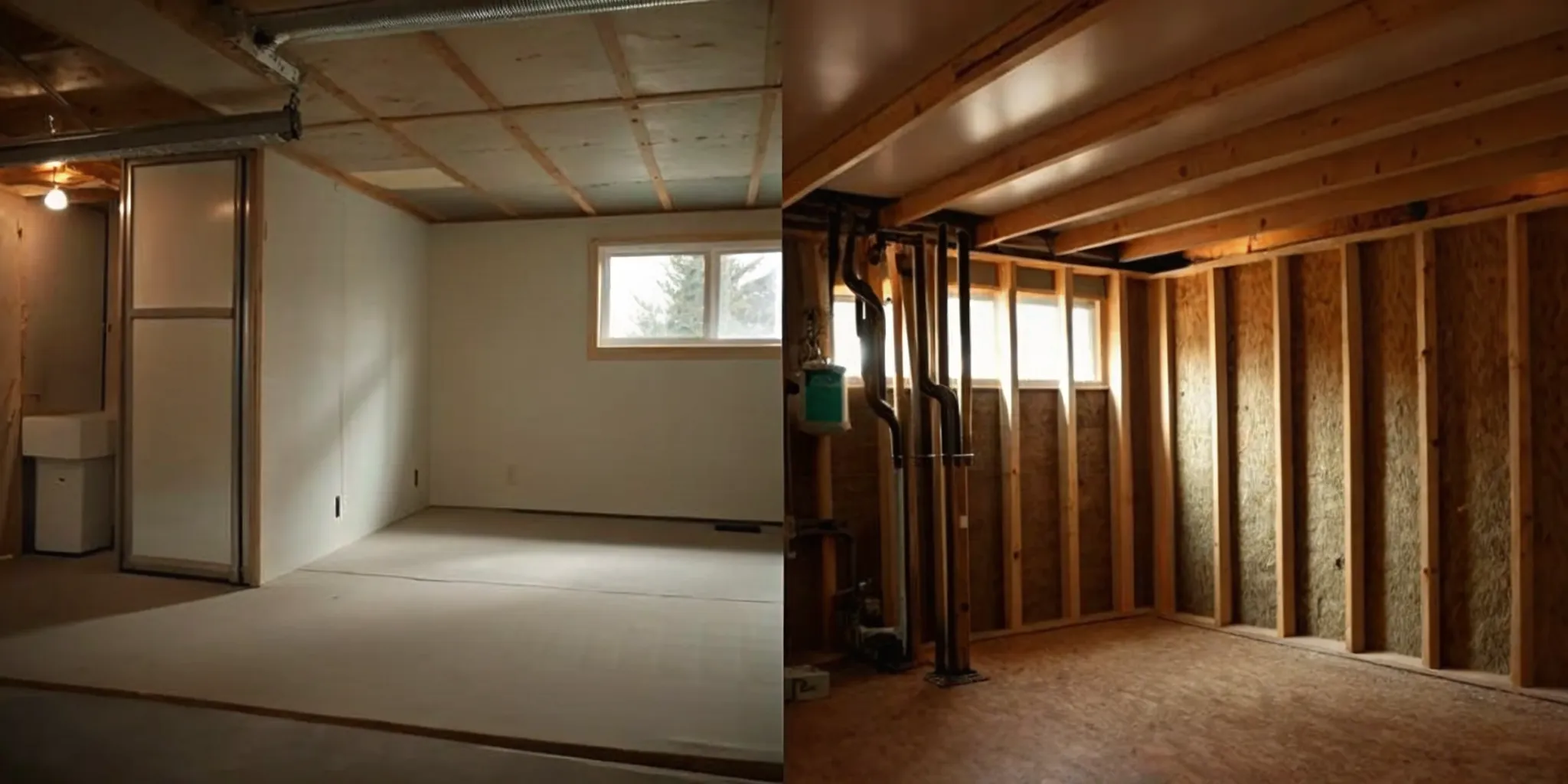
One of the most common and effective retrofitting techniques is foundation bolting. This process involves anchoring your house to its concrete foundation to prevent it from sliding off during an earthquake. It’s a fundamental step for many older homes. If your house has a crawl space, you might also need cripple wall bracing. Cripple walls are the short, wood-framed walls between the top of the foundation and the first floor. Bracing these walls with plywood sheathing adds significant strength and stability, preventing them from collapsing under the side-to-side shaking of a quake. Because this is such a critical part of your home’s structure, it’s essential to hire a contractor who specializes in foundation work.
Soft Story Retrofitting
You’ve likely seen "soft story" buildings around San Francisco. They are typically multi-unit apartment buildings with large, open spaces on the ground floor for garages or retail. These open areas create a structural weakness, or a "soft story," that is vulnerable to collapse during an earthquake. Soft story retrofitting involves strengthening this weak ground floor, usually by installing new steel frames or reinforced walls. Due to the high risk, San Francisco has a mandatory retrofit program for these types of buildings. If you own or live in a multi-unit, wood-frame building constructed before 1978, this service is not just a good idea; it’s often a legal requirement.
Crawl Space and Seismic Bracing
Similar to cripple wall bracing, reinforcing your crawl space is another key service. The goal here is to strengthen the foundation and walls of the crawl space to stop your home from shifting during seismic activity. A licensed contractor will know exactly how to implement the right bracing techniques to meet local building codes and regulations. They will assess the existing structure and add the necessary hardware and reinforcements to create a more rigid and resilient support system for the entire house. This service is crucial for ensuring your home acts as a single, solid unit when the ground starts to shake, which can dramatically reduce potential damage.
Structural Assessments and Engineering
Before any drilling or bracing begins, the most important service a seismic retrofit contractor offers is a professional evaluation. A thorough structural assessment is the critical first step to identify your home’s specific vulnerabilities. A qualified engineer or contractor will inspect your property to determine the scope of work required. They’ll look at your foundation, framing, and any unique architectural features that could pose a risk. This assessment forms the basis for a customized retrofitting plan, ensuring that the proposed solutions are tailored directly to your home’s needs and will provide the most effective protection.
How to Choose the Right Seismic Retrofit Contractor
Finding the right person for a seismic retrofit is a big deal, especially when it comes to the structural safety of your home. This isn't like picking out paint colors; the contractor you choose will be responsible for reinforcing your home against an earthquake. It’s a decision that requires careful thought and a bit of homework. A great contractor not only does the work correctly but also makes the entire process feel manageable.
To find a professional you can trust, you’ll want to look at a few key areas: their official qualifications, their specific experience with San Francisco’s building codes, how they communicate, and what their past clients have to say. Taking the time to vet your options thoroughly will give you peace of mind that your home is in capable hands. Let’s walk through exactly what to look for.
Check Their Licensing and Insurance
First things first, any contractor you consider must be properly licensed and insured. This is the baseline for a legitimate professional. It’s imperative that you hire a competent and experienced contractor who specializes in foundation work to handle your retrofit. A valid license from the California Contractors State License Board (CSLB) shows they’ve met state requirements for their trade.
Beyond licensing, confirm they carry both general liability insurance and workers' compensation. General liability protects your property from damage, while workers' comp covers their crew in case of injury on the job, so you aren't held responsible. Ask for proof of insurance and don't hesitate to verify it with the insurance provider. This step protects you, your home, and the workers involved.
Verify Their Experience with SF Building Codes
San Francisco has some of the most specific seismic safety codes in the country, and for good reason. You need a contractor who knows these rules inside and out. As local building experts note, San Francisco's building code includes a "more detailed set of seismic upgrade requirements" that can be triggered depending on your project's scope. A general contractor might not have the specialized knowledge required.
Ask potential contractors directly about their experience with the San Francisco Department of Building Inspection and projects similar to yours. Have they worked on homes in your neighborhood? Are they familiar with the Mandatory Soft Story Program? A contractor with a portfolio of successful retrofits in the city will be much better equipped to handle the permitting, inspections, and unique structural challenges of your home.
Assess Their Communication and Support
A seismic retrofit is a major construction project, and you deserve to be kept in the loop. The technical side is important, but so is having a contractor who communicates clearly and respectfully. You’ll want the "guidance and supervision of experienced and knowledgeable retrofit professionals" throughout the process. Before you sign anything, get a feel for their communication style.
Are they responsive to your calls and emails? Do they explain the scope of work in a way you can understand? Ask who your primary point of contact will be and how they handle unexpected issues or changes. A great contractor will set clear expectations for timelines and updates, ensuring you feel supported and informed from start to finish. This is where a platform like Realm can be invaluable, as we ensure you have a dedicated advisor every step of the way.
Ask for References and Read Reviews
The best way to predict a contractor's performance is to look at their track record. Don't just rely on their website's testimonials. Ask for a list of three to five recent clients whose projects were similar to yours, and then actually call them. Ask these references if the project was completed on budget, how the contractor handled challenges, and if they were happy with the final result.
You should also check online reviews on sites like Yelp or Google. Look for detailed feedback that tells a complete story, not just a star rating. While a single negative review isn't necessarily a deal-breaker, a pattern of complaints about communication, delays, or quality is a major red flag. A contractor with a history of satisfied clients is more likely to deliver the quality work your home deserves.
How Much Does Seismic Retrofitting Cost in San Francisco?
Let's talk numbers. Understanding the cost of a seismic retrofit is a major step in planning your project. While it’s a significant investment, it’s one of the most important you can make for your home’s safety and your family’s peace of mind. The final price tag can vary quite a bit depending on your home's specific needs, but getting a handle on the typical range will help you budget effectively.
For most single-family homes in San Francisco, the cost is more manageable than you might think. The key is to get a detailed quote from a qualified contractor who can assess your property’s unique structure. They will identify the specific vulnerabilities and outline the most effective solutions, from foundation bolting to cripple wall bracing. This initial assessment is crucial for understanding the scope of work and the associated costs. Remember, this project not only protects your home but also adds to its long-term value, making it a sound financial decision in an earthquake-prone area like the Bay Area.
A Breakdown of Residential Retrofit Costs
If you're wondering how much an earthquake retrofit costs for a typical San Francisco home, the good news is that it's often quite affordable. For a house with a raised foundation, the cost to complete a seismic retrofit generally falls between $3,000 and $7,000. This type of project usually involves bolting the house to its foundation and bracing the cripple walls in the crawl space, which are the most common weak points in older homes. This straightforward but critical work prevents the house from sliding off its foundation during an earthquake. Getting a professional assessment will give you a precise quote tailored to your home’s specific structure and needs.
Factors That Influence the Final Price
Several key factors can influence your final bill. The average earthquake retrofit cost can shift based on your home's size, age, and foundation type. A larger home or one with a more complex layout will naturally require more materials and labor. The accessibility of your crawl space also plays a role; a cramped or difficult-to-access area can increase labor costs. Additionally, if your home has unique structural issues or requires custom engineering plans, the price will be higher. Finally, the contractor you choose will have their own pricing structure, which is why it’s so important to get multiple detailed quotes before making a decision.
Costs for Commercial and Multi-Family Properties
Retrofitting commercial or multi-family properties, especially those with soft stories (like buildings with parking on the ground floor), is a much larger undertaking. These projects are more complex and significantly more expensive than residential retrofits. Costs can range from $60,000 to well over $250,000, depending on the building's size, the number of units, and the extent of structural work required. Companies specializing in these projects, like Optimum Seismic, often handle everything from engineering to construction. Because these retrofits are frequently mandated by city programs, getting a custom assessment and quote from an experienced contractor is the only way to determine the true cost.
Local Regulations for Seismic Retrofitting
San Francisco has some of the most proactive seismic safety laws in the country. This is great for protecting residents and properties, but it also means homeowners need to be aware of specific local rules when planning a retrofit. Navigating building codes can feel complicated, but understanding the key requirements is the first step toward a smooth and compliant project.
The city’s regulations are designed to ensure that buildings, especially older ones, can better withstand an earthquake. These rules often depend on your building’s age, size, and construction type, as well as the scope of any planned renovations. Working with a contractor who is an expert in San Francisco’s unique building codes is essential for making sure your project is done right. They will help you secure the necessary permits, pass inspections, and meet all legal requirements, giving you peace of mind that your home is not only safer but also fully compliant.
San Francisco's Mandatory Soft Story Program
If you own or live in a multi-unit building, you may have heard of the city’s soft story program. A "soft story" building typically has a ground floor with large, open spaces for things like parking garages or retail windows, with housing units above. These open areas can lack the structural support needed during an earthquake.
To address this vulnerability, the city created the Mandatory Soft Story Program. This law applies to wood-frame buildings with five or more residential units, at least two stories over a soft story, and a construction permit dating before 1978. The program required owners of these buildings to complete seismic retrofits to strengthen the ground floor and prevent collapse. While the compliance deadlines have passed, the program highlights the city’s focus on retrofitting its most at-risk structures.
The Permit and Inspection Process
Any seismic retrofit project in San Francisco requires a permit from the Department of Building Inspection. This isn't just a piece of paper; it's a process that ensures the work is designed and executed according to current safety standards. Your contractor will typically handle the permit application, which includes submitting detailed engineering plans for review.
Once the permit is issued, the work can begin. Throughout the project, a city inspector will visit the site at key milestones to verify that the retrofitting meets the approved plans and code requirements. This oversight is crucial for your safety and for the official record of your property. A reputable contractor will be familiar with the entire permit and inspection process, coordinating with inspectors to keep your project on track and ensuring everything is signed off on correctly upon completion.
Important Deadlines and Code Requirements
Beyond mandatory programs, San Francisco’s building code has another important rule: significant renovations can trigger the need for seismic upgrades. This means that even if you’re just planning a major kitchen remodel or an addition, you might also be required to complete structural improvements at the same time. The specific requirements depend on the scope and cost of your renovation.
This is why it’s so important to consult with a professional early in your planning process. A structural engineer or an experienced retrofit contractor can assess your property and your renovation plans to determine what seismic work will be required by the city. Understanding these obligations upfront helps you create a realistic budget and timeline, avoiding unexpected costs and delays down the road. It ensures your renovation not only enhances your home's look and function but also its structural safety.
Are There Financial Assistance Programs for Retrofitting?
The cost of a seismic retrofit is a significant consideration for any homeowner, but it’s an investment in your home’s safety and your family’s peace of mind. The good news is you don’t have to bear the full financial weight on your own. California offers several financial assistance programs designed to make seismic retrofitting more accessible and affordable for homeowners in high-risk areas like San Francisco. These programs can help offset the cost of essential upgrades, making it easier to protect your property before the next earthquake strikes. Taking advantage of these grants and incentives is a smart way to manage the expense while securing your home.
The Earthquake Brace + Bolt (EBB) Program
One of the most well-known programs is Earthquake Brace + Bolt (EBB). This program offers grants to help California homeowners pay for specific retrofitting work. The focus is on bolting houses to their foundations and bracing the cripple walls in your crawl space. These two actions are critical for preventing your home from sliding or toppling off its foundation during an earthquake, which can cause catastrophic damage. The EBB program provides direct financial support to eligible homeowners, making these essential safety upgrades much more attainable. It’s a fantastic resource for tackling the foundational work that keeps your home secure.
California Residential Mitigation Program (CRMP)
The Earthquake Brace + Bolt program is part of the larger California Residential Mitigation Program (CRMP). The CRMP’s goal is to help Californians strengthen their homes against earthquake damage. Through the EBB program, CRMP provides grants of up to $3,000 to eligible homeowners located in high-risk ZIP codes. Because the funds are targeted, the program ensures that resources go to the homes that need them most. By helping homeowners finance these crucial retrofits, the CRMP plays a vital role in creating more resilient communities across the state, one house at a time.
Local Incentives and Insurance Discounts
Beyond state-level grants, it’s always a good idea to look into local incentives and potential discounts from your homeowner's insurance provider. Some cities or counties may offer their own programs or rebates for seismic safety improvements. Furthermore, many insurance companies recognize a retrofitted home as a lower risk and may offer reduced premiums. It’s worth a call to your insurance agent to see what discounts are available. At Realm, our dedicated advisors can help you identify all the financial assistance options available for your project, ensuring you don’t leave any money on the table.
Red Flags to Watch For When Hiring a Contractor
Choosing the right contractor is the most important decision you'll make for your seismic retrofit project. While most professionals are honest and hardworking, it's wise to know the warning signs of a less-than-reputable operator. Trusting your gut is a good start, but being armed with specific knowledge will help you protect your investment and your home.
Think of this process like a job interview where you are the hiring manager. You want to find someone who is not only skilled but also reliable, transparent, and a good communicator. A contractor who pressures you, avoids answering direct questions, or seems disorganized from the start is likely to cause headaches down the road. Paying attention to these details early on can save you from a renovation nightmare. At Realm, we help homeowners connect with vetted professionals, but knowing these red flags yourself is an invaluable skill for any project.
Warning Signs of an Unreliable Contractor
A major red flag is a contractor who can't provide proof of a valid license and insurance. You should always verify a contractor's license with the California State License Board. Also, be wary of anyone who asks for a large cash deposit upfront. California law limits down payments to 10% of the total project cost or $1,000, whichever is less. Anyone asking for more is breaking the law. Another warning sign is an unusually low bid. While it might seem tempting, it often means the contractor is cutting corners on materials, using unskilled labor, or plans to add unexpected charges later. A vague contract that lacks a detailed scope of work, a payment schedule, or a project timeline is also a cause for concern.
Essential Questions to Ask Before Signing a Contract
Before you sign anything, have a list of questions ready. Start by asking for a list of recent, local references for projects similar to yours, and be sure to call them. Ask about their experience with the San Francisco building codes and the permit process, as a good contractor will handle this for you. Inquire about who will be your main point of contact and who will be on-site supervising the work each day. It’s also important to understand their process for change orders, which are additions or changes to the original plan. A clear, written procedure for changes can prevent misunderstandings about costs and timelines. Finally, ask for a detailed, itemized bid so you can see exactly what you’re paying for.
How to Start Your Seismic Retrofit Project
Taking on a seismic retrofit can feel like a huge undertaking, but breaking it down into clear steps makes it manageable. The key is to start with a solid plan and find the right team to bring it to life. From the initial assessment to the final inspection, having a clear roadmap will help you feel confident and in control of your project. Here’s how you can get started on the right foot.
Your First Steps: Assessment and Planning
Your first move is to get a professional assessment. A structural engineer or a specialized seismic retrofit contractor can inspect your home to identify its specific vulnerabilities. They’ll look at your foundation, cripple walls, and overall structure to determine what needs to be done. It's crucial to hire someone with proven experience in foundation work; this isn't a job for a general handyman. You'll also need to understand San Francisco's local building codes, which have detailed seismic upgrade requirements. A good partner can help you create a customized plan that meets all local regulations and sets the foundation for a successful project.
Working with Your Contractor from Start to Finish
Once you’ve chosen a contractor, think of the project as a partnership. A seismic retrofit isn't something you should attempt without professional guidance from start to finish. Stay involved and ask questions. For example, you can ask your contractor about the standards they follow, like California’s "Appendix Chapter A3" or the Bay Area’s "Standard Plan A." This shows you’re an engaged homeowner and helps ensure the work meets the highest safety standards. Having expert guidance and clear communication with your contractor is essential for keeping the project on track and ensuring there are no surprises along the way.
Related Articles
- Find a General Contractor Bay Area: The Complete Guide
- How to Hire Licensed Bathroom Contractors in California
- Do I Need a Permit to Remodel My Kitchen?
- What's a Realistic Oakland Bathroom Renovation Timeline?
Frequently Asked Questions
How long does a typical seismic retrofit project take? For a standard single-family home, the actual construction for a seismic retrofit is surprisingly quick. Most foundation bolting and cripple wall bracing projects can be completed in just a few days. The entire process, including the initial assessment, engineering plans, and city permits, will take longer, but the disruption to your home is usually minimal. More complex projects, like a soft story retrofit, will naturally have a longer timeline.
Do I need to move out of my home during the retrofitting process? In most cases, no. The majority of seismic retrofit work, like foundation bolting and bracing, happens in the crawl space or basement. This means the construction crew has very little, if any, need to enter your main living areas. You can typically go about your daily life without much interruption. Your contractor will confirm the specifics, but for the average residential project, you can stay put.
My house isn't that old. Does it still need to be retrofitted? While it's true that homes built after modern seismic codes were adopted (around 1980) are generally more resilient, it's not a guarantee of safety. Building practices, soil conditions, and the home's specific design can all create vulnerabilities. The only way to know for sure if your home could benefit from strengthening is to have a professional structural assessment. It’s a small step that provides invaluable clarity about your home's readiness.
Will a seismic retrofit lower my homeowner's insurance premium? It very well could. Many insurance companies offer discounts for homes that have been professionally retrofitted because the work significantly reduces the risk of catastrophic damage. After your project is complete, you should receive documentation from your contractor. Contact your insurance agent with this paperwork to see what kind of premium reduction you qualify for.
What happens if my contractor finds other structural problems during the retrofit? This is a valid concern, and it highlights why a thorough initial assessment is so important. A qualified contractor will do their best to identify all potential issues upfront. However, if an unexpected problem is discovered, a professional will stop work, explain the issue to you clearly, and provide a written "change order" that details the extra work and any associated costs. This process should be outlined in your initial contract, ensuring you have full control over the project's scope and budget.