700 Sqft Home Addition Cost — Real Data From 124 Projects
Data from 124 real Realm projects on 700 sq ft detached ADUs, garage conversions, primary suites, and more, with median costs and honest perspective from the field.
|
March 4, 2026
In this article:
Seven hundred square feet earned its position as California's most-built detached ADU size the same way any standard gets established: homeowners, contractors, and permitting departments all arrived at it independently and found that it worked. A two-bedroom, one-bath layout at this footprint is not a tight configuration that requires a skilled designer to pull off. It's the default. Both bedrooms fit a king bed with clearance on both sides. The kitchen has a pantry and island seating. The living area has room for a sectional. None of those elements is making room for another.
Based on 124 closed Realm projects, the median cost is $275,000 and the average is $319,618. The spread is moderate and consistent with neighboring size brackets, reflecting that at 700 square feet the project scope across nearly every category is substantial enough that the cost floor is meaningfully higher than at smaller sizes.
Key Takeaways
- 700 square feet is California's most-built detached ADU size, hitting the point where unit capability, tenant appeal, and permitting accessibility all line up without any of them requiring a trade-off.
- The median project cost is $275,000, with an average of $319,618. The moderate spread reflects consistent project substance across types at this size.
- 124 projects give this dataset strong statistical grounding, making the benchmarks here among the most reliable in the series for early-stage planning.
- A two-bedroom, one-bath layout is the standard configuration at this size, appearing across detached ADUs, garage conversions, basement conversions, and above-garage builds simultaneously.
- The garage conversion ceiling applies here. At 700 square feet, a two-car garage conversion is at or near the upper limit of what's achievable within the original footprint. Above 800 square feet, extending beyond the original structure almost always becomes necessary.
- The JADU category at 700 square feet reflects multi-scope projects, not standalone JADUs. California's 500 sq ft cap means any project at this size involving JADU work is part of a larger combined scope.
- A second-story addition at 700 square feet delivers a complete upper floor with two bedrooms and one or two baths, which is the most commonly built second-story scope in Realm's data.
The Size That Became California's Standard for a Reason
Seven hundred square feet is approximately 20 by 35, or a more balanced 25 by 28. The most useful reference point is a two-bedroom apartment in a newer residential building that felt genuinely spacious when you toured it, not efficiently arranged but actually roomy. That's 700 square feet when it's been designed with purpose. Both bedrooms fit normal furniture normally. The kitchen has real counter space and a pantry. The living area doesn't negotiate with the dining table.
That combination, every function having enough space to function as itself rather than borrowing from another, is precisely what California's rental market has converged on as the right ADU target. Tenants who have a choice between a 500 sq ft two-bedroom and a 700 sq ft two-bedroom at similar rent will choose the 700. Tenants who can afford both will stay in the 700 longer. That dynamic is what makes this size the most-built detached ADU footprint in the state.
Walk the Footprint Before Any Other Planning Step
Mark out a 25 by 28 rectangle somewhere you can physically be inside it before any design conversations begin. The purpose is calibration, not measurement. Stand at one end and look toward the other. Picture two bedrooms at opposite ends of a central hallway with a bathroom between them, a full kitchen with an island, and a living area near the entrance with sliding glass doors to a small deck. At 700 square feet, none of those elements is squeezed. The exercise consistently produces a more grounded understanding of the space than any amount of floor plan study, because it replaces an abstraction with a physical memory.
How Eleven Project Types Land at This Size
Realm's 124 projects span eleven categories: detached ADUs, garage conversions, kitchen expansions, primary suite additions, above-garage ADUs, bedroom additions, basement ADUs, living space additions, full home additions, second-story additions, and JADU-related multi-scope projects. The volume and breadth of the dataset at this size give the cost benchmarks more statistical weight than most size brackets below 1,000 square feet, and the variety of project types reflects how broadly useful this footprint is across different homeowner objectives. Learn how Realm helps homeowners narrow those eleven options to the right one for their specific situation.
124 Projects, Eleven Categories: A Map of What Gets Built
The most frequently built projects are detached ADUs, garage conversion ADUs, and kitchen expansions, followed by primary suite additions, above-garage ADUs, and bedroom additions. After those come basement ADUs, living space additions, full home additions, second-story additions, and JADU-related multi-scope projects.
The continued dominance of ADU categories at 700 square feet reflects a consistent pattern across the dataset: as the footprint grows, the case for a complete, standalone living unit becomes clearer, and more homeowners build one. At 700 square feet, a detached ADU is not just viable; it is the most common project type in the data by a meaningful margin.
Inside Each Project Type: Layouts, Numbers, and Honest Trade-Offs
Detached ADU: The Two-Bedroom Configuration That Defines This Size
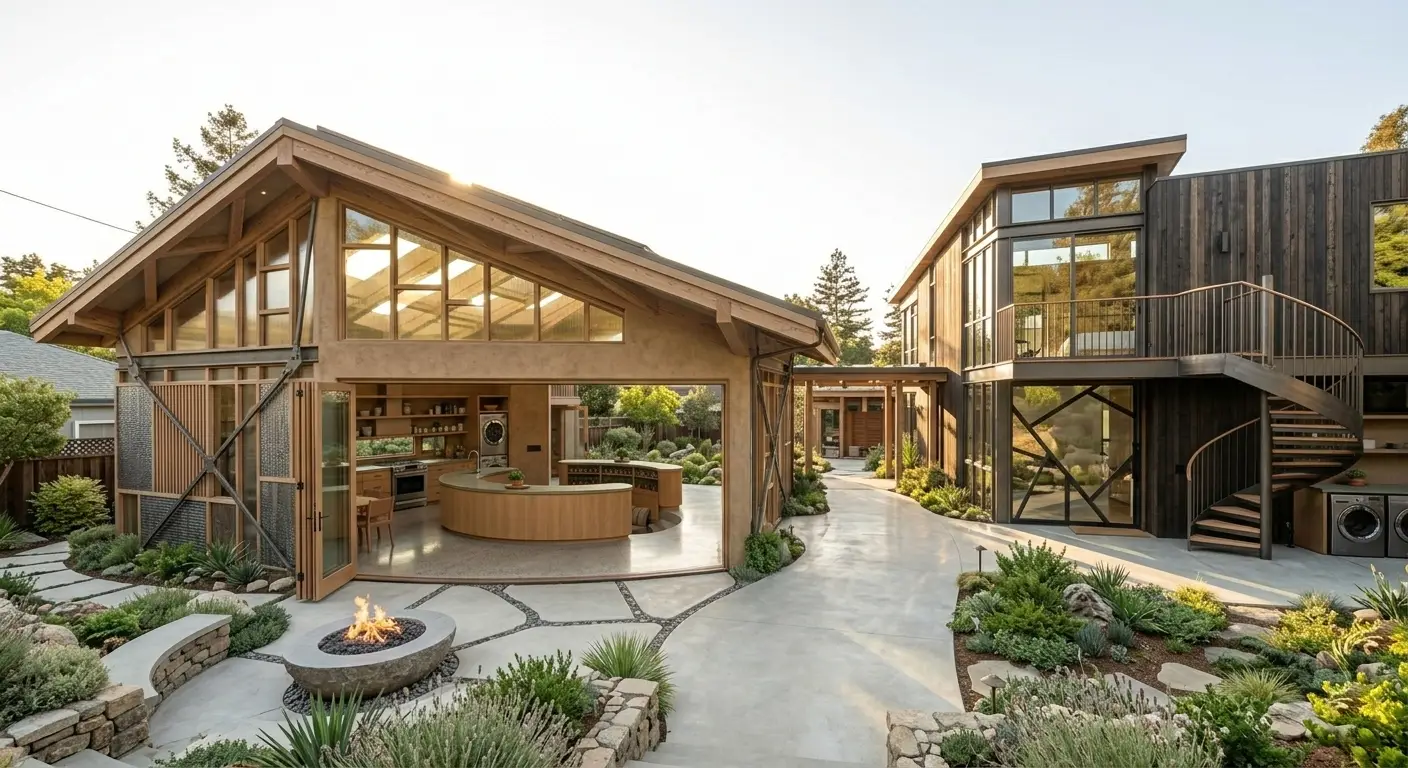
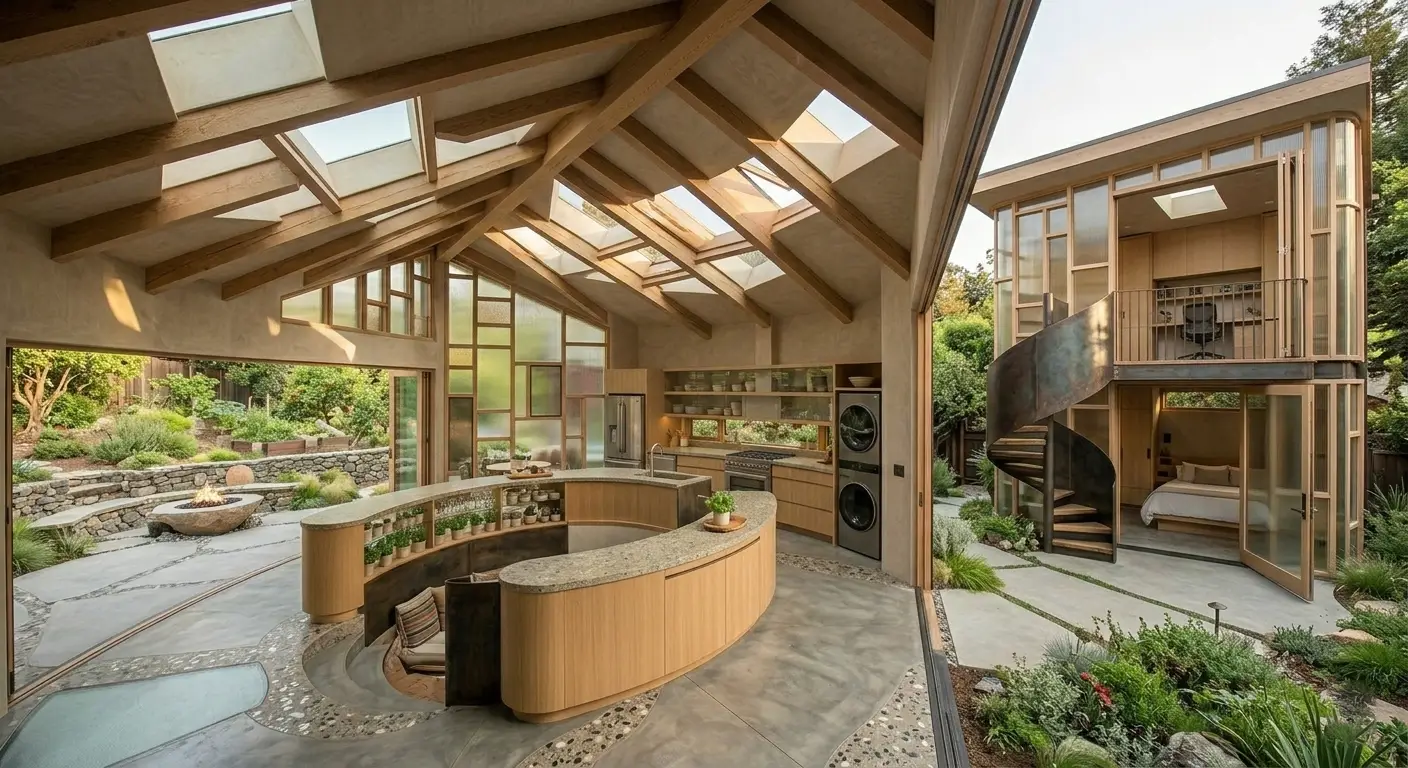
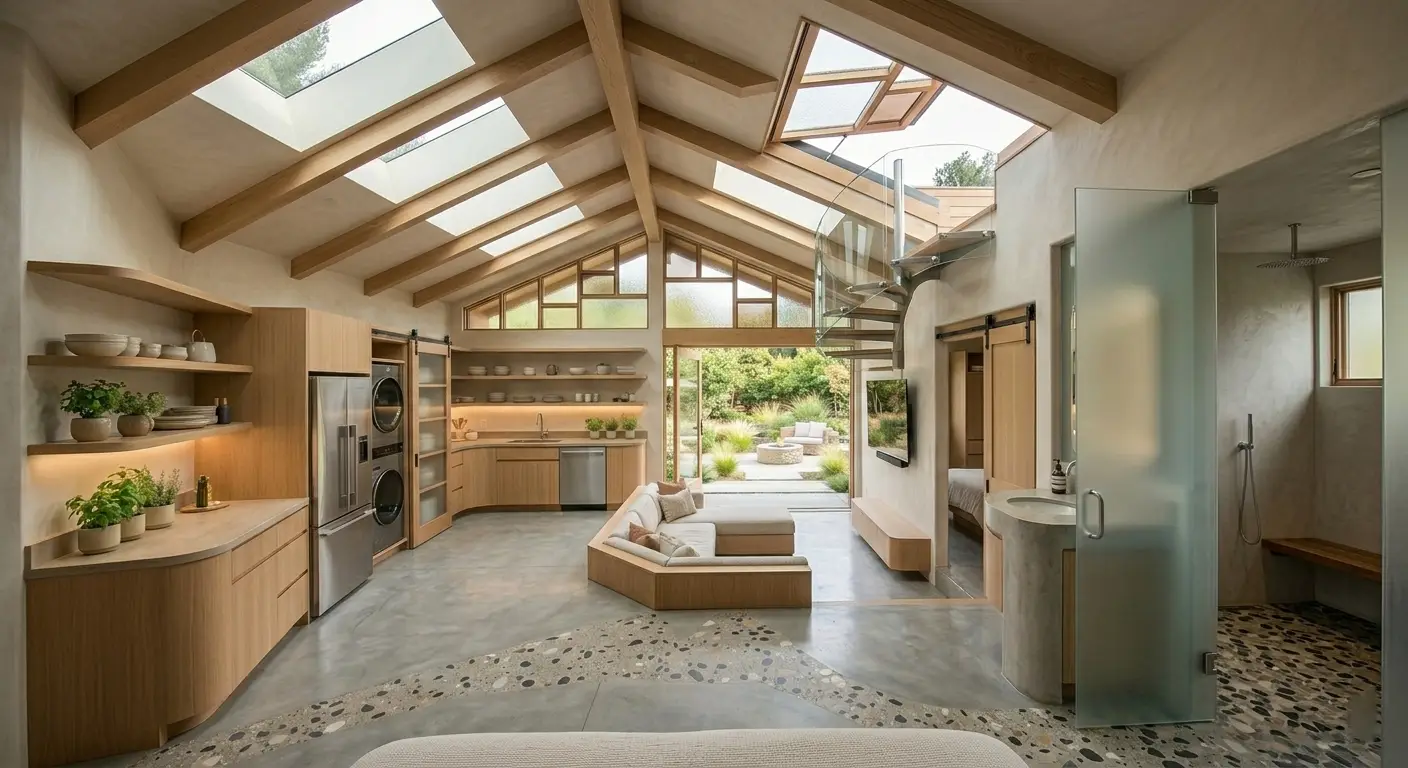
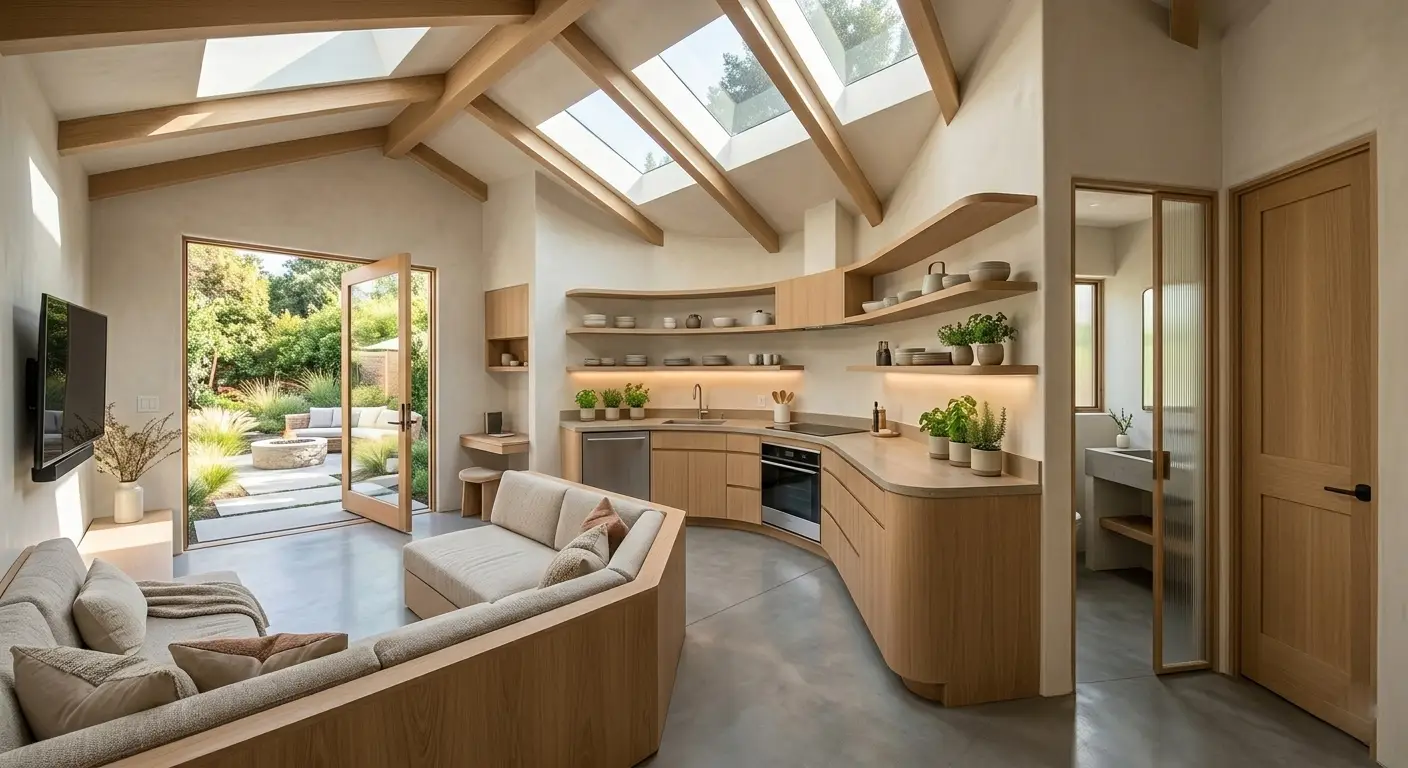
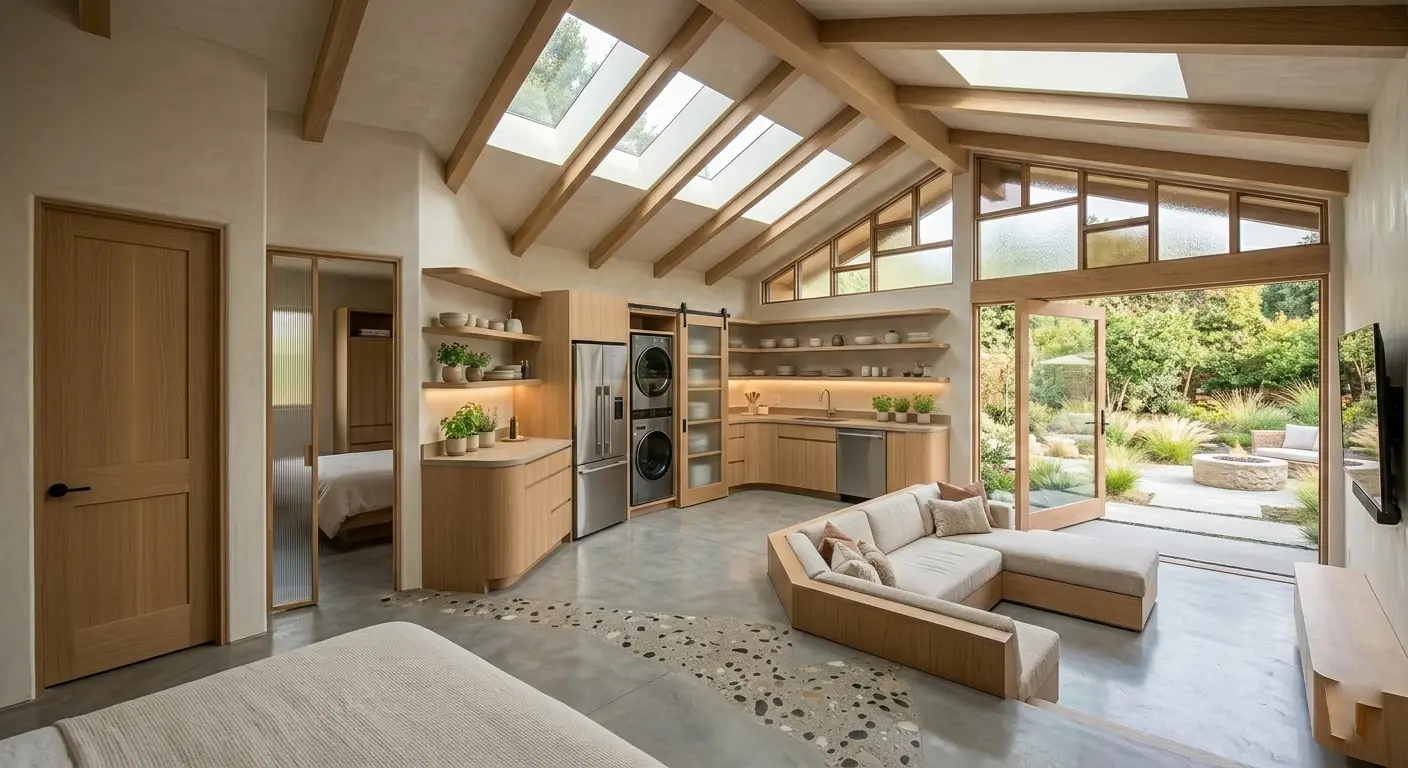
Seven hundred square feet is where the detached ADU reaches its most natural and most replicated configuration: a two-bedroom, one-bath unit with a full kitchen, a laundry area, and a distinct living space. This is the unit that California's rental market has settled on as the standard for a reason. Large enough to attract and retain good long-term tenants. Capable enough to command apartment-competitive rents in every market Realm serves. Sized in a way that keeps permitting complexity and construction cost below the threshold where larger custom ADUs begin to operate.
The two-bedroom configuration at 700 square feet also reaches a tenant pool that one-bedroom units don't fully access: couples who each need a dedicated workspace, small families with one child, roommate pairs who want genuine bedroom separation, and households where a guest room matters. Lower vacancy rates and more consistent rental income over time are the practical results of that expanded pool.
The scope variable that drives most of the budget variance: Full MEP runs, a new foundation, and site work. A detailed scope before contractor conversations begin is the most reliable way to get bids that are genuinely comparable. Realm's advisors help homeowners build that scope before any contractor conversations begin.
Garage Conversion ADU: A Comfortable Two-Bedroom at the Conversion Ceiling
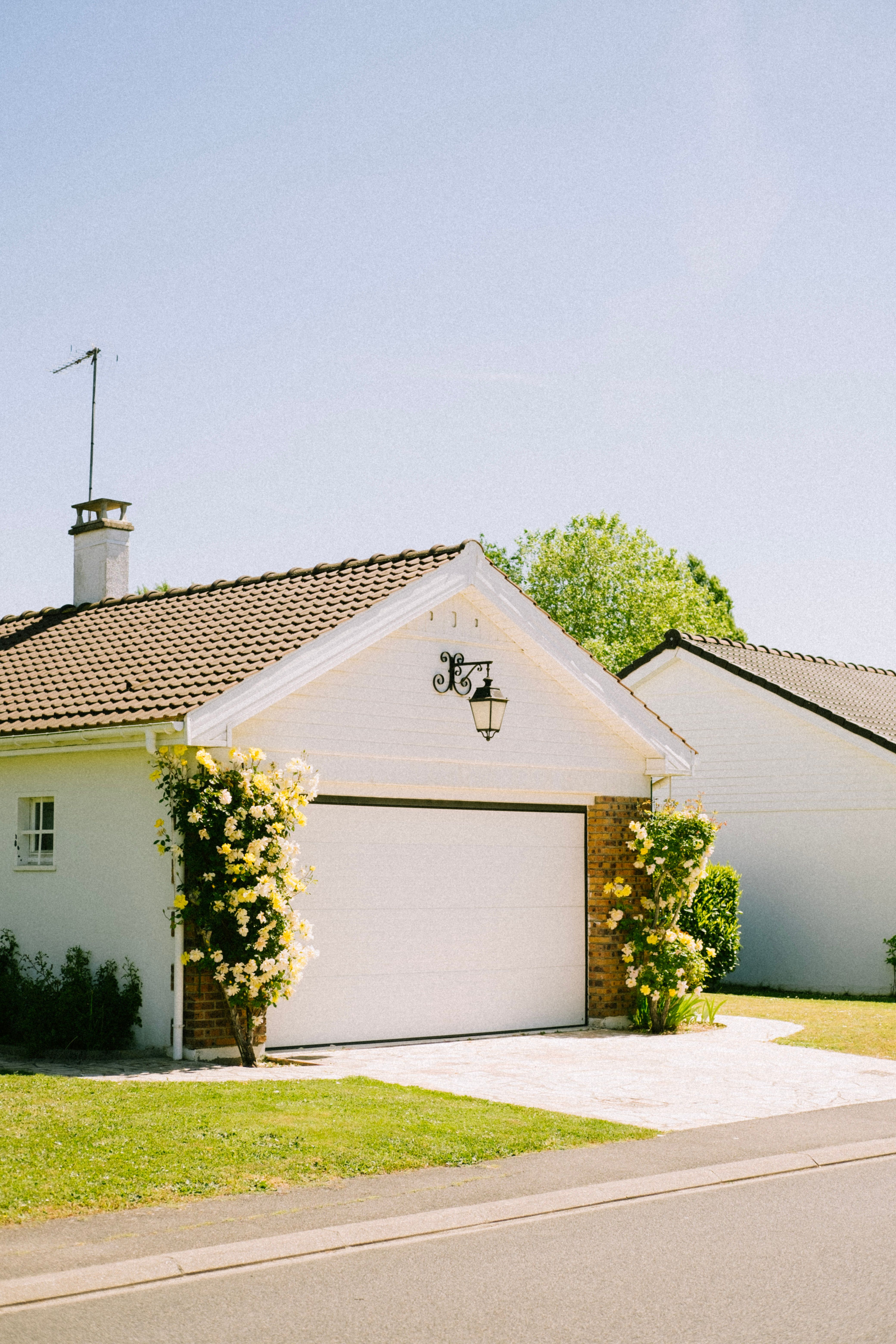
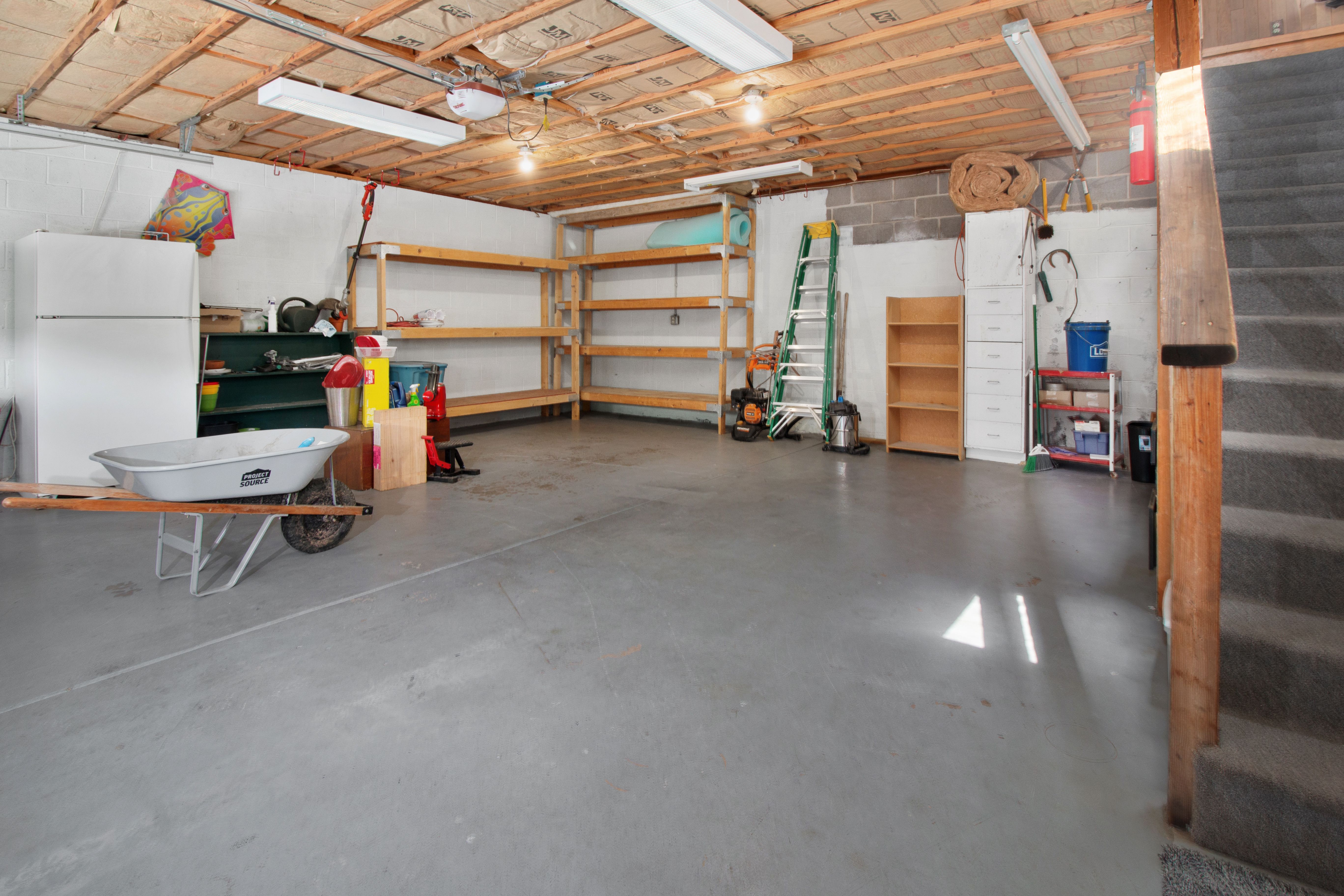
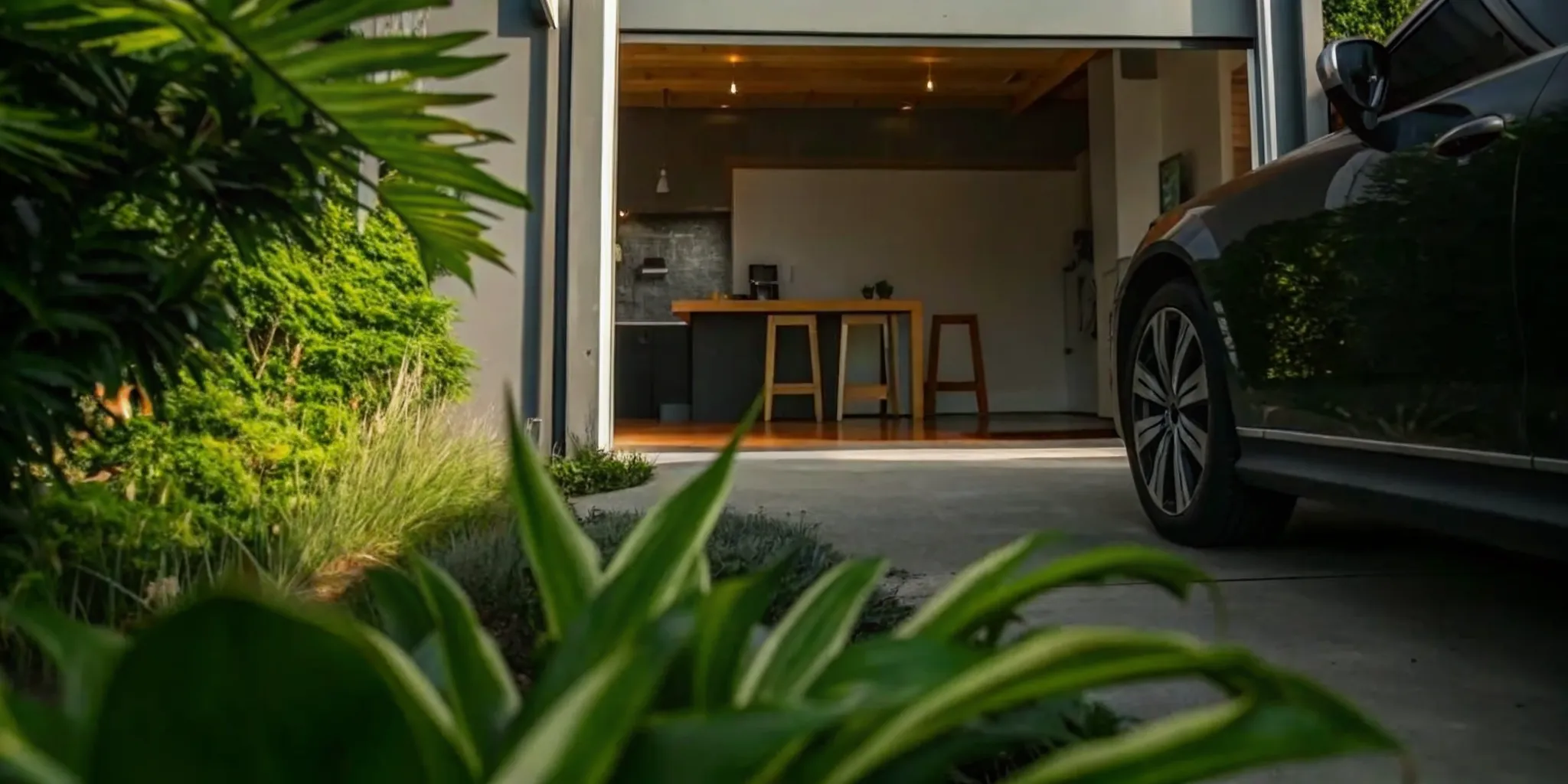
At 700 square feet, a garage conversion is at or near the practical upper boundary of what a two-car garage footprint can hold without extending beyond the original structure. The result is a comfortable one-bedroom or two-bedroom unit with a full kitchen, a laundry hookup, and a living area that doesn't feel retrofitted around structural constraints. This is the version of a garage conversion that functions unambiguously as a real apartment.
The practical ceiling that the data reflects is worth keeping clearly in mind at this size: above 800 square feet, garage conversions almost always require extending beyond the original footprint, adding foundation work and exterior framing that narrows the cost efficiency gap between a conversion and a ground-up detached build. At 700 square feet, the conversion still retains its core advantage while delivering a fully capable unit.
The parking trade-off worth thinking through specifically: Losing a full two-car garage has different implications depending on street parking availability, household vehicle count, and local resale expectations in your specific neighborhood. In some of Realm's markets, this is a genuine non-issue. In others, it carries meaningful daily and resale weight. A Realm advisor can help you evaluate the rental income potential against the full trade-off picture for your location.
Kitchen Expansion: From a Dysfunctional Layout to a Chef's Great Room
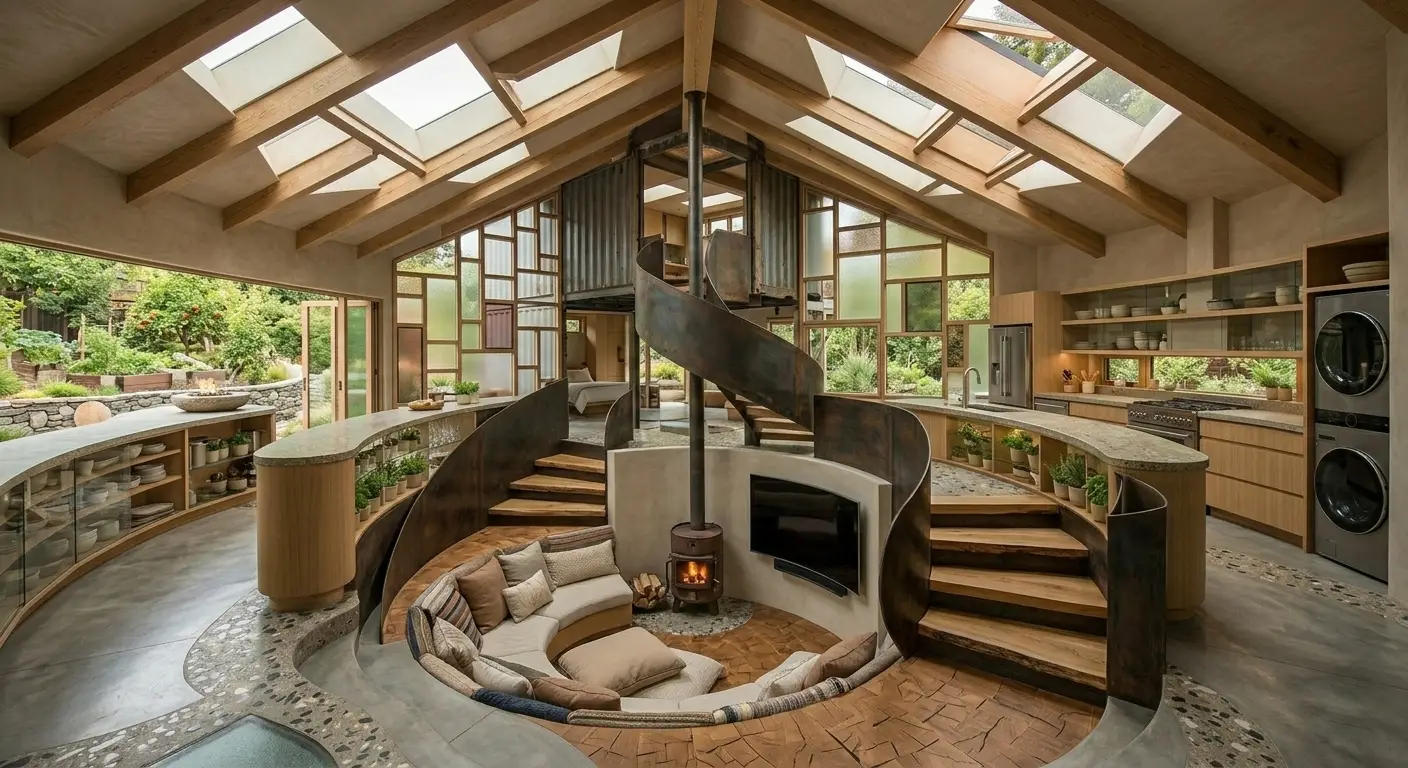
A 700-square-foot kitchen expansion is the project that produces the most complete version of open-concept living at any renovation scale below a full home addition. At this footprint, you're not enlarging a kitchen or adding a dining area. You're redesigning the entire back of the home's ground floor into a chef's kitchen with a pantry, island seating, and a dedicated dining nook, connected to or integrated with a family room that functions as a fully independent gathering area.
The lifestyle return on this project at 600 to 800 square feet is described in Realm's data as the highest of any renovation category per dollar of personal enjoyment. In conversations with homeowners who have completed it, that characterization holds consistently. It isn't a marginal upgrade to a kitchen. It's a transformation of how the home functions on every day of the year. For more on planning a project at this scale, visit the Realm resource library.
What the scope always includes at this scale: Removing the rear wall of the home, structural engineering, foundation extension, roofing tie-ins, and utility rerouting. These are standard and predictable components of a well-planned project. Every one of them belongs in the budget from the first conversation.
Primary Suite Addition: Where Luxury and Function Finally Coexist
A primary suite addition at 700 square feet is the most complete version of this project type in the dataset. The bedroom functions as a genuinely private retreat. The ensuite bath has a soaking tub alongside a separate walk-in shower, a dual vanity, and enough room between the fixtures to feel premium rather than practical. The walk-in closet has enough square footage to function as a dressing room. And a sitting area or small study adjacent to the sleeping zone makes the suite feel like a private floor of the home rather than an upgraded bedroom.
The long-term value this addition produces in Realm's California and Washington markets is well-established and durable. The absence of a true primary suite is a quantifiable competitive disadvantage for mid-size homes, and at 700 square feet the addition eliminates it permanently while creating a feature that most buyers in these markets treat as a baseline expectation rather than a premium.
The design investment that pays the longest dividend: At 700 square feet, the layout relationships between the bedroom, the bathroom, the closet, and the sitting area have more configurations to evaluate than at smaller sizes. Getting those relationships right before construction begins is where experienced planning produces the most durable result. Talk to a Realm advisor about designing your primary suite addition at this scale.
Above-Garage ADU: A Spacious Vertical Unit That Preserves the Yard
An above-garage ADU at 700 square feet is the most capable version of this project type: a spacious one-bedroom or a workable two-bedroom unit with a full kitchen, a complete bath, and a private exterior staircase entry, built above a two-car or larger garage footprint. Ceiling height is a meaningful design variable at this size: generous ceiling height makes the unit feel substantially larger than its square footage suggests, while low ceilings become more noticeable as a constraint at 700 square feet than at smaller footprints.
The cost premium that defines above-garage builds remains the defining characteristic: it's the most expensive ADU category per square foot in the dataset. What justifies that premium is the combination of a capable unit and complete preservation of the rear yard, which on lots where outdoor space is genuinely valued is a trade-off many homeowners are willing to make.
The structural determination that shapes the entire budget: Whether the existing garage can support a habitable space above or needs to be rebuilt is the most consequential variable in the project cost. Get that answer before design work advances. Realm's advisors can help you sequence that structural assessment correctly in the planning process.
Bedroom Addition: A Major Construction Project With Major Market Impact
A bedroom addition at 700 square feet is a significant project that can transform a two-bedroom home into a four-bedroom property. As the data notes, this move can effectively double the addressable buyer market in California, because four-bedroom homes serve a meaningfully larger and different segment of buyers than two-bedroom properties. In markets where inventory is constrained, that expanded buyer pool translates directly into appraised value and competitive sale positioning.
At this scale, the addition is large enough that it typically triggers exterior and structural upgrades to the existing home: roofline changes, foundation extensions, and facade work that bring the addition into visual and structural coherence with the original structure. These are predictable components of a project at this size, not surprises.
The floor plan integration challenge that determines how much value is captured: At 700 square feet, a bedroom addition is a major construction project. The architectural relationship between the new bedrooms and the existing home needs to be designed as a unified composition from the start. Realm's advisors can help you plan a bedroom addition at this scope so the result reads as one cohesive home.
Basement ADU / Conversion: A Two-Bedroom Unit for the Pacific Northwest Market
Basement ADUs at 700 square feet show up primarily in Seattle projects in Realm's data, and at this size the project delivers a comfortable one-bedroom or two-bedroom layout with a full bath, a laundry hookup, and a proper separate entrance via exterior stairwell. The two-bedroom configuration at 700 square feet is the standard target in Seattle's rental market at this size, where demand for two-bedroom basement apartments with genuine separate access is consistent and well-established.
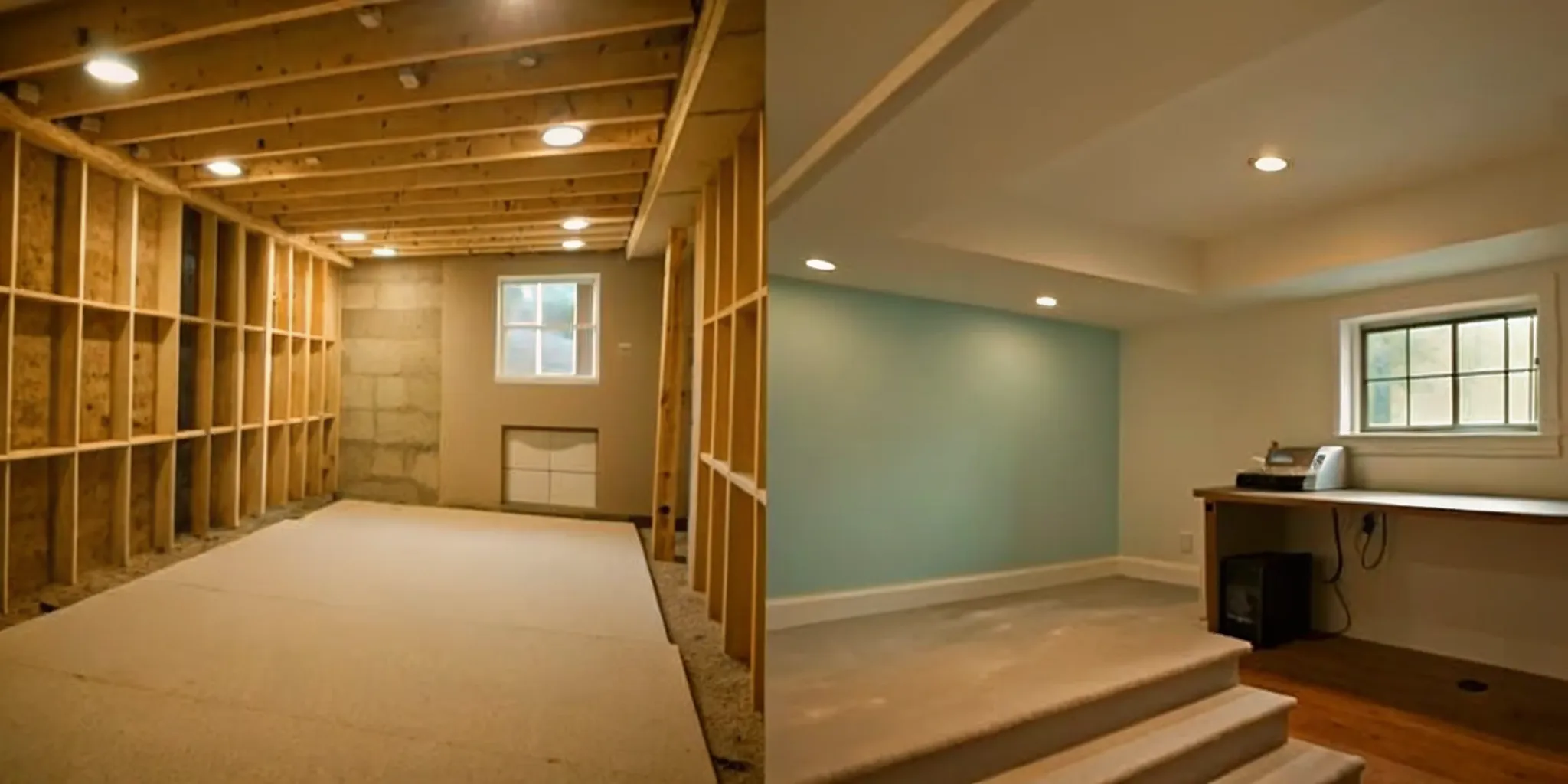
The cost efficiency that defines basement conversions, reusing existing walls, foundation, and partial utilities, produces its most meaningful savings at this size because the absolute dollar difference between a basement conversion and a ground-up detached ADU is largest when the footprint is largest.
The design priority that determines tenant longevity: Natural light and egress quality across both bedrooms determine whether tenants stay or leave at lease renewal. At 700 square feet, there is enough room to design both thoughtfully rather than just meeting the minimum code standard.
Living Space Addition: A Full Indoor-Outdoor Transformation
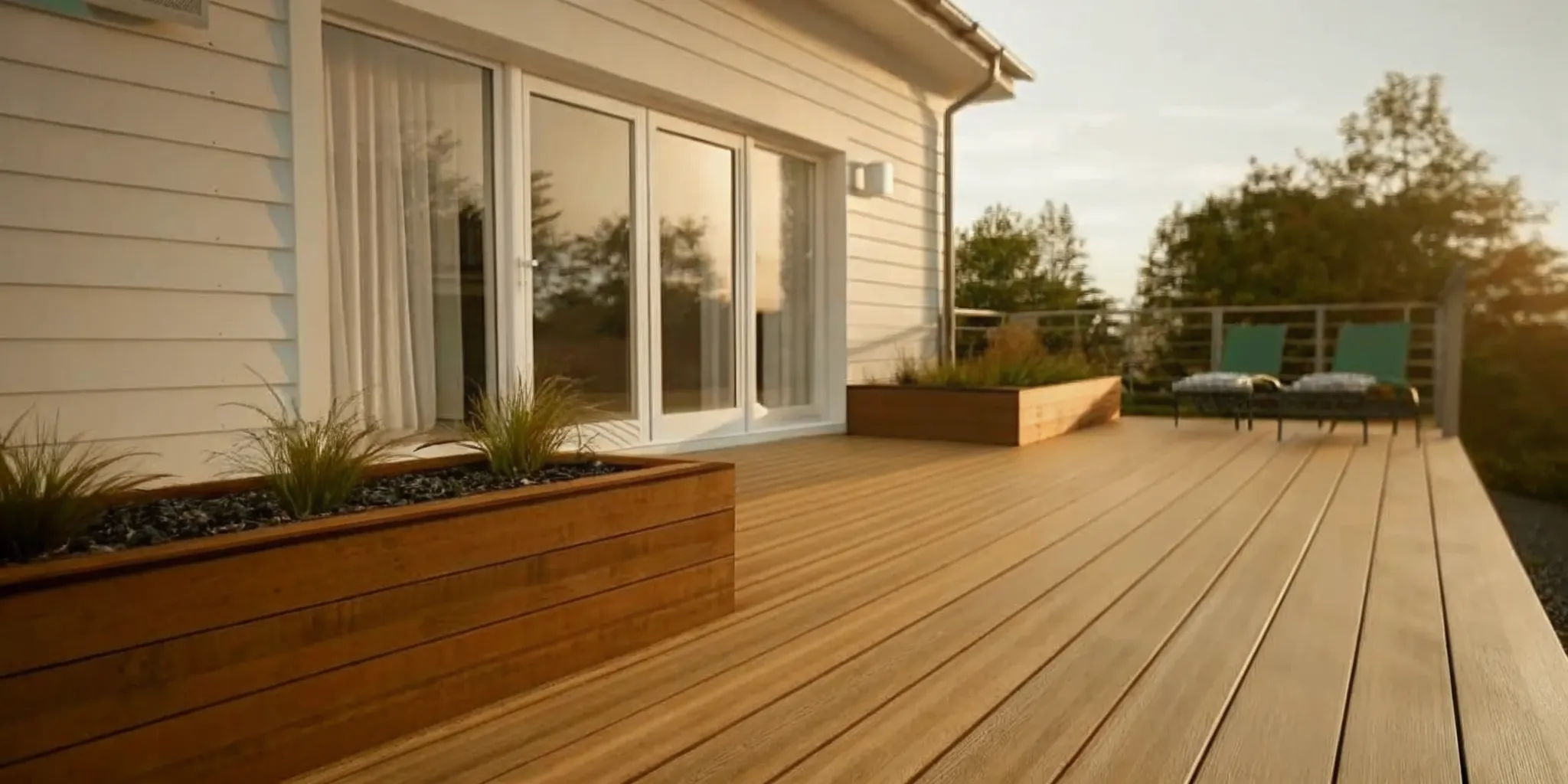
A living space addition at 700 square feet is the complete version of the open-concept transformation: a large family room addition with bi-fold doors or sliding glass panels that open to a covered patio or rear yard, integrated with the existing kitchen and dining areas to create a living environment that functions the way modern homes are designed to function from the ground up.
The indoor-outdoor connection that appears consistently in the project specifications at this size is worth calling out as a design priority in its own right. In California and Pacific Northwest climates, bi-fold or sliding glass doors that open the living area to a covered outdoor space extend the usable environment substantially beyond the square footage of the addition and are the feature homeowners most consistently cite when describing why the project exceeded their expectations.
Full Home Addition: Building the Home You Intend to Keep
A full home addition at 700 square feet is a fundamentally different kind of project from everything else in this dataset. At this scale, the addition is nearly a second home being constructed alongside the existing structure. The homeowners who build it have made a long-term commitment to their location and are building the home they want to live in for decades rather than the home they happened to buy.
Design-build firms are the appropriate partner for projects at this scale. The complexity of integrating a major addition with an existing structure in a way that reads as a single cohesive home requires design and construction coordination that most general contractor relationships are not structured to provide. If your project is approaching 700 square feet as a home addition rather than an ADU build, the most important first step is identifying the right type of firm rather than the right floor plan.
Second-Story Addition: A Full Upper Floor on a Lot That Can't Expand Outward
A second-story addition at 700 square feet delivers the most common and most complete second-story scope in Realm's data: a full upper floor with two bedrooms and one or two baths that effectively doubles the home's usable square footage without consuming any additional lot coverage. For Bay Area homeowners and urban Los Angeles residents on small lots where lateral expansion has been exhausted, this is the project that solves the space problem most completely.
The cost comparison that emerges at this size is worth understanding directly: a second-story addition at 700 square feet is often more expensive per square foot than a detached ADU, but the value it adds is different in character. A second-story addition adds directly to the primary home's appraised value and bedroom count. A detached ADU creates a separate income-generating asset. Both are strong investments; the right one depends on what you're trying to accomplish. See how Realm helps homeowners think through this comparison for their specific situation.
The absolute requirement before any contractor is engaged: Structural assessment first, locked scope before any contractor conversations. At 700 square feet above an existing structure, structural surprises are the most expensive kind and entirely preventable with proper upfront work.
JADU at This Size: Part of a Larger Multi-Scope Project
California's 500 sq ft JADU cap means that any project at 700 square feet described as involving JADU work is almost certainly part of a larger combined scope: a JADU conversion paired with a kitchen renovation, a garage conversion that includes additional interior work, or another configuration where the JADU component stays within the legal limit while the total project reaches 700 square feet.
If your project includes a JADU component at this size, the questions worth asking are: what does the full scope include beyond the JADU itself, and is each component being permitted and budgeted on its own terms? Realm's advisors can help you structure a multi-scope project that includes a JADU component correctly from the start.
Using Your Goal as a Filter for the Right Project
Eleven project types, 124 projects, and a consistent cost spread give you a reliable picture of what's common and what it costs at 700 square feet. The right project within that picture is almost entirely determined by your goal and your starting conditions.
Rental income points toward a detached ADU, garage conversion, above-garage ADU, or basement conversion. At 700 square feet, the garage conversion is at the practical ceiling for a true conversion, which makes the comparison between conversion and detached build particularly worth running carefully at this size rather than defaulting to one or the other.
Personal comfort and daily livability points toward a primary suite addition or a kitchen and living space expansion. At 700 square feet, both deliver results that most homeowners describe as the best renovation decision they made, not the most financially calculated one.
Resale value in California and Washington points most reliably toward a primary suite in homes that lack one, or a bedroom count increase that moves the property into four-bedroom territory. Both carry strong documented ROI at 700 square feet.
Lot maximization on a constrained urban lot points toward a second-story addition, which at this size delivers a complete upper floor while adding directly to the primary home's appraised value. The cost comparison with a detached ADU is worth running at this size rather than assumed.
Working through these options with someone who knows your market, understands the permitting environment, and can turn your situation into an accurate scope before you spend a dollar on contractors is what Realm's advisors are built for.
What the Data Tells You That Most Cost Guides Won't
The two-bedroom standard at this size is not a premium feature. At 700 square feet, a two-bedroom, one-bath configuration is the default detached ADU layout, not an upgrade. If a contractor is quoting you a one-bedroom unit at this footprint and calling it the standard, the floor plan is not being designed to this size's full potential.
The garage conversion ceiling matters at 700 square feet more than at any smaller size. Because 700 sq ft sits just below the 800 sq ft threshold above which conversions almost always require extending beyond the original footprint, understanding whether your specific garage can hold 700 sq ft within its existing walls is a question worth resolving early. A Realm advisor can help you assess what's realistic for your specific garage structure.
The second-story vs. detached ADU comparison deserves a full analysis at this size. At 700 square feet, the cost difference between a second-story addition and a detached ADU can be meaningful in either direction depending on site conditions, and the two options deliver fundamentally different kinds of value. Treating one as automatically better without running the comparison is one of the most common and most expensive planning shortcuts at this size. Realm's advisors can walk you through a side-by-side comparison for your specific lot and goals.
Frequently Asked Questions
How much does a 700 sq ft detached ADU cost in California? Based on 124 closed Realm projects at this size, the median cost across all project types is $275,000 and the average is $319,618. Detached ADUs are the most common project type in the dataset at this size and typically land near or above the median depending on site conditions, finish level, and local permitting costs. Garage conversions and basement ADUs typically come in below the median because they reuse existing structure. Talk to a Realm advisor to get a cost estimate calibrated to your specific project type and location.
Is a 700 square foot ADU considered large by California standards? By California ADU standards, 700 square feet falls in the middle of the allowable range for detached ADUs, which extends up to 1,200 square feet in most jurisdictions. In practical terms, 700 square feet is the sweet spot: large enough to deliver a genuinely comfortable two-bedroom unit at apartment-competitive quality, and small enough that permitting remains relatively predictable and construction costs don't escalate into custom-build territory. In all of Realm's markets, a 700 sq ft two-bedroom ADU is a competitive and highly sought rental product.
What is the most common ADU size built in California? Based on Realm's project data, 700 square feet is the most common detached ADU configuration. It's the size that most naturally accommodates a two-bedroom, one-bath layout without trade-offs in any of the living areas, which is what produces the most competitive rental unit across California's diverse markets. The 124 projects in Realm's dataset at this size, second only to the 500 sq ft bracket in total project count, reflect that prevalence directly.
Can a 700 sq ft ADU comfortably fit two bedrooms? Yes, and two bedrooms is the standard rather than the stretch configuration at this size. Both bedrooms have genuine clearance for a king or queen bed with nightstands and furniture clearance. The bathroom has room for a proper vanity and a full shower. The kitchen accommodates an island or meaningful counter space on multiple sides. The living area has room for real furniture without borrowing from the dining area. In Realm's California and Washington markets, a two-bedroom ADU at 700 square feet is consistently one of the most competitive and most in-demand rental configurations available. Talk to a Realm advisor about planning a two-bedroom ADU for your specific lot and location.