Your Guide to the Typical Cost of Finishing a Basement
Get the facts on the typical cost of finishing a basement, including key factors, average prices, and tips to help you plan your renovation budget.
|
May 22, 2026

In this article:
That unfinished basement is a blank canvas, a space full of potential just waiting to be transformed. It could become the home theater you’ve always wanted, a private guest suite, or a much-needed family room. But before you start picking out paint colors and flooring, every great project begins with a solid budget. The main challenge is pinning down the typical cost of finishing a basement, as it’s influenced by everything from your home’s foundation to your choice of light fixtures. We’ll guide you through each component of the cost, helping you understand where your money goes so you can create an accurate plan for turning that empty space into your favorite room.
Key Takeaways
- Know Your Numbers: A basement remodel has a huge cost range, from a few thousand dollars to over $100,000. For budgeting, a standard project typically lands between $32 and $80 per square foot, but getting custom estimates for your specific area is the only way to get an accurate figure.
- Prioritize Your Spending: Your final cost is shaped by your choice of finishes, labor expenses, and any major additions like a bathroom. Deciding where to splurge (like on durable flooring) and where to save (like on storage room paint) is key to managing your budget effectively.
- Plan for the Unexpected: A smart renovation plan includes a 10% contingency fund for surprises. To ensure a solid return on your investment, which can be around 70%, get multiple contractor quotes and factor in non-negotiable costs like permits and egress windows from the very beginning.
How Much Does It Cost to Finish a Basement?
Figuring out the cost of finishing your basement can feel like trying to hit a moving target. The truth is, the final price tag depends entirely on your vision, your home's current state, and the materials you choose. While there’s no single magic number, we can look at national averages and common project sizes to give you a realistic starting point for your budget. Think of it as a ballpark estimate before you start getting into the specifics.
The total cost to finish a basement can range from a few thousand dollars for a simple, DIY-friendly project to over $100,000 for a high-end transformation with custom features. This huge range is why getting a customized plan is so important. It helps you align your dreams with your budget from day one. We’ll break down the numbers to help you see where your project might land.
A Quick Look at Average Costs
On average, most homeowners spend around $32,000 to finish their basement. However, the full spectrum of costs typically falls somewhere between $2,800 and $100,000. This translates to a per-square-foot cost of about $7 to $23 for a basic finish.
What causes such a wide variation? It comes down to factors like the materials you select, whether you need to add plumbing for a bathroom, the complexity of the electrical work, and local labor rates. Getting expert guidance early in the process can help you understand these variables and prevent your budget from spiraling. A simple, open-concept playroom will naturally cost much less than a multi-room suite with a full bathroom and kitchenette.
Cost Estimates by Basement Size
Breaking down the cost by square footage can give you a clearer picture. For a smaller basement of about 400 to 600 square feet, you can expect to spend between $10,000 and $30,000 for a standard remodel. As the size and complexity grow, so does the price. For example, finishing a larger, 1,300-square-foot space could receive estimates between $55,000 and $60,000.
It's also important to remember that costs can vary significantly by region. A project in a high-cost-of-living area will be more expensive than the same project elsewhere. With current trends, many homeowners are finding that standard finishes now cost between $32 and $80 per square foot. This is why it’s crucial to get quotes from vetted professionals who understand your local market.
Breaking Down the Cost Per Square Foot
When you start researching your project, you’ll see costs talked about in "per square foot" terms. This can be a helpful starting point, but the range is incredibly wide. The average cost to finish a basement can fall anywhere from $7 to $23 per square foot for a very basic, DIY-heavy project. However, for a more realistic remodel with standard finishes and professional labor, you’re likely looking at a range of $32 to $80 per square foot. This reflects the rising costs of both materials and skilled work.
It’s also important to remember that where you live plays a huge role. For homeowners in higher-cost-of-living areas like San Francisco or Seattle, those numbers can climb even higher. It’s not unheard of for complex, high-end projects in these markets to reach up to $350 per square foot. This huge variation is why a simple per-square-foot calculator can sometimes be misleading. It’s a good first step, but it doesn’t tell the whole story.
To put it in perspective, let’s say you have a 500-square-foot basement. Using the standard range, your project could cost anywhere from $16,000 to $40,000. This lines up with national averages, which often place a typical basement remodel somewhere around $24,000. The final number depends entirely on the factors we’ll get into next, like whether you’re adding a bathroom or what kind of flooring you choose. These details are what move the price from one end of the spectrum to the other. Getting customized plans from an expert is the best way to understand what your specific project will truly cost.
What Factors Influence Your Final Cost?
When you start budgeting for a basement remodel, it’s easy to focus on the total square footage. But the final number on your invoice is shaped by much more than just the size of the space. Several key factors come together to determine your project's cost, from the state of your current basement to the specific finishes you choose. Understanding these variables from the start helps you create a more accurate budget and make informed decisions along the way.
Think of it as a recipe: the final dish depends on the quality of your ingredients and the complexity of the steps. We’ll break down the five main components that influence your total cost: your basement's existing condition, your design choices, labor and material expenses, local permit requirements, and essential waterproofing. A clear picture of these elements is the first step toward a successful renovation, and a dedicated project advisor can help you account for each one.
Your Basement's Current Condition
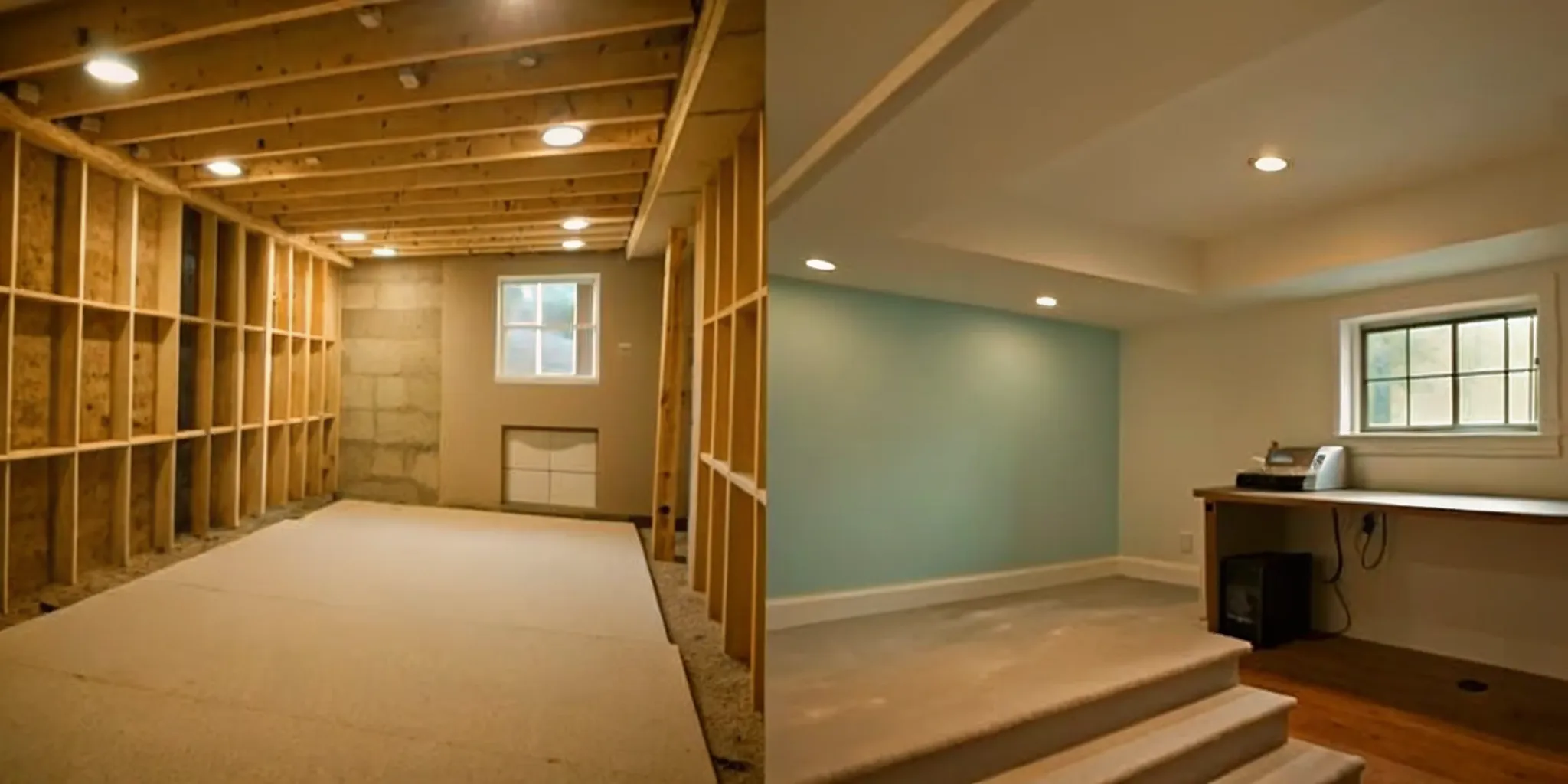
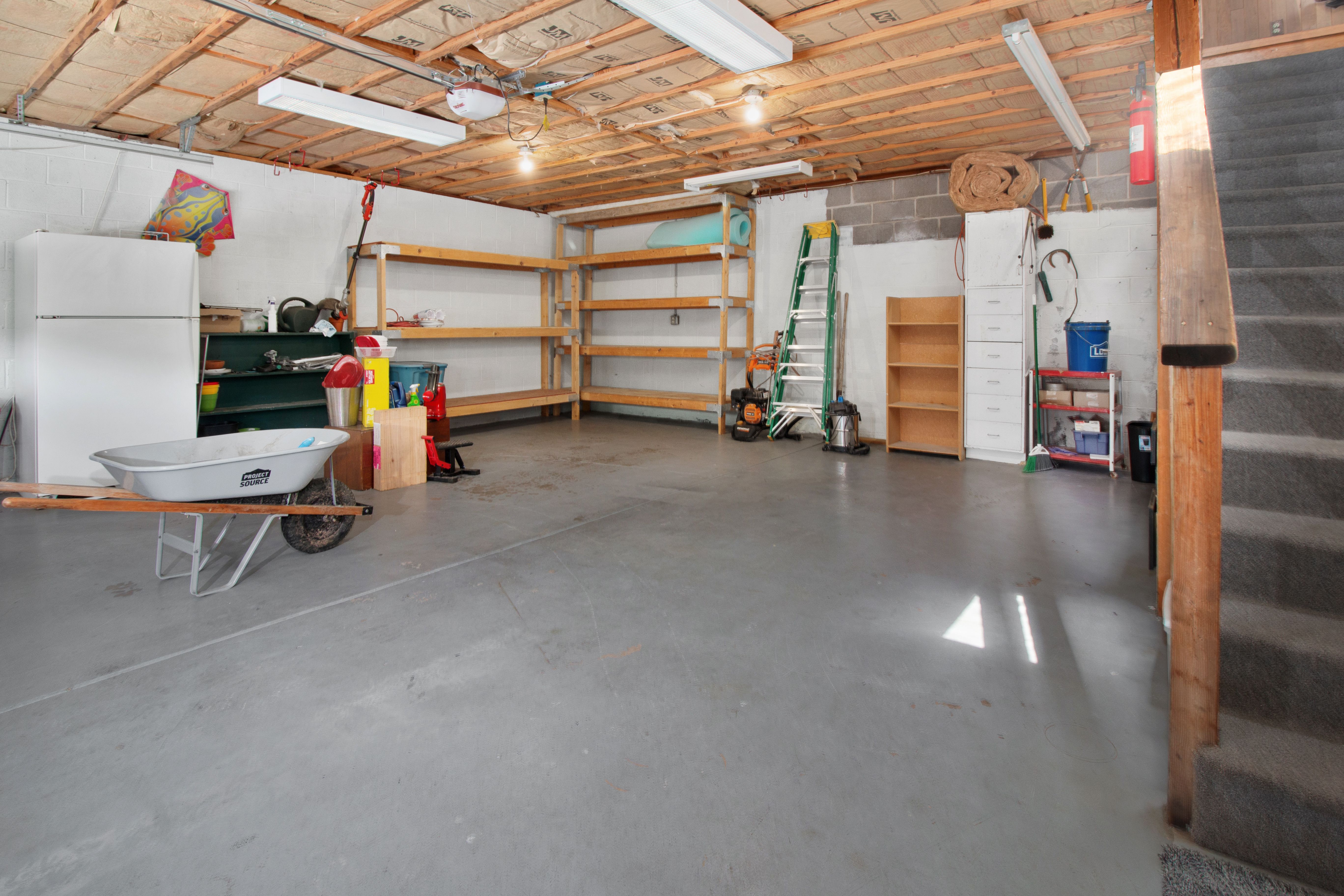
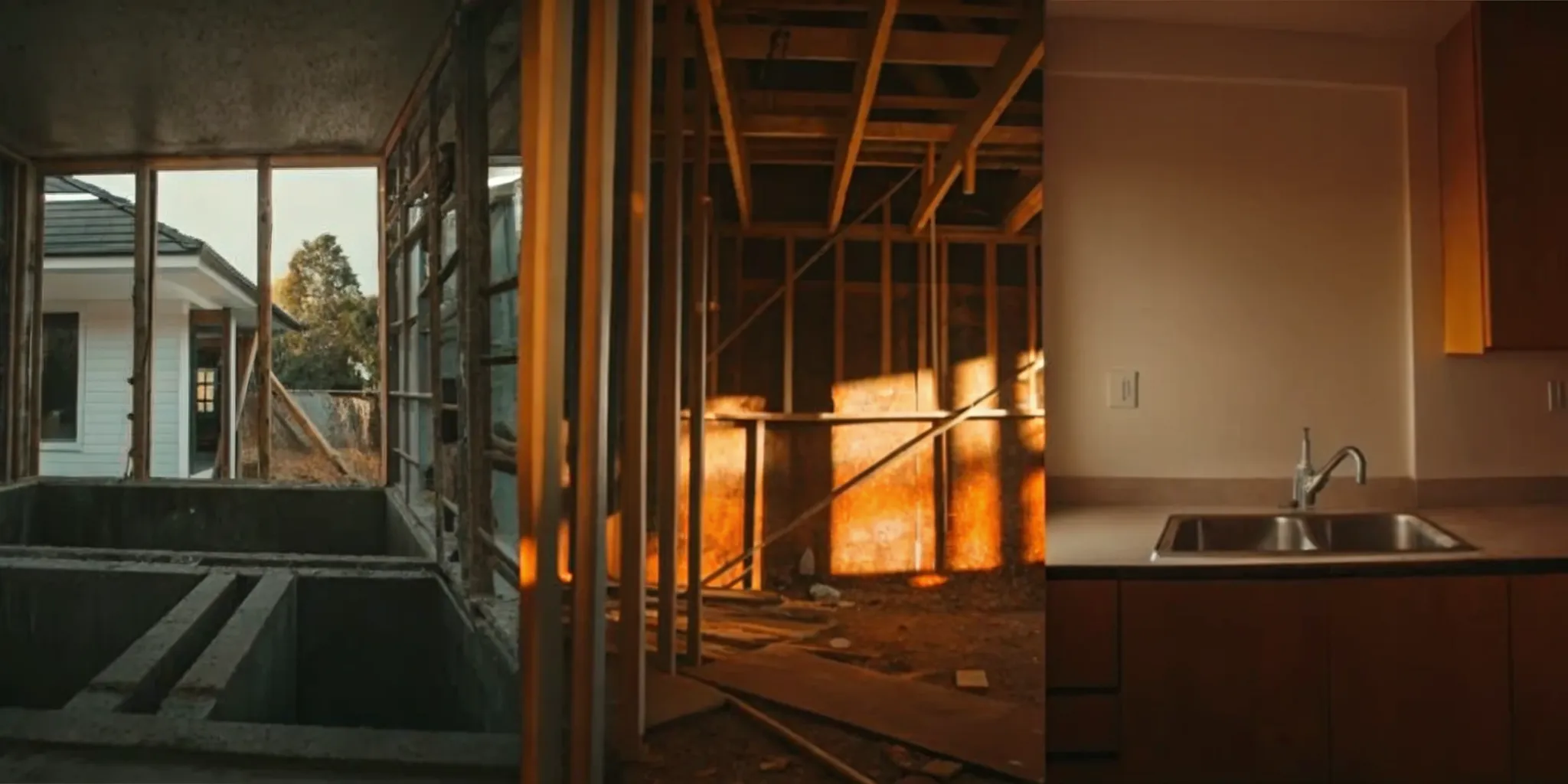
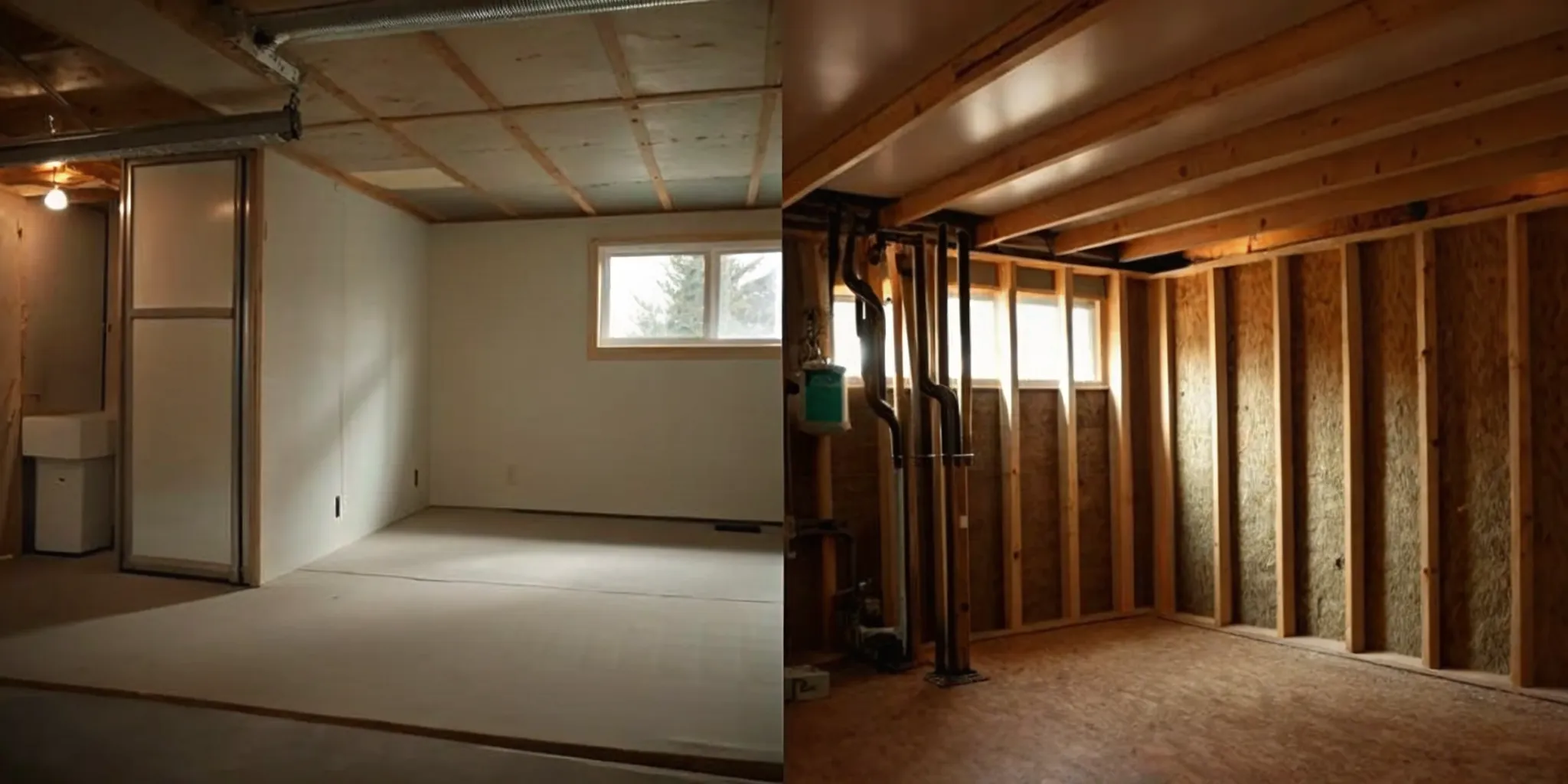
Every basement has a unique starting point, and its current state plays a huge role in the overall project cost. An unfinished, "blank slate" basement is different from one that's partially finished or has existing issues that need to be addressed. Before any work begins, you and your contractor will need to assess the fundamentals. Is the space fully underground? What are the walls made of? Is there already a moisture barrier in place?
Older homes, in particular, may require extra prep work. This could involve anything from repairing foundation cracks to adding insulation to manage humidity and prevent future water problems. Addressing these structural needs upfront is critical for a successful renovation and will impact your initial budget.
Your Choice of Finishes: Basic to High-End
This is where your personal style comes to life, and it’s also where costs can vary the most. Your choice of flooring, lighting, paint, and other materials directly impacts the budget. Finishes are often grouped into three main tiers:
- Basic: If you’re creating a simple utility room or storage area, basic finishes like drywall, standard paint, simple light fixtures, and laminate flooring are a cost-effective choice.
- Mid-Range: This is the most popular option for creating a true living space. It often includes higher-quality flooring like luxury vinyl plank (LVP), the addition of a bathroom, and upgrades to electrical and HVAC systems.
- High-End: For a premium result, you might select top-tier materials, a full bathroom with smart features, integrated home automation systems, and custom cabinetry.
Labor and Material Expenses
Your total project cost is essentially split into two main categories: the materials you choose and the skilled labor required to install them. While it’s easy to get caught up in the price of flooring or light fixtures, labor is typically the single largest expense. The work performed by your general contractor and their team of subcontractors (plumbers, electricians, etc.) often accounts for 40% to 60% of the entire budget.
Materials usually make up the other 25% to 35% of the cost. While finding deals on materials can help, remember that quality installation is what ensures your investment lasts. Working with vetted, reliable contractors is key to getting the job done right and protecting the long-term value of your home.
Local Permits and Building Codes
For a project as significant as finishing a basement, pulling the right permits isn’t optional, it’s a requirement. Permits ensure that all work is performed safely and meets local building codes, protecting both you and the future value of your home. The cost for permits can range from a few hundred to a couple of thousand dollars, depending on your city and the scope of your project.
Building codes also set specific standards you’ll need to follow. For example, many areas require a minimum ceiling height of 7 feet 6 inches for a space to be considered legally "livable." If you plan to add a bedroom, you’ll also need to install an egress window, which is a window large enough to serve as an emergency exit.
Waterproofing and Moisture Control
If there’s one area you don’t want to cut corners, it’s waterproofing. Basements are naturally susceptible to dampness and moisture, and failing to address this can lead to serious problems down the road. Investing in proper waterproofing from the start might cost between $2,000 and $8,000, but it’s a small price to pay to prevent mold growth, which can cost upwards of $15,000 to remediate.
Effective moisture control involves sealing the foundation, installing a vapor barrier, and ensuring you have a reliable drainage system like a sump pump or French drain. Think of it as essential insurance for your new living space. You can find more expert advice on protecting your home in our resource library.
Budgeting for Popular Basement Features
Once you’ve covered the basics of framing and drywall, you can start planning for the features that will truly make the space your own. From a convenient extra bathroom to a full-blown home theater, these popular additions are what transform a basement into a favorite part of the house. Thinking through the costs of these features ahead of time will help you create a realistic budget and decide which elements are most important for your family and your home’s value.
Adding a Bathroom (Half vs. Full)
Adding a bathroom to your basement is a game-changer for convenience, especially if you plan to use the space for guests or as a family room. A half bath (toilet and sink) is a more budget-friendly option, typically running between $3,000 and $8,000. If you want a full bathroom with a shower or tub, you should plan to spend between $6,000 and $18,000. While it’s a significant investment, a basement bathroom adds considerable function and can increase your home’s resale value. A dedicated advisor can help you weigh the costs and benefits for your specific project.
Installing a Kitchenette or Wet Bar
A kitchenette or wet bar is the perfect feature for entertaining. It’s also a smart, cost-effective alternative to installing a full kitchen. By skipping appliances like a full-size stove, you can often avoid more complex building code requirements and keep your budget in check. A wet bar with a sink, mini-fridge, and some counter space is perfect for hosting parties or creating a cozy spot for family movie nights. This addition makes your basement more functional and fun without the expense and complication of a second kitchen.
Creating a Home Theater or Media Room
Imagine having a dedicated space for immersive movie nights or watching the big game without interruption. A home theater is one of the most exciting features you can add to a finished basement. This dedicated entertainment zone not only provides an amazing experience for your family but also adds significant appeal for future buyers. You can customize the space with built-in shelving for media, comfortable seating, and specialized lighting to create the perfect viewing atmosphere. It’s a fantastic way to make use of the extra square footage and add a touch of luxury to your home.
Upgrading Electrical, Lighting, and Tech
Proper lighting and electrical work are crucial for making a basement feel bright and welcoming. This is also the perfect time to integrate modern technology. Many homeowners are now including smart home systems in their basement renovations, which can add real value to your property. Investing in upgraded wiring, recessed lighting, and dedicated outlets for entertainment systems will make the space more functional and safe. Since this work requires a skilled professional, it’s important to work with vetted contractors who can ensure everything is up to code and designed to meet your needs.
Extending Your HVAC System
To make your new basement a comfortable, year-round living space, you can’t forget about heating and cooling. Extending your home’s existing HVAC system is essential for managing temperature and humidity levels below ground. You should plan to budget between $2,000 and $4,000 for this part of the project. While it’s not the most glamorous expense, it’s a critical one. Proper climate control prevents moisture issues and ensures your new family room, home office, or guest suite is a pleasant place to spend time, no matter the season.
Planning for "Hidden" Renovation Costs
No one likes financial surprises, especially during a home renovation. While the term "hidden costs" can sound alarming, it’s really just about accounting for expenses that aren’t immediately obvious. A thoughtful plan anticipates these possibilities from the start, turning potential budget-breakers into manageable line items. With a little foresight, you can prepare for common costs that often catch homeowners off guard, ensuring your project stays on track without unexpected financial stress. This is where having a clear scope and a contingency fund becomes your best strategy for a smooth renovation.
The Need for Egress Windows
If your basement plans include adding a bedroom, you’ll need to install an egress window. This isn't just a suggestion; it's a critical safety requirement mandated by building codes to provide an escape route in an emergency. The cost for adding a single egress window typically falls between $2,500 and $4,000, as it involves cutting into your foundation, installing the window, and ensuring proper drainage. While it’s a significant expense, it’s a non-negotiable part of creating a safe and legal living space. Factoring this in early helps you budget accurately and avoid a costly surprise down the line.
The Price of Mid-Project Design Changes
One of the easiest ways to inflate your budget is by changing your mind after construction has already started. Deciding to move a wall, add a wet bar, or change the layout mid-project creates a ripple effect, leading to added material costs, extra labor, and project delays. Builders provide the most accurate estimates when they have a detailed, finalized design. Investing time upfront to create a customized plan that you love is one of the best ways to protect your budget and timeline. Committing to your design before the first hammer swings saves you money and headaches.
Surprise Structural or Plumbing Repairs
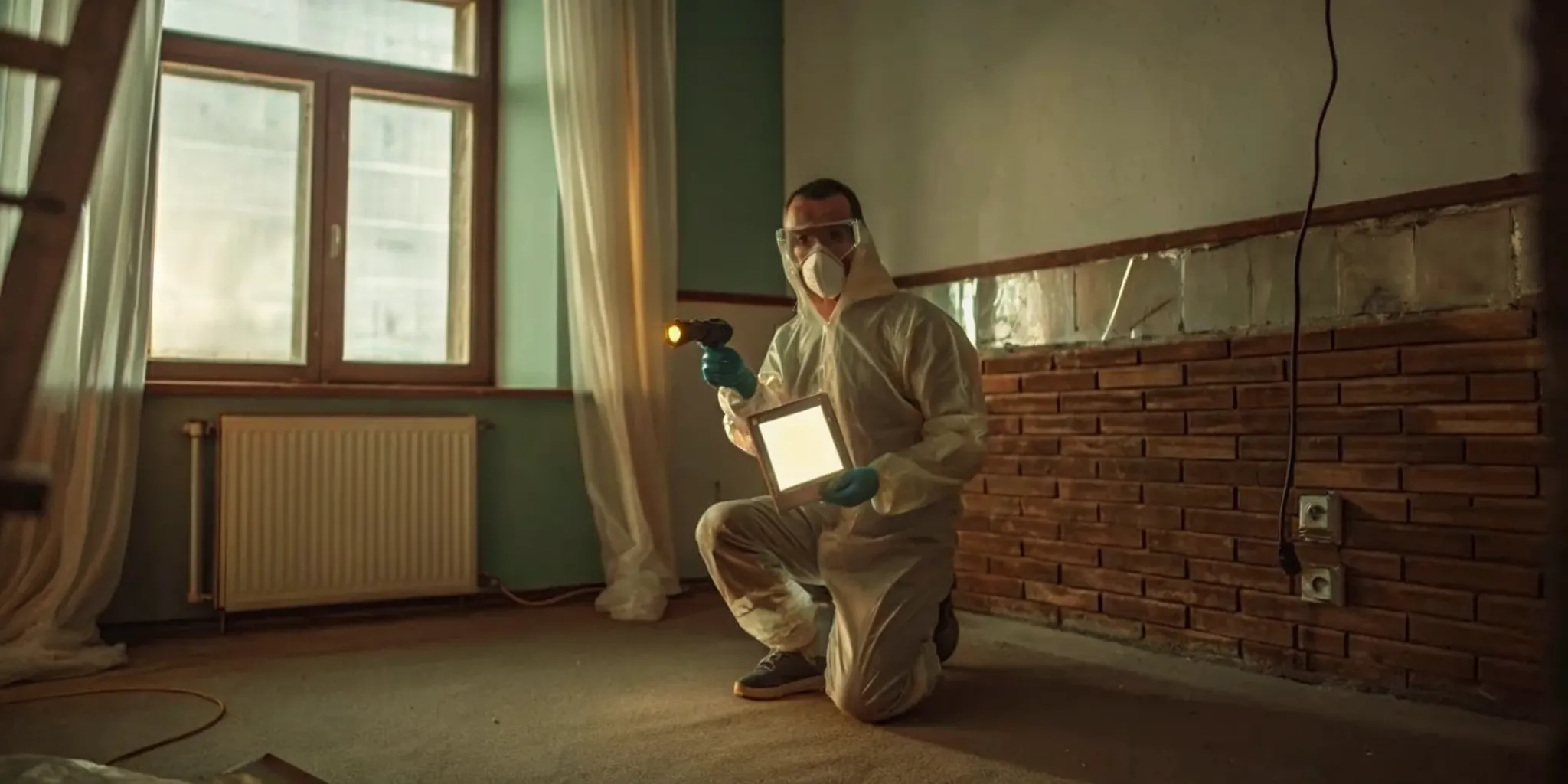
When you open up walls and floors, you might uncover issues you didn't know existed. Older homes, in particular, can hide outdated plumbing, electrical wiring that isn’t up to code, or even foundational cracks that need attention. Before you begin, it’s wise to have a professional assess your basement for potential moisture problems or structural concerns, especially if it’s a fully underground space. A dedicated advisor can help you connect with vetted contractors who know what to look for, allowing you to build a more realistic budget that accounts for potential repairs from day one.
Future Maintenance and Utility Bills
Not all hidden costs are immediate. A newly finished basement will add to your home's square footage, which can affect your utility bills. You'll be heating and cooling a larger area, so you might see a slight increase in your monthly energy consumption. On the flip side, properly finishing and insulating your basement can actually improve your home's overall energy efficiency, potentially lowering your bills over time. It’s a long-term financial consideration that balances out, but it’s smart to be aware of the initial adjustment as you begin enjoying your new space.
Is Finishing Your Basement a Smart Investment?
So, let's get to the big question. You're thinking about spending a significant amount of time and money on this project, and you want to know: is it actually worth it? The answer isn't a simple yes or no; it depends on how you measure "worth." It’s a mix of financial return, lifestyle improvement, and even potential income. Let's break down these three key areas so you can decide if a finished basement is a smart move for you.
Understanding the Return on Investment (ROI)
When we talk about investment, the first thing that usually comes to mind is money. A finished basement is one of the better home projects for financial return. While costs can vary widely, you can generally expect to recoup about 70% of what you spend when it’s time to sell your home. This project could also add up to 10% to your home's overall value, which is a significant bump. While it’s not a dollar-for-dollar return, it’s a solid performance for a renovation, especially when you factor in the years of enjoyment you’ll get before you even think about selling.
The Value of Gaining Livable Space
Numbers on a spreadsheet don't tell the whole story. What is a dedicated home office, a safe play area for your kids, or a cozy family media room worth to you? Many homeowners find the biggest return is the improvement in their daily lives. Finishing your basement can feel like adding a whole new level to your home without the hassle of building an addition. Think of it as an investment in your family’s comfort and happiness. A dedicated advisor can help you design a space that perfectly fits your lifestyle, ensuring the final result is a space you’ll truly love and use every day.
Exploring Rental Income Potential
Another powerful way to make your basement renovation pay for itself is by creating a space that generates income. Depending on your local zoning laws, you could turn your finished basement into a long-term rental unit or an accessory dwelling unit (ADU). This can provide a steady stream of monthly income that helps offset the renovation costs and your mortgage. Some estimates show that basement ADU conversions can recoup 70-80% of their costs through property value alone, not even counting the rent you'll collect. Always be sure to check your local regulations first to see what’s possible in your area.
How to Build a Realistic Basement Budget
Creating a budget that you can actually stick to is one of the most important steps in your renovation journey. A well-planned budget acts as your roadmap, guiding your decisions and preventing costly detours. It’s about more than just the final number; it’s about understanding where every dollar goes and making sure it aligns with your vision for the space. With a clear financial plan, you can move forward with your project feeling prepared and in control, ready to handle whatever comes your way.
Why You Need a Contingency Fund
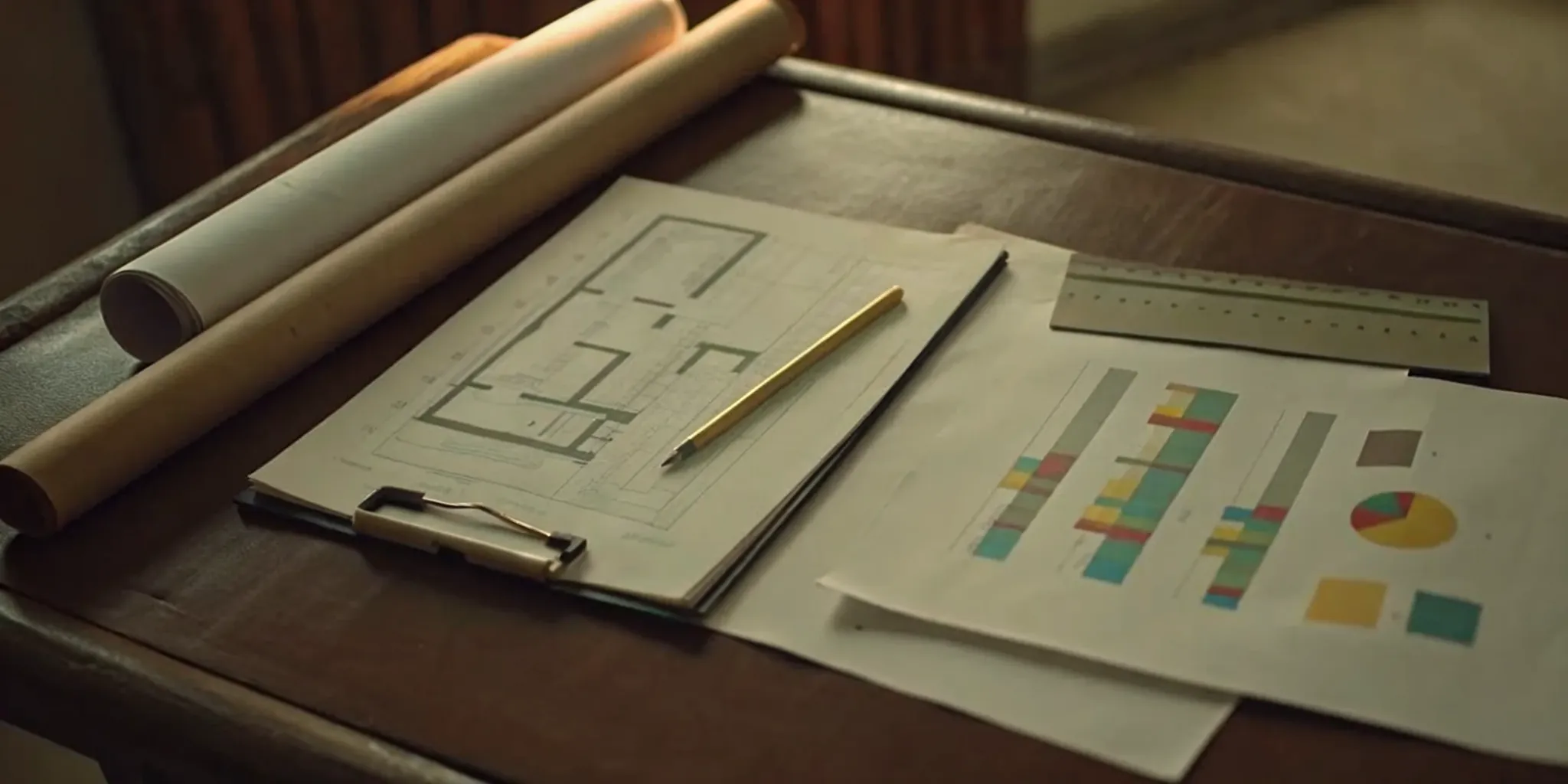
Think of a contingency fund as your project’s safety net. No matter how perfectly you plan, renovations can sometimes reveal surprises, like hidden moisture issues or old wiring that needs an update. Experts suggest setting aside about 10% of your total project cost for these unexpected expenses. So, if your main budget is $40,000, your contingency fund would be an additional $4,000. Having this buffer doesn’t mean you’ll definitely spend it, but it provides peace of mind and ensures that a small hiccup doesn’t derail your entire project. A dedicated Realm advisor can help you build this cushion right into your initial budget.
Deciding Where to Splurge and Where to Save
Getting the most out of your budget is all about making strategic choices. A great approach is to splurge on the elements you’ll see and interact with every day. Think about investing in durable, high-quality flooring for the main living area or stylish, lasting fixtures for a new bathroom. These are the details that make a space feel special. On the flip side, you can save in areas that are less visible or purely functional, like the walls in a storage closet or basic shelving. It’s a balancing act, and knowing where to allocate your funds can help you create a high-end look without a high-end price tag for every single item.
How to Get and Compare Contractor Quotes
Getting quotes is a critical step for finding the right team for your job. Aim to get detailed bids from at least three to five different contractors. This allows you to compare not just the bottom-line price but also the scope of work, proposed materials, and estimated timelines. Remember, the cheapest quote isn't always the best one. Look for a contractor who communicates clearly and understands your vision. Realm simplifies this entire process by connecting you with our network of vetted local professionals, so you can compare trusted quotes without the stress of starting from scratch.
Common Budgeting Mistakes to Avoid
A few common slip-ups can quickly inflate your basement budget. One of the biggest is skipping proper waterproofing from the start, which can lead to expensive moisture damage down the road. Another is forgetting to secure the necessary permits, which can result in fines and work stoppages. Other things to keep on your radar include choosing the wrong type of flooring for a below-ground space, attempting complex electrical work yourself, and not accounting for egress windows if you’re adding a bedroom. Planning for these items from the beginning helps ensure your project runs smoothly and stays on budget. You can find more helpful tips in our resources library.
Start Your Basement Project with Confidence
Taking on a basement renovation can feel like a huge step, but with a clear understanding of the costs, you can make decisions with confidence. While the numbers can vary widely, the average cost to finish a basement is around $32,000. Depending on your vision, materials, and location, you could spend anywhere from $2,800 to $100,000. Thinking in terms of square footage can also be helpful; a typical range is $7 to $23 per square foot.
However, where you live plays a major role. For homeowners in high-cost-of-living areas, that per-square-foot price can climb significantly, sometimes reaching as high as $350. This is why getting a personalized estimate is so important. To make sure you're getting a fair price and finding a team you can trust, we always recommend getting several quotes from different builders. This process allows you to compare not just the bottom line, but also the expertise and approach of various contractors. Realm provides a customized project plan that includes data-backed cost estimates and helps you connect with vetted professionals in your area.
It's also helpful to view this project as a long-term investment. A finished basement adds valuable living space to your home, and mid-range projects typically recoup 60% to 70% of their costs when it's time to sell. By doing your homework and planning carefully, you can transform that unused space into a valuable and enjoyable part of your home.
Related Articles
- How Much Does Finishing a Basement Cost? A Complete Guide
- Basement Finishing Costs: Your Complete Guide
- Average Basement Finishing Costs: A Complete Breakdown
Frequently Asked Questions
Why is there such a huge price range for finishing a basement? The cost varies so much because every basement and every project is completely different. A simple, open-concept playroom using standard materials will cost far less than creating a multi-room guest suite with a full bathroom, custom cabinetry, and high-end lighting. Your final price is a unique mix of your basement's current condition, the complexity of your design, local labor rates, and the quality of materials you choose.
What's the one thing I absolutely shouldn't skip to save money? If you remember one thing, let it be this: do not cut corners on waterproofing and permits. It can be tempting to skip these to lower the initial cost, but it's a decision that often leads to much bigger expenses later. Proper waterproofing prevents mold and moisture damage, and securing the right permits ensures your new space is safe, legal, and won't cause problems when you eventually sell your home.
Will I actually get my money back when I sell my house? Financially speaking, a basement remodel offers a solid return. Most homeowners recoup around 70% of the project's cost at resale. But the total value isn't just about the numbers. You also gain a huge amount of functional living space for your family to enjoy for years. Think of it as an investment in both your property value and your daily quality of life.
How much should I set aside for unexpected costs? A good rule of thumb is to have a contingency fund that is 10% of your total estimated project cost. This isn't for changing your mind about paint colors; it's a safety net for true surprises that can pop up once walls are opened, like discovering old plumbing that needs replacing or a foundation crack that needs to be sealed. Having this buffer provides peace of mind and keeps your project on track.
Do I really need to get a permit for this? Yes, absolutely. For a project of this scale, permits are not optional. They are a crucial step that ensures all the work, especially electrical and plumbing, is done safely and correctly according to local building codes. This protects you, your family, and your home's value. Trying to skip this step can lead to fines, work stoppages, and major headaches down the road.