Swimming Pool Installation Cost Per Square Foot Explained
Get a clear breakdown of swimming pool installation cost per square foot, plus tips on budgeting, materials, and what factors impact your total project price.
|
May 18, 2026
In this article:
Let's be honest: the cost of a new pool can feel overwhelming, and the fear of hidden expenses can be a major hurdle. It’s easy to find a generic number for the swimming pool installation cost per square foot, but that figure often leaves out thousands in necessary expenses for things like decking, equipment, and site preparation. This guide is designed to give you a clear, comprehensive look at where your money really goes. By understanding all the potential costs upfront, you can create a solid budget, prevent surprises, and ensure your pool project is a source of excitement, not stress.
Key Takeaways
- Budget for the entire project, not just the pool: Your final cost includes essential elements like decking, safety fencing, permits, and landscaping that create a complete, functional space, so it's important to account for them from the start.
- Your primary choices dictate the price: The most significant cost factors are your decisions on pool type (inground vs. above-ground), construction material (concrete, fiberglass, or vinyl), and the overall size and complexity of the design.
- A solid plan is your best defense against overspending: Protect your budget by planning for all costs upfront, setting aside a 10-20% contingency fund for surprises, and selecting a vetted contractor who provides a detailed, transparent quote.
How Much Does a Pool Cost Per Square Foot?
When you start budgeting for a pool, thinking about the cost per square foot is a common approach. It gives you a baseline, but the final number really depends on the type of pool you choose, the materials, and your site conditions. The biggest cost driver is your first major decision: will it be an inground or an above-ground pool? Let's look at the typical costs for each so you can get a clearer picture of what to expect.
Inground pool cost breakdown
Inground pools are a significant investment, but they also add long-term value and appeal to your home. On average, you can expect the total cost to be around $66,000. The price for materials and installation typically ranges from $25,000 to over $100,000, which breaks down to about $50 to $125 per square foot. The material you choose plays a big role here. Concrete or gunite pools can range from $35,000 to $120,000, while a high-quality fiberglass shell alone can cost between $30,000 and $60,000. Given the complexity and cost, it's important to have an expert in your corner, which is why Realm provides a dedicated advisor for your project.
Above-ground pool cost breakdown
If you're looking for a more budget-friendly option, an above-ground pool is a great choice. The initial costs are much lower than for an inground pool. A basic pool kit, which includes the structure and filter, can cost anywhere from $1,700 to $6,000. When you factor in professional installation, the total estimated cost usually lands between $4,200 and $12,700. While some smaller, inflatable options are available for just a few hundred dollars, a durable, professionally installed above-ground pool provides a more lasting solution. Finding the right installer is key to ensuring your pool is set up safely and correctly, which is why we recommend working with professionals from a vetted contractor network.
What Drives Your Pool Installation Cost?
When you start budgeting for a pool, you’ll quickly find that the final price tag is influenced by a handful of key factors. It’s not just a single purchase; it’s a construction project with many moving parts. Understanding what drives the cost will help you create a realistic budget and make informed decisions. From the size of the pool to the materials you choose, every choice has a financial impact. We'll break down the four main components that determine your total pool installation cost, so you can plan your project with confidence. Realm can help you create customized plans that account for all these variables from the start.
Size and depth
It’s no surprise that the bigger and deeper your pool, the more it will cost. A larger pool requires more labor for excavation, more construction materials, and more water to fill it. The most significant price difference is between above-ground and in-ground pools. While an above-ground pool is a more budget-friendly option, most homeowners envision a permanent, in-ground structure. An in-ground pool is a much larger investment, with costs varying widely based on its dimensions. A small "spool" (a spa-pool hybrid) will be far less expensive than a full-length lap pool, so deciding on the primary use of your pool is a great first step.
Pool materials: Concrete, fiberglass, or vinyl
For in-ground pools, you generally have three material choices, each with its own price point. Concrete (or gunite) is typically the most expensive but offers unlimited design flexibility. Fiberglass pools arrive as a pre-formed shell, which can speed up installation, but the shell itself is a significant cost. Finally, vinyl liner pools often have the lowest initial cost, but remember to budget for replacing the liner every seven to ten years. This recurring expense is an important factor in the pool's long-term cost of ownership.
Design complexity and custom features
A simple rectangular pool will always be more affordable than a freeform, lagoon-style design with intricate curves. The more complex the shape, the more labor and materials are required. Beyond the basic design, custom features are what can really drive up the price. Add-ons like waterfalls, built-in spas, tanning ledges, slides, and advanced LED lighting can transform your pool into a backyard oasis, but they also add thousands to the final bill. It’s not uncommon for a project with extensive custom features to cost well over $100,000, so it's important to prioritize which bells and whistles matter most to you.
Site preparation and excavation
Before any pool can be installed, your yard needs to be ready. Site preparation includes clearing and leveling the land, and for in-ground pools, it involves major excavation. This cost can range from a few thousand dollars to much more if your property has challenges like rocky soil, a steep slope, or limited access for heavy machinery. The process also includes essential plumbing and electrical work to connect the pool equipment. This foundational work is critical for a successful installation, and it’s an area where working with vetted professionals is non-negotiable to avoid costly issues down the road.
Comparing Costs by Pool Type
Choosing the material for your inground pool is one of the biggest decisions you’ll make. It impacts not just the initial price tag but also the look, feel, and long-term maintenance of your backyard oasis. The three main players in the pool world are concrete, fiberglass, and vinyl liner. Each comes with its own set of pros and cons when it comes to cost, durability, and customization. Understanding these differences is the first step toward picking the perfect pool for your home, budget, and lifestyle. Let's break down what you can expect from each type.
Concrete pools
If you’re dreaming of a pool with a unique shape, a custom-built concrete (or gunite) pool offers limitless design freedom. This flexibility comes at a price, as concrete is typically the most expensive option upfront. Installation costs can range from $25,000 to over $100,000, depending on the size and complexity. The major advantage of concrete is its incredible durability. These pools can last for 50 years or more, making them a durable investment in your property. While they require more intensive maintenance, like regular brushing and occasional acid washing, their longevity is unmatched.
Fiberglass pools
Fiberglass pools are a fantastic middle-ground option, known for their quick installation and low-maintenance surfaces. These pools are pre-molded shells that are delivered to your home and set into an excavated hole. The total estimated cost usually falls between $50,000 and $100,000. The smooth, non-porous gel coat on a fiberglass pool is gentle on your feet and naturally resists algae growth, which means you’ll spend less time and money on chemicals. While you can’t customize the shape, there are many beautiful designs and sizes to choose from, making it easy to find one that fits your yard and your vision.
Vinyl liner pools
For homeowners focused on keeping initial costs down, vinyl liner pools are often the most affordable choice. The total cost typically ranges from $45,000 to $90,000. These pools are built with wall panels (usually steel or polymer) and a flexible vinyl liner that covers the interior. One of the biggest things to factor in is long-term cost: the liner will need to be replaced every 7 to 10 years, which can add up over time. However, this also gives you the chance to update your pool’s look with a new pattern. Vinyl liner pools offer a strong structure and a surprising amount of design versatility.
How Location Impacts Pool Costs
Your zip code has a surprisingly big impact on your total pool installation cost. It’s not just about the weather; it comes down to local economic factors. Things like the cost of materials, the price of skilled labor, and even local demand can cause the same pool to have very different price tags from one city to another. Understanding these regional differences is the first step in creating a realistic budget for your project. It helps you know what to expect and how to find the best value in your specific area.
Regional labor and material prices
The cost of concrete, steel, and other pool materials isn't uniform across the country, and neither is the price for experienced labor. A pool builder in a major city with a high cost of living will have higher overhead than one in a smaller town, and that difference is reflected in their quotes. For example, the average cost for a pool can vary dramatically between states. This is why getting a generic online estimate can be misleading. You need to look at pricing specific to your region to get an accurate picture of what you’ll actually spend.
Cost differences in California and the PNW
If you live in California, you’re likely aware that construction costs are on the higher end. The demand for pools is strong, and many builders in the state set a minimum project cost of around $100,000. In the Pacific Northwest, including areas around Seattle, pricing can be a bit different, but local market conditions are still the biggest factor. This is where having local expert guidance becomes so valuable. A team that understands your specific market can help you connect with the right professionals and get fair, transparent pricing for your project.
Urban vs. rural pricing
Building a pool in a dense urban area often costs more than building the exact same pool in a suburban or rural one. Why? It’s a mix of logistics and demand. Contractors in cities face challenges like tight access to backyards, limited space for equipment, and stricter permitting, all of which add to the project's complexity and cost. For instance, a gunite pool in a major metro area can cost significantly more than a similar pool in a less dense suburb. Working with vetted contractors who are experienced with your area’s specific challenges is key to keeping the project running smoothly.
Budgeting for Additional Pool Costs
The price tag on the pool itself is just the beginning. A realistic budget accounts for all the other costs required to create a safe, functional, and beautiful backyard retreat. Thinking through these expenses from the start helps prevent surprises down the road. Many homeowners get caught off guard by the cost of site preparation, electrical work, and mandatory safety features, which can add thousands to the final bill. Then there are the aesthetic choices, like the type of patio material or the addition of a waterfall, that can significantly influence the budget. And don't forget the long-term picture: ongoing maintenance, higher utility bills, and potential increases in insurance and property taxes are all part of the total cost of ownership. By mapping out these expenses ahead of time, you can make informed decisions and create a comprehensive financial plan that covers every detail from groundbreaking to your first swim. Here’s a breakdown of the key additional costs to factor into your swimming pool project.
Permits and inspections
Before any work begins, you’ll need to secure permits from your local municipality. These documents ensure your project meets all safety and building codes. The cost for permits can range from $500 to $2,000, depending on your city’s requirements. This process also includes mandatory inspections at various stages of construction, which are essential for verifying that the electrical, plumbing, and structural work is up to standard. Your contractor usually handles the permit application process, but the cost is passed on to you, so make sure it's itemized in your project quote.
Fencing and safety features
Most areas have strict laws requiring a fence around a swimming pool to prevent accidents. The cost to install a pool fence typically runs from $1,500 to $10,000 or more, based on the material and length. Beyond fencing, you might also consider safety features like gate alarms or a safety cover. These are not just for compliance; they provide critical peace of mind for you and your family, especially if you have young children or pets. Factoring these non-negotiable safety costs into your initial budget is one of the most important steps you can take.
Pool equipment, heaters, and covers
Your pool needs essential equipment to function, including a pump and filter, which are often included in a package from your builder. However, upgrades and additions can add up. A pool heater can cost between $1,800 and $4,000, extending your swimming season into cooler months. An automatic pool cover, which helps with safety, cleanliness, and heat retention, is a larger investment, ranging from $12,000 to $22,000. While these items increase the upfront cost, they can also improve your overall enjoyment and even save money on heating and cleaning over time.
Landscaping and decking
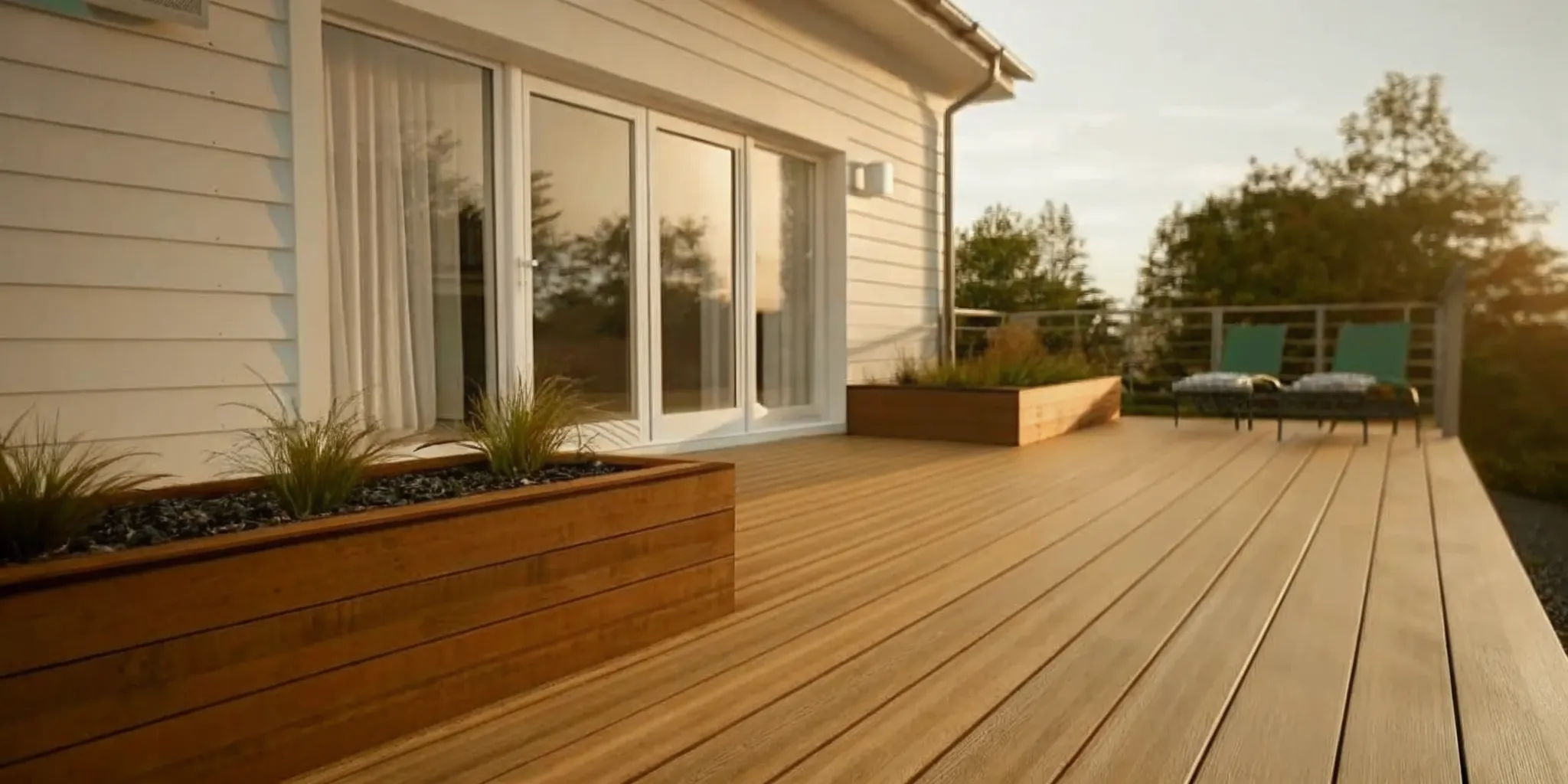
The area surrounding your pool is what truly makes it an oasis. Decking or a patio is essential for creating a usable space for lounging and entertaining. The cost for pool decking can vary widely, from $3,000 to over $20,000, depending on the material (like concrete, pavers, or wood) and the size of the area. Don’t forget to budget for lighting, plants, and other landscaping to complete the look. These finishing touches are what transform a simple pool into a stunning backyard centerpiece, so it's worth planning for them from day one.
Long-term maintenance
Pool ownership comes with ongoing responsibilities. You’ll need to budget for the routine costs of keeping your pool clean, safe, and sparkling. Monthly pool maintenance costs can range from $125 to $350, covering chemicals, professional cleaning services, and electricity. It’s also wise to set aside funds for eventual repairs, like fixing a pump or patching a liner. Thinking about these long-term expenses now will help you enjoy your pool for years to come without any financial strain.
Insurance and property taxes
Installing a pool will likely have an impact on your finances beyond the initial build. Because a pool increases your liability, you can expect your homeowner's insurance premium to rise. It’s a good idea to call your provider to understand the potential increase. Additionally, a beautiful new pool can increase your home’s value, which may lead to a corresponding increase in your annual property taxes. These are recurring costs that will be part of your life as a pool owner, so it's smart to be aware of them from the outset.
Is a Swimming Pool a Good Investment?
Deciding to add a pool is about more than just numbers; it’s a lifestyle choice. While the financial return is a huge part of the equation, the real value often comes from the years of enjoyment, family memories, and having your own private oasis. A pool can be a fantastic investment in your quality of life, but it’s important to understand the full picture, from the initial build to the long-term upkeep.
Thinking through the return on investment means looking at how it impacts your property's value, what modern, efficient options are available, and how to balance the ongoing costs with the incredible benefits. When you’re making a decision this big, having a clear plan and an expert in your corner can make all the difference. A dedicated Realm advisor can help you weigh these factors to see if a pool is the right fit for your home and your budget.
How a pool affects your property value
One of the first questions homeowners ask is, "Will a pool increase my home's value?" The answer is usually yes, especially in climates like California where outdoor living is a year-round affair. A well-designed and maintained pool is a highly desirable feature for many buyers. Adding a pool can certainly make your backyard better and, in many cases, increase your home's value.
While you may not recoup every single dollar you spend on the installation, a pool can make your home sell faster and stand out in a competitive market. The key is to ensure the pool's style and quality match your home and neighborhood. A beautiful, integrated pool is an asset; a poorly maintained one can be a liability.
Exploring eco-friendly and efficient options
A smart investment is an efficient one. Modern pools are a world away from the energy-guzzling models of the past. By choosing eco-friendly and efficient systems, you can significantly lower your long-term ownership costs. Options like variable-speed pumps, solar heaters, and automatic covers reduce electricity, gas, and water usage.
The material you choose also plays a role. For example, fiberglass pools are pre-made shells that are quick to install and have a smooth, non-porous surface that resists algae growth, which means you’ll use fewer chemicals. Finding contractors who specialize in these modern systems is key, and Realm’s network of vetted professionals can connect you with the right people for the job.
Weighing the long-term costs vs. benefits
A pool is not a one-and-done purchase. Besides the initial cost, you'll also have to pay for ongoing care and other expenses. It’s wise to plan for recurring costs like cleaning services, water, chemicals, and potential repairs, which can add up to several hundred dollars a month. Your property taxes and homeowner's insurance may also increase.
You have to weigh these costs against the undeniable benefits: a built-in source of fun and exercise, a beautiful focal point for your yard, and the perfect setting for entertaining friends and family. Understanding the complete financial picture from the start is crucial. We help homeowners create a comprehensive plan that accounts for the entire scope of their project, ensuring there are no surprises down the road.
How to Keep Your Pool Project on Budget
A new swimming pool is an exciting addition, but it’s also a major financial undertaking. The key to a smooth, stress-free project is creating a realistic budget and sticking to it. While it’s tempting to focus only on the final vision of your backyard oasis, a successful project starts with a solid financial plan. With a bit of foresight and the right strategy, you can prevent costs from spiraling and ensure your dream pool doesn't turn into a financial headache. Here are four essential steps to keep your project on track.
Don't underestimate total project costs
The price of the pool itself is just one piece of the puzzle. To create an accurate budget, you need to think about the total project cost. This includes everything from the initial excavation to the final touches that make your pool area usable and beautiful. Many homeowners are surprised by the cost of essential extras like decking, safety fencing, and professional landscaping. Then there’s the necessary equipment, such as pumps, filters, and heaters. A comprehensive project plan from the start helps you see the full picture, ensuring there are no major financial surprises down the line and that you can truly enjoy your new backyard feature.
Don't overlook permits and regulations
Before any digging begins, you’ll need to deal with local permits and regulations. These are non-negotiable requirements that ensure your pool is built safely and to code. Permit fees can range from a few hundred to nearly two thousand dollars, depending on your municipality. Trying to skip this step can result in hefty fines, work stoppages, or even being forced to remove the pool. A qualified contractor will be familiar with your area's specific rules and can handle the permitting process for you. This not only saves you a headache but also ensures your project starts off on the right legal footing, avoiding costly delays.
Always have a contingency fund
Even the most perfectly planned project can have surprises. You might find difficult soil conditions during excavation or decide on a last-minute tile upgrade. That’s why a contingency fund is your best friend. Most experts recommend setting aside an extra 10% to 20% of your total project cost as a financial cushion. This fund is there to cover unexpected expenses without derailing your budget or forcing you to compromise on other parts of the project. It’s better to have it and not need it than to need it and not have it. This buffer provides peace of mind and flexibility as you move through the construction process.
Work only with vetted contractors
The single most important decision you'll make for your pool project is choosing the right contractor. A low bid might seem tempting, but it can be a red flag for an inexperienced or unreliable builder. A great contractor provides a detailed, transparent quote that accounts for all aspects of the project, so you know exactly what you’re paying for. It’s crucial to work with vetted professionals who are licensed, insured, and have a portfolio of happy clients. Taking the time to check references and review past work ensures you partner with someone who will deliver a high-quality pool on time and, most importantly, on budget.
Related Articles
- The Real Deck Installation Cost Per Square Foot
- How Much Is the Average Cost for Basement Finishing?
- Your Guide to the Average Cost of a Tile Shower Remodel
Frequently Asked Questions
Why is there such a wide price range, from $45,000 to over $100,000, for an inground pool? The final price tag is a mix of your choices and your property's specific needs. The material you pick, like concrete versus fiberglass, is a major factor. So is the size and complexity; a simple rectangle costs less to build than a custom, freeform shape. Add-ons like a built-in spa or waterfall also increase the price, as does challenging site work like clearing sloped land or rocky soil.
Besides the pool itself, what's the biggest "hidden" cost I should plan for? Many people are surprised by the cost of creating the area around the pool. Decking and landscaping can easily add $10,000 to $20,000 or more to your project, depending on the materials and size. Another significant, and often legally required, expense is safety fencing. This is a critical safety feature that needs to be factored into your initial budget from day one.
Is it smarter to choose a more expensive material like concrete upfront, or is a vinyl liner a good way to save money? This really depends on your financial priorities. A vinyl liner pool has the lowest initial cost, which is great for a tighter upfront budget. However, you have to plan for the recurring expense of replacing the liner every seven to ten years. Concrete is a larger investment at the start, but it can last for decades with proper care, making it a more permanent addition to your home.
How much does my location really affect the price? Your location plays a huge role. The cost of labor and materials can vary significantly from one city to another, even within the same state. For example, building in a dense urban area often costs more due to tighter access for equipment and stricter permitting rules. This is why getting quotes from local builders who understand your market is essential for an accurate budget.
What's the most important thing I can do to make sure my project doesn't go over budget? The best thing you can do is hire the right contractor from the very beginning. A reputable, vetted professional will give you a transparent and detailed quote that covers the entire scope of the project. This prevents surprise costs and ensures the work is done correctly. A low bid can be tempting, but it often leads to budget overruns and headaches later on.