The Hidden Cost of Renovation Delays: What a Slow Permit or Late Contractor Actually Costs You
Delay costs and timeline anxiety come up in 8 in 10 Realm advisory calls. The financial cost of a delayed renovation is real — and almost never included in budgets. Here is how to calculate and manage it.
|
June 2, 2026

In this article:
Why Renovation Delays Are a Financial Problem, Not Just a Frustration
Delay costs and timeline anxiety come up in roughly 8 in 10 Realm advisory calls — making it one of the most common topics on the platform. But almost every conversation starts with homeowners treating delay as an inconvenience problem. It is actually a financial problem.
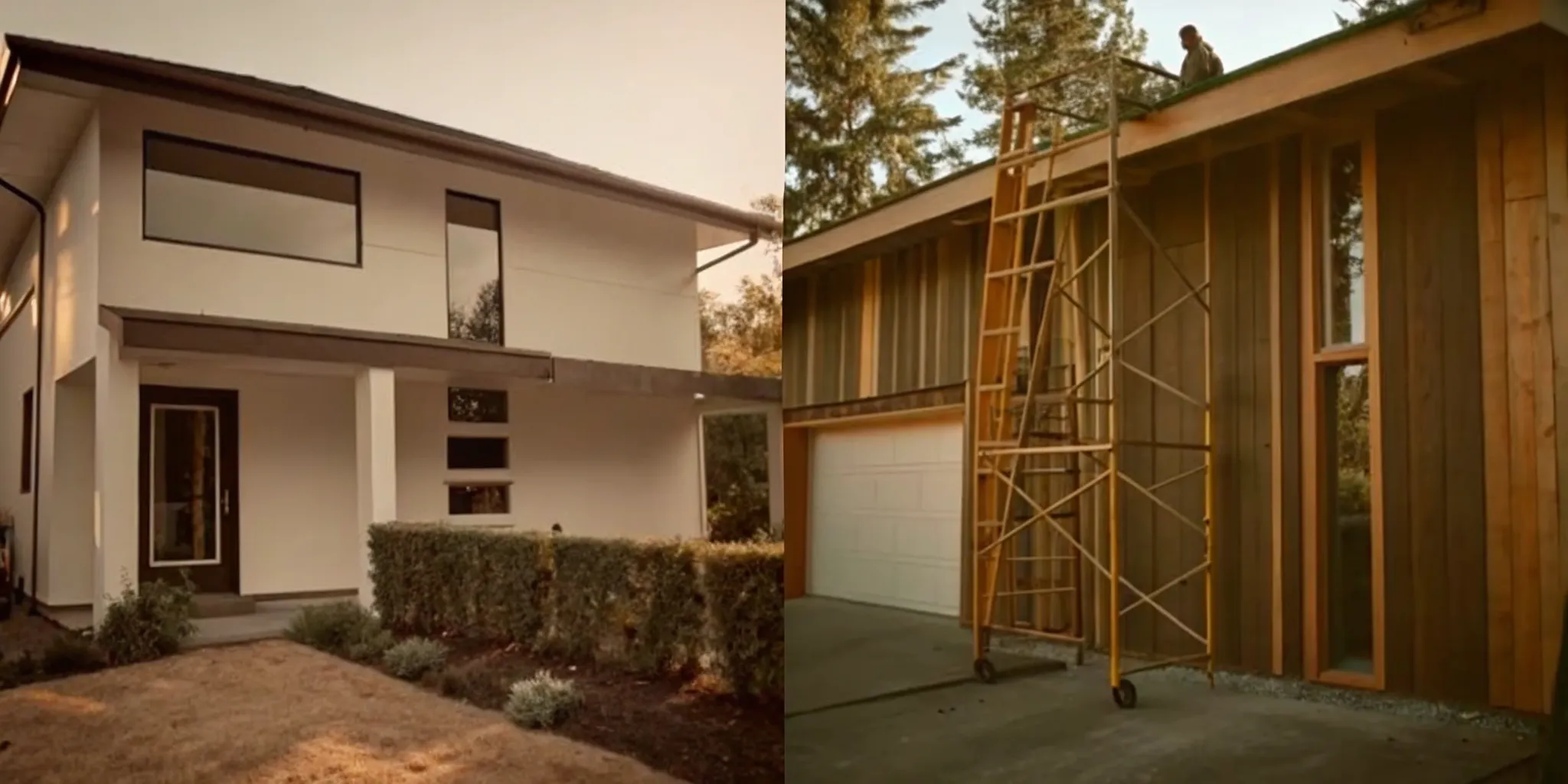
Renovation delays have real costs: carrying costs on a mortgage or construction loan, lost rental income on an investment property or ADU, temporary living expenses if you have vacated the property, and materials price changes if delays push procurement into a different cost environment.
The Carrying Cost Calculation
If you have a construction loan with an interest reserve, every day of delay is using that reserve. If you are paying a mortgage on a property you are not living in, every day of delay is paying for nothing. The carrying cost of a renovation project is typically calculated as:
- Monthly carrying cost = (mortgage or construction loan interest) + (any temporary housing cost) + (utilities for an empty property)
- Cost per day of delay = monthly carrying cost ÷ 30
For a typical Bay Area homeowner carrying a $1.5M mortgage at 7%, the monthly interest alone is approximately $8,750. A one-month construction delay costs $8,750 in interest — before accounting for temporary housing, storage, or any other costs.
The ADU Rental Income Calculation
For ADU projects, delays directly delay rental income. A $3,000/month ADU rental delayed by 3 months due to permit or construction delays costs $9,000 in foregone income — and that is before accounting for the carrying cost of the financing used to build the ADU. This is why permit timeline accuracy matters so much for ADU projects: a 6-month permit delay in San Francisco is not just a scheduling inconvenience, it is a $18,000+ income event.
Where Delays Come From
Permit delays
In high-delay cities (San Francisco, Marin, LA City), permit timelines are the single biggest source of project delays. The permit timeline for an ADU in San Francisco is typically 9–18 months; in Los Angeles, 6–12 months; in Seattle, 3–6 months. These are not outlier cases — they are averages.
What homeowners can do: hire a permit expediter in cities where expediting consistently saves time. File complete, accurate plans the first time (revision cycles add months). Use an architect or designer with specific experience in your city's building department requirements.
Contractor delays
Contractor delays come in two forms: schedule slippage (the project takes longer than planned) and work stoppages (work stops for days or weeks). Schedule slippage is almost always caused by underestimating complexity, change orders that were not scoped in advance, and subcontractor scheduling problems. Work stoppages are usually caused by payment disputes, material lead times, or a contractor overcommitted across multiple jobs.
What homeowners can do: get a detailed schedule from the contractor before signing (not just a start and end date — a phase-by-phase breakdown). Include schedule requirements in the contract. Build contingency into your own timeline, not just your budget. See How Change Orders Actually Work for how to structure the contract to minimize scope-driven delays.
How to Budget for Delay Risk
Most renovation budgets include a 10–15% contingency for construction costs. Fewer include a contingency for timeline. The way to budget for delay risk is to calculate your carrying cost per month and hold 1–2 months of that as a timeline contingency — separate from your construction contingency.
For a Bay Area homeowner doing a 6-month renovation project: if your carrying cost is $5,000/month, hold $5,000–$10,000 as a delay contingency in addition to your standard construction contingency. This is not pessimism — it is accurate budgeting.
Related Reading
- Building Permit Costs by City in California and Washington
- How Change Orders Actually Work
- My Contractor Stopped Responding. Here's Exactly What to Do.
Worried about your project timeline and carrying costs? A Realm Advisor will help you build a realistic timeline — including permit timelines for your specific city, contractor schedule expectations, and how to structure your budget to absorb delays without a financial crisis. Free.