How Much Does a 14x20 Deck Cost? A Price Guide
Get clear answers to “how much does a 14x20 deck cost” with real price ranges, material options, and tips to plan your deck project with confidence.
|
May 26, 2026
In this article:
When you decide to build a deck, you become the project manager of your own backyard transformation. Every choice, from the ground up, is in your hands. This control is empowering, but it also means you need solid information to make the right decisions, especially when it comes to the budget. You’re likely wondering, "how much does a 14x20 deck cost?" and the answer is that you have the power to influence that number. Think of your material choice, design complexity, and added features as levers you can pull to align the project with your budget. A simple, ground-level wood deck has a very different price tag than a multi-level composite one with built-in lighting. This guide will show you how each lever works so you can design a deck that meets both your vision and your wallet.
Key Takeaways
- Understand Your Main Cost Drivers: Your final price depends on three main factors: the materials you choose (like wood versus composite), the complexity of the design, and the cost of professional labor.
- Account for the Hidden Costs: A complete budget goes beyond lumber and labor; factor in often-overlooked expenses like site preparation, building permits, and the long-term maintenance required for your chosen material.
- Make Strategic Choices to Save: You can lower your project cost by keeping the design simple, building during the off-season (fall or winter), and comparing at least three detailed quotes from vetted contractors to find a fair price.
How Much Does a 14x20 Deck Really Cost?
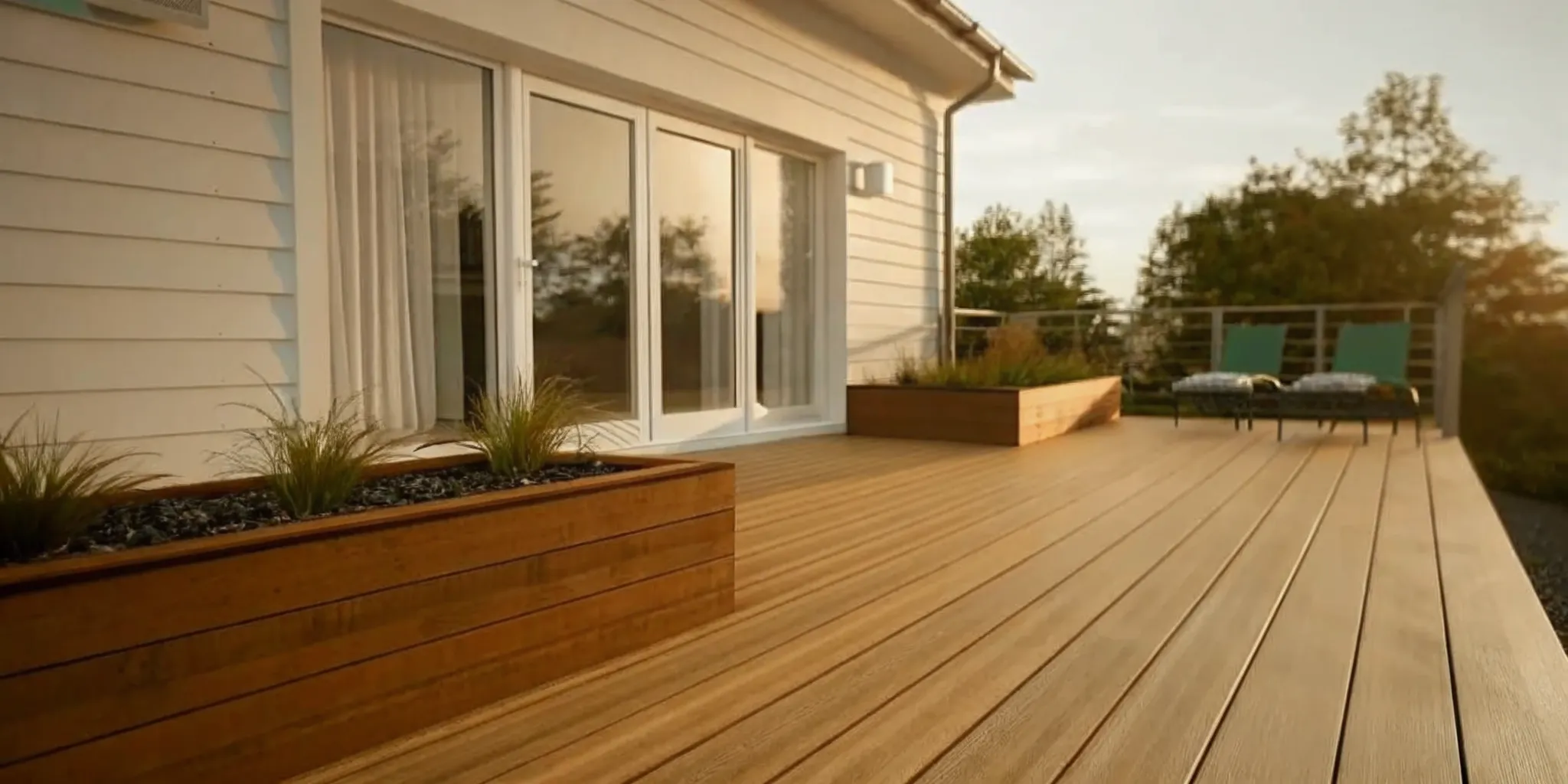
Let's get straight to the point: you want a number. While I wish I could give you a single, simple price, the cost of a new deck depends heavily on your choices. Think of it like buying a car; the base model has a very different price tag than the fully loaded version. A 14x20 deck, which gives you 280 square feet of outdoor living space, is a fantastic size for a dining set and a small seating area. It’s big enough to be truly useful without completely taking over your yard.
The final cost comes down to three main things: the materials you pick, the complexity of the design, and the labor costs in your area. A simple, ground-level platform deck made from pressure-treated wood will be on the lower end of the spectrum. A multi-level composite deck with built-in benches, custom railings, and integrated lighting will land on the higher end. That’s why it’s so important to create a customized plan that aligns your vision with your budget from the very beginning. Understanding these variables is the first step toward getting an accurate estimate and avoiding any surprises down the road.
Breaking down the price range
So, what's the ballpark? For a 14x20 deck, you can see price ranges anywhere from $8,500 to over $30,000. That’s a huge spread, I know. The lower end typically represents a straightforward, pressure-treated wood deck built on flat ground. The higher end reflects premium materials like composite or exotic hardwoods, complex designs with multiple levels or unique shapes, and add-ons like pergolas or outdoor kitchens. For example, some contractors estimate a range of $14,000 to $28,000 for this size, with the potential to go even higher. Your local market and the specific contractor you hire will also play a significant role in the final price.
A look at the cost per square foot
To get a clearer picture, it helps to look at the cost per square foot, especially for materials. Pressure-treated wood is the most budget-friendly option, often running $3 to $5 per square foot. Composite decking, a popular low-maintenance choice, typically costs between $10 and $20 per square foot. If you’re dreaming of a high-end look, premium hardwoods like Ipe can range from $15 to $25 per square foot. For a 280-square-foot deck, your material costs alone could be around $1,300 for pressure-treated wood or over $4,000 for hardwoods. Remember, this is just for the decking boards and doesn't include labor, the substructure, railings, or permits.
What Factors Drive Your Deck's Final Price?
When you start researching deck costs, you'll see a lot of talk about the price per square foot. While that's a handy starting point, it can be misleading. The final price tag for your deck is a much more dynamic figure, shaped by a handful of key decisions and site-specific conditions. Think of these factors as levers you can adjust to align the project with your budget. Some, like your material choice and design, are entirely within your control. Others, like your yard's slope or local permit fees, are fixed realities you'll need to plan for.
A successful project depends on understanding how these elements interact. For example, choosing a premium hardwood for a multi-level deck on a sloped yard will have a compounding effect on your total cost. This is why creating a comprehensive plan from the outset is so critical. At Realm, we help homeowners develop a customized plan that accounts for every variable, ensuring your budget is realistic and there are no surprises. Let's walk through the five main factors that will influence your deck's final price.
The materials you choose
The material you select is one of the biggest levers on your deck's final cost. Your choice here impacts not just the upfront price but also your long-term maintenance commitment. Pressure-treated pine is the most common and budget-friendly option, but it requires regular staining and sealing. On the other hand, composite decking has a higher initial price but offers a low-maintenance alternative that resists rot and insects without needing yearly treatments. If you’re aiming for a high-end look, exotic hardwoods like Ipe or Tigerwood are beautiful and durable, but they come with a premium price tag. Thinking about how you want to balance upfront costs with long-term value is a great first step.
Your deck's design and complexity
A simple, ground-level rectangular deck will always be the most affordable option. As you add complexity, the costs for both labor and materials begin to climb. Features like multiple levels, curves, or diagonal decking patterns require more intricate cuts and specialized labor, which increases the price. The same goes for built-in elements like benches, planters, or a privacy screen. Even the design of your stairs and railings can have a significant impact. A straightforward staircase is much less expensive than a wrap-around or spiral one. If you're working with a tight budget, keeping the design clean and simple is one of the most effective ways to manage costs while still getting a beautiful, functional space.
Your yard's condition and access
Your property itself plays a big role in the construction process and cost. A flat, clear, and easily accessible backyard is the ideal scenario for a straightforward build. If your yard is on a slope, your contractor will need to spend more time and materials creating a level foundation with taller support posts and additional concrete footings. Poor site access, like a narrow side yard that prevents machinery from getting through, can also drive up labor costs, as materials will need to be carried by hand. Don't forget to account for any necessary site preparation, such as removing an old concrete patio, clearing trees, or grading the land, as these tasks will add to your total project budget.
Local permits and inspections
Building a deck isn't something you can just start on a whim; it almost always requires a building permit from your local municipality. The cost of a permit can vary widely, from a few hundred to over a thousand dollars, depending on where you live and the scale of your project. For homeowners in our service areas, it's wise to check the specific requirements with your city's building department, like the Los Angeles Department of Building and Safety. This isn't just red tape; the permitting and inspection process ensures your deck is built to current safety codes, protecting both your family and your home's value. Your contractor should handle the permitting process, but the cost will be part of your overall budget.
The time of year you build
Believe it or not, the season you choose to build your deck can influence the price. Spring and summer are peak construction seasons, and with high demand comes higher prices and longer wait times for good contractors. Everyone wants their deck ready for warm weather, so builders are at their busiest. If you have some flexibility, scheduling your project during the off-season, like in the fall or even early winter, can lead to some savings. Contractors are often looking to fill their schedules during these slower months and may offer more competitive pricing on labor. It’s a smart way to potentially get the same quality work for a better price, just by being strategic with your timing.
Wood vs. Composite: A Deck Material Cost Comparison
Choosing your deck material is one of the biggest decisions you'll make, and it has a huge impact on your budget. It’s not just about the upfront price tag; you also have to consider long-term maintenance costs and the overall lifespan of your deck. Let's break down the most common options so you can see how the numbers stack up for your project.
Pressure-treated wood: The budget-friendly classic
If keeping initial costs down is your top priority, pressure-treated wood is the classic choice. It’s typically the most affordable option, with materials for a standard deck often costing around $1,260. This type of lumber, usually pine, is chemically treated to resist rot, fungus, and insects, making it a durable starting point. The trade-off for the lower price is maintenance. To keep it from splintering, warping, or fading, you’ll need to clean and re-stain or seal your wood deck every couple of years, adding to its long-term cost.
Composite decking: The low-maintenance option
Composite decking is engineered from a blend of wood fibers and recycled plastics, creating a board that’s incredibly durable and low-maintenance. You’ll never have to worry about sanding or staining, and it won’t rot, warp, or splinter. This convenience comes with a higher upfront cost. A complete composite deck project can range from $14,000 to over $28,000. Looking at materials alone, the cost for a Trex deck is typically between $10 and $27 per square foot. For many homeowners, avoiding yearly maintenance is well worth the initial investment.
Exotic hardwoods: The premium choice
For a truly luxurious and high-end look, exotic hardwoods like Ipe and Tigerwood are stunning options. These woods are naturally dense, durable, and resistant to insects and rot, giving them a very long lifespan. Their rich colors and unique grain patterns create a show-stopping outdoor space. As you might expect, this premium quality comes with a premium price tag, with materials costing between $15 and $25 per square foot. While they are naturally durable, you’ll need to oil them periodically to maintain their vibrant color, otherwise they will weather to a silvery-gray patina.
Weighing upfront cost vs. long-term value
It’s easy to see the lower price of a wood deck and think it’s the clear winner. However, the story changes when you look at the long run. Because of the ongoing costs of cleaning, sanding, and staining, a wood deck can end up costing 40% more than a composite deck over its lifetime. Your decision really comes down to this: would you rather pay less now and commit to regular upkeep, or invest more upfront for decades of low-maintenance enjoyment? A Realm advisor can help you weigh these options and create a realistic budget that accounts for both immediate and future costs.
What Should You Budget for Deck Labor Costs?
After materials, labor is the next big piece of your budget puzzle. The cost to have a professional build your deck can vary quite a bit, so it’s smart to understand what you’re paying for. Deciding between hiring a pro and doing it yourself is a major decision, but knowing the facts can help you choose the right path for your project and your wallet.
Understanding how contractors price their work
When you hire a contractor, you’re paying for more than just a pair of hands. You’re investing in their experience, skill, and efficiency. Labor usually makes up a significant portion of the total project, typically between 50% and 70% of the final cost. As a general rule, you can expect to budget about $15 to $35 per square foot for labor alone. This fee covers the entire construction process, from preparing the site and framing the structure to installing the deck boards and cleaning up. Finding a trustworthy builder is key, which is why Realm’s network includes only vetted, reliable contractors to ensure your project is in good hands.
What makes labor costs go up (or down)?
Not all deck projects are created equal, and several factors can influence your labor quote. A complex, multi-level design with intricate patterns will naturally require more time and skill than a simple, rectangular deck. The condition of your yard also plays a role; if the building site is on a steep slope or is difficult to access, contractors may charge more for the extra work. The time of year matters, too. Builders are busiest in the spring and summer, so you might find more competitive pricing during the off-season. Finally, a highly experienced builder with a long portfolio of custom decks will likely have higher rates than a general contractor.
DIY vs. pro: The real cost savings
It’s tempting to think about building the deck yourself to save on labor. Taking on a DIY project can save you half or more of the total cost, but only if you already have solid carpentry skills. This approach is best suited for small, simple, ground-level decks. For anything more complex, the risks can quickly outweigh the rewards. A mistake in the foundation or framing could lead to costly repairs or, worse, an unsafe structure. Remember to factor in the value of your own time and the cost of tools you may need to buy or rent. A professional can get the job done faster and ensure it meets all local building codes.
DIY projects you can actually handle
Even if you decide to hire a pro for the main construction, you can still find ways to get your hands dirty and save some money. You could handle the demolition of an old deck, for example, or take on the final staining and sealing once the build is complete. Planning is another area where you can contribute. Using free design software can help you visualize your deck and create a detailed material list to share with your contractor. This not only makes the DIY process more manageable but also helps you communicate your vision clearly, ensuring you and your builder are on the same page from the start. For more project ideas, you can always explore our library of resources.
How Will Upgrades Impact Your Deck Budget?
Once you have the basic footprint of your deck planned, the real fun begins. This is where you get to add the features that make the space uniquely yours and truly functional for your family. While a simple, flat platform is great, upgrades are what transform a deck from a structure into an outdoor destination. From essential safety features to full-blown luxury add-ons, every choice you make will influence your final project cost.
It’s helpful to think about these additions in a few different categories. First, there are the near-necessities like railings and stairs, which are often required for safety but also offer a major opportunity for design expression. Then, you have the functional built-ins that add convenience and character, like integrated seating and lighting. Finally, there are the dream features, such as an outdoor kitchen or a pergola, that create a true outdoor living room. As you explore these options, it's important to balance your wishlist with your budget. A clear plan helps you and your contractor stay on the same page, ensuring the final result is exactly what you envisioned. Realm’s customized project plans can help you map out these details from the very beginning.
Railings and stairs
For any deck that’s more than a few feet off the ground, railings and stairs aren’t just an upgrade; they’re a requirement for safety and code compliance. But that doesn't mean they have to be boring. The style and material you choose for your railings can dramatically change your deck's entire look, and its price tag. Simple wood railings are the most budget-friendly, while options like metal, composite, or modern cable railings will cost more. Adding stairs and railings can increase your total project cost by $2,000 to $5,000, depending on the materials and complexity. The more linear feet of railing you need and the more intricate the staircase, the higher the cost will be.
Built-in features: Seating, planters, and lighting
This is where you can really infuse your deck with personality and make it work harder for you. Built-in features like bench seating, planters, and integrated lighting make your deck feel custom and complete. Built-in seating is a smart way to guarantee you always have a place for guests to sit without cluttering the space with furniture. Planters can soften the hard edges of the deck with greenery, and subtle lighting extends your enjoyment of the space well into the evening. Factoring in these kinds of custom additions will typically add another $2,000 to $5,000 to your budget. Planning for them from the start is almost always more cost-effective than trying to add them later.
Dream add-ons: Outdoor kitchens and pergolas
If your goal is to create the ultimate outdoor oasis, you might be dreaming of some bigger-ticket items. Features like a pergola for shade, a cozy fire pit, a built-in outdoor kitchen, or even a hot tub can turn your deck into the most popular spot in the house. These are significant upgrades that will substantially increase your total cost, so it’s important to think about how you’ll realistically use them. An outdoor kitchen is fantastic for avid entertainers, while a pergola might be essential in a yard with no shade. Because these additions often require extra structural support, plumbing, or electrical work, getting expert guidance early on is key to budgeting accurately and avoiding surprises.
Is a Permit Required for Your New Deck?
Ah, the permit question. It’s one of the first things you should figure out when planning a new deck, and the short answer is: you probably need one. While it might feel like just another piece of paperwork, securing a permit is a non-negotiable step that protects you, your investment, and your family’s safety. Think of it less as a hurdle and more as a quality-control check for your project. The specific requirements depend entirely on your city and county, so your first move should always be to check with your local building department.
Typical permit costs
Let's talk numbers. The cost of a deck permit isn't usually a budget-breaker. On average, you can expect to pay between $100 and $500. Some local offices charge a simple flat fee, which makes things easy. Others calculate the fee based on a percentage of your deck’s total estimated value, usually somewhere between 1% and 3%. To get a clearer picture of what to expect, you can review a detailed deck cost breakdown that often includes these administrative fees. Knowing this ahead of time helps you build a more accurate and realistic budget from the start.
Decoding local building codes
Every city has its own set of rules, known as building codes, that dictate exactly how a deck must be constructed. These regulations cover everything from the required depth of the footings to the spacing of your railing balusters and the type of materials you can use. The goal of these codes is to ensure your deck is structurally sound and safe for everyone to enjoy. You can usually find these guidelines on your local building department’s website. Understanding the specific building codes for your area is crucial, and it’s one of the key areas where working with an experienced contractor pays off.
The risks of building without a permit
Tempted to skip the permit process to save time or money? I strongly advise against it. Building without a permit can open you up to some serious headaches down the road. If the city discovers the unpermitted work, they can hit you with fines and even issue a stop-work order until you get the proper approvals. In a worst-case scenario, they could require you to tear the whole thing down. An unpermitted deck can also create major problems when you sell your home. Ultimately, a permit ensures your deck is inspected for safety, giving you peace of mind that it’s built to last.
Common Deck Budgeting Mistakes (and How to Avoid Them)
Creating a budget for your new deck is a huge step, but it’s easy to overlook a few key details that can add up quickly. Getting ahead of these common pitfalls will not only save you from surprise costs but also make the entire process feel much more manageable. Think of it as setting yourself up for success from day one. Here are the four biggest budgeting mistakes I see homeowners make, and more importantly, how you can steer clear of them.
Not planning for fluctuating material prices
Material costs, especially for lumber, can change quite a bit depending on the season and supply chain demands. It’s a mistake to base your entire budget on a price you saw six months ago. Before you set your numbers in stone, do some current research. A great first step is to look at recent building material cost trends to get a feel for the market. When you start talking to contractors, ask them if it’s possible to lock in material prices once you sign the contract. This can protect you from unexpected price hikes between the planning phase and the actual build, giving you much-needed peace of mind.
Forgetting about site prep costs
The perfect, level patch of grass for a deck is more of a dream than a reality for most of us. Preparing your yard for construction is a real cost that often gets left out of initial estimates. Does your yard have a significant slope? Do trees, roots, or an old concrete patio need to be removed? Is access to your backyard tricky for bringing in materials and equipment? All of these factors require extra labor and can increase your final bill. A good contractor will perform a thorough site assessment before providing a quote, so be sure this is part of their process.
Ignoring long-term maintenance expenses
It’s tempting to only focus on the upfront cost of your deck, but the expenses don’t stop once the build is complete. Different materials come with very different long-term maintenance needs. A pressure-treated wood deck might be the most affordable option initially, but it will require regular cleaning, sanding, and staining to keep it in good shape. Over time, these maintenance costs can add up significantly. When you’re comparing materials, think about the total cost of ownership. A composite deck may cost more upfront, but its low-maintenance nature can actually save you money in the long run.
Hiring the first contractor you talk to
When you’re excited to get a project started, it’s easy to go with the first contractor who gives you a reasonable quote. But this can be a costly mistake. Getting at least three different bids is essential, not just to compare prices, but to get a feel for each contractor’s professionalism, communication style, and expertise. Ask for references, look at their past work, and confirm they are licensed and insured. This process takes time, which is why working with a service like Realm is so helpful. We simplify the process by connecting you with our network of vetted local professionals, so you can compare quotes with confidence and find the right partner for your project.
Smart Ways to Save on Your Deck Project
Building your dream deck doesn't have to mean draining your savings. With some smart planning and strategic choices, you can create a beautiful and functional outdoor space that fits your budget. The key is to focus on what truly matters for your project and know where you can be flexible to cut costs without sacrificing quality. From the initial design to choosing your contractor, every decision offers an opportunity to be more efficient with your money. A thoughtful approach will help you get the most value out of every dollar you spend, ensuring your new deck is a source of enjoyment, not financial stress.
Realm’s project advisors are experts at value engineering, which means they can help you find cost-saving opportunities that don’t compromise your vision. They’ll work with you to refine your plans, making sure your project stays on track and within your budget from start to finish.
Keep the design simple and smart
One of the easiest ways to manage your deck budget is by sticking to a simple design. Complex shapes, multiple levels, and intricate patterns require more materials and significantly more labor, which drives up the price. A classic rectangular, single-level deck is the most cost-effective option and provides a versatile foundation for your outdoor living area. You can always add personality and style with railings, furniture, and lighting. A smart, straightforward plan minimizes material waste and streamlines the construction process, saving you money that can be used for other features.
Be strategic with your material sourcing
The materials you choose are a major part of your deck's total cost, so it pays to be strategic. Pressure-treated pine is often the most affordable option upfront, but it requires regular maintenance. Composite decking costs more initially but saves you money and time on long-term upkeep. By weighing the pros and cons of each material against your budget and lifestyle, you can make a choice that works for you now and in the future. Your Realm advisor can help you compare material costs and durability to find the perfect fit for your project.
Schedule your build during the off-season
Timing can be everything when it comes to saving money. Contractors are busiest during the spring and summer, which means their prices are at a premium. If you can wait, consider scheduling your deck construction for the fall or winter. During these slower months, many contractors are more willing to offer competitive pricing to keep their crews busy. This is especially true in areas with milder winters, like California. Planning your build for the off-season can lead to significant savings on labor without compromising on the quality of the work.
Compare quotes from vetted contractors
Never settle for the first quote you receive. Getting bids from at least three different contractors is essential to ensure you're getting a fair price. However, comparing quotes can be tricky, and finding trustworthy professionals takes time. Realm simplifies this entire process. We connect you with our network of thoroughly vetted local contractors and help you compare their detailed proposals side-by-side. This ensures you’re not just getting a competitive price but also a high-quality partner for your project, giving you complete confidence before the work even begins.
Start Planning Your Dream Deck with Realm
Turning your dream deck into a reality starts with a solid plan, and that means getting a handle on the real costs. While the numbers can feel big, understanding them is the first step to building with confidence. For a 14x20 foot deck, you can generally expect the total cost to fall between $8,400 and $28,000. Most homeowners find their projects land somewhere in the middle, around $11,200 to $16,800, with labor making up a significant portion of that budget. Features like built-in benches, stairs, or lighting can add another $2,000 to $5,000 to the final price tag.
These figures give you a great starting point, but your home, your yard, and your vision are all unique. This is where having a trusted partner makes all the difference. Instead of guessing which numbers apply to you, Realm provides data-driven cost estimates tailored to your specific property and project goals. We help you see the complete financial picture, so there are no surprises along the way. The reason Why Realm works for so many homeowners is that we replace uncertainty with a clear, actionable plan.
When you’re ready to move forward, you’ll get a dedicated advisor to guide you through every decision, from finalizing your material choices to comparing bids from our network of vetted local contractors. We simplify the entire process, ensuring you have the expert support you need without adding extra costs to your project. To see exactly how we can help you build the perfect deck for your home and budget, you can learn more about how it works and get your free project estimate today.
Related Articles
- The Real Deck Installation Cost Per Square Foot
- How Much Does it Cost to Build a Deck? A Detailed Guide
- Deck Building Cost: A Homeowner's Breakdown
Frequently Asked Questions
Why is there such a huge price range for the same size deck? The wide price range, from around $8,500 to over $30,000, reflects the many choices you get to make. Think of the lower end as the starting point for a simple, ground-level deck made from pressure-treated wood on a flat yard. The price climbs as you add features or complexity. Opting for low-maintenance composite materials, designing multiple levels, adding custom stairs and railings, or including built-in benches will all move your project toward the higher end of that range. Your specific property and local labor rates also play a big part in the final number.
What's the very first step to get an accurate estimate for my project? Before you even talk to a contractor, the best first step is to define your vision. Decide on the deck's primary purpose, for example, dining or lounging, as this will influence the size and layout. Think about which material, wood or composite, best fits your lifestyle and budget. Having a clear idea of these key elements allows you to get specific, comparable quotes from builders. This initial planning phase is critical for setting a realistic budget and is exactly where a dedicated project advisor can help you create a detailed plan.
Is it really worth hiring a professional, or can I save a lot by doing it myself? Taking the DIY route can definitely save you money on labor, but it’s a path best suited for a simple, ground-level deck if you already have strong carpentry skills. For any project that is elevated, on a slope, or has a complex design, hiring a professional is the wisest choice. A pro ensures the deck's foundation is safe and that the entire structure meets local building codes. They also manage the permitting and inspection process, which can save you a lot of time and potential headaches.
Besides the initial build, what other costs should I plan for over the life of my deck? The long-term costs depend almost entirely on the material you choose. If you build with pressure-treated wood, you should budget for cleaning, sanding, and re-staining or sealing it every one to three years to prevent rot and splinters. While a composite deck has a higher upfront price, its long-term costs are minimal. You will only need to plan for occasional cleaning with soap and water to keep it looking its best, saving you both time and money for years to come.
How long does it typically take to build a deck from start to finish? The timeline has two main parts: planning and construction. The planning phase, which includes finalizing your design, choosing materials, hiring a contractor, and securing permits, can take anywhere from a few weeks to a couple of months. Once the crew is on-site and ready to go, the actual construction of a 14x20 deck is surprisingly fast, often taking just one to two weeks. A thorough and well-organized planning process is the key to ensuring the building phase goes smoothly and quickly.