Basement Finishing Cost Per Square Foot Explained
Get a clear breakdown of basement finishing cost per square foot, plus tips on budgeting, materials, and what factors impact your total basement remodel price.
|
June 1, 2026
In this article:
A finished basement is one of the few home projects that pays you back twice: once with more living space for your family, and again with a higher resale value. But to make it a smart financial move, you need to understand the upfront investment. The total price is more than just a single number; it’s a flexible range influenced by your design choices and location. By understanding the typical basement finishing cost per square foot, you can plan a project that fits your budget while maximizing your return, creating a space that adds value to both your life and your property.
Key Takeaways
- Look Beyond the Square Footage: Your final cost is a mix of materials, layout complexity, and local labor rates; create a detailed, line-item budget with a 10-20% contingency fund to prevent financial surprises.
- Spend Strategically for the Best Return: Save money by getting multiple contractor bids and using cost-effective materials, which frees up your budget for high-value features like a bathroom or custom built-ins that improve your home's resale value.
- Build on a Solid Foundation: Before any walls go up, you must resolve all moisture issues and secure the proper permits, as skipping these steps can lead to costly repairs, safety hazards, and problems when you sell your home.
How Much Does It Cost to Finish a Basement?
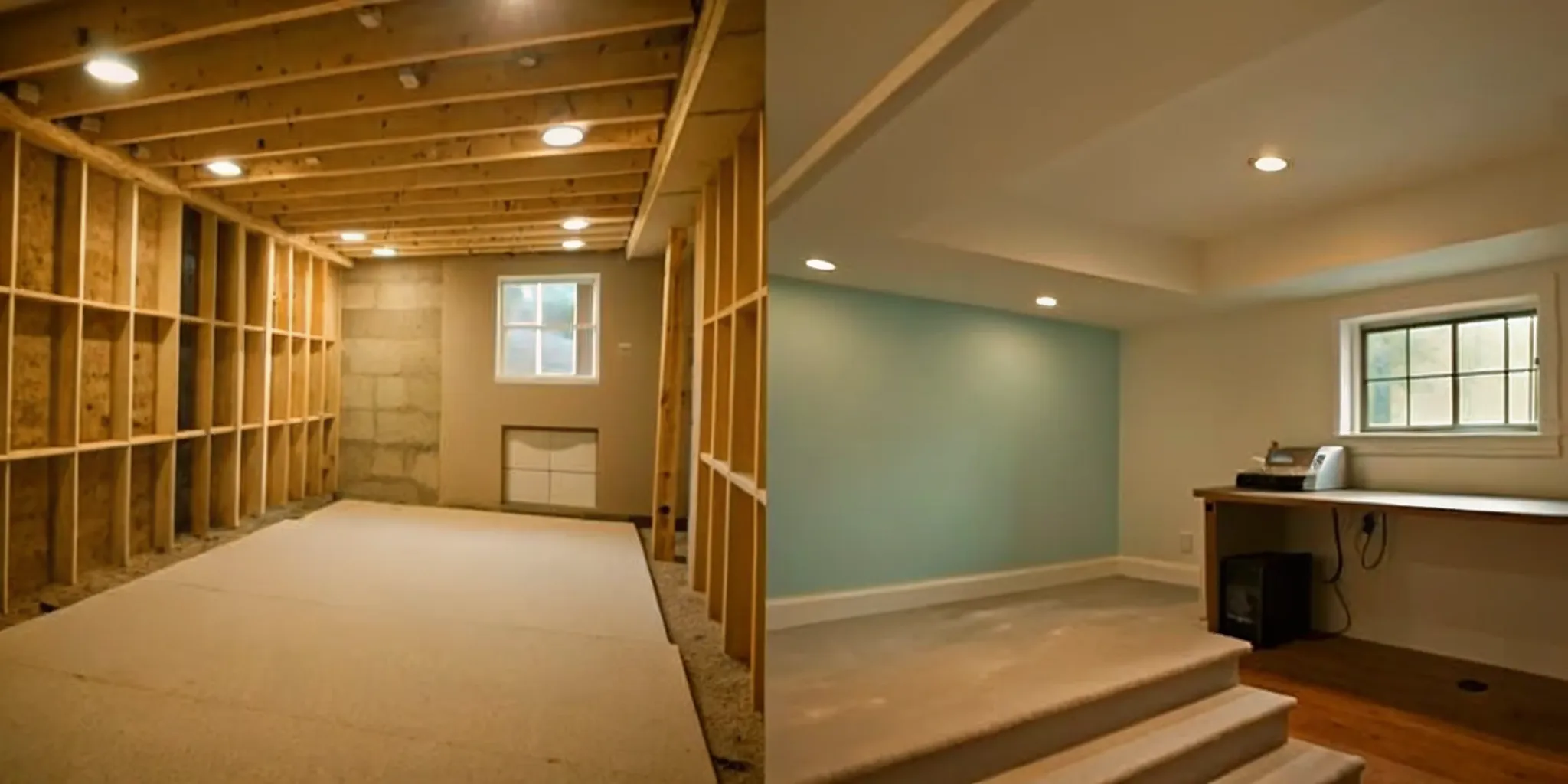
Figuring out the budget for a basement remodel is one of the first, and biggest, hurdles. While the final number depends on your specific project, a good starting point is to expect costs between $40 and $90 per square foot. This range covers everything from a simple, open-plan room to a multi-functional space with custom features. The total price tag is shaped by three main things: the level of finishes you choose, the overall size of your basement, and local labor rates in your area.
Thinking about your basement as a blank canvas can be exciting, but turning it into a functional living area requires a clear plan. Before you get lost in the details of flooring and paint colors, it’s helpful to understand how these different factors work together to determine your final cost. Having a realistic budget from the start helps you make confident decisions and ensures your project runs smoothly. A customized renovation plan can give you a precise estimate based on your home’s data and your specific goals.
Comparing finish levels: Basic, mid-range, and high-end
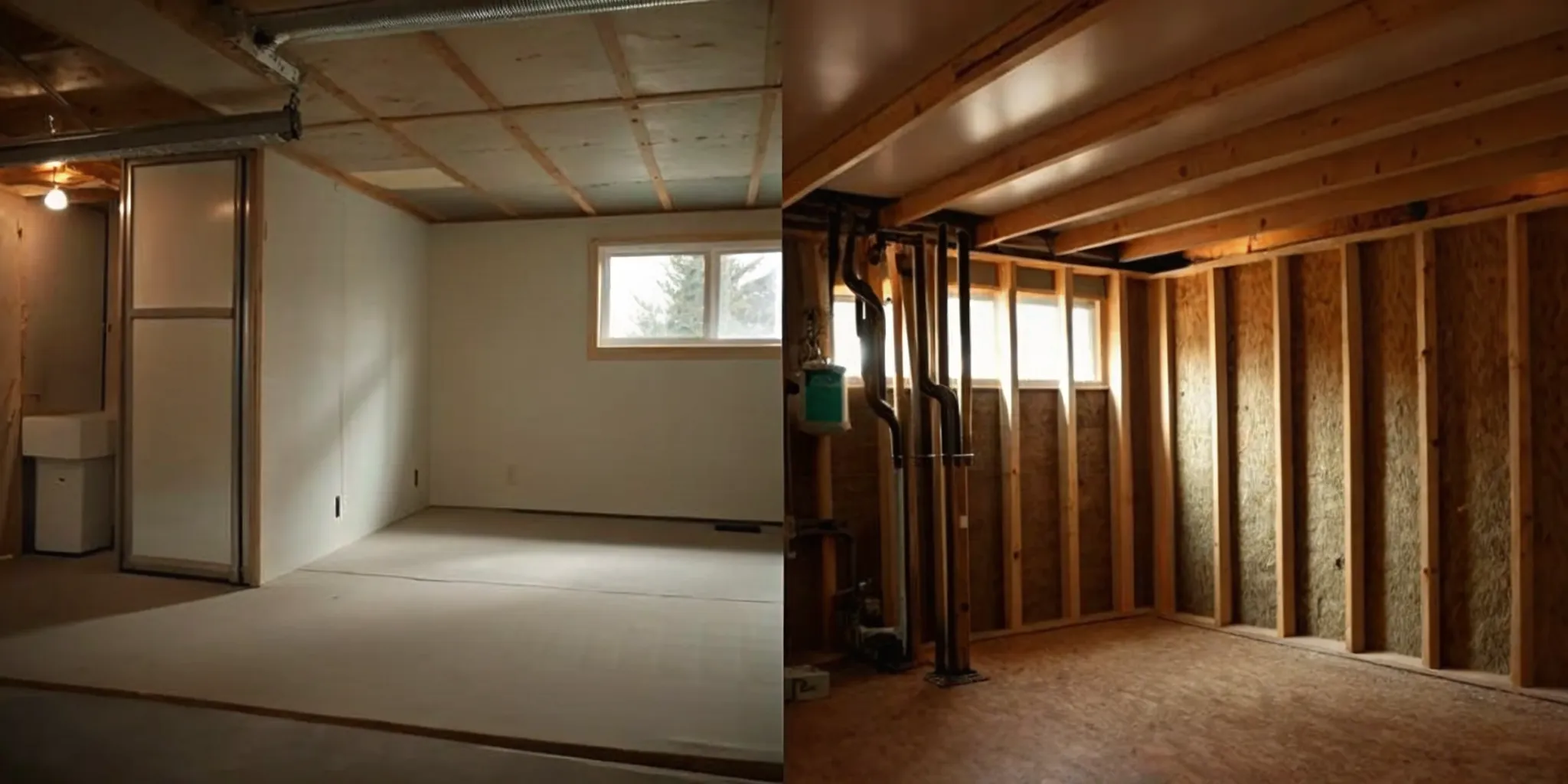
The materials and finishes you select have the biggest impact on your budget. A basic finish, which includes standard drywall, simple flooring like vinyl plank, and essential lighting, typically creates a clean, functional space. A mid-range remodel allows for more personality, incorporating upgraded materials, a small bathroom, or a wet bar. If you’re aiming for a high-end transformation, you’ll be looking at premium materials, extensive custom work, and special features like a home theater or wine cellar. These projects often involve unique architectural details and top-of-the-line fixtures.
How size affects your cost per square foot
It’s no surprise that a larger basement will have a higher total cost, since you’ll need more materials and labor to complete the job. However, the cost per square foot can sometimes be lower for larger spaces. This is because fixed costs, like project design, permits, and contractor setup fees, are spread across more square footage. For example, a simple finish might cost as little as $23 per square foot, while a high-end project can easily exceed $50 per square foot. Getting quotes from several vetted professionals is the best way to see how your basement’s size will influence your project’s bottom line.
What Affects Your Basement Finishing Cost?
When you start planning your basement remodel, you'll quickly see that the final cost isn't a single number. It’s a flexible range influenced by several key factors. Understanding these variables is the first step to creating a realistic budget and a project plan that works for you. From the size of your space to the quality of the light fixtures, every choice you make will shape the total investment. Let's break down the main components that will determine your project's price tag.
Basement size and layout
It might seem obvious, but the bigger your basement, the more it will cost to finish. A larger footprint requires more materials like drywall, flooring, and paint, and it also increases the amount of labor needed to get the job done. But size isn't the only factor. The layout you choose plays a huge role, too. An open-concept design with one large, multi-purpose room will generally be less expensive than a complex layout with multiple separate rooms. Every new wall adds costs for framing, drywall, and electrical wiring, so a floor plan with a bedroom, bathroom, and office will cost more than a simple, open entertainment space.
Quality of materials and finishes
This is where your personal style comes into play, and it's also where the budget can really fluctuate. The materials and finishes you select have a massive impact on the overall cost. You can choose budget-friendly, builder-grade options for things like carpet, laminate countertops, and basic light fixtures. Or, you can opt for high-end finishes like hardwood floors, quartz countertops, custom cabinetry, and designer lighting, which can easily add tens of thousands to your project. For example, some fancy, high-end finishes can cost $50 or more per square foot. This is the area where you have the most control to balance your vision with your budget.
Local labor costs
Where you live significantly affects your renovation costs, primarily due to differences in labor rates. The cost for a skilled contractor in a major metropolitan area like the SF Bay Area or Los Angeles will be higher than in a smaller town. For example, finishing a basement in a high-cost area can be 40% to 60% more expensive than the national average. This is simply a reflection of the local economy and cost of living. It’s why getting quotes based on national averages can be misleading. Working with a platform like Realm helps you connect with vetted local professionals who offer fair, market-rate pricing for your specific neighborhood.
Permits and inspections
For any project that involves changing your home's structure, or adding new electrical or plumbing, you will need to get permits from your local municipality. While it might feel like just another expense and a bit of red tape, permits are essential. They ensure that all the work is done safely and meets current building codes, which protects both your family and your home's value. The cost for permits can range from a couple of hundred to over a thousand dollars, depending on the scope of your project. Skipping this step can lead to fines, having to tear out finished work, and major problems when you eventually sell your home.
Existing moisture or structural issues
An unfinished basement can hide underlying problems that you’ll need to address before any cosmetic work can begin. The most common issue is moisture. If you have any water seepage, dampness, or leaks, it is absolutely critical to resolve these problems first. Simply covering them up with drywall and flooring will lead to mold, rot, and costly damage down the road. Similarly, an inspection might uncover foundation cracks or structural issues that need to be repaired. Factoring a contingency fund into your budget for these kinds of surprises is always a smart move. A dedicated Realm advisor can help you spot these potential red flags early in the planning process.
Cost Breakdown by Room Type
Once you have a clear idea of your basement’s potential, you can start thinking about how you want to use the space. The function of each room is one of the biggest factors that will shape your budget. A simple, open-concept playroom will have a much lower cost per square foot than a bathroom that requires complex plumbing or a home theater that needs specialized wiring and soundproofing.
Different rooms have very different requirements. A home gym needs durable flooring and good ventilation, while a guest bedroom legally requires an egress window for safety. Understanding these specific needs will help you create a more accurate budget. Let’s break down the typical costs for some of the most popular basement room additions, so you can see how your vision lines up with your budget.
Home office
Creating a dedicated workspace in your basement is a fantastic way to separate your professional and personal life. The average cost to finish a basement home office is usually between $20 and $50 per square foot. This price typically covers essentials like drywall, basic electrical outlets, and standard flooring. If your work involves frequent video calls, you may want to invest more in strategic lighting. Soundproofing is another smart upgrade to consider for creating a quiet, focused environment. While these additions increase the initial price, a well-designed home office can add significant value to your property.
Guest bedroom
Adding a bedroom is one of the best ways to increase your home’s functionality and value. You can expect the cost to convert a part of your basement into a guest bedroom to fall between $30 and $60 per square foot. This generally includes insulation, drywall, flooring, and a closet. The most important consideration here is safety and compliance. To be considered a legal bedroom, the space must have an egress window. Adding an en-suite bathroom will also raise the project’s total cost, but it provides a huge convenience for guests. The overall expense for a basement bedroom is a worthwhile investment for growing families or frequent hosts.
Home gym
Tired of commuting to the gym? A basement home gym can be a game-changer for your fitness routine. The cost to finish a basement into a home gym typically ranges from $25 to $55 per square foot. This accounts for essentials like proper ventilation to handle workouts, wall-mounted mirrors, and durable flooring that can withstand dropped weights. If your gym will be located under a main living area, you might also want to budget for soundproofing. A 2023 price guide shows that while specialized rubber flooring and electrical for certain machines can add to the cost, the convenience is often worth it.
Entertainment room or home theater
This is where you can let your imagination run wild. The cost to create an entertainment space or home theater can range from $30 to $100 per square foot, depending on how ambitious your plans are. A simple family room with a TV and comfortable seating will be on the lower end of that spectrum. However, if you’re dreaming of an immersive home theater experience, costs can climb. High-end audio-visual equipment, tiered seating, acoustic wall panels, and custom lighting are all factors that can increase the budget. These project estimates reflect the wide range of possibilities, from a cozy movie night spot to a full-blown private cinema.
Bathroom
Adding a bathroom is one of the most valuable and convenient additions you can make to a finished basement. A new basement bathroom can cost anywhere from $10,000 to $25,000, which often breaks down to between $50 and $100 per square foot. The biggest variable here is plumbing. The cost to add a bathroom is significantly lower if you can place it near existing plumbing lines. If your contractor needs to break up concrete to run new pipes, your labor costs will increase. The final price also depends on your choice of fixtures and finishes, from a simple powder room to a full bath with a custom-tiled shower.
What Other Costs Should You Budget For?
When planning your basement remodel, it’s easy to focus on framing, drywall, and flooring. But the final price tag includes much more than basic construction. To create a truly functional and comfortable living area, you’ll need to account for several other significant costs that transform a shell into a livable space. From plumbing for a new bathroom to ensuring the room is warm and dry, these expenses are essential for a successful project. Thinking about them early on helps you build a realistic budget and avoid surprises down the road.
Plumbing and bathrooms
Adding a bathroom or wet bar is one of the best ways to add function to your basement, but plumbing is a significant expense. If you’re installing a full bathroom, you can expect to budget between $8,000 and $12,000. A smaller half-bath is more moderate, typically running from $4,000 to $8,000. For an entertainment space, a wet bar is a great feature that usually costs between $2,500 and $5,000. These costs cover running new supply and drain lines, which can be complex work. Planning your project with an expert advisor can help you place new plumbing strategically to keep these costs in check.
Electrical and lighting
Good lighting is what makes a basement feel bright and welcoming instead of dark and dingy. Your electrical budget will need to cover more than just a few ceiling fixtures. Recessed lights are a popular choice and typically cost $100 to $200 per light to install. For more focused lighting, track lighting can range from $200 to $500, while stylish wall sconces often cost between $150 and $300 each. Beyond lighting, you’ll also need to budget for outlets, light switches, and potentially a new subpanel to handle the additional electrical load, especially if you're planning a home theater or a kitchenette.
HVAC and insulation
No one wants to hang out in a cold, drafty basement. Tying your new space into your home’s existing HVAC system is key for year-round comfort, but it comes at a cost, typically from $2,000 to $11,000. This involves extending ductwork and adding vents to ensure consistent airflow. Equally important is insulation, which costs around $1.50 to $3.00 per square foot, adding up to $1,500 to $4,000 for most basements. While it’s an upfront cost, proper insulation will make the space more comfortable and help lower your energy bills over time, making it a smart investment.
Waterproofing
Before you install a single stud or sheet of drywall, you need to ensure your basement is completely dry. Water damage can ruin a finished basement, so waterproofing is a non-negotiable expense. Depending on your foundation’s condition and your local climate, a comprehensive waterproofing system can cost between $1,900 and $6,500. This might involve sealing foundation cracks, applying a waterproof membrane, or installing a sump pump. It’s a critical investment to protect your renovation and prevent costly moisture-related problems like mold and mildew in the future.
Egress windows
If you plan to add a legal bedroom to your basement, building codes require an egress window for safety. This is a window large enough for a person to exit through in an emergency. Installing one is a major job that involves cutting into your home’s foundation, so costs typically range from $2,500 to $5,000 per window. While it’s a requirement for bedrooms, an egress window is a great addition to any basement living space. It brings in much-needed natural light, making the entire room feel larger and more connected to the outdoors.
Design fees and furniture
Finally, don’t forget to budget for the things that will make your new basement feel like home. The cost of furniture, rugs, paint, and decor can vary widely, from a few thousand dollars to $20,000 or more, depending on your taste and the room’s purpose. This is the fun part where you get to define your style. While you can save money by using existing furniture, you’ll want to account for any new pieces you need. A clear project plan will help you track these finishing touches from the start so you can stay on budget.
How Location Impacts Your Final Cost
It’s one of the biggest variables in any renovation budget: your zip code. Where you live has a massive impact on the final cost of finishing your basement. This isn't just about the price of lumber at your local hardware store. It comes down to differences in labor costs, the price of materials, and even local building codes and the demand for skilled contractors. Understanding these regional factors is the first step to creating a realistic budget for your project and getting a clear picture of what to expect.
Regional differences in labor rates
The cost of skilled labor is not the same everywhere, and it’s a major driver of your project's total price. As one homeowner noted, "Costs are much higher in some areas, like the West Coast," where both labor and material expenses are typically higher. This is especially true in major cities where the demand for qualified contractors is high. For example, some metro areas see costs that are 40-60% higher than the national average simply due to expensive labor and stricter building regulations. These local economic conditions and regulations can really add up, making it crucial to understand the pricing in your specific area before you get started.
A look at costs in LA, San Diego, the Bay Area, Sacramento, and Seattle
If you live in California or Washington, you can expect to be on the higher end of the cost spectrum. In cities like Los Angeles and San Diego, professional quotes for a 1,000-square-foot basement can range from "$65,000 to $80,000." This reflects the high cost of living and strong demand in these areas. The trend is similar in the Bay Area, Sacramento, and Seattle, where finishing a basement often costs more than the national average. It's important to remember that even within a state, prices can vary. For instance, in Colorado, costs can range from "$40 to $90 per square foot," showing just how much local market conditions matter when you start your project plan.
Which Features Add the Most Value to Your Basement?
When you finish your basement, you’re not just adding square footage; you’re adding value and function to your home. While any finished space is an improvement, certain features offer a better return on your investment by making the area more livable, enjoyable, and appealing to future buyers. Thinking through these additions during the planning phase can make a huge difference in the final outcome. A well-designed basement can serve multiple purposes, from a quiet home office to a lively entertainment hub. The key is to choose features that fit your family’s lifestyle while also making smart financial sense. With a clear plan, you can transform your lower level into one of the most-loved parts of your home.
Bathrooms and wet bars
A basement bathroom is a game-changer. It transforms the space from a simple bonus room into a fully functional living area, perfect for an in-law suite, a guest bedroom, or an entertainment zone. No one wants to run up two flights of stairs during a movie or party. Adding a bathroom during your initial remodel is also more cost-effective. It might cost between $6,000 and $10,000 if planned from the start, but that price can easily double if you decide to add it later. Similarly, a wet bar adds a touch of luxury and convenience, making your basement the go-to spot for hosting. It doesn’t have to be extravagant; a simple counter with a sink and a mini-fridge can do the trick.
Home theaters and entertainment spaces
Basements are naturally suited for home theaters, thanks to their low light and sound-dampening qualities. Creating a dedicated entertainment space is a feature that adds significant "wow" factor. While a high-end home theater with premium materials and custom seating can be a major investment, you don't have to go all out to create an inviting media room. A large screen, comfortable seating, and good speakers can turn any basement into a cozy spot for family movie nights. These dedicated recreational areas are highly desirable and can make your home stand out. A customized plan can help you design an entertainment space that fits your budget and lifestyle perfectly.
Energy-efficient upgrades
Upgrades that improve your home's energy efficiency offer a dual benefit: they lower your monthly utility bills and are a huge selling point for environmentally conscious buyers. Since basements can be prone to dampness and temperature fluctuations, proper insulation is critical. Good insulation will help keep the space comfortable year-round, reducing the strain on your HVAC system. Other valuable upgrades include installing energy-efficient egress windows, which also add safety and natural light, and sealing any air leaks. These improvements make your basement more comfortable while providing a tangible return on your investment through energy savings.
Custom built-ins
Custom built-ins provide a polished, high-end look that freestanding furniture just can't match. They are the perfect solution for adding personality and smart storage to your basement. Think of built-in bookshelves surrounding a media center, a window seat with hidden storage, or custom cabinets for a wet bar. These features make the space feel intentional and well-designed. Built-ins are also a fantastic way to work around a basement's structural elements, like support columns or ductwork, turning awkward spots into functional, stylish features. They help you maximize every square inch of your new living area while keeping it organized and clutter-free.
Common Budgeting Mistakes to Avoid
A basement renovation is exciting, but it’s also a project where costs can quickly spiral if you’re not careful. A detailed budget is your best tool for keeping your project on track. By planning ahead and anticipating potential issues, you can prevent common financial headaches and ensure your finished basement is a source of joy, not stress. Let’s walk through the most frequent budgeting mistakes homeowners make and how you can steer clear of them.
Underestimating the total price tag
It’s easy to look at a price range like $15,000 to $75,000 and hope your project lands on the lower end. Unfortunately, many homeowners create a budget based only on the finishes they can see, like flooring and paint. They often forget about the less glamorous but essential costs for framing, insulation, electrical wiring, and plumbing. To avoid this, work with your advisor to create a line-item budget that covers every detail. A solid plan and a 10-20% contingency fund for surprises are the keys to a financially sound renovation.
Skipping permits and inspections
The idea of skipping the permit process to save a little time and money can be tempting, but it’s a risky gamble. Permits and inspections are in place to protect you. They ensure all work, especially electrical and structural changes, is done safely and up to code. Building without a permit can lead to fines, orders to tear out completed work, and major complications when you eventually sell your home. Think of the permitting process not as a hassle, but as a crucial step in protecting your home and your investment.
Ignoring moisture problems
Your basement is below ground, which makes it naturally susceptible to dampness and water intrusion. One of the biggest mistakes you can make is to put up new walls and flooring without first addressing any underlying moisture issues. Covering up a damp foundation will only lead to mold, mildew, and rot, which can destroy your new finishes and create an unhealthy environment. Before any construction begins, it’s critical to have a professional assess for water problems and implement a waterproofing solution if needed. It’s an upfront cost that will save you a fortune in repairs later.
Forgetting to plan for future needs
When designing your basement, think about how your family’s needs might change over the next five to ten years. That home gym might need to become a playroom, or you might wish you had a guest suite for aging parents. A finished basement can add significant value to your home, and designing for flexibility makes it even more appealing. Planning ahead for things like plumbing rough-ins for a future bathroom or adding extra outlets can make it much easier and cheaper to adapt the space later on.
Choosing materials without a plan
Walking into a showroom without a clear plan is a recipe for budget overruns. It’s easy to fall in love with high-end materials, but making choices on the fly can lead to a disjointed design and a depleted bank account. Before you buy anything, create a complete plan for your materials and finishes. Knowing you want to splurge on custom built-ins, for example, can help you decide to choose a more cost-effective but durable flooring option. A cohesive project plan ensures your design is unified and your budget stays intact.
How to Save Money on Your Basement Remodel
A basement remodel is a big project, but it doesn't have to drain your savings. With some smart planning and strategic decisions, you can create an amazing new space while keeping your budget in check. It’s all about knowing where to spend and where you can save without sacrificing quality. Think of it as being resourceful, not cheap. From choosing the right materials to timing your project, there are plenty of ways to make your money go further. Let's walk through some of the most effective strategies to get the basement you want at a price you're comfortable with. These tips will help you make informed choices and avoid common financial pitfalls along the way. The key is to have a clear plan before any walls come down or any checks are written. By thinking through each decision, from the overall layout to the smallest finish, you can take control of your spending and end up with a space that adds real value to your home and your life.
Compare contractor quotes
One of the most effective ways to manage your budget is to get quotes from several different contractors. Prices can vary significantly from one pro to another based on their overhead, schedule, and experience. Getting at least three detailed bids gives you a clear picture of the market rate for your project and helps you spot any outliers, whether they're unusually high or suspiciously low. When you compare quotes, make sure you're looking at an apples-to-apples comparison. Each bid should outline the same scope of work and material quality. This is where having a dedicated advisor can be a game-changer, helping you vet professionals and understand the nuances of each proposal to ensure you’re getting a fair price from a reliable contractor.
Prioritize your needs vs. wants
Before you get swept away by beautiful Pinterest boards, take a moment to separate your must-haves from your nice-to-haves. Do you absolutely need a guest bedroom for visiting family, or is a flexible multi-use space more practical? Is a custom wet bar essential, or would a simpler kitchenette setup work just as well? Focusing on your core needs first ensures your budget covers the essentials. You can often save a significant amount by choosing standard materials and finishes over high-end custom options. You can always add more luxurious touches later on as your budget allows. This practical approach helps you build a functional, beautiful space without overspending on features you might not use often.
Choose smart, cost-effective materials
Choosing the right materials is a balancing act between cost, durability, and aesthetics. "Cost-effective" doesn't mean settling for poor quality; it means finding the best value for your money. For example, instead of expensive hardwood, consider luxury vinyl plank (LVP) flooring, which offers a similar look with better moisture resistance at a lower price point. For flooring, carpet is often more affordable than hard surfaces and adds a cozy, warm feel to the space. When it comes to walls, standard drywall is almost always more budget-friendly than custom paneling or stonework. Do your research and talk to your contractor about durable, attractive materials that fit within your financial plan.
Place new plumbing near existing lines
If your basement plan includes a bathroom or a wet bar, this tip is for you. The cost of plumbing can add up quickly, especially if you have to run new pipes across long distances or break through a lot of concrete. To keep these costs down, try to design your new layout so that any new plumbing fixtures are located as close as possible to your home's existing water and drain lines. Placing a new bathroom directly below an upstairs bathroom, for instance, can save you a bundle on labor and materials. It’s a simple but incredibly effective way to minimize the complexity and expense of your plumbing work.
Opt for an open floor plan
An open-concept layout isn't just a popular design trend; it's also a great way to save money on your basement remodel. Fewer walls mean you'll spend less on framing, drywall, and electrical wiring for multiple rooms. An open layout requires fewer interior doors, which also cuts down on material and labor costs. Beyond the savings, this approach makes the basement feel larger, brighter, and more versatile. You can easily define different "zones" for activities like watching TV, working out, or playing games using furniture, area rugs, and lighting, all without the expense of building permanent walls. It’s a win-win for your budget and your lifestyle.
DIY the small tasks to reduce labor costs
If you're handy and willing to put in some sweat equity, you can significantly reduce labor costs by tackling some tasks yourself. Non-structural jobs like demolition, painting, installing insulation, or putting in simple flooring are all great candidates for a weekend project. You could save about 20% on the project by handling some of the work. Just be honest about your skill level. A poorly done DIY job can lead to expensive professional fixes down the road. It's best to leave complex tasks like electrical, plumbing, and structural work to your licensed contractor to ensure everything is safe and up to code.
Phase your project over time
Who says you have to do everything at once? If your budget is tight, consider finishing your basement in phases. This approach makes the project much more financially manageable. For example, you could start by framing and waterproofing the entire space but only fully finish one section, like a home office or playroom. The rest of the basement can be used for storage until you're ready for phase two. This allows you to enjoy part of your new space sooner while saving up for the next stage. Just make sure your overall design plan accounts for this phased approach so everything feels cohesive in the end.
Set a realistic budget with a 10–20% contingency
One of the biggest mistakes homeowners make is not having a solid budget from the start. Before you begin, it's essential to understand the costs upfront and create a detailed budget that covers everything from materials to labor. More importantly, always include a contingency fund of 10% to 20% of your total project cost. This is your safety net for the unexpected, like discovering a hidden moisture issue or deciding on a last-minute upgrade. Having this buffer built into your budget provides peace of mind and prevents a small surprise from derailing your entire project or forcing you into debt.
Is Finishing Your Basement a Good Investment?
Finishing your basement is one of those rare home projects that pays off in two ways: it gives you more space to enjoy right now, and it can be a smart financial move for the future. Unlike purely cosmetic updates, a finished basement adds functional square footage to your home, which is always a valuable asset. The key is to approach it like any other major investment, with a clear plan and an understanding of the potential returns. By focusing on quality construction and desirable features, you can create a space that not only enriches your life but also adds significant value to your property when it’s time to sell.
Calculating your return on investment (ROI)
When you hear people talk about return on investment, or ROI, for a home project, they’re talking about how much of the money you spend you’ll get back when you sell. For a basement remodel, the numbers are pretty encouraging. Depending on the scope of your project and your local market, you can often recoup a significant portion of the cost, with many projects seeing a return of 70% to 86%. So, if you invest $40,000 into creating a new living area, you could potentially add between $28,000 and $34,400 to your home’s sale price. This makes it one of the more financially sound renovations you can undertake.
The impact on your home's resale value
Beyond the direct ROI, a finished basement significantly increases your home's overall appeal and market price. A well-executed project can add approximately 10% to your home's resale value. For a home valued at $900,000, that’s a potential $90,000 increase. This is because you are fundamentally changing a key detail on your property listing: the amount of livable square footage. Buyers are always looking for more usable space, and a basement that’s already transformed into a family room, guest suite, or home gym is a powerful selling point that helps your home stand out. The average cost to finish a basement is often far less than the value it adds, making it a compelling project for many homeowners.
Get a Clear Plan for Your Basement Project
It's easy to get caught up in dreaming about your new home gym or entertainment space. But before you start picking out paint colors, the most important first step is creating a solid plan. A basement renovation is a big project, and going in without a clear roadmap can lead to surprise costs and delays. A detailed plan is your best tool for keeping your project on track and on budget from day one. It helps you define the scope, set realistic expectations, and make informed decisions every step of the way.
Let's talk numbers. The cost to finish a basement can range anywhere from $40 to over $90 per square foot. For a full project, many homeowners spend between $15,000 and $75,000. That's a huge range, and where you land depends entirely on your choices. A clear plan helps you understand how factors like a complex layout or high-end finishes will impact your final bill. It also forces you to account for essentials like local building permits, which are non-negotiable.
A well-thought-out plan isn't just about managing costs; it's about maximizing your investment. A finished basement can add significant value to your home, often recouping a large portion of its cost at resale. By planning strategically, you can focus on features that offer the best return. This is where having an expert in your corner makes a world of difference. A Realm advisor can help you create a data-driven, customized plan that balances your vision with your budget, ensuring you get the most out of your new space.
Related Articles
- How Much Does Finishing a Basement Cost? A Complete Guide
- Basement Finishing Costs: Your Complete Guide
- Average Basement Finishing Costs: A Complete Breakdown
Frequently Asked Questions
What's a realistic starting budget for a basement remodel? A good rule of thumb is to plan for a cost between $40 and $90 per square foot. For a complete project, this often translates to a total between $15,000 and $75,000. The final number really depends on your vision. A simple, open room will be on the lower end, while a layout with a bathroom, custom built-ins, and high-end finishes will be on the higher end. The best first step is to think about how you want to use the space, as that will guide your budget more than anything else.
Is it really worth it to finish my basement, or should I save my money? Finishing your basement is a great investment for two reasons: it improves your daily life and it adds to your home's value. You get more functional space for your family to enjoy right now, whether it's a playroom, home office, or guest suite. From a financial perspective, you can often recoup 70% or more of the project cost when you sell your home. It's one of the few renovations that offers a solid return while also giving you a tangible benefit from day one.
I'm feeling overwhelmed by all the options. What's the single most important thing I should do first? Before you do anything else, create a detailed plan. It's tempting to jump right into picking out flooring or paint colors, but a solid plan is your roadmap for the entire project. It helps you define exactly what you want, set a realistic budget, and make smart decisions about where to spend your money. A clear plan is the best way to prevent surprise costs and ensure the final space truly meets your needs.
What's the biggest money-saving tip that won't compromise the quality of my finished basement? Think strategically about your layout. An open-concept floor plan is almost always less expensive than building multiple separate rooms because it requires less framing, drywall, and electrical work. Another huge money-saver is planning your plumbing. If you're adding a bathroom or wet bar, designing the layout so that the new fixtures are close to your home's existing plumbing lines can save you thousands in labor costs.
Besides the obvious construction costs, what's one expense people always forget to budget for? A contingency fund. It’s so easy to forget, but it's absolutely essential. No matter how well you plan, renovations almost always come with a few surprises, like discovering a hidden moisture problem or needing to update an electrical panel. Setting aside an extra 10% to 20% of your total budget gives you a safety net to handle these unexpected costs without derailing your project or causing financial stress.