Roof Replacement Cost Calculator: What's the Real Price?
Get a clear estimate with a roof replacement cost calculator. Learn what factors affect pricing and how to plan your roofing project with confidence.
|
May 26, 2026

In this article:
An online roof replacement cost calculator can give you an estimate in minutes, which is a fantastic starting point for any homeowner. But that digital tool can’t see the subtle water damage under your shingles or know the specific building permit fees in your city. The number it provides is based on averages, not the reality of your home. To bridge the gap between a generic estimate and a real-world quote, you need more information. We’ll break down the factors a calculator misses, from structural repairs to local market costs, so you can build a budget you can actually trust for this important home project.
Key Takeaways
- Treat online calculators as a starting point, not a final price: An online estimate gives you a general idea of costs, but only a professional who inspects your roof can provide a firm quote that accounts for its true condition and your local market.
- Understand the key factors that shape your total cost: Your final price is a mix of material choices, your roof's size and complexity, and regional labor rates. Researching these elements helps you create a more accurate initial budget.
- Budget for more than just the materials: A complete financial plan should include potential expenses like removing the old roof, permit fees, and possible structural repairs. Getting multiple quotes from vetted contractors is the best way to uncover these costs and secure a fair price.
What Is a Roof Replacement Cost Calculator?
If you’re starting to think about a new roof, one of the first questions on your mind is probably, "How much is this going to cost?" A roof replacement cost calculator is a great first stop for an answer. Think of it as a free online tool that gives you a preliminary estimate based on a few key details about your home. It’s not a final quote, but it provides a helpful budget snapshot so you can understand the potential financial scope of your project before you start talking to contractors. This initial number helps you frame your expectations and begin planning your next steps with a bit more confidence.
How Do They Work?
These calculators work by taking the information you provide and running it through a database of average costs. To give you a general idea of new roof prices, the tool will ask for details about your property. It typically requires information like your home's square footage, whether you have a garage, the current type of roof you have, how steep it is, and how many stories your home has. Based on your answers, the calculator generates a low, middle, and high estimate, giving you a spectrum of what you might expect to pay.
What Information to Have Ready
To get the most out of a cost calculator, it helps to have a few pieces of information on hand before you begin. You’ll get a more accurate estimate if you can provide your home’s approximate square footage, your zip code (for local pricing), and the number of stories. You should also know your current roofing material, like asphalt shingles or metal, and have a general idea of your roof’s pitch, or steepness. Gathering these details is a great first step in getting your project started and ensures the calculator has what it needs to give you a useful estimate.
Decoding Your Estimate: Low, Medium, and High
When the calculator gives you a low, medium, and high estimate, it’s showing you the possible range of costs for your project. The low end usually reflects the price for more budget-friendly materials, like standard asphalt shingles, with straightforward labor. The medium estimate might account for better-quality materials or a slightly more complex installation. The high estimate typically represents premium materials like slate or metal, along with potentially higher labor rates for a difficult installation. This range helps you see how your material choices will directly impact your overall budget.
What Factors Drive Up Roof Replacement Costs?
When you start budgeting for a new roof, you’ll quickly see that the final price tag is a puzzle with many pieces. It’s not just about the shingles; several key factors influence your total investment. The materials you choose, the specific architecture of your roof, local labor rates, and even the time of year you schedule the project all play a significant role. Understanding these variables will help you decode any estimate you receive and plan your budget with confidence, ensuring there are no major surprises along the way.
Roofing Material
The material you select is one of the biggest drivers of your total cost. Think of it as the foundation of your roofing budget. Asphalt shingles are a common and cost-effective choice for many homeowners, often falling in the most accessible price range. If you’re looking for a more premium option, materials like metal or tile have a higher upfront cost but can offer benefits like a longer lifespan or a specific aesthetic. The cost for different materials varies widely, so it’s important to weigh the initial price against long-term value and durability for your home.
Roof Size, Pitch, and Shape
The physical characteristics of your roof are just as important as the materials covering it. A larger roof requires more materials and more hours of labor, which directly increases the price. The complexity and pitch (or steepness) also matter. A steep roof can be more difficult and dangerous for a crew to work on, requiring extra safety equipment and more time, which adds to the labor cost. Similarly, a roof with multiple angles, valleys, dormers, or skylights is more complex to shingle than a simple, flat plane, which will be reflected in your quote.
Labor and Location
While materials are a major expense, don't underestimate the cost of labor. In most projects, labor accounts for more than half of the total bill. These costs aren't standard across the country; they can change quite a bit based on your location. The cost of living, demand for skilled roofers, and local business regulations all influence what contractors charge in your area. This is why getting quotes from vetted local professionals is so important. They will have a firm grasp on the regional pricing and what it truly takes to get the job done right where you live.
Time of Year
Believe it or not, the season you choose for your roof replacement can affect the price. The busiest times for roofers are typically late spring, summer, and early fall when the weather is most predictable. During these peak months, high demand can mean contractors have full schedules and prices may be at a premium. If your project isn't an emergency, you might find more flexibility in pricing during the slower seasons, like late fall or winter. Contractors may be more willing to negotiate when they are looking to fill gaps in their work calendar.
Typical Costs by Roof Material
The material you choose for your roof is one of the biggest decisions you'll make in this project. It affects not just the final look of your home, but also your budget, the roof's lifespan, and how much maintenance you'll be doing down the line. Each option comes with its own set of price points and benefits, from budget-friendly asphalt to long-lasting slate. Understanding these differences is the first step to creating a realistic budget.
Let's walk through the most common roofing materials so you can get a clear picture of what to expect for a standard 1,700-square-foot roof.
Asphalt Shingles
Asphalt shingles are the most common roofing material in the country, and for good reason. They are affordable, easy to install, and come in a variety of styles. For a standard-sized roof, you can expect the cost to fall between $6,000 and $9,000. The price per square foot generally ranges from $3.50 to $6.00. Basic 3-tab shingles are the most economical, while architectural shingles offer more durability and a longer warranty for a slightly higher price. Premium architectural shingles can last up to 50 years, giving you a great long-term value.
Metal
A metal roof is a fantastic investment if durability and longevity are your top priorities. While the upfront cost is higher, ranging from about $10,200 to over $41,600, they can last for decades with minimal maintenance. The price depends heavily on the style you choose. Corrugated aluminum is the most affordable metal option, while standing seam metal roofs are the most durable and weather-tight, putting them at the top of the price range. You can also find metal shingles that mimic the look of traditional materials, offering a great blend of style and strength.
Tile and Slate
For a classic, high-end look, tile and slate are beautiful options. Tile roofing, made from either concrete or clay, offers excellent durability and noise insulation, with costs typically running from $10,600 to $20,900. Clay tiles are especially long-lasting, with a lifespan of 50 to 100 years. Slate is the premium choice, known for its natural beauty and incredible longevity of up to 150 years. It's also the most expensive material, with replacement costs often starting around $40,000 and going up from there.
Wood and Composite Shakes
Wood shakes and shingles give a home a beautiful, rustic charm that many homeowners love. The cost is comparable to some mid-range materials, typically between $10,200 and $15,500. However, it's important to remember that natural wood requires regular maintenance to prevent rot and other issues. If you love the look but not the upkeep, composite shakes are a great alternative. They are made from synthetic materials but designed to mimic the appearance of real wood, giving you the aesthetic without the extra work.
Are There Hidden Costs to Plan For?
It’s the question every homeowner asks: what else is this going to cost me? While online calculators give you a great starting point, they rarely capture the full picture. A roof replacement is a major construction project, and a few extra costs can pop up along the way. The best strategy is to know what they are ahead of time so you can build a realistic budget. Think of it less as a "hidden cost" and more as a variable you can plan for. These are the kinds of details that depend on the specific condition of your home, which an online tool just can't see. Let's walk through the most common ones.
Removal and Disposal Fees
Before the new roof goes on, the old one has to come off. Tearing off old shingles, underlayment, and nails is a labor-intensive job, and all that debris needs to be hauled away and disposed of properly. This service, often called "tear-off and disposal," can cost anywhere from $0.40 to $2.00 per square foot. For a standard 2,000-square-foot roof, that could add $800 to $4,000 to your bill. Always ask your contractor if this fee is itemized in their quote or included in the total price. It’s a necessary step, so you want to make sure it’s accounted for from the start.
Permits and Inspections
Most cities and counties require a building permit for a full roof replacement. This isn't just red tape; it’s a system designed to protect you. A permit ensures the work is done to current safety and building codes, which is crucial for your home's structural integrity and insurance purposes. The cost of the permit varies by location but typically runs a few hundred dollars. Your project will also likely need one or more inspections to verify the work is up to code. A vetted professional contractor will handle the permitting process for you, but the cost is usually passed on to you as a line item in the final bill.
Underlying Deck or Structural Repairs
This is the most common surprise in a roof replacement. The roof deck is the wooden sheeting that sits on top of your rafters and below the shingles. You can't see its condition until the old roof is completely removed. If the crew discovers soft spots, water damage, or rot, that section of decking must be replaced before the new roof can be installed. Repairing or replacing the roof deck can cost between $2.20 and $3.00 per square foot. It’s wise to have a contingency fund, typically 10% to 15% of your total project cost, set aside just in case your roof is hiding some damage.
Upgrades for Flashing, Gutters, and Vents
While your team is already up on the roof, it’s the perfect time to address other components of your roofing system. Flashing, the metal strips that seal joints around chimneys, skylights, and vents, is a critical barrier against leaks. If your old flashing is rusted or damaged, replacing it is a must. New flashing can cost around $9.00 to $11.00 per foot. This is also an ideal moment to replace old gutters or improve attic ventilation. While these are additional costs, bundling them with your roof replacement is far more efficient and ensures your entire system works together to protect your home for years to come.
How Accurate Are Online Cost Calculators?
Online roof replacement cost calculators are a fantastic tool for getting a preliminary budget in mind. They can give you a general sense of what you might spend and help you understand the main factors that influence price. Think of them as a helpful first step to frame your project, not the final destination for your budget. These tools are great for ballpark figures, but they have their limits. A calculator uses averages and algorithms, but it can’t see the unique complexities of your home. It doesn’t know about the tricky flashing around your chimney or the subtle water damage hiding under a few shingles. While a calculator provides a starting point, a truly customized plan considers your specific property, local costs, and project goals to give you a much clearer picture of the real price.
Where Calculators Can Be Misleading
The biggest limitation of an online calculator is that it can’t physically inspect your roof. It gives you an estimate based on the data you enter, but it can’t tell you if your roof truly needs a full replacement or if a less expensive repair will do the job. For example, a calculator might quote you for a full replacement when a professional might find that your roof just needs some targeted repairs and treatment to extend its life. A calculator is a machine running on data, not an experienced roofer who can spot nuanced issues and offer alternative solutions.
The Impact of Your Local Market
Your home’s location has a massive impact on the final cost of a roof replacement, and this is where many generic calculators fall short. Costs change based on where you live because of different labor prices, the local availability of materials, and specific building codes or permit requirements. The price for labor and materials in the San Francisco Bay Area can be significantly different from costs in Sacramento. A national-average-based calculator might give you a number that is thousands of dollars off from what you’ll actually pay in your neighborhood.
Why You Still Need a Professional Quote
A calculator’s estimate is not a quote. A real, binding quote can only come from a professional who has assessed your roof in person. If you see signs of damage or have an aging roof, the best course of action is to get multiple quotes from different roofing contractors. This ensures you get a fair price and can compare the scope of work each professional recommends. Always have a roofing expert check your roof to get a personalized opinion. This is the only way to move from a rough estimate to a concrete number you can confidently budget for, and working with vetted professionals is key to a successful project.
Common Mistakes to Avoid When Budgeting
Creating a budget for a roof replacement can feel like trying to hit a moving target. While online calculators give you a great starting point, a few common missteps can throw your numbers off course. Thinking through these potential pitfalls ahead of time will help you build a more realistic financial plan and approach your project with confidence. By avoiding these mistakes, you can prevent surprise costs and ensure your budget truly reflects the scope of your project, from materials to labor. Let's walk through what to watch for so you can feel prepared for every step.
Forgetting Your Roof's Unique Details
It’s easy to look up an average cost, but your roof isn't average; it's yours. A common mistake is failing to account for the specific features that make your roof unique. The final price tag is influenced by many factors, including the type of roofing material you choose, the overall size, and its complexity. A simple, gently sloped roof will cost less to replace than a steep, multi-faceted one with dormers and valleys. The height of your home also plays a role, as taller houses require more safety equipment and labor. Factoring in these individual characteristics is essential for an accurate budget.
Ignoring Local Labor Rates
Labor is one of the biggest line items on any roof replacement quote, often making up around 60% of the total project cost. A major budgeting error is relying on national averages instead of looking at the rates in your specific area. Labor costs can vary dramatically from one city to another, especially in markets like the San Francisco Bay Area or Los Angeles compared to more suburban or rural locations. Before you finalize your budget, do some research on what local roofing contractors typically charge. This will give you a much clearer picture of your potential expenses and prevent sticker shock when the quotes start coming in.
Skipping the Professional Quote
Online calculators are fantastic for initial planning, but they can't see what a professional can. The biggest mistake you can make is treating an online estimate as a final number and forgoing a professional inspection. An experienced contractor can spot issues that a calculator can't, like soft spots in the decking, water damage, or inadequate ventilation. Sometimes, a pro might even find that you only need a repair instead of a full replacement, saving you thousands. Getting multiple quotes from vetted professionals is the only way to get a firm price and understand the true condition of your roof. This is a critical step where a Realm advisor can help you connect with trusted local contractors.
Repair or Replace: How to Decide
Seeing a water spot on your ceiling or a few shingles in your yard after a storm can be unsettling. Your first thought is likely, "Can I just patch this up, or am I looking at a whole new roof?" It’s a big question, and the answer has major implications for your budget and peace of mind. Making the right call isn't just about fixing the immediate problem; it's about making a smart, long-term investment in your home's safety and value.
Deciding between a targeted repair and a full-scale replacement comes down to a few key factors: the age of your roof, the extent of the damage, and whether you’re dealing with an isolated issue or a symptom of a larger problem. While a quick fix might seem tempting, it can sometimes be like putting a bandage on a wound that needs stitches, leading to more costs and headaches later. To help you make a confident decision, let's walk through what to look for. A professional inspection is always the best way to get a definitive answer, but understanding these guidelines will prepare you for that conversation.
Know the 25% Rule
Have you ever heard of the 25% Rule? It’s a straightforward guideline that roofing professionals often use to help homeowners decide between repairing and replacing. The rule suggests that if more than 25%, or one-quarter, of your roof is damaged, it’s generally more cost-effective to replace the entire thing.
While it might seem cheaper to patch up several damaged areas, a full replacement is often the better financial choice when the damage is widespread. Constantly repairing an aging or failing roof can add up quickly, and you may end up spending more on piecemeal fixes than you would on a single replacement. Opting for a new roof in this scenario ensures a uniform, reliable barrier for your home and resets the clock on your roof’s lifespan.
Signs You Only Need a Repair
If your roof is relatively young and the damage is contained, a repair is likely all you need. Small, isolated issues are perfect candidates for a simple fix that won’t break the bank. These problems are usually easy to spot and don't indicate that your entire roofing system is failing.
Look for signs like a handful of shingles that were torn off by high winds or a minor leak around a vent, chimney, or skylight. Damage to the flashing (the thin metal strips in your roof's valleys and joints) can also often be repaired without a full overhaul. If the rest of your roof is in great shape, a targeted repair by a vetted professional can extend its life for years to come.
Signs It's Time for a Replacement
Sometimes, a repair just won't cut it. If your roof is showing signs of widespread wear and tear, a full replacement is the safest and most responsible choice. One of the biggest indicators is age. If your asphalt shingle roof is over 20 years old, it’s probably nearing the end of its functional life, even if it looks okay from the ground.
Other telltale signs include shingles that are curling at the edges, cracking, or look "bald" because they've lost their protective granules. If you see a lot of these sand-like granules in your gutters, it’s a clear signal that your shingles are deteriorating. Frequent leaks or water damage in your attic are also major red flags that suggest your roof’s underlying structure is compromised and needs a complete overhaul.
How to Get an Accurate Roof Replacement Quote
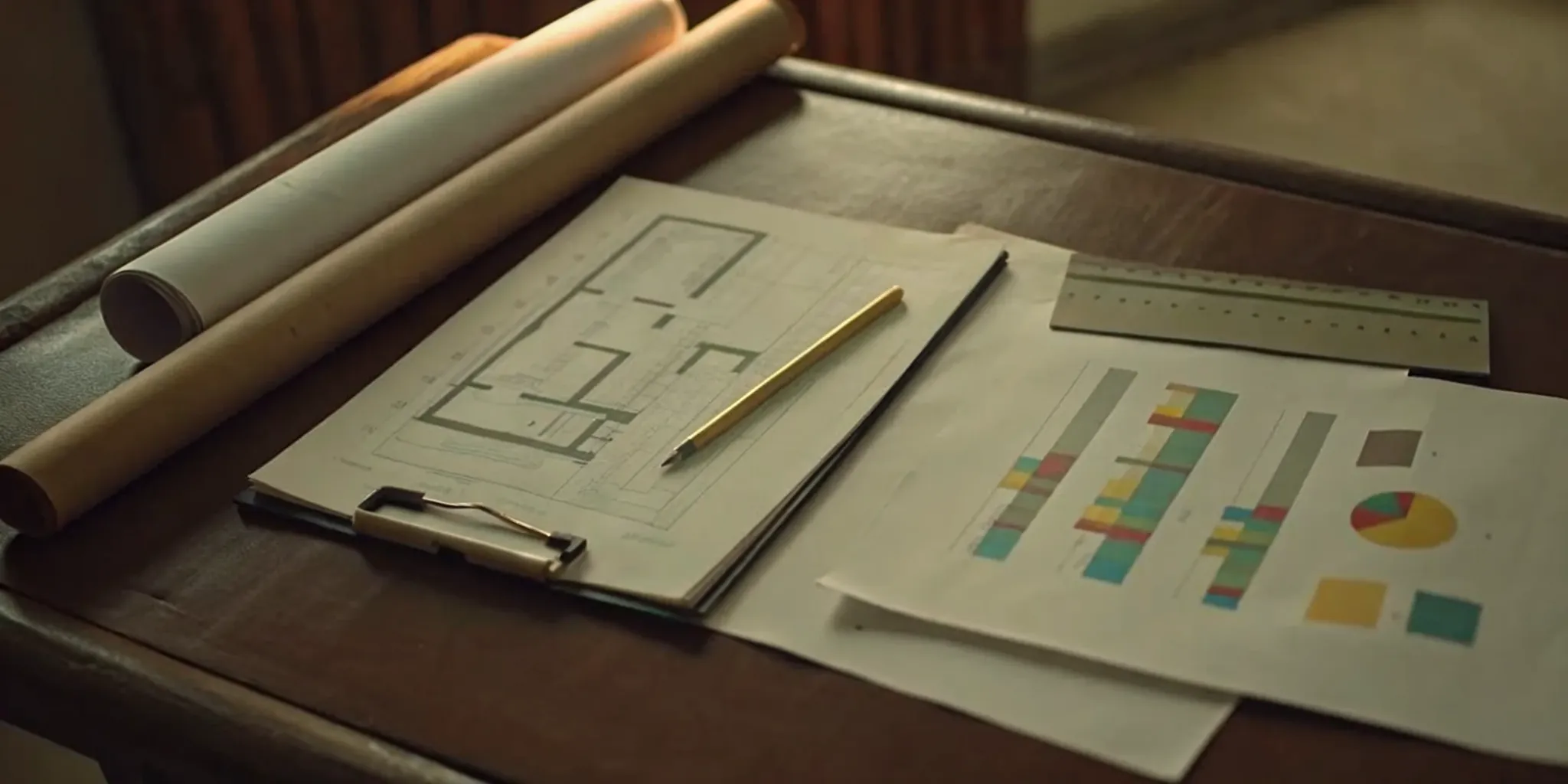
Online calculators give you a ballpark figure, but a true, reliable quote requires a more hands-on approach. Think of it as moving from a rough sketch to a detailed blueprint. Taking the time to gather specific information about your home and local market will save you from budget surprises down the road. By following these steps, you can walk into conversations with contractors feeling confident and prepared, ensuring you get a price that accurately reflects your project's scope.
Measure Your Roof's Sections
First, you need a handle on your roof's size. A contractor will do precise measurements, but having your own numbers helps you sanity-check their quotes. Start with the footprint of your house, which is the total area it covers. If your home is a simple rectangle, this is easy. For more complex shapes with multiple sections, you might need to measure each part and add them together. You can use a free online area calculator to help with tricky shapes. Don't forget to also factor in the roof's pitch, or steepness, as a steeper roof requires more material and specialized labor, which adds to the cost.
Research Local Costs
A roof replacement in Seattle won't cost the same as one in San Diego. National averages are interesting, but they aren't very useful for your personal budget. Costs vary significantly based on your location due to differences in labor rates, material availability, and local building codes. A contractor in a high-cost-of-living area like the Bay Area will naturally have higher labor costs than one in a less expensive region. Do some digging to understand the typical roofing costs in your specific city or county. This local context is key to knowing if the quotes you receive are in the right ballpark.
Account for Features like Skylights and Chimneys
Your roof is more than just a flat surface. Features like skylights, chimneys, vents, and dormers add complexity to a replacement project. Each of these requires special cutting, sealing, and flashing to prevent leaks, which means more time and skill from your roofing crew. Make a list of every feature that breaks up the surface of your roof. This is also the perfect time to consider upgrades. Thinking about adding a new skylight or replacing your old gutters? Including these items in your initial plan will help you get a comprehensive quote that covers the full scope of your desired project and avoids costly add-ons later.
Get Multiple Quotes From Vetted Contractors
This is the single most important step. Never go with the first quote you get. Aim to collect at least three detailed estimates from different companies. This allows you to compare not just the final price, but also the proposed materials, timelines, and warranties. Pay close attention to any quote that is significantly higher or lower than the others. Most importantly, ensure you are only talking to reputable, licensed, and insured professionals. Working with vetted contractors protects you from shoddy work and ensures your project meets all local building codes. Comparing quotes from qualified pros is the best way to secure a fair price for quality work.
How Realm Makes Roof Replacement Easier
Figuring out where to even start with a roof replacement can feel overwhelming. Between confusing estimates and the search for a trustworthy contractor, it’s easy to feel stuck. This is exactly where Realm steps in to simplify the entire process. We replace the guesswork with a clear, data-driven plan tailored to your specific home and budget.
It all starts with accurate data. We analyze your property to give you a realistic cost estimate, so you have a solid baseline before you even speak to a roofer. From there, your dedicated Realm advisor helps you understand all your options. We’ll walk you through the pros and cons of different materials and even help you decide if a full replacement is necessary or if a repair could solve the problem. Our goal is to give you the information you need to make a confident decision. You can learn more about our process and how it works on our site.
When you’re ready to move forward, you won’t have to spend weeks vetting contractors. We connect you with professionals from our trusted network who are right for your project. Why Realm is a great choice is because we handle the coordination, helping you gather and compare quotes so you can choose the best fit without the stress. It’s about having an expert partner by your side from start to finish, ensuring your investment is protected and the job gets done right.
Related Articles
- What's the Approximate Cost of Roof Replacement?
- How Much Does a Roof Replacement Cost? A Homeowner's Guide
- Shingle Roof Replacement Cost: A Full Breakdown
- Average Cost to Replace a Roof: A Price Guide
Frequently Asked Questions
How can I tell if a contractor's quote is fair and not just a lowball offer? A fair quote is detailed and transparent. It should clearly list the specific materials to be used, the scope of work including tear-off and disposal, labor costs, and warranty information. A suspiciously low bid often cuts corners, perhaps by skipping permits, using inferior materials, or not having proper insurance. Comparing at least three detailed quotes from vetted professionals helps you spot outliers and understand the true market rate for the quality of work your home deserves.
My roof is over 20 years old but seems fine. Should I replace it anyway? An asphalt shingle roof's lifespan is typically 20 to 25 years, so if yours is in that range, it's wise to start planning for a replacement, even without obvious leaks. Shingles can lose their protective granules and become brittle with age, making them vulnerable to wind and water damage that isn't visible from the ground. The best next step is a professional inspection to assess its true condition before a small issue becomes a major emergency.
Are there any ways to save money on a roof replacement without cutting corners on quality? Absolutely. If your project isn't urgent, consider scheduling it during a contractor's slower season, like late fall or winter, when you might find more pricing flexibility. You can also choose a high-value material, like architectural asphalt shingles, which offers excellent durability and a long lifespan for a moderate price, giving you a better return than the cheapest 3-tab option. Finally, getting the job done right the first time with a vetted pro saves you from costly repairs later.
What's the most common 'surprise' cost I should budget for? The most frequent surprise is discovering rotten or damaged roof decking after the old shingles have been removed. This is the wood sheeting that serves as the foundation for your roof, and its condition is impossible to assess until the tear-off begins. It's smart to set aside a contingency fund of about 10% to 15% of the total project cost to cover potential repairs like this, so you aren't caught off guard.
How is a Realm estimate different from a generic online calculator? While a generic calculator uses broad national averages, a Realm estimate is tailored specifically to your property and location. We analyze your home's unique footprint, roof complexity, and local material and labor costs to provide a much more realistic starting budget. It's the difference between a general guess and a data-driven plan. Plus, your estimate comes with the support of a Realm advisor who can help you interpret the numbers and plan your next steps.