Your Small Bathroom Remodel Cost Calculator Guide
Get clear answers with a small bathroom remodel cost calculator. Learn what impacts your budget and plan your renovation with confidence and practical tips.
|
May 21, 2026

In this article:
If you live in a city like San Francisco or Los Angeles, you already know that national average costs rarely apply to you. The price of a small bathroom remodel can vary dramatically based on your location, with labor and material costs in high-cost-of-living areas being significantly higher. That’s why a generic small bathroom remodel cost calculator can be so misleading; it doesn’t account for local market conditions. This article is designed to give you a clearer picture by breaking down what really drives expenses, helping you understand where your money goes and how to make smart decisions based on where you live.
Key Takeaways
- Your project scope defines the budget: The final cost depends on whether you're doing a simple cosmetic update or a full gut renovation, with prices ranging from $3,000 to over $15,000 based on your material choices and the work involved.
- Labor and layout changes are the biggest budget drivers: Hiring professionals can account for up to 60% of your total cost, and keeping your toilet and shower in the same place is the most effective way to manage your spending.
- Protect your budget with quotes and a contingency fund: Get at least three itemized quotes to compare contractor bids fairly, and always build a 10% to 20% financial cushion into your budget to handle any surprises found behind the walls.
How Much Does a Small Bathroom Remodel Really Cost?
Figuring out the cost of a small bathroom remodel can feel like trying to hit a moving target. The truth is, the final price tag depends entirely on your vision, the materials you choose, and the scope of the work. A "small" bathroom doesn't automatically mean a small bill, but it does mean you have a great opportunity to create a beautiful, functional space without the costs of a massive primary suite overhaul. From a simple cosmetic refresh to a full gut renovation, the definition of "remodel" itself can vary widely. To give you a clearer picture of what to expect, we can break down the costs into three general tiers: budget-friendly, mid-range, and high-end.
Think of these numbers as a starting point, not a final quote. The final cost will be shaped by your specific choices, your home's location, and the professionals you hire. For example, labor costs in the Bay Area will differ from those in Sacramento. The key is to create a realistic budget from the start to guide your decisions. A customized plan can help you understand where your money is best spent and connect you with vetted contractors who fit your budget. By understanding these tiers, you can define your project scope and start making decisions that align with your financial comfort zone, ensuring there are no surprises along the way.
The Budget-Friendly Remodel: $3,000–$5,000
If you're looking for a significant refresh without taking on major construction, this is your sweet spot. A budget-friendly remodel, typically between $3,000 and $5,000, focuses on cosmetic updates that pack a big punch. Think a fresh coat of paint, a new off-the-shelf vanity, and updated light fixtures and faucets. This budget allows you to swap out the old and dated for something clean and modern, instantly changing the feel of the room. The key to staying in this range is keeping your bathroom's existing layout. By not moving any plumbing or electrical, you avoid the most expensive and labor-intensive parts of a renovation. It’s amazing what a few well-chosen surface updates can do.
The Mid-Range Remodel: $6,000–$12,000
With a mid-range budget of $6,000 to $12,000, you have more room to upgrade key features and materials. This is where you can go beyond simple cosmetic changes and start investing in more impactful elements. You could re-tile the floor or shower, upgrade to a nicer vanity with a durable stone countertop, or install more sophisticated lighting. While this budget typically assumes you’ll keep the main layout intact to manage costs, it offers the flexibility to select higher-quality finishes that will last for years. This tier is perfect for homeowners who want a noticeable transformation and are willing to invest in both style and function. Working with the right team ensures your investment is maximized, which is a core part of the Realm philosophy.
The High-End Remodel: $15,000+
For those dreaming of a spa-like retreat, a high-end budget starting at $15,000 opens up a world of possibilities. This is where you can invest in premium materials, custom features, and a completely new layout. Imagine bespoke tile work, a luxurious frameless glass shower, heated floors, or a custom-built vanity. With this level of investment, you have the freedom to move walls, relocate plumbing, and truly redesign the space for optimal flow and function. This budget allows you to create a bathroom that is not only beautiful but also perfectly tailored to your lifestyle. For a deeper look at what's possible, you can explore more details on remodel costs.
What Factors Influence Your Remodel Cost?
When you start planning a bathroom remodel, it’s easy to focus on the fun parts, like picking out tile and dreaming of a new vanity. But several key factors combine to create your final project cost. Understanding these elements from the start helps you build a realistic budget and make informed decisions, ensuring you get a bathroom you love without any financial surprises. From the size of your space to the professionals you hire, let's break down what really drives the price of your renovation.
Bathroom Size and Layout
It might seem obvious, but the bigger your bathroom, the more it will cost to remodel. A larger footprint requires more materials like flooring and tile, more paint, and more hours of labor to put it all together. However, the most significant cost driver isn't just size; it's the layout. If you want to keep your budget in check, the best thing you can do is keep your toilet, sink, and shower right where they are. Moving these fixtures requires extensive, complex, and expensive plumbing and electrical work, which can quickly inflate your costs.
Materials and Finishes
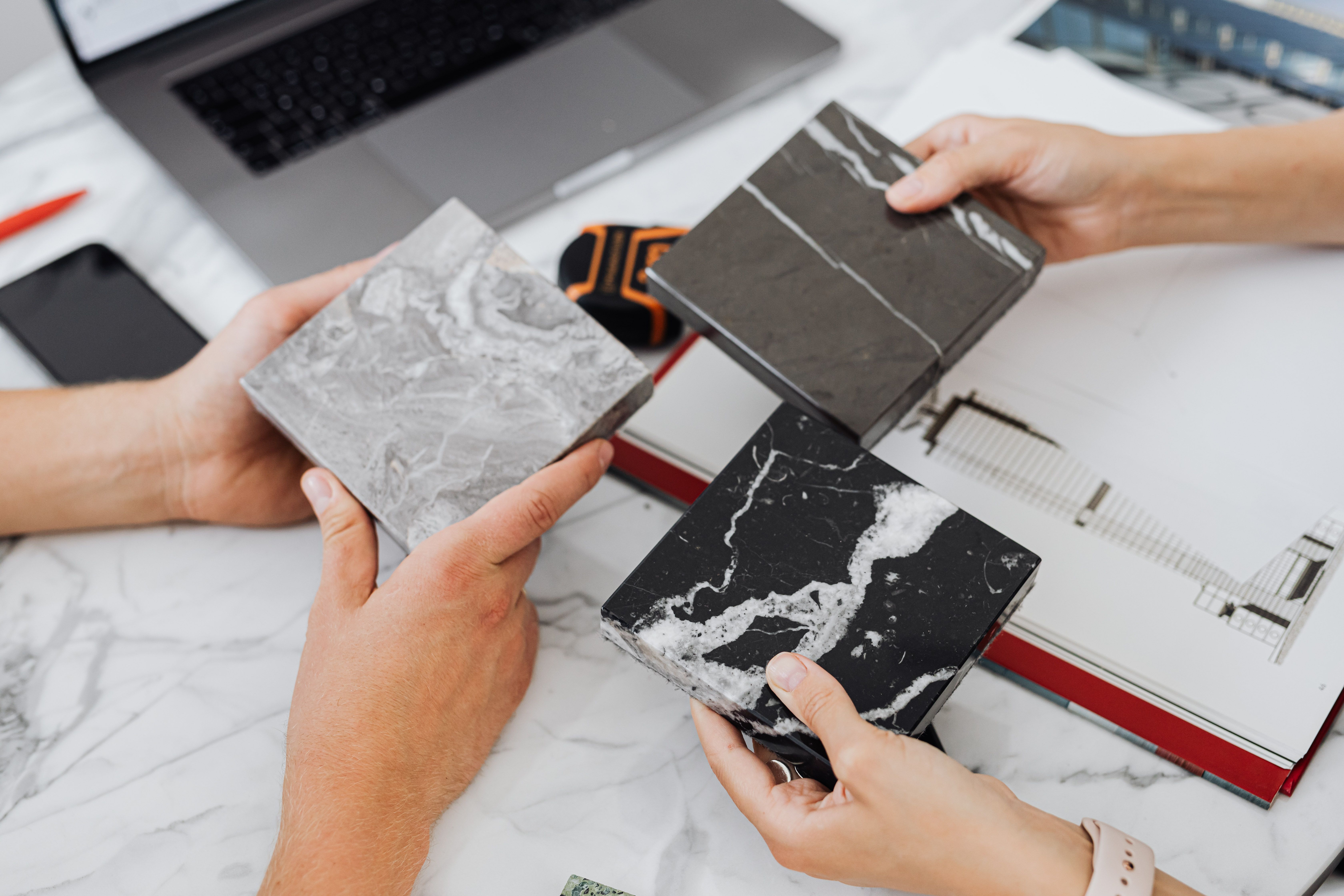
This is where your personal style comes into play, and it’s also where the budget can swing dramatically. The materials you choose for your countertops, flooring, tile, and vanity have the single biggest impact on your project's cost. For example, a standard, off-the-shelf ceramic tile is far more affordable than custom-imported marble. Likewise, a stock vanity from a big-box store will be much less expensive than a custom-built piece. This is the area where you have the most control. You can decide where to save with budget-friendly basics and where to splurge on a statement finish that makes the whole room pop.
Fixtures and Fittings
Think of fixtures and fittings as the jewelry of your bathroom. These are the functional pieces like your faucet, showerhead, toilet, and lighting. Just like with materials, the price range here is vast. You could choose a simple, classic chrome faucet or a high-tech smart shower system with multiple jets; the cost difference can be thousands of dollars. A high-end remodel might include a custom-tiled shower with a frameless glass door, which is a beautiful feature that also adds a significant amount to the final bill. Balancing aesthetics, function, and cost is key when selecting these essential components.
Labor and Contractor Fees
Don't underestimate the cost of labor. For most bathroom remodels, hiring skilled professionals will account for 40% to 60% of your total budget. This fee covers the expertise of your general contractor, who manages the project, as well as the specialized tradespeople like plumbers, electricians, and tilers. While it might be tempting to cut corners here, quality labor is essential for a beautiful and durable result. Working with Realm’s network of vetted professionals ensures the job is done right, protecting your investment and giving you peace of mind that your new bathroom is built to last.
Permits and Inspections
If your remodel involves moving plumbing, changing electrical wiring, or altering the structure of your home, you will likely need a permit from your local municipality. While many homeowners see permits as a hassle, they are a crucial step. Permits ensure that all work is performed safely and meets local building codes, which is vital for your family’s safety and your home’s value. The cost of the permit itself is usually a few hundred dollars, but it’s an essential, non-negotiable part of the budget for any project that goes beyond simple cosmetic updates.
Your Location
Where you live plays a surprisingly large role in your total remodel cost. Labor rates, material costs, and even permit fees can vary significantly from one city to another, especially in high-cost-of-living areas like the San Francisco Bay Area or Los Angeles. In fact, your project's location can change the final price by as much as 25%. This is why national average cost estimates can be misleading. Getting a detailed, data-driven plan tailored to your specific property and neighborhood is the best way to create an accurate budget. That’s why Realm provides localized data to give you a true picture of your potential costs.
Where Your Money Goes: A Cost Breakdown
When you’re staring at a total project estimate, it can feel a little abstract. Let's break it down so you know exactly where your budget is being allocated. Understanding these individual costs helps you make informed decisions about where to save and where to splurge. Think of it as creating a spending plan before you even hit the stores. This is a key part of the customized plan we build for homeowners, ensuring there are no surprises along the way. While every project is unique, most small bathroom remodels include the same core components. Here’s a look at what you can expect to pay for each part of the renovation.
Flooring and Tile: $600–$1,800
New flooring and tile can completely transform a dated bathroom. This is your chance to add personality, whether you prefer classic subway tile or a bold, patterned floor. The cost, which typically runs from $600 to $1,800, depends heavily on the material you choose and the square footage you need to cover. Ceramic and porcelain are often budget-friendly choices, while natural stone or intricate mosaic designs will land at the higher end of the spectrum. This estimate generally covers the materials and the labor to install them, giving your bathroom a fresh, clean foundation.
Vanity, Sink, and Faucet: $900–$2,200
The vanity often serves as the bathroom's main focal point, so it’s a great place to make a style statement. This category, which includes the vanity cabinet, countertop, sink, and faucet, can range from $900 to $2,200. A pre-fabricated vanity from a home improvement store will be more affordable, while a custom-built piece or one made from high-end materials will increase the cost. The faucet you choose also plays a role; designer brands or special finishes can add a few hundred dollars to the total, but they also add a touch of luxury.
Toilet: $250–$700
While not the most glamorous part of your remodel, a new toilet is a practical and necessary update. For $250 to $700, you can get a new, efficient model that looks clean and functions perfectly. Standard toilets are on the lower end of this range, while high-efficiency models with features like dual-flush capabilities or a sleeker, one-piece design will cost more. This is a relatively small investment that improves both the look and the water efficiency of your bathroom, making it a worthwhile upgrade in any renovation.
Lighting, Mirrors, and Exhaust Fan: $400–$1,200
Proper lighting and ventilation are non-negotiable in a functional bathroom. This part of the budget, from $400 to $1,200, covers essential fixtures that make the space comfortable and safe. This includes vanity lighting, a stylish mirror, and a powerful exhaust fan to manage moisture and prevent mold. You can choose simple, effective fixtures to stay on budget or opt for designer sconces and mirrors with built-in storage or lighting to add a more custom feel. Don't underestimate the impact these elements have on the room's overall ambiance.
Plumbing and Electrical
The costs for plumbing and electrical work are some of the most variable in any bathroom remodel. If you stick to your bathroom’s existing layout, these costs will be minimal, mostly covering the labor to disconnect and reconnect your new fixtures. However, if you decide to move the toilet, shower, or sink, be prepared for a significant price increase. Relocating plumbing and wiring requires more labor, materials, and potentially more complex permits and inspections. This is one area where getting advice from vetted professionals is crucial to understanding the full cost implications.
Paint, Trim, and Finishes: $300–$900
The final touches are what pull the entire room together. A fresh coat of paint, new baseboards, and updated hardware are the details that make your new bathroom feel truly finished. This category typically costs between $300 and $900. While it’s one of the smaller line items in your budget, its impact is huge. Choosing a high-quality, moisture-resistant paint is a must for a bathroom environment. This is also a great area to save some money by taking on the painting yourself if you’re comfortable with a little DIY.
5 Steps to Estimate Your Remodel Cost
Creating a realistic budget is the first step toward a successful renovation. While it’s tempting to jump straight to picking out tile, taking the time to estimate your costs will save you from headaches and financial stress down the road. A solid budget acts as your roadmap, guiding your decisions and keeping your project on track. Think of it not as a restriction, but as a tool that gives you control over the outcome. When you know where your money is going, you can make smarter choices about where to splurge and where to save, ensuring the final result is a bathroom you love without any financial regrets.
A well-planned budget helps you communicate clearly with contractors, compare quotes effectively, and prepare for the unexpected. It transforms a potentially overwhelming process into a series of manageable decisions. By breaking down the costs, you can see the financial impact of every choice, from the type of faucet you select to the complexity of the tile pattern. This clarity is essential for a smooth project. Let’s walk through the five key steps to build an accurate estimate for your small bathroom remodel, so you can start your project with confidence.
Step 1: Measure Your Space
Before you can estimate anything, you need to know exactly what you’re working with. Grab a tape measure and get the dimensions of your bathroom: length, width, and ceiling height. Note the size and location of doors and windows. This information is critical for calculating the amount of flooring, tile, and paint you’ll need. Knowing your square footage helps ground your budget in reality. While the national average for a small bathroom remodel is around $6,500, your specific costs will depend entirely on your space and choices. A clear understanding of your project's scale is the foundation of a reliable budget, and it's the first thing any professional advisor will ask for.
Step 2: Define Your Project Scope
Next, decide how extensive your remodel will be. Are you planning a simple cosmetic refresh with new paint and fixtures, or a full gut renovation? The quickest way to drive up your project’s cost is to change the bathroom’s existing layout. Moving the toilet, sink, or shower requires complex and expensive plumbing and electrical work that can quickly drain your funds. If you’re aiming to keep costs down, keeping your current layout is one of the most effective strategies. Be clear about what is a "must-have" versus a "nice-to-have" to keep your project scope from expanding unexpectedly.
Step 3: Select Your Materials and Fixtures
This is where your personal style comes to life, but it’s also where costs can vary dramatically. Your choice of materials, from floor tiles to light fixtures to the vanity, will have a major impact on the final price tag. Basic, off-the-shelf options from big-box stores are far more affordable than custom cabinetry or high-end, imported tile. Create a list of all the finishes and fixtures you need to replace and start researching prices. This will help you see where your money is going and identify areas where you can save or feel comfortable splurging. Realm can help you connect with our network of vendors to find materials that fit your budget and style.
Step 4: Account for Labor (40–60% of Your Budget)
Labor is one of the biggest expenses in any remodel, and it’s often underestimated. The cost of hiring professionals like plumbers, electricians, and tilers typically makes up 40% to 60% of your total project budget. In high-cost-of-living areas like San Francisco or Seattle, that percentage can be even higher. While it might be tempting to DIY certain tasks, hiring licensed and insured contractors protects you from costly mistakes and ensures the work is done to code. This is where having a trusted partner makes all the difference. At Realm, we connect you with vetted professionals who provide detailed, transparent quotes, so you know exactly what you’re paying for.
Step 5: Build in a 10–20% Contingency Fund
No matter how well you plan, renovations almost always come with surprises. When you open up walls, you might find unexpected problems like hidden water damage, mold, or outdated wiring that needs to be fixed. That’s why you should always set aside an extra 10% to 20% of your total estimated budget for a contingency fund. Think of it as a financial safety net. If you don’t end up needing it, great! You can put it toward an upgrade or simply save the money. But if a problem does arise, you’ll be prepared to handle it without derailing your entire project or going into debt.
Common Budgeting Mistakes to Avoid
Creating a realistic budget is one of the trickiest parts of any renovation. It’s easy to get excited about new tile and a rainfall showerhead, but a few common missteps can quickly derail your project’s finances. Knowing what to watch out for ahead of time will help you keep your small bathroom remodel on track and within your budget. Let’s walk through the most frequent budgeting mistakes homeowners make and how you can steer clear of them.
Underestimating Labor Costs
It’s tempting to focus your budget on the fun stuff, like vanities and tile, but the cost of labor is a huge piece of the puzzle. Professional labor, including plumbers, electricians, and installers, typically accounts for 40% to 60% of your total project cost. In high-cost-of-living areas, that percentage can be even higher. Forgetting to budget for this properly is one of the fastest ways to go over budget. When you plan your finances, make sure you allocate a significant portion to the skilled professionals who will bring your vision to life safely and correctly.
Forgetting Permits and Hidden Fees
Depending on your project's scope, you may need permits from your local city or county. Any changes to plumbing, electrical systems, or your home’s structure will almost certainly require one. These permits come with fees, and the rules can be confusing to figure out on your own. Beyond permits, other small fees for things like debris disposal or delivery charges can add up. Having expert guidance can help you anticipate these costs so they don’t become an unwelcome surprise later on.
Skipping a Contingency Fund
No matter how well you plan, renovations are full of surprises. When your contractor opens up a wall, they might find unexpected water damage, old wiring that isn’t up to code, or hidden mold. That’s where a contingency fund comes in. You should always set aside an extra 10% to 20% of your total budget to cover these unforeseen issues. Think of it as a financial safety net. If you don’t end up needing it, great! You can put it toward an upgrade or just add it back to your savings.
Changing the Layout Mid-Project
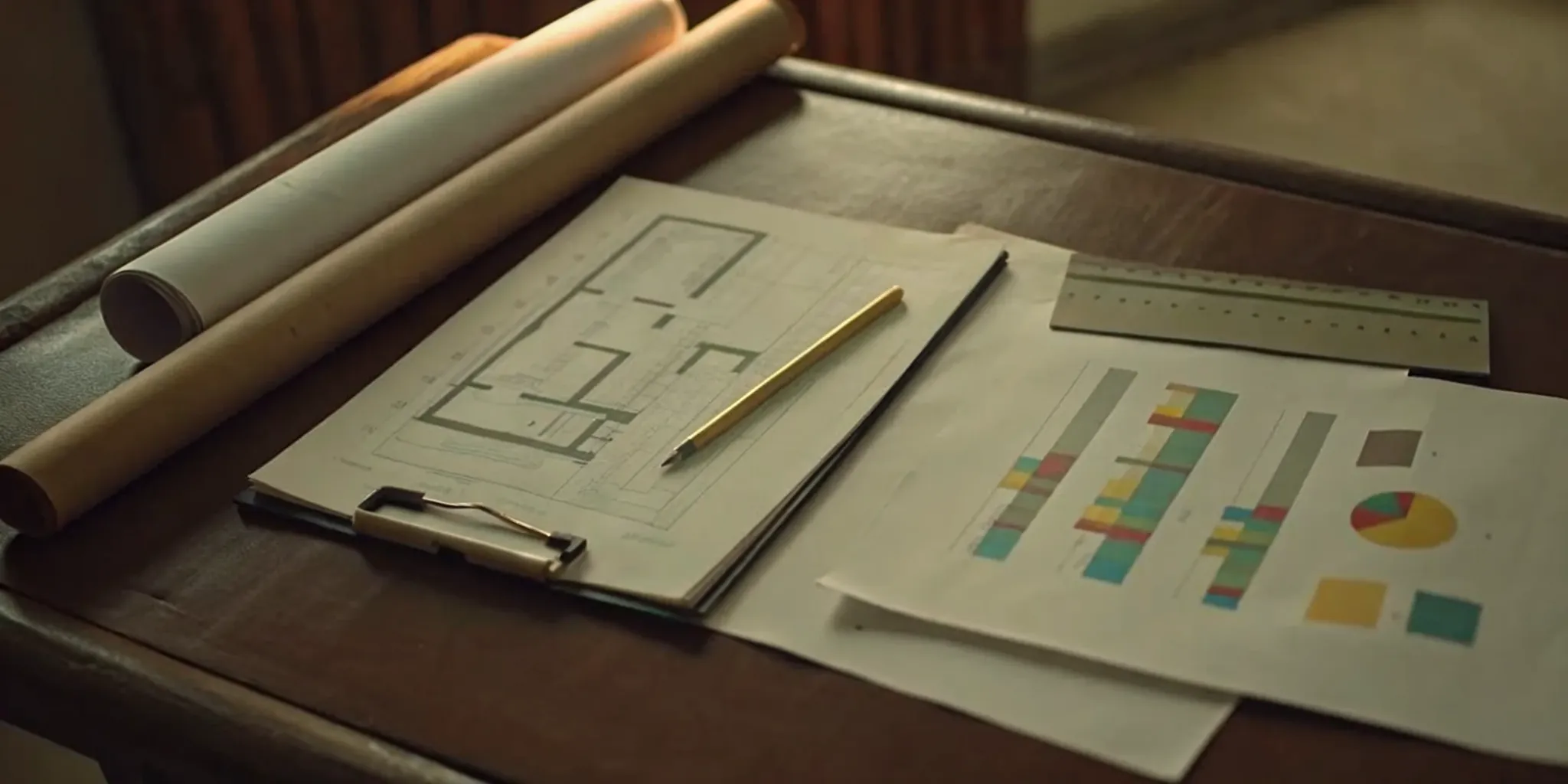
One of the most expensive decisions you can make is changing your bathroom’s layout after the project has already started. Moving the toilet, sink, or shower involves complex and costly plumbing and electrical work that can inflate your budget in a hurry. To avoid this, finalize your floor plan before any demolition begins. Spend extra time in the planning phase to make sure you love the layout. Once the walls come down, stick to the plan to keep your costs under control.
DIYing Complex Tasks
While you can save money by handling cosmetic updates like painting or swapping hardware yourself, some jobs are best left to the pros. Any work involving plumbing, electrical systems, or extensive tile installation requires specialized skills to be done safely and correctly. Attempting these tasks without experience can lead to costly mistakes, failed inspections, and even safety hazards. It’s always worth the investment to hire vetted professionals for these critical parts of your remodel, ensuring the job is done right the first time.
Not Getting Itemized Quotes
When you’re ready to hire a contractor, don’t just accept the first quote you receive. A best practice is to get detailed bids from at least three different contractors. Ask for an itemized quote that breaks down the costs for labor, materials, permits, and other expenses. This level of detail is crucial because it allows you to accurately compare offers and understand exactly what you’re paying for. A vague quote can hide extra fees, so a detailed breakdown protects you and helps you make a more informed decision.
How to Save Money on Your Small Bathroom Remodel
A beautiful bathroom remodel doesn’t have to drain your savings account. While it’s easy to get carried away with inspiration on Pinterest, a few strategic decisions can make a huge impact on your bottom line. The key is to spend money where it counts and get creative with the rest. By focusing your budget on high-impact updates and being smart about where you source materials and labor, you can create a space that feels fresh and new without overspending.
Think of it as a design challenge: how can you get the most style for your money? It starts with a solid plan. Instead of gutting everything and starting from scratch, consider which elements have good bones and can be refreshed. From there, you can be a savvy shopper and even roll up your sleeves for some light DIY work. These practical steps will help you stretch every dollar, ensuring your budget goes toward creating a bathroom you’ll love for years to come. Realm’s data-backed approach can also help you see where your money is best spent for maximum return on investment.
Keep the Current Layout
The single most effective way to keep your remodel costs in check is to stick with your bathroom’s existing footprint. The quickest way to make your remodel more expensive is to move the toilet, sink, or shower. This kind of change requires complex and costly plumbing and electrical work that can quickly eat up a huge portion of your budget. Moving pipes and wires often means opening up walls and floors, leading to more labor, more materials, and a longer project timeline.
By keeping your main fixtures in the same spot, you can focus your funds on the cosmetic updates that deliver that "wow" factor. Think beautiful new tile, a stylish vanity, or modern light fixtures. Working with your current layout simplifies the entire process and allows you to invest in the finishes you’ll see and appreciate every day.
Refinish Instead of Replacing
Before you decide to tear everything out, take a second look at what you already have. You can often achieve a high-end look for a fraction of the cost by refinishing existing elements. An old, stained, or dated bathtub can be professionally reglazed to look brand new, saving you hundreds or even thousands compared to the cost of a new tub and its installation. This is a fantastic option for classic cast-iron tubs that are still in great structural shape.
The same principle applies to your vanity. If it’s sturdy and offers the storage you need, why replace it? Consider painting the existing vanity a fresh color and swapping out the old knobs or pulls for new hardware. This simple update can completely change the look and feel of the piece for a minimal investment of time and money.
Shop for Deals and Floor Models
Becoming a savvy shopper can lead to significant savings on your bathroom remodel. Don't just walk into a big-box store and buy the first thing you see. Instead, plan ahead and keep an eye out for sales, clearance items, and floor models for your fixtures and materials. Many stores offer deep discounts on items that have been on display or are from a previous season’s collection. These pieces are often in perfect condition and can save you a bundle.
Expand your search beyond traditional retailers, too. Check out local building material outlets, salvage yards, and online marketplaces for unique finds at a lower price. If your timeline is flexible, try to time your big purchases around holiday sales events. A little patience and persistence can help you find high-quality materials without the high-end price tag.
DIY the Cosmetic Updates Only
Putting in some of your own sweat equity is a classic way to save money on labor costs, but it’s important to be realistic about your skills. You can save money by doing simple tasks yourself, like painting the walls, changing out light fixtures, or swapping cabinet hardware. These are low-risk, high-impact projects that can give your bathroom a fresh look without needing specialized expertise. Demolition can also be a satisfying DIY task, as long as you know what’s behind the walls.
However, leave the complex jobs to the pros. Unless you have experience, avoid DIY-ing plumbing, electrical work, and intricate tile installation. A mistake in these areas can lead to leaks, water damage, or safety hazards, resulting in costly repairs that will wipe out any initial savings. It's always smarter to find a vetted professional for the critical tasks.
Get at Least Three Detailed Quotes
When it’s time to hire a contractor, don’t just go with the first person you talk to. To ensure you’re getting a fair price, ask at least three different contractors for detailed quotes. A legitimate quote should do more than just give you a final number; it should break down the costs for labor, materials, permits, and demolition. This itemized list is crucial because it allows you to compare offers fairly and understand exactly what you’re paying for.
A detailed quote also protects you from hidden fees and unexpected charges down the line. If one quote is significantly lower than the others, review it carefully to see what might be missing. Vague estimates are a red flag. Taking the time to gather and compare thorough quotes helps you hire with confidence and is a foundational step in keeping your project on budget.
How Realm Simplifies Your Remodel Budget
Trying to nail down a budget for your bathroom remodel can feel like you're throwing darts in the dark. You might see a national average cost, but that number can swing wildly depending on where you live and the scope of your project. A simple refresh is one thing; a full-scale overhaul is another. This is where having a clear, data-driven plan makes all the difference, turning a daunting task into a manageable one.
At Realm, we cut through the confusion by giving you a realistic picture of what your project will cost in your specific area. We help you understand the complete financial breakdown, including the fact that labor often makes up 40% to 60% of the total budget—a detail that can catch many homeowners by surprise. Our expert guidance ensures you're not just guessing about these crucial numbers.
Instead of you having to chase down contractors, we connect you with our network of vetted professionals and help you get detailed, itemized quotes. We also build a 10% to 20% contingency fund right into your plan from the start. This isn't just a suggestion; it's a crucial step our dedicated advisors help you prepare for, so unexpected issues like old wiring don't derail your project. With Realm, you get a customized plan that turns budget anxiety into confidence.
Related Articles
- What's the Real Average Cost for a Small Bathroom Remodel?
- How to Estimate a Bathroom Remodel: A Full Breakdown
- Cost to Hire a Bathroom Remodeler: A Full Guide
- Small Bathroom Remodel Cost: A Full Breakdown
Frequently Asked Questions
Why is changing the bathroom layout so expensive? Changing your bathroom's layout is costly because it involves moving the plumbing and electrical systems. Relocating a toilet, sink, or shower isn't just a matter of shifting a fixture; it requires a plumber to reroute pipes within your walls and floors and an electrician to move wiring. This complex work significantly increases labor hours, requires more materials, and often triggers the need for more extensive permits and inspections, all of which add up quickly.
Is it really worth spending up to 60% of my budget on labor? Yes, it absolutely is. While that percentage can seem high, quality labor is the foundation of a successful remodel. This cost covers the expertise of licensed plumbers, electricians, and tilers who ensure your bathroom is not only beautiful but also safe and up to code. Investing in skilled professionals protects you from costly mistakes, water damage, and failed inspections down the road, making it one of the smartest investments you can make in your project.
What happens to the contingency fund if I don't use it? Think of the contingency fund as your project's insurance policy. If you get lucky and no surprises pop up (like hidden mold or old plumbing), then that money is still yours. You have a few great options: you can use it to upgrade a fixture you were on the fence about, like a nicer faucet or designer lighting, or you can simply put it right back into your savings. It’s a win-win situation that prepares you for the worst while hoping for the best.
Where should I splurge and where should I save in a small bathroom? A great strategy is to splurge on the items you touch and see every day. Consider investing in a high-quality vanity countertop, a durable floor tile, and a faucet that feels substantial. These are the high-impact elements that define the room's feel. You can save money on things that are less noticeable, like a standard toilet model instead of a high-design one, or by choosing stylish but affordable lighting and mirrors from a big-box store.
How can I get an accurate cost estimate for my specific home and location? The best way to get a truly accurate estimate is to move beyond national averages and get data specific to your neighborhood. Costs for materials and labor vary significantly from one city to another. A data-driven plan, like the kind we create at Realm, analyzes local pricing for labor and materials to build a detailed budget tailored to your home. This is followed by getting itemized quotes from at least three vetted local contractors to see exactly how their pricing compares.