How to Negotiate a Renovation Bid & Get a Fair Price
Learn how to negotiate a renovation bid, compare contractor quotes, and secure a fair price for your home project with clear, actionable steps.
|
June 10, 2026

In this article:
That moment when you open a renovation bid can feel like a verdict. The number at the bottom seems to decide whether your dream project lives or dies. But a contractor’s proposal isn’t a final price tag; it’s the start of a conversation. The most successful renovations begin with a partnership, not a power struggle, and that partnership is forged during the negotiation. Knowing how to negotiate a renovation bid isn’t about lowballing or creating conflict. It’s about taking control of your project, ensuring you get fair value, and building a foundation of trust with the professional who will bring your vision to life. This guide will show you how to approach this conversation with confidence.
Key Takeaways
- Define Your Project Before Seeking Bids: Walk into contractor conversations with a clear scope of work, a list of must-haves versus nice-to-haves, and a firm budget. This preparation shows you're an organized partner and ensures you receive accurate, comparable quotes.
- Negotiate Collaboratively, Not Confrontationally: A bid is a starting point for a conversation. Instead of demanding a discount, ask for "value engineering" options, discuss adjusting the project scope, or offer a flexible timeline to find a price that works for everyone.
- Trust Your Gut and Watch for Red Flags: Pay attention to warning signs like high-pressure tactics, vague bids, or a request for a large upfront payment. A successful renovation requires a trustworthy partner, so don't be afraid to walk away if the relationship doesn't feel right from the start.
Your Pre-Bid Checklist: What to Do Before You Get Quotes
Walking into a conversation with a contractor without a plan is like going to the grocery store hungry and without a list. You’re likely to leave with a lot of things you don’t need and a bill that’s much higher than you expected. Before you even think about asking for bids, taking the time to prepare is the single most important thing you can do. This prep work ensures your conversations are productive, your bids are accurate, and your negotiations are grounded in clear, mutual understanding. When you’re prepared, you can lead the conversation with confidence instead of just reacting to a contractor's suggestions.
This checklist will help you get organized so you can find the right professional for your project at a fair price. Think of it as building the foundation for your renovation before the first wall ever comes down. It’s about defining what you want, what you can spend, and what the project truly involves. A Realm advisor can guide you through this entire process, but getting a head start will put you in a much stronger position. By the time you’re done, you’ll have a clear roadmap that will make every step that follows, from comparing bids to the final walkthrough, feel much more manageable.
Define Your Project Goals and Must-Haves
First things first: what are you trying to achieve with this renovation? Be specific. Instead of just "a better kitchen," think about what that really means for you. Is it more counter space for meal prep, better flow for entertaining, or more storage to hide clutter? When your goals are unclear, you might end up meeting with professionals in the wrong order or getting bids that don't reflect your true vision.
Create two lists: "must-haves" and "nice-to-haves." Your must-haves are the non-negotiable elements, like adding a second sink in the primary bathroom. Your nice-to-haves are the things you’d love to include if the budget allows, like heated floors. This simple exercise helps you prioritize and gives you immediate points for negotiation later on.
Set a Realistic Budget (With a Buffer)
Talking about money can be uncomfortable, but you need to know your numbers before you start collecting bids. A realistic budget is your most powerful tool. It acts as a filter for contractors and helps you stay focused on your goals. Once you have a total project number in mind, set aside 15% to 20% of it as a contingency fund. This isn't extra money to spend on upgrades; it's a safety net for the unexpected.
During a renovation, surprises like hidden water damage or outdated electrical wiring can pop up. A contingency fund ensures these issues don't derail your project or force you to make compromises on your must-haves. It’s the responsible way to plan for the unknown.
Research Local Renovation Costs
How much does a kitchen remodel actually cost in your neighborhood? Prices can vary dramatically between Sacramento and the Bay Area, so localized research is key. Use online renovation cost estimators and talk to neighbors who have done similar projects. This research gives you a practical baseline for what to expect.
Understanding local costs helps you identify if a bid is suspiciously low or excessively high. It also equips you for the negotiation process. When you know the general market rates for labor and materials, you can have a more informed and productive conversation with contractors about their pricing. This knowledge is essential for ensuring a satisfactory price for your project.
Outline the Full Scope of Work
A detailed scope of work is your best defense against "scope creep," which happens when a project slowly expands beyond its original boundaries. To prevent this, you need to write everything down. Be incredibly specific about every task you want the contractor to handle, from demolition and framing to plumbing, electrical, and final paint colors.
This document should clearly define the project's start and end points. For example, does the scope include hauling away debris? Does it cover patching and painting the walls in an adjacent room? A well-defined scope ensures that you and your contractor are on the same page from day one, which is the best way to control scope creep before it starts.
Gather Your Project Documents and Inspiration
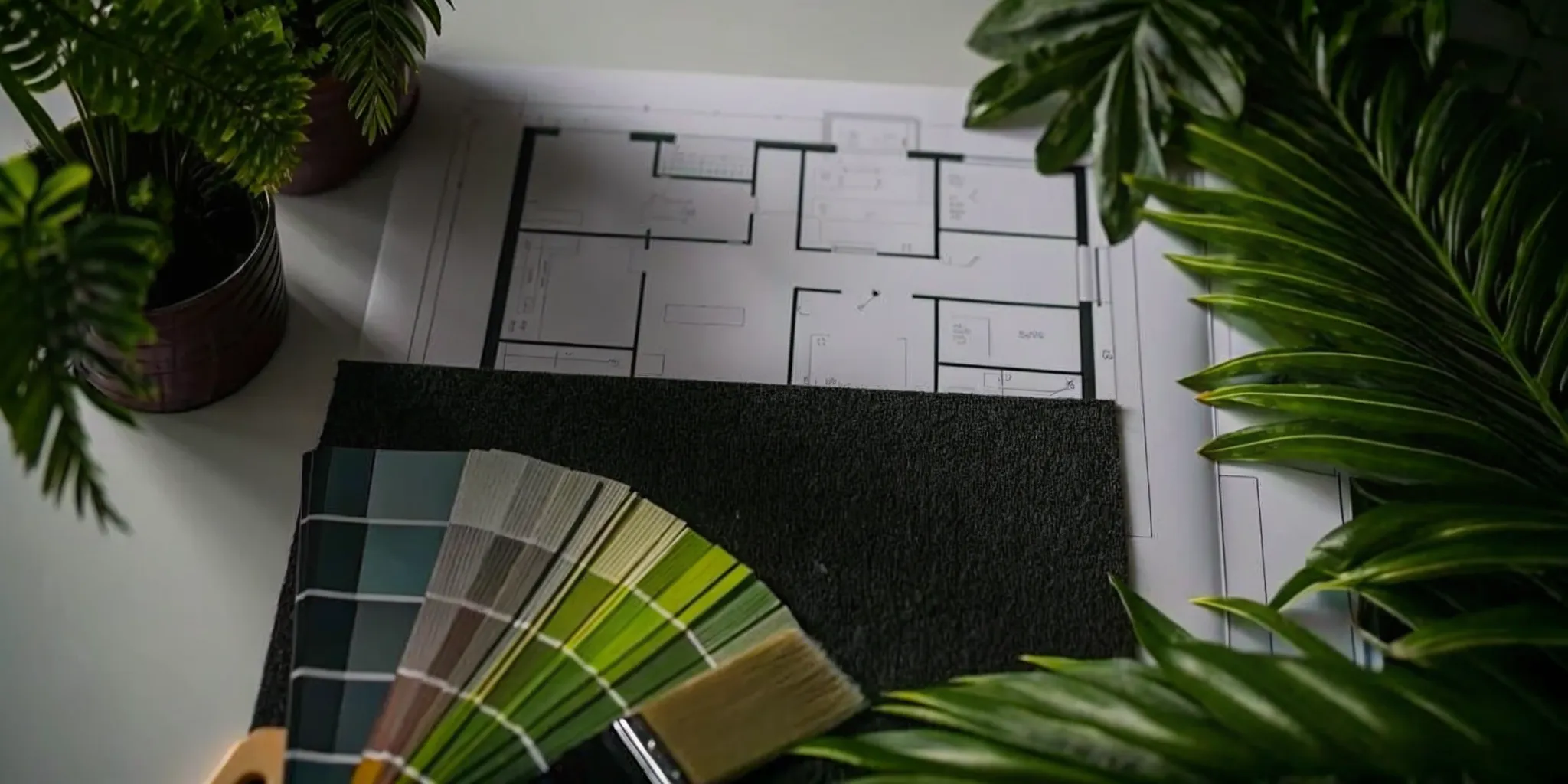
Now it’s time to pull everything together. Create a dedicated project folder, either physical or digital, to house all your documents. This should include your goals list, budget, scope of work, and any architectural plans or drawings you have. It’s also the place for all your inspiration. Add photos from Pinterest, magazine clippings, and links to specific products you love.
When you meet with contractors, having this package ready shows that you’re serious, organized, and have a clear vision. It helps them understand not just what the space should look like, but also what you want the space to do. This level of preparation makes it easier for them to create a detailed and accurate bid.
How to Get and Compare Renovation Bids
Once you have your project plan in hand, it’s time to find the right professional to bring it to life. This is where the bidding process comes in. Think of it less like a price-shopping frenzy and more like a series of interviews. You’re not just collecting numbers; you’re gathering information to find a contractor who understands your vision, respects your budget, and communicates clearly. The goal isn’t just to find the cheapest option, but to find the best value and the right partner for a major investment in your home. This is your chance to see how different professionals approach your project, what solutions they propose, and how they present themselves.
Giving each potential contractor the exact same detailed scope of work is crucial. This ensures you’re getting quotes for the same job, which is the only way to make a fair comparison. This phase can feel like a lot to manage, but breaking it down into clear steps makes it completely doable. When you’re organized and prepared, you put yourself in the best position to choose a contractor with confidence. Remember, a good bid is more than a price tag; it's the first chapter of your working relationship with your contractor.
How Many Bids Should You Get?
The general rule of thumb is to get at least three bids for your project. This is the sweet spot for a few reasons. The first bid gives you a baseline, but you have nothing to compare it to. The second bid reveals whether the first was reasonable or way off. By the time you get the third, you’ll start to see a pattern and get a solid sense of the true market rate for your project. One bid might be unusually high, and another might be suspiciously low. The three-bid rule helps you identify these outliers and focus on the realistic middle ground. While you can get more, collecting too many quotes can lead to confusion and delay your decision.
What to Ask Contractors When Requesting a Bid
To get accurate and comparable bids, you need to be every contractor’s favorite kind of client: an organized one. Provide each person with the exact same packet of information. This should include your detailed scope of work, any architectural plans or drawings, and your inspiration photos. Consistency is key. You should also be upfront about your budget. I know this can feel like showing your cards in a poker game, but it actually helps frame the conversation collaboratively. Telling a contractor your budget allows them to suggest materials or methods to help you stay within it. It shows you’ve done your homework and helps them tailor a realistic proposal from the start.
How to Read an Itemized Bid, Line by Line
Never accept a bid that’s just a single number. A professional bid should be itemized, breaking down the total cost into different categories like labor, materials, permits, and other expenses. When you get the bids back, resist the urge to skip to the final price at the bottom. Instead, sit down and compare them line by line. Look at the specific costs for demolition, framing, electrical, plumbing, and finishes. Does one contractor’s labor cost seem much higher than the others? Did someone forget to include the cost of permits or trash disposal? These details tell the real story and help you spot potential red flags or hidden costs before you sign a contract.
Use a Standard Format to Compare Apples to Apples
The best way to compare itemized bids is to put them into a simple spreadsheet. Create a column for each contractor and use the rows for the different line items from their bids. This lets you see, at a glance, where the costs align and where they differ dramatically. This format makes it easy to spot discrepancies and formulate your follow-up questions. For example, you might see that one contractor’s allowance for tile is much lower than the others, which could mean you’ll face an upcharge later. This kind of detailed comparison is exactly what a Realm advisor does to help homeowners make informed decisions without the stress of going it alone.
What’s Actually Negotiable in a Renovation Bid?
Think of a renovation bid as a starting point for a conversation, not a final price tag. While you can’t just ask for a random 20% discount (and you shouldn't), there are several key areas where you have real room to negotiate. A good contractor expects this discussion and will be open to finding a solution that works for both of you. The goal isn't to lowball them or squeeze their profits, but to collaborate on a project that meets your budget without sacrificing quality or fairness. It’s about finding that sweet spot where everyone feels good about the agreement.
Understanding what's flexible can help you approach the conversation with confidence. Instead of feeling like you have to accept the first number you see, you can go into the discussion with a clear strategy. By focusing on specific project components, you can make targeted adjustments that have a big impact on the bottom line. The most common and effective areas to discuss are the scope of work, material selections, the project timeline, and the payment schedule. Each of these represents a lever you can pull to better align the project with your financial comfort zone. Let's break down how you can approach each of these with a potential contractor.
The Scope of Work
The scope of work is simply the list of all the tasks the contractor will perform. This is one of the most powerful levers you have for adjusting the price. If a bid comes in higher than you expected, review the itemized list and ask yourself if every single task is a must-have. Could you handle the final coat of painting yourself to save on labor costs? Can you live without custom built-ins for now and opt for a simpler solution? Asking your contractor to remove or simplify certain parts of the project is a completely fair and standard way to align the bid with your budget. This is a core part of how Realm helps you plan your project from the start.
Material and Product Selections
Materials and finishes can account for a huge portion of your renovation costs. A contractor’s initial bid often includes standard or high-end selections, but these are rarely set in stone. Ask your contractor to provide a "good, better, best" range of options for key items like countertops, flooring, or fixtures. You might find that a slightly less expensive tile gives you a look you love while saving you thousands. This isn't about choosing cheap materials; it's about making informed decisions. A good contractor can explain the pros and cons of different price points, helping you find the right balance of quality, durability, and cost for your home.
Project Timeline and Scheduling
Believe it or not, when your project happens can affect the price. Contractors are busiest during certain times of the year, typically in the spring and fall. If you have a flexible schedule, you can use this to your advantage. Ask if there’s a cost savings for scheduling your project during their off-peak season, like in the winter or mid-summer. A contractor might offer a better rate to keep their crew busy during a slower period. This shows you respect their business needs and can be a great way to build goodwill while saving you money.
The Payment Structure
The payment structure outlines how and when you will pay your contractor. A common red flag is a request for a large upfront payment before any work begins. Instead, you can and should negotiate a payment schedule tied to specific project milestones. For example, you might release a payment after demolition is complete, another after plumbing and electrical are installed, and so on. This approach protects you by ensuring you only pay for work that has been completed to your satisfaction. It also keeps the project moving forward and gives the contractor predictable cash flow, making it a win-win for everyone involved.
How to Connect With Contractors Before You Negotiate
Before you even look at a single line item on a bid, the most important negotiation work begins. This is where you lay the groundwork for a positive and productive relationship with your potential contractor. Think of it less as a confrontation and more as the start of a partnership. A great contractor is looking for a great client, just as you’re looking for a skilled professional. By showing up as a prepared, clear, and respectful partner, you create an environment where they want to work with you and find solutions that fit your budget.
This initial connection is all about building trust and mutual respect. When a contractor sees that you’ve done your homework and are serious about a collaborative process, they’re more likely to be flexible and transparent when it’s time to talk numbers. Your goal is to move from a simple client-vendor transaction to a team dynamic, where you’re both working toward the same goal: a beautiful, successful renovation. Having a dedicated Realm advisor in your corner can make this process feel much less intimidating, as they help you prepare all your documents and know exactly what to ask.
Show Up Prepared and Professional
First impressions matter. Contractors are evaluating you just as much as you’re evaluating them. They want to work with homeowners who are organized, decisive, and respectful of their time. Showing up to your first meeting with a clear scope of work, inspiration photos, and a list of your must-haves demonstrates that you’re a serious client. This level of preparation immediately sets a professional tone. It tells the contractor that you value their expertise and won't waste their time with indecision. This positions you as a desirable partner, which can give you a surprising amount of leverage before any negotiation even starts.
Be Clear About Your Budget and Expectations
Many homeowners hesitate to share their budget upfront, fearing the contractor will simply inflate their price to meet it. In reality, being transparent about your budget is one of the most effective things you can do. It saves everyone time and frames the conversation around finding solutions. When you state your budget clearly, you’re not giving them a blank check; you’re setting a realistic boundary. You can say, "My all-in budget for this project is X. Can you help me understand what’s possible within that number?" This approach invites them to use their expertise to plan the work creatively and prioritize what matters most to you.
Ask Questions and Value Their Expertise
When you receive a bid, asking thoughtful questions shows you’re engaged, not just trying to nickel-and-dime them. Instead of just saying a price is too high, ask for more detail. A great question is, "Can you help me understand the cost breakdown between labor, materials, and permits?" This shows you respect their process and want to learn. You can also ask for their opinion on materials or design choices, which acknowledges their professional experience. This turns the conversation from a price haggle into a collaborative discussion about value, helping you understand where your money is going and making the contractor feel like a valued expert.
Find Common Ground
A home renovation is a long-term relationship, and a little human connection can go a long way. Before diving into business, take a moment to build rapport. Maybe you noticed they worked on a home in your neighborhood you admire, or you share a common interest you spotted on their website's "About Us" page. You don’t need to become best friends, but establishing a friendly, personal connection creates a more collaborative atmosphere. When people feel a sense of connection, they are often more willing to work together to solve problems, including budget challenges. This foundation of mutual respect makes the entire negotiation process smoother and more effective.
7 Smart Ways to Negotiate Your Renovation Bid
Negotiating doesn't have to be a battle. When you approach it as a collaborative conversation, you can build a strong relationship with your contractor and land on a price that feels fair to everyone. The key is to be prepared, professional, and clear about what you want. A successful negotiation sets the stage for a smooth project where both you and your contractor feel respected and motivated. Here are seven smart strategies to help you get the best possible value for your renovation.
1. Lead With Your Budget, Not Theirs
It might feel counterintuitive, but being upfront about your budget is one of the most powerful moves you can make. Instead of waiting for a contractor to give you a number, share your comfortable spending limit early on. This frames the conversation around partnership, not pricing games. You’re inviting them to be a creative problem-solver, using their expertise to design a project that fits your financial reality. This approach builds trust and helps you quickly gauge if a contractor is the right fit. A true professional will respect your budget and work with you to plan the project accordingly, rather than presenting a dream bid you can't afford.
2. Use Competing Bids as Leverage (Politely)
Getting multiple bids is essential, but how you use them is what counts. Rather than pitting contractors against each other, use the information to ask smart questions. You could say, "I'm reviewing a few proposals, and I see some different approaches to the framing. Can you walk me through why you recommended this method?" This opens a dialogue instead of a confrontation. It shows you've done your homework and gives the contractor a chance to explain their value. This is where having an expert advisor can be invaluable, as they can help you compare bids apples-to-apples and identify the right questions to ask.
3. Ask for a "Value Engineering" Chat
"Value engineering" is just a professional term for exploring your options. It’s a collaborative discussion where you ask your contractor, "How can we get a similar look and function for less?" This isn't about choosing cheap materials; it's about making smart substitutions. For instance, could you opt for high-quality pre-fabricated cabinets instead of fully custom ones? Or select a different brand of faucet that offers the same warranty and style at a lower price? Asking for these "good, better, best" options shows you're flexible and that you value the contractor's expertise, making them more willing to find creative solutions that work for your budget.
4. Adjust the Payment Schedule to Your Favor
The total price isn't the only number you can negotiate. The payment schedule is also up for discussion. A standard schedule involves a deposit, several payments tied to project milestones (like completing demolition or passing inspection), and a final payment upon completion. You can protect your investment by negotiating a smaller upfront deposit and ensuring the payment milestones are clearly tied to tangible progress. This structure keeps your contractor motivated to complete each phase to your satisfaction before receiving their next payment. It’s a fair system that keeps the project moving forward and gives you peace of mind.
5. Offer Something in Return
A good negotiation is a two-way street. If you're asking a contractor to sharpen their pencil on pricing, be prepared to offer something of value in return. Your greatest asset here is often flexibility. Can you let them start the project during their slow season? Can you be flexible on the project timeline to help them better manage their crew scheduling? You can also offer to write a detailed review on multiple platforms upon successful completion or agree to be a referral for future clients. When you show you're willing to give as well as take, you transform the negotiation into a partnership.
6. Use Timing to Your Advantage
If your project isn't urgent, your flexible timeline can be a significant negotiating tool. Most residential contractors have busy and slow seasons. The spring and summer months are often packed with projects, while work can slow down in the late fall and winter. By offering to schedule your renovation during a contractor's off-season, you might find they are more willing to offer a competitive price to keep their crews busy. Ask potential contractors when their slower periods are. If your timelines align, you could secure the same high-quality work for a better price simply by being patient.
7. Get Every Agreement in Writing
This is the golden rule of any renovation project. Once you've verbally agreed on the price, scope, timeline, and payment schedule, make sure every single detail is documented in a formal contract. This document should be incredibly detailed, listing everything from the specific material models to the protocol for handling changes. A thorough contract protects both you and the contractor by creating a single source of truth for the project. It prevents misunderstandings and ensures everyone is aligned on expectations before the first hammer swings. Never start a project without a signed contract in hand.
Red Flags to Watch for During Negotiations
Negotiating is all about finding a fair agreement, but it's also your final chance to vet a contractor before signing on the dotted line. Think of it as a two-way interview. While you want to build a positive relationship, you also need to keep an eye out for behaviors that signal trouble ahead. A great partnership is built on trust and transparency, and if you're seeing warning signs during this early stage, it's wise to pay attention. These red flags aren't just quirks; they can be indicators of bigger problems that could derail your project, bust your budget, and cause a lot of stress. Here are the major ones to watch for.
High-Pressure Tactics
If a contractor says you need to sign right now to lock in a special price, take a step back. High-pressure sales tactics are designed to make you feel rushed and anxious, preventing you from carefully reviewing the contract or comparing other offers. A true professional will respect your need to take your time and make an informed decision. They should be confident enough in their proposal to let it stand on its own without forcing your hand. This kind of pressure often means they're more interested in closing a deal than in building a collaborative partnership for your project.
Vague or Incomplete Bids
A bid that just lists a single, lump-sum number is a major red flag. You need a detailed, itemized breakdown of all costs, including labor, materials, permit fees, and subcontractor charges. Without this, you have no way of knowing what you're actually paying for or comparing it accurately to other bids. A contractor who refuses to provide a detailed estimate might be hiding inflated costs or planning to hit you with unexpected charges later. Transparency is key, and it starts with a clear, comprehensive bid that leaves no room for expensive surprises.
A Price That Seems Too Good to Be True
We all love a good deal, but an estimate that comes in dramatically lower than all the others should make you suspicious, not excited. This could mean the contractor is cutting corners by using subpar materials, hiring unskilled labor, or simply doesn't understand the full scope of your project. An unrealistically low bid often leads to costly change orders later or, worse, a poorly executed renovation that needs to be fixed. It's better to pay a fair price for quality work from the start than to deal with the fallout from a lowball offer.
Large Upfront Payment Requests
Be very wary of any contractor who asks for a large portion of the project cost upfront. While a reasonable deposit is standard (typically 10% or up to $1,000 in states like California), demanding 50% or more before any work begins is a huge warning sign. This could indicate the contractor has cash flow problems or, in the worst-case scenario, is planning to take your money and run. A professional payment schedule should align with project milestones, ensuring you only pay for work as it's completed.
Missing Credentials or References
A qualified contractor should be able to quickly provide proof of their license, bonding, and insurance. If they hesitate, make excuses, or can't produce these documents, walk away. These credentials protect you from liability and ensure the contractor meets professional standards. The same goes for references. A contractor with a history of happy clients will be eager to share their contact information. At Realm, we handle this for you, as every professional in our vendor network is thoroughly vetted for credentials, work quality, and client satisfaction, so you can feel confident from day one.
Hesitation to Discuss Permits or Changes
If a contractor suggests doing the work without proper permits to save money, that's a dealbreaker. Permits are a legal requirement that ensures your project is built to code and is safe. Skipping them can lead to fines, issues with your homeowner's insurance, and major problems when you try to sell your home. Similarly, a contractor who is unwilling to discuss a process for handling changes or unexpected issues may be too rigid to work with. Renovations rarely go exactly as planned, and you need a partner who can adapt.
Poor Communication
Pay close attention to how a contractor communicates during the bidding and negotiation process. Are they responsive to your calls and emails? Do they answer your questions clearly and patiently? If they are hard to get ahold of or dismissive of your concerns now, imagine what it will be like once they have your deposit and the project is underway. Good communication is the foundation of a successful renovation. You're looking for a partner, and that partnership starts with clear, respectful, and timely conversations.
When Is It Time to Walk Away From a Bid?
Sometimes, the most powerful move you can make in a negotiation is to walk away. It can feel like a setback, especially after you’ve invested time and energy into getting bids, but choosing the wrong contractor is a far more costly mistake. If you feel backed into a corner or sense that you must make a deal, that’s your cue to pause. A successful renovation is built on trust and transparency, and if those foundations aren't there from the start, it’s better to cut your losses. Recognizing when a bid isn’t the right fit protects your budget, your home, and your peace of mind. Here are a few clear signs that it’s time to thank the contractor for their time and move on.
They Pressure You to Decide Immediately
A reputable contractor understands that a renovation is a major decision. If a bidder pressures you to sign a contract on the spot with a "limited-time offer" or warns that their schedule is filling up fast, consider it a major red flag. This tactic is designed to create a sense of urgency and prevent you from doing your due diligence, like checking their references or carefully comparing their bid to others. A true professional will respect your need for time and space to make an informed choice. A great partner wants you to be 100% confident in your decision, not rushed into it.
The Numbers Don't Add Up
A bid that comes in dramatically lower than all the others might seem like a lucky break, but it’s often a warning sign. An unusually low price can indicate that the contractor has misunderstood the scope of work, is using subpar materials, or is cutting corners on labor and safety. It could also be a strategy to win the job, with the intention of making up the difference later through expensive change orders. Likewise, if a contractor refuses to provide a detailed, itemized bid, you can’t know what you’re actually paying for. A lack of transparency in the bidding stage often leads to a lack of accountability during the project.
Your Gut Says "No"
Never underestimate your intuition. You’ll be working closely with your contractor for weeks or even months, so a good personal connection is essential. If the communication feels off, they seem dismissive of your questions, or you just don’t feel a sense of trust, pay attention to that feeling. A renovation is a partnership, and you need to feel comfortable and respected. Even if the bid looks perfect on paper, a poor working relationship can turn your dream project into a nightmare. This is exactly why Realm vets every professional in our network, ensuring you’re matched with someone who is not only skilled but also a reliable and communicative partner.
How a Renovation Advisor Makes Negotiation Easier
Let’s be honest, negotiating with a contractor can feel intimidating, especially if it’s your first major project. You’re trying to get a fair price without damaging the relationship with the person who will be in your home for weeks or months. This is where having a renovation advisor in your corner completely changes the game. Think of your advisor as your personal project advocate, an expert who handles the tough conversations so you don’t have to.
A huge part of why Realm works for homeowners is that your advisor steps in long before the first price is even mentioned. They start by helping you gather multiple, detailed bids from our network of vetted contractors. Instead of you having to decipher confusing line items and allowances, your advisor translates everything. They create a true apples-to-apples comparison, so you can clearly see what each bid includes and where costs differ. This preparation alone puts you in a powerful position.
When it’s time to talk numbers, your advisor leads the conversation. They already have established relationships with contractors and possess the skills to discuss the scope of work, material costs, and timelines professionally. They can ask for "value engineering" options or suggest scope adjustments to align the project with your budget, all while maintaining a positive and collaborative tone. This process builds the trust needed to reach a fair agreement that works for everyone.
Ultimately, an advisor removes the stress and guesswork from negotiations. You get the benefit of an expert who understands the market, speaks the language, and is dedicated to your project's success. It’s not just about getting a lower price; it’s about securing the right price for high-quality work and starting your renovation with confidence and a strong contractor partnership.
Related Articles
- How to Compare Home Renovation Bids Like a Pro
- How to Compare Contractor Bids for Renovation
- How to Find a Good Contractor for Renovations: A Checklist
- How to Hire a General Contractor for House Renovation
Frequently Asked Questions
Will a good contractor be offended if I try to negotiate their bid? Not at all. Experienced professionals expect a conversation about the bid. They understand that a renovation is a major investment and that budgets are a real concern. Approaching the discussion with respect and clear questions shows that you are a serious and engaged client. Think of it as a collaborative effort to align the project with your budget, not as an attempt to haggle. A true partner will be open to discussing options with you.
What's the most effective way to lower the price if a bid is over my budget? The best way to reduce the total cost is to adjust the scope of work or your material selections. Review the itemized bid and see if there are any "nice-to-have" items you could postpone or handle yourself, like painting. You can also ask your contractor to suggest more cost-effective material options that still give you the look and quality you want. These adjustments are much more effective than simply asking for a random discount.
Is it a bad idea to tell a contractor my budget upfront? It’s actually one of the smartest things you can do. Being transparent about your budget from the start frames the entire conversation around partnership. It invites the contractor to act as a creative problem-solver, using their expertise to recommend solutions that fit within your financial boundaries. It saves everyone time and helps you quickly see if they are the right partner to bring your vision to life realistically.
Why shouldn't I just accept the lowest bid and save money? A bid that is significantly lower than others is often a red flag. It can mean the contractor is using lower-quality materials, has misunderstood the project's complexity, or plans to make up the difference later with expensive change orders. Your goal should be to find the best overall value, which includes quality, reliability, and communication, not just the cheapest price tag. A fair price for excellent work is always a better investment than a low price for a project full of problems.
What if I'm just not comfortable with confrontation or negotiating in general? You are not alone. Many people find direct negotiation stressful, which is why preparation is so important. When you show up with a clear plan and thoughtful questions, the conversation feels less like a confrontation and more like a collaborative meeting. If you still feel uneasy, working with a renovation advisor can be a great solution. They can handle the entire process for you, from comparing bids to leading the negotiation, ensuring you get a fair price without the stress.