Aging in Place Remodel: A Step-by-Step Guide
Get practical tips for your aging in place remodel. Learn how to update your home for safety, comfort, and independence with this step-by-step guide.
|
June 10, 2026
In this article:
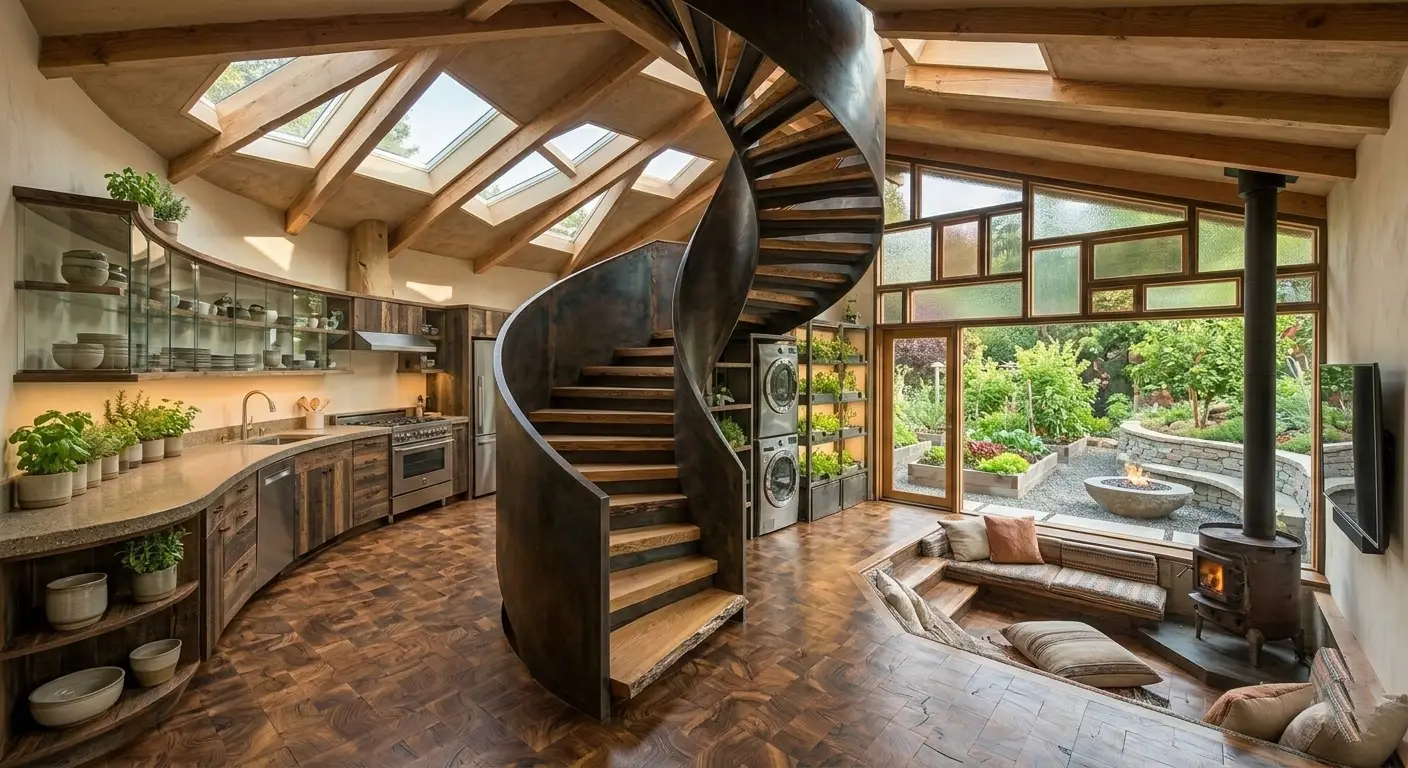
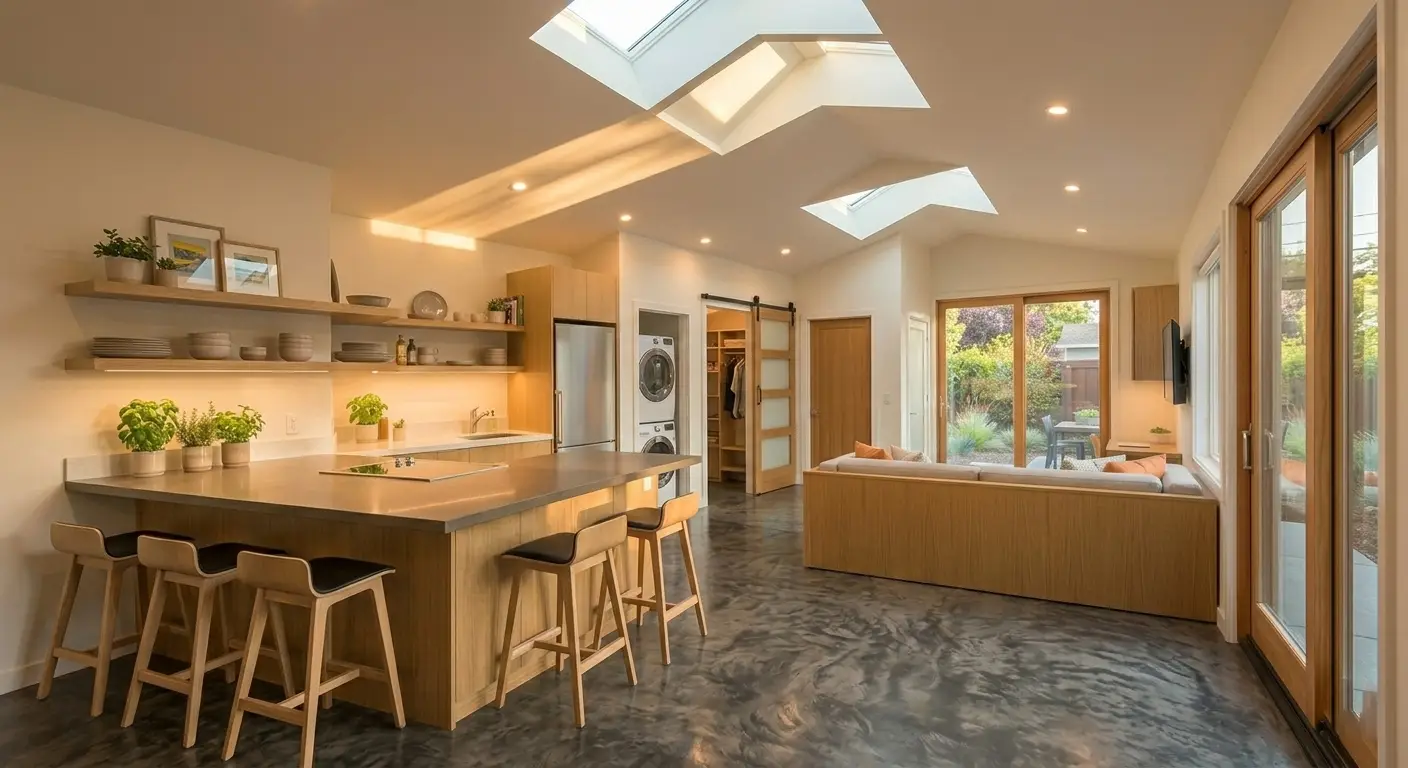
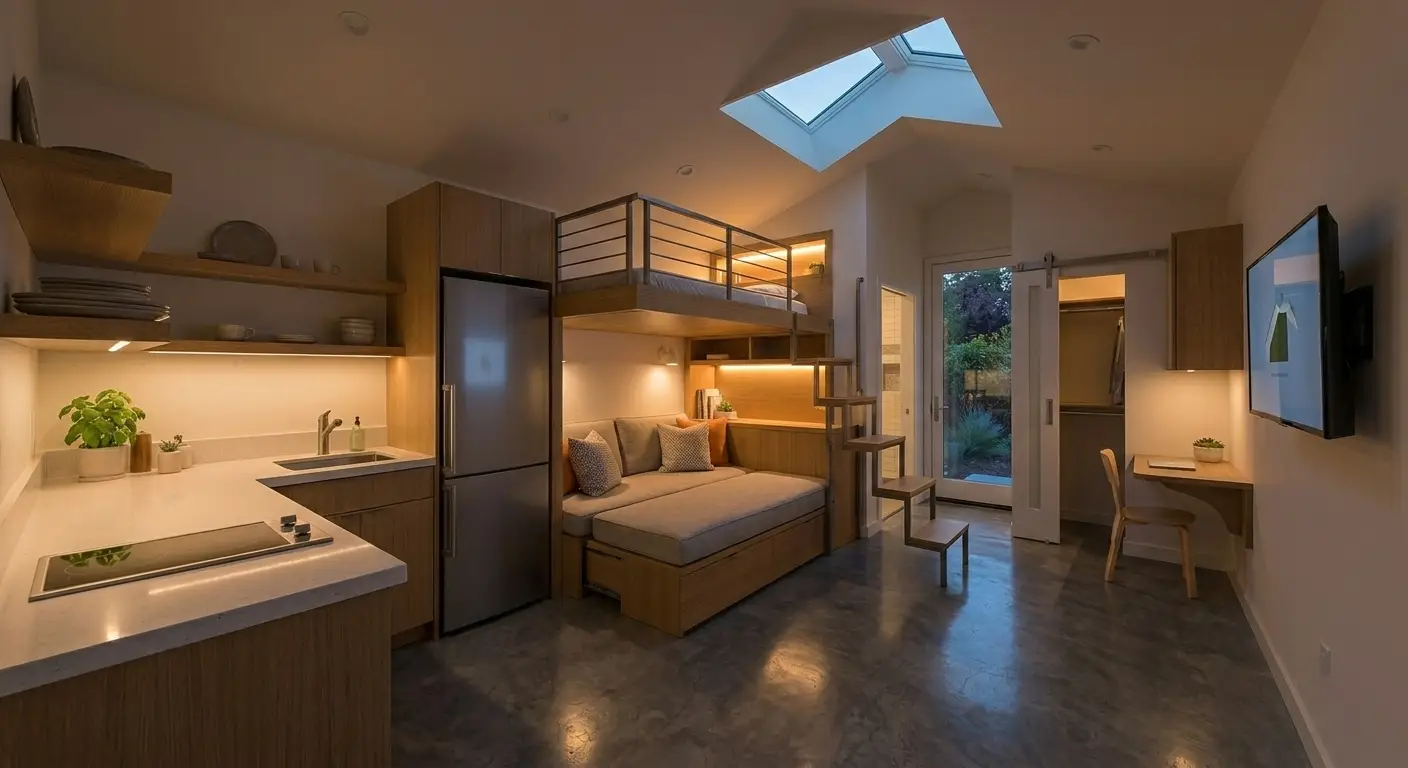
Let’s bust a few myths. Many homeowners hesitate to start an aging in place remodel because they fear it will be incredibly expensive and leave their home looking like a sterile, clinical facility. The great news is that modern accessible design is both beautiful and seamless. You don't have to sacrifice style for safety. From sleek, curbless showers to elegant, easy-to-use fixtures, you can create a space that is both stunning and functional. This article will show you how to blend smart design with practical needs, creating a home that supports you without compromising the look you love.
Key Takeaways
- Make your home work better for you, now and later: An aging in place remodel is a proactive strategy to improve your home's comfort and safety for the long haul, making daily life easier today while preparing for any future needs.
- Prioritize key areas with smart, stylish updates: You don't have to choose between safety and style. Focus on high-impact rooms like bathrooms and kitchens with universal design features, such as curbless showers and improved lighting, that are both beautiful and practical.
- Plan your project with budget and expertise in mind: A remodel is a significant investment, but it's often more affordable than assisted living. Explore financial aid options and protect your investment by hiring a vetted professional who specializes in accessible design.
What Is an Aging in Place Remodel?
An aging in place remodel is all about making thoughtful, forward-thinking updates to your home so you can continue living there safely, comfortably, and independently for years to come. Think of it less as a reaction to getting older and more as a proactive way to make your home work better for you, no matter what the future holds. These changes are designed to address future needs related to mobility, accessibility, and ease of use.
This isn't just about installing grab bars in the shower, though that can be part of it. A true aging in place renovation looks at the bigger picture. It might involve creating a zero-threshold shower, lowering kitchen countertops, or widening doorways. The goal is to create a living space that supports your lifestyle and removes daily frustrations, allowing you to enjoy your home without limitations. By planning ahead, you can ensure your home remains a place of comfort and security. A well-designed plan helps you prepare for every step of the renovation, from initial ideas to the final touches.
Is This Remodel Right for You?
If you love your home and community, an aging in place remodel is definitely worth considering. Research shows that the vast majority of Americans want to stay in their homes as they age, but many houses aren't built to accommodate changing needs. Making these improvements isn't just for "someday" either. Many homeowners are already making these types of upgrades simply because they make life easier and more comfortable right now.
You might find that adding better lighting in the kitchen helps with meal prep today and will also be a huge help down the road. A walk-in shower might feel like a spa-like luxury now, while also providing a crucial safety feature for the future. Thinking about these projects as enhancements for your current lifestyle, with added long-term benefits, can be a great way to approach your renovation plans.
Busting Common Myths About Cost and Style
Two of the biggest hesitations people have about aging in place remodels are the cost and the look. Many assume the renovations will be incredibly expensive and leave their home looking like a sterile, clinical facility. Luckily, both of these are common myths. While any renovation is an investment, aging in place updates are often a fraction of the long-term cost of assisted living. Plus, you don't have to do everything at once; you can prioritize projects based on your budget and needs.
As for style, modern accessible design is beautiful and seamless. The principles of universal design focus on creating spaces that are elegant, functional, and easy for everyone to use. Think sleek, curbless showers, stylish lever-style door handles, and well-lit kitchens with multi-level countertops. When you work with experienced professionals, they can help you design a space that is both safe and stunning.
Why More Homeowners Are Choosing to Stay Put
The decision to stay in your home as you get older is becoming more than just a preference; it's a practical and fulfilling choice for many. The idea of "aging in place" is about making your current home work for you for the long haul, adapting it to meet your changing needs. This approach isn't about resisting change. Instead, it's about taking control of your future to ensure your home remains a place of comfort, security, and independence for years to come.
Choosing to remodel for the future offers a powerful combination of emotional, financial, and health-related advantages. It allows you to preserve the life you’ve built while making smart updates that support your well-being. With thoughtful planning, you can transform your house into a forever home that is not only safe and accessible but also a wise investment. A dedicated advisor can help you weigh these benefits and create a plan that feels right for you and your family.
The Emotional Benefits of Staying Home
Your home is more than just a building; it’s a collection of memories, a source of comfort, and the center of your community. The emotional value of staying in a familiar environment is immense. Aging in place allows you to maintain your independence and daily routines without the stress of moving. Simple home modifications can make all the difference, ensuring that natural life changes don't force you out of a place you love. By adapting your home, you get to keep your garden, your neighbors, and the simple comfort of knowing where everything is. It’s about holding onto your sense of self in the place where you feel most grounded.
Financial Benefits vs. Assisted Living
When you look at the numbers, staying put often makes the most financial sense. While an aging in place remodel can range from a few thousand dollars to a more significant investment, these costs are typically a fraction of what you would spend on an assisted living facility over time. Plus, these renovations are an investment in your property. For example, a well-executed bathroom remodel can deliver a high return and increase your home's overall value. Instead of spending money on facility fees, you’re improving a key asset while creating a space that’s perfectly tailored to you.
Supporting Your Health and Independence
Proactively remodeling your home is one of the best things you can do for your long-term health and independence. Planning ahead allows you to thoughtfully assess your current and future needs, making sure modifications are done right the first time. Key renovations in the bathroom, kitchen, and entryways can significantly reduce the risk of falls and make daily tasks easier and safer. This preparedness not only gives you peace of mind but also empowers you to live confidently on your own terms. By making your home safer, you’re better prepared for any emergency and can continue living independently for as long as possible.
The Most Impactful Aging in Place Renovations
When you think about a home that’s ready for the long haul, it’s all about making smart, practical changes that prioritize safety, comfort, and independence. The goal isn’t to make your house feel like a hospital, but to thoughtfully integrate features that make daily life easier, now and in the future. The most effective aging in place renovations focus on the parts of your home you use every day, like the bathroom and kitchen, while also ensuring you can move freely and safely throughout your space.
Many of these upgrades are surprisingly stylish and can even increase your home’s value. Think of it as future-proofing your home in a way that benefits everyone, from grandkids visiting for the weekend to your future self. By focusing on key areas, you can create a home that supports your lifestyle for years to come. A great renovation plan starts with understanding your options, and a dedicated advisor can help you create a customized plan that fits your specific needs and budget. These projects are about creating a space where you can continue to live comfortably and confidently on your own terms.
Bathroom Upgrades for Safety and Comfort
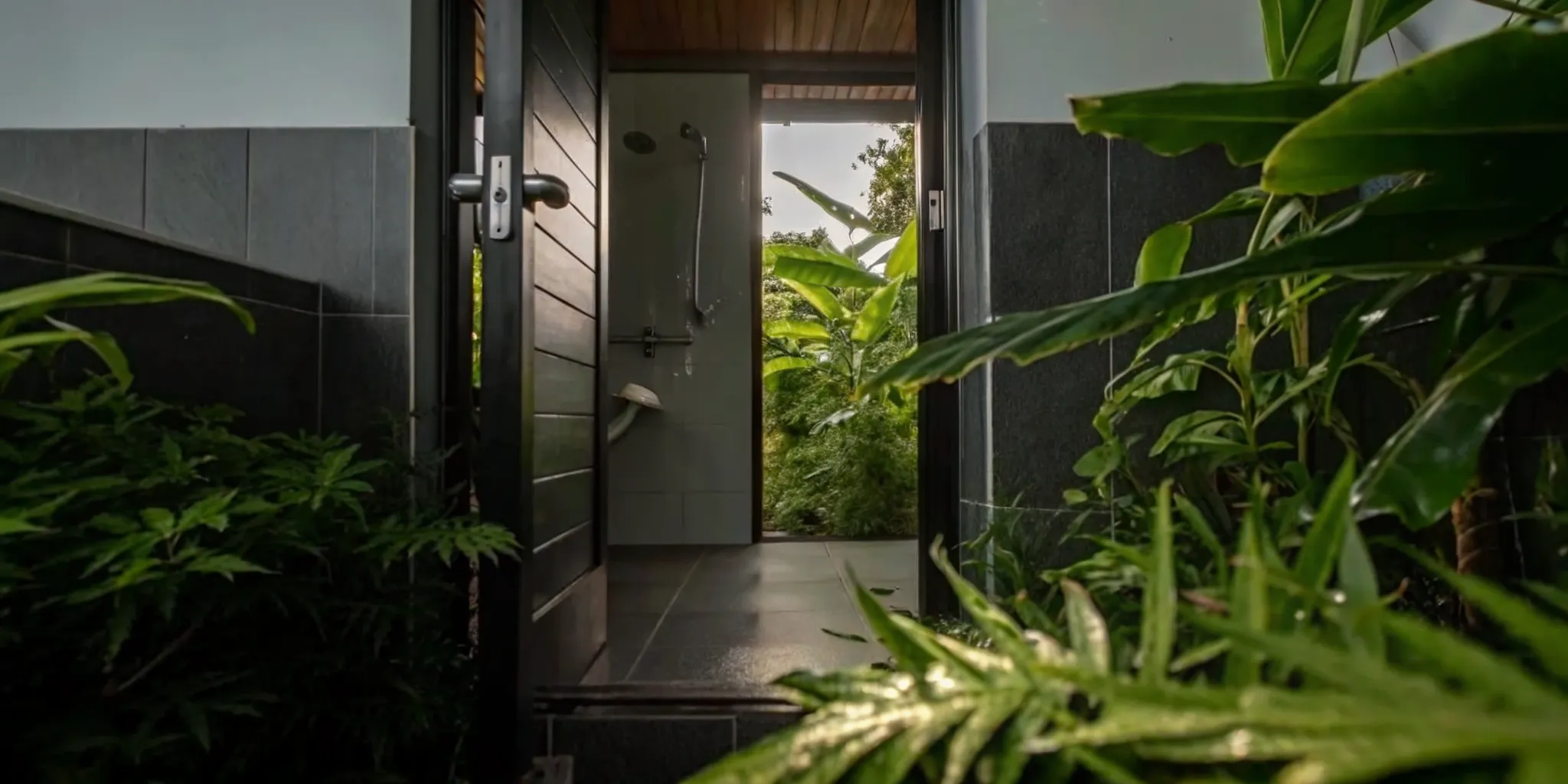
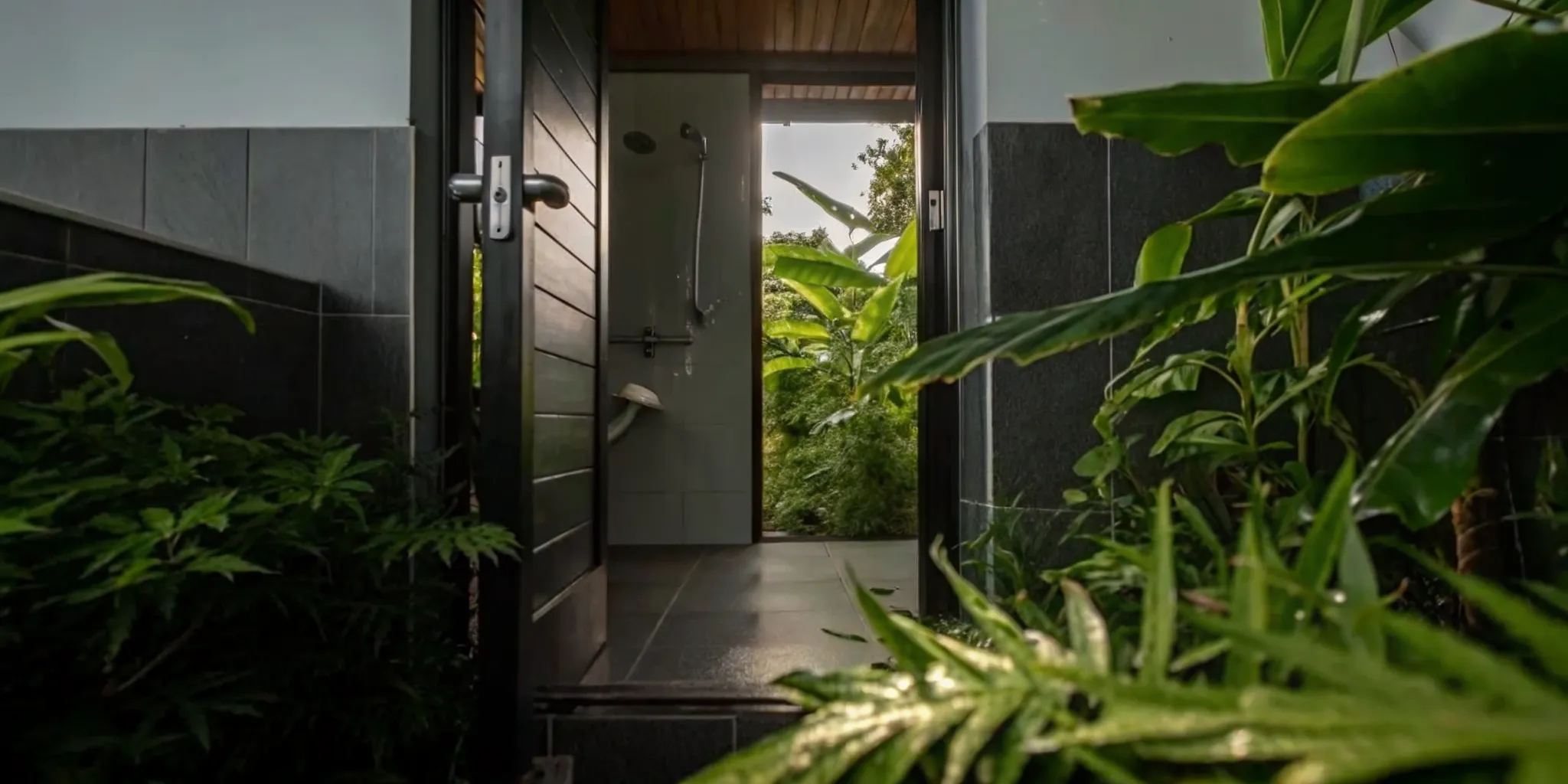
The bathroom is one of the most important rooms to update for aging in place, as it’s where many slips and falls happen. A great place to start is with the shower. Installing a curbless, or zero-threshold, shower removes the need to step over a ledge, making it accessible for everyone. You can add a built-in bench and a handheld, adjustable showerhead for a more comfortable experience.
Next, think about stability. Installing grab bars next to the toilet and inside the shower provides crucial support. It’s also wise to replace a standard toilet with a taller, comfort-height model that’s easier to sit down on and stand up from. Finally, consider widening the doorway to at least 36 inches to allow easy passage for a walker or wheelchair if needed in the future.
Accessible Kitchen Modifications
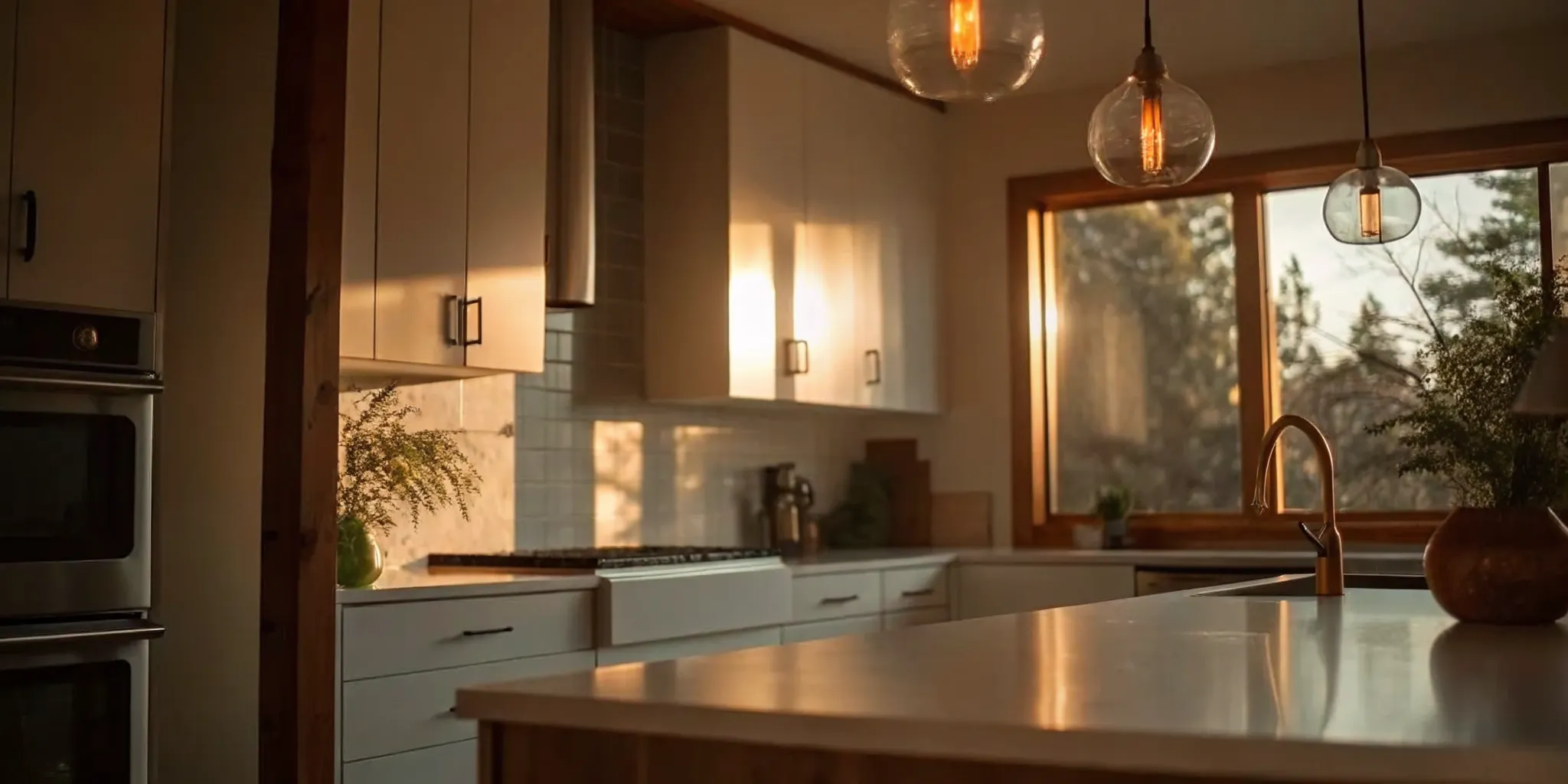
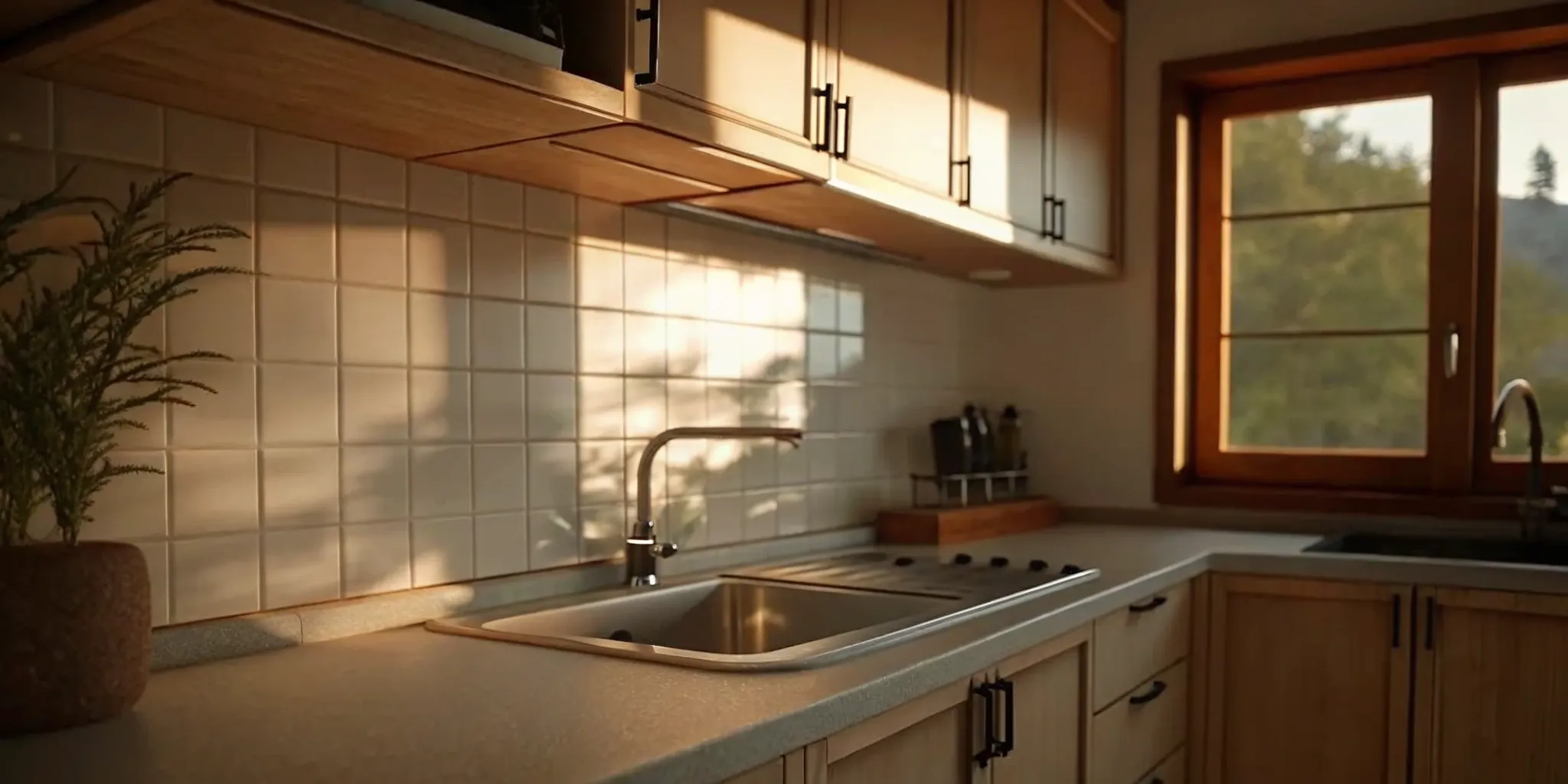
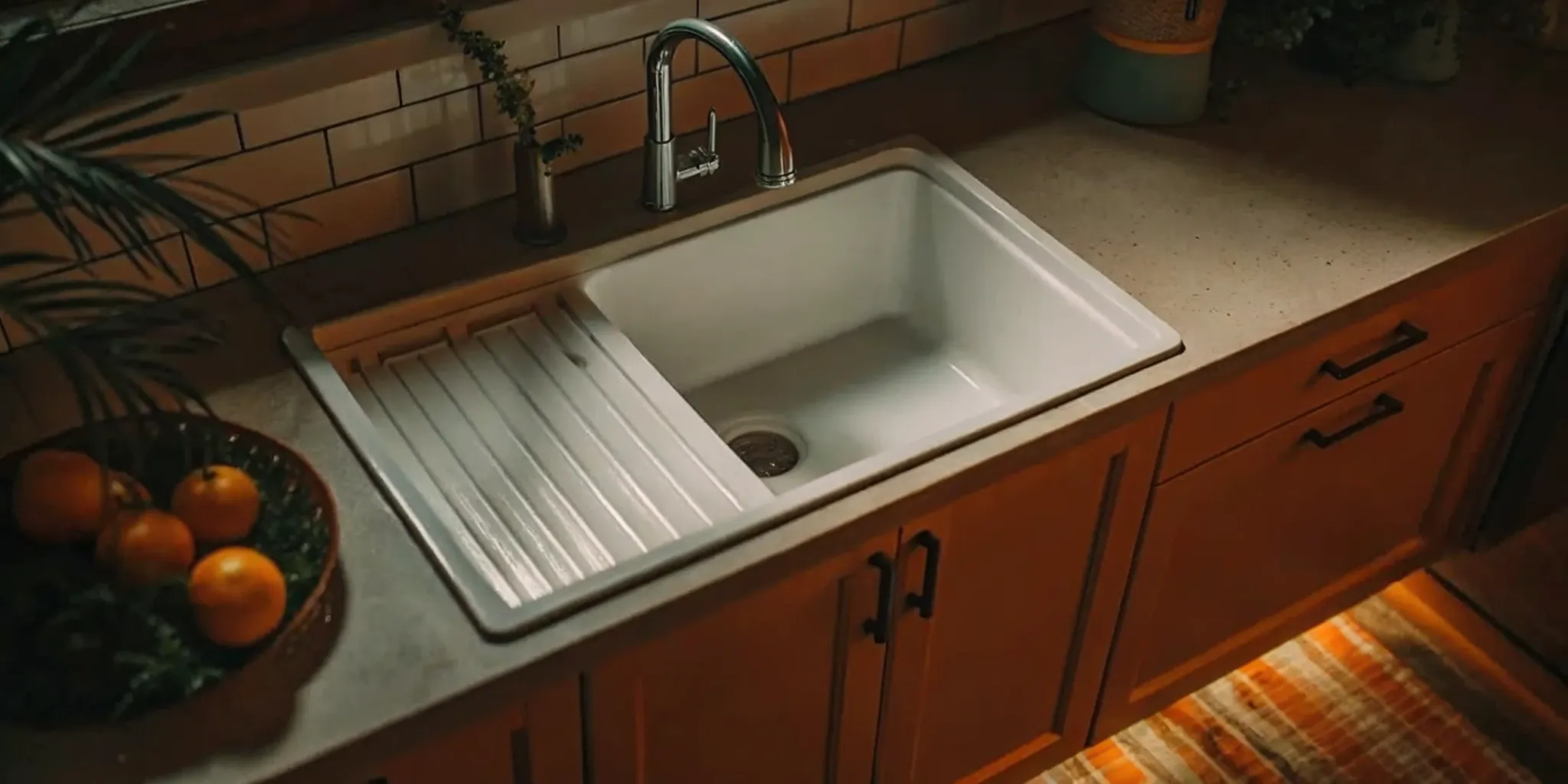
Your kitchen should be a place of joy, not a daily obstacle course. Simple modifications can make a huge difference in usability. Instead of deep lower cabinets that require you to bend and reach, replace them with pull-out drawers and shelves. This simple change brings everything within easy reach. You can also make sinks and faucets more user-friendly. A shallow sink reduces the need to bend over, while a faucet with a lever-style handle is much easier to operate than a traditional knob, especially for anyone with stiff hands. These thoughtful updates make cooking and cleaning more comfortable and sustainable.
Widening Entryways, Doors, and Hallways
Being able to move easily and without restriction is fundamental to feeling comfortable at home. Take a look at your home’s main pathways. Are they wide enough to accommodate a walker or wheelchair? Most experts recommend doorways be at least 36 inches wide. This applies to your front door as well as interior doors, especially those leading to the primary bedroom and bathroom. While you’re at it, consider swapping out traditional round doorknobs for lever-style handles. They are much easier to open with an elbow or full hand when your grip is weak or your hands are full. These structural changes often require a vetted, trustworthy professional to ensure they are done correctly and up to code.
Adapting Bedrooms and Living Spaces
Your living and sleeping areas should be your sanctuary. If your primary bedroom is on an upper floor, it might be time to think about long-term accessibility. For some, installing a stair lift is the perfect solution to maintain access to the whole house. For others, it might make more sense to convert a first-floor room, like a den or office, into a primary bedroom suite. Within these rooms, arrange furniture to create clear, wide pathways free of clutter. It’s also a good idea to secure area rugs with non-slip backing or remove them entirely to prevent tripping, creating a safer environment for everyone.
Smarter Lighting and Home Tech
Good lighting is one of the most effective and affordable ways to prevent falls. Replace dim, shadowy lighting with brighter, more consistent LED lights throughout your home. Pay special attention to hallways, staircases, and bathrooms by installing motion-sensor lights that turn on automatically when you enter a room. This is especially helpful for navigating your home safely at night. You can also incorporate smart home technology to make daily tasks easier. Voice-activated systems allow you to control lights, adjust the thermostat, or even lock doors without lifting a finger, adding a layer of convenience and security to your home.
What Is Universal Design (and Why Does It Matter)?
When you think about your home, you probably picture a place that’s comfortable and works for your life right now. But what about five, 10, or 20 years from now? That’s where universal design comes in. It’s a thoughtful approach to creating spaces that are usable by everyone, no matter their age, size, or ability. Think of it as designing for real life, with all its changes and surprises. A home with universal design is just as convenient for a parent carrying a sleeping child as it is for an older adult who uses a walker.
This philosophy is the heart and soul of a successful aging-in-place remodel. Instead of adding features that feel like an afterthought, universal design integrates them from the start. The goal is to create a home that supports your independence and enhances your quality of life without feeling restrictive or clinical. It’s about making your environment safer and more comfortable for the long haul. By focusing on inclusive living spaces, you’re not just planning for the future; you’re making your home better for everyone who walks through the door today.
Core Principles of Universal Design
So, what does universal design actually look like? It’s guided by a set of core principles that ensure a space is truly functional for all. These aren’t rigid rules but rather a framework for creating thoughtful, flexible environments.
The main ideas include:
- Equitable Use: The design is useful for people with diverse abilities.
- Flexibility in Use: It accommodates a wide range of preferences (like left- or right-handedness).
- Simple and Intuitive: It’s easy to understand and use, no instructions needed.
- Perceptible Information: It communicates key information clearly, using different formats like text, icons, or tactile cues.
- Tolerance for Error: The design minimizes hazards and the consequences of accidental actions.
- Low Physical Effort: It can be used efficiently and comfortably with minimal fatigue.
- Size and Space for Approach and Use: There’s enough room to reach, use, and move around, regardless of body size or mobility.
These design principles work together to create a home that adapts to you, not the other way around.
Style Meets Function: Avoiding a Clinical Look
Let’s address the elephant in the room: the fear that an accessible home has to look like a hospital. Many people worry that adding safety features means sacrificing the style they love. The great news is that this is one of the biggest misconceptions about home modifications. Modern aging-in-place remodeling is all about blending function with beautiful design.
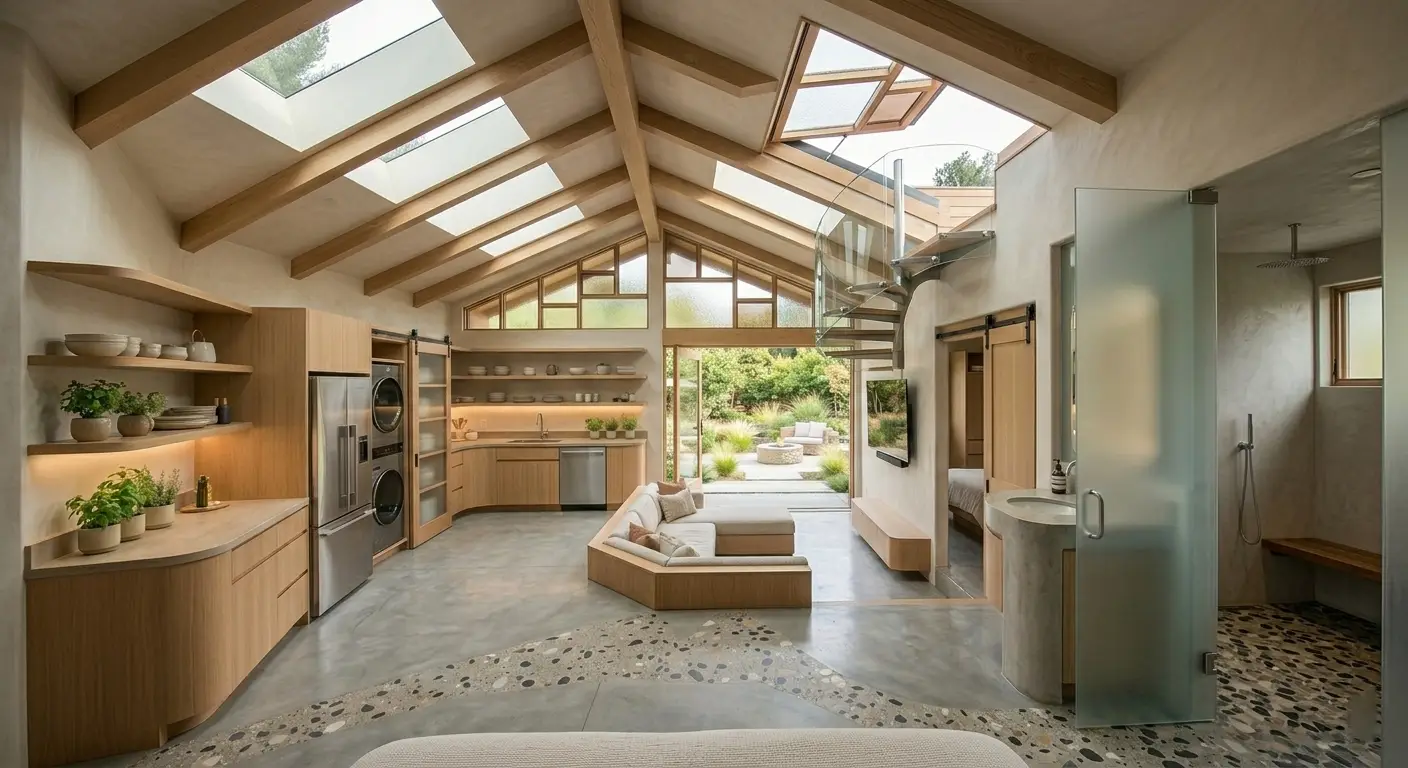
You can have a stunning, spa-like bathroom with a curbless walk-in shower, a stylish bench, and elegant grab bars that double as towel racks. Kitchens can feature multi-level countertops and pull-down shelving that look sleek and intentional. The key is choosing products and designs that are both ergonomic and aesthetically pleasing. A well-designed home doesn’t force you to choose between safety and style; it delivers both.
How Much Does an Aging in Place Remodel Cost?
Talking about budget is one of the most important first steps in any renovation. The cost of an aging in place remodel can vary quite a bit, depending on your home’s current layout, the materials you choose, and how many rooms you plan to update. Think of these changes not just as an expense, but as an investment in your long-term comfort, safety, and independence. Getting a clear picture of the potential costs helps you prioritize what matters most and create a realistic plan. A dedicated Realm advisor can help you build a data-backed budget tailored to your specific project and goals, ensuring there are no surprises along the way.
Typical Bathroom Remodel Costs
The bathroom is often the first room homeowners tackle for an aging in place project, and for good reason. A full bathroom remodel focused on accessibility typically ranges from $40,000 to $90,000. The final price tag depends on the scope of your project. For instance, installing a walk-in shower with a bench and grab bars will cost less than a full gut renovation that includes a curbless shower, non-slip flooring, a comfort-height toilet, and adjusted vanity heights. The materials you select also play a big role in the overall cost, but the safety and peace of mind these upgrades provide are invaluable.
Typical Kitchen Remodel Costs
Making your kitchen more user-friendly can range from a few simple updates to a complete overhaul. On average, homeowners can expect to spend between $8,000 and $50,000 on an accessible kitchen. A lower-cost project might involve adding pull-down shelving to upper cabinets, installing lever-style faucets, and improving task lighting. A more extensive renovation could include lowering a section of the countertop for seated prep work, creating wider pathways for mobility aids, and choosing appliances with easy-to-use controls. These changes make daily routines simpler and safer, allowing you to continue enjoying your kitchen for years to come.
Costs for Whole-Home Upgrades
If you’re planning a more comprehensive, whole-home remodel, the costs can range from $10,000 to over $100,000. This wide range reflects the difference between making minor adjustments and undertaking major structural changes. Smaller projects might include adding handrails to stairways or widening a few key doorways. A larger-scale project could involve creating a main-floor primary suite or installing an elevator. While these numbers might seem high, it’s helpful to remember that even extensive aging in place remodeling is often a fraction of the long-term cost of moving to an assisted living facility.
Understanding the Return on Your Investment
It’s natural to wonder if these renovations will add value to your home, and the good news is that they often do. Many accessibility-focused upgrades, which fall under the principles of universal design, appeal to all types of buyers. For example, a standard bathroom remodel can deliver a return of up to 70% at resale. Features like a walk-in shower or a first-floor bedroom are highly desirable in the market. Ultimately, the primary return is the ability to live safely and comfortably in the home you love, but knowing these improvements are also a sound financial decision provides extra confidence.
Can You Get Financial Help for an Aging in Place Remodel?
An aging in place remodel is an investment in your long-term comfort, safety, and independence. With a 2024 study reporting that 94% of older Americans want to remain in their homes, it’s clear that making a home work for you through every stage of life is a top priority for many. While the costs can seem daunting, you don’t have to shoulder the entire financial burden on your own. A variety of programs and financing tools are available to make these essential modifications more affordable.
Making your home safer and more accessible is a proactive step, and understanding the actual costs is key to smart planning. Whether you’re thinking ahead for yourself or helping a parent prepare their home, knowing your financial options is the first step. From government grants and tax credits to specific loan products, there are several avenues you can explore to help fund your project. Taking the time to research these opportunities can significantly reduce your out-of-pocket expenses and make your dream of aging in place a reality.
Finding Grants and Government Programs
You might be surprised to find programs designed to help homeowners with accessibility upgrades. Many states and local governments offer financial assistance to make homes safer for older adults. For example, some states have an Accessibility Modification Program that provides low-interest or 0% interest loans for these types of changes. Others offer grants through programs aimed at improving overall home safety and structure.
To find what’s available in your area, a great starting point is to search for your state’s Department of Aging or Housing and Community Development agency. You can also use the National Council on Aging’s BenefitsCheckUp tool to see what you might qualify for. Keep in mind that programs like Medicaid waivers may also help cover home modifications for those who are eligible, so it’s worth looking into all possibilities.
Available Tax Credits and Deductions
Don’t overlook the potential savings you can find through tax benefits. If your renovations are medically necessary, you may be able to deduct the costs as medical expenses. To qualify, the main purpose of the renovation must be to accommodate a medical condition for you, your spouse, or a dependent. This can include things like installing grab bars, widening doorways, or adding ramps.
Some local governments also offer property tax credits for making your home more accessible, which can provide relief year after year. Tax laws can be complex, so it’s always a good idea to consult a tax professional who can guide you based on your specific situation. They can help you understand the difference between a credit (which reduces your tax bill) and a deduction (which lowers your taxable income) and ensure you get the maximum benefit.
Exploring Your Financing Options
If grants and tax credits don’t cover the full cost of your remodel, you still have several other financing options to consider. Many homeowners use a home equity line of credit (HELOC) or a home equity loan to fund their renovations. These tools allow you to borrow against the equity you’ve built in your home, often at a lower interest rate than other types of loans.
For homeowners aged 62 and older, a reverse mortgage can also be a viable option, allowing you to convert part of your home equity into cash without having to make monthly mortgage payments. Additionally, some private long-term care insurance policies may help cover the costs of home modifications. Exploring these home renovation financing options will help you create a solid budget and make informed decisions for your project.
How to Prioritize Your Renovations
Deciding to remodel for aging in place is a big step, but figuring out where to start can feel even bigger. While a whole-home renovation is a great goal, it’s not always practical to tackle everything at once. The key is to prioritize projects based on your immediate safety, long-term comfort, and budget. By breaking your remodel down into manageable phases, you can make meaningful improvements that fit your life right now while also preparing for the future. Think of it as creating a roadmap for your home’s evolution, starting with the changes that will have the most significant impact on your daily life and peace of mind. This strategic approach ensures every dollar and decision serves a clear purpose.
Assess Your Current and Future Needs
The best renovations are born from thoughtful planning. Before you knock down any walls, take time for a thorough assessment of your current and future needs. Walk through your home and notice the little things. Are there any areas that are already difficult to use or clean? Do you find yourself avoiding certain stairs or struggling with high cabinets? Early planning ensures that any modifications you make are implemented seamlessly and efficiently. Think about what your life might look like in five, ten, or even twenty years. Getting expert guidance can help you create a flexible plan that adapts with you, ensuring your home remains a perfect fit for years to come.
Start with Safety-First Upgrades
Your first priority should always be safety. These are the foundational changes that reduce the risk of accidents and support your independence at home. Essential safety modifications often include installing grab bars in bathrooms, adding non-slip flooring in kitchens and showers, and improving lighting throughout your home. Think about adding bright task lighting over kitchen counters and ensuring hallways and staircases are well-lit to prevent falls. These upgrades don’t have to look clinical; many modern safety products are designed with style in mind. By addressing these critical areas first, you create a secure environment that makes daily activities easier and gives you and your family valuable peace of mind.
Plan for Future Mobility Changes
Many homeowners are already making forward-thinking updates motivated by a desire for convenience and ease of living, not just safety. This is the core of planning for future mobility. It’s about making smart choices now that will make life easier later, whether you ever face mobility challenges or not. For example, if you’re already remodeling your kitchen, consider creating wider pathways between the counters and the island. If you’re replacing a front door, opt for a zero-threshold entryway. These customized plans are about intelligent design that adds convenience today while preparing your home for whatever tomorrow brings, making it more comfortable and functional for everyone.
Hiring a Contractor for Your Aging in Place Remodel
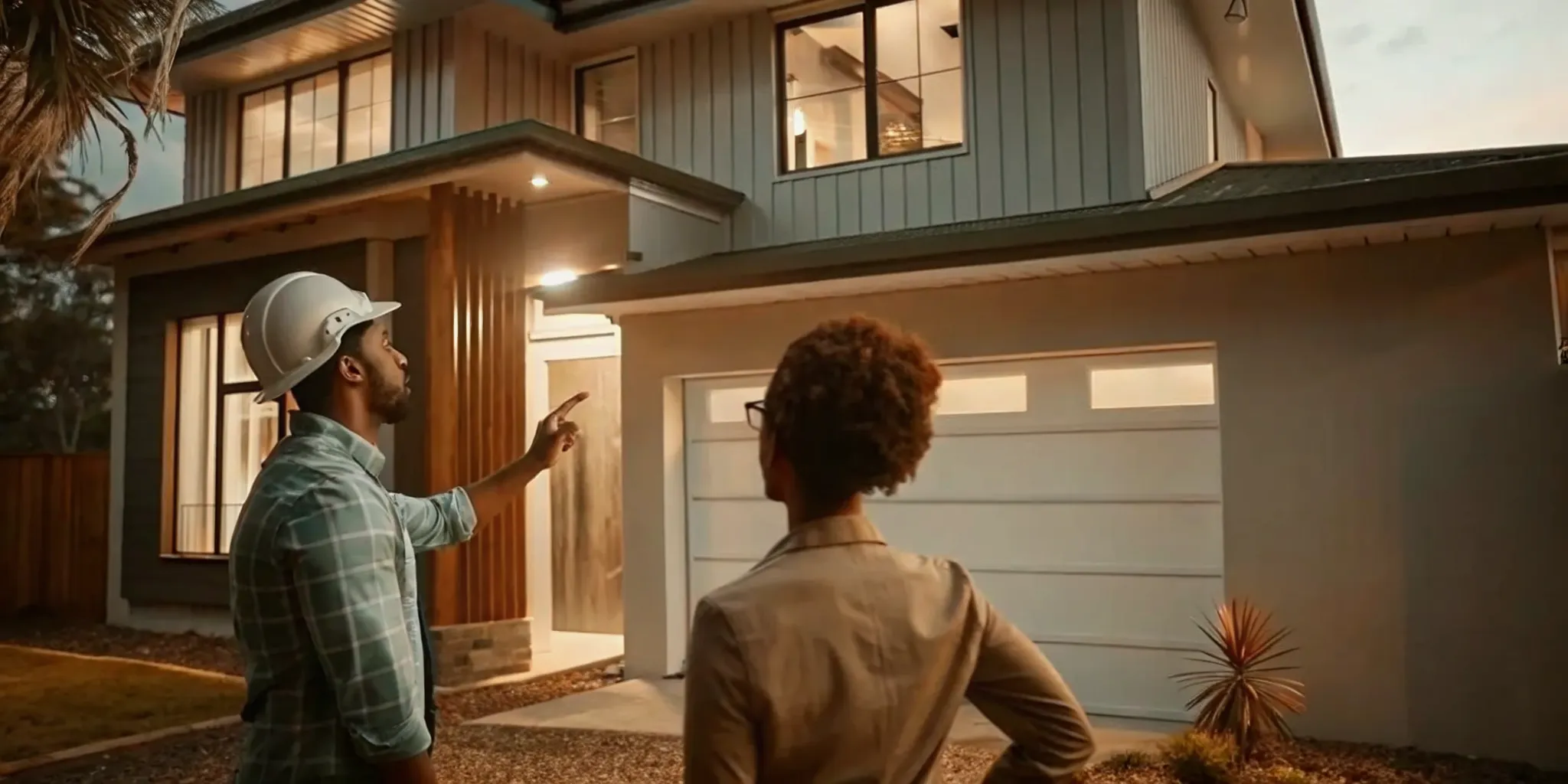
Finding the right contractor is the most important step in turning your vision for aging in place into a reality. This isn't just another home project; it’s a specialized remodel that requires a deep understanding of accessibility, safety, and long-term comfort. You need a partner who not only has the construction skills but also gets the unique goals of this type of renovation. A general contractor might be great at building a deck, but they may not know the specific height requirements for a roll-in shower or the best non-slip flooring for a kitchen. Taking the time to find a qualified professional will ensure your home is both beautiful and perfectly suited to support you for years to come.
Why a Certified Aging-in-Place Specialist (CAPS) Matters
When you start your search, you’ll likely come across the term Certified Aging-in-Place Specialist, or CAPS. This isn't just a fancy title; it’s a professional designation from the National Association of Home Builders for contractors who are trained in the specific needs of aging in place design. A CAPS professional understands how to create a home that supports independence and safety as your needs change over time. They think beyond the basics, considering things like lighting, layout, and product selection to build a space that is functional without feeling clinical. You can find a CAPS professional in your area to ensure you’re working with someone who truly specializes in this field.
What to Know About Permits and Building Codes
Like any significant renovation, your aging in place remodel will need to comply with local building codes. Certain projects, like adding a wheelchair ramp, moving plumbing for an accessible bathroom, or installing a stairlift, often require a building permit. These regulations are in place to ensure the work is done safely and correctly. The rules can vary quite a bit between cities, so what’s required in Los Angeles might be different from Seattle. A qualified contractor will be familiar with your local requirements and can manage the permitting process for you. This is a key part of their job, letting you focus on the design choices while they handle the red tape.
How to Find Vetted, Trustworthy Pros
Finding a contractor who is licensed, insured, and experienced with universal design is essential. Start by asking for recommendations and checking online reviews, but always follow up by looking at their past work and speaking with references. This process can feel overwhelming, which is why many homeowners choose to work with a service that does the vetting for them. At Realm, we connect you with a network of trusted, local contractors who have already been thoroughly screened for quality and reliability. Our expert advisors match you with the right pros for your specific project, so you can move forward with confidence, knowing you have a skilled and trustworthy team on your side.
Start Your Aging in Place Remodel
Taking the first step is often the hardest part of any home project. But with a clear plan and the right support, you can transform your home into a space that serves you well for years to come. Here’s how to get your aging in place remodel off the ground.
Create Your Step-by-Step Renovation Plan
The best time to plan for the future is now. Early planning allows you to thoughtfully assess your home and decide which modifications will make your life easier and more comfortable down the road. In fact, many homeowners are already completing these kinds of future-thinking projects to improve their home’s everyday livability.
Start by walking through your home and considering both your current and future needs. You can use a resource like the National Home Builders Association’s aging in place remodeling checklist to get ideas for projects, from installing better lighting to creating a zero-threshold shower. From there, you can build a step-by-step plan that you can tackle in phases.
Get Expert Guidance with Realm
Turning your renovation plan into a reality can feel overwhelming, especially when it comes to budgeting and finding trustworthy contractors. This is where having an expert in your corner makes all the difference. At Realm, we provide you with a dedicated advisor who helps you refine your project scope, create a realistic budget, and connect with our network of vetted local professionals.
Incorporating these updates is a smart financial move. For example, a general bathroom remodel can deliver a high return on investment while making your home safer. Planning ahead with an expert not only prepares you for the future but also adds immediate function and value to your home. Learn more about how Realm works and get a free estimate for your project today.
Related Articles
- 8 Steps to a House Renovation Design and Plan
- Master Suite Addition Cost: A Full Breakdown
- 4 Ways To Add Space To Your Home
- The Cheapest Way to Add an Addition to Your House
Frequently Asked Questions
Is an aging in place remodel only for seniors? Not at all. While the name suggests planning for older age, many of these updates simply make a home more comfortable and convenient for everyone, right now. A walk-in shower, better kitchen lighting, or lever-style door handles are features that improve daily life for people of any age. It’s really about smart, forward-thinking design that makes your home work better for you today, with the added benefit of preparing you for the future.
Do I have to remodel my entire house at once? Absolutely not, and most people don't. A great approach is to prioritize projects based on your immediate safety needs, daily routine, and budget. You could start with a bathroom update this year and plan for kitchen modifications down the road. Breaking a large renovation into smaller, manageable phases makes the entire process feel much more approachable and allows you to fit the work into your life without major disruption.
I'm worried these changes will make my home look institutional. How can I keep my style? This is a really common concern, but modern accessible design is incredibly stylish and sophisticated. The goal is to seamlessly integrate features so they look intentional and beautiful, not like an afterthought. For example, grab bars now come in sleek finishes that can double as towel racks, and curbless showers are a popular feature in many luxury spas. Working with a designer or a specialized contractor can help you find solutions that are both safe and true to your personal aesthetic.
What's the difference between a regular contractor and a Certified Aging-in-Place Specialist (CAPS)? Think of it like seeing a specialist versus a general practitioner. A great general contractor can build a beautiful bathroom, but a CAPS professional has specific training in creating spaces that are safe and functional for people with changing needs. They understand the nuances of things like the right height for grab bars, the best layout for wheelchair access, or lighting that reduces glare, ensuring the job is done right for long-term use.
I'm interested, but I feel overwhelmed. What is the very first step I should take? The best first step is to simply assess your own home. Walk through each room and make a list of things that are already a minor inconvenience or could become a challenge later on. Once you have a rough list of ideas, the next step is to get expert guidance to help you prioritize projects and understand the potential costs. A dedicated advisor can help you create a realistic plan and budget, turning your list of ideas into a clear, step-by-step roadmap.