Your Residential Remodel Construction Step-by-Step
Get a clear, step-by-step look at residential remodel construction, from planning and budgeting to choosing a contractor and managing your renovation.
|
January 2, 2026

In this article:
How much will this really cost? Who can I trust to do the work? What happens if something goes wrong? These are the questions that keep homeowners up at night when they’re considering a renovation. Your home is your biggest asset, and the thought of putting it in the wrong hands is daunting. The field of residential remodel construction can feel like the wild west if you don’t know what to look for. Consider this your guide to asking the right questions and getting the answers you need to feel secure in your decisions, every step of the way.
Key Takeaways
- Look Beyond the Portfolio: A great contractor has more than just pretty pictures. Ensure they are fully licensed and insured, check their references, and confirm their communication style makes you feel like a respected partner in the process.
- Budget for the Full Picture: Your true project cost includes labor, materials, permit fees, and a contingency fund. Setting aside an extra 10-20% for unexpected issues is the smartest way to protect your budget and your peace of mind.
- Stay Organized and Flexible: A successful remodel relies on a solid plan and clear communication. Finalize designs before work begins, get all change orders in writing, and understand that some delays are a normal part of the process.
What Can a Remodeling Company Do for You?
A remodeling company is your partner in turning your vision for your home into a reality. Whether you’re dreaming of a small cosmetic update or a complete structural overhaul, a professional team handles the project from design to completion. They manage the logistics, coordinate specialized tradespeople, and ensure the work is done to code and to your standards. Think of them as the conductor of an orchestra, bringing together all the different instruments—plumbers, electricians, carpenters, and designers—to create a beautiful symphony. Their expertise covers a wide range of projects, helping you enhance your home’s function, style, and value.
Kitchen and Bathroom Remodels
Kitchen and bathroom remodels are some of the most popular projects, and for good reason. These are the spaces you use every single day, and updating them can dramatically improve your daily life. A remodeling company can help you rethink a cramped layout, add much-needed storage, and select materials that reflect your personal style. They’ll manage everything from installing new cabinets and countertops to handling the complex plumbing and electrical work behind the walls. The goal is to create a space that is not only beautiful but also highly functional, tailored specifically to how you and your family live. A great contractor will guide you through the entire design and build process to ensure the final result is exactly what you envisioned.
Room Additions and Home Extensions
If you love your neighborhood but are running out of space, a room addition might be the perfect solution. Instead of moving, you can expand your home’s footprint to accommodate a growing family, a new home office, or a primary suite. This is a complex job that goes far beyond interior decorating; it involves foundation work, framing, roofing, and seamlessly integrating the new structure with the old. A skilled remodeling company ensures the addition feels like a natural part of your home, not an afterthought. They handle the architectural plans, secure the necessary permits, and manage construction to create a custom space that fits your lifestyle and budget, helping you get the most out of your home.
Whole-Home Renovations
A whole-home renovation is the ultimate transformation. This type of project involves updating multiple rooms at once and often includes overhauling your home’s core systems, like plumbing, electrical, and HVAC. It’s a significant undertaking that can completely reshape your living experience, improving flow, function, and aesthetics throughout. Given the scale, these projects require meticulous planning and expert project management to stay on schedule and within budget. For a 2,000-square-foot house, a major renovation can be a significant investment. A trusted remodeling partner is essential to guide you through every decision, from the initial design to the final walkthrough, especially for complex projects like a post-disaster rebuild.
Outdoor Living Spaces and Exterior Upgrades
Your home’s exterior is the first impression it makes, and your yard is an extension of your living space. A remodeling company can help you maximize both. This could mean building a new deck for entertaining, creating a cozy patio with a fire pit, or even designing a full outdoor kitchen. Beyond creating new spaces, they also handle crucial exterior upgrades that protect your home and boost its curb appeal, such as installing new siding, energy-efficient windows, or a durable roof. By working with a network of vetted professionals, a good remodeler can connect you with landscape architects and exterior specialists to transform your property’s outdoor potential into a beautiful, functional retreat.
How to Choose the Right Remodeling Contractor
Finding the right remodeling contractor is arguably the most important decision you'll make for your project. This is the person or team you’ll be trusting with your home, your budget, and your vision. The goal isn’t just to find someone who can do the work, but to find a true partner who communicates clearly, respects your space, and has the expertise to bring your ideas to life without costly surprises. A great contractor keeps the project on track and ensures the final result meets your expectations.
Think of this process as a series of interviews for a very important job. You’re looking for a combination of skill, experience, and professionalism. It’s essential to do your homework upfront to avoid issues later on. Taking the time to thoroughly vet potential contractors will save you stress and money in the long run. At Realm, we simplify this by connecting you with a network of vetted local professionals, but understanding what makes a great contractor is key to making a confident final choice.
Evaluate Their Experience and Specializations
Not all contractors are created equal. A team that specializes in stunning bathroom remodels might not have the structural engineering experience needed for a second-story addition. Hiring a contractor without the right background for your specific project can be a costly mistake. Before you even look at a portfolio, ask about their specializations. Have they completed projects similar to yours in size, scope, and style? Ask to see examples and talk through the challenges they faced. You want a contractor who has already solved the types of problems your project might present, not one who will be learning on your dime.
Check for Licenses, Insurance, and Certifications
This step is non-negotiable and is all about protecting yourself. A legitimate contractor will always be properly licensed and insured. First, verify their contractor's license with your state's licensing board. Next, ask for proof of both general liability insurance and workers' compensation. General liability covers damage to your property, while workers' comp protects you from being liable if a worker gets injured on your site. Skipping this step or hiring someone who pressures you to pull permits yourself can expose you to significant financial and legal risks. A true professional will readily provide all of this documentation.
Review Their Portfolio and Communication Style
A portfolio shows you the quality of a contractor’s work, but their communication style tells you what it will be like to work with them. When you review their past projects, see if their aesthetic aligns with your vision. But don't stop there. Pay close attention to how they communicate during your initial conversations. Are they responsive, clear, and patient with your questions? A successful remodel depends on a strong partnership, and that requires open, honest communication. Your contractor should feel like a guide, helping you make informed decisions that fit your goals and budget, much like a Realm Advisor does throughout your project.
Get Multiple Detailed Quotes and Contracts
Getting several quotes is standard practice, but it’s important to make sure you’re comparing apples to apples. A one-page quote with a single number is a red flag. A proper bid should be a detailed, itemized document that breaks down the costs for labor, materials, permits, and other expenses. Aim to get at least three detailed quotes. This will not only help you understand the market rate but also see which contractor has the most thorough understanding of your project. Once you choose a contractor, insist on a comprehensive contract that outlines the full scope of work, a payment schedule, the project timeline, and a clear process for handling any changes.
What Will Your Remodel Really Cost?
Let’s talk about the number one question on every homeowner's mind: the budget. Figuring out the real cost of a remodel can feel like trying to hit a moving target. Prices vary dramatically based on your location, the scope of your project, and the quality of materials you choose. A simple cosmetic update in one home could cost the same as a structural change in another, depending on the finishes and labor involved.
The goal isn't to find a single magic number, but to understand the key factors that influence your total spending. From individual room updates to whole-home transformations, knowing what to expect helps you plan effectively and avoid sticker shock down the road. A clear, data-driven approach to budgeting is the foundation of a successful renovation. With a customized plan, you can get a much clearer picture of the investment your specific project requires, taking the guesswork out of the equation. By looking at real project data from your area, you can see what’s possible within your price range. Breaking down the costs by project type is the best way to start building a realistic budget that aligns with your vision and financial comfort zone.
Pricing a Kitchen or Bathroom Renovation
Kitchens and bathrooms are two of the most popular—and impactful—remodels. They also have some of the widest cost ranges. For example, the cost of a bathroom remodel can fall anywhere between $8,000 and $20,000, and sometimes much higher. This gap accounts for everything from a simple refresh of fixtures and paint to a full gut renovation with relocated plumbing and high-end tile. The same principle applies to kitchens, where costs are driven by choices in cabinetry, countertops, appliances, and layout changes. Understanding your priorities is key to managing these costs effectively.
Budgeting for Additions and Whole-Home Projects
When you scale up to a larger project, the numbers get bigger, but the logic stays the same. A full home remodel often includes updates to every room, plus major systems like plumbing and electrical. For a 2,000-square-foot house, you can expect a whole-home remodel to cost between $100,000 and $200,000, depending on your finishes and location. Home additions involve creating new square footage, which brings in costs for foundation, framing, roofing, and integrating the new space with the old. These projects require careful financial planning from the very beginning to ensure they stay on track.
Accounting for Hidden Expenses and Permit Fees
Some of the most significant renovation costs are the ones you don't see coming. Permit fees are a perfect example. While it might be tempting to skip the permit process to save time or money, doing so is one of the most expensive mistakes a homeowner can make. Permits ensure your project is safe and up to code, protecting your investment and your family. Other potential hidden costs include temporary housing if you need to move out, storage for your belongings, or addressing unexpected issues like mold or outdated wiring discovered after demolition begins.
Create a Realistic Budget with a Contingency
The best way to protect your project from budget overruns is to plan for them. A realistic budget starts with separating your "must-haves" from your "nice-to-haves." This helps you prioritize spending where it matters most to you. Crucially, every remodeling budget should include a contingency fund—an extra amount set aside specifically for unexpected costs. Most professionals recommend a contingency of 10% to 20% of your total project cost. This isn't a "slush fund"; it's a smart safety net that ensures a surprise issue doesn't derail your entire renovation.
How to Vet a Remodeling Company's Quality and Reputation
Finding a contractor you trust is just as important as finalizing your design plans. The right team will not only deliver high-quality work but also make the entire renovation process feel manageable and transparent. Taking the time to thoroughly vet a company’s reputation and processes upfront can save you from major headaches down the road. It’s about ensuring they have the experience, professionalism, and integrity to bring your vision to life correctly and safely. Here’s how to dig in and find a team you can count on.
Read Online Reviews and Check References
Start your research by seeing what past clients have to say. Look for detailed reviews on sites like Yelp, Houzz, and the Better Business Bureau that speak to the company's communication, timeliness, and craftsmanship. While a few negative reviews aren't always a dealbreaker, pay attention to how the company responds. A professional response shows accountability. Don't stop at online reviews, though. Ask any potential contractor for a list of recent references—and actually call them. Ask about their overall experience, whether the project stayed on budget, and if they would hire the company again.
Verify Their Certifications and Industry Standing
Never hire a contractor who isn't properly licensed, bonded, and insured. This isn't just a formality; it's your primary protection. A valid license proves they meet state requirements, while being bonded and insured protects you from liability if a worker is injured on your property or if the job is left incomplete. You can typically verify a contractor's license through your state's licensing board website. Reputable companies are proud of their credentials and should provide this information without hesitation. This simple step confirms you’re working with a legitimate professional who follows industry standards.
Understand Their Project Management Process
A successful remodel depends on clear communication and organization. Before you sign anything, ask about the company’s project management process. Who will be your main point of contact? How will you receive updates on progress and potential delays? Do they use a specific software or platform to keep everything in one place? A well-defined process shows that a company is organized and values transparency. This is where a service like Realm can make a huge difference, as we provide a dedicated advisor to guide you and serve as your advocate from start to finish, ensuring you’re always in the loop.
Assess Their Approach to Permits and Regulations
Handling building permits can be one of the most complex parts of a renovation, and it’s a critical one. Your contractor should be an expert in local building codes and manage the entire permitting process for you. Be wary of any company that suggests skipping permits to save time or money. Working without the proper permits can lead to fines, force you to tear out completed work, and create major problems when you eventually sell your home. A professional contractor will insist on doing things by the book and will factor permitting time and fees into your project plan from the beginning.
What to Expect When Your Remodel Is Underway
Once the contracts are signed and the plans are finalized, the real work begins. The construction phase is exciting—you finally get to see your vision come to life! It can also be a period of disruption and decision-making. Knowing what’s coming can make the entire process feel more manageable. From the initial design choices to handling unexpected delays and budget shifts, being prepared is your best strategy for a smooth and successful renovation. Let’s walk through the key stages you’ll experience once your project is in motion.
The Planning and Design Phase
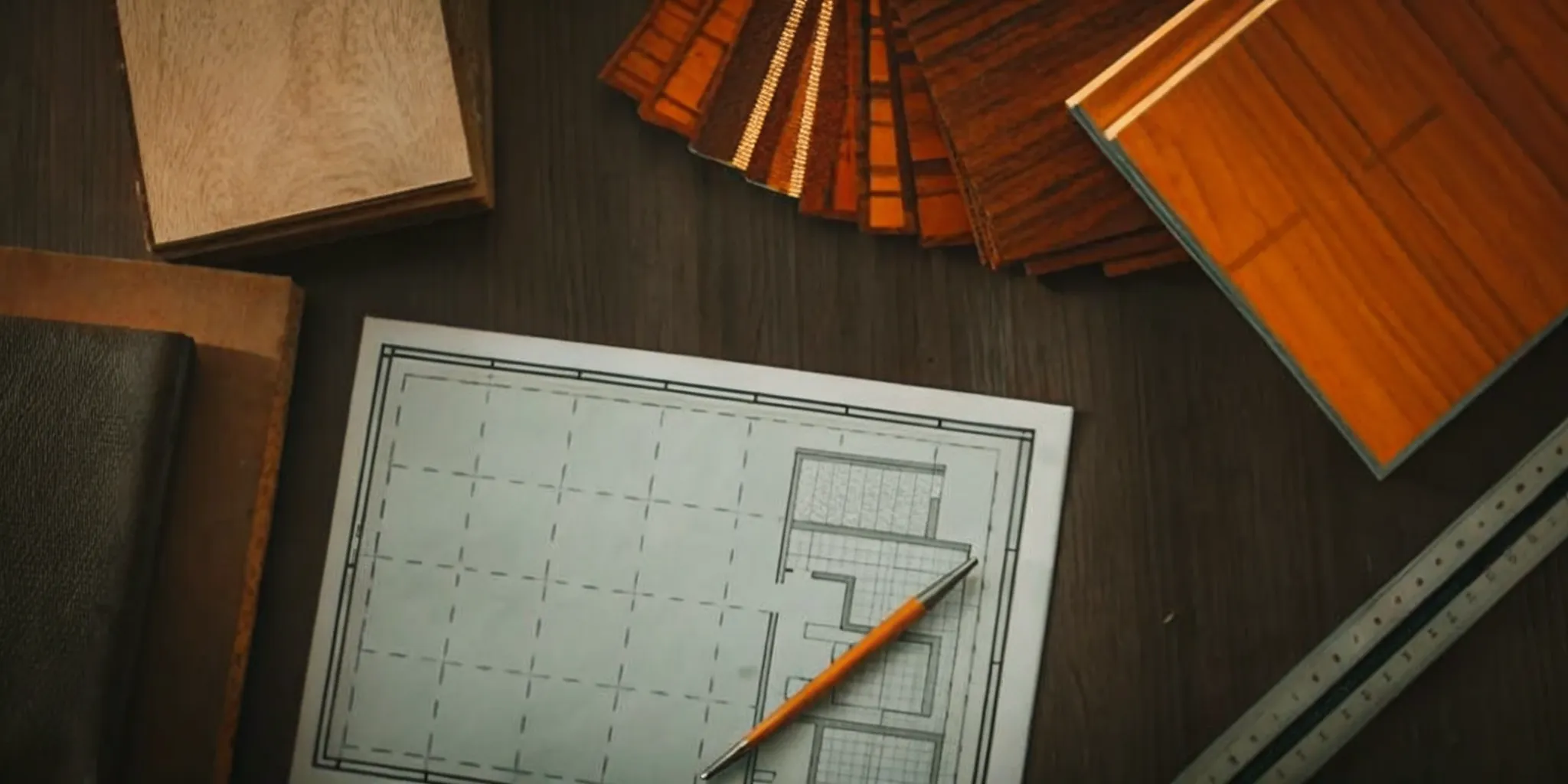
This is where your ideas take shape. Before any walls come down, you’ll work closely with your team to finalize every detail, from floor plans and material selections to paint colors and hardware. This is the most critical stage for setting expectations and ensuring everyone is on the same page. A solid plan is your project's foundation. This is also where having a partner to help you create a personalized renovation plan can turn a complex process into a clear, transparent, and stress-free experience. Make sure you approve all designs and material choices in writing before construction starts to prevent misunderstandings later.
Manage Timelines and Potential Delays
It’s wise to go into a remodel with a flexible mindset, because delays can happen. Many homeowners underestimate just how complex a large-scale renovation can be. Issues like backordered materials, unexpected structural problems, or even bad weather can push your timeline back. The best way to handle this is through consistent communication with your contractor. Ask for regular updates and a revised schedule if things fall behind. A good contractor will be upfront about any setbacks and work with you to find solutions. Building a little buffer time into your personal schedule can also help reduce stress if the project takes longer than planned.
Handle Change Orders and Budget Adjustments
A "change order" is any modification to the original project scope, and it’s a common part of remodeling. You might decide to add a feature, or your team might uncover an issue that needs to be addressed, like outdated plumbing. You’re not alone if you run into surprises—in fact, a recent survey found that the vast majority of homeowners deal with unexpected challenges during their projects. When a change is needed, your contractor will issue a formal change order detailing the new work, cost, and impact on the timeline. Always review these carefully and get them in writing before approving the work. This is exactly what your contingency fund is for.
Stay Organized from Start to Finish
Keeping all your project documents in one place is essential for staying sane during a remodel. Create a dedicated folder—either physical or digital—for your contract, invoices, change orders, and communication records. Maintaining clear communication and staying organized are the most effective ways to keep your project on track. Scheduling weekly check-ins with your project manager can also ensure you’re always aware of progress and upcoming decisions. Having a dedicated advisor to help you manage these details is one of the key benefits of working with a service like Realm, giving you a single point of contact and expert support from start to finish.
Related Articles
- Do You Need a General Contractor for a Kitchen Remodel?
- Kitchen Remodel Cost: The Ultimate Budgeting Guide
- 7 Steps to Hire a Kitchen Remodeling Contractor
Frequently Asked Questions
What's the most important first step before I start contacting contractors? Before you pick up the phone, get crystal clear on your goals. Spend some serious time thinking about what you want to achieve with your remodel—not just how it will look, but how it will function. Consider your daily routines, the pain points in your current space, and what your absolute must-haves are. Having a solid vision and a realistic budget range in mind will make your conversations with professionals far more productive from the very beginning.
How can I be sure a contractor's quote is fair and complete? A fair quote is a detailed one. You should look for an itemized breakdown that separates the costs for labor, materials, permits, and any subcontractor fees. Be cautious of a single lump-sum number, as it can hide inflated costs or leave room for surprise expenses later. Comparing several detailed quotes will give you a clear sense of the market rate and show you which contractor has put the most thought into your specific project.
My project is pretty small. Do I still need a formal contract and permits? Yes, absolutely. A contract is your primary protection, no matter the project size. It outlines the scope of work, payment schedule, and timeline, ensuring both you and the contractor are aligned on all expectations. As for permits, many smaller projects still require them, especially if they involve electrical or plumbing work. A professional contractor will know the local requirements and handle the process for you, protecting your home's safety and future resale value.
What exactly is a "change order" and how can I avoid them? A change order is a formal document that amends your original contract when you decide to alter the plan or when an unexpected issue is discovered after work begins. While you can't prevent all surprises, the best way to minimize change orders is through meticulous planning. Finalize as many decisions as possible—from tile choices to light fixture placements—before construction starts. The more you decide upfront, the fewer changes you'll need to make along the way.
How involved do I need to be once the renovation actually starts? Your level of involvement can vary, but you should expect to be a key decision-maker throughout the process. While your contractor manages the day-to-day work, you'll be needed to answer questions, approve materials, and confirm progress at key milestones. Establishing a regular check-in schedule with your project manager is a great way to stay informed and keep the project moving smoothly without feeling like you have to be on-site 24/7.